The origins of one of humanity’s largest and oldest culinary-cultural festivals trace back to a royal milestone on October 12, 1810. That was the historic moment when Bavaria’s prestigious House of Wittelsbach solemnly celebrated the wedding of Crown Prince Ludwig (who would later ascend the throne as King Ludwig I) and Princess Therese of Saxe-Hildburghausen. Rather than confining the festivities behind the imposing walls of the royal palace, the Bavarian monarchy chose to share their joy with all the citizens of Munich through a series of banquets, horse races, and lively public gatherings. The chosen venue was the sprawling green meadow stretching just outside the Sendlinger Tor city gate, which the devoted prince subsequently named after his bride: Theresienwiese, meaning “Therese’s Meadow.” Across generations, locals in Munich have affectionately referred to this hallowed ground simply as “die Wiesn”—the cradle that witnessed the birth of an immortal cultural monument.
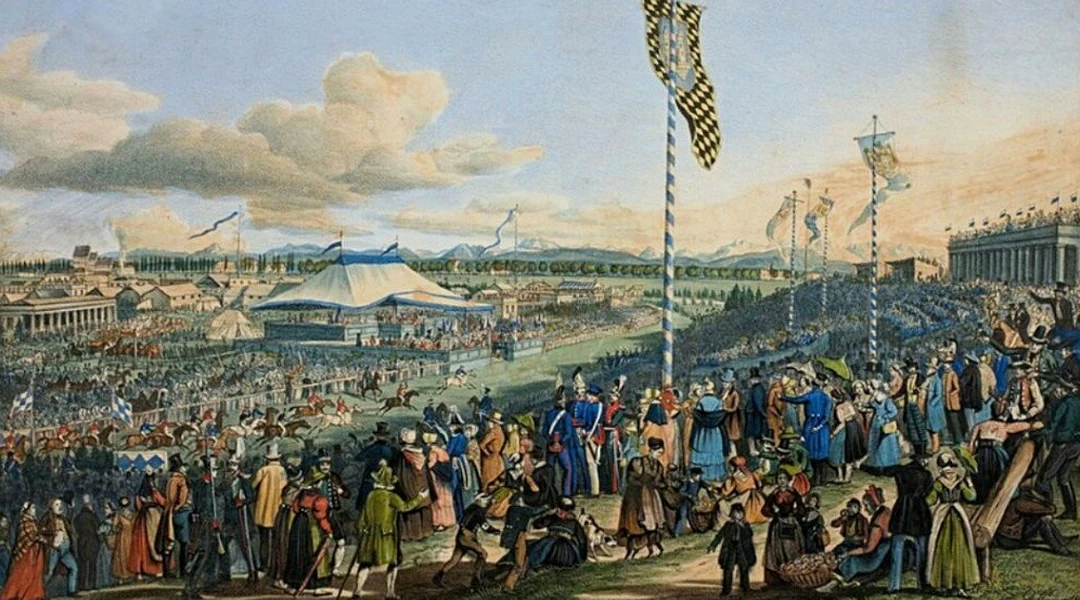
From 1810 through the 1860s, under the financial patronage and authority of the Wittelsbach dynasty, Oktoberfest gradually evolved from an aristocratic wedding celebration into an annual agricultural and folk fair. This fusion of regal splendor and Bavaria’s agrarian way of life was vividly reflected in the parallel staging of the Central Agricultural Festival (Zentral-Landwirtschaftsfest), which honored bountiful harvests, prized livestock, and traditional local brewing craftsmanship. Rustic wooden booths began sprouting across the grassy grounds, initially serving merely as mobile refreshment stands for horse-racing spectators. Yet it was the rich aroma of malted beer paired with hearty grilled sausages that captivated visitors from near and far, transforming this autumn gathering into an indispensable communal ritual across all of Bavaria.
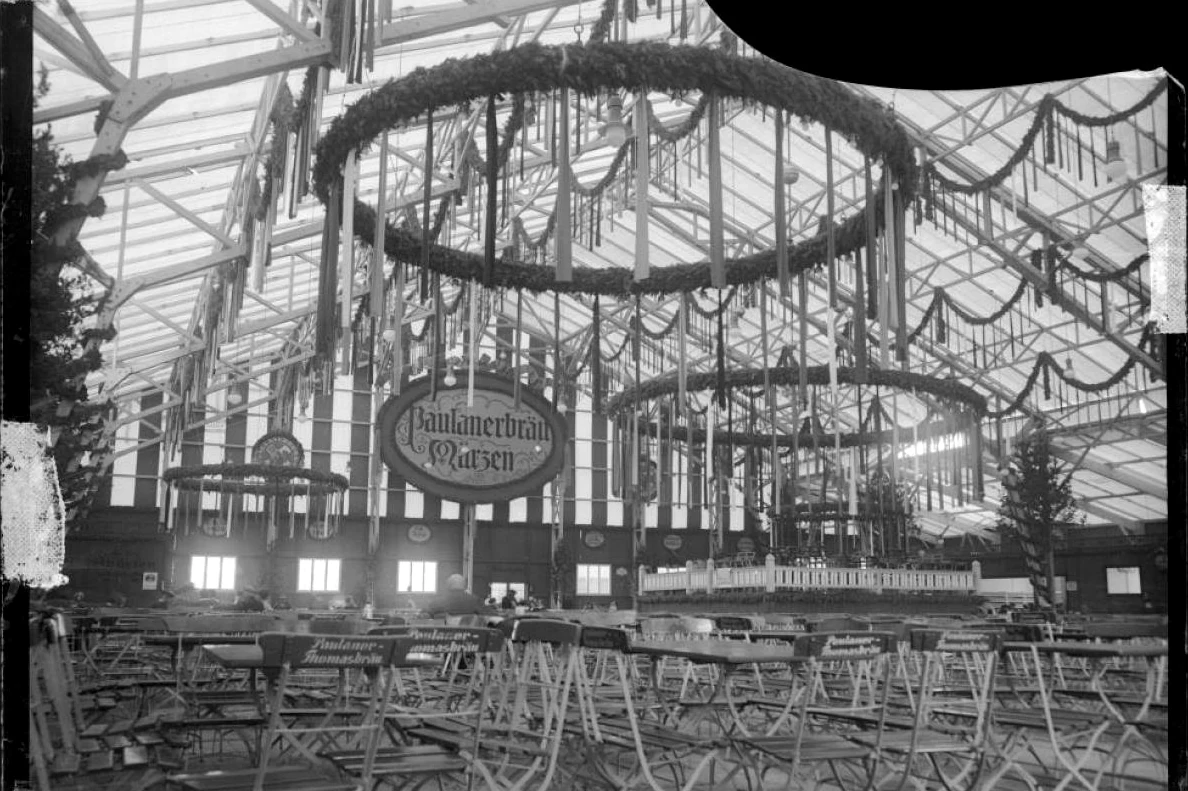
Between 1870 and 1914, the wave of industrialization and the powerful rise of Munich’s brewing guilds marked a turning point that forever reshaped the festival’s landscape. Modest, makeshift wooden shacks gave way to monumental, sturdy beer halls framed with massive oak timber—often hailed as “beer castles” (Bierburgen)—capable of seating thousands of guests at once. Early electric lighting, cutting-edge industrial refrigeration that allowed rich Märzen lager to be stored through the sweltering summer months, and exuberant brass bands turned Theresienwiese into the premier hub of commerce and entertainment in the German Empire on the eve of the 20th century.
Even so, the festival’s more than two-hundred-year chronicle has not always been paved with roses and revelry. Oktoberfest has been suspended or canceled outright 24 times amid severe historical upheavals: from the devastating Napoleonic Wars, the Austro-Prussian War, and the Franco-Prussian War to the ravages of two World Wars and deadly cholera outbreaks that swept across Europe in the 19th century. Yet after every dark interruption, the festival rebounded stronger than ever—a testament to the resilience, indomitable spirit, and infectious optimism of the Bavarian people in the face of every historical trial.
The modern era of Oktoberfest entered its most brilliant chapter in 1950, when Munich’s then-Mayor Thomas Wimmer inaugurated an iconic tradition: personally wielding a wooden mallet to tap the first brass spigot into the opening keg inside the Schottenhamel tent. His thunderous cry of “O’zapft is!” (Bavarian dialect for “It’s tapped!”), immediately followed by a 12-gun cannon salute fired from the steps of the colossal bronze Bavaria statue, became the sacred signal officially opening the festival each year. From a royal wedding centuries ago, through countless twists of fate, Oktoberfest—alongside Bavaria’s beer and smoked sausage culture—has transcended its roots as a local fair to become Germany’s proudest cultural and tourism calling card on the world stage.
Nestling against the gentle northern foothills of the majestic Alps in southern Germany, Munich stands as a masterpiece of natural and urban harmony, where the ecological lifeblood of the Bavarian plateau creates a fertile landscape rare in Central Europe. This historic metropolis is embraced by the winding Isar River, which channels crisp, glacial meltwater down from the Alpine peaks, depositing rich alluvial soil and feeding deep, pure aquifers—nature’s gift that forms the very soul of a centuries-old brewing tradition. Topographically, Munich sits on a gently sloping, breezy plain that shields the city from harsh northern cold fronts while welcoming warm Föhn winds sweeping down over the southern limestone peaks, creating a dry microclimate ideal for golden barley harvests and the world-renowned Hallertau hop fields located right at the city’s doorstep.
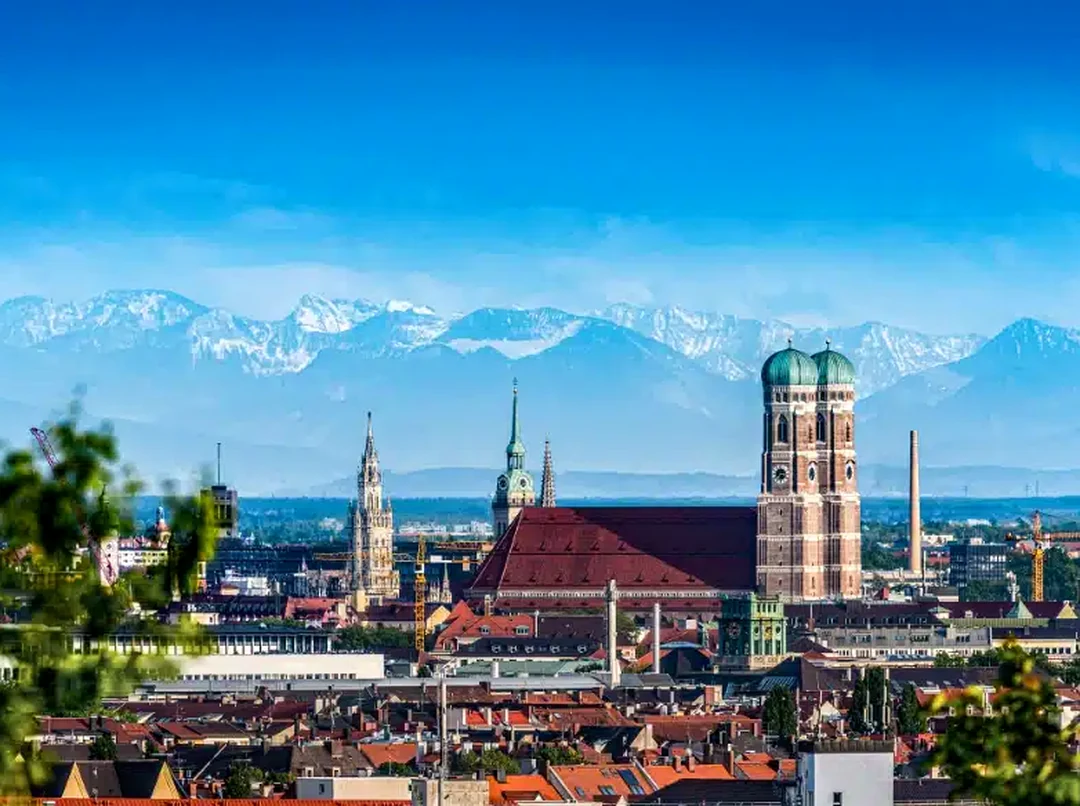
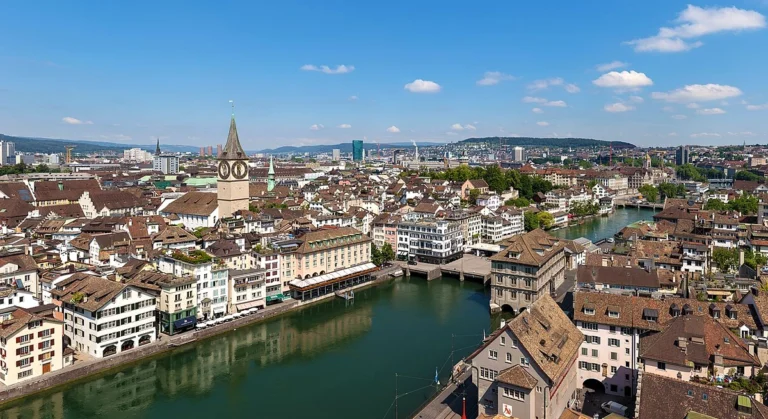
This auspicious geography is elevated by one of Europe’s most seamless transport and logistics networks, turning the city into a colossal transit heart for all of Central Europe. Munich’s world-class international airport bustles constantly with intercontinental flights, while the grand Munich Hauptbahnhof central station rises like a palatial railway beacon, dispatching high-speed Intercity Express trains directly to major capitals such as Berlin, Vienna, and Zurich within a matter of hours. On the ground, the legendary unrestricted-speed Autobahns A8 and A9 weave like sturdy arteries across the vast plain, enabling smooth cross-border travel with neighboring nations free of geographical barriers.
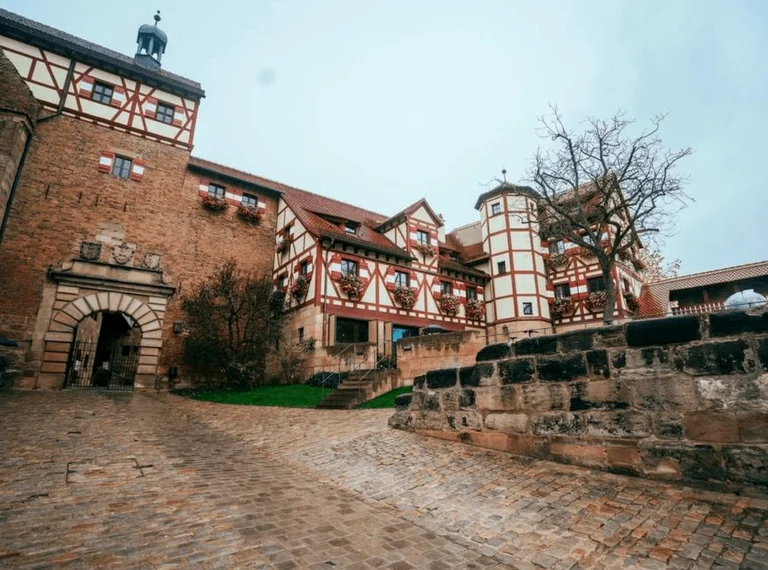
Radiating outward from this proud urban center are two legendary scenic routes that underpin the entire cultural and tourism identity of Bavaria. To the northwest, the Romantic Road (Romantische Straße) stretches from the historic episcopal city of Würzburg through remarkably preserved walled medieval towns like Rothenburg ob der Tauber before culminating at the foot of the fairytale Neuschwanstein Castle amid snow-blanketed forests. Running parallel along the southern frontier, the German Alpine Road (Deutsche Alpenstraße) links the tranquil blue waters of Lake Constance (Bodensee) with the rugged Watzmann peak and emerald Lake Königssee in the Berchtesgaden valley. Together, these scenic corridors not only paint an idyllic panorama of meadows, pine forests, and eternal snowcaps, but also form an ideal supply chain for traditional livestock farms and heritage butcheries crafting Bavaria’s celebrated Weisswurst white sausages and smoked meats.
Right in the heart of Munich, the sprawling 42-hectare hollow of Theresienwiese—purpose-planned in the early nineteenth century to commemorate the royal wedding—now serves as the unparalleled stage for the Oktoberfest Beer Festival. The spatial engineering here is calibrated down to the millimeter: beneath the ground runs a kilometer-long network of high-speed, refrigerated industrial beer pipelines that pump millions of liters of fresh draft beer from underground insulated tankers straight to the taps inside colossal tents holding tens of thousands of revelers. The synergy of pre-Alpine terroir, an interconnected transport grid welcoming millions of global visitors, and centuries-old lagering traditions in cool, chestnut-shaded cellars has created a textbook urban-cultural ecosystem, cementing Bavaria as an irreplaceable mecca of world gastronomy and festivity.
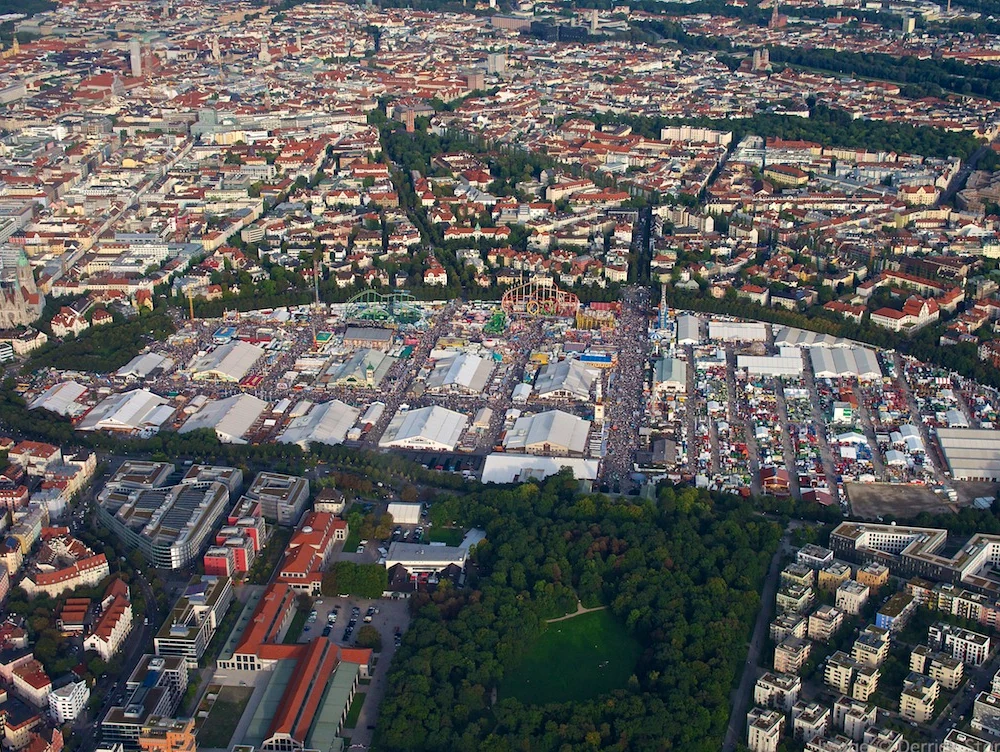
Set across Bavaria’s historic Theresienwiese plain, the festival’s core layout is defined by a one-of-a-kind architectural marvel: an ensemble of monumental “portable beer palaces” (Mega-Tents) owned and operated by Munich’s historic brewing dynasties. Far from the conventional image of flimsy canvas marquees, each grand beer hall here is a multi-tiered feat of timber engineering requiring nearly three months of continuous assembly under Germany’s strictest structural safety standards. Oversized solid pine beams soar skyward, interlocking with intricate load-bearing trusses to create vast, column-free spans that optimize sightlines and natural airflow for surging crowds.
Exemplifying this grand scale is the royal Hofbräu-Festzelt, a magnificent venue boasting a record daily throughput of nearly one hundred thousand visitors, with close to ten thousand seats tightly arranged across its indoor hall and outdoor beer garden. Suspended at the center of the Hofbräu canopy, the legendary statue of the angel Aloisius hovers amid fragrant garlands of dried hops, watching over a spirited brass orchestra. Right next door, the Schottenhamel tent carries the solemn aura of a ceremonial sanctuary. This is the historic birthplace of the festival’s most sacred opening ritual, where the incumbent Mayor of Munich delivers crisp, decisive blows with a wooden mallet into the very first oak barrel amid roaring cheers of the classic proclamation signaling that the beer is officially flowing.
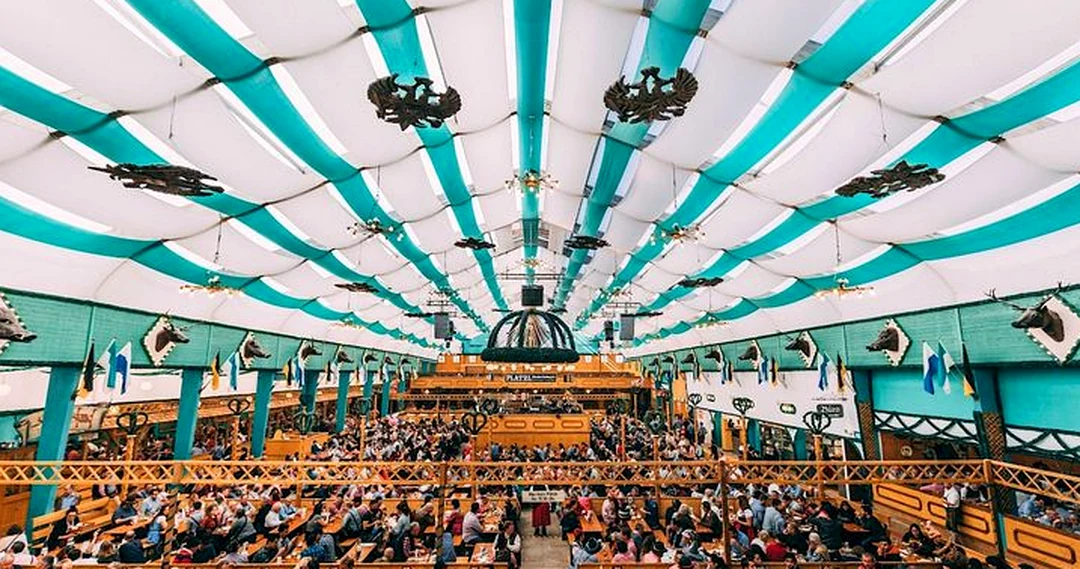
In terms of artistry and craftsmanship, the interior design of these grand halls seamlessly marries the rustic charm of Alpine timber chalets with sophisticated contemporary lighting. Every ceiling panel and wall cladding is intricately carved from solid fir wood, celebrating dense regional heraldry: cascading clusters of ripe hops intertwine with the proud golden-maned lion of the House of Wittelsbach and the signature white-and-blue diamond lozenges of the Bavarian flag. Woven into the antique timber beams are thousands of hunting trophies, silver-mounted stag antlers, and gilded beer-barrel wagons, vividly recreating a medieval royal banquet hall illuminated by smart lighting systems that shift softly in hue with every brass fanfare.
Behind this nostalgic charm and boisterous atmosphere lies a state-of-the-art underground infrastructure, demonstrating a model ecological transition for a global mega-event. The entire architectural complex operates 100% on clean renewable energy, combining abundant hydropower from upper Alpine rivers with high-efficiency photovoltaic panels. Furthermore, modern crowd and resource management is perfected through smart, microchip-equipped reusable glass steins that monitor fill volumes, working alongside underground pipelines supplying chilled draft beer at exact serving temperatures directly from deep subterranean tanks. This closed-loop circular infrastructure not only preserves the pristine flavor of fresh beer and culinary heritage, but also transforms the festival grounds into a world-leading benchmark for sustainable event architecture.
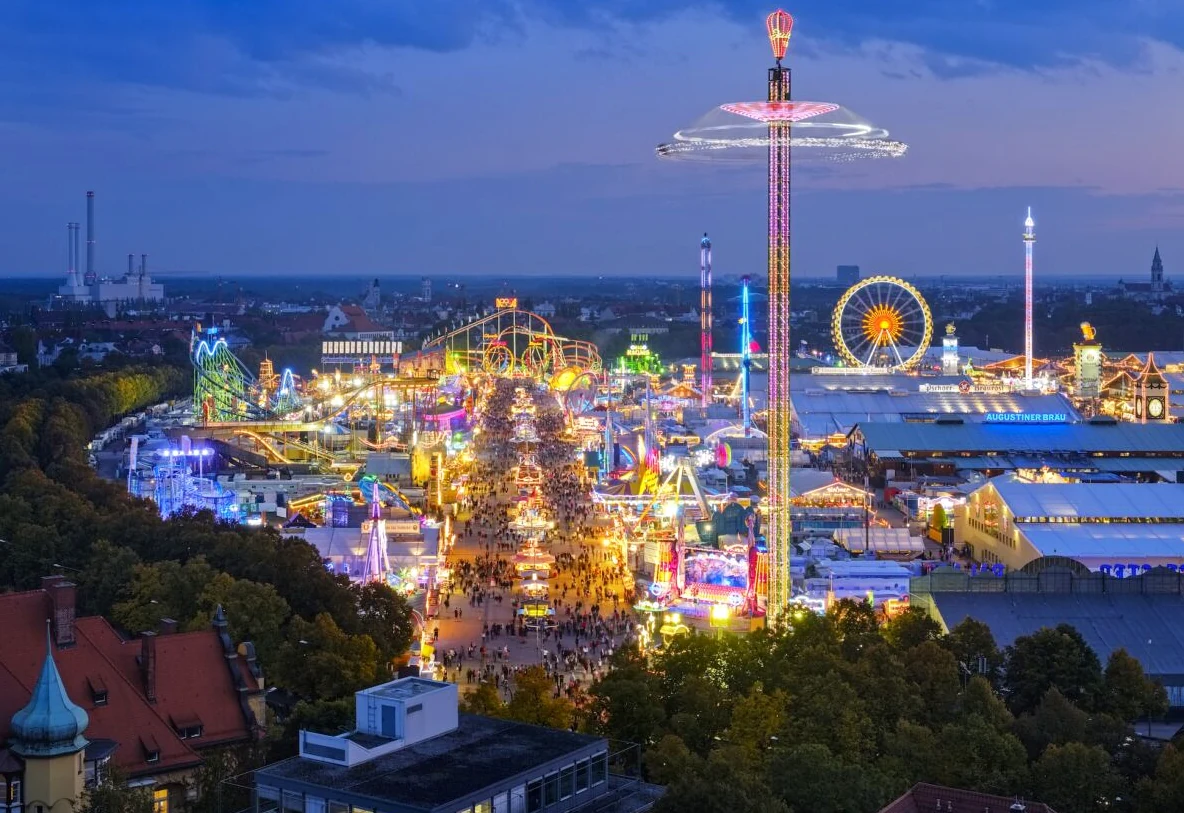
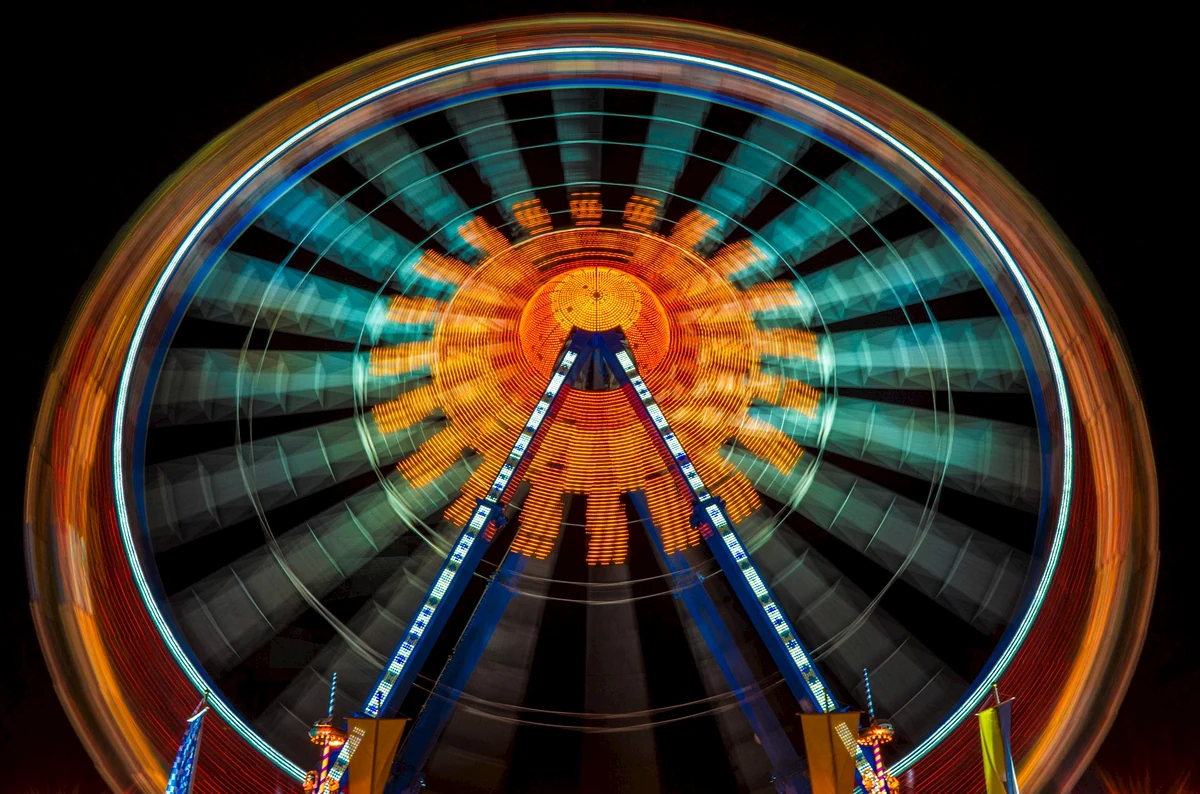
As twilight fades behind Munich’s rows of chestnut trees, the 42-hectare Theresienwiese meadow transforms into a dazzling, awe-inspiring capital of light. Once the site of the grand royal wedding between Crown Prince Ludwig I of Bavaria and Princess Therese of Saxe-Hildburghausen in the autumn of 1810, this historic landmark becomes one of Europe’s largest open-air theatrical stages. Beneath the deep night sky, millions of vintage incandescent bulbs and contemporary architectural spotlights flare to life in unison, bathing the timber-paved boulevards in warm gold and illuminating the pointed peaks of fourteen monumental beer tents. By night, Theresienwiese is far more than a mere culinary gathering—it is a living symphony of light where the boundary between the storied past of the Wittelsbach dynasty and the electric pulse of the modern world dissolves completely.
Stepping through the heavy doors of storied tents like Schottenhamel or Hofbräu-Festzelt—each accommodating between six thousand and nearly ten thousand guests—visitors are immediately swept into an intense sensory whirlwind. Beneath the soaring timber arches, the interior is lavishly draped in white-and-blue ribbons symbolizing the Bavarian flag, interspersed with fragrant hop wreaths suspended mid-air. Radiant chandeliers cast a warm glow over endless rows of long wooden tables, highlighting plumes of savory smoke rising from banks of continuously turning rotisseries. The air hangs thick with the mouthwatering aroma of golden-roasted Wiesn-Hendl chicken basted in herb butter, crackling-skinned Schweinshaxe pork knuckles, and countless links of dark oak-smoked sausages sizzling over iron grates. Rich, savory drippings mingle with sweet roasted malt and world-class Oktoberfestbier—brewed strictly in accordance with the 1516 Reinheitsgebot Purity Law—creating an intoxicating bouquet of aromas.
The soul of this living spectacle reaches fever pitch when the traditional Blasmusik brass band strikes up from an ornate central bandstand built like a miniature fortress. Clad in gold-embroidered velvet waistcoats, musicians stoke the crowd’s excitement with lively Alpine marches before launching into the timeless anthem “Ein Prosit der Gemütlichkeit” every fifteen minutes on the clock. As the melody rings out, tens of thousands of people leap onto their wooden benches, singing in unison and clinking heavy one-liter glass Maßkrug steins together in a thunderous, crystalline chorus. Swept up in this tide of camaraderie are rugged men wearing buckskin Lederhosen steeped in pastoral heritage alongside radiant women in classic embroidered Dirndl dresses cinched with graceful waist ribbons. This effortless blend of centuries-old folk attire and contemporary pop-rock anthems creates a vibrant human tableau in which every guest becomes a lead performer in an unscripted folk musical.
Outside the bustling tent doors, Munich’s night reveals another enchanting dimension: a vintage fairground steeped in rich nostalgia. The towering 50-meter Riesenrad Ferris wheel rises into the night sky like a neon-lit celestial wheel, rewarding riders with sweeping panoramic views over the illuminated festival avenues and the distant twin domes of the Frauenkirche cathedral. Nearby, the historic Krinoline carousel—in continuous operation since the 1920s—still turns to the rhythm of a live brass ensemble seated right on its rotating center platform, faithfully preserving the romance of a bygone century. The interplay of exuberant screams from thrill rides, bursts of fireworks, and traditional brass harmonies elevates Oktoberfest nightlife into a pinnacle visual-cultural experience—an enduring aesthetic memory of Bavaria’s free-spirited soul.
The heart of Bavaria’s culinary tapestry extends far beyond its festive exuberance, rooted deeply in rigorous gastronomic standards passed down through generations. The lifeblood of the festival flows from a golden elixir known as Oktoberfestbier—a specially brewed beer permitted to be produced exclusively by Munich’s historic “Big Six” breweries within the city limits: Augustiner, Hacker-Pschorr, Löwenbräu, Paulaner, Spaten, and Hofbräu-München. Every drop poured beneath the grand tents must strictly obey the Reinheitsgebot (Bavarian Beer Purity Law) decreed by Duke Wilhelm IV in 1516, stipulating that beer may contain only pure water, barley, and hops. Slightly stronger than everyday lagers at 5.8% to 6.3% ABV, this festival brew boasts a deep amber-gold hue, a full-bodied malty backbone, and a dense, creamy head when poured to the brim of a heavy one-liter glass mug called a Maß.
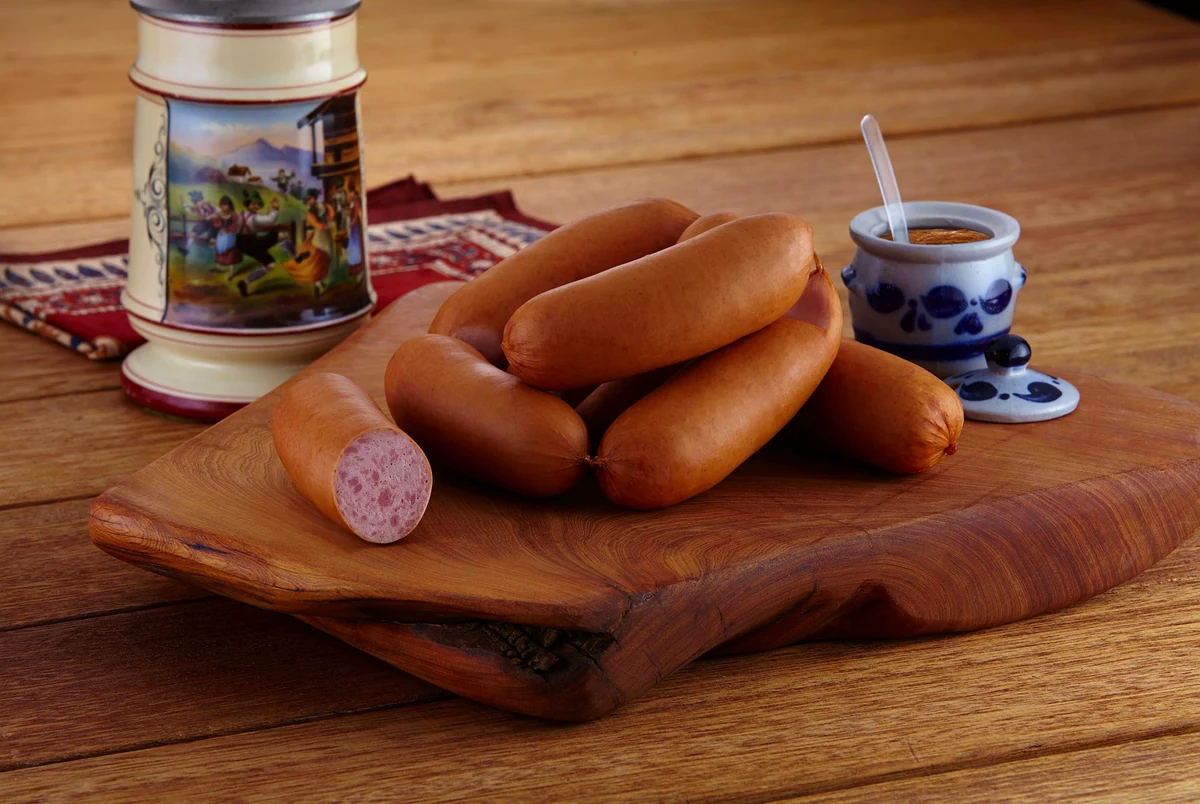
Alongside this pure liquid gold, local sausage culture unfolds as a refined culinary art where each variety commands its own distinct ritual. The pinnacle of delicacy belongs to Weißwurst, Munich’s celebrated white sausage crafted from finely minced veal and pork back bacon, subtly perfumed with grated lemon zest, onions, and fresh parsley. Age-old Bavarian custom enforces one inviolable rule: Weißwurst must be eaten before noon—before the church bells chime twelve—a living vestige of pre-refrigeration days when sausages made at dawn had to be consumed fresh that morning. Connoisseurs never slice through the casing with a knife; instead, they slit the skin lengthwise or skillfully peel back the natural casing with their teeth (“zuzeln”), dipping the velvety white meat generously into traditional sweet Bavarian mustard alongside a freshly baked, mahogany-crusted Brezel pretzel studded with coarse sea salt.
The rich realm of wood-smoked sausages comes alive through plump Knackwurst and Regensburger Wurst, hung inside smokehouses over seasoned fruitwood and aged oak logs for days on end. Absorbing the aromatic wood oils, their taut casings snap with a crisp, satisfying pop at first bite, releasing layers of savory richness and deep, lingering smoke across the palate. Right beside them sits Bratwurst—Central Europe’s quintessential grilled sausage, seasoned by heritage butchers with nutmeg, marjoram, and black pepper, then seared directly over glowing hardwood embers until blistered golden-brown and glistening, irresistible tucked into a crusty roll slathered with tangy yellow mustard.
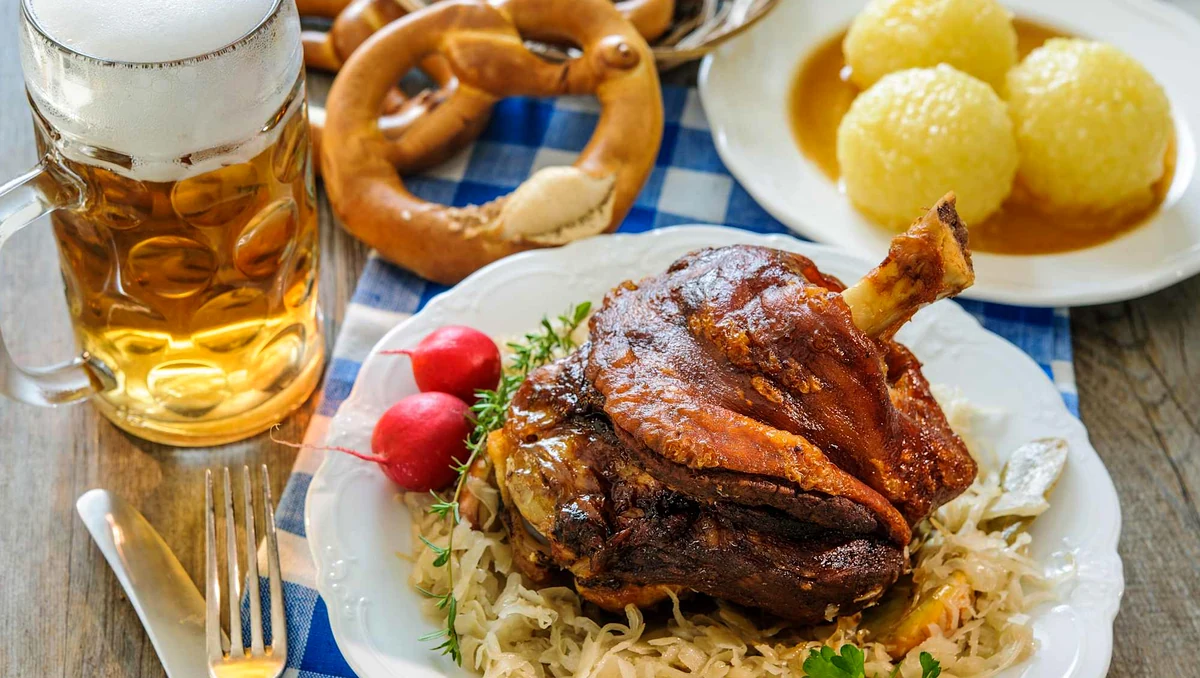
Yet the undisputed crown of any Bavarian banquet belongs to Schweinshaxe, the legendary beer-roasted pork knuckle that has captivated food lovers worldwide. Bavarian chefs rub the knuckle with caraway seeds, crushed garlic, and coarse sea salt, slow-braising it for hours in an aromatic vegetable broth before transferring it to a high-heat roasting oven. Throughout roasting, ladles of Oktoberfestbier are repeatedly basted over the meat, triggering a thermal reaction that puffs and blisters the pork rind into a golden-amber crust as crisp as glass, contrasting exquisitely with the tender, succulent, deeply seasoned meat beneath. This monumental pork knuckle is traditionally accompanied by Knödel—pillowy steamed potato dumplings engineered to soak up every drop of rich pan gravy—alongside a portion of Blaukraut, braised red cabbage simmered with red apples and malt vinegar for a sweet-and-tangy counterpoint that achieves five-flavor harmony in southern Germany’s epic feast.
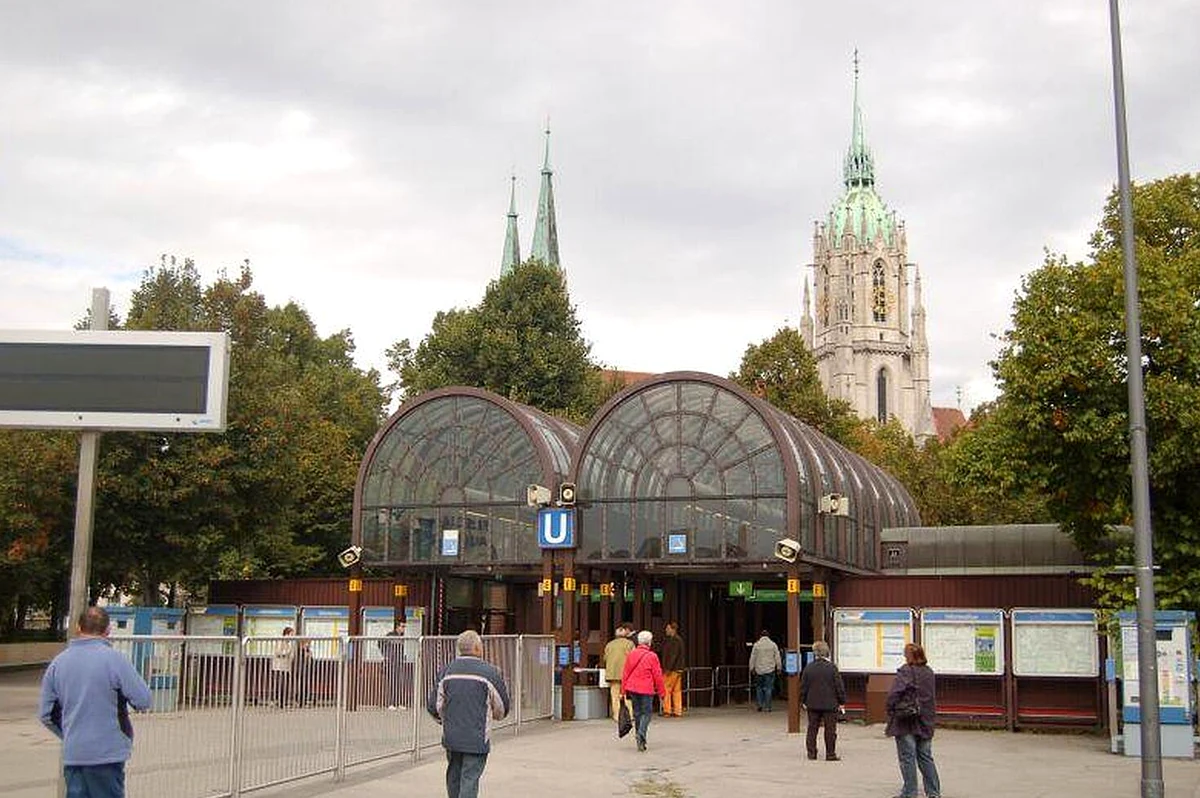
To immerse yourself seamlessly in the festivities across Munich’s vast 42-hectare Theresienwiese grounds, mastering local transit routes and festival rhythms is essential. Munich’s public transport network (MVV) offers the most convenient access via underground U-Bahn subway lines—specifically the U4 and U5 stopping right at Theresienwiese or Schwanthalerhöhe stations—as well as S-Bahn suburban trains (lines S1 through S8) to Hackerbrücke, from where a brisk ten-minute stroll across the iconic wrought-iron bridge leads straight to the festival gates. On weekdays, the grand beer tents (Festzelte) open their doors from 10:00 AM until 11:30 PM, while on Saturdays, Sundays, and public holidays, crowds pour in starting at 9:00 AM; last call for beer (Ausschankschluss) is strictly observed at 10:30 PM sharp to maintain public order.
The single most decisive factor in a successful visit is mastering the art of table reservations (Tischreservierung). Long wooden tables inside the major tents are booked out months in advance, especially for prime evening slots and throughout weekends when tents quickly close their doors once capacity is reached. Visitors without reservations must adopt a disciplined early-bird strategy, lining up by 7:30 AM to claim spots in the unreserved walk-in sections. Once seated at these communal benches, striking up conversations and sharing space with complete strangers is an unspoken social norm that embodies Bavaria’s warm, convivial spirit of Gemütlichkeit.
Proper festival etiquette also calls for an appreciation of traditional Tracht attire. Visitors are warmly encouraged to wear authentic folk dress as a sign of respect for local cultural heritage. Men typically don handcrafted vegetable-tanned deerskin Lederhosen paired with suspenders embroidered with Edelweiss motifs, a checkered button-down shirt, and two-piece woolen Loferl calf warmers. Women shine in figure-flattering Dirndl dresses topped with a Schürze apron tied in a neat bow. Interestingly, the placement of the apron bow (Schleife) conveys a playful secret code: tied on the left signals that the wearer is single; tied on the right indicates she is married, engaged, or taken; tied dead-center traditionally signifies a maiden; and tied at the back is reserved for widows or local waitresses.
Every full one-liter glass Maß of Oktoberfestbier and every hearty platter—whether half a butter-basted roast chicken (Hendl), a crackling-skinned Schweinshaxe pork knuckle, or classic Weißwurst with a warm Brezn pretzel—comes with clearly posted menu prices. Central to table etiquette is tipping Bavaria’s legendary servers (Bayerische Bedienung). These servers perform extraordinary feats of strength and agility, routinely hoisting ten to twelve heavy glass steins weighing nearly thirty kilograms through dense, rowdy crowds; leaving a tip of five to ten percent—or rounding up the bill generously—is far more than a service charge, serving as heartfelt gratitude for their tireless labor.
To ensure your journey captures the true cultural essence of Bavaria, discerning travelers should steer clear of cut-rate itineraries riddled with forced shopping traps at overpriced Solingen cutlery outlets, mass-produced cuckoo clock showrooms, or aggressive herbal supplement shops. Prioritizing an authentic cultural itinerary completely free of mandatory commercial stops ensures every precious hour is devoted to living history, traditional Blasmusik brass music, and unforgettable culinary craftsmanship. To turn the dream of stepping into Germany’s premier barley-and-hops sanctuary into reality—complete with coveted reserved tent seating and curated gastronomic experiences—consider entrusting your journey to an all-inclusive European tour package thoughtfully crafted by seasoned cultural travel specialists.