Nestled amid the majestic Central Highlands jungle and stretching across Krong Na Commune, Buon Don District, Dak Lak Province, the lower reaches of the Serepok River stand as a unique nexus of geological, hydrological, and centuries-old cultural heritage. In terms of feng shui terrain, this area boasts an extraordinarily rare natural formation: as the Serepok River flows through, it splits into multiple branches that embrace fertile alluvial islets, creating an archipelago of large and small islands amidst swirling currents. This “water-encircled, mountain-flanked” landscape paints a natural portrait that is both untamed and grand, exuding a sense of awe deep within the primeval forest.
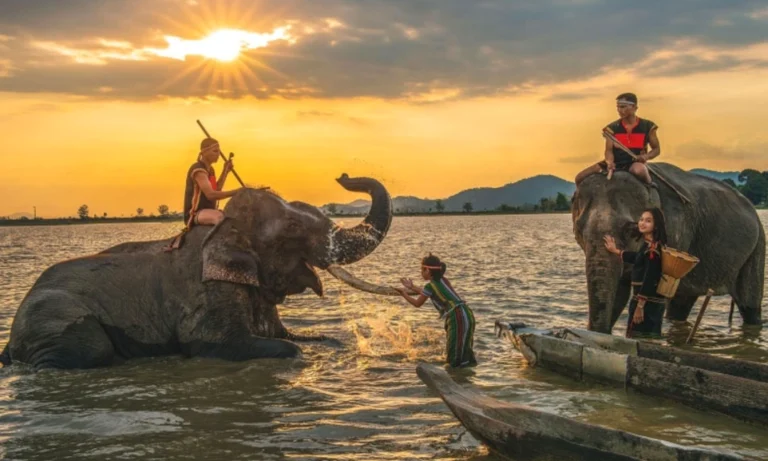
Stepping back in time through Nguyen Dynasty Han-Nom historical records such as Dai Nam Thuc Luc and Dai Nam Nhat Thong Chi, or the nostalgic ethnographic writings of French scholar Henri Maitre, this land never bore the guise of a modern commercial “tourist area.” Deep within historical memory, it was proudly known as the “Land of the Elephant-Hunting Chieftains.” Its original name, “Buon Don”—derived from the native Ede and M’nong term Buon Dun—literally translates to “Island Village.” That name was born from its primeval topography, when traditional longhouses of the indigenous people appeared tucked away on raised strips of land surrounded by the rushing waters of the Serepok River.
The pioneering history and establishment of Buon Don are tied to brilliant milestones from the second half of the 19th century, specifically around 1861 during the reign of Emperor Tu Duc. Gradually, it evolved into the largest settlement, trading hub, and wild elephant-taming center across all of Indochina. The vibrant vitality and prosperity of this region resulted from a remarkable cultural fusion among the M’nong, Lao, and Ede ethnic groups under the masterful leadership of legendary chieftains.
Mentioning Buon Don immediately brings to mind Khun Yu Nhot (Ngru Pan), an illustrious historical figure of Lao origin with a vision ahead of his time. Possessing a deep understanding of the rugged terrain and the languages of indigenous groups such as the M’nong, Ede, and Gia Rai, he laid the foundation for the renowned art of hunting and taming wild elephants. Under his guidance and that of his outstanding successor, Khun Su Not (Ama Su Not), at the turn of the century, Buon Don rose to become one of the busiest inland trading ports. It once served as a bustling commercial crossroads for ivory, rhinoceros horn, wild forest honey, and intricate brocade among Lao, Siamese, and Kinh merchants.
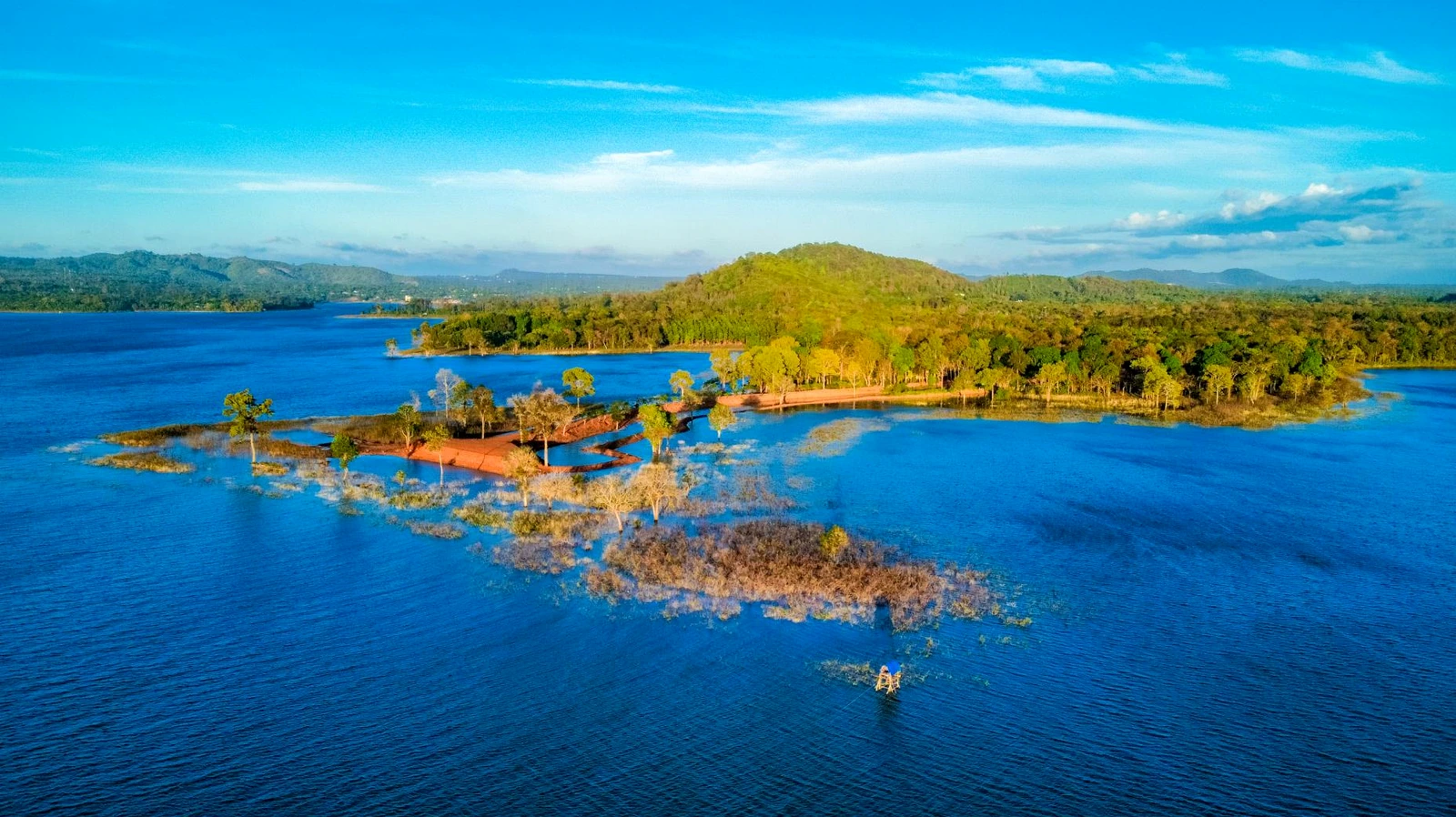
Through numerous historical eras and upheavals, the geological heritage value and cultural-historical space of Buon Don have remained deeply cherished and preserved by management authorities and the press alike. Every bend of the river, every ancient tree lapped by endless waves, and the resonant echo of gongs across the great forest serve as invaluable historical relics. Today, Buon Don does not merely preserve the glory of a former “elephant-hunting kingdom”; it simultaneously stands as a proud jewel of Vietnamese travel heritage, where a heroic past endures alongside the living pulse of the vast Central Highlands mountains and forests.
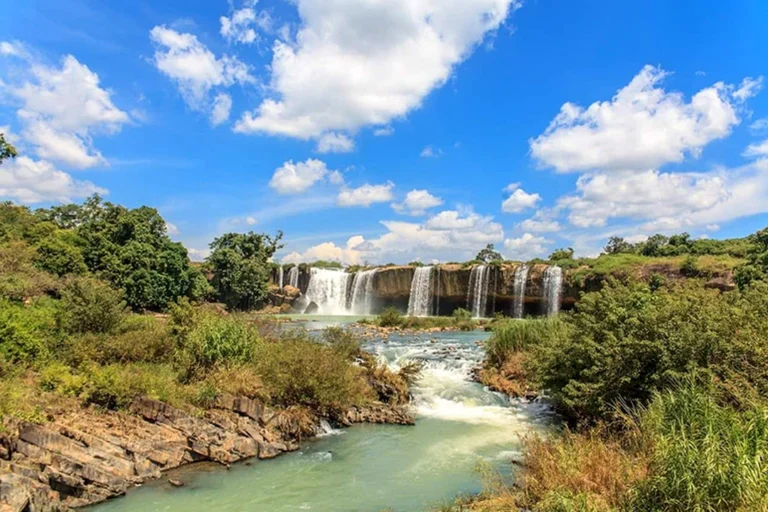
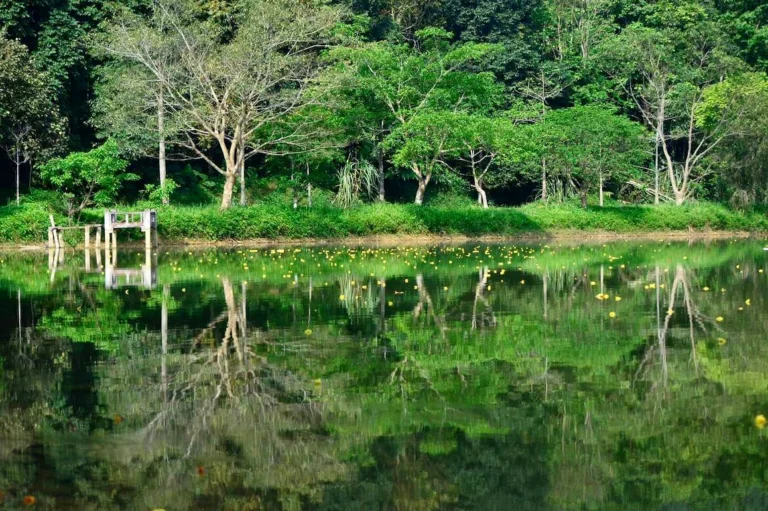
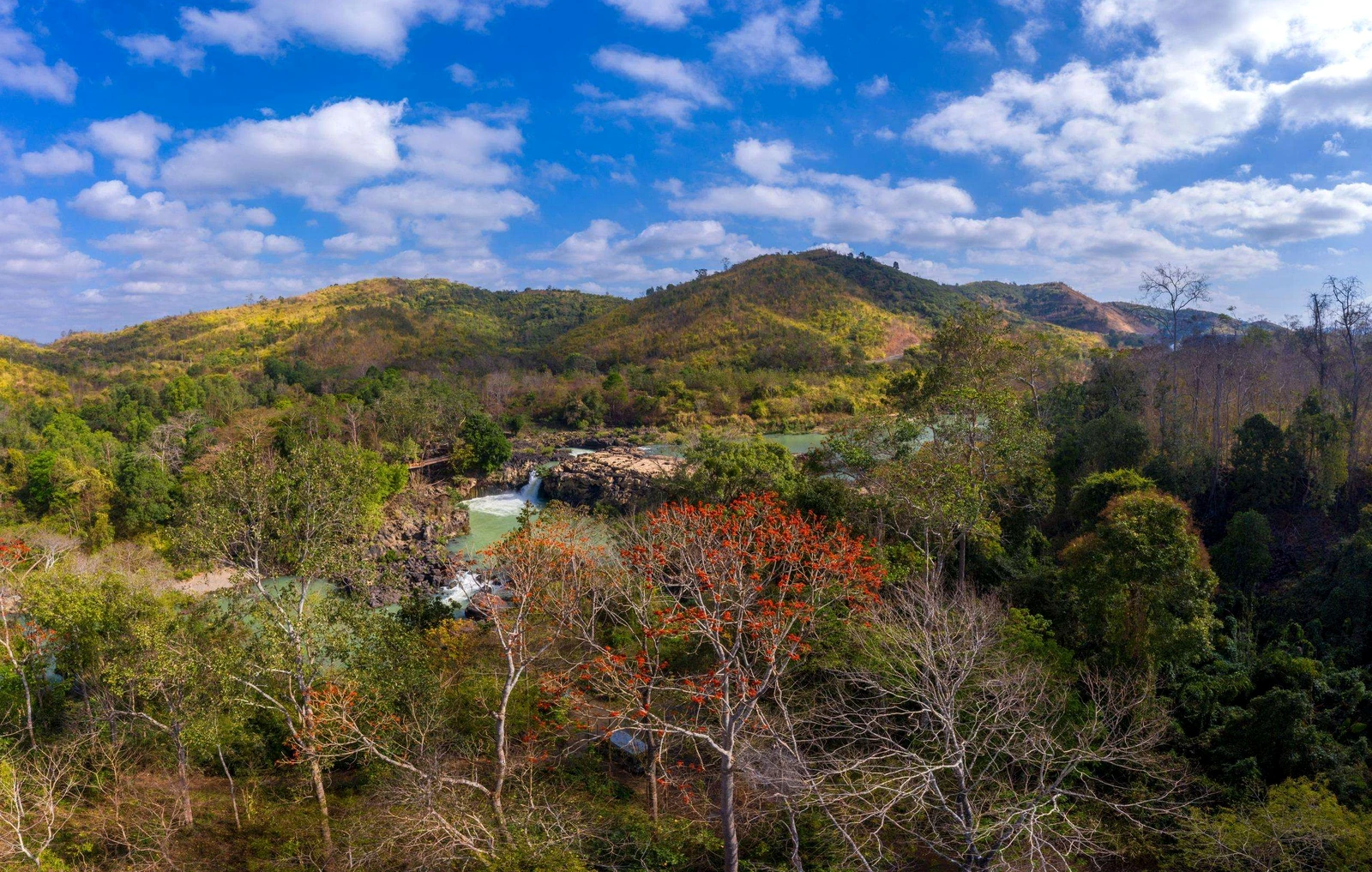
Situated along the rushing currents of the legendary Serepok River, the Buon Don Historical and Cultural Relic Site unfolds before travelers as a breathtaking natural panorama, where pristine wilderness blends seamlessly with the one-of-a-kind indigenous architecture of the highlands. Buon Don’s topography is truly extraordinary, living up to its original name “Buon Dun”—an island village nestled squarely in the heart of the waterways, embraced by branching river channels that nourish lush, year-round greenery. The scenery exudes a wild yet commanding beauty, featuring centuries-old trees spreading wide canopies of shade, intertwined roots clinging to earth and stone, and the roar of water crashing over solemn basalt rapids—creating a primal symphony characteristic of the Central Highlands wilderness.
Stepping deeper into its architectural space, the defining highlight of timeless aesthetic and cultural value is the traditional stilt house system of the Ede, M’nong, and Lao communities. These stately long stilt houses, topped with thatch or uniquely curved boat-shaped tiled roofs, stretch out like dugout canoes gliding across high waves. Every carved detail on pillars and rafters showcases the exquisite wood-sculpting artistry of ancient craftsmen, featuring motifs inspired by brocade patterns, birds, animals, the sun, and mother’s breasts—symbols of animist beliefs and the enduring bond between humanity and nature. The entrance staircases, painstakingly hewn into the shapes of a crescent moon and a pair of elephant tusks, serve not merely as walkways but as works of art steeped in the soul of indigenous culture.
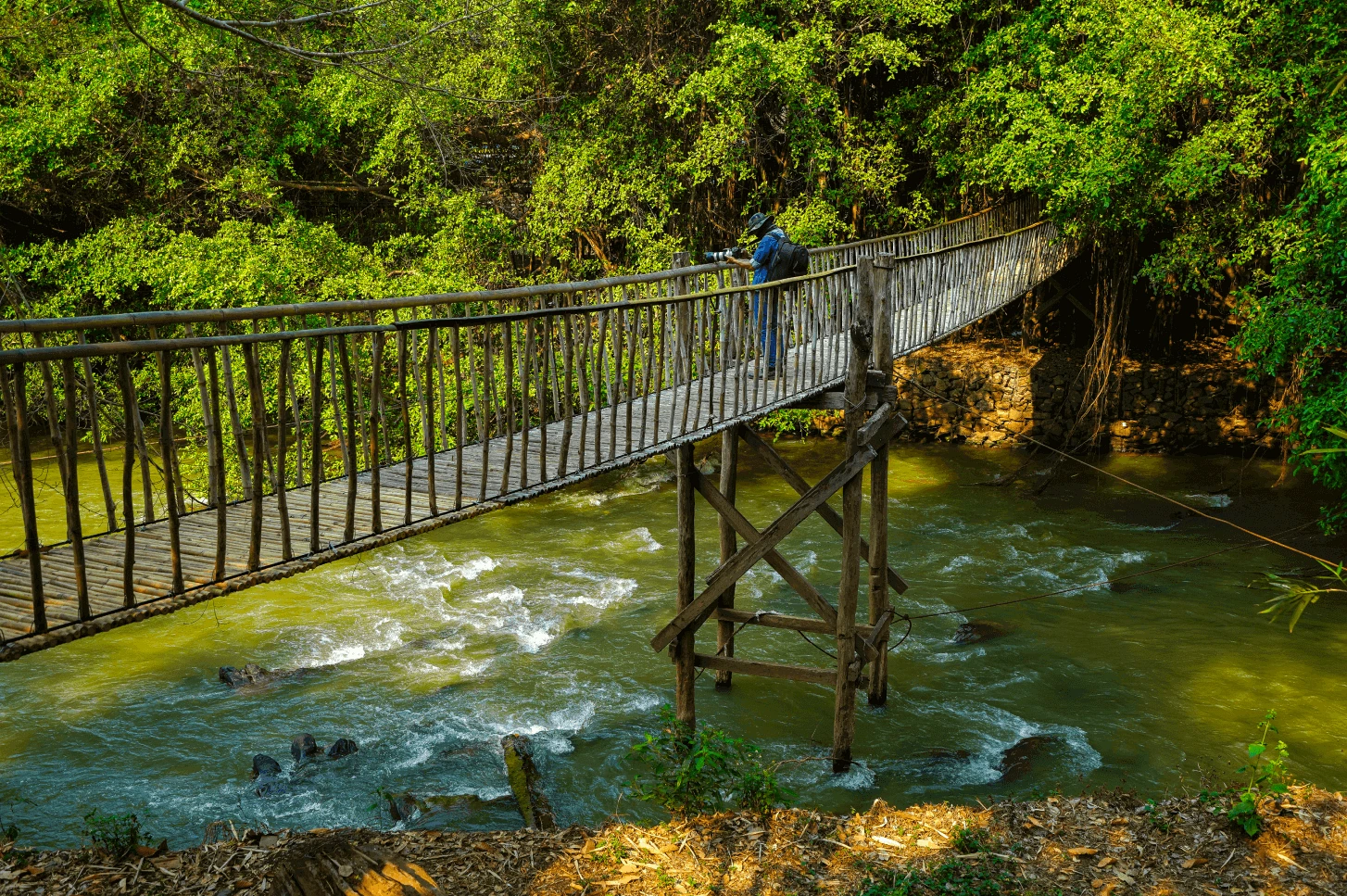
To capture the full beauty of this land, seasoned photographers and travel journalists often share insider tips on the most prized vantage points. The first million-view photo spot is the suspension bridge system spanning the Serepok River, linking the island shore to the old-growth forest. Standing in the middle of the swaying bridge and gazing out into the distance, you can frame churning whitewaters, jagged karst outcrops, and endless expanses of deep green jungle. The ideal lighting window for this spot is at dawn (from 5:30 AM to 6:30 AM), when lingering mist hovers over the water’s surface and mingles with brilliant golden morning sunbeams piercing through the foliage, creating an ethereal, epic atmosphere.

The second stunning photo spot lies along the riverside rocky beach near the thousand-year-old ancient tree area. This expansive open space allows photographers to capture the full depth of the winding Serepok River hugging the horizon, paired with the silhouettes of stilt houses glimpsed faintly through wisps of late-afternoon hearth smoke. Sunset (from 5:00 PM to 6:00 PM) is the golden hour to shoot here. As the crimson sun slowly dips behind the mountain range, it bathes an entire stretch of the river in gold, transforming Buon Don into a contemplative, nostalgic, and captivating oil painting that enchants every visitor and leaves an unforgettable impression.
Setting foot in the Buon Don Historical and Cultural Relic Site feels like traveling back through time to the pristine, majestic roots of the Central Highlands. From the very first steps, visitors are overwhelmed by the grand natural tableau painted by the surging Serepok River. The atmosphere here breathes legend, where forest winds blend with echoes of the past, awakening every sense dulled by the hustle and bustle of everyday life.
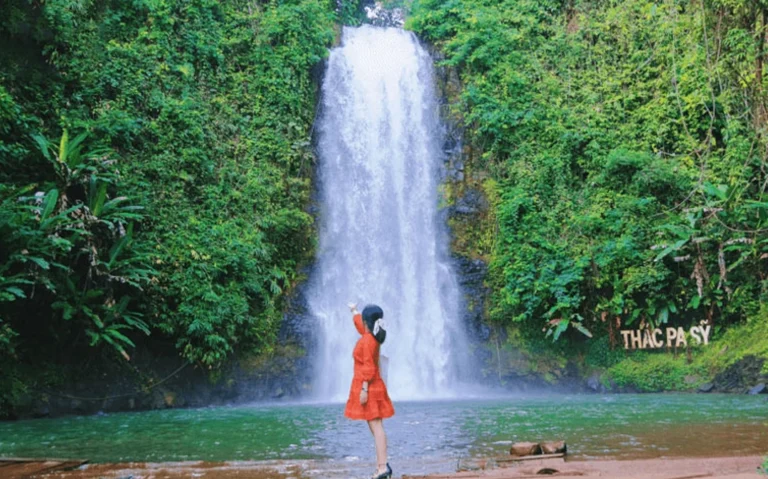
The hands-on exploration begins with thrilling and novel experiences. Travelers can challenge themselves along gentle trekking trails beneath primeval forest canopies, breathing in crisp air scented with pine resin and earth. Even more unique is drifting aboard traditional dugout canoes gliding smoothly along the winding Serepok River. Seated in the canoe, admiring lush green vegetation lining both banks and listening to the distant roar of cascading waterfalls, visitors experience a remarkably profound sense of tranquility. Looking out from elevated vantage points, the entire majestic expanse of the village comes into view, resembling a magnificent natural masterpiece bestowed upon this red basalt land.
Beyond its landscapes, the spiritual spaces of Buon Don offer moments of deep inner reflection. Visitors can pay respects at sacred sites and learn about the spirit and elephant-deity worship practiced by local ethnic minorities, gaining a deeper appreciation for their philosophy of living in harmony with nature. The cultural interplay among the M’nong, Ede, and Lao peoples has forged an unmistakable identity, where every ancient tree and riverbank holds tales of heroic epics.
To cap off the journey, visitors must not miss the chance to savor the region’s celebrated culinary specialties. Inside a traditional longhouse glowing with warm firelight, guests can taste fragrant, chewy bamboo-tube sticky rice (com lam), satay grilled chicken dipped in fiery e tre chili salt, bittersweet cassava leaf soup, and sips of traditional jar wine (ruou can) brimming with Central Highlands hospitality. Together, these flavors leave an unforgettable aftertaste that makes everyone who visits Buon Don reluctant to leave.
Welcoming visitors year-round, the Buon Don Historical and Cultural Relic Site (Krong Na Commune, Buon Don District, Dak Lak Province) remains a premier destination attracting domestic and international travelers thanks to its seamless blend of untamed epic heritage and distinctive indigenous cultural experiences. To ensure your journey through the “Land of the Elephant-Hunting Chieftains” is as fulfilling, smooth, and meaningful as possible, the pocket guide below provides all the latest essential information.
Regarding operating hours, the relic site is open to visitors every day of the week—including Saturdays, Sundays, and public holidays—from 7:00 AM to 5:00 PM daily. These hours allow travelers to easily plan their sightseeing, photography, and outdoor activities without feeling rushed.
As for published admission fees, general entry tickets to the tourist area are kept very reasonable at 30,000 VND per adult and 10,000 VND per child. For special spiritual relic areas, the 120-year-old ancestral house of the Elephant-Hunting King, or traditional gong performances and cultural art exchanges performed directly by local Ede and M’nong communities, supplementary service tickets range from 20,000 VND to 50,000 VND depending on the scale of the program. Notably, completely free admission is granted to children under 1 meter tall and senior citizens over 80 years old upon presenting valid identification.
To reach Buon Don from central Buon Ma Thuot City, the most direct and convenient route follows National Highway 14 heading north before turning left onto Provincial Road 1 (extended Nguyen Tat Thanh Street). The total distance is roughly 42 km, taking an estimated 45 to 60 minutes depending on your mode of transport. Travelers can opt for a private car or motorbike to stop freely and enjoy the scenery along the way, take the frequent daily Buon Ma Thuot – Buon Don public bus route, or book a taxi or ride-hailing vehicle if traveling in a larger group.
The best time of year to visit Buon Don is from November through April of the following year, coinciding with the Central Highlands dry season. During these months, the weather is pleasantly dry with clear blue skies and bright golden sunshine—ideal for walking across suspension bridges, wading in streams, touring traditional longhouses, and immersing yourself in vibrant local festivals. Conversely, visiting during the rainy season from May to October rewards travelers with the dramatic sight of the Serepok River surging with powerful currents amidst an endless expanse of lush green jungle.
Finally, given the nature of a spiritual and cultural-historical space intertwined with mountainous terrain, waterways, and traditional villages, visitors should wear modest, respectful, yet neat attire—prioritizing breathable, flexible clothing and non-slip sneakers or hiking shoes for comfortable footing across the wooden suspension bridges spanning the river. When entering traditional Ede and M’nong longhouses or sacred areas, please strictly observe cultural etiquette, maintain cleanliness, refrain from touching ancient artifacts without permission, and always show respect for local customs and traditions.
To enjoy a seamless getaway and take in the full splendor of Buon Don Tourist Area without worrying about arranging transportation, booking admission tickets, or planning itineraries, travelers can choose VDS Travel’s premium all-inclusive Buon Ma Thuot tours. Each itinerary is thoughtfully crafted to optimize photo stops when the scenery is at its finest, accompanied by knowledgeable local guides well-versed in regional culture alongside top-tier hotel and dining standards.