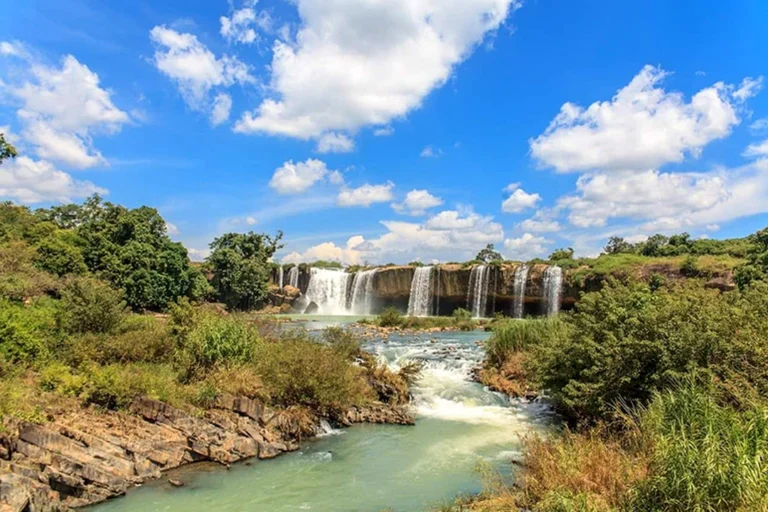
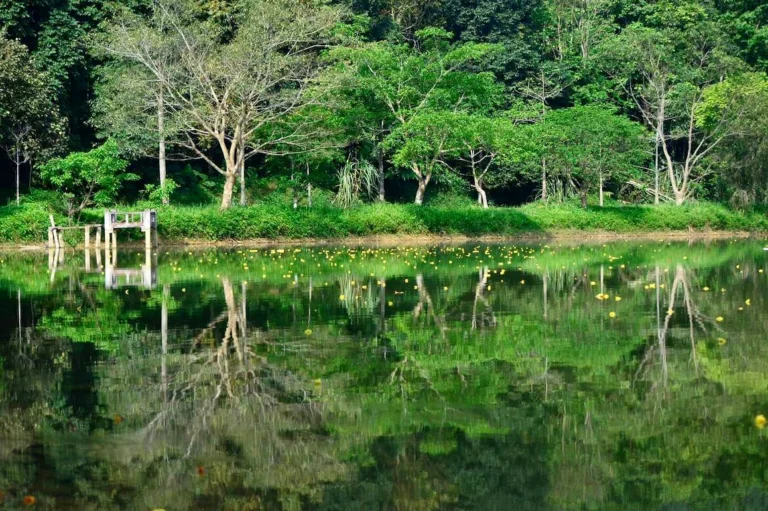
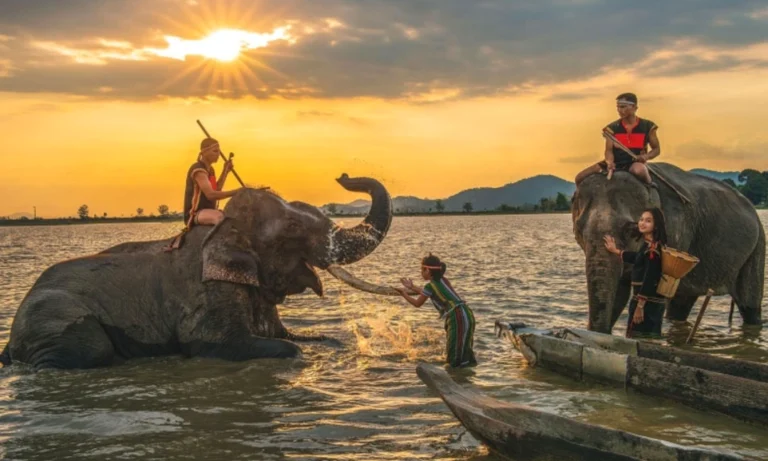
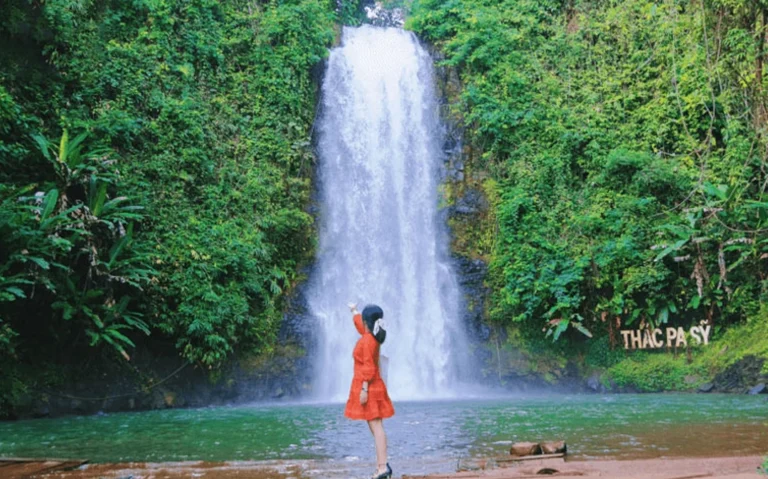
Nestled quietly yet majestically amidst the vast forests of the Southern Central Highlands, Lak Lake emerges like a giant emerald mirror, reflecting the expansive sky and cradling the primeval cultural depths of Dak Lak. Located approximately fifty-six kilometers south of Buon Ma Thuot city center along a vital national highway, it embodies an unrivaled geographical space where mountains and waters converge in harmony. Designated by cultural management authorities and geological researchers as the largest natural freshwater lake in the province and the second largest nationwide, this scenic landmark boasts an imposing surface area ranging from five hundred to over six hundred hectares at an elevation of more than five hundred meters above sea level. This topography fosters a temperate microclimate swept year-round by highland breezes, where heaven and earth commune in the whispers of ancient forests and the resonance of lapping waves.
From a geological and tectonic hydrological perspective, the Lak Lake basin is a natural wonder formed tens of thousands of years ago through shifts in the Earth’s crust combined with the natural damming of the upper Krong Ana River system. Bearing no stone stelae or feudal decrees of the Kinh people, Lak Lake lives eternally in the sacred memory of the M’nong Rlam ethnic group through the H’mon epic tradition and timeless Ot N’rong folk melodies. Archaeological traces scattered around the lake valley serve as undeniable evidence of continuous prehistoric settlement transitioning from the Neolithic to the Metal Age, making this area one of the oldest cultural cradles in the region.
The indigenous beauty of Lak Lake’s terrain is further enriched by layers of anthropological legend. According to the oral mythology of the M’nong Rlam people, at the dawn of time, this land was a fertile valley named Biet Lak, the battleground of a life-or-death struggle that shook both the mortal and spirit realms between the fierce Fire God Yang Dung and the benevolent Water God Yang Ud. The battle—in which the deity transformed into a giant python to summon floods and extinguish the blaze—left behind a colossal, life-giving depression that is Lak Lake today. Moving into early modern and contemporary history, this space continued to mark the proud lineage of powerful chieftains and outstanding M’nong leaders, turning its tranquil waters into a silent witness to an indomitable spirit defending their mountains, forests, and territory against every historical upheaval.
Today, in the eyes of the press and heritage research institutes, Lak Lake is not merely a premier eco-tourism destination, but also a living museum of the Central Highlands Gong Culture Space. The fusion of exquisite feng shui topography—sheltered by the rolling Chu Yang Sin mountain range, graced by dugout canoes gliding across the waves, and dotted with Ede and M’nong villages nestled beside coffee plantations—creates a resonant symphony of heritage. Lak Lake, therefore, remains a sacred lifeblood and an enduring symbol of the Southern Central Highlands’ spiritual soul within Vietnamese cultural heritage.
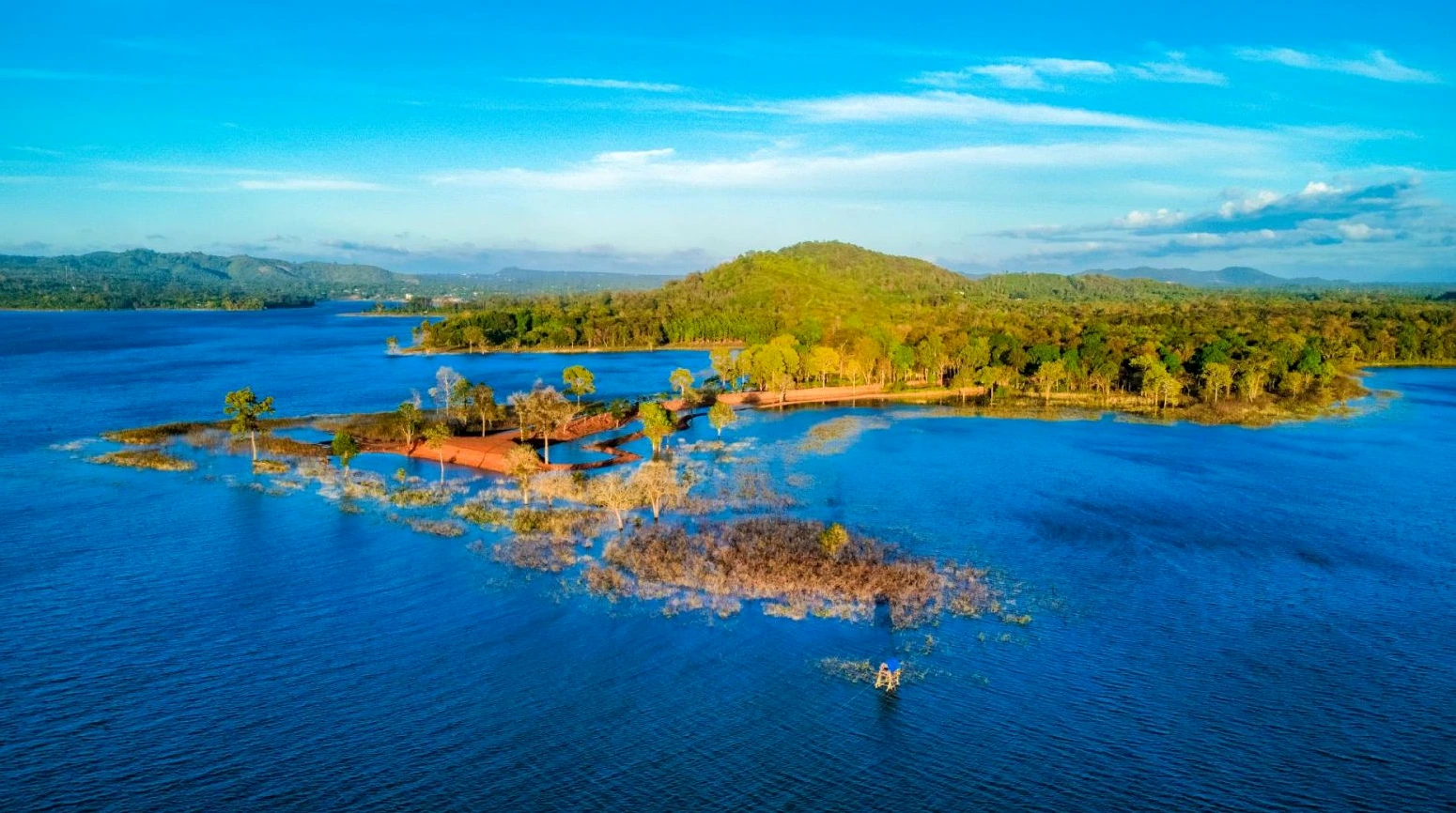
Following the heroic epics and authentic cultural sediments of the M’nong homeland, Lak Lake unfolds as a magnificent landscape masterpiece bestowed by Mother Nature upon the Southern Central Highlands wilderness. Viewed from above, the calm surface of the lake resembles an enormous mirror reflecting the cloud-streaked sky, completely encircled by undulating mountain ranges and deep-green primeval forests. The lay of the land at Lak Lake is remarkably unique, tucked deep within a sunken valley surrounded by fertile basalt hills and traditional villages whose longhouses peek out beneath the shade of ancient Konia trees. The scenery here not only radiates raw, pristine beauty but also pulses with vibrant vitality, blending the sigh of mountain winds, the gentle lap of water against the shore, and the echoes of the legendary Central Highlands jungle.
Beyond its natural wonders, the cultural architectural space surrounding Lak Lake leaves a lasting impression on visitors through its distinctive anthropometric values and indigenous artistry. The traditional longhouse architecture of the M’nong Rlam people, featuring thatch roofs curved in the shape of a boat to symbolize the vessel that braved the primeval floods, has been preserved intact across generations. Intricate carvings on house pillars and beams, alongside refined brocade motifs depicting birds, animals, and foliage, stand as vivid proof of their aesthetic sensibility and absolute harmony between humanity and nature. The seamless union of rustic, enduring longhouse architecture with traditional lakeside water wharves creates a living heritage complex matched by few places anywhere.
To capture the most priceless moments of the Lak Lake masterpiece, professional photographers and travel journalists frequently share camera angles rich in visual impact. The first million-view photo spot is the Biet Lak Hill area (now the former villa of Emperor Bao Dai) at sunrise. As the first rays of dawn pierce through the thin mist lingering over the water, the entire expanse of Lak Lake appears ethereal like a sublime natural painting, where the silhouettes of local villagers’ dugout canoes glide softly in search of the morning catch. The second highly prized vantage point is the lakeside wharf area at sunset. At this hour, sunlight shifts into brilliant shades of golden orange, staining both sky and water crimson while accentuating the quiet silhouettes of longhouses veiled in wisps of evening cooking smoke. Finally, shooting from the high hilltops overlooking the entire Lak Lake valley yields sweeping panoramic frames that capture the vast, awe-inspiring grandeur of one of Vietnam’s most beautiful natural freshwater lakes.
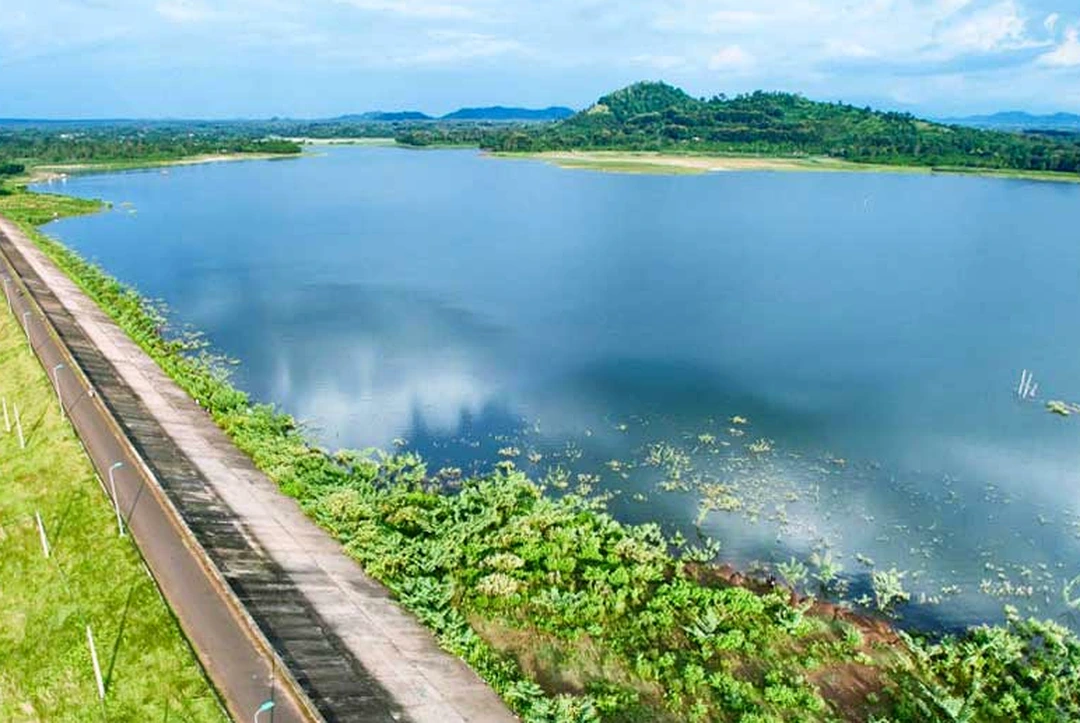
Stepping onto the shores of Lak Lake on an early morning while gossamer mist still drapes over its mirror-still surface, visitors cannot help but marvel at a mountain realm that is wild, majestic, yet deeply poetic. The moment you step aboard a traditional dugout canoe gliding smoothly across the deep blue water, letting your spirit drift into the boundless expanse while listening to highland winds rustling through green bamboo groves and doves cooing from deep within the old-growth forest, every worry of urban life seems to melt away. Initial awe quickly gives way to an extraordinary sense of serenity as you realize you have become one with the untouched, sacred nature of the fabled Central Highlands.
A journey to discover Lak Lake would be incomplete without invigorating yet rewarding physical experiences. Visitors can challenge themselves with a hike up the surrounding hilltops, home to the Bao Dai Villa—a historic landmark commemorating the era when royalty paused here to admire the picturesque mountain-and-water scenery. Gazing out from the summit, the entire Lak Lake valley unfolds in breathtaking splendor: shimmering waters bathed in golden sunlight cradle traditional M’nong villages hidden behind forest foliage, where ancient longhouse roofs peek through, steeped in the breath of time and authentic culture.
Beyond touching nature and history, the trip is also a sublime culinary adventure featuring renowned specialties from both lake and forest. Beside a crackling hearth inside a longhouse, visitors can savor firm, sweet Lak Lake featherback fish fragrant with turmeric and wild forest pepper, or sticky bamboo-tube rice paired with honey-glazed grilled chicken infused with the rich flavors of the Central Highlands sun and wind. Most notably, sipping jars of potent rice wine amidst the resounding echoes of gongs across the wilderness while listening to village elders recount epics beside the glowing fire evokes profound spiritual resonance, leaving an indelible impression of a living heritage that endures through time.
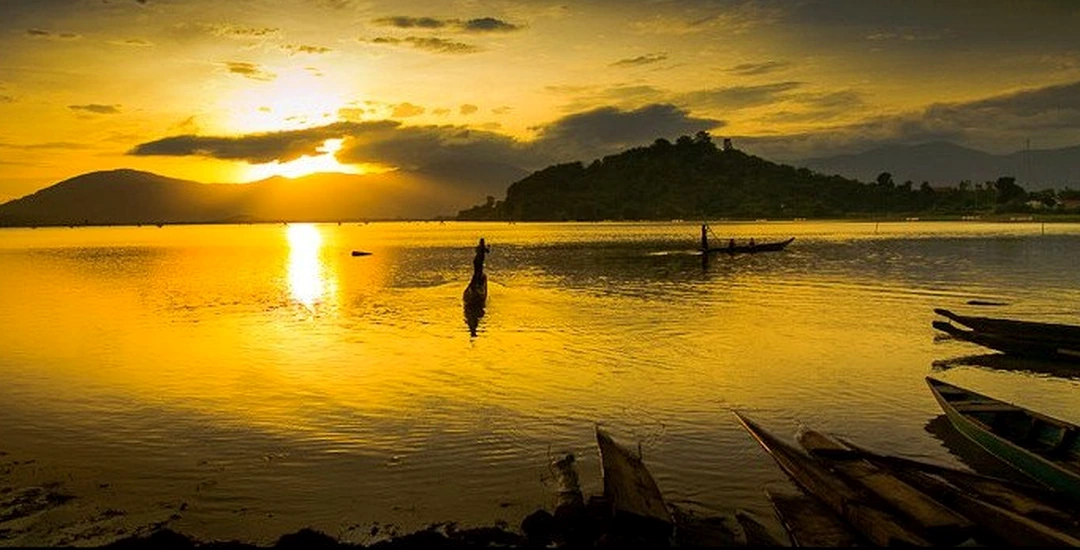
To welcome your journey of exploring the nature and culture of the Central Highlands at Lak Lake, the pocket guide below provides the most accurate and helpful information for a seamless trip. Regarding operating hours, as a natural scenic landmark under public management and the living space of indigenous communities, Lak Lake is open freely to visitors 24/7 every day of the week. However, for the best sightseeing, photography, and service experiences, local tourism authorities recommend visiting between 6:00 AM and 6:00 PM daily.
In terms of admission costs, Lak Lake is completely free of entrance fees for all domestic and international visitors coming to stroll, admire the scenery, or take photos along the shoreline. You only pay if you choose optional commercial services provided by local residents and tour operators, such as renting a dugout canoe, taking a motorboat cruise on the lake, experiencing gong performances, or sampling local culinary specialties. To travel from Buon Ma Thuot city center to Lak Lake, the best route is heading south along National Highway 27. Covering a distance of roughly 56 km, travel time ranges from 1 hour to 1 hour and 15 minutes depending on your mode of transport. You can ride a motorbike to freely enjoy the scenery along Ru Ri Pass on the way, drive a private car, or hop on Bus Route No. 16 (Buon Ma Thuot – Lak) for an economical and safe journey.
The best time of year to visit Lak Lake is from November to April of the following year, when the Central Highlands enters its dry season. During these months, skies are clear blue, the weather is cool with minimal rainfall, the lake surface stays mirror-calm, and water levels are at their most scenic for chasing magical sunrises or sunsets. In particular, visiting between March and April offers the chance to witness the vibrant natural beauty of the changing seasons.
Finally, when visiting the sacred spaces and highland terrain of Lak Lake, travelers should take care to choose appropriate attire. Opt for neat, breathable, sweat-wicking clothing along with athletic shoes or non-slip flats, as the terrain around the lake includes soft soil areas and lakeside trails. Especially when entering traditional riverside M’nong Rlam villages such as Jun Village or M’lieng Village, wear polite, modest clothing—skirts or trousers extending past the knees—to show respect for the customs, traditions, and spiritual cultural spaces of the indigenous community.
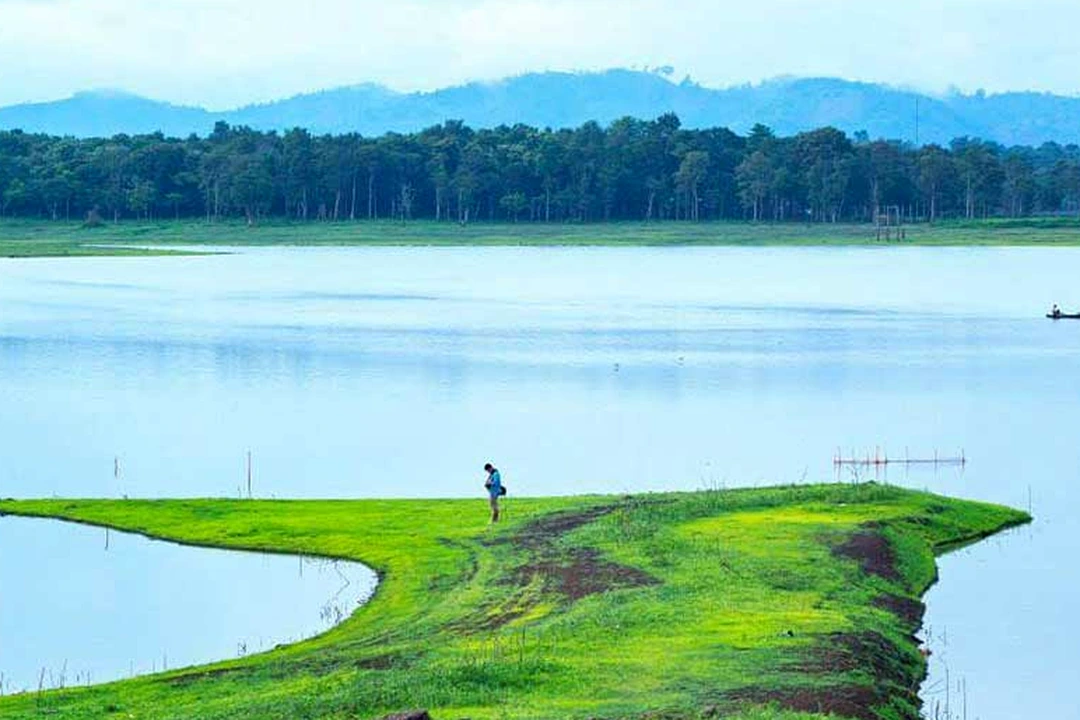
To enjoy a fulfilling vacation and take in the full splendor of Lak Lake without worrying about arranging transportation, booking tickets, or planning itineraries, travelers can choose VDS Travel’s premium all-inclusive Buon Ma Thuot tour packages. Every tour is thoughtfully designed to optimize photo check-in times when the scenery is at its most radiant, accompanied by knowledgeable local guides deeply versed in regional culture alongside top-tier hotel and dining standards.