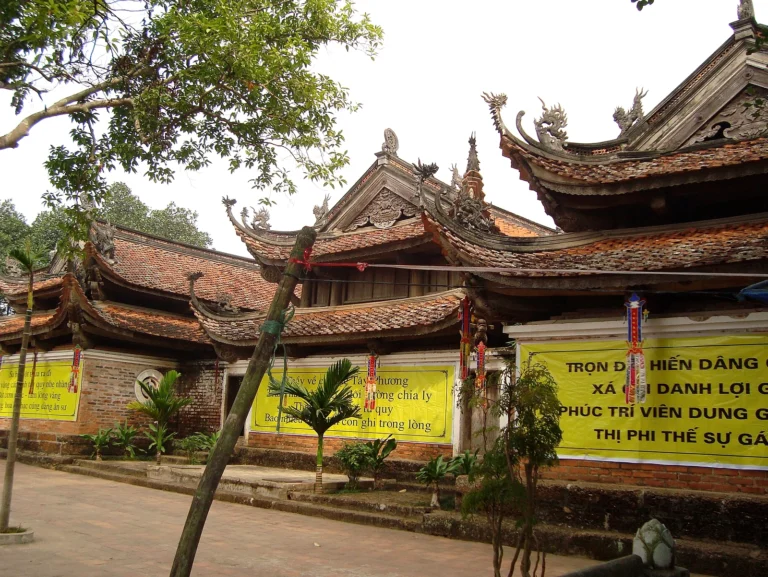
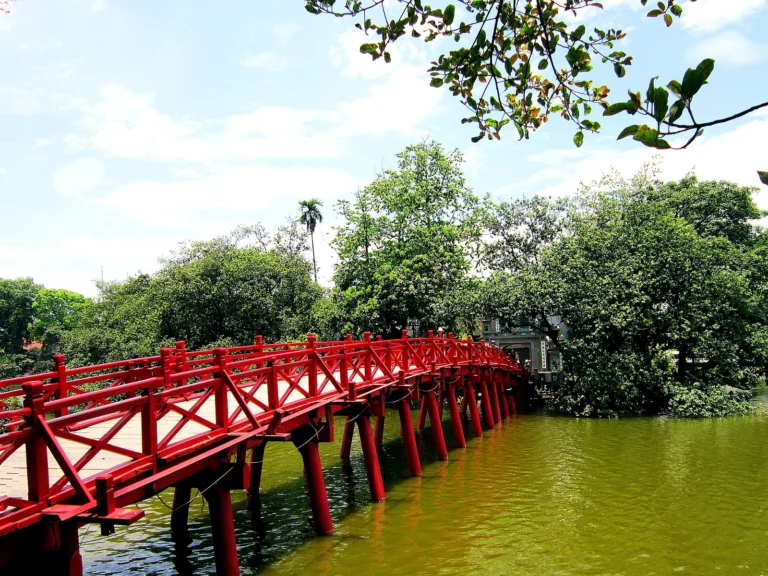
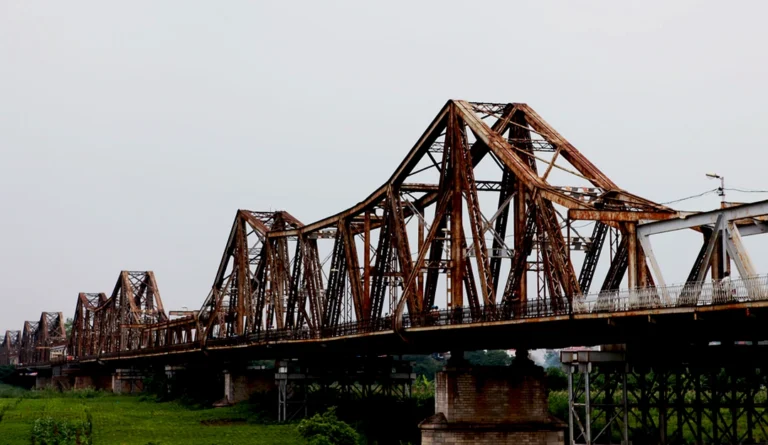
Nestled beneath the lush canopy of ancient trees in the white-clouded land of Xu Doai, Trung Temple emerges as a sacred, tranquil, yet proud centerpiece within the Va Temple Special National Relic Complex, located in Trung Hung Ward, Son Tay Town, Hanoi. From a feng shui perspective, the temple occupies a prime, unrivaled position at the very center of the sacred triangle formed by Ha Temple, Trung Temple, and Thuong Temple. Its terrain gathers auspicious energy and fosters prosperity, aligned with the spiritual meridian flowing from the majestic Ba Vi mountain range—where the sacred spirit of Dai Viet’s mountains and rivers has converged for millennia. This setting not only creates a secluded, ethereal atmosphere completely detached from the bustle of modern urban life, but also serves as a steadfast bridge between heaven and earth, uniting the mortal realm with the world of the divine.
In terms of historical origins and construction timeline, scientific research dossier code HS-KS/2024-ĐC09 confirms that Trung Temple carries a vibrant cultural lineage stretching back to the founding era of the Hung Kings. According to preserved genealogies of deities, royal decrees, and ancient stone steles, the site is closely tied to legends of flood control, land reclamation, and territorial defense led by Saint Tan Vien. Through the vicissitudes of time and historical upheavals, the present-day architecture of Trung Temple represents a masterful crystallization of woodcarving artistry from the Revival Le Dynasty (17th–18th centuries), while also bearing the distinct imprint of major restorations under the Nguyen Dynasty during the reigns of Emperors Minh Mang, Tu Duc, and Khai Dinh. Every truss, purlin, and corbel here testifies to the extraordinary craftsmanship of traditional folk artisans, harmoniously blending original material heritage with a spirit of national reverence.
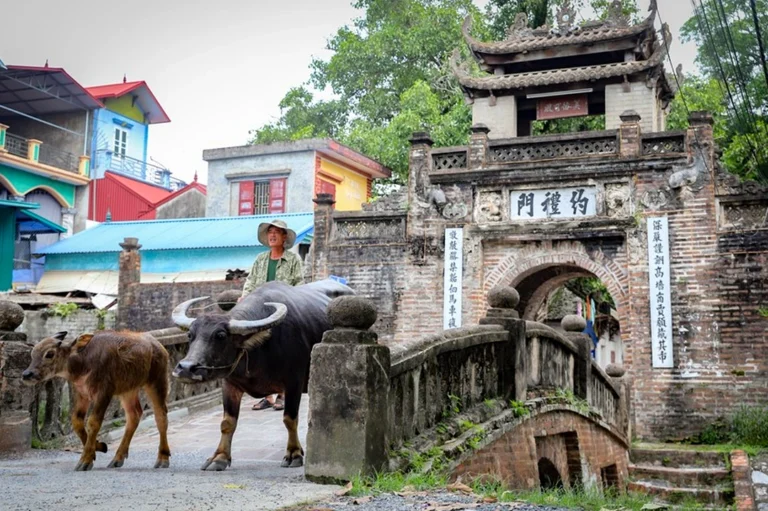
Stepping through the ancient ceremonial gate, the grounds of Trung Temple open into a space of profound devotion dedicated to the Three Holy Saints of Mount Tan Vien—supreme deities in Vietnamese folk belief, comprising the Eldest Saint (Tan Vien Son Thanh), Great King Cao Son, and Great King Quy Minh. Their presence at Trung Temple not only symbolizes protection for favorable weather, bountiful harvests, and national peace and prosperity, but also embodies the solidarity and indomitable resilience of the Vietnamese people in conquering nature and defending the homeland against foreign invaders. Trung Temple thus transcends the definition of an ordinary religious structure to stand as a living museum of Xu Doai’s cultural history.
Through the lens of contemporary media and heritage scholars, Trung Temple today is not merely a spiritual destination drawing pilgrims from far and wide every spring or during the traditional water procession festival; it also stands as vivid proof of the enduring vitality of Vietnam’s tangible and intangible national cultural heritage. Preserving and maintaining Trung Temple in its authentic state is an act of deep gratitude toward ancestors, helping nurture national pride and affirm Vietnam’s heroic, lasting cultural identity alongside the growth of Hanoi, the thousand-year-old capital of civilization.
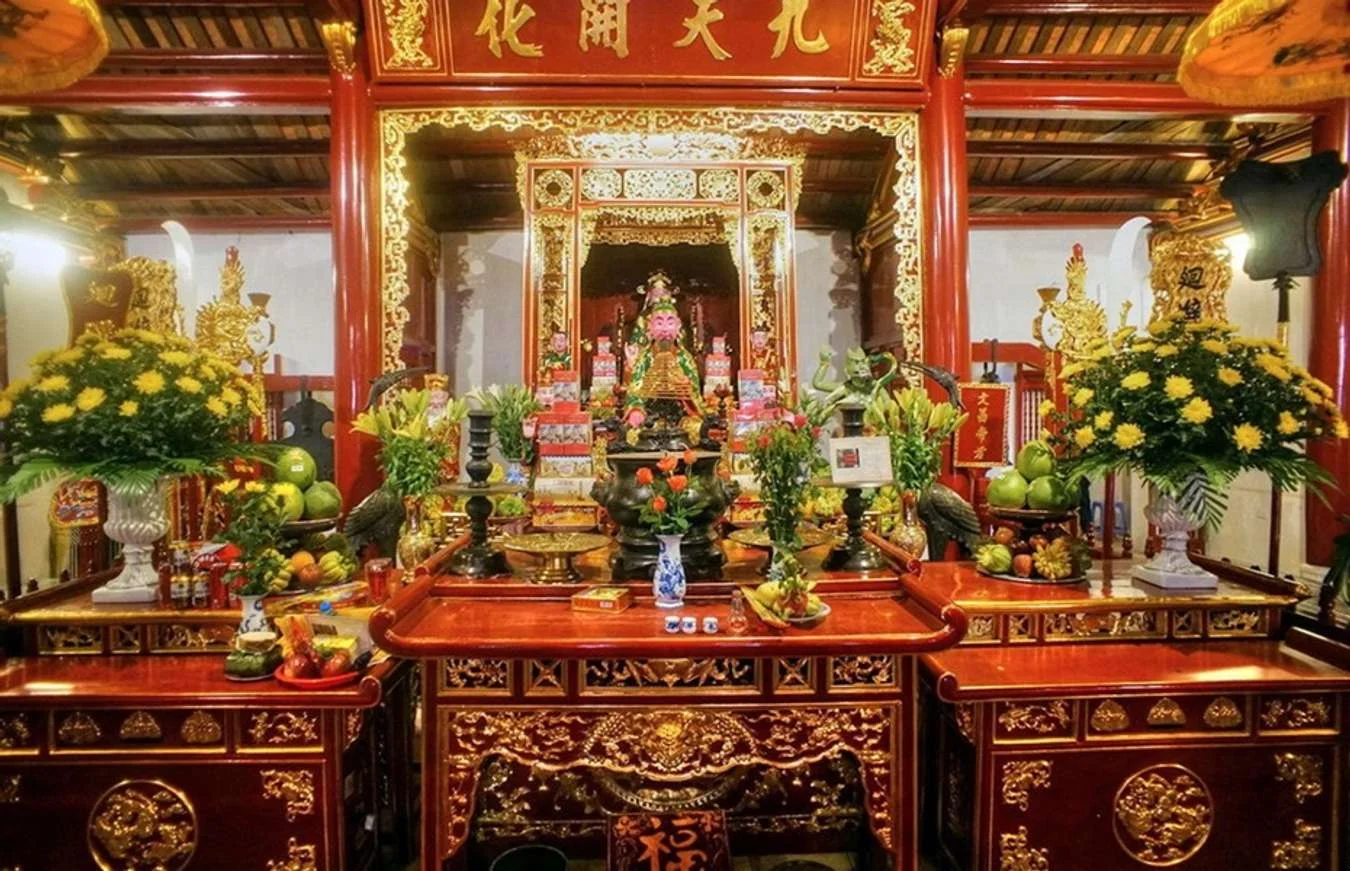
Situated within the solemn serenity of the white-clouded Xu Doai region, Trung Temple—part of the Va Temple Special National Relic Complex—stands as an ancient wooden architectural masterpiece seamlessly woven into a majestic and sacred natural tapestry. Feng shui experts and cultural researchers regard its geomantic layout as the classic “coiling dragon and crouching tiger” formation, backed by the imposing Tan Vien mountain range and facing the confluence of spiritual energy. From the very first steps onto the grounds, visitors feel transported into another dimension where time seems to stand still behind rustling green bamboo groves, as mountain breezes whisper through centuries-old tree canopies to compose an eternal, meditative symphony.
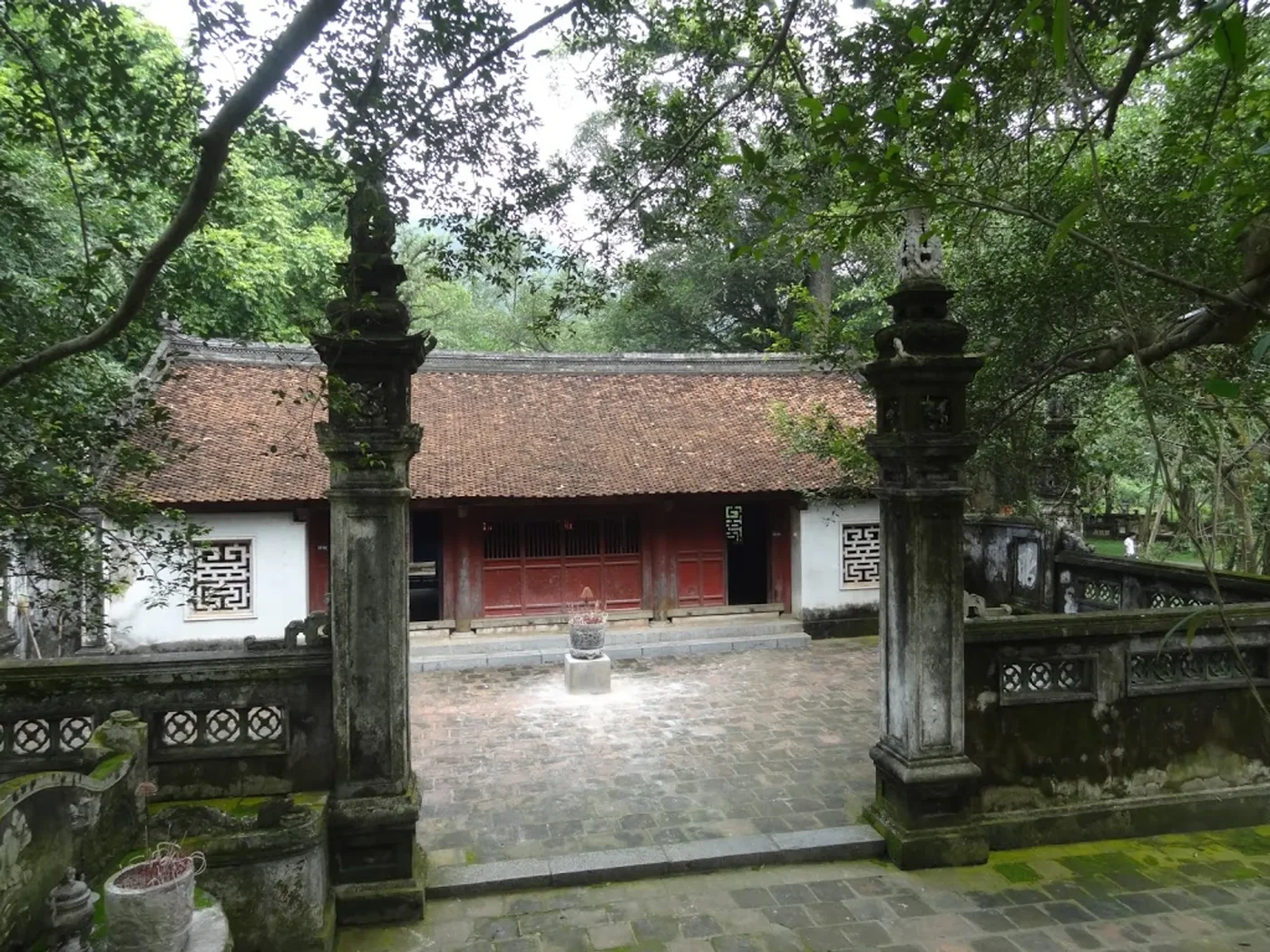
Stepping inside the compound, the artistic value of Revival Le and Nguyen dynasty architecture shines clearly through intricate carvings across the system of trusses and sturdy, massive ironwood columns. Traditional woodcarving reaches its pinnacle here with motifs of the Four Mythical Creatures, the Four Noble Plants, and stylized foliage rendered with vivid grace yet commanding solemnity. Every grain of wood displays a rustic beauty that has endured across centuries, harmonizing effortlessly with moss-covered shoe-nose roof tiles exuding antique charm. Natural daylight filters through the inner courtyards into the tranquil interior, illuminating the red-and-gold lacquerwork on horizontal plaques and parallel couplets to create an atmosphere that is both mystical and deeply epic.
For photographers and wanderlust-driven travelers seeking authentic beauty, Trung Temple offers “million-view” photo spots steeped in nostalgia. The premier check-in angle is the main front courtyard looking straight toward the front ceremonial hall, where weathered wooden doorways open into the solemn sanctuary, artfully framed by the deep emerald foliage of thousand-year-old trees in the background. A second spot highly prized by seasoned photographers is the walkway corridor running alongside the archaeological house and moss-draped perimeter walls, where angled sunlight casts natural geometric shadows that lend a deeply evocative, nostalgic depth to every frame.
The most ideal lighting to capture the true soul of Trung Temple occurs in the early morning (from 06:00 to 08:30), when gentle dawn rays pierce softly through the mist of Xu Doai, illuminating the mossy tiled roofs and vibrant green leaves. Alternatively, at sunset (from 16:30 to 17:30), warm golden-orange evening light drapes across the ancient walls and ironwood pillars, creating a shimmering, serene, and deeply moving ambiance that carries travelers back into the heroic flow of national history.
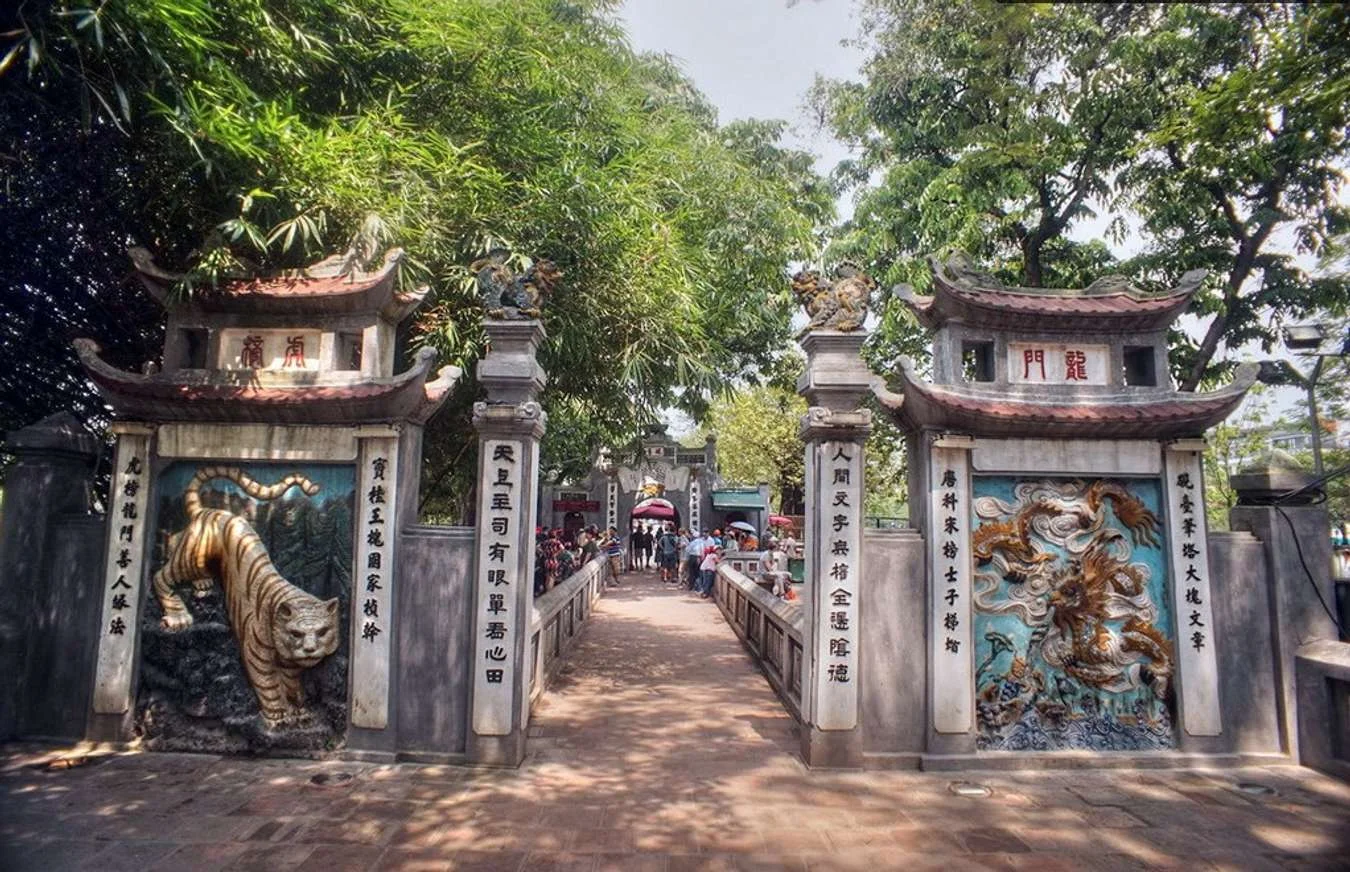
Arriving at Trung Temple within the Va Temple Special National Relic Complex, visitors are immediately drawn into a legendary, profoundly tranquil world in white-clouded Xu Doai. The journey of discovery goes far beyond reading heroic historical records etched on stone steles or royal edicts; it unfolds as a series of rewarding, hands-on experiences that awaken every sense. To reach the temple tucked beneath millennia-old trees, visitors follow a winding walking path at the foot of Mount Tan, where birdsong echoes through the woods and the delicate fragrance of wildflowers mingles with the misty morning air. Walking up moss-covered stone steps and touching the historical imprints of untouched nature stirs an indescribable sense of wonder, leaving the mind light and completely removed from the hustle and noise of modern city life.
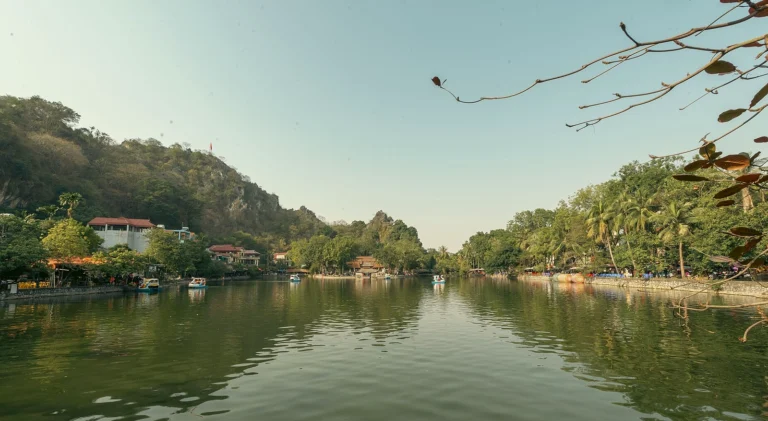
Furthermore, taking a boat ride along the cool, gentle waters to admire the picturesque rivers-and-mountains scenery surrounding the relic site offers an entirely fresh perspective. Drifting in a bamboo sampan across crystal-clear water reflecting the clouds of Xu Doai, travelers feel immersed in a living masterpiece of nature where past and present merge into one. Once ashore and inside the inner sanctuary of Trung Temple, a sense of awe fills the space at the sight of wooden architecture rich in Revival Le and Nguyen artistry. Intricate carvings of dragons, phoenixes, and blossoms along aged ironwood surfaces glow beneath flickering candlelight, conjuring a deeply sacred and mysterious aura. Lighting a stick of fragrant incense in respectful tribute to the Three Holy Saints of Mount Tan Vien while listening to the temple bell resonate in the afternoon breeze, visitors experience a profound inner stillness and a wondrous connection between modern life and ancestral cultural roots.
Concluding this emotionally rich spiritual pilgrimage, vibrant local culture continues to embrace travelers through the renowned culinary specialties of the Son Tay region. Sitting at a small roadside eatery at the foot of the mountain to savor piping-hot banh te—chewy, aromatic rice cakes filled with savory minced pork and dipped in rich sweet-and-salty fish sauce—or nibbling on delicately sweet che lam sticky rice cake infused with spicy ginger melts away any lingering fatigue from the journey. The genuine warmth and simplicity of local residents sharing legends of Son Tinh and Thuy Tinh make the meal even more heartwarming. Together, these authentic experiences—from majestic landscapes and serene spiritual spaces to deeply rooted local flavors—leave an unforgettable impression on everyone who sets foot in the sacred, unspoiled grounds of Trung Temple.
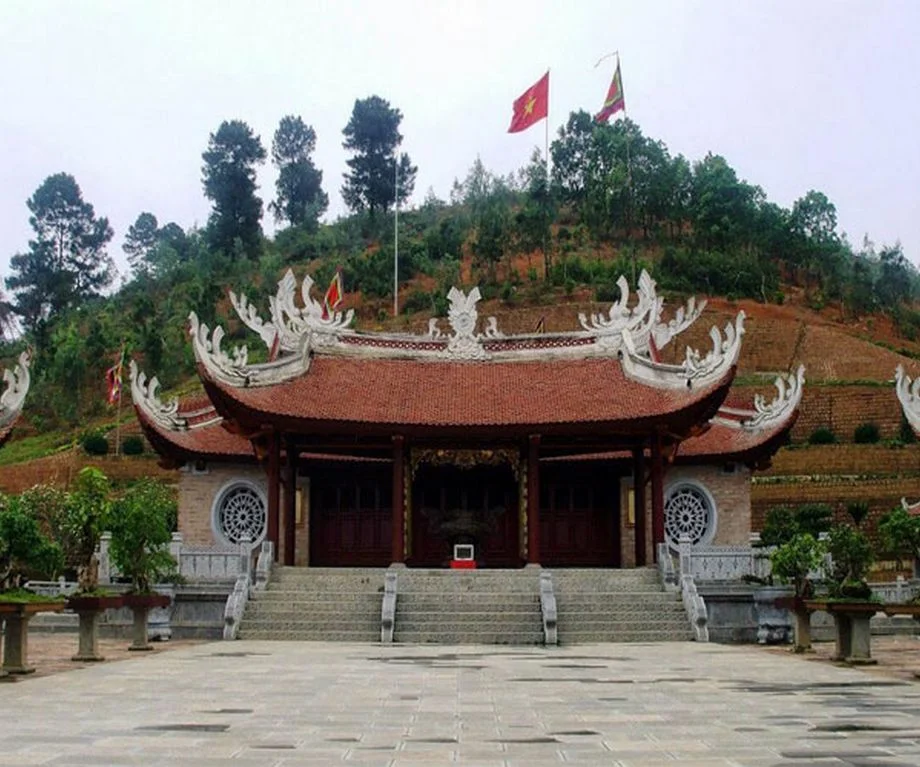
Trung Temple, part of the Va Temple Special National Relic Complex in Son Tay Town, is always open to welcome both domestic pilgrims and international travelers coming to worship and explore history. The site generally welcomes visitors every day of the week, from early morning until late afternoon. These generous hours allow travelers to plan their itineraries flexibly, participate in religious rituals, or offer incense in commemoration of Saint Tan Vien in the most solemn manner without interruption.
Regarding admission fees, the relic management board maintains a completely free entry policy for all tourists and local residents. This policy ensures effortless access to the authentic cultural and historical heritage space without financial barriers. However, visitors are welcome to make voluntary donations to the temple’s merit box to support ongoing maintenance, landscape preservation, and the conservation of its ancient architectural treasures.
To reach Trung Temple from central Hanoi, travelers can choose from several flexible transportation options, including private cars, motorbikes, or public buses. The most convenient and optimal route follows the extended Thang Long Boulevard or National Highway 32 toward Son Tay Town. Travel time typically ranges from one to one and a half hours, depending on traffic conditions. Upon arriving in Son Tay Town, visitors can easily ask for directions to the Va Temple relic cluster or Trung Temple in Trung Hung Ward, which enjoys well-connected road infrastructure and clear accessibility.
The best time of year to visit Trung Temple is in spring, particularly during the traditional early-year festival (usually held on the 15th day of the first lunar month), when the atmosphere is solemn and steeped in the cultural identity of Xu Doai. Additionally, the cool autumn months offer wonderful weather for field exploration, architectural appreciation, and soaking in the temple’s tranquil ambiance. When visiting this sacred site, guests should dress modestly and respectfully in attire suited to traditional customs and spiritual spaces. Because the temple grounds feature numerous stone steps and ancient wooden structures, wearing comfortable, easy-to-walk-in footwear is strongly recommended, along with strict adherence to the management board’s fire safety regulations and heritage preservation rules.
To enjoy a seamless getaway and take in the full beauty of Trung Temple without worrying about transportation, sightseeing tickets, or itinerary planning, travelers can opt for VDS Travel’s premium all-inclusive Hanoi tour packages. Every itinerary is thoughtfully timed to capture photo spots at their most radiant moments, accompanied by knowledgeable local guides and top-tier hotel and dining standards.