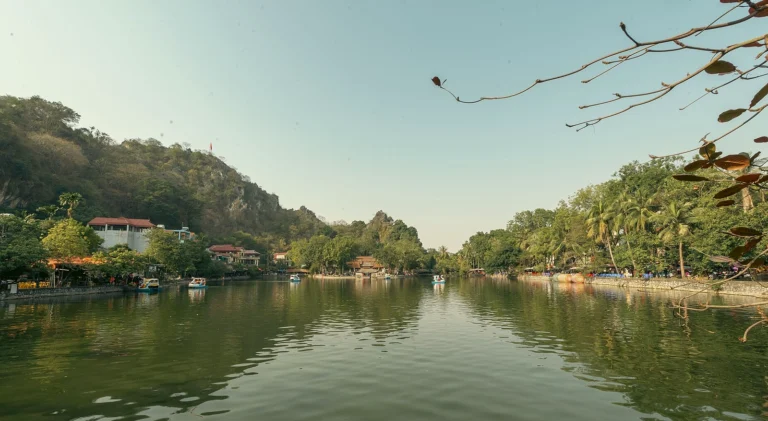
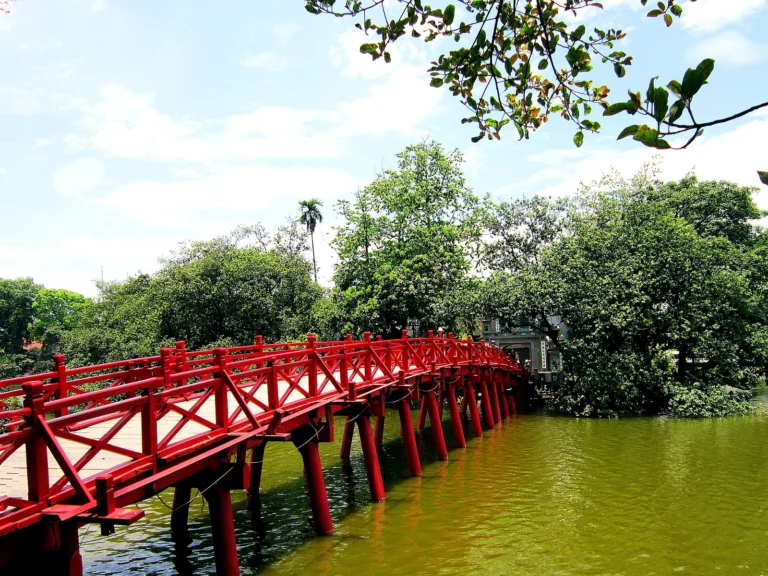
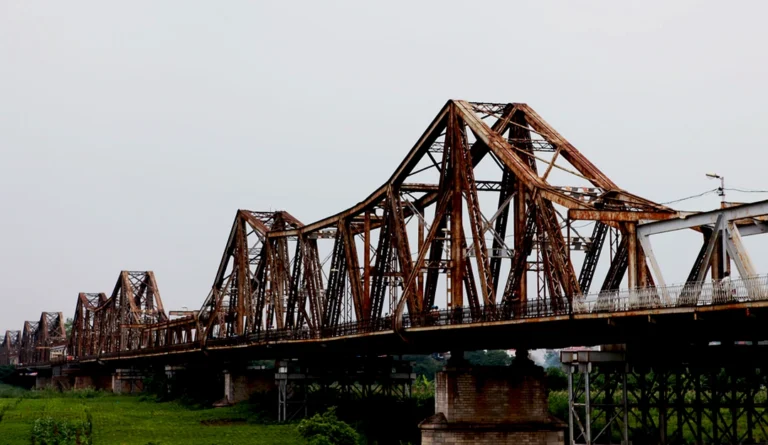
Nestled quietly beside the swirling alluvial currents of the thousand-year-old Red River and embracing the vast, windswept waters of West Lake, the Au Co Mother Temple relic complex in Nhat Tan Ward, Tay Ho District, Hanoi emerges as a premier landmark converging the sacred spirit of Thang Long’s mountains and rivers. In terms of feng shui topography, the temple occupies a rare, auspicious position where dragon veins converge, embodying a “water-gathering eastern tide” layout that harmonizes the expanse of natural waters with the deep cultural sediments of the ancient capital. From a geological and landscape perspective, this area was once a fertile alluvial plain where ancient Vietnamese people settled early, relying on the rivers and waters to establish villages, build their livelihoods, and weave the earliest chapters of wet-rice civilization.
Historical records and original royal genealogies preserved at the Institute of Social Sciences Information and the Relic Management Board clearly trace the temple’s historical journey, which began as a small lakeside thatched shrine built by pioneering peach blossom growers and local fishermen to pay heartfelt tribute to the progenitor of the Vietnamese people. Through the vicissitudes of time, particularly during the Nguyen Dynasty with royal decrees bestowed from the reigns of Emperor Minh Mang to Emperor Tu Duc, the feudal court and local residents devotedly restored and elevated the site from a humble folk shrine into a majestic, imposing sanctuary built in traditional architectural style facing the expansive, sacred West Lake.
Intertwined with this sacred space is the legendary origin of National Mother Au Co—daughter of De Lai from the noble Than Nong lineage. As recorded in the “Hong Bang Clan Jade Genealogy,” she married Lac Long Quan and gave birth to a sac of one hundred eggs, which hatched into one hundred valiant sons. Later, honoring their vow to divide the children—fifty to the mountains and fifty to the sea—the National Mother led her children upstream along the Red River to Hien Luong (Phu Tho) to reclaim land, expand the territory, and teach the people how to cultivate rice, plant mulberries, and raise silkworms, laying the foundation for the prosperous Van Lang nation.
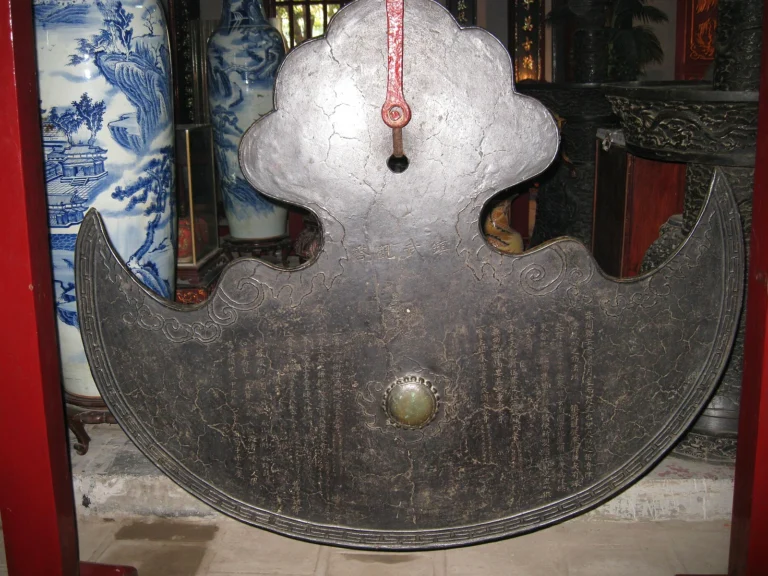
The presence of a solemn sanctuary dedicated to National Mother Au Co right in the heart of the thousand-year-old capital not only carries profound spiritual significance but also embodies the moral principle of “when drinking water, remember its source,” firmly connecting the spiritual axis from Hung Temple and Au Co Mother Temple in the ancestral land of Phu Tho to the capital of Thang Long – Hanoi. Through the lens of heritage management authorities and cultural journalists, the temple stands as a living museum preserving priceless tangible and intangible cultural values—from royal decrees and genealogical records to folk religious practices—affirming the enduring vitality of national roots amid modern integration and development.
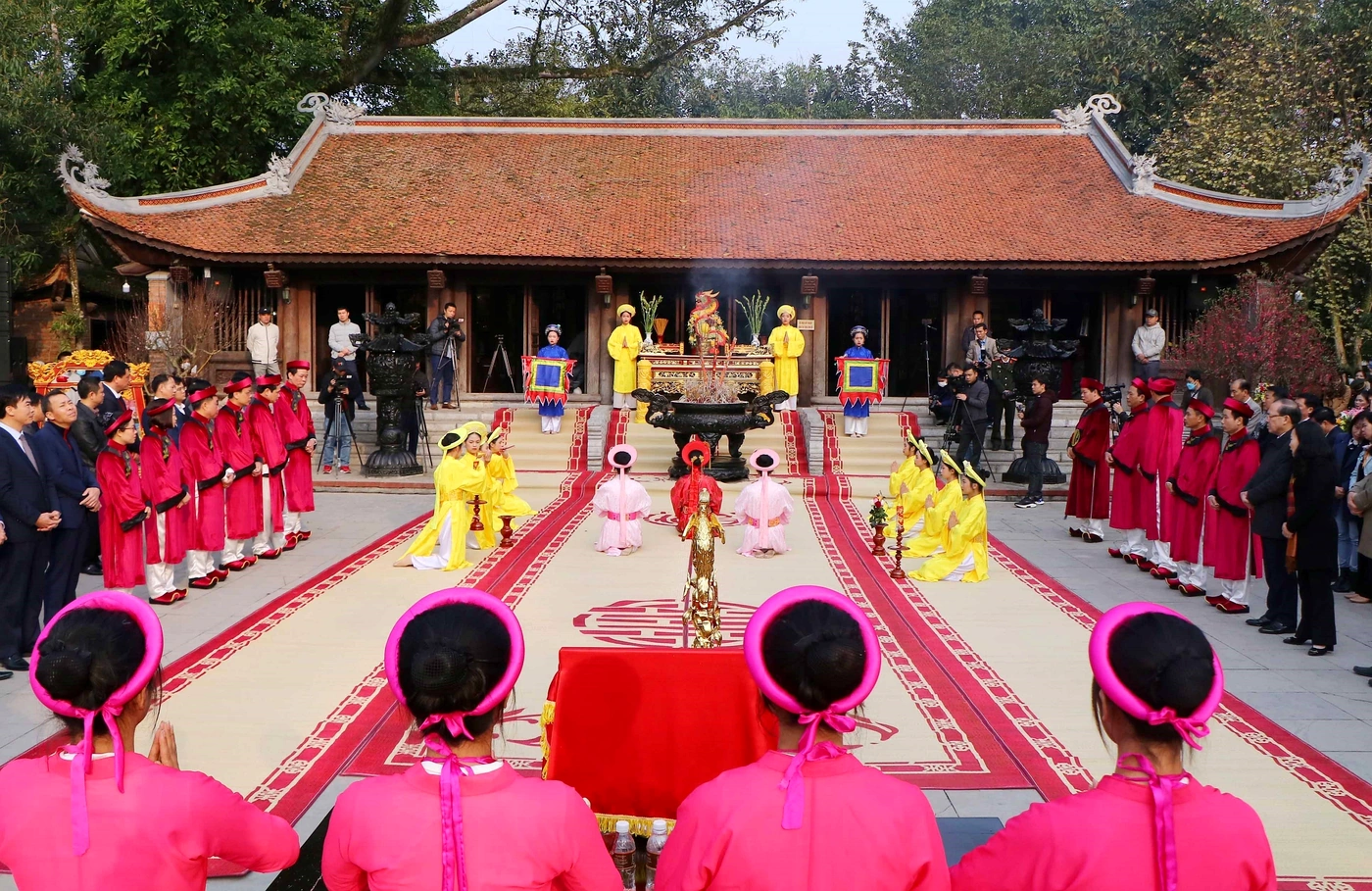
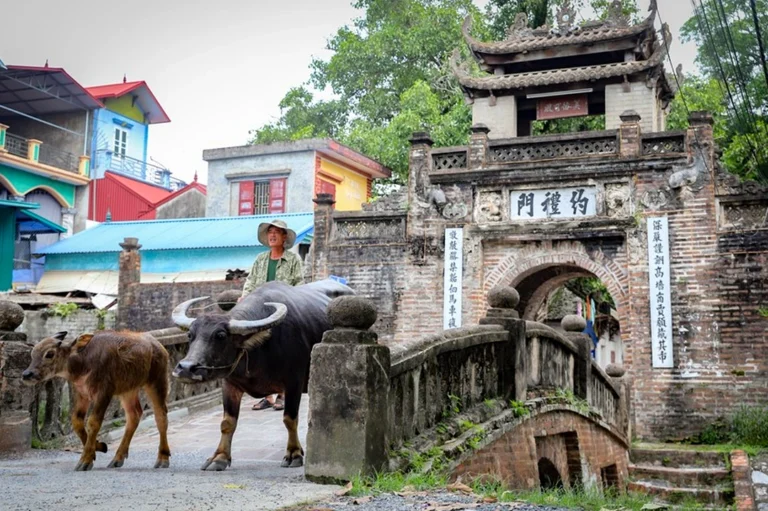
Resting peacefully along the breezy northern shore of West Lake, Au Co Mother Temple in Nhat Tan Ward (Tay Ho District, Hanoi) stands as a masterpiece of spiritual architecture that seamlessly blends traditional culture with the majestic natural scenery of thousand-year-old Thang Long. The temple boasts a remarkably unique terrain, situated on a sacred strip of land facing the vast, energy-gathering waters of West Lake, creating a harmonious feng shui field brimming with vitality. From the very first step through the ancient three-entrance gate (Tam Quan), visitors and pilgrims alike immediately sense a distinct shift in atmosphere: the hustle and bustle of the city seems to fade away, giving way to serenity, solemnity, and the faint aroma of incense mingling with the lake breeze.
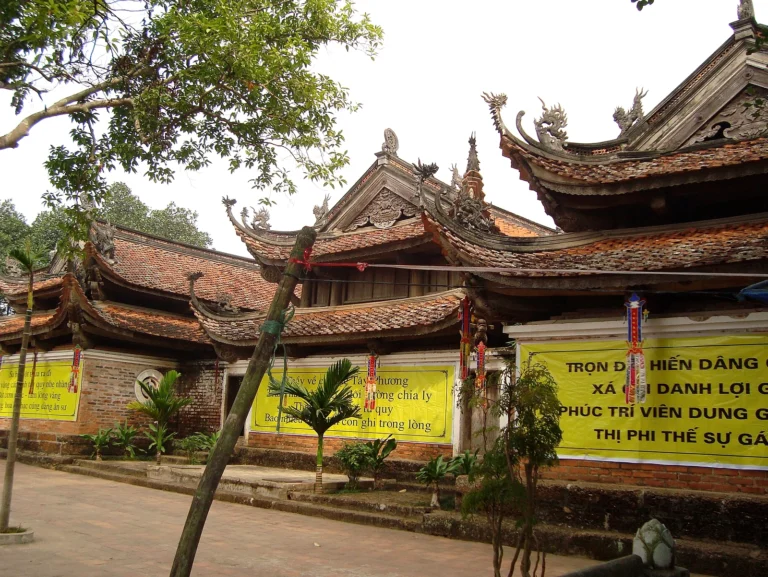
Having undergone multiple restorations during the Nguyen Dynasty while preserving its traditional artistic hallmarks intact, the temple’s overall layout is intricately designed in the classic “Tam” (three-tiered) or “Noi Cong Ngoai Quoc” (inner H-shape, outer enclosure) architectural style. Every structure, from the ceremonial gate, front sacrificial hall, and main worship hall to the inner sanctuary, showcases the pinnacle of traditional Vietnamese woodcarving. Sturdy, massive ironwood pillars support the moss-covered shoe-nose tiled roof, accented by sharply curved eaves adorned with dancing phoenixes and flanking dragons. The most captivating visual highlights are the exquisite, gilded wooden carvings on horizontal lacquered boards, parallel sentences, and ornate wooden archways. Ancient artisans skillfully wove together motifs of the Four Sacred Beasts (dragon, qilin, turtle, phoenix) and the Four Noble Plants (pine, chrysanthemum, apricot blossom, bamboo), alongside depictions of Lac birds, swirling clouds, and rolling waves—emblems deeply rooted in Dong Son and Au Lac heritage that honor the nurturing grace of the National Mother.
Beyond its supreme architectural and historical value, Au Co Mother Temple serves as a priceless “natural studio,” drawing photographers, travel media, and young enthusiasts of traditional culture eager to capture frames infused with national soul. To capture “million-view” photographs of high artistic merit, seasoned photographers often recommend two classic vantage points. The first is shooting from the main courtyard looking out toward the ancient three-entrance gate beneath the shade of a gnarled Barringtonia tree; the golden hour for this shot is at sunset (from 5:00 PM to 5:30 PM), when late-afternoon amber rays filter through the canopy, casting a nostalgic, ethereal glow across the mossy tiled roof and vibrant red festival flags. The second is an artistic angle along the corridors and front hall veranda in the early morning (sunrise from 6:00 AM to 7:00 AM), while a thin veil of mist still lingers over West Lake, allowing soft natural light to slant through the intricately carved archways, highlighting the solemn, tranquil, and sacred beauty of the Mother Goddess sanctuary and instilling a deep sense of peace in every traveler from afar.
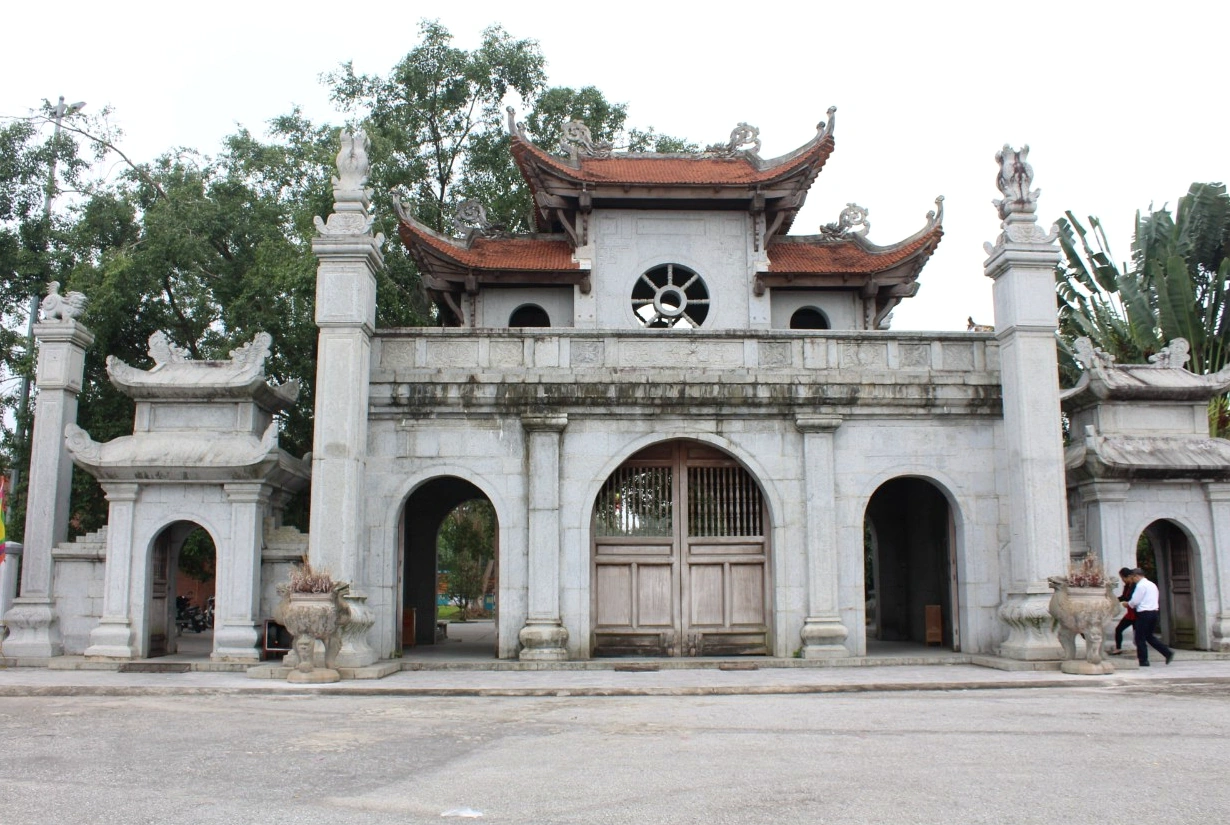
Setting foot at Au Co Mother Temple in the sacred land of Hien Luong, Ha Hoa, Phu Tho, visitors do more than immerse themselves in the serene ambiance of reverent incense smoke—they also embark on a vibrant, deeply authentic local cultural journey. From the very first steps, the tranquil atmosphere paired with the untamed, majestic nature of the midland region brings an extraordinary sense of calm, completely detached from the noise and rush of urban life.
The journey of discovery begins by challenging yourself up the moss-covered stone steps leading to the main temple complex perched atop a high mound. Walking while breathing in the crisp, fresh air lightly scented with incense and wild foliage delivers boundless refreshment. Gazing out from the highest vantage point of the temple, visitors are left in awe of the breathtaking, poetic scenery of the Red River swirling with fertile silt, embracing prosperous villages and endless green palm hills. Standing before the sanctuary with clasped hands to pay homage to National Mother Au Co, every visitor feels the Lac Hong blood coursing warmly through their veins, swelling with national pride and profound gratitude toward the mother of the Vietnamese nation.
Leaving the quietude of the sacred sanctuary, the next experience introduces visitors to the colorful daily rhythm of the riverside locals. A gentle boat ride drifting down the leisurely currents of the Red River offers a completely fresh perspective on the landscapes along both banks. Sitting by the gunwale, listening to the gentle lapping of the waves, and hearing the boatman recount legends of the sac of one hundred eggs and our ancestors’ journey to pioneer the nation, travelers feel transported back to the heroic spirit of the dawn of nation-building.
No journey is complete without savoring the renowned culinary specialties of Ha Hoa, Phu Tho. Through the skilled hands of local cooks, humble gifts of nature are transformed into dishes bursting with unforgettable, rich flavors. Visitors can delight in fragrant, savory Thanh Son fermented pork (thit chua), sweet honey-glazed free-range hill chicken wings, chewy palm-leaf sticky rice balls dipped in sesame salt, or sip a cup of green tea with a bitter-sweet finish steeped in the warmth of the midland people. Each dish does more than satisfy the palate; it carries the heartfelt hospitality of the people from the ancestral homeland, bringing a deeply moving, memorable, and proud travel experience to a close.
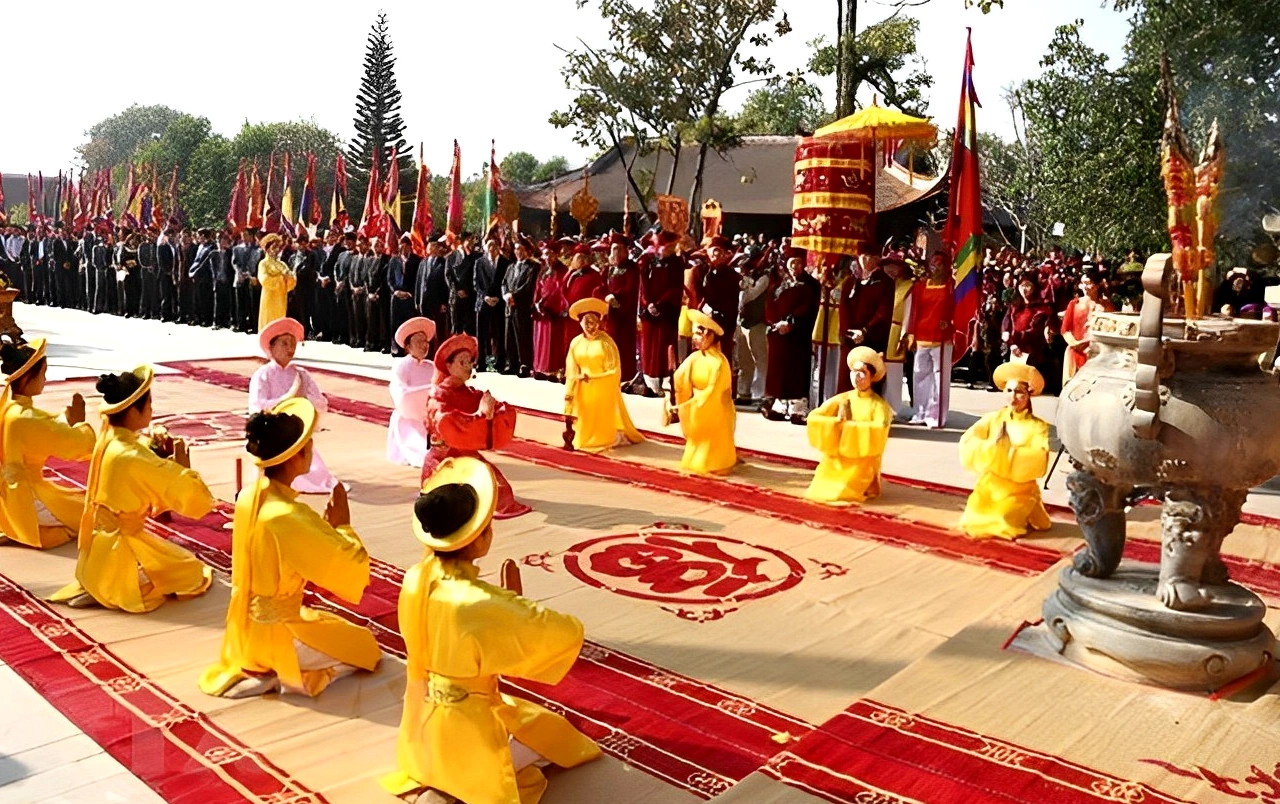
Au Co Mother Temple in Nhat Tan Ward, Tay Ho District is one of the most sacred spiritual destinations in the capital, drawing vast numbers of locals and visitors from near and far to pay their respects and reconnect with their roots. To ensure a fulfilling and solemn pilgrimage, keeping practical tips regarding visiting hours, transportation, and temple etiquette in mind is essential.
Regarding operating hours, Au Co Mother Temple welcomes visitors from early morning until late evening every day of the week, including public holidays, Lunar New Year (Tet), and the 1st and 15th days of the lunar month. The temple is at its liveliest and most festive during the early spring season from the first to the third lunar month, especially on the main festival day held on the 7th day of the first lunar month. For travelers who prefer tranquility and stillness to offer incense and pray for peace, weekdays or early morning hours are the most ideal times to visit.
As for admission fees, the Relic Management Board currently charges no entrance fee for visitors and worshippers coming to pray or sightsee. Visitors only pay a small parking fee at designated lots around the temple area and prepare their own offerings according to their personal devotion. It is advisable to prepare neat, vegetarian offerings and avoid wastefulness or bringing bulky items that could disrupt the order of the sacred grounds.
Getting to the temple from the city center (Hoan Kiem Lake or the Old Quarter) is quick and convenient. Visitors can travel by motorbike, private car, or public bus. From central Hanoi, the most optimal route is to follow Au Co Street or Nghi Tam Street, then turn into the alleys leading toward the West Lake shoreline in Nhat Tan Ward. For those taking public transit, several bus routes pass right near Au Co Street, allowing easy access to the relic site within just a few minutes’ walk.
When visiting the temple, guests must strictly adhere to dress code guidelines by wearing polite, modest attire appropriate for traditional customs and the solemnity of a sacred site (sleeved shirts and trousers or skirts extending below the knee are recommended). Because the temple grounds blend traditional architecture with expansive lakeside pathways, flat shoes or comfortable sneakers are the best choice for walking around. Additionally, visitors should maintain cleanliness, speak softly, refrain from touching artifacts, and strictly follow fire safety regulations when lighting incense to help preserve the integrity of this traditional cultural heritage.
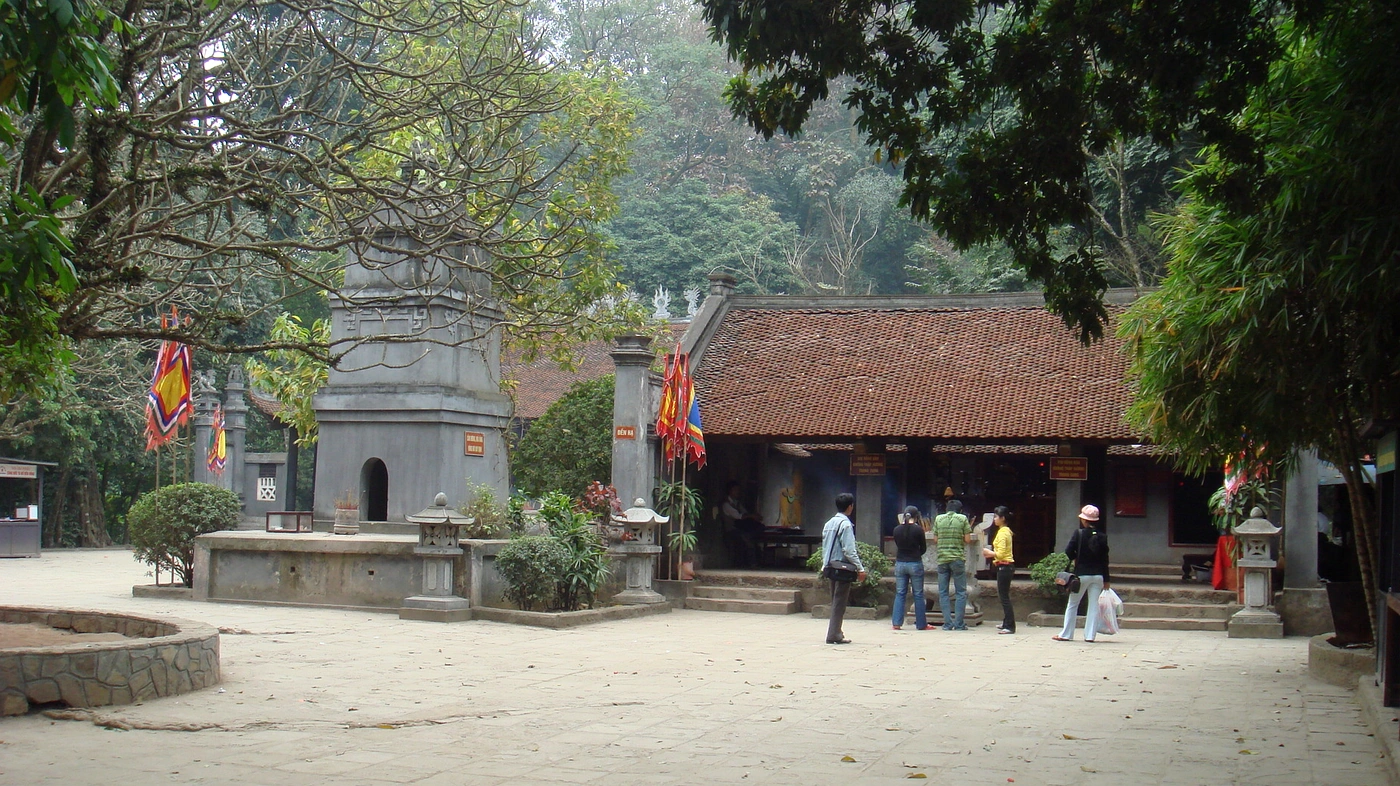
To enjoy a seamless getaway and take in the full splendor of Au Co Mother Temple without worrying about transportation, ticket bookings, or itinerary planning, travelers can opt for VDS Travel’s premium all-inclusive Hanoi tour packages. Every itinerary is thoughtfully crafted to maximize photo opportunities during the most radiant hours of the day, accompanied by knowledgeable local guides and top-tier hotel and dining standards.