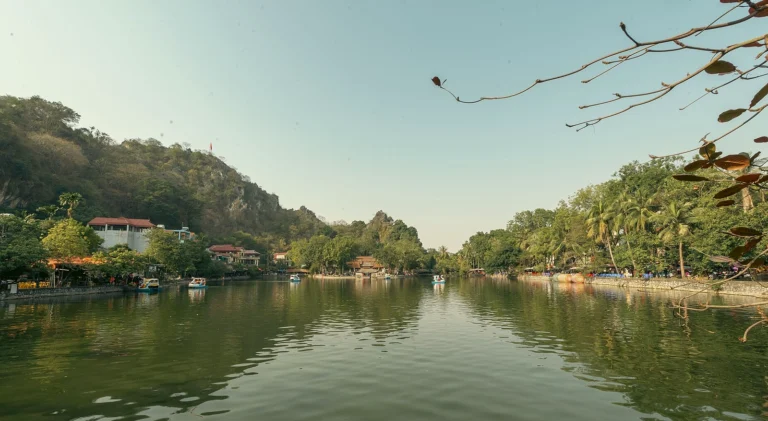
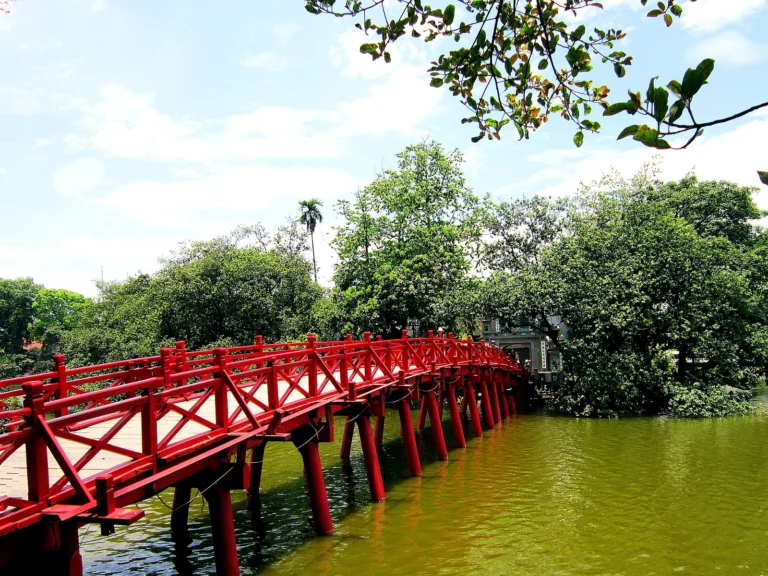
Situated alongside the silt-laden currents of the thousand-year-old Red River, the sacred worship spaces bearing the name Kiep Bac in Hanoi serve not merely as spiritual anchors, but also as masterpieces of feng shui positioning where the vital energies of heaven and earth converge. In terms of geographical coordinates, these relic clusters and sacred sites lie at the crossroads between bustling urban life and the vital arteries of historical waterways. Their terrain strictly adheres to the geomantic principle of “converging waters and encircling mountains,” backed by the elevated ground of the ancient citadel and facing straight toward the rolling expanse of the great river—forming a vast auspicious courtyard that once held the prosperous energy of a strategic military and commercial stronghold.
Historical chronicles and field research documents reveal that the origin of the name and the presence of the Kiep Bac spirit within the heart of Thang Long–Hanoi are closely woven into the heroic 13th-century history of the Tran Dynasty. While the main Kiep Bac headquarters in Chi Linh (Hai Duong) was where Supreme Commander Hung Dao Dai Vuong Tran Quoc Tuan established his military command against the Yuan–Mongol invaders, the sanctuaries titled Kiep Bac Linh Tu or temples dedicated to him in Hanoi represent a sacred continuation of that historical current. These sites once occupied vital strategic chokepoints housing naval outposts, royal stopover palaces, or Tran royal residences—places that witnessed resolute war oaths and decisive strategies to defend the nation and protect the people against foreign invasion.
Through the passage of time and shifts in the urban landscape, the geological imprints and cultural heritage here have preserved priceless core values. Viewed through the lens of textual archaeology and cultural geography, the foundations of these temples typically rest upon low hill ridges or ancient alluvial terraces with stable geological structures—safely spared from recurring seasonal floods yet ideally positioned to monitor and control waterway traffic. This interplay between natural scenery and traditional architecture produces an unmistakable character: shaded by millennia-old trees, moss-draped tiled roofs facing the mother river, mingling with the solemn incense smoke of millions of pilgrims paying homage.
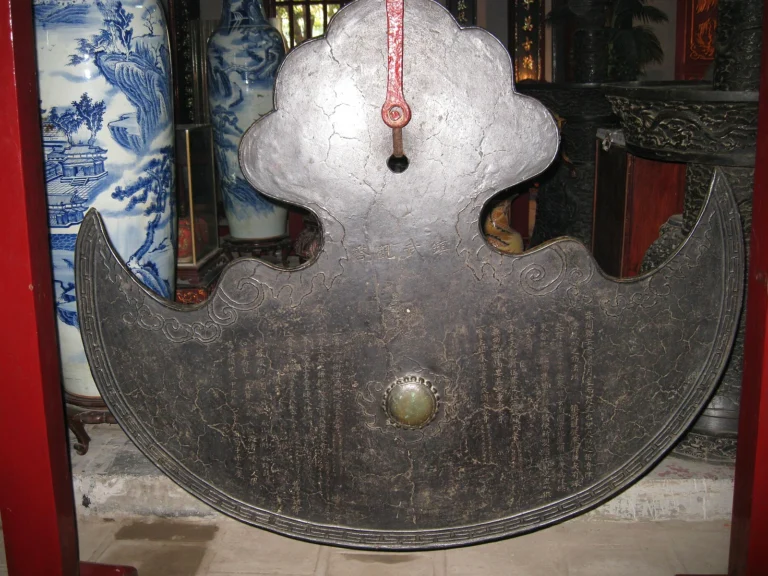
Recent press accounts and heritage research reports continue to affirm the stature of this heritage space in contemporary life. Beyond being a place of gratitude honoring the immense merits of Hung Dao Dai Vuong—revered as a patron saint in Vietnamese folk consciousness—the temple stands as a radiant symbol of national solidarity, self-reliance, and the moral principle of “remembering the source when drinking water.” Every artifact, carved wooden panel, set of parallel couplets, and royal decree preserved here serves as an invaluable historical relic telling the heroic story of an era when the Dong A spirit shook mountains and rivers, leaving an eternal echo for generations to come.

Nestled within the heart of the thousand-year-old capital, Kiep Bac Temple in Hanoi unveils a breathtaking tableau where sacred nature and traditional architecture blend in exquisite harmony. Feng shui specialists regard the temple’s location as a rare nexus of spiritual energy, backed by the quiet flow of history and opening out to panoramic views infused with the breath of alluvial waters. This prime setting fosters a remarkably cool, tranquil microclimate wholly detached from the noise and rush of city streets outside, guiding visitors back to their deepest spiritual roots.
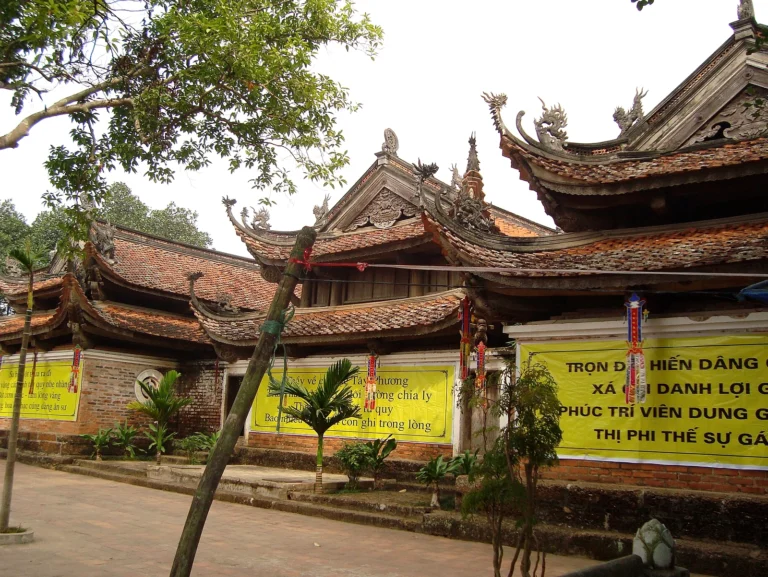
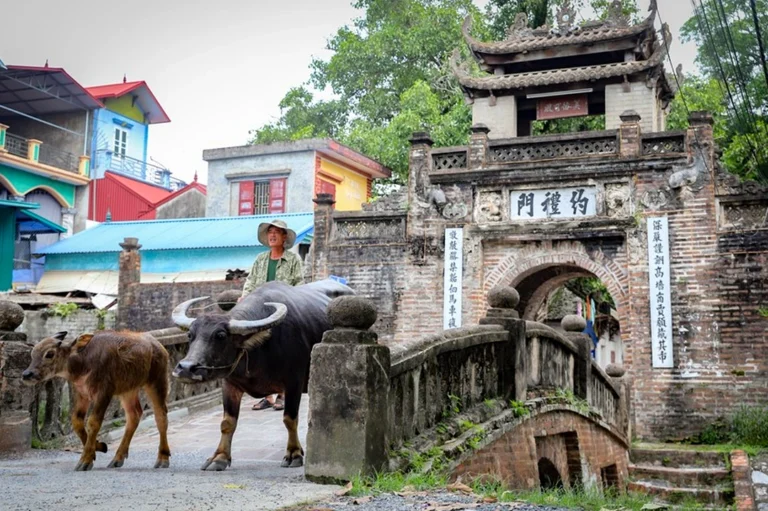
Stepping through the ancient triple-arched entrance gate, visitors are immediately captivated by an architectural ensemble heavily marked by Nguyen Dynasty aesthetics while preserving intricate carvings echoing the heroic Dong A spirit. Structures ranging from the ceremonial gate and front hall to the inner sanctuary are laid out in the traditional “Cong” or “inner Kong, outer Guo” floor plan, projecting supreme solemnity and sacred order. Every sweep of moss-covered shoe-nose roof tiles curves upward into knife-blade eaves delicately sculpted with dragons flanking the moon, carps transforming into dragons, and the Four Mythical Creatures frolicking among clouds—testaments to the master craftsmanship of artisans of old. Massive, monolithic ironwood pillars polished smooth by time and stacked beam-and-purlin trusses carved in high relief and openwork with floral motifs and the Eight Treasures vividly recount the nation’s heroic era of resistance against foreign invaders.
Beyond its historical and architectural significance, the site is also a haven for beauty seekers hoping to capture artistic frames. Professional photographers and travel journalists frequently recommend two “million-view” vantage points not to be missed. The first sits directly beneath the century-old trees beside the main courtyard, angling the lens upward to frame the mossy curved eaves against the deep blue sky for a dramatic, nostalgic composition. The second runs along the corridors of the left and right side halls, where natural sunlight slants through wooden window frames to create ethereal visual effects ideal for evocative, contemplative photography.
To make the most of natural light, the ideal time to visit and shoot at the temple is early morning between 6:00 and 8:00 AM, when the first rays of dawn filter gently through morning mist, illuminating the antique tiled roofs and brightening the sacred grounds. Alternatively, for those drawn to romantic, reflective moods, sunset from 5:00 to 6:00 PM casts warm orange-red hues across the water and aged timberwork, creating an unforgettable, visually striking atmosphere.
Stepping into the heritage realm bearing the imprint of Kiep Bac, visitors are immediately drawn into a multisensory journey where heroic history lives on not only in books, but in every breath of the landscape and local community. From the very first steps of the pilgrimage toward this sacred land, the sheer grandeur of layered mountains and dividing river currents fills the mind with awe. The space opens vast and serene, washing away the stress and fatigue of crowded city life to make room for inner stillness and heartfelt reverence toward ancestral roots.
One of the most rewarding experiences is combining a hillside climb with a scenic boat excursion to fully appreciate the formidable strategic terrain of centuries past. As a boat glides gently across wide waters and crisp river breezes fill the air, travelers feel transported back to the 13th century, witnessing the very waterways where Hung Dao Dai Vuong once trained his naval forces. Gazing out in all four directions from higher ground reveals a majestic panorama of winding rivers embracing lush green mountain ranges. As mountain winds sweep through the air and the magnificent landscape stretches before your eyes, a powerful surge of national pride and admiration for the great commander’s military genius naturally rises within.
Leaving the open outdoor scenery to enter the inner sanctuary, the pace of life slows amid drifting incense smoke and the hushed resonance of temple bells and wooden fish drums. Worshipping here offers a uniquely profound sense of serenity. Within this timeworn sanctuary shaded by millennia-old trees, visitors bow respectfully before the spirit of the Supreme Commander, feeling a sacred bond linking past and present. The solemnity and sanctity of the temple inspire everyone who enters to quiet their minds, turn toward virtue, and pray for peace and good fortune for their families and country.
A vibrant exploration of local culture here would be incomplete without sampling the region’s celebrated culinary specialties rooted in riverine and countryside traditions. Stopping by small roadside eateries or traditional dining spots, travelers can delight in rustic dishes crafted with skill by local hands. The rich, natural sweetness of wild-caught river fish, the fragrant kick of regional herbs, and the humble flavors of traditional lower-river cakes linger delightfully on the palate. Paired with the warmth, hospitality, and genuineness of local residents, these flavors leave an indelible mark, ensuring every visitor departs with fond memories and a desire to return.

To ensure a smooth and meaningful visit exploring the spiritual and cultural heritage associated with Hung Dao Dai Vuong Tran Quoc Tuan at Kiep Bac-affiliated relic sites, having practical information at hand is essential. The guide below provides clear, helpful tips for planning your trip.
Regarding opening hours, the temples and sacred heritage grounds welcome devotees and visitors from near and far every day of the week, typically from early morning until late afternoon (roughly 06:00 to 17:30 or 18:00 depending on the season). The best times of year to visit are early spring (from the first to the third lunar month) for sightseeing and prayers for peace, or the eighth lunar month—the peak season marking the anniversary of Saint Tran’s passing with solemn ceremonies steeped in traditional heritage.
As for admission fees, most public temples and historical sanctuaries in the inner city and outskirts offer completely free entry for both local residents and tourists coming to pay respects and admire the grounds. Visitors need only set aside a modest, voluntary amount if they wish to purchase incense offerings or pay for parking at service areas near the temple.
Regarding transportation and routes from central Hanoi, travelers can go by motorbike, private car, or public bus depending on the specific site they plan to visit. For locations in the Old Quarter or along the Red River, road access is convenient and typically takes just fifteen to thirty minutes. For those wishing to combine their trip with a journey to the original historical headquarters at the Con Son–Kiep Bac Relic Complex (Hai Duong), traveling by private car or coach via the Hanoi–Hai Phong Expressway or National Highway 18 is the most efficient choice, shortening travel time while ensuring a comfortable ride.
Finally, when entering sacred temple grounds, visitors should strictly observe spiritual and cultural etiquette. Dress neatly, modestly, and respectfully, avoiding overly short or revealing outfits inappropriate for a place of worship. Additionally, please help keep the grounds clean, protect the surrounding environment, speak softly, and follow instructions from the relic management board to preserve the solemnity of the sanctuary.

To enjoy a seamless getaway and take in the full beauty of Kiep Bac Temple without worrying about transportation, sightseeing tickets, or itinerary planning, travelers can choose VDS Travel’s premium all-inclusive Hanoi tour packages. Every tour is thoughtfully timed to capture photo spots at their most radiant moments, accompanied by knowledgeable local guides and top-tier hotel and dining standards.