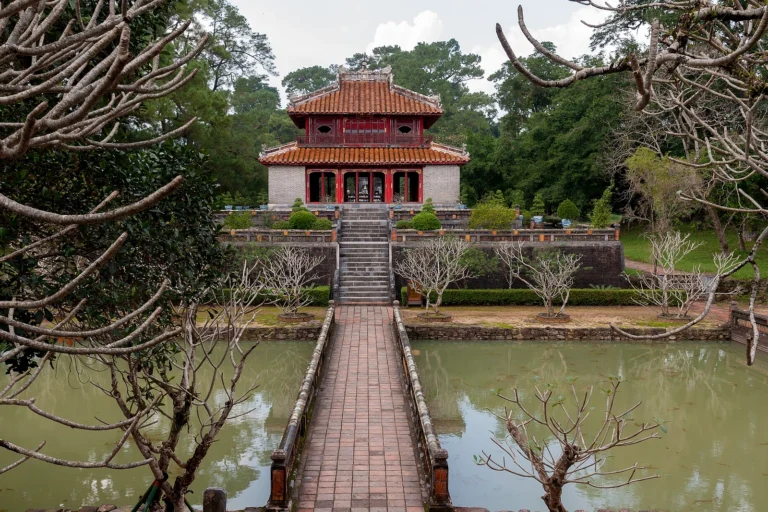
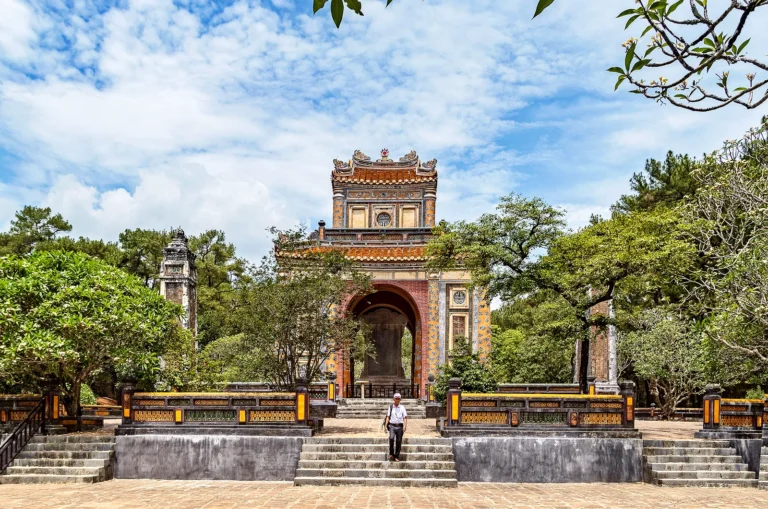
Located at coordinates 16°28′0″N 107°34′40″E, the Hue Imperial Citadel is far more than an architectural monument—it is a living entity, a convergence of auspicious geography and human artistry in the heart of central Vietnam. Built upon the former grounds of the Nguyen Lords’ residences, the Hue Imperial City reflects over 143 years of imperial power and cultural refinement, spanning from Emperor Gia Long’s official commencement of construction in 1804 until the end of Vietnam’s final dynasty in 1945. Here, every brick and bridge carries the breath of history, standing as enduring proof of the Nguyen monarchs’ vision to establish their capital and build an independent, unified, and lasting nation.
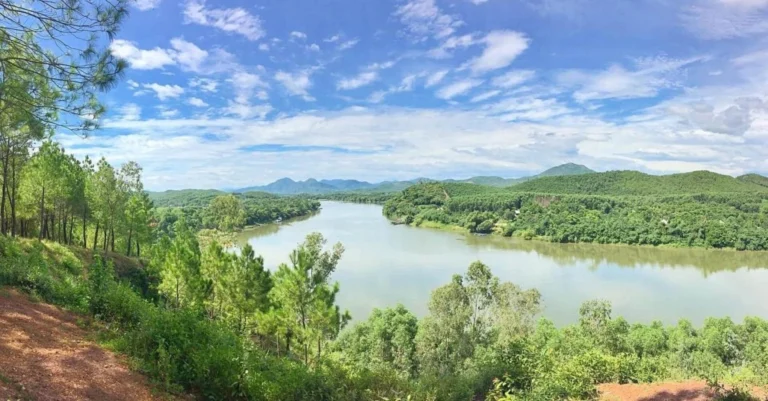
The beauty of the Imperial Citadel stems from a seamless harmony between human craftsmanship and natural topography. Under the direction of master architects such as Nguyen Van Yen and the guidance of geomancy-versed mandarins like Le Chat and Nguyen Van Truong, the Hue capital was laid out according to the strict principles of the “Azure Dragon on the left, White Tiger on the right.” Mount Ngu Binh rises majestically as a natural front screen, the gentle Perfume River curves past to form the ceremonial courtyard, and Hen Islet and Da Vien Islet stand guard to the left and right, creating an ideal “backing onto mountains and facing water” setting. Its sophisticated waterway network—from Tinh Tam Lake to the surrounding moat (Ho Thanh Ha)—serves not only for drainage and defense, but also as a vital geomantic channel that circulates energy and establishes yin-yang balance across the imperial grounds.
The Citadel’s history is equally intertwined with priceless cultural and artistic treasures. The Nine Dynastic Urns (Cuu Dinh), cast in 1836, are not only masterpieces of bronze craftsmanship, but also serve as a monumental declaration of territorial sovereignty—depicting the nation’s mountains, rivers, native flora and fauna, and unity. Meanwhile, the horizontal lacquered boards and parallel couplets inside Thai Hoa Palace and The Mieu form a treasured archive of Sino-Vietnamese (Han Nom) literature, reflecting the statecraft and humanist philosophy of the Nguyen emperors. Together, orthodox Confucian thought and Eastern geomantic principles forged a powerful north-south spiritual axis, shaping the identity of Vietnam’s premier administrative, cultural, and spiritual center.
Today, the Hue Imperial Citadel is designated a Special National Monument (under Decision No. 1272/QD-TTg of 2009) and forms the centerpiece of the Complex of Hue Monuments—a UNESCO World Cultural Heritage site inscribed in 1993. Visiting the Citadel is therefore more than a simple sightseeing excursion; it is a journey back to Vietnam’s historical roots, inviting every traveler to experience the weight of centuries, the majesty of royal heritage, and the timeless beauty of a landmark that has weathered history’s storms to endure as an immortal symbol of Vietnamese culture in the tranquil ancient capital.
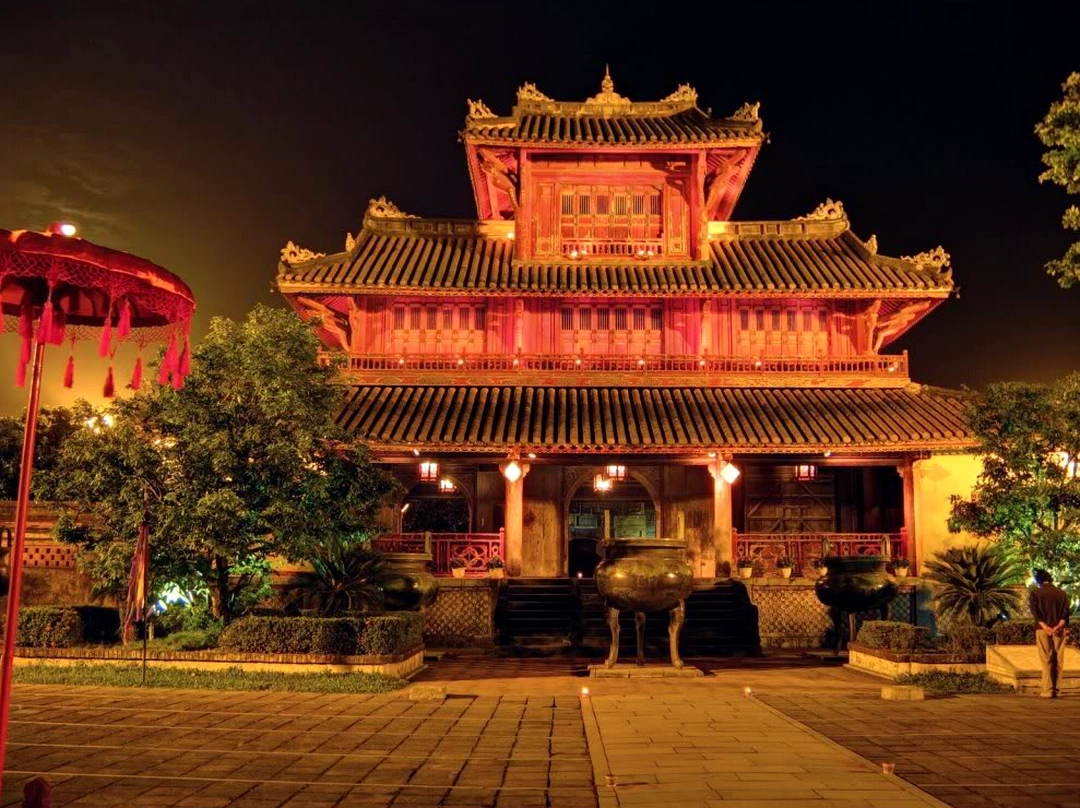
Stepping through Ngo Mon (Meridian Gate), the grounds of the Hue Imperial Citadel unfold like a chronicle written in wood and stone, where every bridge and glazed-tile roof speaks of dynastic grandeur. The architecture here blends Western structural engineering with Eastern aesthetic philosophy, creating a complex that is both monumental in scale and intricate down to the finest detail. Multi-tiered palace roofs clad in yellow (hoang luu ly) and green (thanh luu ly) glazed tiles symbolize imperial authority while standing as sculptural masterpieces in their own right. Intricate porcelain mosaic art—a signature of Hue’s royal craftsmanship—adorns roof ridges and eaves, bringing dragons, phoenixes, and floral motifs vividly to life under the sunlight, defying both time and Central Vietnam’s harsh climate.
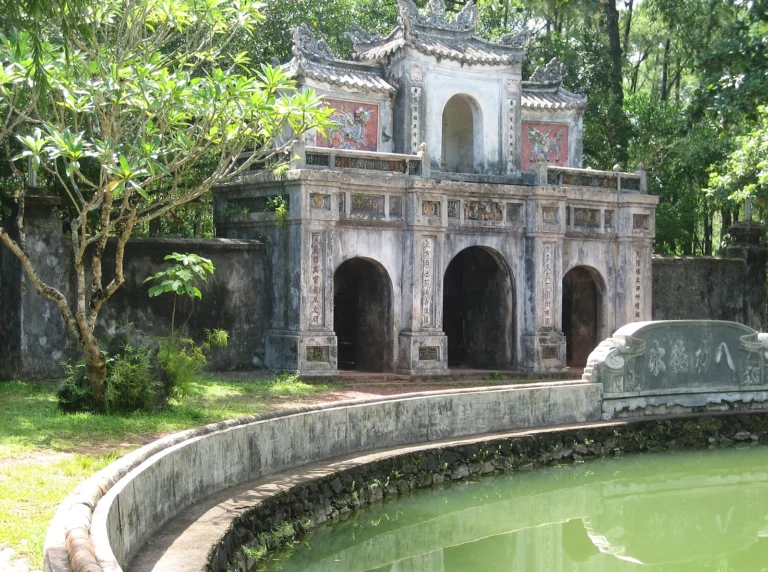
Venturing deeper inside, Thai Hoa Palace (Palace of Supreme Harmony) stands as an emblem of balance and majesty. Rows of red-lacquered, gold-gilded ironwood pillars, paired with elaborately carved horizontal boards and parallel couplets, create an interior atmosphere that is both solemn and commanding. Nature remains woven throughout the complex: lotus ponds and imperial gardens are thoughtfully arranged according to geomantic principles, harmonizing palace architecture with the scenic backdrop of the Perfume River and Mount Ngu Binh. Every courtyard corner and Bat Trang brick pathway breathes the spirit of a golden age in which humanity and nature coexisted in philosophical harmony.
For photography enthusiasts looking to capture the essence of the Citadel, choosing the right vantage point and lighting is key to creating unforgettable shots. The first angle favored by photographers is Ngu Phung Pavilion (Five-Phoenix Pavilion) atop Ngo Mon Gate. Dawn is the ideal time to shoot here, when early morning rays begin gilding the glazed tile roofs and casting a luminous glow against the deep blue sky. This soft light accentuates delicate architectural carvings without harsh midday shadows, giving every frame remarkable depth and emotion.
The second unmissable spot is The Mieu Temple and its ceremonial courtyard, home to the Nine Dynastic Urns—imposing bronze emblems of national sovereignty. Sunset is the best time to visit this area. As the sun dips behind the Truong Son mountain range, warm amber-orange light floods the courtyard, evoking a solemn, timeless, and reflective mood. The contrast between the dark patina of the bronze urns and the crimson lacquer of the palace columns creates a striking, cinematic composition. In addition, Thai Dich Lake—especially when summer lotuses are in bloom—makes an enchanting photo stop, where sunlight shimmering off calm waters alongside the reflection of Thai Hoa Palace captures the serene soul of the ancient capital.
Exploring and paying tribute at the Citadel is more than admiring historic architecture—it is a journey back to enduring cultural values. Whether you are a historian tracing dynastic legacies or a traveler drawn to timeless artistry, the Hue Imperial Citadel offers inexhaustible inspiration. Slow down, listen to the breeze drifting through its wooden corridors, and discover how every quiet corner bears the imprint of masterful ancestral craftsmanship.
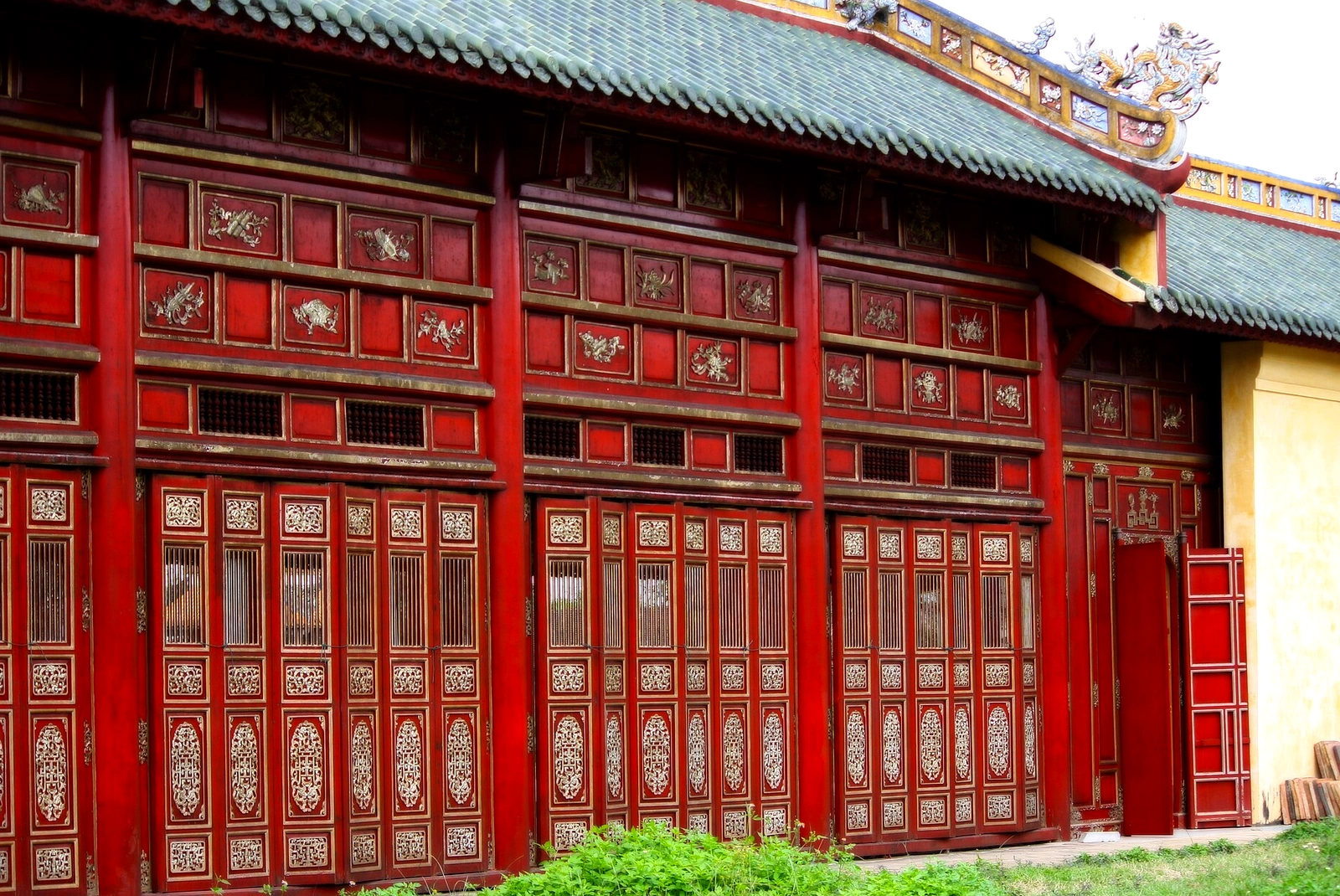
Passing beneath the towering Ngo Mon Gate—once reserved exclusively for the emperor—visitors do more than tour a historic monument; they step directly into a living current of history. One of the most rewarding experiences is strolling along weathered brick pathways where every stone seems to echo royal footsteps. Take time to pause at The Mieu, where sacred stillness mingles with drifting incense smoke to inspire quiet reverence. Standing before the monumental Nine Dynastic Urns, it is impossible not to marvel at the ambition of a dynasty that etched its vision of eternity into intricately cast bronze—a proud symbol of sovereignty in the heart of the ancient capital.
To truly experience the soul of the Citadel, climb up to Ngu Phung Pavilion or another elevated vantage point within the Imperial City to take in the sweeping panorama. From above, the former capital unfolds like a delicate ink-wash painting of glistening glazed roofs framed by lush, centuries-old trees. Beyond the walls, the Perfume River winds like a silk ribbon embracing the city in a textbook “mountain-backed, water-facing” setting. If time allows, pair your visit with a sunset dragon boat cruise on the Perfume River—when twilight tints the water violet and traditional Hue folk songs drift across the breeze, it becomes clear why this city has captivated poets and travelers for generations.
Hue’s cultural richness extends well beyond its palace walls into the celebrated culinary traditions surrounding the Citadel. After hours immersed in royal history, stopping at a local eatery to savor a steaming bowl of flavorful Hue beef noodle soup (bun bo Hue), or delicate steamed rice cakes like banh beo, banh nam, and banh loc neatly wrapped in banana leaves, is a must. The bold kick of chili paste, nuanced broth, and refined presentation mirror the character of Hue itself: gentle, deep, and spirited. Dishes once crafted for royal banquets have seamlessly woven into everyday local life, connecting past and present through every bite.
Initial awe at the monumental scale of the palaces gradually softens into quiet contemplation as you notice smaller details: a fallen frangipani blossom resting on mossy stone steps, or the distant chime of Thien Mu Pagoda’s bell drifting across the air. The Hue Imperial Citadel is more than a sightseeing destination—it is a sanctuary where travelers can pause and reconnect with themselves, standing at the crossroads of fleeting human moments and enduring history. Leaving the Citadel gates, echoes of a golden era linger on, leaving a lasting impression like waking from a vivid dream steeped in heritage.
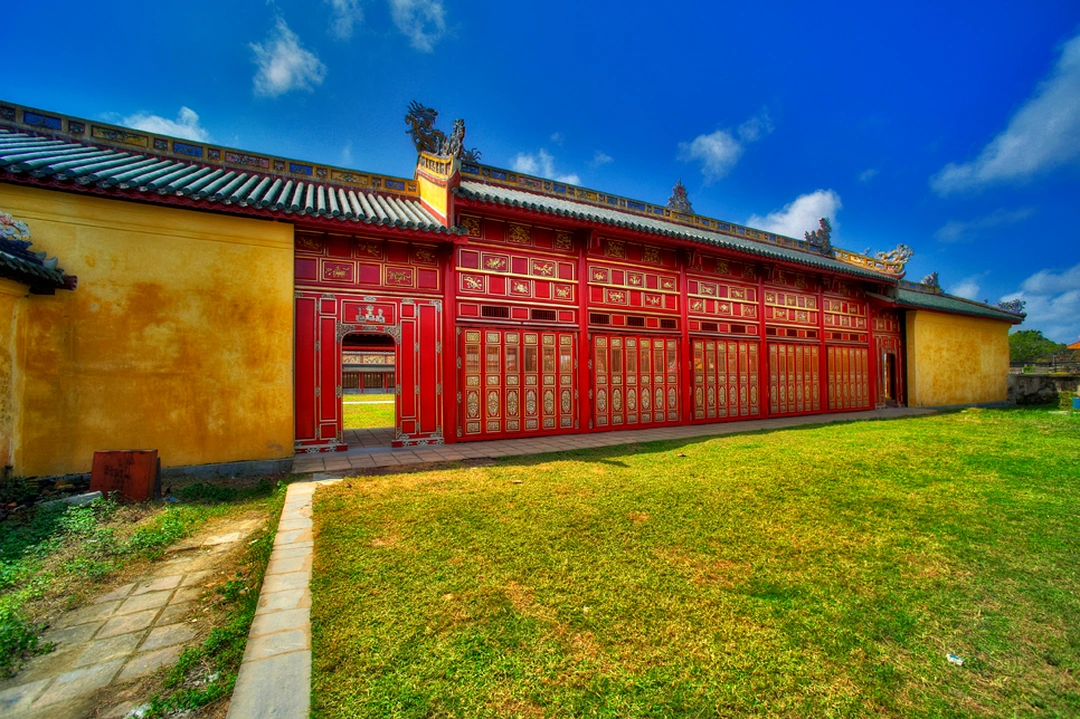
To make your exploration of the Hue Imperial Citadel smooth and rewarding, keeping a few practical logistics and etiquette tips in mind is essential. The Citadel is open daily throughout the year, including weekends, public holidays, and Tet (Lunar New Year). Standard visiting hours run from early morning until late afternoon, giving travelers ample time to explore its palaces, temples, and royal gardens. During major festivals or cultural events, the conservation center also hosts special night openings under atmospheric illumination, offering a magical glimpse into royal palace life after dark.
Admission tickets are clearly priced and sold at main entrances such as Ngo Mon Gate and Hien Nhon Gate, with separate rates for international and domestic visitors as well as discounted or free entry for children, students, and seniors with valid ID. On major holidays or provincial anniversaries, Thua Thien Hue Province also frequently offers free admission days to celebrate and promote local heritage. Bringing cash or having mobile/card payment ready at the ticket counter will help speed up entry during busy hours.
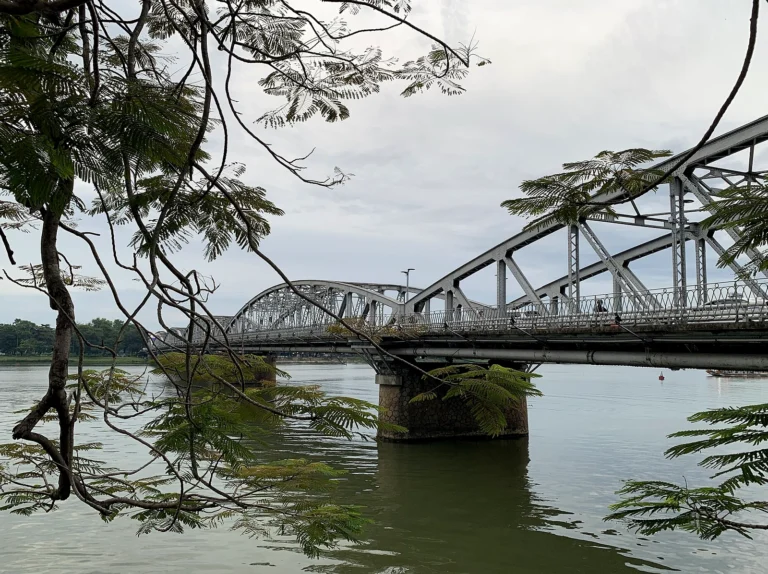
Getting to the Citadel is effortless thanks to its central location. From most downtown hotels, visitors can take a traditional cyclo—a quintessential Hue experience—to enjoy a leisurely ride through tree-lined streets before arriving at Ngo Mon Gate. If traveling by motorbike or private car, designated parking areas are readily available just outside the moat encircling the Imperial City. The most scenic approach follows Tran Hung Dao or Le Loi Street across Truong Tien Bridge or Phu Xuan Bridge, letting you take in views of the Perfume River before stepping into the serene heritage grounds.
Because the Citadel is a sacred historical site spanning expansive grounds with stone walkways and steep steps, appropriate attire is important. Modest, respectful clothing is required—avoid overly short or revealing outfits, particularly when entering ceremonial halls and temples such as The Mieu or Thai Hoa Palace. Comfortable flat shoes or sneakers with good traction are strongly recommended for walking along brick courtyards and bluestone paths that can become slick after rain. A traditional conical hat (non la) or sun umbrella also comes in handy under Central Vietnam’s bright sun.
Spring is the ideal season to visit, bringing mild temperatures and fresh greenery across the imperial gardens that highlight the harmony between architecture and nature. To avoid midday heat, plan your visit for early morning or late afternoon—windows that also deliver the most flattering golden light against crimson walls and yellow-glazed roofs. Keep voices low, follow posted signage, and treat the grounds with care to help preserve the timeless beauty of Hue’s Imperial City for generations to come.
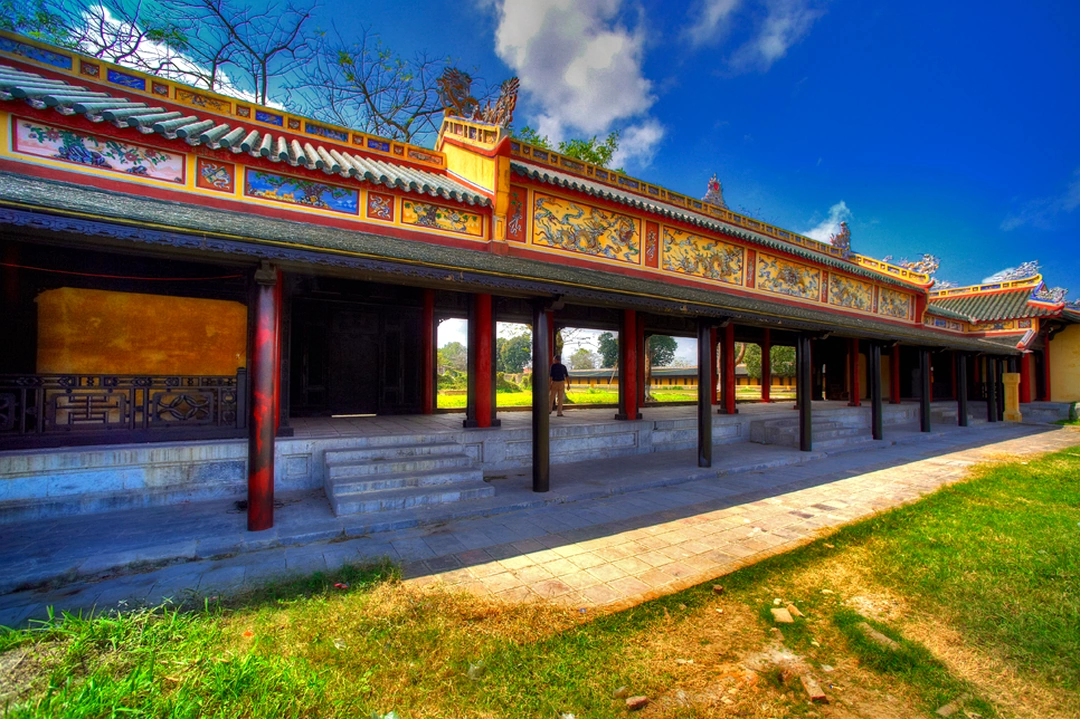
To enjoy a seamless getaway and experience the full splendor of the Hue Imperial Citadel without the hassle of arranging transportation, admission tickets, or transfer schedules, travelers can choose all-inclusive Hue tour packages from VDS Travel. Each itinerary is thoughtfully timed for optimal lighting and scenery, accompanied by knowledgeable local guides and paired with top-tier hotel and dining standards.