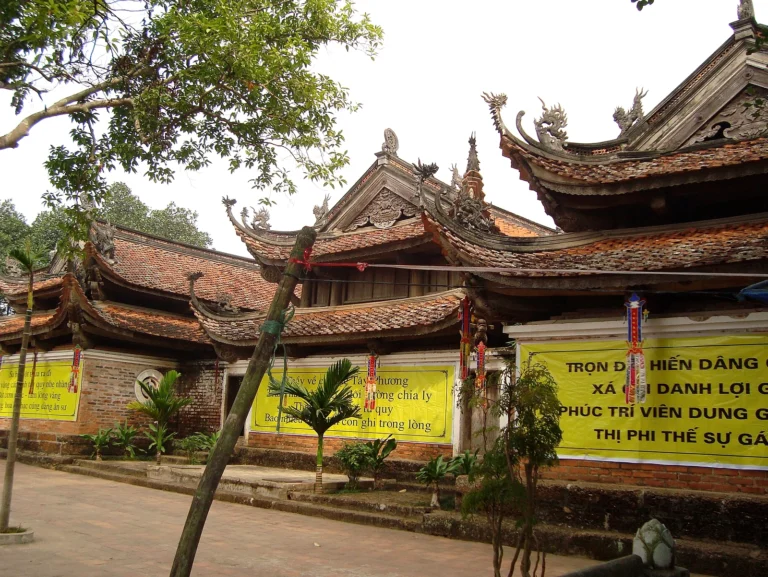
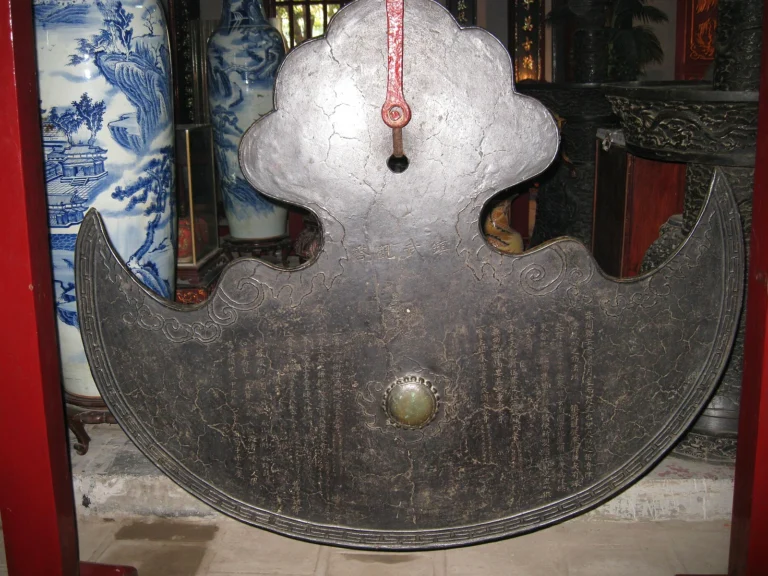
Nestled within the serene setting of the semi-mountainous region on the outskirts of the capital, Then Pagoda—formally inscribed as Thien Phuc Tu—stands as a timeless cultural and spiritual landmark in Then Village, Hoa Son Commune, Chuong My District, Hanoi. These geographical coordinates do more than mark the administrative boundaries of a tradition-rich countryside; they represent a special meeting point between the rhythm of the Red River Delta and the misty, mountainous resonance of Xu Doai. For generations, the pagoda’s feng shui setting has been likened to a place where waters converge and spiritual energy gathers, arranged in the classic “coiling dragon and crouching tiger” formation—backed by undulating hills and facing lush green fields—creating a secluded, ethereal sanctuary wholly detached from the hustle and noise of modern city life. In terms of its name’s origins and historical roots, Then Pagoda holds millennia-deep cultural strata. Simple and familiar on the surface, the name “Then” carries profound layers of meaning in local dialect and ancient Nom script, intertwined with folk legends passed down across generations. Meanwhile, its formal titles—”Thien Phuc Tu” (Pagoda of Heavenly Blessing) and “Sung Phuc Tu” through various historical restorations—express enduring aspirations for a sacred Buddhist realm blessed with favorable weather and national peace and prosperity. Based on archaeological field records, stone steles, and preserved woodblocks, the pagoda’s founding dates far back to the Ly–Tran dynasties. This was a golden age of Buddhism under independent feudal rule, when eminent monks of the Truc Lam and Vo Ngon Thong Zen lineages traveled to the outskirts of Thang Long citadel to establish hermitages, build pagodas, spread the Dharma, and cultivate local culture. Across the passage of time, Then Pagoda’s architectural appearance continued to be enriched through the Early Le, Revival Le, and Nguyen dynasties. Surviving material remnants, such as stone column bases carved with plump-petaled lotus blossoms, do not merely exemplify the refined sculpture of the Early Le period; they also serve as vivid testimony to the relic’s enduring vitality through waves of Buddhist revival. During the Revival Le and Nguyen dynasties, the pagoda was expanded following the traditional “Buddha in front, Spirits behind” layout, harmoniously blending Mahayana Buddhism with the Vietnamese moral principle of remembering one’s roots by venerating sages, tutelary deities, and local benefactors who contributed to the village. Beyond its spiritual significance, Then Pagoda also serves as a living heritage museum widely recognized by cultural authorities and the press for its conservation value. Its collection of original artifacts, Buddhist statues, and Nguyen dynasty royal decrees provides invaluable documentation helping scholars piece together missing chapters of Chuong My’s local history. Ultimately, the beauty of Then Pagoda lies not solely in its moss-covered tiled roofs or captivating natural scenery, but in its spiritual depth—where the wellspring of Vietnamese cultural heritage is preserved, honored, and passed down to future generations.
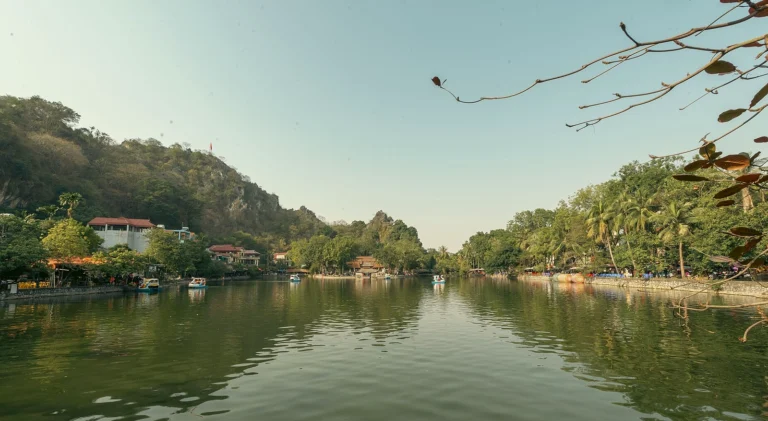
Set against the gentle slopes of Chuong My’s semi-mountainous landscape, Then Pagoda (Thien Phuc Tu) unfolds like a tranquil masterpiece of nature where time seems suspended beneath layers of moss. The ancient pagoda’s terrain embodies traditional feng shui philosophy, nestled beside rolling hills shaped like a coiling dragon and crouching tiger while looking out over the peaceful northern countryside of quiet hamlets and emerald rice fields. From the very first step through the gate, visitors and heritage enthusiasts alike are captivated by the unspoiled, hushed, yet deeply majestic beauty of the surrounding landscape.
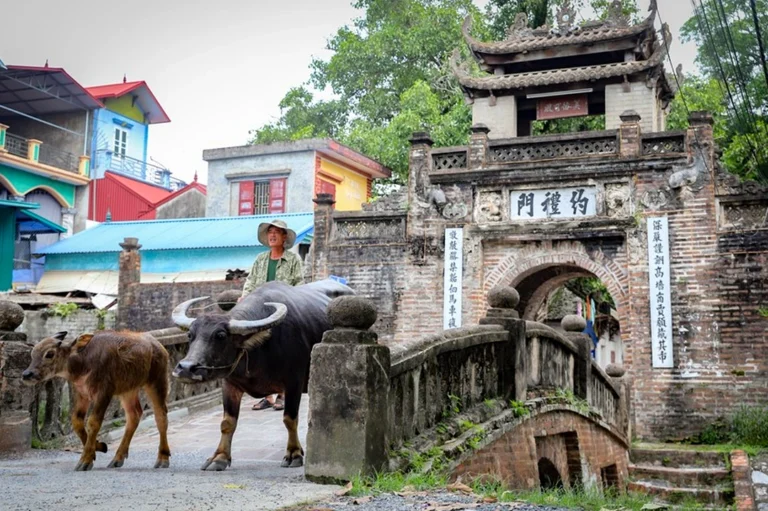
Having weathered centuries of historical ups and downs, Then Pagoda still preserves a harmonious overall layout in the classic “inner Kong, outer Guo” architectural style characteristic of ancient Vietnamese pagodas. Passing through the imposing ceremonial gate with its moss-draped brick pillars, the space opens onto a timeworn Bat Trang brick courtyard shaded by centuries-old trees. The central Main Sanctuary (Tam Bao) stands on an elevated foundation supported by sturdy ironwood pillars, featuring stacked beam-and-purlin truss structures bearing the unmistakable artistic hallmarks of the Revival Le and late Nguyen dynasties. The crowning sculptural highlight here is the set of stone pillar bases carved in the shape of full-blooming lotuses with plump, rounded petals—an iconic motif of Early Le artistry. Red-and-gold lacquered horizontal plaques and parallel couplets, alongside antique statues crafted from terracotta and precious woods, are arranged with solemn reverence, showcasing the exquisite skill of folk artisans of old.
For photographers and travel enthusiasts, Then Pagoda offers “million-view” photo angles steeped in nostalgia, seamlessly uniting sacred architecture with dramatic natural scenery. The premier shot is framed from inside the veranda of the Main Sanctuary looking out toward the courtyard and triple-arched entrance gate. The ideal time to capture this scene is early morning, when the first rays of dawn filter through the foliage of ancient trees onto the moss-covered brick courtyard, creating a mystical, tranquil ambiance befitting a Zen sanctuary. Soft golden morning light brings out the aged patina and quiet beauty of the weathered timberwork.
A second prized vantage point lies around the ancient stupa garden and hillside behind the pagoda, overlooking the sweeping semi-mountainous panorama of Chuong My. Sunset is the “golden hour” most sought after by photographers at this spot. As the sun dips behind the distant mountain ridge, the sky blazes in vibrant shades of pink and orange, silhouetting the gracefully upturned shoe-nose roof tiles against the horizon. This scenery not only yields deeply evocative, artistic check-in photographs, but also inspires a profound sense of inner calm in every traveler returning to the roots of national cultural heritage.

Leaving behind the noise and rush of the capital’s streets, my journey to Then Pagoda in Then Village, Hoa Son Commune, Chuong My District delivered deeply rewarding and heartfelt real-life experiences. From the very first steps, the semi-mountainous countryside on Hanoi’s outskirts revealed breathtaking scenery. To make their way deeper into this sacred sanctuary, visitors typically enjoy a leisurely stroll along winding village lanes, admiring lush green terraced fields while breathing in crisp air rich with rural freshness. A sense of anticipation gently builds as the path begins its gradual incline, leading travelers into the deep emerald expanse of Chuong My’s hills and sky.
One of the most memorable and awe-inspiring moments is climbing the higher hillside slopes to take in a sweeping panorama of this thriving countryside. Looking down from the grounds of ancient Thien Phuc Tu, a vast, open landscape unfolds like a slow-motion film. In the distance, undulating mountain ranges emerge and fade through thin morning mist, cradling quiet, peaceful hamlets below. The resonant toll of the pagoda bell blends with mountain breezes rustling through ancient canopies to create a soothing soundscape that washes away everyday worries and stress. In that moment, the boundary between present and past seems to blur, leaving only a deep stillness within each traveler’s soul upon touching a thousand years of living culture.
Beyond the majesty of its natural surroundings, a spiritual pilgrimage to Then Pagoda offers a remarkably vibrant immersion into local culture. Though time has coated its weathered bricks and Early Le lotus stone bases in antique moss, the sanctity and devotion of local residents remain completely intact through every stick of fragrant incense offered. Visitors can feel genuine warmth and hospitality in the unpretentious stories told by village elders about the temple’s history and the eminent monks who once chose this quiet haven for spiritual practice. This seamless blend of Buddhist worship, tutelary spirit veneration, and grassroots village traditions creates an irresistible charm that makes every guest feel as though they are returning to an ancestral home.
Rounding out an exploration of Then Pagoda, sampling the renowned culinary specialties of the Chuong My region is an unmissable finale. After hours of climbing slopes and paying respects on tired feet, savoring the rich, authentic flavors of rustic local dishes brings immense satisfaction. Fresh countryside ingredients prepared according to traditional recipes preserve their natural sweetness, paired with the heartfelt warmth of local hosts to leave an enduring mark on every traveler’s memory. Then Pagoda is far more than an archaeological and historical relic of high value—it is a vibrant experiential destination where nature, culture, and humanity merge into one, leaving a lingering fondness in the hearts of all who visit.

Then Pagoda (Thien Phuc Tu), located in Then Village, Hoa Son Commune, Chuong My District, Hanoi, is a spiritual and heritage destination rich in historical value. To help make your pilgrimage and exploration as seamless, respectful, and rewarding as possible, this handy pocket guide provides all the essential details you need.
Regarding opening hours, the pagoda welcomes Buddhist devotees, travelers from near and far, and researchers every day of the week. Ideal visiting hours generally run from early morning at 06:00 until sightseeing and worship activities wind down around 18:00 daily. As for admission fees, the relic site charges no entrance fee whatsoever, remaining freely open to everyone coming to worship, admire the scenery, and explore its history.
To travel from central Hanoi to Then Pagoda, the most convenient options are motorbike or private car via National Highway 6 or Thang Long Boulevard, connecting onto provincial roads heading toward Chuong My District. The route is relatively open and scenic, passing through peaceful rural villages and semi-mountainous terrain. If you are not driving your own vehicle, you can easily take intercity bus routes that stop near Hoa Son Commune, then complete the short remaining distance to the pagoda gate by motorbike taxi or local cab.
Because the pagoda sits in a semi-mountainous setting with an ancient, solemn atmosphere, visitors should pay close attention to dress code etiquette. Wear neat, modest clothing in muted, respectful tones suited to traditional customs and the sacred environment of a Buddhist sanctuary. Additionally, since the pagoda grounds and surrounding area feature hilly terrain, stone steps, and mossy brick courtyards, opt for sneakers or soft flat shoes for comfortable walking, climbing toward the stupas, and sightseeing.
The best time of year to visit Then Pagoda is during spring (from the first to the third lunar month), when the weather is cool and pleasant, nature is lush, and local spiritual activities and traditional festivals take place. You can also visit on the 1st or 15th day of each lunar month—or during early autumn—to fully experience the tranquil, secluded, and timeless atmosphere of an ancient pagoda bearing the imprint of the Ly–Tran dynasties in Xu Doai.

To enjoy a seamless getaway and take in the full beauty of Then Pagoda without worrying about transportation, sightseeing tickets, or itinerary planning, travelers can choose VDS Travel’s premium all-inclusive Hanoi tour packages. Every tour is thoughtfully timed to capture photo spots at their most radiant moments, accompanied by knowledgeable local guides and top-tier hotel and dining standards.