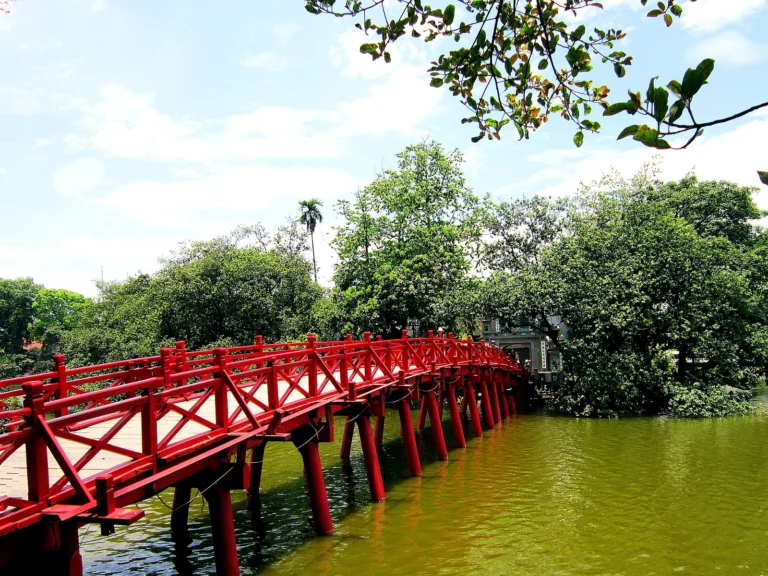
Nestled in the tranquil embrace of the millennium-old Trang An cultural space, Ngoc Pagoda (Hanoi) emerges as a sacred, contemplative note crystallized from the deep spiritual wellspring of ancient Ke Cho. Situated at a distinctive geographical crossroads where traditional “water-gathering, mountain-facing” feng shui harmonizes with contemporary urban life, this ancient temple commands a rare terrain: backed by the historical sediment of glorious dynasties and facing an expansive vista of age-old waterways. This setting not only bestows an aura of quietude and solemnity upon the temple grounds, but also creates a sustainable ecological and spiritual buffer zone where time seems to stand still against the shifting tides of the modern world.
Tracing the etymology of its name, the title “Ngoc Tu” (Jade Pagoda) inherently carries profound philosophical meaning within Vietnamese Buddhism, symbolizing purity, a mind as clear as flawless jade, and the light of wisdom illuminating the world. Entirely distinct from neighboring religious institutions that blend secular elements, Ngoc Pagoda has preserved its authentic identity as a pure Buddhist monastery from its very origins. This clear distinction has been affirmed by cultural historians, restoring the pagoda to its rightful place as an independent architectural and spiritual landmark safeguarding priceless tangible and intangible heritage of the ancient Thang Long capital.
Turning back the pages of historical records, the founding of Ngoc Pagoda is closely intertwined with the ebbs and flows of national history. Although archaeological remnants from the Ly and Tran dynasties—such as intricately carved lemon-blossom bricks and Bodhi-leaf tiles—attest to the early presence of a Buddhist sanctuary dating back to the 11th to 13th centuries, it was not until the Early Le and Revival Le periods that the pagoda truly rose to prominence as a major monastic center. This flourishing was made possible through royal patronage and the devout land endowments of royal concubines and dukes during the Trinh–Nguyen era. Entering the Nguyen dynasty, following major restorations, the pagoda’s architecture took clear shape in the traditional style, seamlessly blending exquisite woodcarving artistry with spatial planning steeped in Vietnamese soul.
Having weathered centuries of change, Ngoc Pagoda today is more than a serene spiritual sanctuary for residents of the capital; it is a living heritage site actively preserved by cultural authorities and celebrated by the press. Every sweeping curved roof corner, every ancient stupa standing proud against the sky, and every moss-covered stone stele whispers stories of the heroic spirit of old Thang Long. Its indigenous landscape beauty and enduring historical and cultural value have elevated Ngoc Pagoda into a premier heritage destination, where every visitor stepping inside experiences a wondrous harmony between heaven and earth, history, and the human spirit.

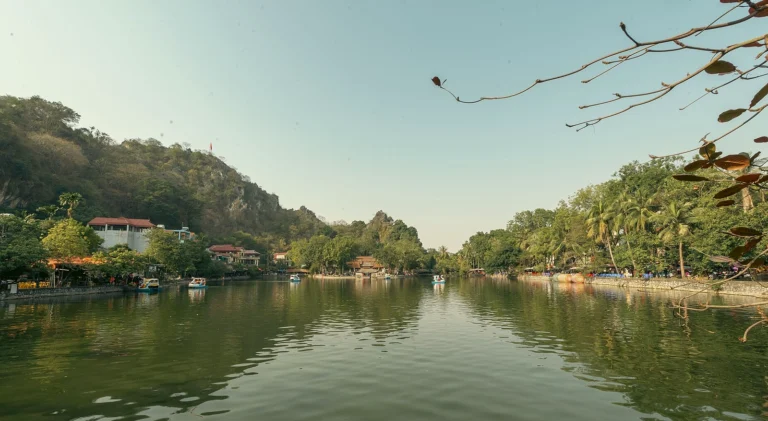
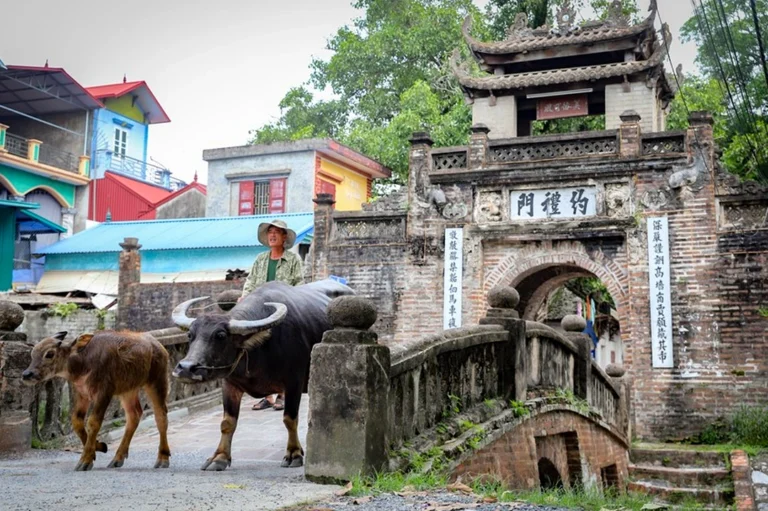
Set within a serene, nostalgic enclave of the capital, Ngoc Pagoda stands as an architectural and scenic masterpiece where nature and spirituality unite in complete harmony. Feng shui masters regard the ancient temple’s geomantic position as one that gathers auspicious energy and fosters prosperity, backed by a solid terrestrial ridge and opening out toward a breezy expanse with a tranquil lake and centuries-old trees casting cool shade year-round. From the very first step through the triple-arched tam quan gate, visitors leave behind the noise and bustle of the city to enter a realm of stillness, where time seems preserved in every layer of moss blanketing the ancient fired bricks.
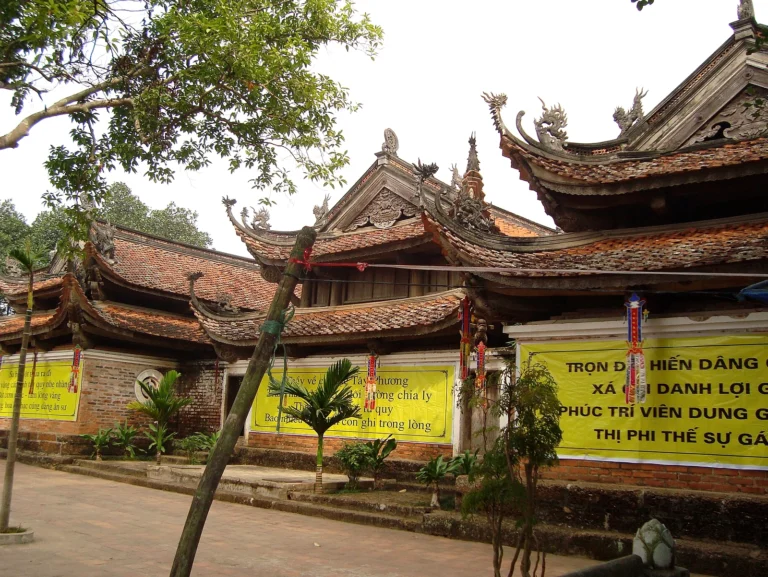
The architectural artistry of Ngoc Pagoda is a vivid testament to the skill of traditional master carvers across centuries. The overall floor plan strictly adheres to classical symmetry across the Main Sanctuary, the Patriarchal House, and the left and right corridors. Its ironwood truss system is intricately carved with classic Buddhist and royal motifs such as the Four Sacred Creatures and stylized flora, with every chisel stroke displaying graceful fluidity alongside dignified solemnity. Most notably, the Buddhist statues inside the Main Sanctuary are sculpted from precious wood and finished in traditional red lacquer and gold leaf in the Le–Nguyen artistic style, featuring compassionate gazes and softly draping robes that create an ethereal spiritual depth under candlelight and fragrant incense smoke.
Beyond its architectural significance, the natural landscape at Ngoc Pagoda captivates visitors with gardens meticulously tended according to Zen philosophy. Miniature rockeries, gently babbling water features, blooming orchids, and ancient bonsai trees come together to form a living miniature landscape painting. To capture the most memorable frames at this sacred site, photographers and travel enthusiasts frequently share two unmissable photo spots.
The first photo spot is located on the veranda of the Main Sanctuary looking out toward the Dragon Courtyard, where the camera angle uses the intricately carved wooden ceremonial arch as a natural frame for the subject, creating striking artistic depth. The ideal lighting for this spot is in the early morning (from 7:00 AM to 9:00 AM), when the first rays of sunlight filter through the leaves, casting warm golden beams across the antique Bat Trang brick courtyard and illuminating the quiet atmosphere.
The second photo spot lies along the walkway beside the left corridor leading toward the Patriarchal Stupa Garden. From here, visitors can capture the sweeping curves of traditional fish-scale roof tiles rising into upturned dragon-tail eaves—an iconic hallmark of Vietnamese temple architecture. Sunset (from 4:30 PM to 5:30 PM) is the “golden hour” for this angle; the fading daylight bathes the grounds in warm amber hues, reflecting off the signature yellow lime-washed walls and moss-grown roof tiles to create a deeply nostalgic, breathtaking tableau etched with the passage of time.

Stepping into Ngoc Pagoda in the heart of thousand-year-old Hanoi, visitors are immediately transported away from urban clamor into a realm of quiet contemplation, where time settles softly over velvet moss and the resonant chime of temple bells echoes through the morning air. Exploring this ancient sanctuary begins with poetic, unexpected experiences that awaken every sense.
Depending on the pagoda’s distinctive terrain, visitors typically begin their journey by strolling leisurely up moss-covered stone steps beneath the canopy of centuries-old trees to reach the tam quan gate, or by drifting gently in a small boat across glassy waters, watching clouds and picturesque mountain-and-water reflections shimmer across the surface. Every step up the slope and every gentle stroke of the oar brings a remarkable sense of ease, washing away the fatigue and worries of daily life.
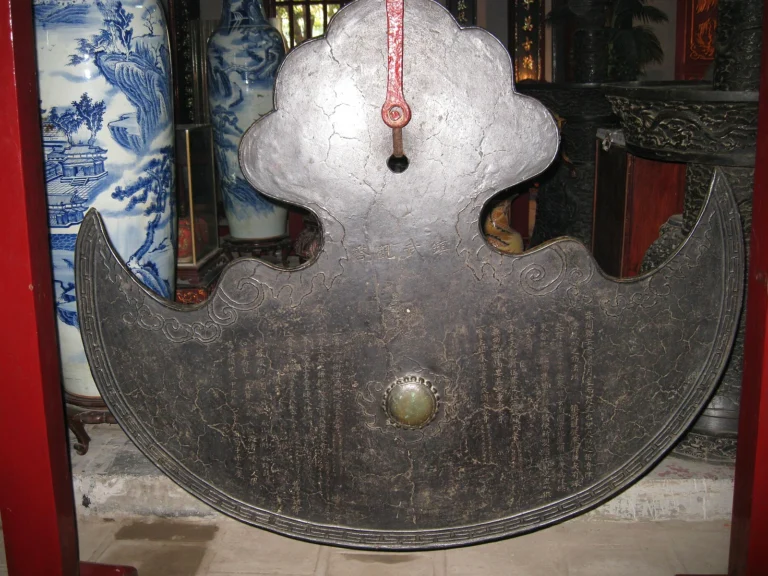
Upon ascending the final steps into the Main Sanctuary, a wave of awe sweeps over visitors before the solemn, antique beauty of authentic Buddhist architecture. Amid drifting incense smoke, flickering candlelight glints off gilded horizontal lacquered boards and parallel couplets dating back to the Le–Nguyen dynasties, making one feel humbled before the permanence of history and sacred space. Bowing in reverence before the majestic Buddha statues and breathing deeply of crisp greenery mingled with pure sandalwood incense, the mind grows light, peaceful, and quietly uplifted.
In particular, standing in the temple courtyard and gazing out over the tranquil panorama below is an unforgettable highlight. From above, nature and cityscape blend seamlessly: on one side flows the pulse of modern life, and on the other sit weathered, moss-draped tiled roofs peeking through lush greenery—offering a fresh perspective on a Hanoi that is at once deeply contemplative and effortlessly poetic.
Concluding the pilgrimage and sightseeing journey, visitors should not miss sampling the renowned local specialties found just around the site. Whether savoring delicate vegetarian dishes infused with monastic culinary tradition or classic old-quarter treats tied to memories of ancient Ke Cho—such as young green rice cakes (banh com), West Lake lotus tea, or steaming bowls of Hanoi pho simmered with rich, sweet bone broth—every flavor rounds out a vivid local cultural experience. Ngoc Pagoda is thus not only a historical and architectural monument of high scholarly value, but also a cherished spiritual and cultural landmark of the people of Trang An.

Ngoc Pagoda is one of the capital’s standout spiritual destinations and cultural heritage sites, drawing visitors from near and far as well as researchers coming to pay homage and admire the scenery. To ensure your visit to this ancient temple goes smoothly, respectfully, and fulfilling, keeping a few practical tips in mind regarding opening hours, transportation, and temple etiquette is essential.
Regarding opening hours, Ngoc Pagoda welcomes sightseers and pilgrims every day of the week, including weekends and public holidays. Regular visiting hours typically run from 6:00 AM to around 6:00 PM. On major lunar observances such as the 1st and 15th days of the lunar month or during the Lunar New Year (Tet), the temple grounds may open earlier and close later to accommodate worshippers.
A major plus for travelers visiting Ngoc Pagoda is that admission is completely free of charge. Visitors are welcome to explore the grounds, admire the architecture, and offer prayers freely. However, if you wish to make an offering, you may contribute to the temple’s donation box to support ongoing maintenance, restoration, and preservation of this treasured heritage site.
Getting to Ngoc Pagoda from central Hanoi (such as the Hoan Kiem Lake area or the Old Quarter) is convenient with a variety of transport options. If traveling by private motorbike or car, you can follow Hanoi’s main arterial roads and use a navigation app to find the shortest route and avoid rush-hour traffic. For travelers who prefer public transit, several city bus routes pass near the heritage site, offering an economical and safe way to get there.
When visiting Ngoc Pagoda, dress code etiquette must be strictly observed out of respect for sacred culture. Visitors should wear modest, respectful attire with covered shoulders and long trousers or skirts, avoiding overly short, revealing, or sheer clothing when entering the main prayer halls. Because the site features antique stone steps, moss-grown brick courtyards, and gentle slopes, wearing flat shoes, sneakers, or footwear with good grip is recommended for comfortable and safe walking.
The best time of year to visit Ngoc Pagoda is in spring (from the first to the third lunar month), when the weather is cool and dry and traditional festivals rich in Northern Vietnamese cultural identity take place. Alternatively, if you prefer quietude and a contemplative atmosphere to study the architecture and enjoy peaceful surroundings, the autumn months (from the ninth to the eleventh lunar month), with Hanoi’s crisp blue skies, provide an ideal window for a pilgrimage.
To enjoy a seamless getaway and take in the full splendor of Ngoc Pagoda without worrying about transportation, ticketing, or itinerary planning, travelers can choose VDS Travel’s premium all-inclusive Hanoi tour packages. Every itinerary is thoughtfully timed for photo stops when the scenery is at its most radiant, accompanied by knowledgeable local guides and top-tier accommodation and dining standards.