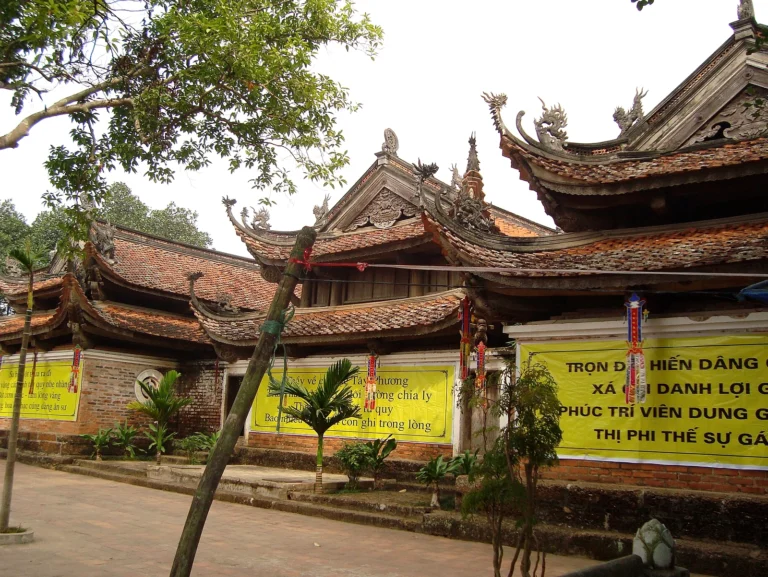
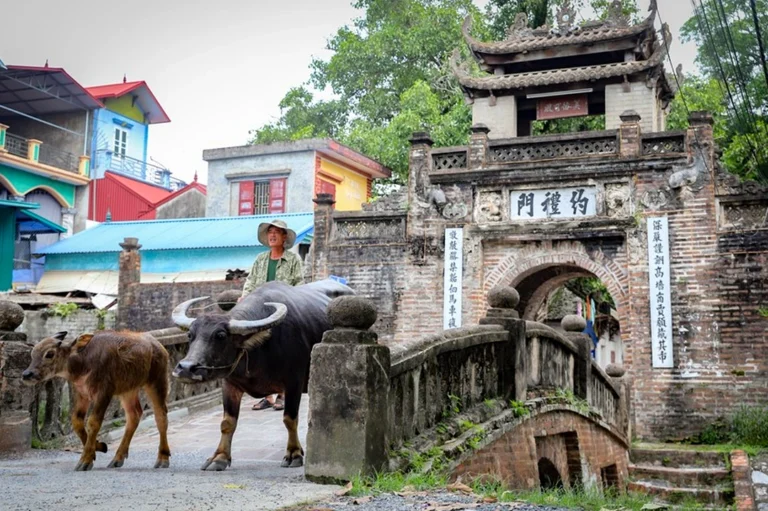
Nestled amidst the picturesque mountains and waterways of the capital, Hang Pagoda—also known by the poetic names Thach Long Tu and Nham Son Tu—stands tall as an enduring testament to time, a place where the sacred energy of heaven and earth converges with the spiritual and cultural heritage of Northern Vietnam. Situated in a distinctive geographical setting with rugged mountain terrain and surrounded by a natural cave system dating back tens of thousands of years, this ancient pagoda appears as a magnificent sculpture carved by nature. The site strongly embodies traditional feng shui principles: its back leans against a sturdy limestone mountain range like an impregnable fortress wall sheltering the tranquil Buddha hall, while its front faces fertile alluvial waterways, creating a “dragon coiled, tiger crouching” formation that draws in celestial essence and brings peaceful, serene energy to every traveler making a pilgrimage to the Buddhist realm. Looking back through historical records and stone steles preserved on site, the founding of Thach Long Tu is closely intertwined with the rise and fall of Vietnam’s feudal dynasties. Although official steles record that the pagoda was built and given its architectural form during the Revival Le dynasty in the 17th century, archaeological traces from stratigraphic layers—such as bricks, tiles, and glazed ceramics discovered at the cave entrance—whisper an even older story. As far back as the Tran and Early Le dynasties, this place served as a secluded hermitage for eminent monks and Zen practitioners seeking quietude to cultivate their practice, enter deep meditation, and immerse themselves in the stillness of untamed nature. This interplay between unique geological scenery and sacred spiritual space has transformed Hang Pagoda into an unparalleled destination where the boundary between the earthly world and nirvana feels thinner than ever. Beyond its purely religious value, Thach Long Tu is also deeply woven into the nation’s heroic history and the revolutionary memory of the capital. During the turbulent years of the national liberation movement, thanks to the rugged, concealed terrain of its natural cave system, Hang Pagoda was chosen by the Tonkin Regional Party Committee and the Free Zone Committee as a covert base of operations during the pre-uprising period from 1939 to 1945. It once functioned as a strategic liaison station and a safe haven for many senior Party leaders directly guiding the mass revolutionary movement. Today, the moss-covered cliff walls and shadowy recesses of the cave preserve not only the chants of Buddhist sutras, but also the sweat and indomitable spirit of patriotic sons and daughters who gave their all for the country, elevating the pagoda into a sacred “witness to history.” Through the passage of time and changing weather, the indigenous beauty of Hang Pagoda retains its powerful allure for heritage researchers, journalists, and enthusiasts of traditional culture. The seamless fusion of the limestone cave’s unique geological value, profound archaeological significance, and a priceless collection of relics and antiquities has shaped a remarkably distinctive heritage tourism identity. Visiting Hang Pagoda today is a journey back to spiritual roots—a chance to touch centuries-old layers of cultural sediment and stand in awe before a sacred space where history, nature, and the human spirit unite in the heart of thousand-year-old Hanoi.

Set amidst the majestic mountains of the capital, Thach Long Tu—commonly known as Hang Pagoda—boasts a rare masterpiece of natural scenery where the grandeur of creation blends seamlessly with solemn, time-honored Buddhist architecture. From the very first steps into the heritage site, visitors and researchers alike are captivated by its classic “mountain-backed, water-facing” setting. Rather than being constructed from conventional reinforced concrete or brick and mortar, the pagoda nestles entirely inside a deep natural cavern carved out over millions of years of geological formation. The cave entrance opens like a colossal archway sculpted by the unseen hand of nature, crowned by lush primeval vegetation and ancient tree roots clinging tightly to the cliff face, creating a breathtaking landscape that is both majestic and tranquil.
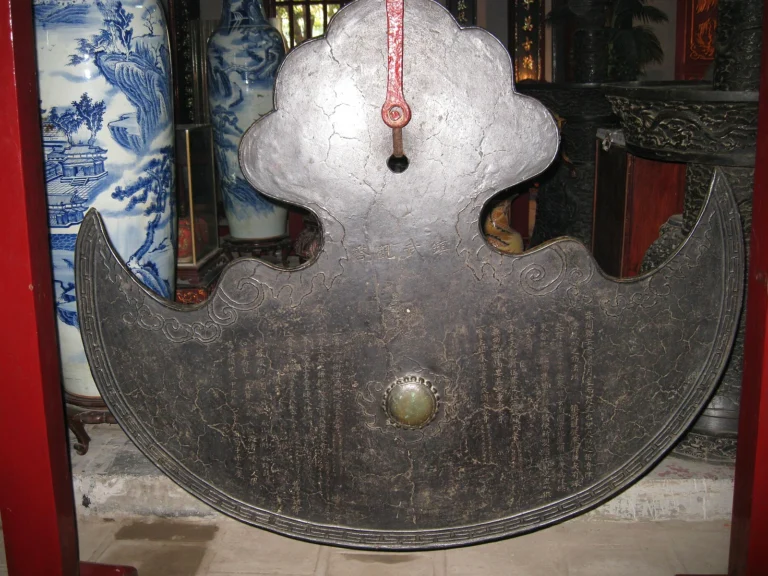
Stepping deeper into the inner sanctum, the architecture of Hang Pagoda reveals an awe-inspiring beauty rich in artistry and spirituality. Structures such as the front hall and main sanctuary are thoughtfully arranged to follow the winding contours of the cavern. Natural light streaming in from the cave mouth casts an ethereal, diffused glow over the ancient terracotta and jackfruit-wood Buddha statues, accentuating the intricate, dignified craftsmanship of the revered figures. Notably, stone-carving artistry here is also showcased through ancient stele inscriptions chiseled directly into the moss-grown limestone walls, enduring across the centuries. The combination of the cave’s cool, hushed atmosphere with the resonant toll of afternoon bells and lingering incense smoke creates an extraordinary sanctuary in the midst of everyday life, enchanting anyone who visits in search of inner peace.
For photographers and wanderlust travelers passionate about exploring heritage sites, Hang Pagoda offers “million-view” photo spots of unmatched aesthetic and historical value. The premier photo angle is captured from deep inside the cavern looking outward toward the entrance. From this perspective, the natural stone arch acts as a giant picture frame enclosing the vast blue sky and rolling mountain ranges beyond, creating striking spatial depth and an air of mystery. A second vantage point highly praised by experts is the moss-covered rocky slope beside the cave threshold, which captures the antique charm of Le–Nguyen dynasty stone stele pedestals intertwined with vibrant native vines. The ideal lighting windows for capturing stunning photographs here are early morning (from 7:00 AM to 9:00 AM), when the first rays of dawn filter through the foliage and cast warm golden beams into the cavern, or late afternoon (from 4:00 PM to 5:30 PM), when the setting sun bathes the surroundings in amber light, evoking a nostalgic, sacred, and deeply artistic atmosphere.

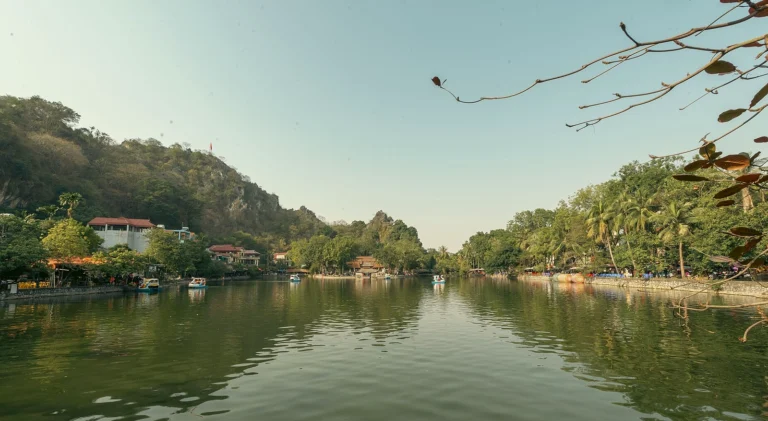
Arriving at Hang Pagoda (Thach Long Tu), visitors are immediately drawn into an exhilarating hands-on journey where untamed nature and sacred spirituality merge into one. The adventure begins by ascending steep, moss-covered stone steps clinging to the mountainside, where the rustling mountain breeze mingles with birdsong to create a symphony of the forest. Excitement builds with every step upward until a breathtaking vista opens up, offering visitors the option of taking a boat ride along crystal-clear waters gliding gently beneath towering limestone cliffs. Looking up from the water’s surface, the natural cave system rises majestically like an architectural masterpiece of creation, inspiring awe at the erosive power of time and the scenic grandeur of the capital’s landmark.
Stepping across the natural threshold of the cavern, the atmosphere suddenly turns hushed, secluded, and remarkably serene. The subtle fragrance of incense mingling with the cool stone air evokes a profound sense of stillness in every visitor’s heart. Here, travelers can take part in solemn spiritual worship, admire the ancient lacquered terracotta Buddha statues up close, and listen to the temple bell echoing through the tranquil chamber. Standing before the Buddha altar and letting the mind settle in reverence for one’s roots and the heroic history of this ancestral sanctuary, all the hustle and worries of urban life seem to melt away, giving way to a rare sense of calm and inner ease.
Leaving the quietude of the Buddha hall behind, the exploration of Hang Pagoda continues as visitors climb to the highest vantage points along the rocky cliffs. From the panoramic summit, the countryside landscape of suburban Hanoi unfolds before your eyes, featuring lush green fields and peaceful villages embracing a winding river. Standing high in the open breeze, breathing in the crisp fresh air, and gazing out over the harmonious mountains and waters brings an exhilarating sense of freedom, inspiring every traveler to capture unforgettable moments of awe and pride in the homeland’s beauty.
No visit to Hang Pagoda is complete without savoring the renowned culinary specialties of the region. After hours of energetic climbing and temple exploration, visitors can enjoy rustic local dishes rich in regional identity, such as fragrant bamboo-tube sticky rice infused with the aroma of newly harvested glutinous rice, savory grilled stream fish bursting with mountain flavors, and seasonal local delicacies thoughtfully prepared by area residents. Every bite not only warms the palate after a rewarding trek, but also adds vibrant, unforgettable color to the local cultural tapestry in the memories of all who visit this sacred destination.

Hang Pagoda (Thach Long Tu) is a distinguished spiritual destination and historical relic of the capital, drawing large numbers of travelers and Buddhist pilgrims from near and far to worship and explore. To ensure a smooth, fulfilling journey through its sacred grounds and scenic mountain-and-water landscapes, having practical details and preparation tips ready in advance is essential.
Regarding opening hours, the heritage site welcomes visitors and pilgrims every day of the week, including public holidays and Lunar New Year (Tet). The best visiting hours during the day generally run from 7:00 AM to 5:00 PM. During this window, natural sunlight illuminates the cave interior at its finest, making it easy for visitors to admire the unique architecture and ancient cliffside stele inscriptions while participating respectfully in spiritual rituals.
Currently, the site’s management board maintains an open-door policy with free admission for all tourists and local residents visiting Hang Pagoda. This welcoming policy makes it easy for people from all walks of life—including students and researchers—to access and learn about the site’s rich cultural, historical, and centuries-old Buddhist architectural heritage.
For transportation and routes from central Hanoi, visitors can travel by private car, motorbike, or suburban bus routes connecting to the area. The most convenient route follows major boulevards or national highways heading toward the outskirts of the city, before turning onto inter-commune roads following digital map directions to the rocky mountain area where the pagoda is located. The journey is fairly smooth overall, though the final stretch leading up to the cave complex features hilly terrain with winding natural stone steps.
Because of its rugged rocky terrain combined with a solemn religious atmosphere, visitors to Hang Pagoda should strictly observe dress code and etiquette guidelines. Clothing should be neat, respectful, and modest—ideally traditional attire or high-necked, full-coverage outfits—avoiding overly short or revealing garments when entering the Buddha hall. Additionally, since visiting involves climbing stone stairs and walking across uneven rocky surfaces, wearing sneakers or footwear with strong grip and non-slip soles is a must for safety.
The ideal times of year to visit Hang Pagoda are spring (from the first to the third lunar month), when the weather is cool, nature is lush and vibrant, and early-year spiritual and cultural festivities often take place. Autumn (from the ninth to the eleventh lunar month), with its dry weather and gentle golden sunshine, is also a wonderful season for sightseeing, offering incense, and exploring the original relics and antiquities at this sacred sanctuary.

To enjoy a seamless getaway and take in the full beauty of Hang Pagoda without worrying about arranging transportation, booking tickets, or planning an itinerary, travelers can choose VDS Travel’s premium all-inclusive Hanoi tour packages. Each itinerary is thoughtfully crafted to optimize photo stops when the scenery is at its most radiant, accompanied by knowledgeable local guides well-versed in regional culture alongside top-tier hotel and dining standards.