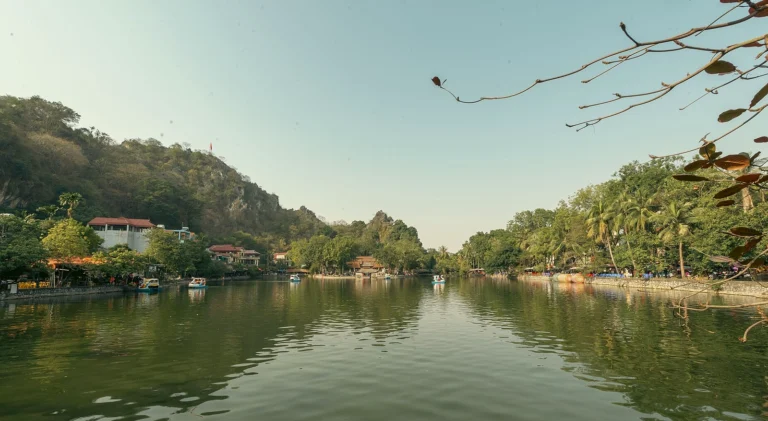
Nestled in the southernmost reaches of Hanoi in Huong Son Commune, My Duc District, the Yen Stream – Perfume Pagoda scenic complex occupies a singular geographic setting where the expansive Red River Delta meets the dramatic Tram Te limestone range. From a feng shui perspective, Yen Stream (also known as Yen Vi) serves as the vital artery of the landscape—a natural waterway winding gracefully like a pink silk ribbon embracing layered mountain foothills. Fed by underground karst springs, its cool, crystal-clear waters flow through the Huong Son valley before merging with the historic Day River, forming an auspicious terrain where “water gathers and blessings accumulate”—at once solemn and serene yet open and poetic. The name Yen Stream (“Swallow Stream”) originates from the distinctive natural shape of its course. Viewed from above, the stream curves, widens, and branches out like the forked tail of a swallow—a bird symbolizing elegance and freedom. Over tens of thousands of years of geological formation, the Huong Son valley has preserved priceless layers of sediment. Archaeological excavations at Cam Cave and Tien Son Grotto have confirmed the presence of prehistoric people belonging to the Hoa Binh culture dating back 10,000 to 18,000 years. This affirms that the Yen Stream – Perfume Pagoda region is not only northern Vietnam’s premier spiritual landmark, but also an ancient cultural cradle where early humans settled and thrived. The historical trajectory of this sacred stream is closely intertwined with the rise and fall of Vietnam’s feudal dynasties. While the foundations of Buddhism first took root here during the Ly–Tran dynasties, it was during the Early Le and especially the Revival Le periods (17th–18th centuries) that Yen Stream entered its golden age. Patriarch Chan Hung’s pioneering work transformed this remote mountain wilderness into a major Buddhist center of northern Vietnam. From then on, Yen Stream became an irreplaceable spiritual waterway along which royalty, literati, and scholars of northern Vietnam embarked on pilgrimages to the Buddhist realm. Under the Nguyen Dynasty, in the 14th year of Emperor Minh Mang’s reign (1833), the mountains and waters of this landscape were honored with engravings on the Nine Dynastic Urns in the Imperial City of Hue, elevating Yen Stream into a national symbol of culture and territory. The beauty of Yen Stream lies not only in its idyllic river-and-mountain scenery, but also in the enduring marks left by celebrated historical figures—such as Lord Trinh Sam, who made royal pilgrimages here, inscribed poetry onto the rock walls of Huong Tich Cave, and issued decrees strictly protecting the landscape; and scholar Chu Manh Tri in the late 19th and early 20th centuries, who composed timeless stele inscriptions praising this sacred Buddhist sanctuary. Today, in the eyes of the press and heritage researchers, Yen Stream – Perfume Pagoda retains its distinctive geological and geomorphological value alongside the enduring vitality of a national tangible and intangible cultural heritage site, remaining an unforgettable pilgrimage destination in the hearts of Vietnamese travelers.
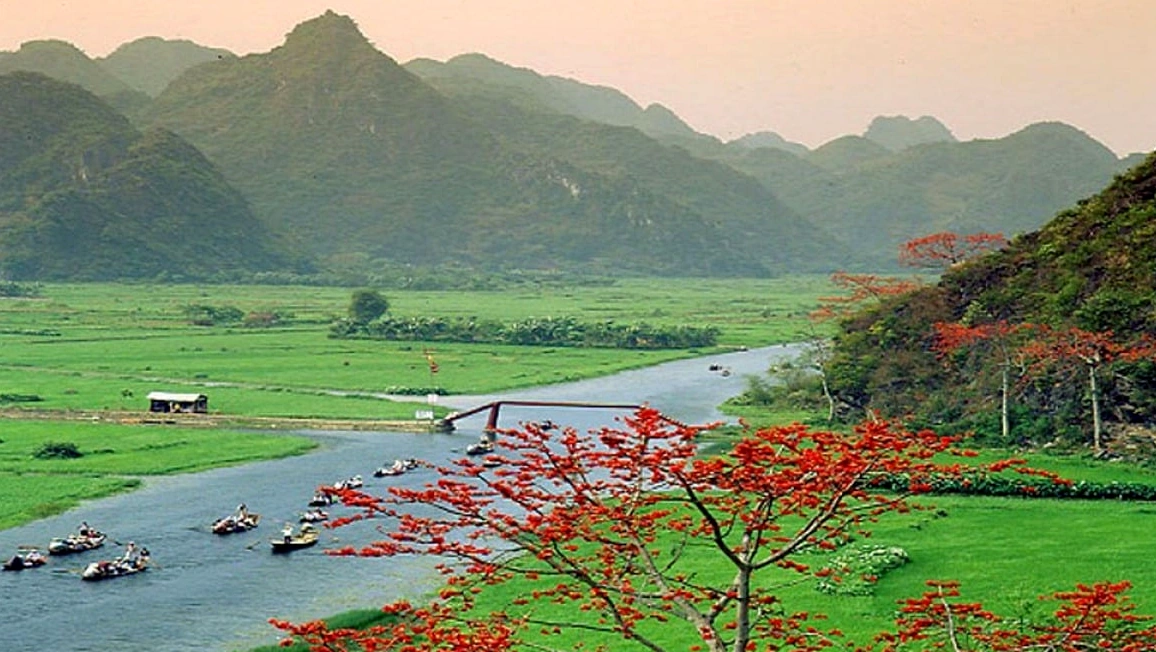
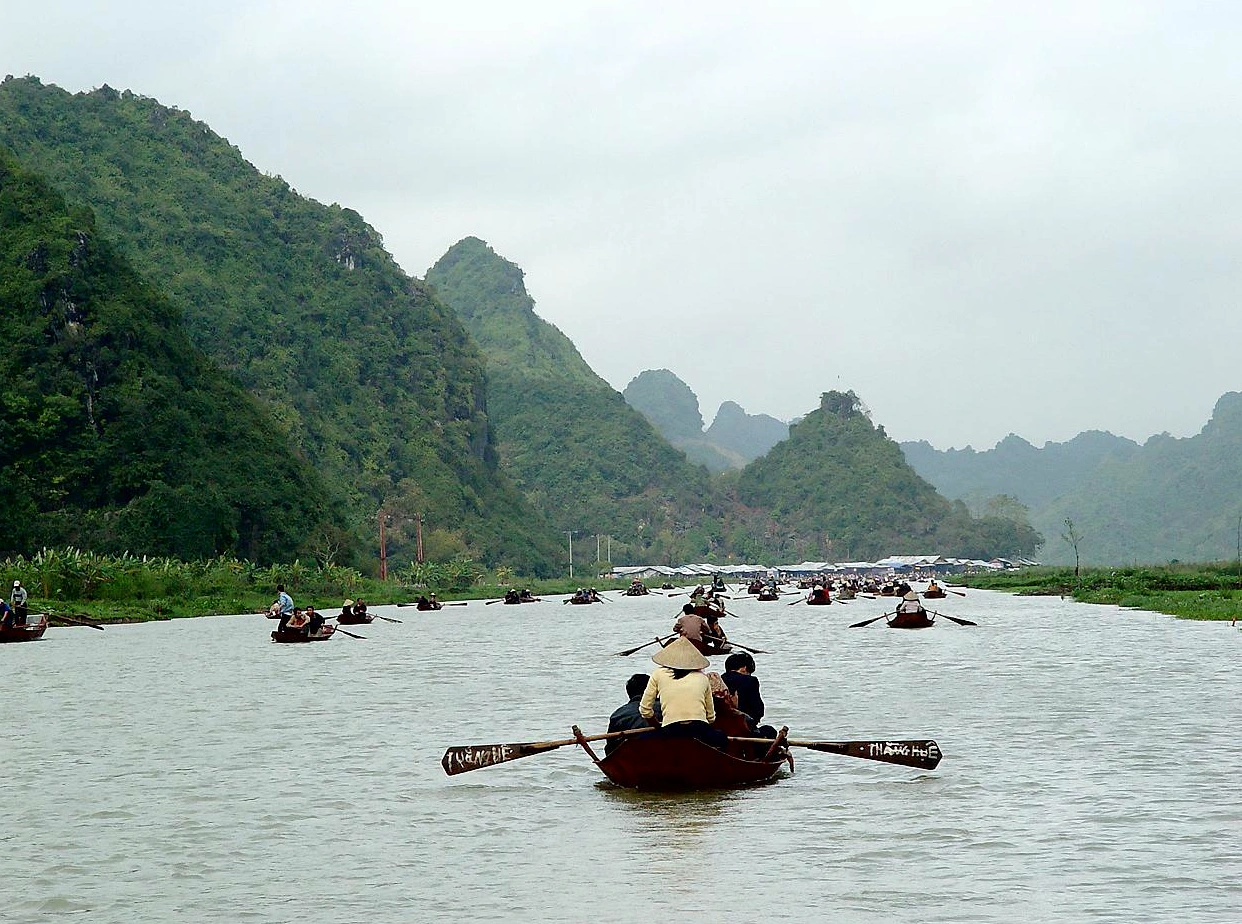
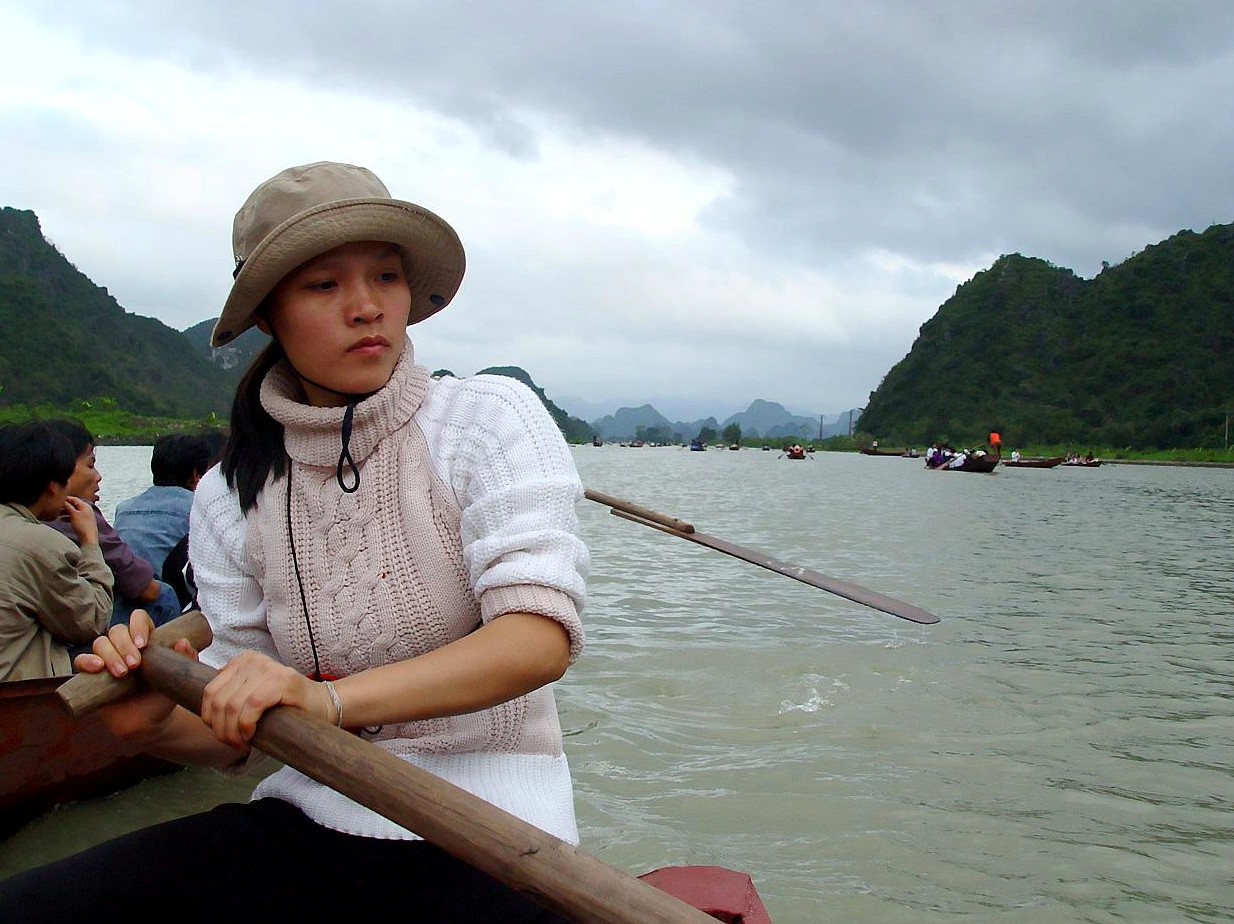
Exploring Yen Stream – Perfume Pagoda unfolds before travelers like a vast ink-wash mural where heaven, earth, and spirituality merge into one. Yen Stream winds gently like a silk ribbon draped across rolling limestone peaks, carrying the sacred breath of a millennium of heritage. Its unique terrain was sculpted by majestic natural forces, harmonizing calm, crystal-clear waters with lush primeval vegetation that stays emerald year-round. Riding in a traditional bamboo sampan drifting downstream, visitors can easily brush their fingertips against blooming water lilies and listen to the rhythmic dip of oars echoing through the tranquil mountain air.
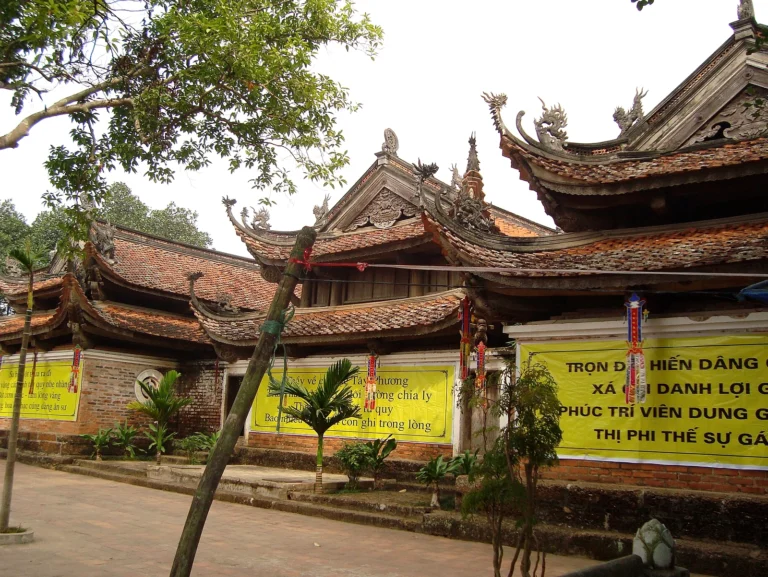
Venturing deeper into the heritage complex, traditional Buddhist architecture rises with solemn grandeur yet blends seamlessly with nature. A prime example is Thien Tru Pagoda (the Outer Pagoda), featuring intricate woodcarvings and moss-covered tiled roofs stamped with Le–Nguyen craftsmanship. Climbing hundreds of winding stone steps beneath ancient forest canopies brings you to Huong Tich Cave—famously hailed as the “First Cave Under the Southern Heavens.” Inside the cavern, natural and human artistry reach their zenith with hundreds of stalactites hanging like gleaming jade alongside a majestic bluestone statue of Avalokiteshvara Bodhisattva sculpted during the Tay Son era. Natural shafts of light streaming down from the cave mouth illuminate the mystical interior and its contemplative sacred architecture, leaving every visitor in awe of both ancestral mastery and nature’s wonders.
To capture the finest moments of this scenic masterpiece, professional photographers and travel writers often share two must-shoot “million-view” vantage points. The first is a high-angle perspective from the mountainside overlooks gazing down at Yen Stream’s most graceful bend, where the water mirrors clouds, sky, and lines of sampans gliding back and forth. The ideal lighting for this shot is at dawn (from 5:30 AM to 7:00 AM), when wisps of morning mist still hover over the water, turning the valley into a true fairyland. The second spot is around Duc Wharf and the foot of Troi Bridge at sunset (from 5:00 PM to 6:00 PM), when late-afternoon golden-orange rays filter through the foliage and tint the stream crimson, lending nostalgic emotional depth and serenity to every frame.
Arriving at Yen Stream – Perfume Pagoda (Hanoi), visitors are immediately immersed in a vivid, living landscape steeped in traditional spiritual culture. The journey begins at Duc Wharf, where hundreds of wooden and bamboo sampans line up to ferry travelers upstream along Yen Stream—the swallow-tail waterway curving gracefully like a silk ribbon between soaring limestone mountains. Seated in a boat drifting smoothly to the steady rhythm of oars, guests experience an indescribable sense of wonder before nature’s grand ink-wash painting. During the spring festival season or when water lilies burst into bloom, the limpid water reflects vibrant pinks and deep emerald peaks, creating an extraordinarily tranquil scene that washes away the stresses of everyday life.
Stepping ashore, the journey continues to test endurance and patience through a scenic mountain trek across the heritage complex. The winding stone path leading up to Huong Tich Cave calls for steady footsteps up hundreds of time-worn stone steps shaded by ancient forest trees. The higher you climb, the fresher and more expansive the air becomes, carrying faint hints of incense mingled with cool mountain mist. Any fatigue from the ascent melts away the moment you enter Huong Tich Cave—celebrated as the “First Cave Under the Southern Heavens.” Soft light illuminates fantastical stalactite formations sculpted over tens of millennia alongside clouds of fragrant incense, inspiring profound spiritual stillness and heartfelt devotion as visitors pay homage at this sacred Buddhist sanctuary.
Beyond natural beauty and religious reverence, the experience here is enriched by the celebrated local specialties of the Huong Son region. After hours of climbing, travelers can pause at small trailside stalls to savor rustic flavors brimming with local warmth. Country delicacies such as crisp, sweet-and-tart Huong Tich wild apricots, chewy sweet yam cakes, or fragrant mountain forest greens (rau sang) leave an unforgettable aftertaste. Together, scenic boat rides, mountain ascents, sacred temple visits, and authentic regional cuisine weave a vibrant cultural symphony that stays etched in every traveler’s memory.
Yen Stream – Perfume Pagoda is not only a centuries-old Buddhist historical monument, but also one of the capital region’s premier destinations for pilgrimage and scenic river-and-mountain sightseeing. To ensure your journey along Yen Stream and through the Huong Son complex goes smoothly and respectfully, keep the following practical information and travel tips in mind.
As for the best time to visit, the Perfume Pagoda Festival traditionally runs from the first through the end of the third lunar month, drawing large crowds of Buddhist pilgrims in a lively, festive atmosphere. However, if you prefer tranquility and intimate communion with nature, the period from the tenth to the twelfth lunar month is ideal. During these months, Yen Stream is adorned with vibrant pink water lilies blooming along both banks, creating a serene, poetic setting ideal for photography and leisurely sightseeing.
The heritage complex welcomes visitors every day of the week from early morning until late afternoon, making it easy to plan your itinerary flexibly. To travel from central Hanoi to Duc Wharf on Yen Stream, you can take a private car or motorbike along the national highway toward Ha Dong through Ba La junction, then turn onto Te Tieu Road (My Duc District), or take public buses combined with a local taxi or motorbike taxi. The route is smooth, fully paved, and takes just over an hour by car.
Upon arrival, visitors must purchase both a scenic admission ticket and a boat ticket to begin the journey up Yen Stream. Entrance fees and boat service rates are clearly and publicly posted at the main ticket counters for complete transparency. Gliding across the clear emerald water in a traditional sampan while gazing up at drifting clouds and dramatic limestone peaks is an unforgettable highlight.
Because this is a sacred religious sanctuary featuring numerous temples, caves, and potentially slippery stone steps, visitors should dress neatly, modestly, and respectfully when entering worship areas. Opt for sneakers or footwear with good grip to make mountain climbing and long walks comfortable and safe. Help keep the grounds clean, protect the natural environment, and respect local spiritual traditions so your pilgrimage to this sacred Buddhist land becomes all the more meaningful.
To enjoy a seamless getaway and take in the full beauty of Yen Stream – Perfume Pagoda without worrying about transportation, entry tickets, or itinerary planning, travelers can choose VDS Travel’s premium all-inclusive Hanoi tour packages. Every itinerary is thoughtfully timed for photo stops at the most scenic hours of the day, accompanied by knowledgeable local guides and top-tier hotel and dining standards.