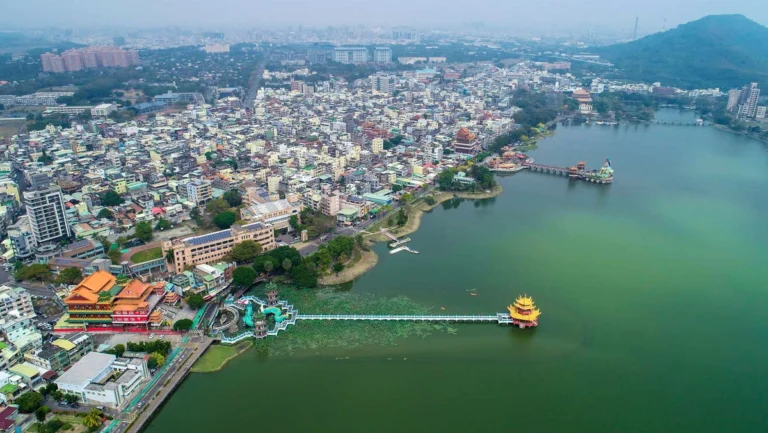
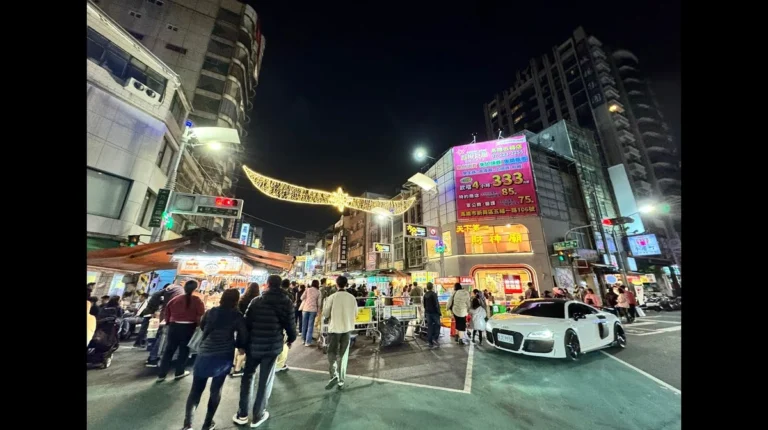
Embarking on a journey to decode the cultural depths of an ancient highland realm—where drifting mist intertwines with the whisper of wind through primeval cypress forests—one cannot help but trace history back to the primordial origins of Alishan. According to classical chronicles and the oral traditions passed down by the indigenous Tsou people, the original name of this sacred mountain stems from the native tongue, echoing a deep bond with untamed nature, before later being codified in Chinese characters as 阿里山 (Alishan). Human presence across this rugged plateau was documented in vivid detail as early as 1697, during the Qing Dynasty, in the celebrated travelogue Small Sea Travel Diaries (Pihai Jiyou) by Yu Yonghe, an intrepid explorer and diligent imperial official. This seminal work not only offered the first comprehensive Han Chinese account of the topography and soil of Taiwan’s central highlands, but also laid the historical foundation recording the cultural interplay between indigenous highland tribes and the imperial court.
The tides of history began to turn dramatically in 1874, when pressing frontier sovereignty challenges prompted Qing imperial commissioner Shen Baozhen to champion the policy of “Opening the Mountains and Pacifying the Indigenous Tribes.” Under this overarching strategy, renowned general Wu Guangliang was tasked with forging the Central Cross-Mountain Road, cutting through dense forest litter, sheer cliffs, and deep gorges across Alishan to end the mountain range’s millennia-long isolation. Yet the decisive turning point that reshaped the ecological and economic landscape of the entire region occurred during the Japanese colonial period. In 1899, accomplished forestry scholar Dr. Kawai Shitaro braved freezing mountain mists on an arduous field expedition, making the astonishing discovery of priceless primeval stands of giant Taiwan red cypress (Chamaecyparis formosensis) and Taiwan yellow cypress (Chamaecyparis obtusa var. formosana). This groundbreaking discovery sparked an unprecedented era of large-scale industrial forestry.
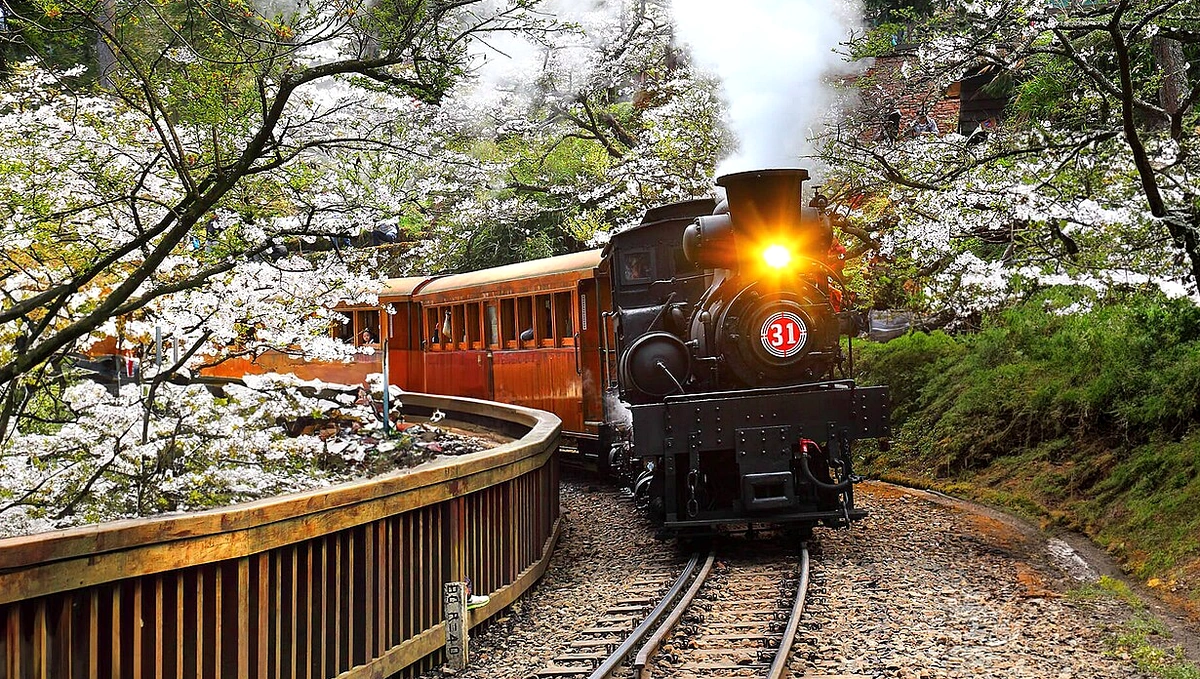
The peak of highland industrialization arrived in 1912 with the full opening of the Alishan Forest Railway, sending geared steam locomotives climbing through layers of cloud and ushering in a “golden age of timber harvesting.” Tens of thousands of thousand-year-old giant trees were felled to supply major construction projects of the era, transforming Alishan into a premier timber hub. Yet the wounds inflicted upon the sacred mountain could not endure indefinitely. By 1963, faced with severe ecological depletion and a rising tide of environmental awareness, authorities enacted a comprehensive ban on logging and designated Alishan as a National Forest Recreation Area, restoring tranquility and ecological autonomy to its primeval woodlands.
The imprints of these historical upheavals remain deeply etched into antique relics and monuments nestled within the deep forest. Most notable is the Tree Spirit Pagoda (Shuling Pagoda), designed and erected in 1935 by architect Kawafusa Fusakichi as a spiritual act of atonement toward the millennia-old living giants felled during the logging era. Standing right beside it is the Memorial Stele honoring Dr. Kawai Shitaro (琴山河合博士旌功碑), erected in 1919 as a lasting tribute to the scholar who discovered Alishan’s green treasure. Today, walking past silent, petrified mother stumps or standing beneath the canopy of sacred giant trees, travelers not only breathe crisp air infused with aged cypress resin, but also touch a poignant history where the sweat, sacrifice, and reverence for nature of countless generations merge seamlessly with heaven and earth.
Decoding the auspicious feng shui and singular topography sculpted by nature across south-central Taiwan is inextricably tied to Chiayi and the origins of Alishan. Stretching across rugged spurs of the Central Mountain Range, Alishan encompasses Alishan Township alongside neighboring townships such as Zhuqi, Meishan, and Fanlu. The terrain is defined by a dramatic vertical elevation gradient, rising from gentle 200-meter foothills to soar majestically to 2,663 meters at the summit of Mount Datashan. This stark vertical relief creates a complex stratified geological landscape while forming an enclosed ecological corridor laced with dense waterways that feed three major river basins: the Zhuoshui River, the Jishui River, and the Bazhang River.
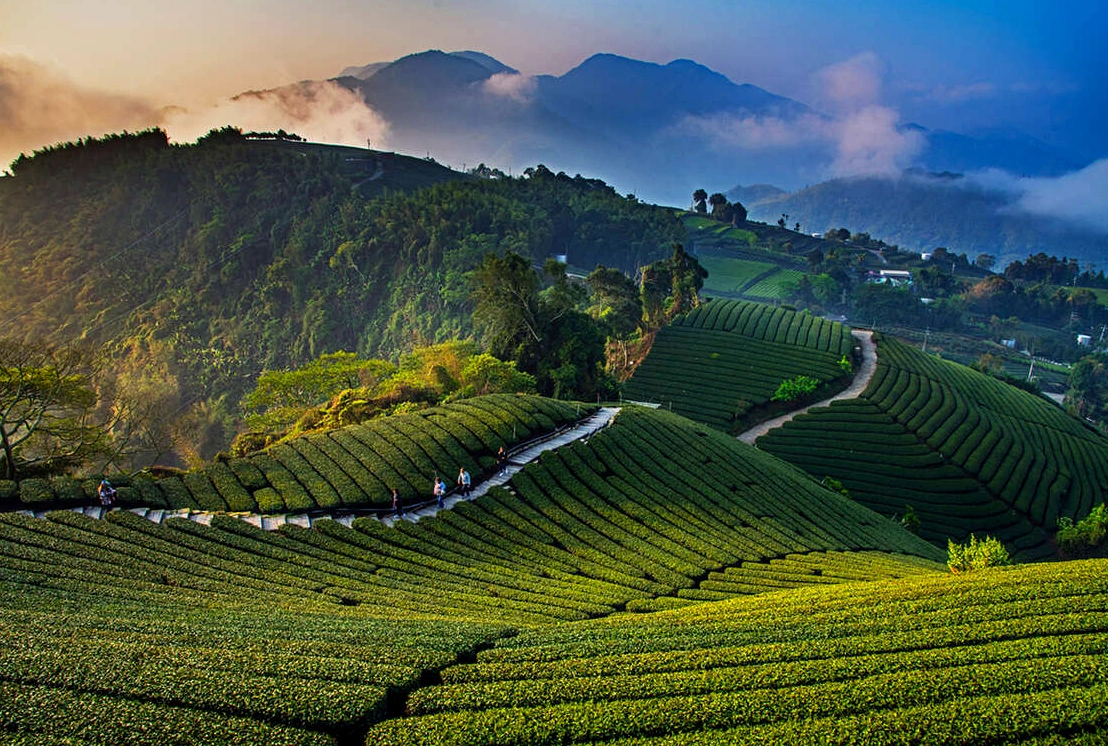
Through the lens of traditional geomancy, Alishan’s spatial layout exemplifies the energy-gathering land-selection philosophy of the indigenous Tsou people. When establishing settlements centuries ago, indigenous communities strictly observed the principle of “backed by mountains and facing water”—resting against towering ridges to block cold northern winds while facing clear mountain streams to welcome vital energy and sustain daily life. The heart of every traditional Tsou village is anchored by the Kuba, an elevated men’s assembly hall constructed with sturdy timber joinery that serves as the seat of clan authority, spiritual life, and sacred ceremonies. This landform not only provides formidable shelter against the elements, but also establishes a spiritual axis uniting humanity, ancestral spirits, and the ancient forest.
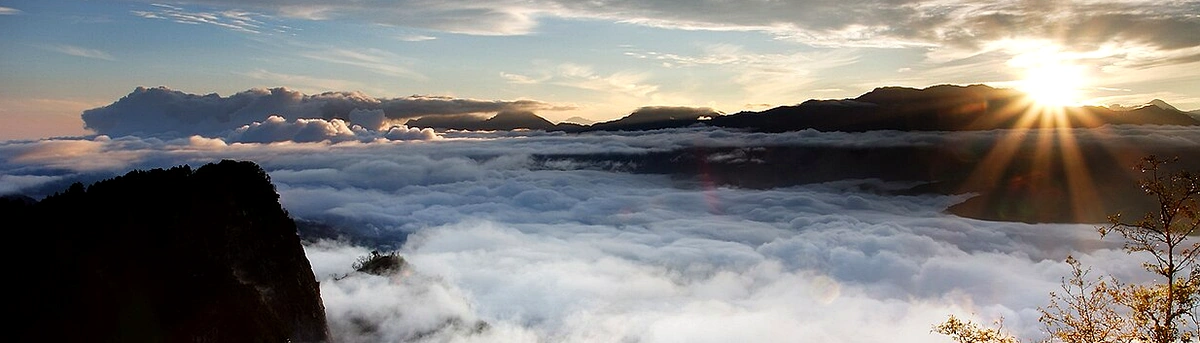
The environmental character and signature scenery of Alishan are governed by pronounced altitudinal climate zones. As travelers ascend from the foothills to higher elevations, the average annual temperature drops from 22°C to roughly 10.6°C, creating a cool, year-round temperate microclimate that cradles ancient primeval forests. Over centuries, this environment gave rise to the celebrated “Five Wonders of Alishan”—five iconic natural phenomena that have captivated generations of travelers and researchers. The first wonder is the radiant sunrise at the Zhushan Observation Deck, where dawn breaks through thick mist to paint the horizon crimson and gold. The second is the billowing sea of clouds rolling beneath visitors’ feet around Zhaoping, evoking an ethereal celestial realm. The third is the glowing sunset afterglow bathing deep valleys in amber hues at dusk. The fourth is the primeval forest dominated by millennia-old Taiwan yellow and red cypress trees towering amid swirling fog. Finally, the fifth wonder is the Alishan Forest Railway itself—an engineering masterpiece from the Japanese era featuring ingenious spiral loops that carry vintage trains through cloud layers and sheer rock faces, linking past and present with every turn of the wheels.
Stepping into the architectural landscape of the Alishan gateway, what first awakens a visitor’s senses is the harmonious fusion of traditional Japanese joinery and early modern Western building styles. Heritage structures here were built using classic Japanese post-and-beam timber framing paired with Western-inspired Yōfū (洋風) architectural elements, yielding an aesthetic that is at once stately and antique yet airy and modern. From the outside, historic wooden buildings are clad in overlapping horizontal weatherboard siding engineered to withstand the persistent mist and damp rains of the highlands. Overhead, roofs are covered with traditional black clay tiles or thin sheets of pure copper that have weathered over the decades into a mystical moss-green patina, blending seamlessly into the surrounding forest canopy.
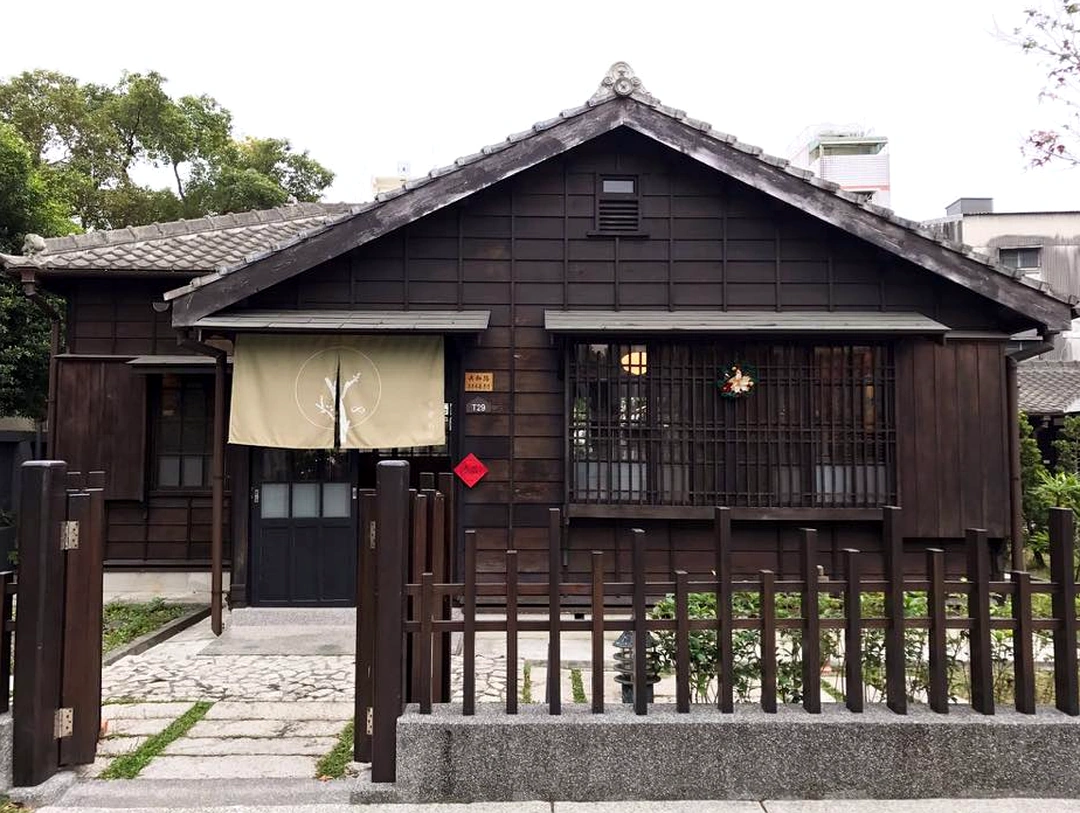
Delving deeper into craftsmanship and material structure, the true soul of local architecture lies in its masterly utilization of native Taiwan cypress—the emblematic tree of Taiwan’s high mountains. Primary load-bearing beams were hewn from this prized timber, celebrated for its rich natural concentration of hinokitiol. This precious organic compound imparts remarkable antibacterial, termite-resistant, and moisture-repelling properties, enabling structures that have weathered over a century of mountain mist and wind to retain their structural integrity and subtle, signature fragrance. Under the hands of master carpenters, wooden components were joined without a single iron nail, showcasing the pinnacle of traditional woodworking: millimeter-precise mortise-and-tenon joints, tight tongue-and-groove paneling (企口板), concealed tenon joinery (藏頭榫), and snow-viewing yukimi shōji (雪見障子) sliding paper doors that filter soft, diffused daylight into serene, Zen-like interiors.
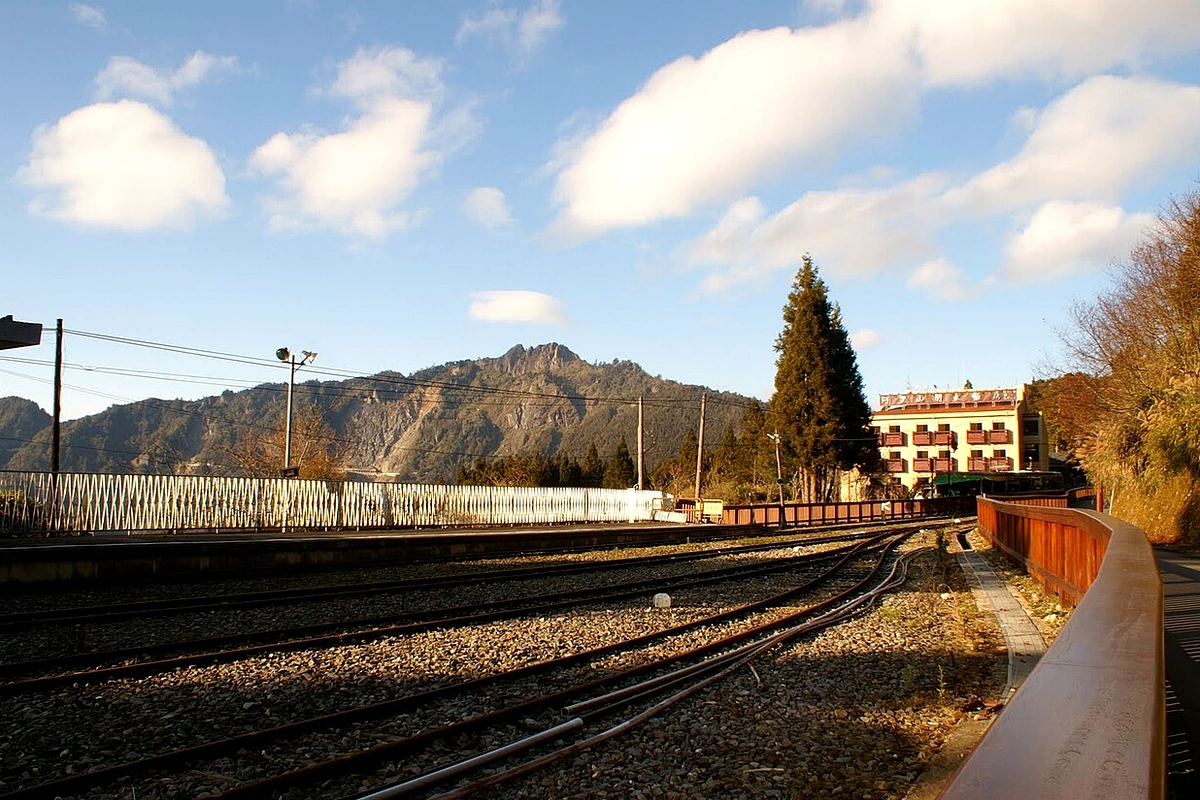
Viewed across the broader canvas of urban and forestry planning, the entire region’s spatial structure follows a disciplined “node–axis–network” model. The historic core surrounding the old Alishan Station serves as the central hub, housing administrative offices, timber depots, and residences built for forestry officials and engineers of the era. From this focal point, transport corridors and human activity radiate outward along mountain trails and the legendary mountain railway line. Along this vital artery, civil engineering reached extraordinary heights through more than seventy bridges spanning deep ravines and nearly fifty tunnels bored through solid mountain rock—a compelling testament to visionary planning that conquered rugged terrain while respecting and harmonizing with the primeval ecosystem.
When night falls, draping the Alishan range in a mysterious veil of highland darkness, life here does not fade into lifeless sleep; instead, it shifts into a contemplative atmosphere steeped in spirituality and ecological philosophy. Unlike the dazzling glare and clamor of lowland cities, night in Chiayi at over a thousand meters above sea level observes a strict discipline of nature and conservation. Guided by premier ecological preservation principles and a commitment to safeguarding pristine night skies, artificial illumination is kept to an absolute minimum, establishing the region as one of East Asia’s exemplary Dark Sky Preservation destinations.
Along the elevated boardwalks winding through groves of thousand-year-old giant trees and the nostalgic wooden wings of the historic Alishan House, all exterior lighting is calibrated to warm color temperatures below 3000K. This gentle amber glow—reminiscent of a winter hearth—provides just enough light to illuminate rustic wooden steps beneath cypress boughs without disrupting the circadian rhythms of nocturnal wildlife or dimming the star-studded sky. Under this understated illumination, history and nature merge into one, enveloping visitors in a profound sense of timelessness as the forest breathes quietly through drifting mist.
Evening cultural experiences in Alishan are intimately bound to the intangible heritage of the Tsou people—the true stewards of these mountains for countless generations. Traditional music and dance performances are held regularly as a living bridge between past and present. At the heart of these cultural showcases are dramatic excerpts from the sacred Mayasvi (War Festival) ceremony, where the deep resonance of hide drums echoes through the solemn forest, evoking Tsou traditions of valor, honor, and reverence for ancestral deities. The earthy yet haunting tones of the traditional mouth harp (口簧琴) intertwine with unaccompanied polyphonic singing in the mountain stillness, each sustained note lingering like wind through a gorge and stirring the hearts of all who listen.
Stepping outside the intimate performance spaces and gazing upward leads travelers to premier stargazing vantage points around Duiyue and Zhaoping Station. Thanks to high altitude, thin crystal-clear air, and the complete absence of industrial light pollution, the area transforms into a colossal natural observatory. Guided by specialists well versed in ecology and astronomy, visitors can marvel at the luminous Milky Way, identify major constellations, and hear ancient Tsou legends woven around the stars. This seamless synthesis of minimalist lighting design, authentic indigenous culture, and breathtaking celestial skies creates an unforgettable nocturnal experience that restores inner calm and balance.
Exploring Chiayi City and the legendary Alishan mountains would be incomplete without savoring its distinctive local cuisine, where every dish tells a story flavored by mountain air, mist, and memory. Far beyond satisfying the palate, regional gastronomy is a living heritage distilled from indigenous Tsou traditions, the Japanese forestry era, and the resourcefulness of historic railway workers and loggers. Every traditional specialty in Chiayi and Alishan carries time-honored culinary secrets passed down through generations, standing as an unmistakable cultural emblem of these highlands.
Foremost among the iconic foods tied to Alishan’s railway heritage is the Fenchihu Bento (railway lunchbox). Born out of practical necessity to nourish train crews, railway attendants, and passengers on long mountain ascents during the heyday of the logging railway, the Fenchihu Bento owes its signature appeal to its moist wooden box packed generously with savory braised pork ribs or tender soy-braised chicken drumsticks, accompanied by crisp high-mountain bamboo shoots, tangy pickled mustard greens, and sweet-and-sour dried radish. The Hinoki cypress lunchbox not only retains warmth effectively, but also absorbs excess moisture so the highland rice stays fluffy and fragrant, infused with the subtle aroma of natural cypress wood for a rustic yet deeply refined dining experience.
Leaving behind nostalgic railway stops to visit traditional Tsou villages, travelers can immerse themselves in authentic mountain flavors through a traditional Tsou feast (鄒族風味餐). Indigenous banquet tables showcase prized hunted and foraged ingredients, such as charcoal-grilled wild boar bursting with smoky aroma and fresh stream fish caught in crystal-clear headwaters. The defining soul of Tsou cooking lies in the masterful use of native Alishan highland spices—most notably makauy (mountain litsea pepper), prized for its vibrant lemongrass-citrus fragrance, and prickly ash leaves (刺蔥), which lend a gentle, tingling warmth. This deft pairing eliminates any gamey notes while awakening the palate with an unforgettable aromatic finish.
Alongside hearty mountain dishes, Chiayi and Alishan are celebrated for delicate refreshments that cool and restore the body. Chief among them is aiyu jelly, a natural jelly handcrafted from the seeds of a wild fig vine that clings to high mountain cliffs. Locals harvest and sun-dry the seeds before rubbing them inside a cloth pouch submerged in water; natural pectin released from the seeds sets into a silky, translucent, refreshingly cool jelly. Served swimming in hand-caramelized cane sugar syrup and freshly squeezed lemon juice, aiyu jelly delivers instant revitalization after a long mountain hike.
Holding pride of place at the pinnacle of regional gastronomy is world-renowned Alishan High Mountain Oolong Tea. Blessed by unique geography at elevations between 1,000 and 1,600 meters—where wide day-night temperature swings, year-round mist, and fertile soil prevail—tea bushes grow slowly, concentrating rich natural compounds in every leaf. Tender young buds are hand-picked at dawn while morning dew still clings to the leaves, then undergo traditional artisanal processing including withering, panning, and ball-rolling with light oxidation. The brewed infusion shimmers like clear golden honey, releasing a heady floral-mountain bouquet and a gentle briskness that quickly blooms into a lingering, sweet aftertaste. Sipping a warm cup of Alishan Oolong amid Chiayi’s misty ambiance is far more than a sensory delight—it is a meditative pause to appreciate the unhurried rhythm and enduring craftsmanship of this heritage land.
Mastering practical travel details—from operating hours and transit routes to preparation for demanding highland terrain—is the key to unlocking a smooth and rewarding exploration of the Alishan gateway. The primeval forests and core attractions inside the Alishan National Forest Recreation Area remain open year-round, 24 hours a day, providing ideal flexibility for travelers hoping to witness ethereal dawn sunrises or tranquil misty nights. However, visitors should note that the Visitor Center ticket counter operates daily from 8:00 AM to 5:00 PM; therefore, if you plan to enter before the ticket booth opens, purchasing e-tickets or physical tickets in advance is essential to avoid any delay to your itinerary.
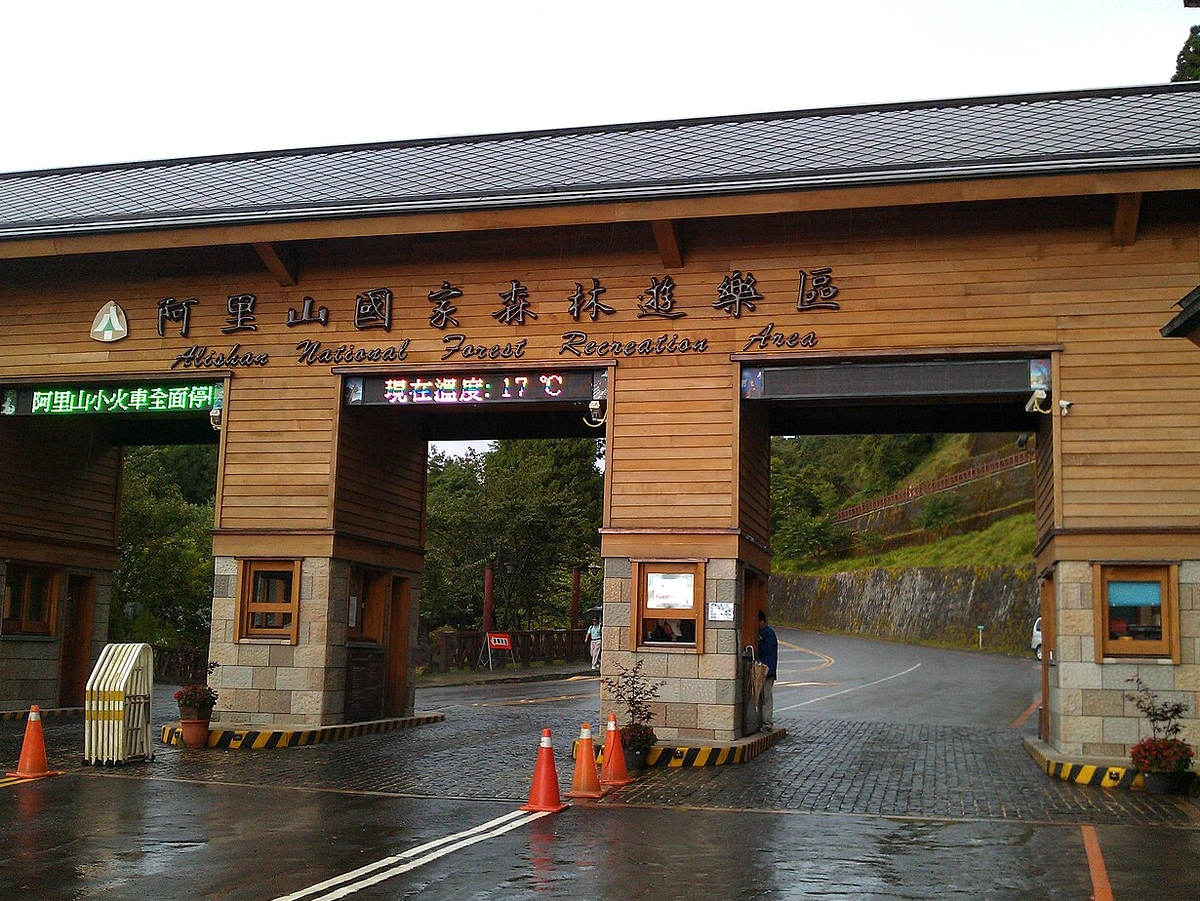
Reaching this natural sanctuary from downtown Chiayi requires thoughtful planning regarding transportation and travel times. The most convenient departure points for international visitors are Chiayi HSR (High Speed Rail) Station or the conventional Chiayi Railway Station, where dedicated Bus Route 7322—part of the “Taiwan Good Trip – Alishan Line” network—departs regularly each day. The scenic bus ride winds up mountain switchbacks through drifting cloud banks to elevations exceeding two thousand meters, taking approximately 2.5 to 3 hours and offering dramatic views as tropical foliage transitions into temperate forest. Once inside the recreation area, the heritage forest railway continues to operate regularly along the Zhushan, Zhaoping, and Shenmu lines, carrying tens of thousands of visitors through ancient groves and up to sunrise viewpoints. For the dedicated early-morning sunrise train to the summit, park authorities strongly advise purchasing tickets one day in advance at the main stations to secure a seat aboard the nostalgic wooden carriages.
Dressing appropriately and acclimatizing to highland weather conditions are vital for staying comfortable and healthy throughout your trip. Because the recreation area spans elevations between 2,000 and 2,500 meters above sea level, temperatures remain cool year-round and fluctuate sharply throughout the day, making the multi-layered “onion dressing” approach essential. Pack a breathable base layer, an insulating fleece or knit mid-layer, and a windproof, waterproof outer shell, paired with sturdy hiking shoes offering strong traction for damp, moss-covered trails. Lower atmospheric pressure and thinner air at this elevation can also trigger mild altitude sickness in unacclimatized visitors, so walking at a measured pace, staying well hydrated, and avoiding strenuous exertion during your first few hours on the mountain are golden rules to follow. Finally, to safeguard this fragile ecosystem, park authorities enforce strict penalties against feeding wildlife as well as any act of damaging, breaking branches, stripping bark, or carving into the millennia-old Hinoki cypress trees.
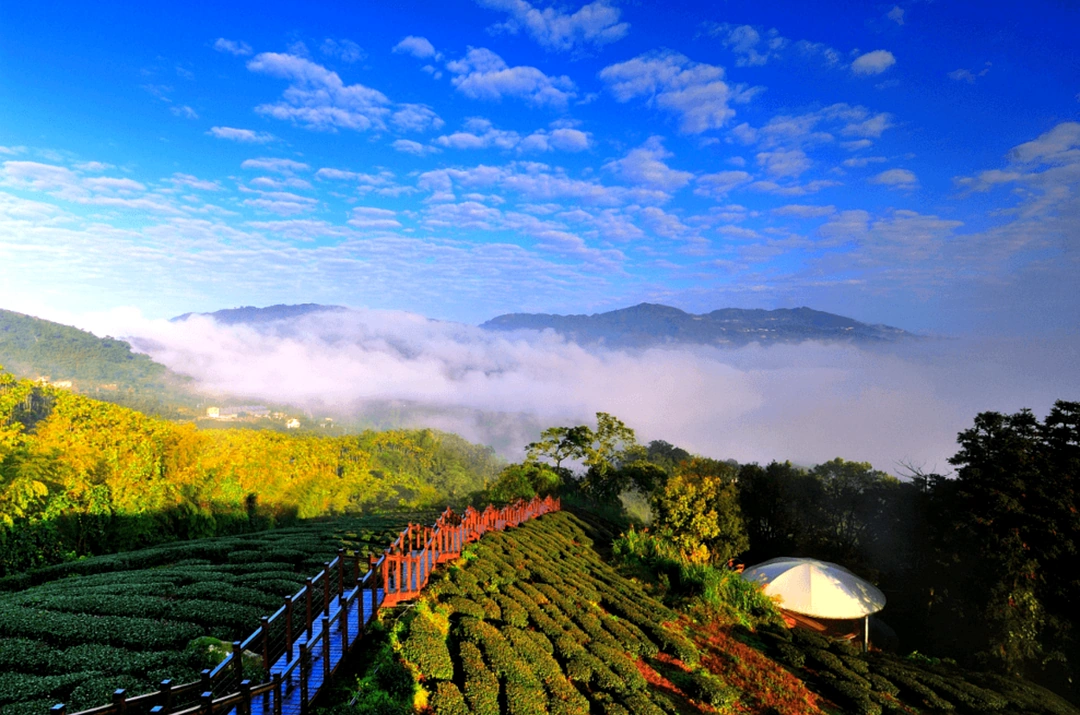
To turn your dream of exploring this misty heritage realm into a safe, well-paced, and deeply memorable journey, explore our detailed itinerary and full-service packages on the 5D4N Kaohsiung – Chiayi – Taichung – Taipei tour to experience the finest cultural and natural treasures of Taiwan.