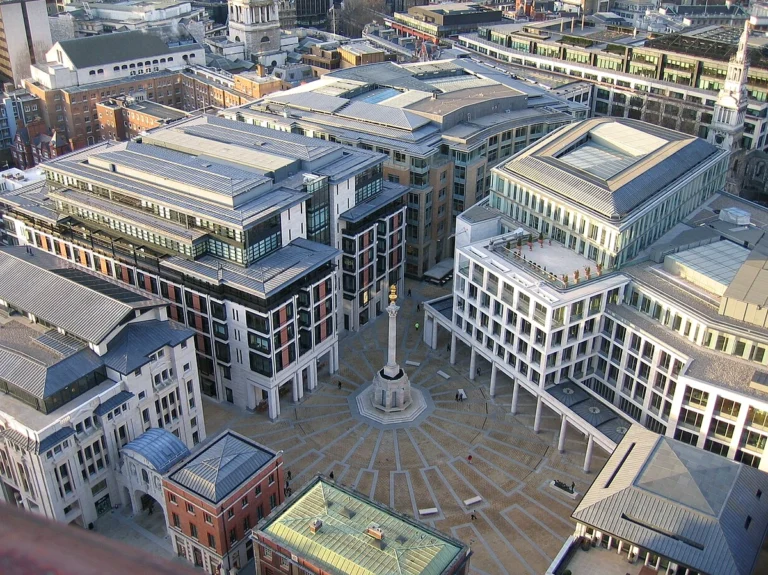
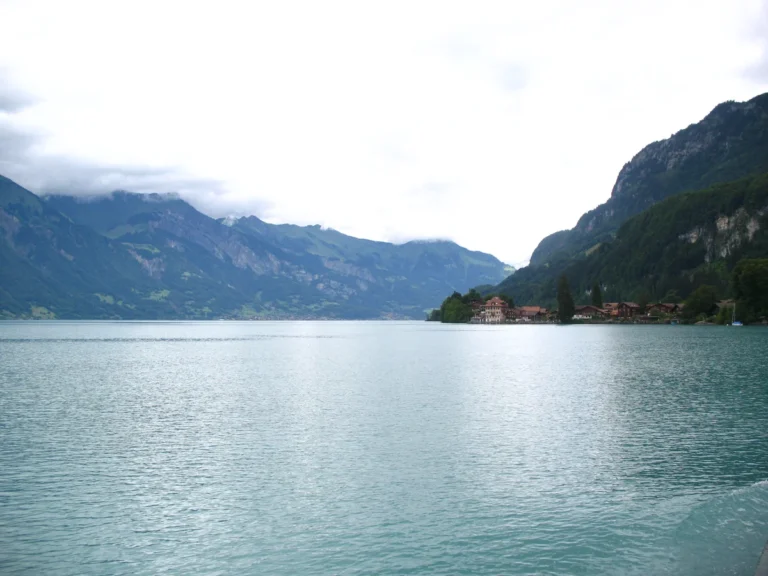
Stepping into the enchanting expanse of the integrated resort complex The Venetian Macao—or as locals and historians affectionately refer to it in Sino-Vietnamese nomenclature, Uy Ni Tư Nhân Độ Giả Thôn, meaning The Venetian Macao Resort—we not only encounter a modern commercial architectural masterpiece of the Macau Special Administrative Region, but also journey back in time to the glorious history of the renowned Republic of Venice on the shores of the Mediterranean Sea. Rising majestically on the reclaimed alluvial stretch of the Cotai Strip, an area that was once nothing more than open sea and rolling waves between the islands of Taipa and Coloane, this landmark stands as living testimony to humanity’s ambition to conquer nature and reshape urban cultural space in the 21st century. To appreciate the towering stature of this man-made wonder, one must trace the geographical and historical shifts that molded its present form, beginning with large-scale land reclamation projects launched in 1968 when authorities and engineers began linking Taipa and Coloane to create vital land reserves for the peninsula’s future industrial and tourism growth.
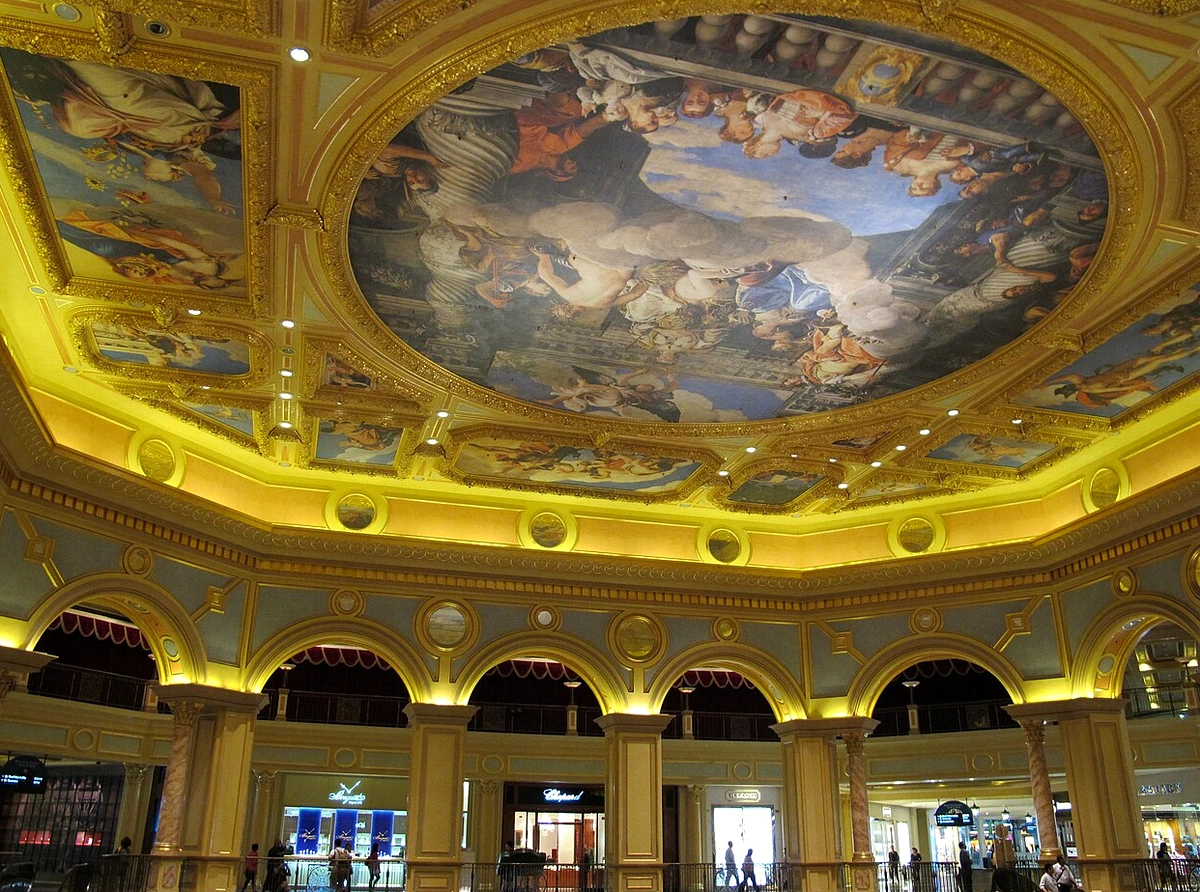
The audacious vision of recreating a Renaissance Italian water city in the heart of Asia was no accident, but the fruit of the strategic foresight of billionaire Sheldon Adelson, founder and chairman of the renowned Las Vegas Sands Corporation. In the early 2000s, while the Cotai Strip was still a nascent coastal expanse taking shape, Adelson harbored an ambitious dream: introducing the MICE tourism model—uniting meetings, incentives, conferences, and exhibitions with integrated resorts and world-class entertainment—to Asia, inspired by the commercial and cultural icons of the historic Venetian Republic. To bring this vision to life, a talented team of architects drawn from world-leading design firms KlingStubbins and AEDAS was entrusted with the monumental task. They painstakingly studied antique blueprints and archival records of Gothic and Venetian Renaissance architecture, distilling their finest elements into an unprecedentedly scaled Asian landmark that faithfully recreates the atmosphere of St. Mark’s Square, the Doge’s Palace, and gondola boats gliding along indoor and outdoor canals.
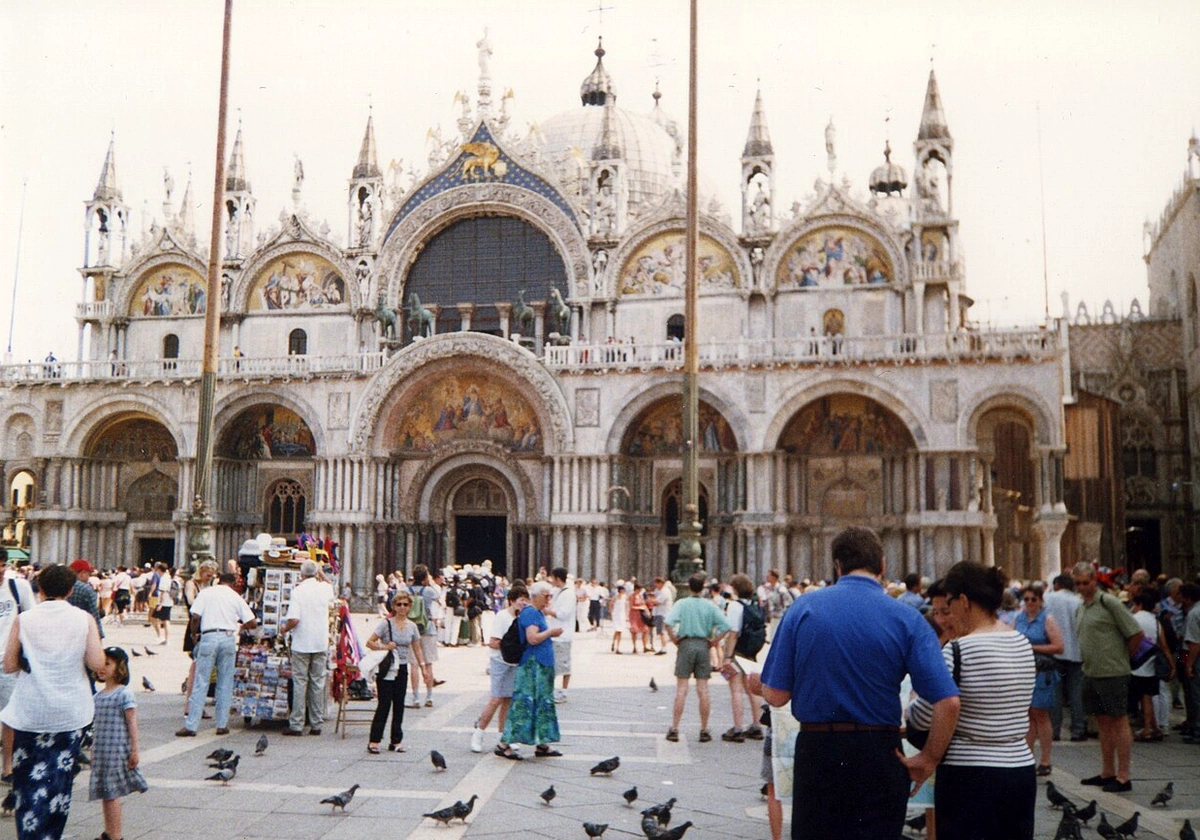
Macau’s historical transformation at the turn of the century provided the ideal backdrop for the birth of The Venetian Macao. When the resort officially opened its doors on August 28, 2007, to welcome its very first guests, it not only marked a golden milestone in the global hospitality and entertainment industry, but also stood as a bold declaration of Macau’s evolution from a former Portuguese colony into a premier international resort and entertainment capital. Bringing the project to fruition involved immense engineering feats—from stabilizing foundations on land reclaimed from the sea since 1968 to engineering an indoor canal network with precisely regulated water levels, a real-time color-shifting artificial sky, and tens of thousands of reliefs and sculptures steeped in Italian artistry. Every street corner and vaulted ceiling evokes the golden age of the ancient Venetian Republic, when merchants bustled with trade in silk, spices, and culture between East and West—miraculously reborn through modern architecture and monumental investment.
Looking back on its origins, The Venetian Macao is far more than a luxury hotel or mega-casino; it is a living museum of architectural craft and cultural synthesis. Visionaries like Sheldon Adelson, alongside thousands of engineers, artisans, and sculptors, authored a new chapter in the urban development of the Cotai Strip. By uniting the timeless spirit of the historic Venetian Republic with the dynamic economic energy of modern Macau, this landmark transcended the boundaries of an ordinary tourist attraction to become an enduring symbol of boundless creativity. Even as the years roll on and eras shift, the cultural and historical artistry woven into every stone arch and canal retains its vitality, inviting generations of travelers to explore a vibrant miniature Europe in the heart of Asia.
Stepping into the realm of The Venetian Macao rising impressively along the Cotai Strip, anyone versed in Eastern geomancy cannot help but marvel at a masterpiece of human engineering deeply aligned with traditional feng shui principles. Laid out across a vast reclaimed expanse uniting the islands of Taipa and Coloane, this site occupies an exceptionally auspicious position at the southwestern gateway of the Pearl River Delta alluvial plain. In classical landscape geomancy practiced by masters over centuries, this terrain embodies a configuration known as “the convergence of three rivers,” where vital energy from three major river basins gathers before flowing into the vast South China Sea. Unlike soaring mountain ranges cradling dragon veins on the mainland, the Cotai Strip belongs to the flat-land dragon morphology (bình dương long)—a broad, level topographical form remarkably effective at attracting prosperity and welcoming good fortune thanks to the ceaseless flow of surrounding waters.
According to the principles of mutual generation and restraint in the Five Elements, the gaming industry and grand casinos inherently carry an intense, fiery energy that can easily create imbalance without thoughtful architectural regulation. Architects and feng shui consultants involved in the project resolved this challenge masterfully by weaving a network of indoor canals throughout the complex. Cool, clear water circulating day and night establishes an ideal water-fire equilibrium (thủy hỏa ký tế), transforming potential elemental friction into a harmonious flow of energy that sustains long-term vitality across the entire mega-resort. Here, water is far more than a visual ornament; it serves as the primary conduit of vital energy, guiding prosperity into every corner of the bustling commercial promenade.
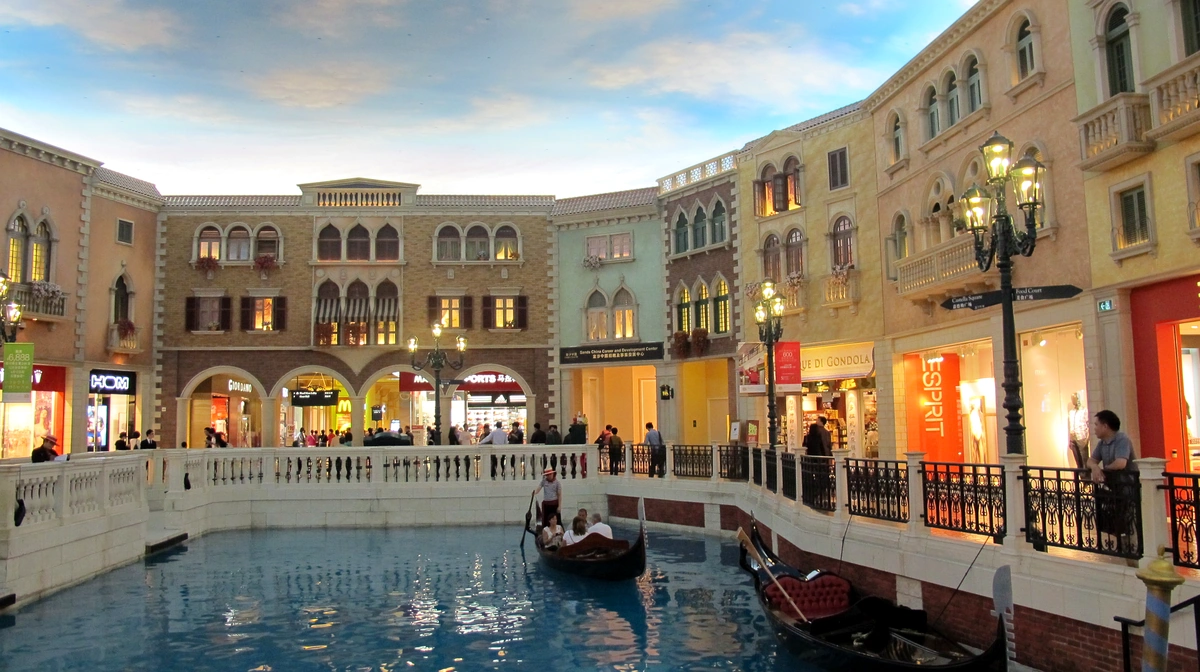
The engineering processes and spatial design of this landmark also showcase extraordinary technical mastery in overcoming harsh coastal weather conditions. To recreate a luminous Italian sky in the heart of Asia, engineers implemented advanced microclimate simulation technology across three major canal waterways: the Grand Canal, San Marco Canal, and Di San Luca Canal. Overhead, an intelligent computer-controlled sky transitions seamlessly from radiant dawn to the romantic twilight of coastal Venice, blurring the boundary between indoor and outdoor worlds. The entire interior is sheltered beneath a colossal vaulted ceiling that acts as a protective canopy, fulfilling the classical architectural principle of “gathering water and sheltering from the wind” (tụ thủy tàng phong).
Thanks to this enclosed design, harsh salt-laden sea breezes sweeping off the estuary are tempered into a calm, pleasant microclimate welcoming millions of visitors. Exterior and interior facades are finished with exquisite stone craftsmanship that faithfully captures Italian Renaissance lines while resting upon reinforced concrete structures engineered to withstand powerful typhoons along southern China’s coast. This seamless marriage of advanced Western construction engineering and Eastern Five Elements philosophy has produced a one-of-a-kind architectural environment where the romance of Europe’s canal capital thrives in culturally vibrant Macau.
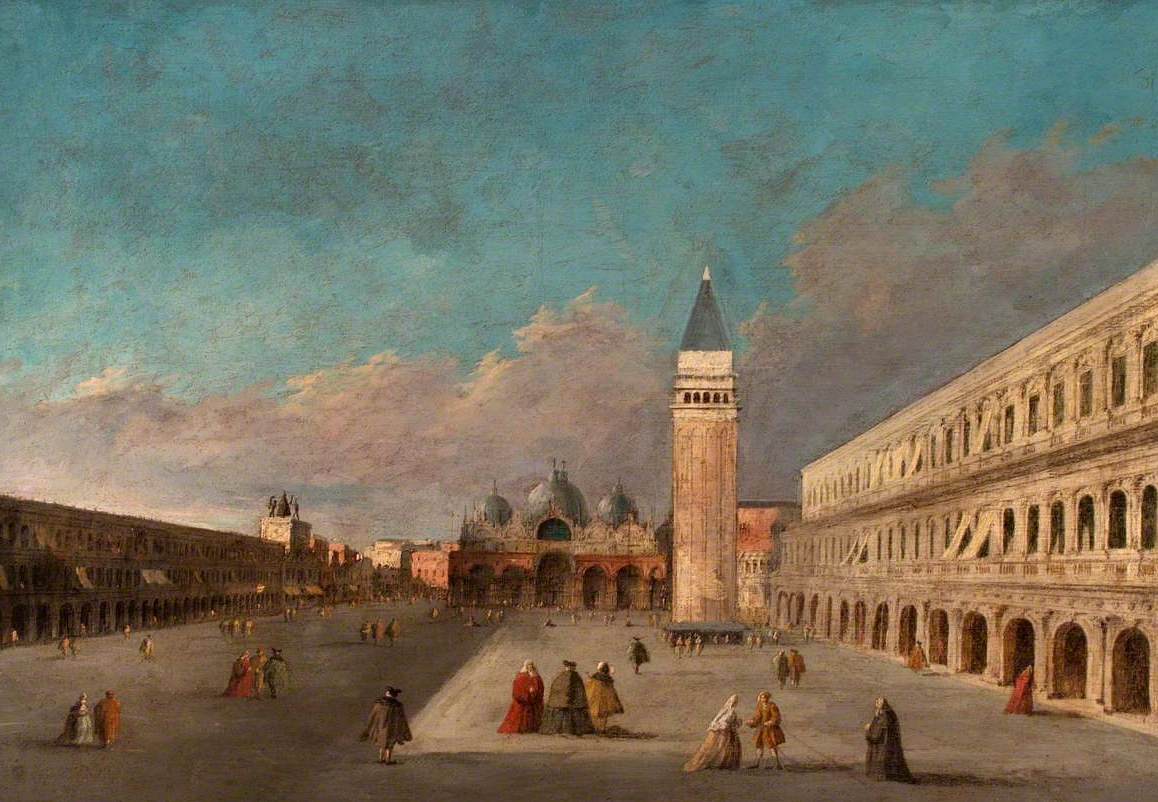
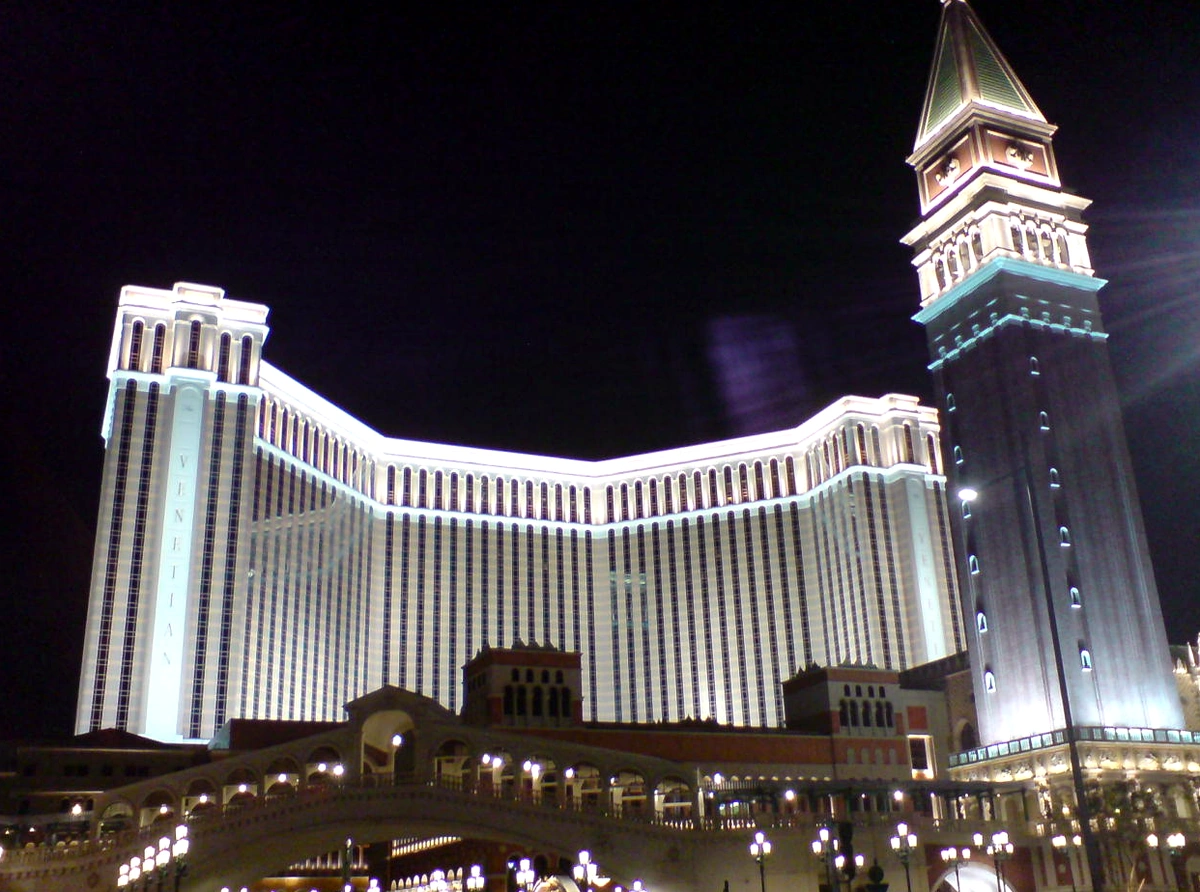
Delving deeper into this encyclopedic portrait of classical nostalgia and contemporary engineering, this section reveals the artistic craftsmanship, spatial layout, and sheer scale of the landmark that recreates Venetian elegance in the heart of Asia. Urban planners and architectural scholars frequently highlight its staggering dimensions: a single integrated structure spanning 10,500,000 square feet—roughly 980,000 square meters of usable floor space. This monumental footprint ranks it among the largest single hotel buildings on Earth, pushing the boundaries of modern structural engineering to create a self-contained architectural kingdom.
From a structural engineering standpoint, the complex represents a pinnacle fusion of modern materials and classical European design language. Its primary skeleton pairs high-strength reinforced concrete with long-span, column-free steel trusses to open up expansive interior halls for a vast casino floor, an international convention and exhibition center, a versatile multi-purpose arena, and the Grand Canal Shoppes retail promenade. Rigorous load calculations ensure that even while supporting rooftop gardens, elevated water canals, and millions of tons of ornamental stonework, the structure maintains rock-solid stability meeting the highest international safety standards.
What captivates art lovers most is its sculptural detail and Mediterranean architectural vocabulary, highlighted by pointed Venetian Gothic arches and balanced, graceful Renaissance symmetry. Master artisans combined imported marble, sweeping hand-painted ceiling frescoes, and gold-leafed reliefs inspired by Italy’s famed Doge palaces. Once inside, the line between reality and illusion dissolves beneath a digitally orchestrated sky that mirrors natural daylight shifts across a full 24-hour cycle, moving effortlessly from bright morning sunshine to rich violet dusk.
Beyond its visual facades, the spatial depth of the complex is anchored by three gently winding indoor canals maintained at a uniform depth of 60 centimeters and fed by state-of-the-art circulating filtration systems. Along these waterways, traditional gondolas glide serenely while serenading gondoliers in classic striped shirts bring the soul of Venice to life. Meticulous attention to scale is evident in faithful reproductions of iconic Venetian landmarks—including the historic Rialto Bridge, the romantic Bridge of Sighs, and expansive St. Mark’s Square—turning the resort into a living museum of Italian Renaissance heritage in the modern era.
When night descends over the artificial lagoon and colonnaded walkways infused with Mediterranean charm, St. Mark’s Square in this Asian dreamscape transforms into a theatrical stage. Unlike its bright daytime splendor, the evening atmosphere glows with warm honey-gold illumination cast by concealed LED strips tucked beneath cornices and moldings. Rather than glaring harshly, this soft lighting caresses textured stone surfaces, accentuating the multi-tiered arcades, slender colonnades, and Gothic sculptural motifs of the Doge’s Palace (Palazzo Ducale). Centuries of European architectural history come vividly to life beneath the evening sky.
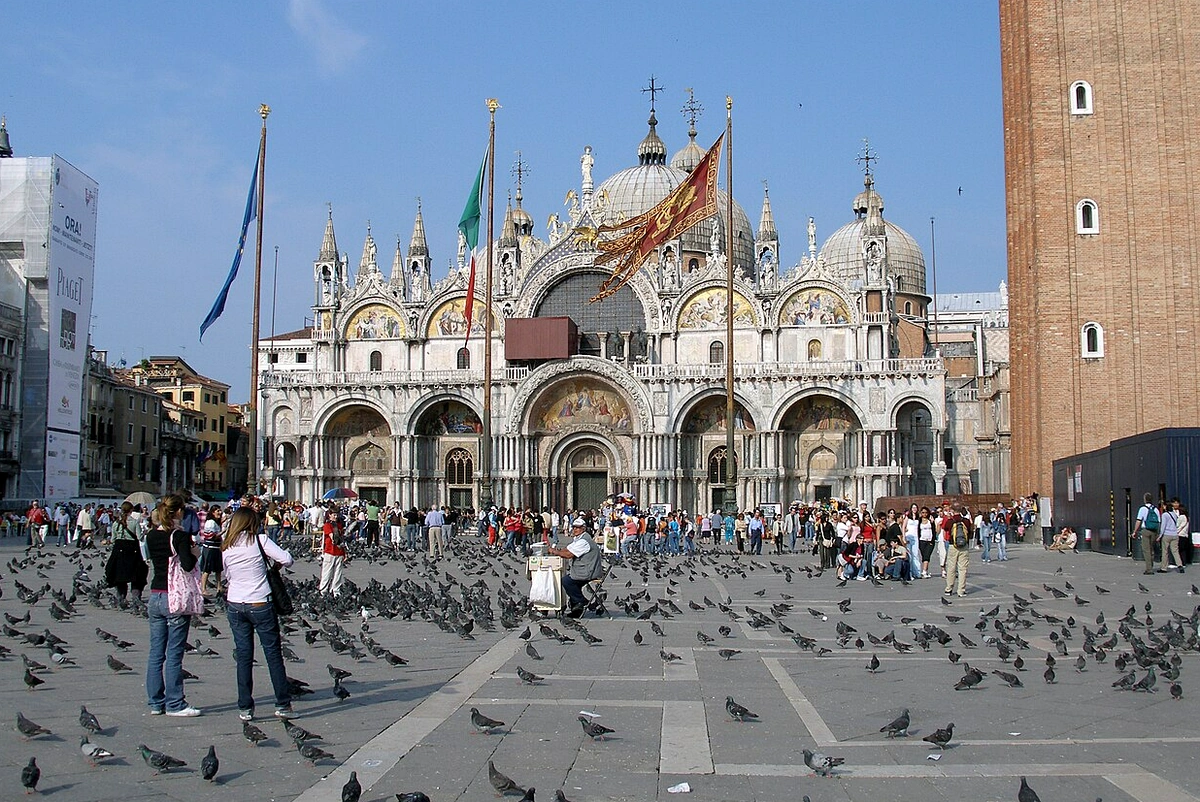
Evening life in the square goes far beyond quiet sightseeing, unfolding through soaring musical performances and colorful costumed pageantry. As visitors stroll across polished stone pavers, the air suddenly fills with rich, emotive bel canto arias drifting from gondolas gliding across emerald canal waters. Dressed in traditional striped sailor attire, gondoliers double as accomplished vocalists, projecting classic Italian opera melodies that echo along the promenade and up toward ornate Juliet balconies. The interplay of shimmering water, gentle oar strokes, and timeless operatic song creates an immersive sensory experience that delights romantic travelers.
Venturing deeper into the heart of the square, the boundary between fantasy and reality fades even further with the arrival of elaborately costumed street performers. They recreate the festive magic of the Venetian Carnival in ivory-white Bauta masks, enigmatic long-beaked Plague Doctor masks (Medico della Peste), and gold-embroidered velvet and silk attire evoking 15th-century Renaissance aristocracy. Acrobats, stilt-walking dancers in billowing gowns, and masked violinists tucked into colonnade corners add rich theatrical texture. Beneath the warm glow of vintage-style streetlamps, visitors feel swept into a royal masquerade ball where time stands still and everyday cares fade away.
Beyond sight and sound, the evening ambiance of the square delights the palate as well. Classic Italian-style cafes remain open late into the night, filling the air with the rich aroma of freshly roasted espresso mingled with sweet notes of traditional pastries like tiramisu and cannoli. Seated beneath ornate stone arches, sipping a glass of fine Chianti while watching lively crowds pass under warm golden lighting, visitors experience the enduring spirit of European café culture seamlessly reborn in the heart of Asia. It is a harmonious symphony of light, music, architecture, and hospitality that turns every evening into an unforgettable memory.
Crossing gracefully arched bridges spanning canals inspired by Italy’s famed floating city, visitors arriving at Macau’s St. Mark’s Square are treated to a remarkable culinary journey that awakens every sense. This landmark is not only a celebration of Renaissance aesthetics, but also a vibrant gastronomic crossroads where classic Mediterranean traditions mingle with Iberian flavors and refined Cantonese cuisine. This culinary fusion reflects centuries of historical exchange, tracing back to when Portuguese seafarers arrived in East Asia and blended cherished European recipes with local ingredients.
Along lantern-lit corners and marble-paved arcades reminiscent of historic Venice, the enticing scent of artisanal Neapolitan pizza wafts through the air. Skilled pizzaiolos stretch naturally fermented dough by hand, ladle on rich San Marzano tomato sauce and creamy mozzarella, and slide each pie into volcanic stone ovens blazing at 480°C. In under ninety seconds, each pizza emerges with a blistered, crisp golden crust and a tender, airy center carrying unmistakable wood-fired smoky notes. Nearby, diners can also savor authentic Venetian dishes such as Bigoli in Salsa—thick whole-wheat or squid-ink pasta tossed in a savory sauce of slow-cooked onions and cured anchovies passed down by generations of Venetian lagoon fishermen.
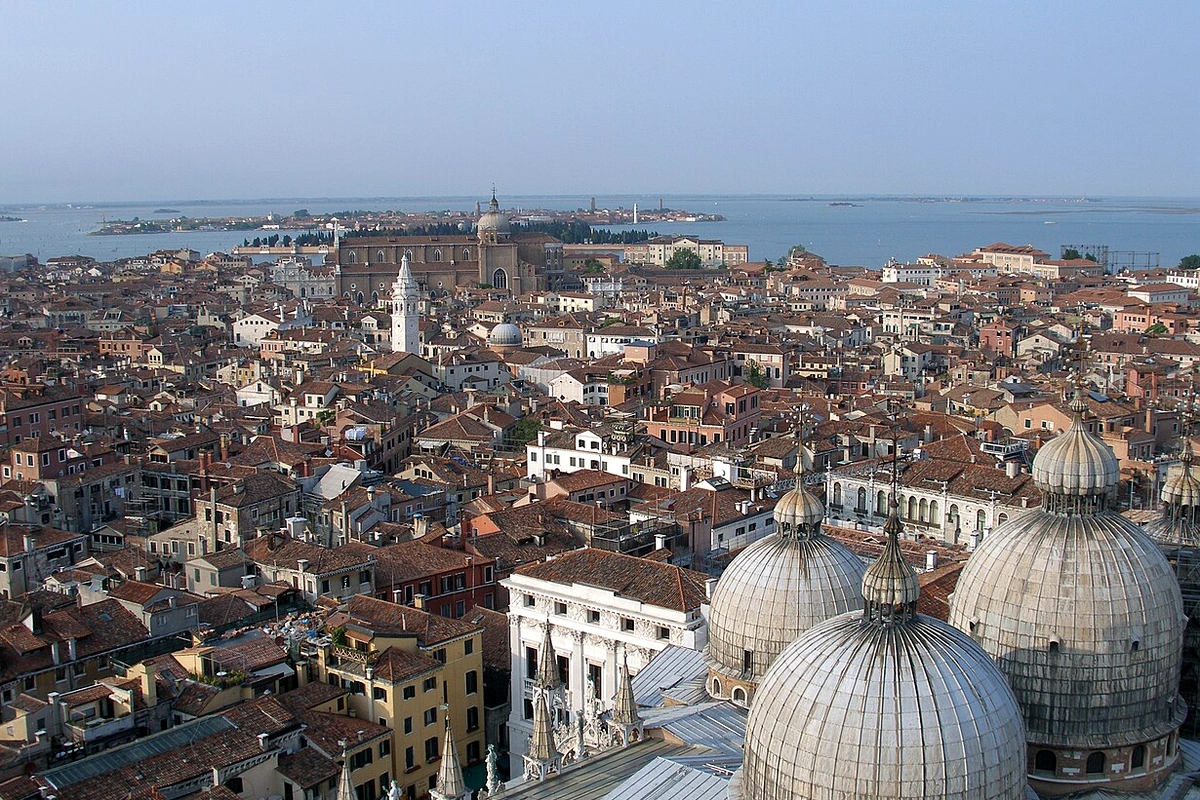
This East-West culinary dialogue shines even brighter through signature Macanese specialties born of local heritage. Foremost among them is Portuguese Chicken (Galinha à Portuguesa)—a beloved dish invented not in Portugal itself, but by early Macanese cooks. Tender chicken, potatoes, onions, boiled eggs, and olives are simmered in a fragrant golden curry sauce enriched with creamy coconut milk. Equally celebrated is African Chicken (Galinha Africana), a charcoal-grilled masterpiece reflecting historic maritime spice routes, marinated overnight in a complex blend of roasted peanuts, coconut, dried chilies, and cinnamon before grilling to achieve a smoky, spicy, deeply aromatic crust.
Completing this culinary showcase are artisanal Italian gelaterias crafting silky, small-batch gelato from fresh seasonal fruits and pure milk—refreshingly balanced without overwhelming sweetness—alongside refined Cantonese dim sum and glossy char siu served in steaming bamboo baskets. Every dish, from stone-baked Italian pizzas to Cantonese delicacies, tells a story of cultural synthesis, respect for culinary tradition, and timeless hospitality.
To make the most of every moment inside this European-inspired wonderland, keeping a few practical details regarding timing, transit, and etiquette in mind will ensure a smooth and enjoyable visit. The main public concourses and the sprawling Grand Canal Shoppes are open 24 hours a day, allowing visitors to admire the architecture at any hour. However, for a quieter stroll to appreciate the Renaissance ceiling frescoes and snap photos along the canals without heavy crowds, visiting between 10:30 AM and 12:00 PM or after 9:00 PM is ideal.
Getting here is remarkably convenient thanks to an extensive, complimentary shuttle network designed for visitors. Free resort shuttle buses depart continuously from the Border Gate (Gongbei Port), Macau International Airport, and the Taipa Ferry Terminal, bringing you directly to the entrance at no cost. Alternatively, the Macau Light Rapid Transit (LRT) stops at Cotai East Station, offering a fast, modern ride with sweeping elevated views of the European-inspired facades as the train glides past.
Once inside, if you wish to experience a classic gondola ride along the indoor canals beneath the color-changing sky, tickets are available at canal-side kiosks for approximately 148 HKD per ride. Visitors should also note strict entry rules for the casino floor, which is restricted to guests aged 21 and older and enforces a smart casual dress code—sleeveless tops, shorts, and flip-flops are not permitted. Additionally, indoor air conditioning is kept at a brisk 22°C year-round, so bringing a light jacket along with comfortable walking shoes is essential for exploring the expansive complex in comfort.
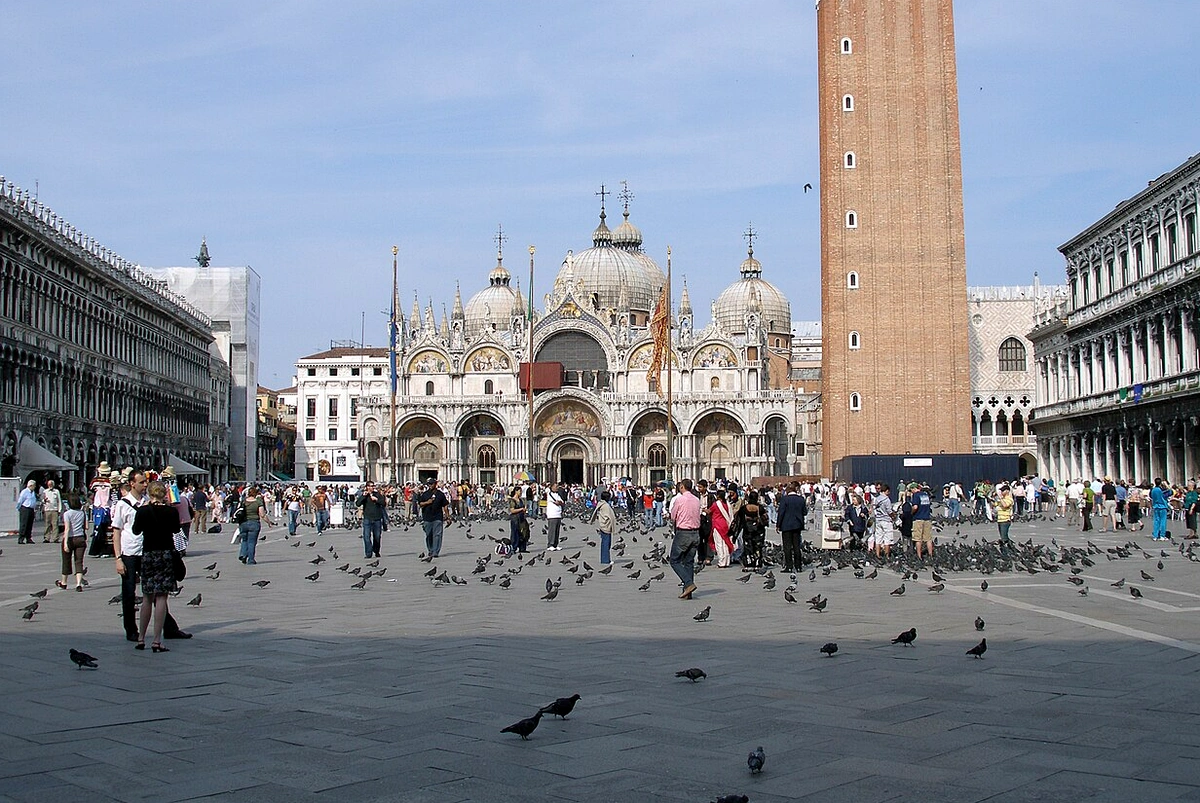
Thoughtful planning around timing, attire, and local etiquette will transform your visit into an unforgettable cultural and leisure experience, leaving you with lasting memories of an enchanting miniature Europe. For travelers eager to explore the authentic origins of Western art, architecture, and history firsthand, discover the detailed itinerary of our 11-Day 10-Night France – Switzerland – Italy – Austria – Germany tour and let our travel specialists craft a journey of a lifetime.