Yehliu Geopark, also known as the Yehliu Scenic Area, is located in Yehliu Ward, Wanli District, New Taipei City, Taiwan. It stands as a magnificent natural masterpiece nestled entirely within the Northern Coast and Guanyinshan National Scenic Area. Stretching along the northern coast of Taiwan, this headland reaches out into the East China Sea, spanning approximately 1,700 meters in length and about 250 meters in width, offering an intimate glimpse into the powerful convergence of the ocean and the land. From a geological perspective, Yehliu is not merely a conventional coastal scenic spot, but an open-air natural museum preserving tectonic imprints from millions of years ago. Yehliu’s iconic status in the flow of Taiwan’s tourism history is established through the magnetic appeal of millions of visitors each year, who flock to admire wonders sculpted directly by the invisible hands of nature. This place has long transcended the boundaries of a local destination to rise as an enduring symbol of marine weathering power, drawing researchers, cultural scholars, and global travelers together to decode the stratified sedimentary layers of time.
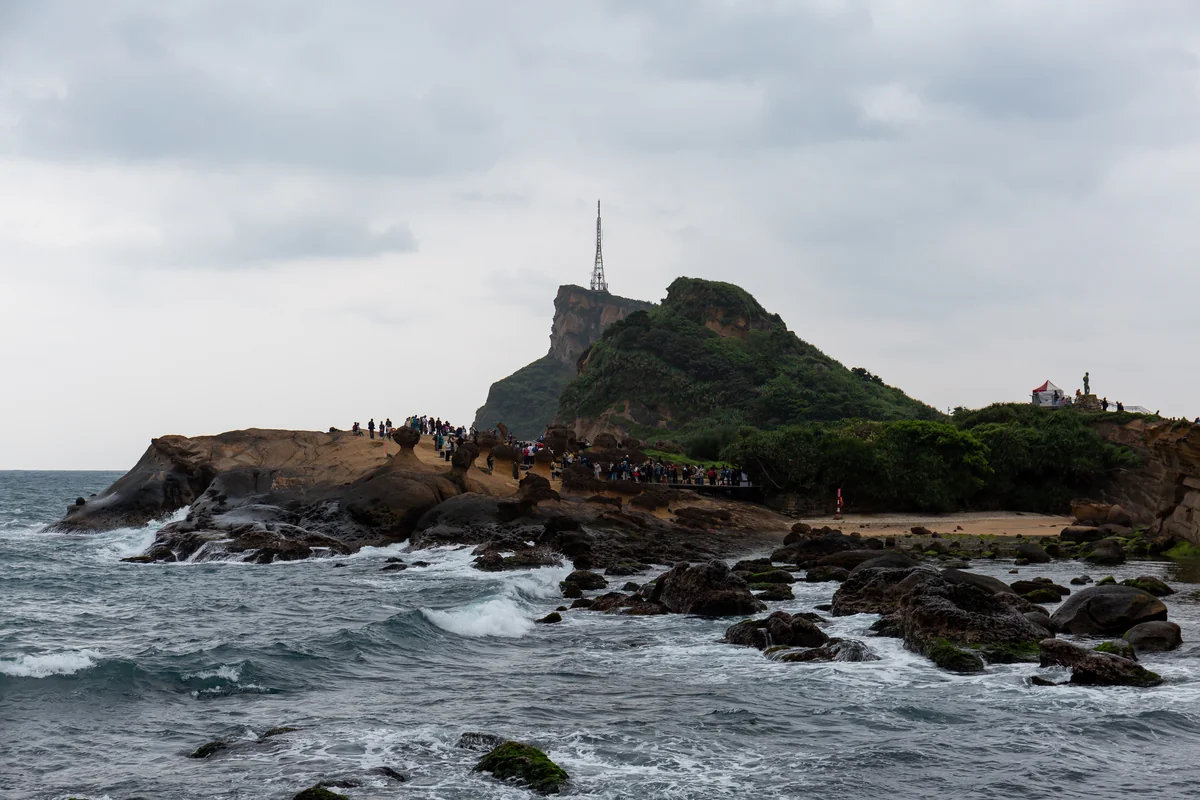
The formation journey of Yehliu Geopark is an epic tale spanning six million years, originating from the historical collision between the Philippine Sea tectonic plate and the Eurasian plate. This intense tectonic activity gradually pushed the Datun mountain range up from the deep ocean floor, forming the Daliao Miocene Formation, of which the Yehliu headland is a vital part. Through continuous crustal movements, the sedimentary rock layers here have had to endure relentless, high-intensity ocean waves pounding from the sea. The weathering and erosion of seawater, combined with the effects of sea salt and coastal winds, have created uneven abrasion; softer rock layers erode at a much faster rate than the harder rock layers lying above or around them. This precise disparity in structural durability has given rise to unique mushroom-shaped rock formations with large heads and slender, tapering stems—commonly known as hoodoos—alongside other fascinating landforms such as honeycomb rocks, tofu rocks, weathering pits, and monadnock rock slabs. The actual scale and dimensions of this 1,700-meter-long headland serve as a giant geological laboratory, where the physical and natural chemical laws of nature operate ceaselessly to reshape the landscape’s appearance day by day.
The Queen’s Head rock formation, an iconic masterpiece of natural erosion at Yehliu Geopark
The artistic space at Yehliu is entirely masterminded by nature through the masterful strokes of ocean winds and waves, creating a global-scale system of rock sculpture wonders. Most prominent among them is the “Queen’s Head” rock slab, a cultural and tourism symbol over four thousand years old, attracting millions of admirers annually due to its delicate profile reminiscent of the proud head of Queen Elizabeth I. With the circumference of the rock’s neck continually narrowing due to natural weathering, government authorities and scientists have closely monitored this wonder’s changes while creating a miniature replica named the “Princess Head” to alleviate sightseeing pressure on the original artifact. Alongside the Queen’s Head, Yehliu’s landscape captivates visitors with a series of other natural sculptures such as the “Fairy Shoe,” shaped fluidly like a fairy’s shoe left behind at the water’s edge; “Candlestick Rock,” shaped like towering candles burning upright in mid-air; and populations of “Ginger Rocks” and mushroom rocks spreading across the rocky slopes. The cultural depth of this land is also closely tied to the spiritual life of local fishermen, who have lived attached to the sea for generations and placed their trust in the protection of sea deities, blending together with folkloric legends of mythical footprints pressed into thousand-year-old stone slabs.
The fascinating cluster of sandstone mushroom rocks stretching out into the sea along northern Taiwan’s coast
The travel rhythm at Yehliu Geopark is a harmonious blend of the hurried pulse of exploring crowds and the slow, enduring tempo of Wanli fishing village residents. Upon setting foot here, visitors experience a complete multi-sensory environment: listening to the rhythmic crashing of waves against sedimentary cliffs, breathing in air rich with ocean scent combined with billowing sea breezes, and touching the rugged, coarse surfaces of rock masses sculpted across tens of thousands of eras. The local daily rhythm in the area surrounding the park preserves the traditional fishing village culture of northern Taiwan, where fishing boats moor close to shore and small bustling markets display fresh seafood caught directly from rough seas. Though lacking grandiose artificial art shows, Yehliu is inherently a grand stage of nature, where the moment dusk falls and bathes the mushroom rock slabs in red, or when brilliant dawn breaks from the eastern ocean expanse, creates the most magical and emotional lighting performances for anyone stopping to admire the view.
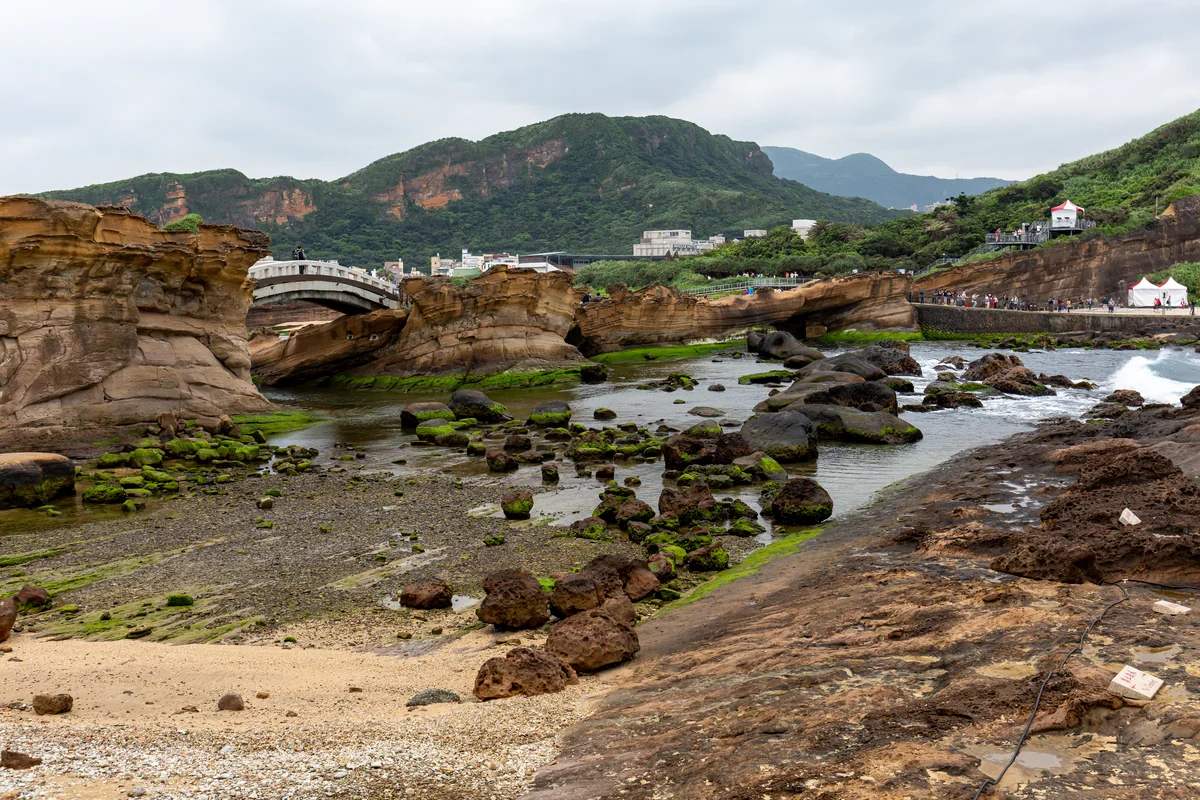
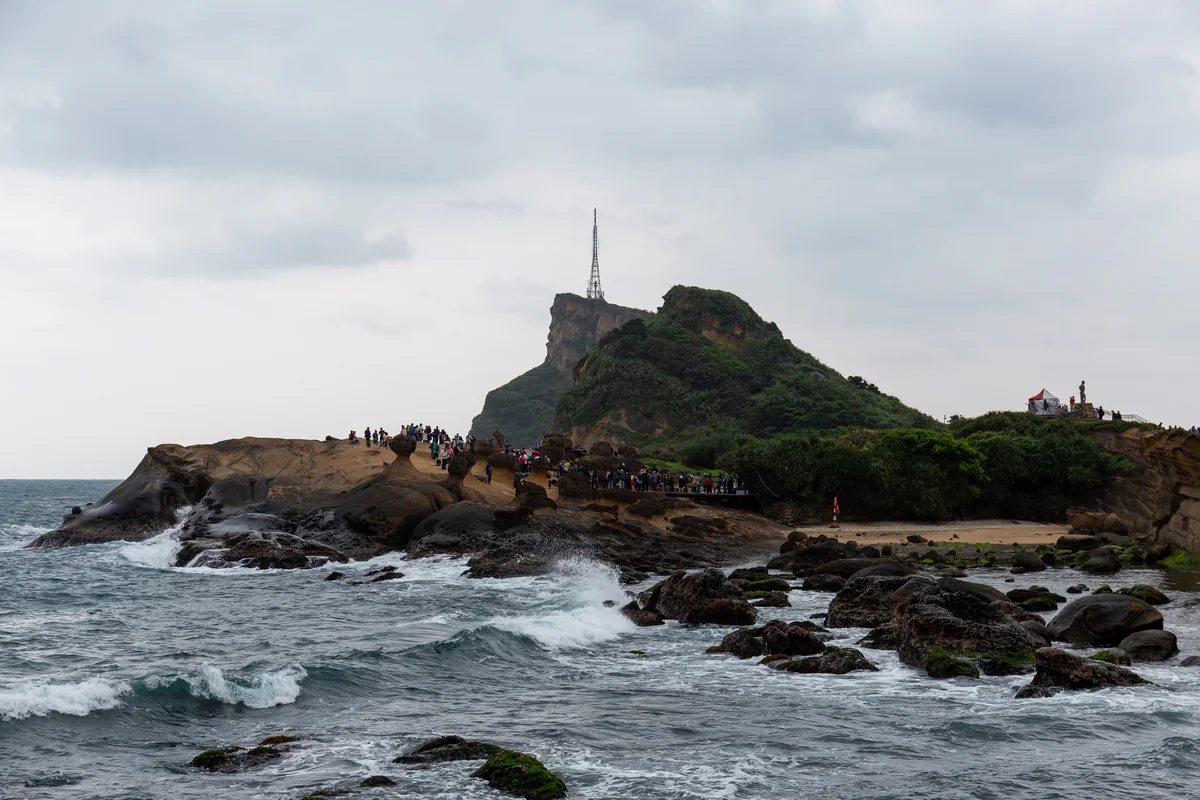
Unique weathered coastline with millions-of-years-old geological sedimentary layers at Yehliu
The exploration journey of Yehliu would be incomplete without savoring the rich culinary tapestry of the New Taipei coastal region, where the ocean bestows the freshest ingredients. Local flavors here carry a strong seaside identity with renowned seafood dishes such as steamed fish in soy sauce preserving natural sweetness, savory chili-salt grilled fresh squid, boiled sea prawns dipped in traditional ginger fish sauce, and refreshing seafood soups cooked with local seaweed offering a crisp, clean taste. Family-run restaurants and eateries around the Yehliu fishing port and nearby night markets maintain rustic preparation methods to maximize the original flavor of ingredients, paired with street snacks deeply imbued with Taiwanese culinary flair, such as pan-fried stuffed buns, herbal beef noodle soup, or traditional bubble tea. The dining customs of locals are always tied to gathering around family dinner tables or harbor-side drinking tables, where everyone raises glasses of local rice wine and shares stories of long fishing voyages, creating a down-to-earth, warm, and affectionate port-town culture.
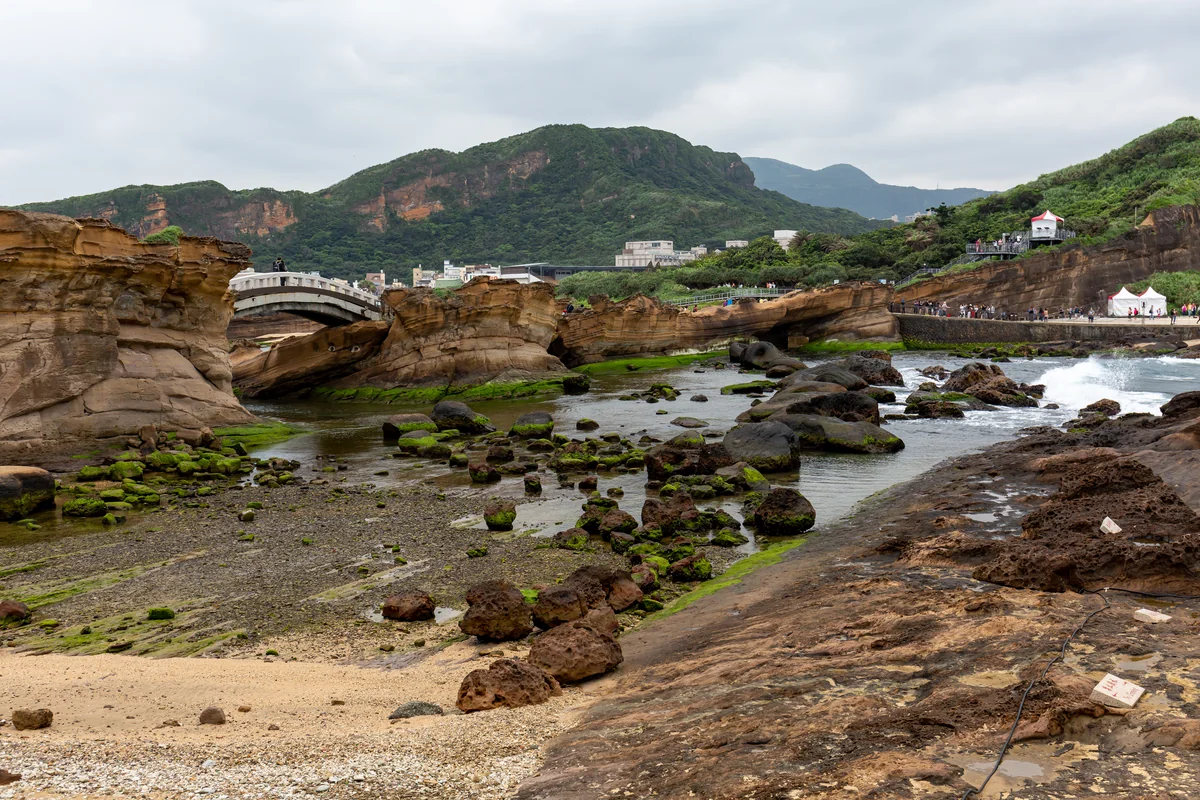
Honeycomb erosion patterns and natural rock pillars creating a majestic extraterrestrial landscape
To have a smooth and profound journey exploring Yehliu Geopark, visitors need to equip themselves with practical experience and detailed guide handbooks. The most ideal time to visit Yehliu is during autumn and spring, when the weather is mild, skies are clear, and visitors avoid summer sea typhoons or the biting cold of northern Taiwan’s winter. Regarding transportation methods, visitors can easily depart from Taipei using dedicated national highway public bus routes running straight to the Yehliu area or choose a subway service combined with local buses, taking less than two hours. Reference park admission ticket prices are maintained at affordable levels, suitable for all international and domestic visitor demographics. When touring inside the geological heritage zone, visitors must strictly adhere to cultural conduct and environmental protection rules, such as not touching precious rock wonders—especially the area around the Queen’s Head—and not crossing pre-marked red safety boundary lines on the rock surfaces to protect lives from strong ocean waves and preserve the heritage in its original state for future generations. Pocket practical tips suggest visitors wear athletic shoes with good traction to walk on slippery rock surfaces, prepare umbrellas and backup raincoats since coastal weather changes abruptly, and visit early in the morning to avoid peak hours crowded with tour groups.
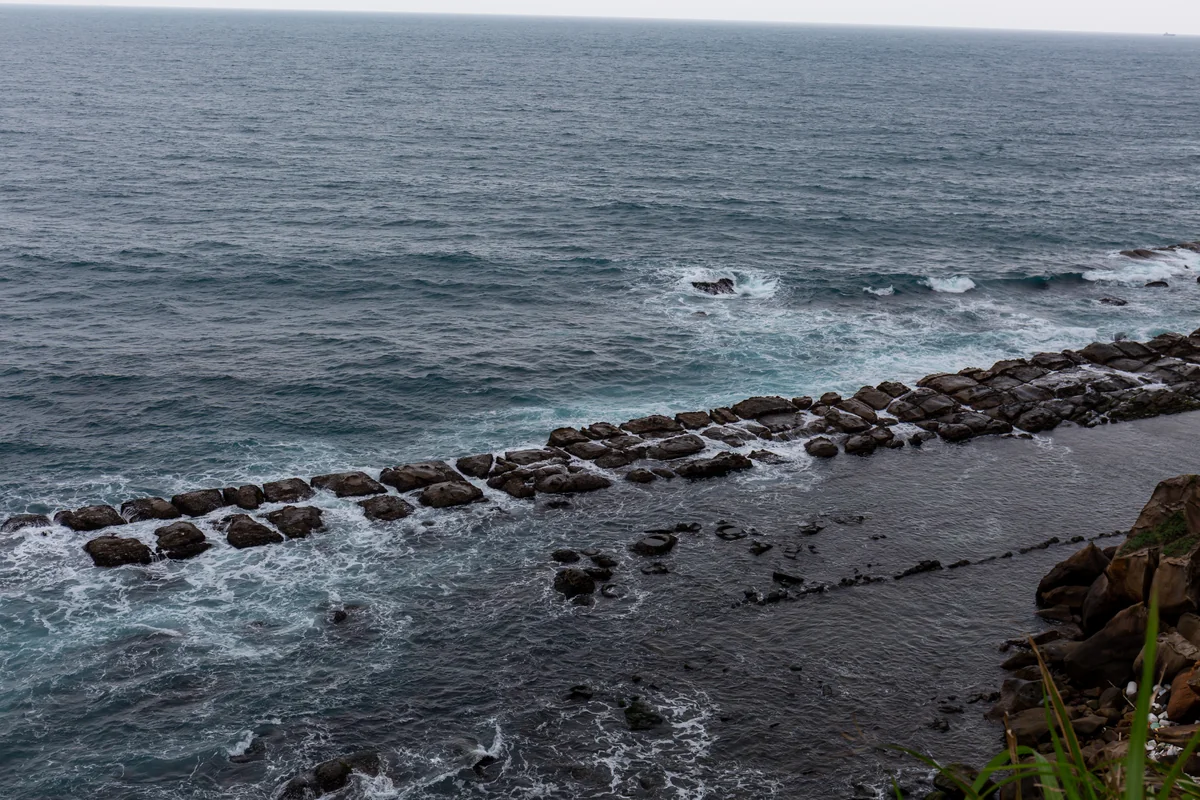
Coastal walking path guiding visitors past natural stone museums amidst ocean winds and waves
Standing before the slender and proud Queen’s Head rock standing amidst ocean winds, travelers cannot help but marvel at nature’s miraculous carving power across millions of years of weathering. The mushroom rock clusters and honeycomb terrain along Yehliu’s coast create a rare, fascinating geological landscape in the world, leaving a deep visual impression in the heart of every visitor.
Explore Yehliu Geopark and northern Taiwan’s coast on the Taiwan Tour.