Nestled within the tranquil expanse of the Co Loa Special National Relic Site in Dong Anh District, Hanoi, Thuong Temple stands as a living stone witness to history—a sacred link connecting the primeval roots of the Au Lac dynasty with the modern urban landscape of today. Viewed through the lenses of archaeology and human geography, the coordinates of Thuong Temple are far more than a mere religious destination; they form the centerpiece of a singular cultural and military complex. Built atop the highest mound of the Inner Citadel—believed to have been the main palace or royal residence of King Thuc Phan An Duong Vuong in the 3rd century BCE—the temple commands an auspicious feng shui position where the vital energy of the ancient Hoang Giang River converges with the network of natural lagoons and moats encircling the spiral fortress.
From a geological and landscape perspective, Thuong Temple’s terrain reflects the pinnacle of ancient Vietnamese military strategy and geomancy. Positioned on elevated ground and ringed by three concentric, spiral-shaped earthen ramparts, the temple acts as a majestic natural watchtower that is both imposing and secluded. Surviving historical records and royal genealogies indicate that, across millennia of upheaval and warfare, while the physical structures of the ancient palace have faded beneath the earth, the archaeological strata remain rich with ancient bricks, tiles, bronze arrowheads, and ceramics spanning multiple eras. This layering of history has transformed the sacred mound into a living open-air museum where every inch of soil carries the sacred spirit of the land and rivers.
The very name “Thuong Temple” (Upper Temple) signifies its supreme status within the sacred hierarchy of indigenous beliefs. Unlike other upper temples in the capital perched atop the soaring peaks of the Ba Vi mountain range or tucked inside the solemn grounds of the Temple of Literature, Co Loa’s Thuong Temple fulfills a weightier historical mission: honoring Thuc Phan An Duong Vuong, the emperor credited with pioneering the land, founding the state of Au Lac, inventing the legendary magic crossbow, and engineering the most unique military citadel system in ancient Southeast Asia. Filtered through folk consciousness, this historical figure has been venerated as a Supreme Deity, standing as an immortal symbol of national self-reliance and vigilance against foreign invasion.
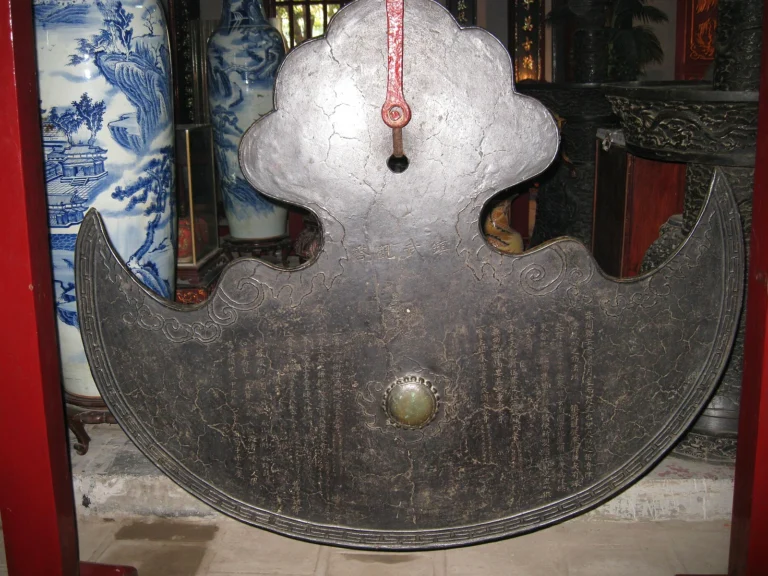
In the contemporary era, following major restorations from the Nguyen dynasty through key conservation projects marking the 1,000th anniversary of Thang Long – Hanoi, Thuong Temple has become a standout landmark on Vietnam’s cultural heritage tourism map. Heritage authorities and the press frequently praise the site not only for its distinctive architectural artistry—featuring precious horizontal lacquered boards, parallel sentences, and royal decrees—but also for the enduring vitality of the traditional Co Loa Festival. Visiting Thuong Temple today allows travelers from afar to step back in time, touch the roots of the nation, and listen to the echoes of a thousand years of civilization resonating from the legend of the magic crossbow and the ancient waterways of Au Lac.
Stepping beyond the quiet imprints of millennia-old chronicles, Thuong Temple rises majestically atop the Inner Citadel mound of the Co Loa Relic Site as a masterpiece blending dramatic natural scenery with traditional royal architecture. The temple’s terrain embodies the classic “coiled dragon, seated tiger” formation, elevated and outward-facing to overlook the lush greenery of the unique spiral ramparts and ancient ponds shaded by centuries-old trees. Through the passage of time, the landscape has retained its solemn, tranquil, yet expansive character, offering a rare spiritual depth right in the heart of the modern capital.
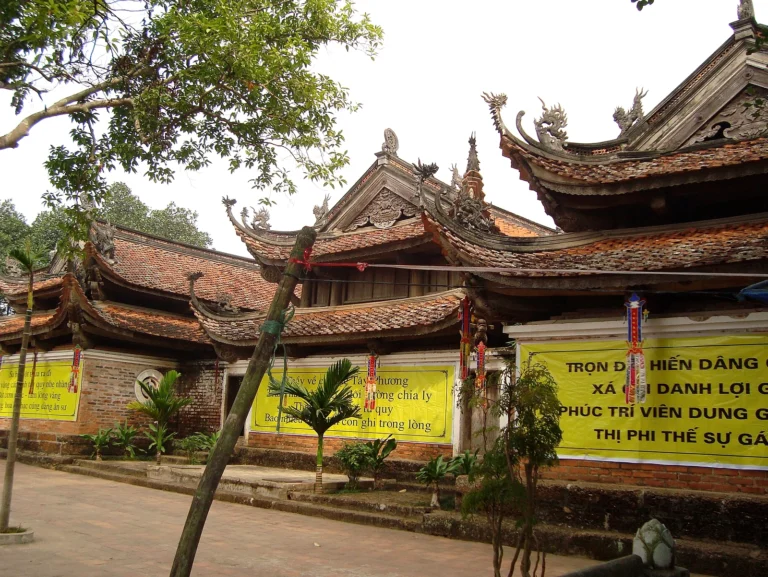
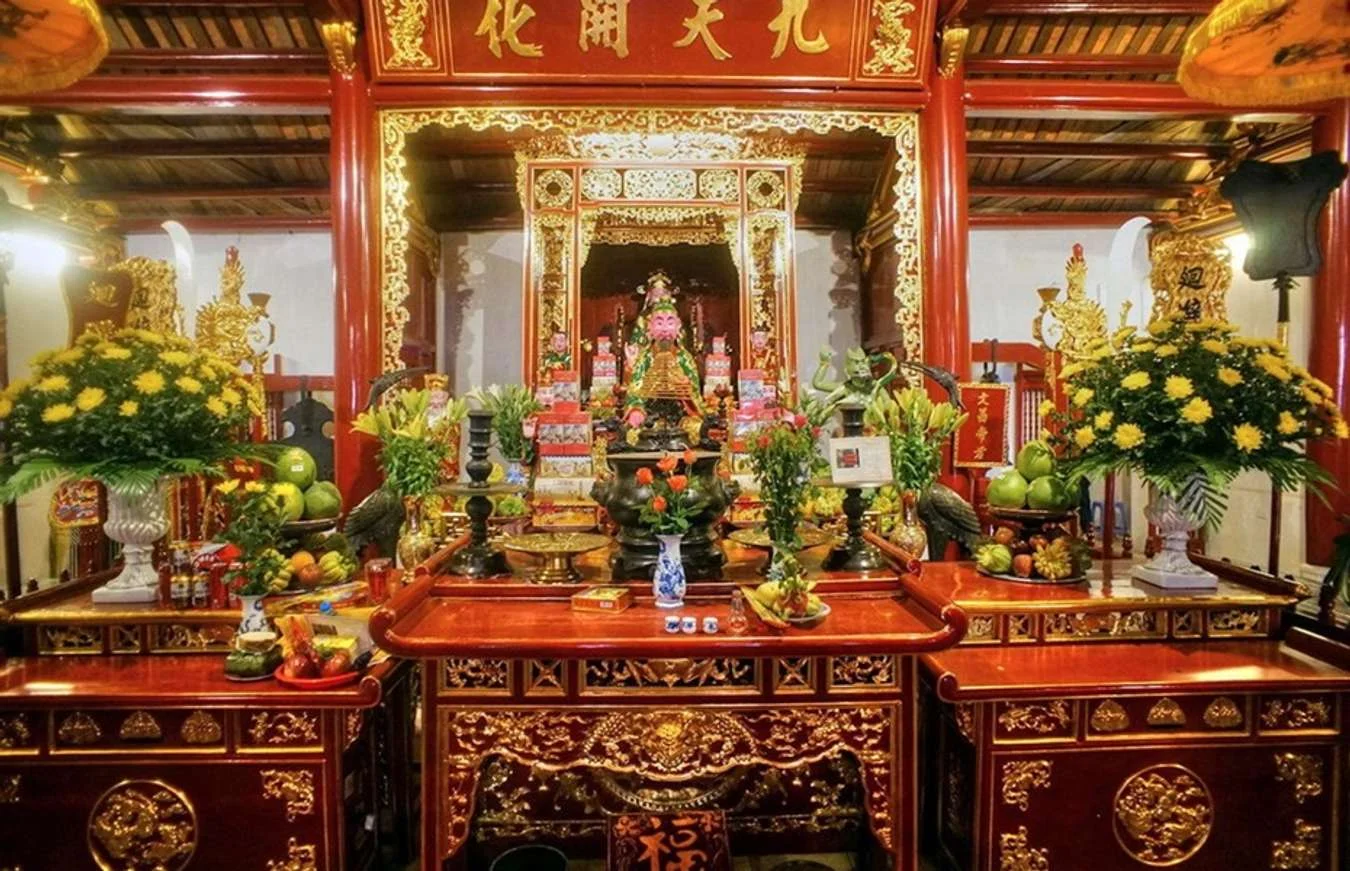
Examining its architectural details closely, Thuong Temple serves as vivid proof of the craftsmanship of folk artisans across the Le and Nguyen dynasties. Designed in the grand “Tam” (three-tiered) or “Noi Cong Ngoai Quoc” (inner H-shape, outer enclosure) layout, the temple stands out with its intricately carved stacked-beam trusses and tie-beams. Wooden bas-reliefs depicting the four sacred creatures alongside seasonal flora—pine, chrysanthemum, bamboo, and apricot blossom—are rendered with remarkable fluidity, vitality, and dignity. The roof is clad in moss-covered shoe-nose tiles, curving upward at the eaves like phoenix wings soaring into the sky. Inside, gilded and red-lacquered brackets, horizontal boards, parallel couplets, and massive ironwood pillars create a warm yet sacred atmosphere honoring the monumental achievements of King Thuc Phan An Duong Vuong.
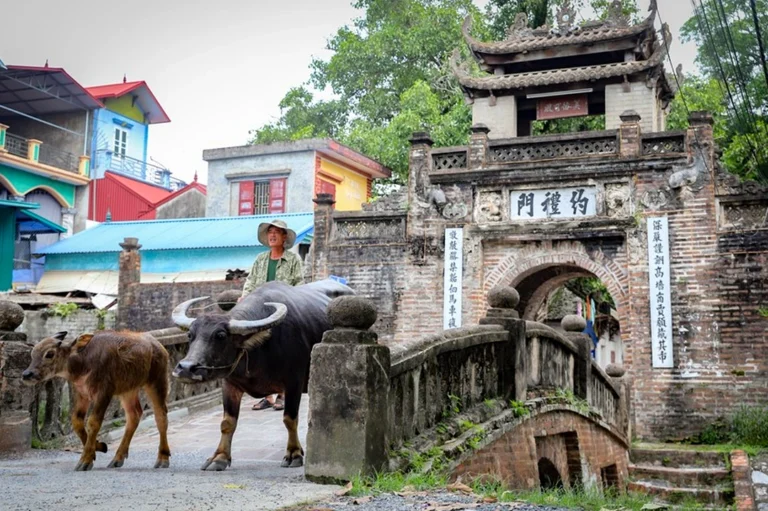
For photography enthusiasts and curious travelers alike, Co Loa’s Thuong Temple boasts “million-view” photo spots steeped in nostalgic charm. The premier check-in spot is the three-entrance gate (Tam Quan) and the ancient, moss-draped stone dragon steps. The ideal time to capture this frame is early morning, when the first rays of sunlight filter through the canopy of ancient trees, illuminating the stone steps to create a mystical lighting effect that accentuates the majesty of the temple entrance. Shooting from a high angle looking straight down the sacred axial path toward the courtyard captures the entire serene, timeless symmetry of the historic complex.
A second camera angle favored by photographers lies along the left and right wings (Ta Vu and Huu Vu) and the corridors framing the main courtyard, looking out toward the deep green expanse of the surrounding ponds and ancient ramparts. At dusk, as the sky shifts into enchanting shades of orange and rose, warm golden light reflects off the sweeping tiled roofs and mossy ancient walls, creating a breathtakingly poetic scene. This fleeting intersection of past and present yields cinematic photographs rich in both cultural depth and the lyrical beauty of thousand-year-old Co Loa.
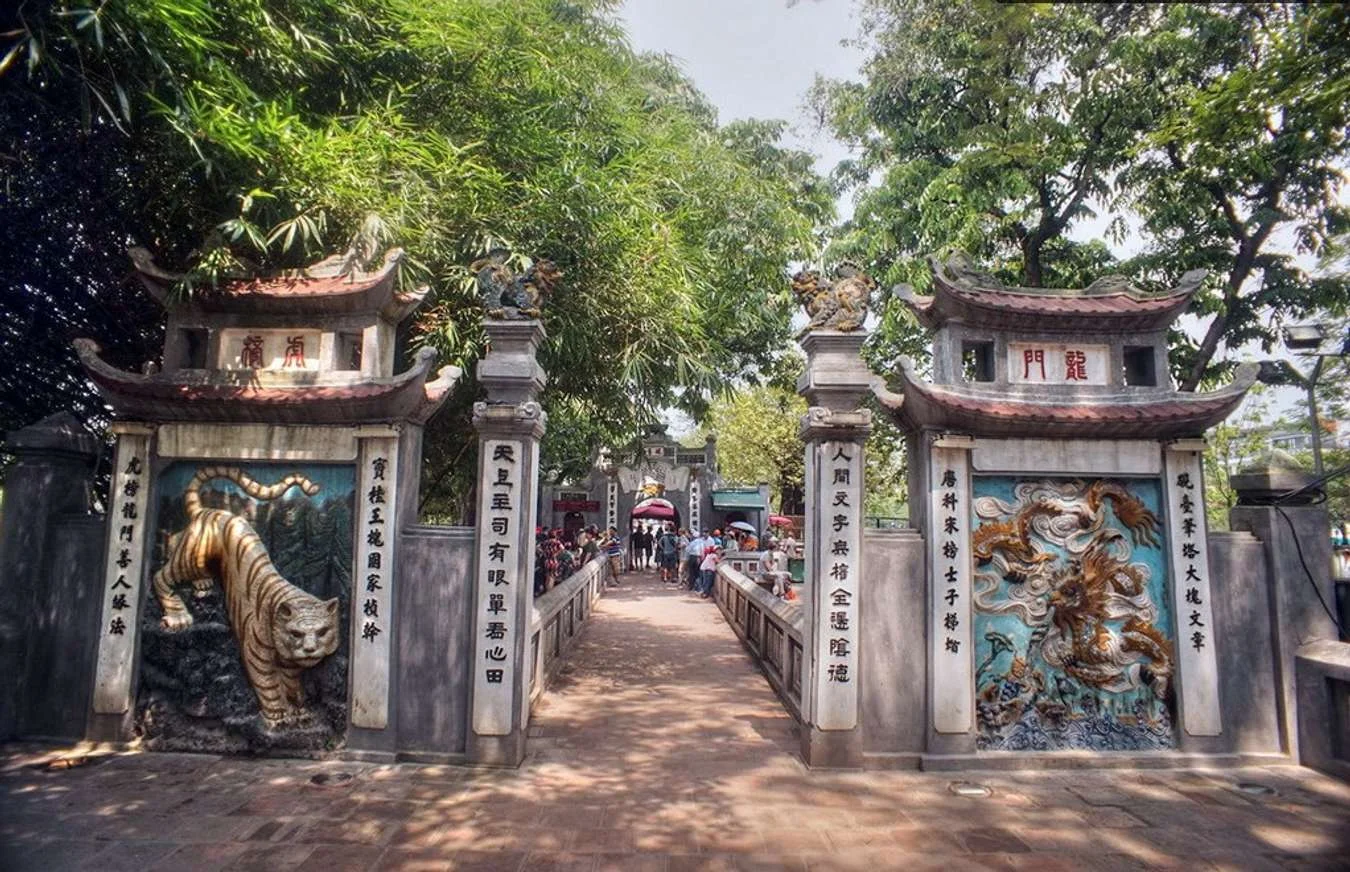
Ascending the moss-covered stone steps into the grounds of Thuong Temple atop Co Loa’s Inner Citadel mound, visitors immediately sense a remarkable shift in space and time. Leaving behind the noise and rush of the modern city, the sanctuary opens into a hush of solemn tranquility scented with faint wafts of incense on the breeze. The very first experience that awakens the senses is the act of spiritual pilgrimage and worship. Standing before the imposing altar of An Duong Vuong beneath the cool shade of centuries-old trees, visitors respectfully offer sticks of incense in memory of the king who laid the foundations of the Au Lac nation. Clasping one’s hands and bowing before the spirit of this founding ancestor brings a profound stillness to the soul, offering a tangible connection to the nation’s heroic origins.
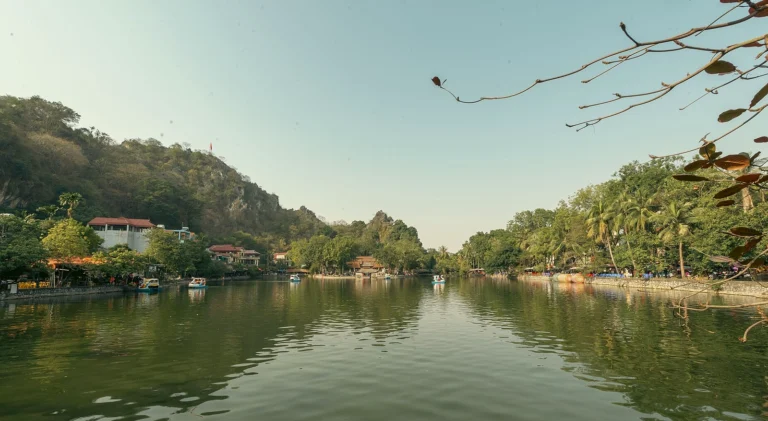
Stepping out of the main sanctuary, the journey continues into the poetic yet imposing outer reaches of the Co Loa complex. Visitors can enjoy a leisurely stroll or a gentle boat ride along the winding, jade-hued waters of the natural moat system—strategic waterways that once served as formidable military defenses protecting the citadel. The glassy water mirrors drifting clouds while bamboo groves rustle softly in the wind, composing a landscape of extraordinary peace. Looking out from the highest vantage point of the Inner Citadel mound, an entire idyllic northern Vietnamese countryside unfolds before your eyes, complete with lush green rice paddies, mossy tiled roofs, and the unmistakable traces of the three spiral ramparts. The awe-inspiring strategic foresight of ancient military architecture paired with the grandeur of nature leaves every visitor deeply impressed.
Rounding out the journey of historical discovery and spiritual reverence, Co Loa’s vibrant local culture captivates travelers with renowned regional culinary specialties. You cannot miss the chance to savor Co Loa grilled pork noodle soup (bun cha quat), bursting with traditional flavor, or soft, fragrant, subtly sweet Quan Ganh sticky rice cakes (banh day)—a rustic treat embodying the soul of the ancient capital. Sitting together at a small roadside stall, sipping bittersweet green tea and sampling local delicacies while listening to village elders recount legends of the magic crossbow and Princess My Chau, visitors experience the genuine, unadorned depth of local heritage. Co Loa’s Thuong Temple is far from a dry historical landmark; it is a living, breathing space where past and present intertwine, leaving unforgettable impressions in the heart of every traveler.
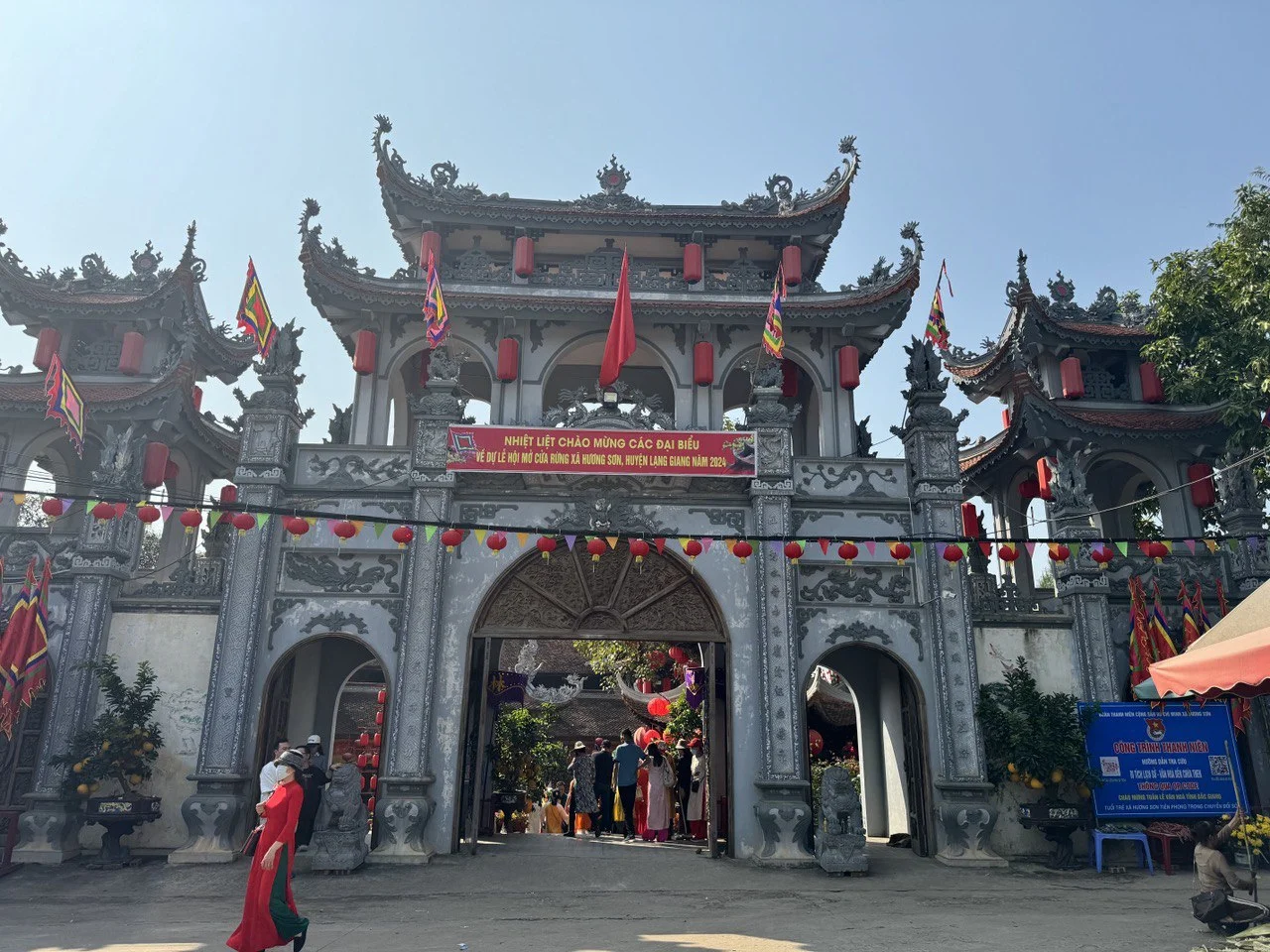
Thuong Temple, part of the Co Loa Special National Relic Site (Dong Anh, Hanoi), is a spiritual and historical destination that draws visitors from all corners of the country. To ensure your journey exploring the roots of the Au Lac state goes smoothly and meaningfully, keep in mind these practical tips regarding visiting hours, admission costs, directions, and proper etiquette when visiting this sacred site.
Regarding opening hours, the relic site and Thuong Temple welcome visitors every day of the week, including weekends and public holidays such as Tet. Visiting hours typically run from early morning until late afternoon to maintain security and preserve the solemnity of the monument. The best time of year to visit Thuong Temple is in the spring, particularly during the traditional Co Loa Festival held in the opening days of the first lunar month. During this time, the grounds burst with spring colors and come alive with ceremonial rituals and vibrant folk games steeped in the cultural identity of the ancient land.
As for admission fees, under the general regulations of the Co Loa Relic Site Management Board, access to the outdoor grounds and temple shrines is either free of charge or subject to a very nominal fee designed to encourage cultural tourism. It is advisable to carry a small amount of cash for parking, purchasing incense and floral offerings, or picking up on-site informational guides.
Getting to Co Loa’s Thuong Temple from central Hanoi is convenient via several straightforward routes. If traveling by private vehicle such as a car or motorbike from the Old Quarter or Hoan Kiem Lake, you can cross Chuong Duong Bridge or Long Bien Bridge and continue along the national highway, or cross Nhat Tan Bridge and merge onto the connecting roads toward Dong Anh, following traffic signs pointing to the Co Loa Relic Site. Average travel time takes roughly 30 to 45 minutes depending on traffic conditions. Additionally, public buses offer a budget-friendly option, with several routes passing directly through Dong Anh town and stopping near the entrance of the relic site.
When visiting Thuong Temple, because it is a deeply sacred heritage space dedicated to King An Duong Vuong, guests should wear polite, modest attire that respects local customs and the solemn atmosphere. The complex covers a sprawling area with numerous stone staircases and walking paths shaded by ancient trees, so wearing comfortable sneakers or flat-soled shoes is recommended for extended walking. Please help keep the grounds clean, refrain from littering, and strictly follow all regulations set by the Relic Site Management Board to preserve both the natural landscape and the historical integrity of this sacred temple.
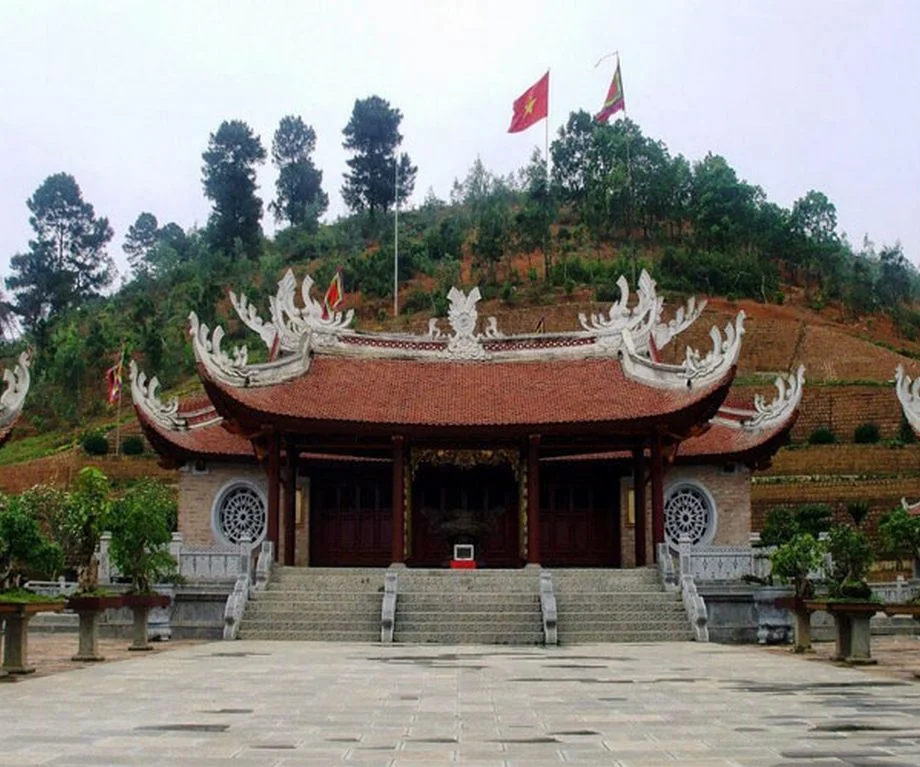
To enjoy a seamless getaway and take in the full beauty of Thuong Temple without worrying about transportation, ticket bookings, or itinerary planning, travelers can opt for VDS Travel’s premier all-inclusive Hanoi tour packages. Every itinerary is thoughtfully timed for photo check-ins when the scenery is at its most radiant, accompanied by knowledgeable local guides and top-tier hotel and dining standards.