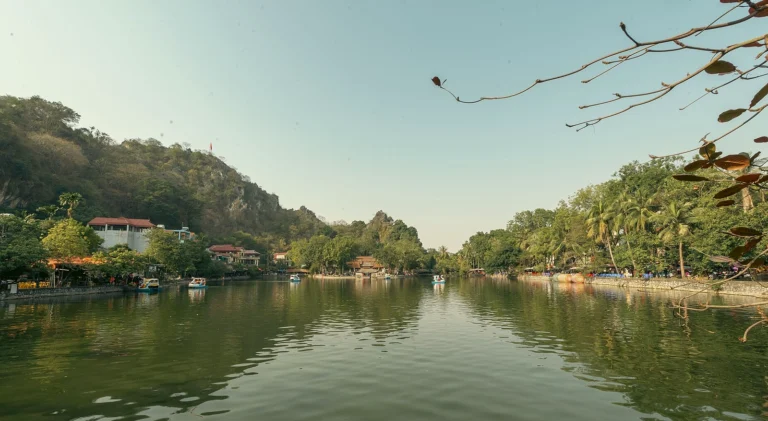
Nestled amidst sacred mountains and emerald waters, far removed from the hustle and bustle of urban life, Bo Da Pagoda—also known by the majestic titles Bo Da Son or Tu An Tu—stands as a Buddhist architectural masterpiece deeply etched with the passage of time. Contrary to common misconceptions in commercial tourism that place the relic in the capital, historical and cultural studies have accurately pinpointed its true geographical location: the pagoda sits atop the majestic Phuong Hoang mountain range in Tien Son commune, Viet Yen district, Bac Giang province. Its setting resembles a magnificent natural landscape where heaven and earth converge, gathering the spiritual essence of centuries of Vietnamese cultural heritage.
From a geomantic and geological perspective, the Phuong Hoang mountain range possesses an auspicious “coiling dragon and crouching tiger” terrain, with its back firmly anchored against steep mountain cliffs and its front facing lush green valleys and winding waterways. From time immemorial, nature bestowed upon the Bo Da region an untamed, tranquil, yet undeniably majestic beauty. That serene seclusion transformed this area in the 11th and 12th centuries, during the Ly–Tran dynasties, into one of the major Buddhist centers of the Truc Lam Yen Tu Zen sect. Originally, this sacred sanctuary consisted only of small thatched hermitages tucked away in the deep forest, where eminent monks took refuge to practice asceticism, meditate, and propagate the Dharma, laying the very first cornerstones for a spiritual foundation that would endure across centuries.
Through the shifting tides of history, the appearance of Tu An Tu underwent profound transformations across Vietnam’s feudal dynasties. The most pivotal turning point occurred during the Revival Le Dynasty (around the 18th century, under the reign of Emperor Le Du Tong), when the complex was replanned and constructed on a grand scale. This monumental achievement belongs to Zen Master Pham Cong Danh—an enlightened high monk and founding patriarch who dedicated his heart and soul to fundraising, restoring, and expanding the meditation grounds. Under his masterful craftsmanship and vision, the pagoda’s architecture took shape in the distinctive “inner Cong, outer Quoc” (noi cong ngoai quoc) layout. During the Nguyen Dynasty, imperial monarchs continued bestowing royal patronage and undertaking major renovations, adding the stupa garden, monks’ quarters, and completing the remarkable rammed-earth walls.
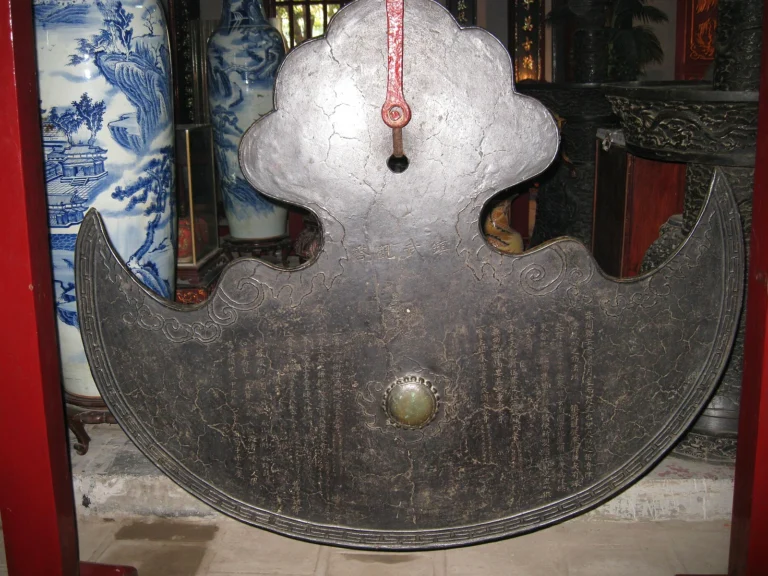
Beyond its architectural and geomantic value, Bo Da Pagoda also preserves priceless legends alongside tangible and intangible heritage treasures. The site still houses the preserved physical remains (whole-body relics) of successive patriarchs of the Linji (Lam Te) Zen lineage—vivid testimony to pinnacle meditative attainment and traditional mummification techniques in Vietnamese Mahayana Buddhism. Alongside these stand nearly 30 ancient stone steles dating from the Le to the Nguyen dynasties, meticulously chronicling the rise and evolution of the relic. All of these elements harmonize with the solemn, secluded setting to form a peerless spiritual coordinate—a sacred Buddhist realm that has captivated generations of travelers and heritage scholars alike.
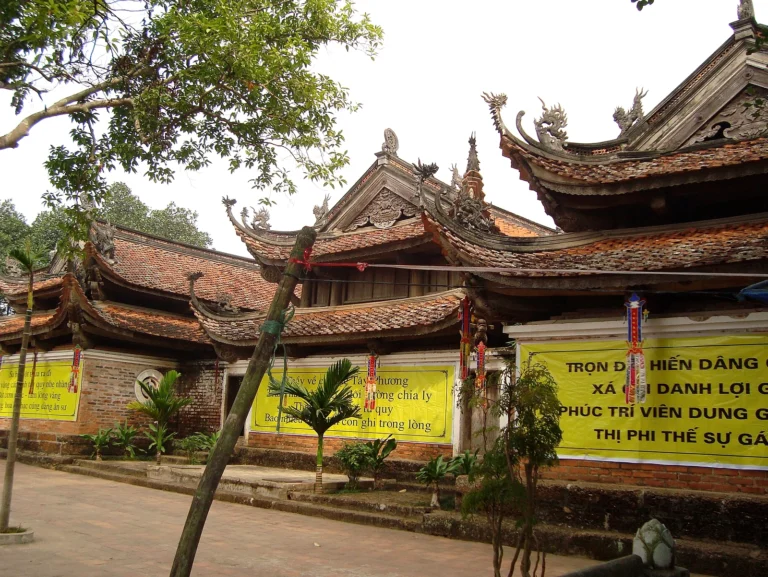
Perched on the slopes of the sacred Phuong Hoang mountain range, Bo Da Pagoda (or Tu An Tu) rises as an ancient architectural masterpiece, exquisitely uniting nature’s grandeur with the skillful hands of artisans from centuries past. The pagoda’s geomantic setting is exceptionally auspicious, nestled beside sturdy cliffs and gazing out over a lush green valley in an expansive, secluded, and deeply meditative Zen atmosphere. Completely distinct from conventional pagodas, Bo Da embodies an intricate and unique “inner Cong, outer Quoc” architectural style that conceals a strict, solemn spatial order. Every architectural detail—from the moss-covered yin-yang tiled roofs and delicately carved ironwood pillars and rafters to the thick rammed-earth walls bearing strong indigenous imprints—evokes a timeless beauty.
The centerpiece that defines the renown and majesty of the complex is its network of corridors, courtyards, and especially the largest stupa garden in Vietnam—the final resting place of enlightened high monks. Neat rows of ancient stupas blanketed in moss beneath the shade of centuries-old trees create a mystical depth of history. To capture this nostalgic and sacred beauty in full, professional photographers and travel journalists frequently share must-visit “million-view” camera angles. The first is the pathway running alongside the one-of-a-kind rammed-earth walls; the ideal time is early morning when thin mist still lingers along the path and dawn sunlight filters through the foliage, casting warm golden streaks that contrast strikingly against the muted tones of earth, stone, and time.
The second prized camera angle is the ancient stupa garden at sunset. As twilight descends, bathing the moss-draped stupa spires in a mysterious reddish-orange glow, the space becomes deeply tranquil, sacred, and cinematic. Standing from this vantage point, your lens can capture the contemplative beauty of traditional Buddhist architecture blending harmoniously with the untamed wilderness of the Phuong Hoang mountains. Additionally, the courtyards of the ancestral halls and ancient Bat Trang brick-paved yards offer countless artistic check-in spots where visitors can admire authentic heritage while capturing frames steeped in the soul of traditional Vietnamese culture.
Stepping onto the grounds of Bo Da Pagoda, every traveler’s journey becomes far more than a simple sightseeing excursion—it is an authentic immersion into a sacred spiritual realm and magnificent natural landscape. From your very first steps ascending the Phuong Hoang mountain range, your breathing falls in rhythm with the distant chime of temple bells echoing through the clouds. The winding trail up the mountain curves beneath the shade of ancient pine canopies, carrying the subtle fragrance of earth, sky, and meditative incense. The higher you climb, the more urban fatigue melts away, replaced by quiet anticipation as an ancient, moss-covered architectural complex gradually emerges in serene stillness amidst the deep green forest.
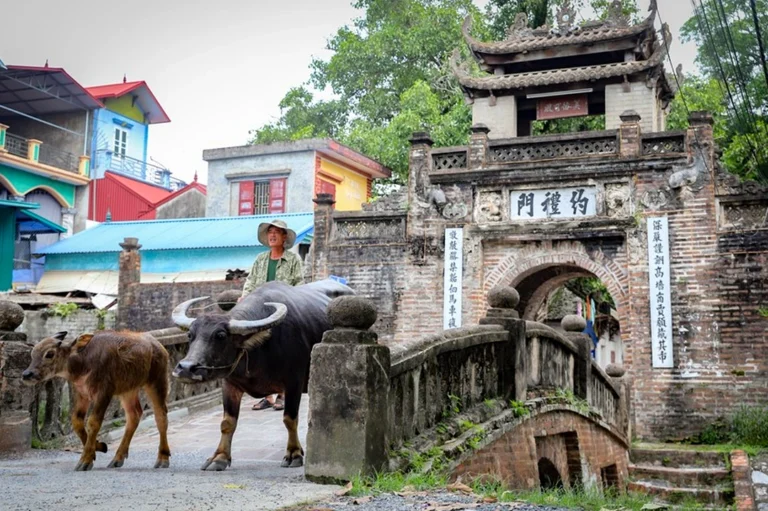
Climbing past moss-grown stone steps, visitors are truly awestruck upon entering the expansive grounds shaped by Bo Da Pagoda’s signature “inner Cong, outer Quoc” architecture. Passing through the distinctive rammed-earth walls—a rare hallmark of this region—feels like stepping into another dimension where time has stood still for centuries. A profound sense of calm fills the soul as you pay sincere homage before the solemn Buddha hall, admire the layered, weathered yin-yang tiled roofs, or visit the ancient stupa garden housing the preserved remains of Zen patriarchs. The absolute tranquility here lightens the heart, letting everyday worries and pressures drift away with the curling wisps of incense smoke.
Standing at the highest vantage point of this ancient temple and gazing outward, a breathtaking natural panorama of Bac Giang unfolds across village bamboo groves and endless green fields. The open, windswept air and picturesque mountain-and-water scenery evoke indescribable emotions—both pride in the beauty of the homeland and reverence before a profound spiritual heritage. Above all, exploring Bo Da Pagoda would be incomplete without savoring local cultural traditions and renowned Kinh Bac culinary specialties. Resting on the veranda of the ancestral hall, sipping fragrant green tea infused with mountain air, nibbling on warm banh deo or steamed banh gio alongside the rich, savory flavor of traditional Chu noodles awakens every sense completely. This seamless blend of gentle hiking, spiritual devotion, and rustic cuisine transforms a trip to Bo Da Pagoda into an invaluable memory, leaving every visitor with deeply moving, unforgettable impressions.
To ensure your pilgrimage and exploration of this millennium-old pagoda go smoothly, equipping yourself with practical details on opening hours, transportation, and cultural etiquette is essential. Bo Da Pagoda welcomes visitors and Buddhist pilgrims from all directions every day of the week, typically from 6:00 AM in the early morning until around 6:00 PM in the evening, allowing guests ample flexibility to offer incense, enjoy the scenery, and explore its unique architecture.
Regarding admission fees, the relic management board currently charges no entrance fee for visitors coming to tour and worship at Bo Da Pagoda. This free-admission policy helps preserve the pure, serene atmosphere of an authentic Zen sanctuary, welcoming scholars, Buddhists, and travelers from near and far to discover its historical, cultural, and traditional Buddhist architectural significance.
The route from central Hanoi or Bac Giang city to Bo Da Pagoda has become remarkably convenient thanks to well-developed road networks. Departing from Hanoi, you can travel via Nhat Tan Bridge or Thang Long Bridge along provincial roads and national highways toward Viet Yen district, Bac Giang province. Spanning just over forty kilometers, the journey is ideal for a day trip by motorbike, private car, or public bus. Upon arriving at the foot of Phuong Hoang Mountain, visitors can easily park at neatly organized lots and enjoy a gentle, leisurely walk up the hillside path to reach the pagoda gate.
The most ideal time of year to visit Bo Da Pagoda is in spring, from the first to the third lunar month, when the weather is cool and dry and vibrant traditional spiritual festivals take place. Autumn is also a wonderful season for sightseeing, as the Phuong Hoang mountain forest settles into a quiet, timeless beauty ideal for artistic photography and historical exploration.
Because Bo Da Pagoda is a sacred site rich in Buddhist heritage set on hilly terrain, visitors should dress neatly and modestly, favoring long pants or skirts appropriate for a place of worship. Wear sneakers or footwear with good traction, as the expansive grounds include numerous stone steps, the ancient stupa garden, and hillside trails. Please help maintain cleanliness, refrain from touching antiques, woodblocks, or stone steles, and strictly follow regulations set by the management board to safeguard this heritage intact for future generations.

To enjoy a complete getaway and fully admire the beauty of Bo Da Pagoda without worrying about arranging transportation, booking sightseeing tickets, or planning transit schedules, travelers can choose premium all-inclusive Hanoi tour packages by VDS Travel. Each itinerary is thoughtfully designed to optimize check-in times when the scenery is at its most radiant, accompanied by knowledgeable guides deeply versed in local culture alongside top-tier hotel and dining service standards.