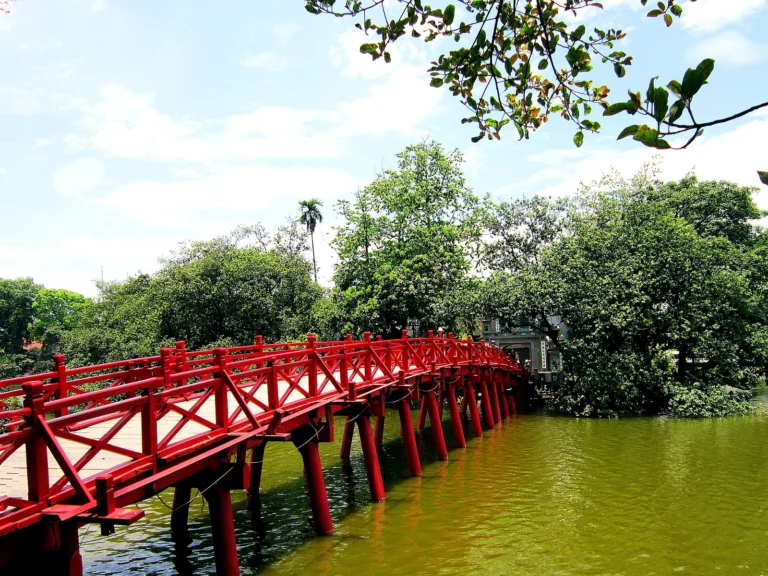
Nestled within the thousand-year-old cultural wellspring of the Capital, the land of Tu Le emerges as a unique geographical coordinate where natural splendor converges with the profound depths of Vietnamese cultural history. Viewed through the lens of historical toponymy and spatial archaeology, this landmark occupies a distinct strategic position along the threshold where the urban core meets Hanoi’s pristine natural ecological belt. Its topography bears the unmistakable imprint of traditional feng shui in a “coiled dragon and crouching tiger” formation, cradled by rolling mountain ranges stretching from the northwest and interwoven by lifegiving waterways, forming a fertile basin where spiritual energy gathers and generates abundant vitality across centuries of nation-building and defense.
Looking into its historical origins and etymology, Tu Le is far more than a poetic title bestowed by learned scholars during the Revival Le or Nguyen dynasties; it is also an institutional symbol of centuries-long land reclamation and cultural accumulation. According to studies by the Vietnam Institute of Cultural Heritage and History, from the era of the Hung Kings through the Ly, Tran, and Le dynasties into the era of independence, this land witnessed subtle shifts in human settlement—evolving from coarse pottery shards and stone tools left by ancient Vietnamese inhabitants of the Dong Son culture to the royal manors and fiefdoms of the Tran nobility. The name Tu Le embodies both the refined, radiant beauty of the natural landscape and the moral integrity of its local communities, attesting to the historical process of spatial Vietnamization and the integration of indigenous belief systems into the national pantheon.
Through the vicissitudes of history, as chronicled in official imperial annals such as *Dai Nam Thuc Luc* and *Dai Nam Nhat Thong Chi*, Tu Le has preserved its priceless geological and ecological heritage intact. Heritage authorities and cultural journalists frequently describe it as a “living museum” of cultural anthropology, where traditional Vietnamese village values continue to flow quietly through contemporary life. From terraced rice paddies curving like rose-silk ribbons across mountainsides to hidden archaeological strata beneath the soil, Tu Le (Hanoi) affirms not only the enduring vitality of a one-of-a-kind heritage site, but also its role as a sacred bridge linking a glorious past with the sustainable future of the thousand-year-old Capital.

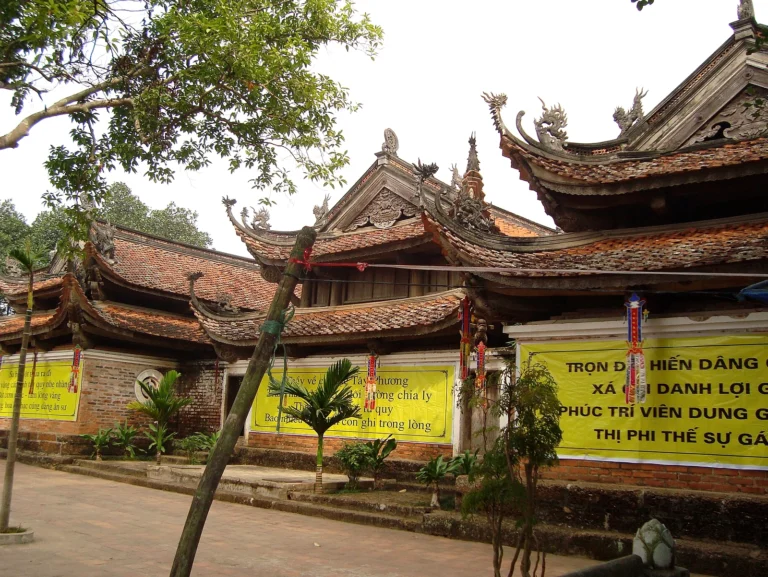
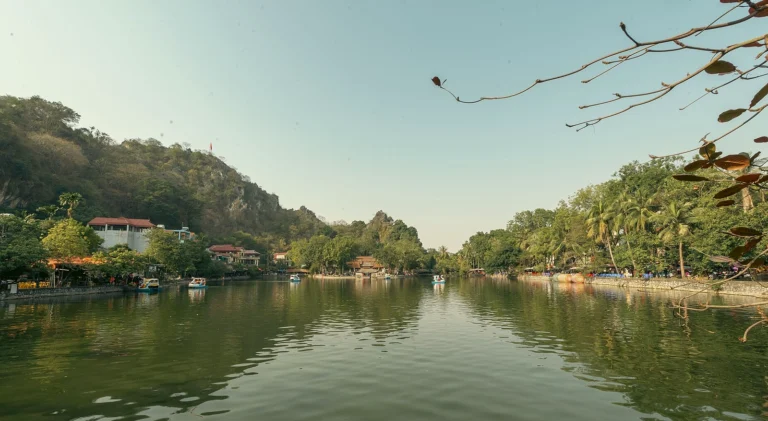
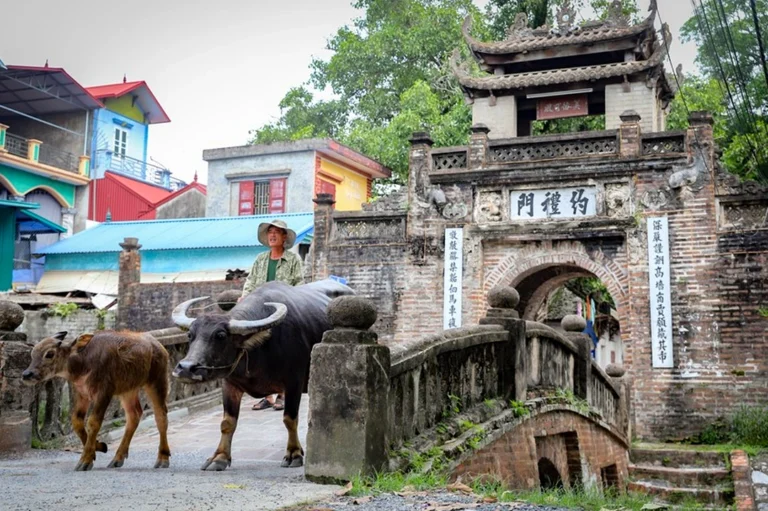
Situated amidst the urban expanse and natural buffer zone of the Capital, the Tu Le historical relic and scenic complex unfolds as a landscape masterpiece sculpted by nature in harmony with the creative labor of countless past generations. Its terrain takes on a “coiled dragon and crouching tiger” posture, resting against undulating bowl-shaped hills overlooking water-gathering basins to generate an aura that is both imposing and deeply serene. Viewed from above, the landscape weaves rugged natural topography seamlessly into traditional architecture planned according to Eastern feng shui principles. Ancient communal halls, shrines, and winding village lanes reflect an aesthetic sensibility intimately attuned to the local ecosystem, creating an ensemble that feels both stately and warmly imbued with rural soul.
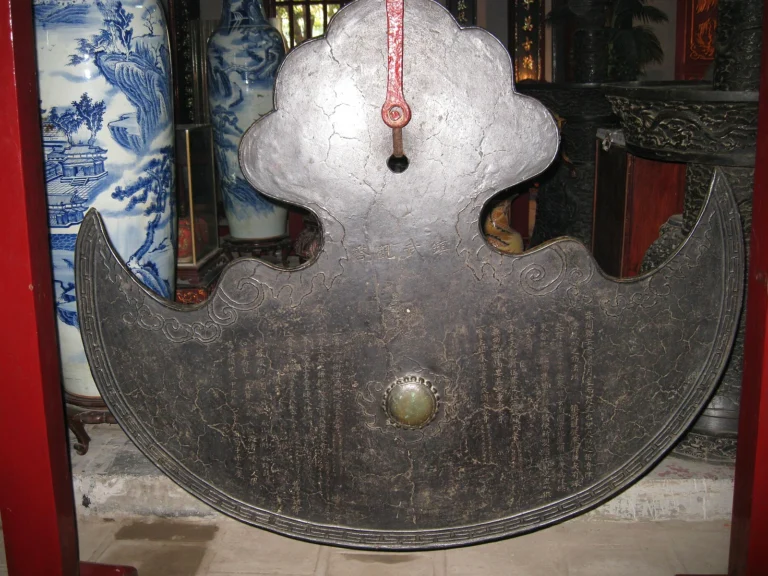
Looking closely at the architectural details, the relics and cultural spaces of Tu Le bear witness to sophisticated construction techniques and intricate craftsmanship across historical periods. Sweeping dragon-tail communal roofs and trusses carved with the Four Sacred Beasts and Four Seasons—executed through masterful openwork and high-relief carving techniques—showcase the artistry of Le–Nguyen folk artisans. The ironwood structural elements, decorative panels, and crossbeams are coated in time-mellowed vermilion lacquer and gold leaf, preserving delicate engravings of dragons, phoenixes, blossoms, and swirling clouds. This space holds far more than material value; it serves as a spiritual repository reflecting humanity’s heartfelt bond with heaven, earth, mountains, and rivers.
To capture the full grandeur and poetic charm of Tu Le, professional photographers and travel journalists consistently favor two “million-view” camera vantage points. The first photo spot sits atop the highest hill overlooking the water-gathering valley, best visited at dawn when morning mist still drifts lazily over ancient tree canopies and moss-clad tiled roofs. As the first sunbeams pierce the thin veil of fog and illuminate historic architectural contours, they create an ethereal, epic tableau. The second acclaimed angle runs along the pathways bordering historic ponds and terraced fields, where sunset bathes the entire landscape in crimson light. Warm amber-orange hues of the setting sun blend with weathered brick tones and quiet stillness to form a breathtaking natural scene that leaves every visitor in awe of this sacred land’s timeless beauty.

Stepping into Tu Le, travelers not only touch pages of a thousand-year-old heroic history, but also immerse themselves in breathtaking nature and vibrant local culture. The real-world journey begins along challenging yet rewarding mountain trails. Ascending winding slopes and weaving past terraced rice paddies hugging the hillsides, you feel the unmistakable pulse of Northwest nature right in the heart of the Capital. Every footstep immerses you in the earthy fragrance of young rice and the whisper of mountain breezes rustling through primeval forest leaves, awakening every sense after the hustle of urban life.
Leaving the mountain trails behind, the journey continues aboard rustic wooden boats gliding smoothly across the clear, tranquil waters of natural lakes and streams encircling the ancient land. Seen from the water, Tu Le’s historic landscape appears dreamy and poetic. Shady groves of ancient trees and moss-covered communal roofs glimpsed through early morning mist create a contemplative, sublime tableau. It is also an ideal moment to pause and turn inward, visiting sacred spiritual shrines to pay quiet tribute before time-honored relics safeguarding the cultural soul of forebears.
The peak of awe arrives when standing at the highest vantage point of the complex and gazing out across the panoramic expanse of Tu Le stretching to the horizon. Taking in the harmonious sweep of rolling hills, lush green valleys, and peaceful stilt houses with wisps of hearth smoke rising into the air, a fleeting sense of smallness before grand nature quickly gives way to deep emotion—a quiet pride in the remarkable layers of history cultivated upon this land.
No journey here is complete without savoring the celebrated local specialties rooted in indigenous culinary tradition. The fragrant, chewy delicacy of world-renowned Tu Le young green rice flakes (*com*), rich grilled meat seasoned with *mac khen* forest pepper, and warming cups of ethnic leaf-fermented liquor linger fondly with every traveler who visits. Together, scenery, history, and flavor unite into a seamless sensory experience, turning the trip into an indelible memory etched forever in the hearts of travelers from afar.

To ensure a smooth and rewarding exploration of Tu Le’s historical, cultural, and natural spaces, equipping yourself with practical travel details is essential. Unlike commercialized attractions behind ticketed gates, the Tu Le relic and scenic area welcomes the public freely year-round with no admission fee. Visitors may arrive at any time of day, though the ideal hours for sightseeing, photography, and learning about local cultural heritage are from early morning until sunset (6:00 AM to 6:00 PM daily) to enjoy optimal natural lighting and safe travel conditions.
Regarding transportation and routes, departing from central Hanoi, travelers can reach the area by motorbike, private car, or sleeper coach. The most convenient route follows Thang Long Boulevard or connecting national highways linking with ring roads heading toward the western side of the city. Today’s road network is well-integrated and smoothly paved, allowing comfortable transit for all vehicle types. For travelers who enjoy motorbike touring, riding along winding hillside roads offers an exhilarating experience—just be sure to check brakes and tires carefully and maintain safe speeds along steep, curving sections.
The best times of year to visit Tu Le coincide with the golden rice harvest season (around September to October annually), when terraced fields glow in brilliant shades of gold, or the water-pouring season (around May to June), when flooded paddies shimmer like giant mirrors reflecting clouds and sky. Additionally, when visiting spiritual sanctuaries, temples, or traditional community spaces, guests should dress neatly and modestly in breathable clothing paired with high-traction athletic shoes suited for climbing natural hilly terrain.
Finally, to preserve the pristine beauty and solemnity of this historical space, every visitor should practice responsible environmental care—never littering and always respecting the customs and traditions of local ethnic communities. Thoughtful preparation combining historical appreciation with practical awareness will make your journey to Tu Le deeply meaningful and memorable at every turn.

To enjoy a seamless getaway and admire the full beauty of Tu Le without worrying about arranging transportation, booking admission tickets, or planning itineraries, travelers can choose VDS Travel’s premium all-inclusive Hanoi tour packages. Each tour is thoughtfully designed to optimize photo opportunities when the scenery is at its finest, accompanied by knowledgeable local guides well-versed in regional culture and top-tier hotel and dining standards.