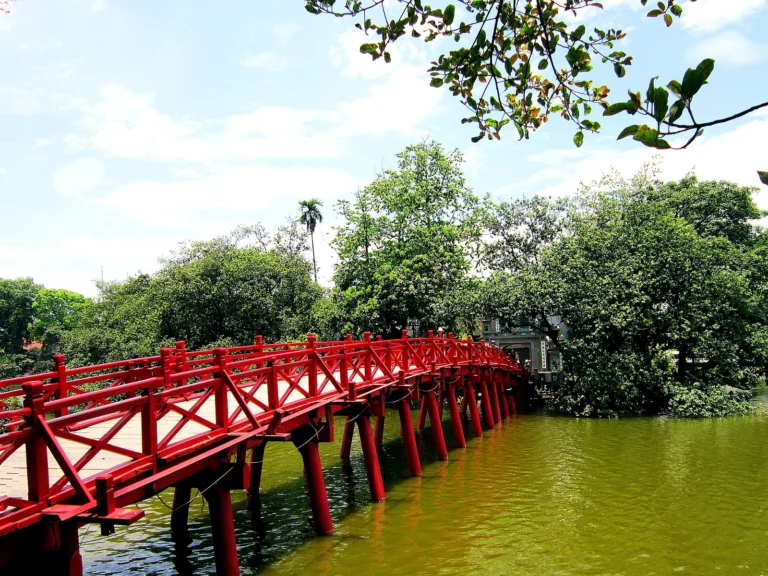
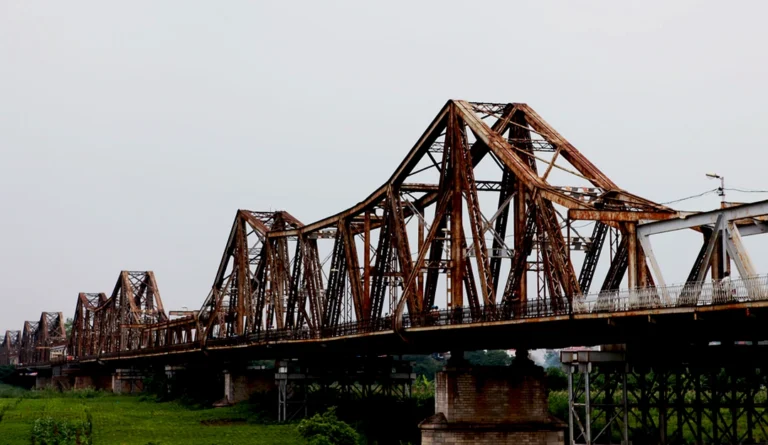
Tucked deep within the rugged tectonic belt of the Da River arc system, the Tram Tau hot springs complex emerges as a pure geological wonder, precisely positioned under a scientific lens at latitude 21°25’N and longitude 104°28’E. Viewed through the broader historical and administrative geography—and the ancient cadastral shifts—of Xu Doai, this landmark is closely tied to the indigenous cultural currents bordering the Northwest region and the western frontier of greater Hanoi. Far more than a contemporary wellness retreat, it is a millennia-old geological heritage space where nature has entrusted deep cultural strata of the Thai and H’Mong peoples across generations of living alongside and protecting the forests.
From a feng shui perspective, Tram Tau boasts an auspicious “coiling dragon and crouching tiger” layout that embodies the finest principles of natural landscape architecture. Behind the complex rises a sturdy “mountain-backed” formation of towering peaks exceeding 2,000 meters into the clouds, acting as a solid screen shielding the valley from biting northern winds. In front lies a “water-facing” orientation where natural hot springs bubble and steam year-round, winding through basin valleys to form a “water-gathering bright hall” brimming with vital energy. The delicate interplay between deep fault basins beneath the Earth’s crust and high-altitude primeval forest ecosystems has forged a rare geothermal “dragon’s nest,” where the primal energy of heaven and earth has been nurtured and distilled over tens of thousands of years.
According to Han-Nom historical records and chronicles preserved in local lore, the name Tram Tau is linked to the footsteps of early pioneers who cleared land and established villages, where chieftains and generations of Black Thai people kept warm through freezing winters with miraculous mineral waters drawn straight from Mother Nature. Through the historical vicissitudes of Xu Doai and the Northwest highlands, this land served as a vital stop along major trade routes, bearing witness to the migration, settlement, and cultural convergence of ethnic communities. In field studies and research archives of the Vietnam Institute of Cultural Heritage and History, Tram Tau hot springs are respectfully recognized as a valuable historical heritage site where an illustrious past and a tranquil present seamlessly intertwine.
The singular value of this natural heritage is further confirmed through meticulous scientific analyses conducted by geological survey teams. The mineral water surfaces here at an ideal temperature between 43°C and 55°C, maintaining a mildly alkaline pH (6.8–7.2) that is exceptionally gentle on human skin. Its chemical composition consists primarily of sodium bicarbonate, high silica content, and dissolved ionic trace minerals—completely free of heavy sulfur odor—fully meeting the standards of premium temperate therapeutic mineral springs. Travel journalists and heritage authorities have repeatedly hailed Tram Tau as a “hidden gem” amid the vast wilderness, uniting geological science, human ecology, and Vietnam’s potential for sustainable heritage tourism.
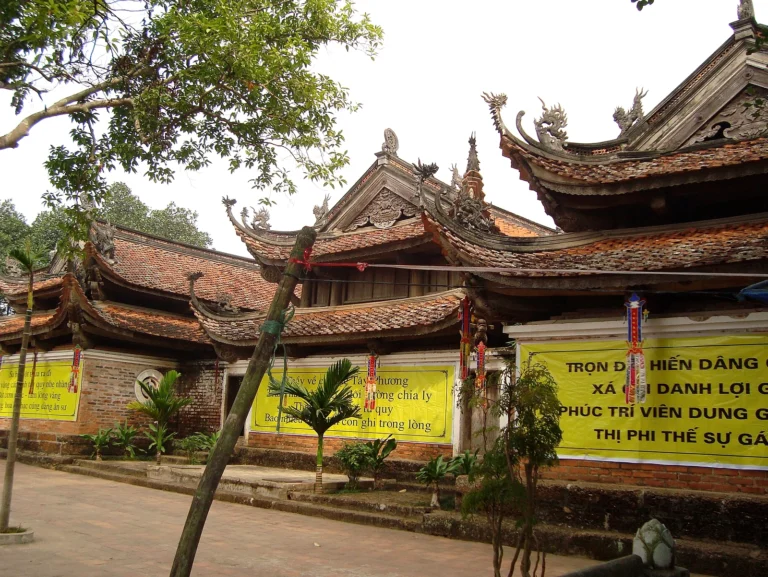
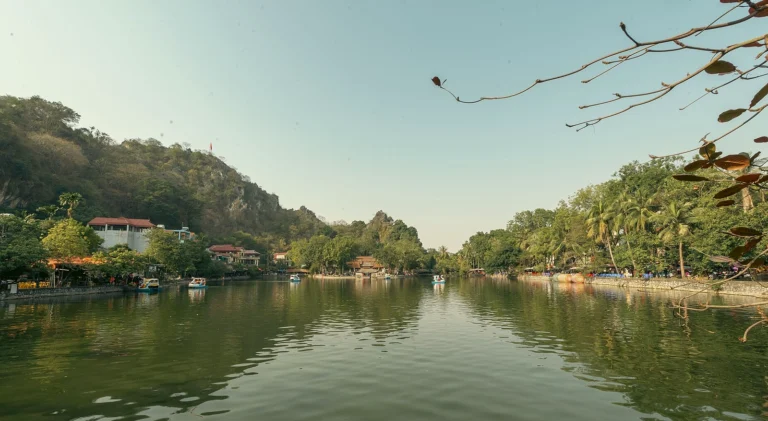
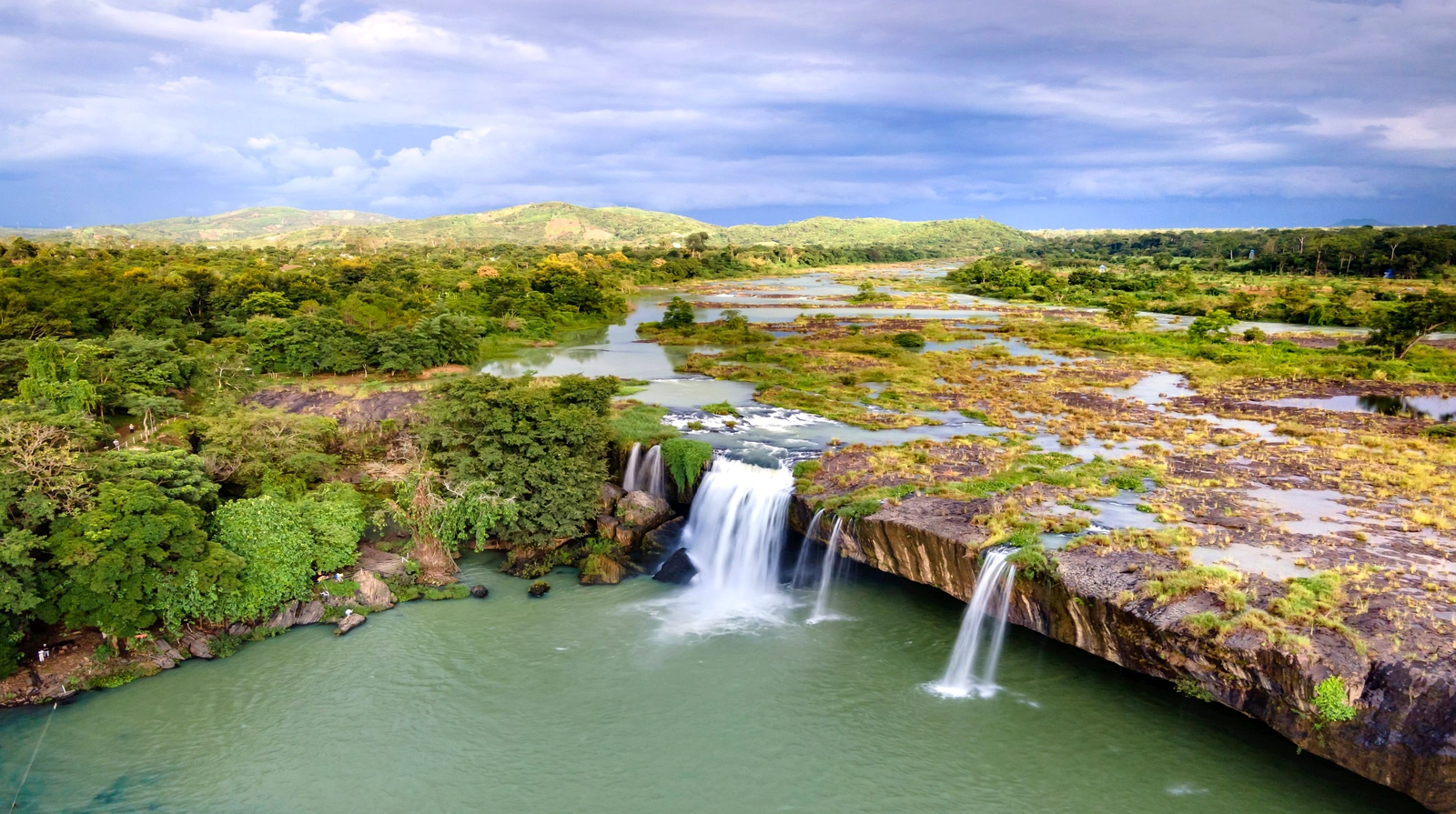
Hidden amid the majestic Northwest mountains, the Tram Tau hot springs complex stands as a scenic masterpiece bestowed by nature upon greater Xu Doai. Its beauty lies in the seamless harmony between the dramatic terrain of high-altitude primeval forests and the gentle, soothing flow of natural geothermal waters. Seen from above, the architectural and natural ensemble opens into an expansive panorama where terraced rice fields curve gracefully around open-air mineral pools, creating an unspoiled yet deeply poetic landscape.
Architecture here is planned according to a “nature-first” philosophy, optimizing every sightline so guests can attain complete inner stillness. Infinity pools and hot mineral soaking basins are terraced along the mountainside using eco-friendly materials such as local natural stone, precious timber, and bamboo. Every architectural line respects the existing contours of the terrain rather than disrupting the landscape—acting instead as a refined accent that illuminates the misty valley. Wisps of steam rising steadily from hot mineral springs mingle with thin mountain clouds drifting mid-slope, painting a dreamlike scene of breathtaking grandeur.
To capture the full magic of art and nature in harmony, photographers and travel journalists frequently highlight three unmissable “million-view” photo spots. The first sits at the infinity soaking pool right along the valley edge, where the lens can frame mirror-still mineral water reflecting cloud-filled skies and cascading terraced fields below. The second follows natural stone steps winding beneath native flowering trellises, adding nostalgic depth and romance to portrait shots. The third is found at elevated vantage points facing the western side of the valley.
For ideal lighting, sunrise (between 5:30 and 6:30 AM) is when Tram Tau looks its most radiant and ethereal. As the first rays of morning pierce thick mist and strike the steam rising off the mineral pools, they create a dazzling, golden-hued optical effect. Meanwhile, sunset (from 5:00 to 6:00 PM) brings a warmer, more romantic palette as twilight paints the 2,000-meter peaks crimson and reflects across the steaming waters—bringing a day of visual wonder to an unforgettable close.
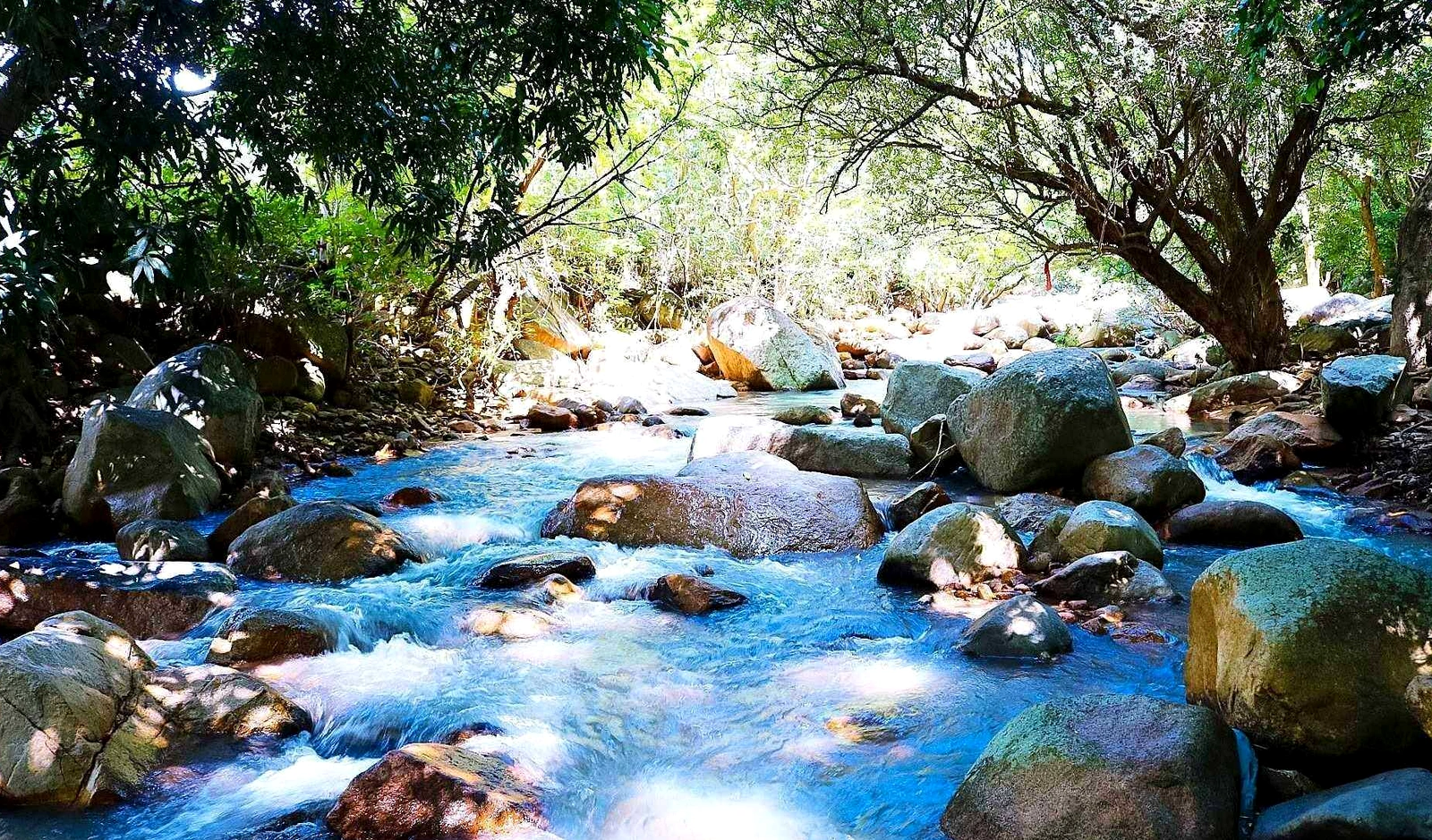
As dawn’s first rays pierce the veil of mist blanketing the valley, exploring Tram Tau begins with a challenging yet deeply rewarding adventure: conquering winding mountain trails hugging undulating slopes. Stepping along gentle footpaths, travelers not only breathe in the crisp, pure air of the Northwest mountains, but also take in sweeping, awe-inspiring scenery. Sheer mountain peaks rise proudly to embrace the clouds, while golden terraced rice fields during harvest season drape across hillsides like flowing silk ribbons. Any fatigue from the long journey melts away, replaced by sheer exhilaration upon reaching the summit and gazing out over the Tram Tau valley unfolding like an earthly paradise where sky and earth merge into one.
Stepping off shaded forest trails, the journey continues into a sacred spiritual space nestled among the clouds. The soft chime of wind bells in the mountain breeze and solemn incense smoke drifting from ancient stream-side shrines evoke a remarkably deep sense of calm. In this sacred haven amid raw, generous nature, the soul grows light and everyday worries are washed clean. Standing before boundless skies and mountains, every traveler feels a profound surge of emotion and reverence toward ancestral roots, grateful for the enduring cultural wellsprings preserved by generations of Thai and H’Mong communities through the tides of history.
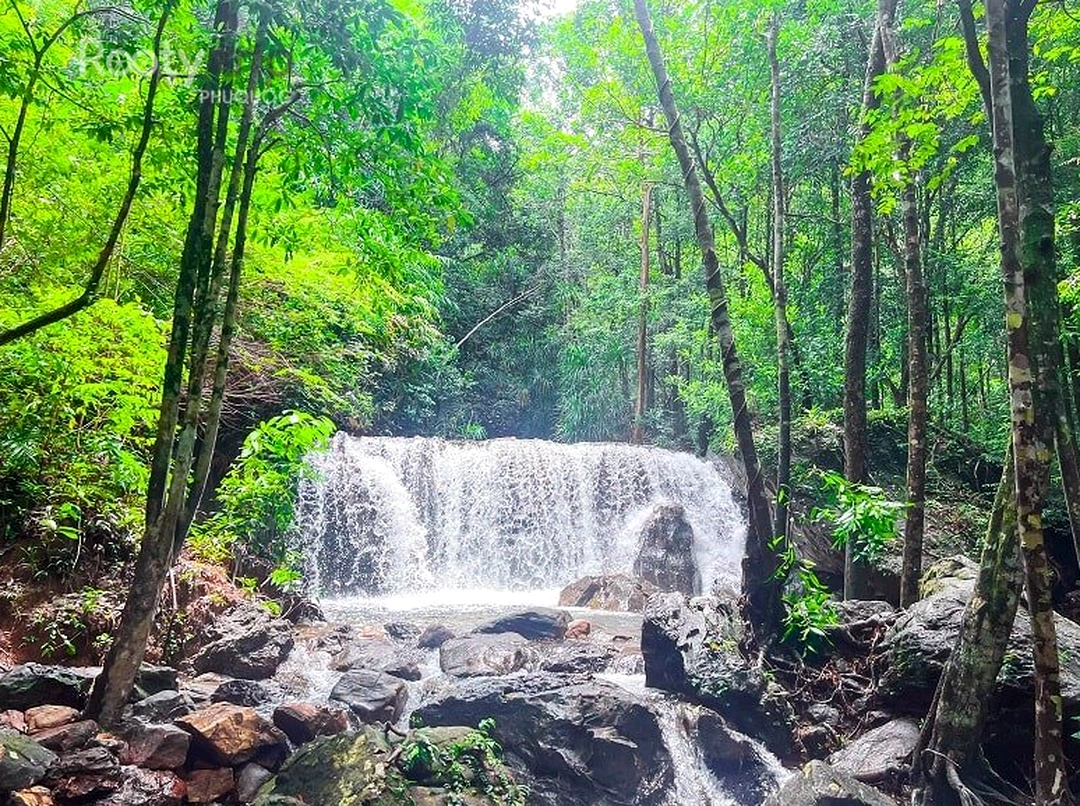
The ultimate restorative stop after hours of trekking is the natural open-air hot springs complex. Submerging into steaming warm water rising from deep within the earth at an ideal 43°C to 55°C immediately soothes tight, tired muscles. Fatigue gives way to pure natural energy seeping deep into the body, inducing complete relaxation. Soaking in the hot mineral waters while watching clear spring streams babble past lush green fern banks, travelers slip into timeless tranquility, savoring total harmony between humanity and untouched wilderness.
A vibrant exploration of local culture in Tram Tau would be incomplete without indulging in flavorful highland cuisine. Around the hot springs, enticing aromas of traditional dishes waft from ethnic stilt houses as if beckoning travelers inside. Guests can savor fragrant sticky upland rice paired with smoky wood-cured buffalo meat, grilled stream fish seasoned with aromatic mac khen pepper and hat doi seeds, or sip warm corn wine beside a flickering hearth. Every dish represents not only fresh mountain ingredients, but also the genuine warmth, simplicity, and hospitality of local people—leaving lingering flavors and memories that stay with every visitor long after departing Tram Tau.
To ensure a smooth and fulfilling exploration of the Tram Tau hot springs complex, travelers should keep in mind practical tips gathered from on-site field surveys. Regarding the best time of year to visit, the period from the twelfth lunar month through the third lunar month of the following year brings the crispest mountain chill—ideal for soaking in steaming waters while admiring drifting mountain mist and terraced fields during the water-pouring season or lush green growth. Meanwhile, the golden rice harvest season from September to October offers an equally breathtaking natural spectacle not to be missed.
The hot springs area typically welcomes visitors from early morning until late evening every day of the week, offering maximum flexibility for your itinerary. Posted mineral bathing ticket prices are very reasonable and suit every type of traveler, from solo backpackers to families—generally ranging from several tens of thousands to just over one hundred thousand VND per session, depending on whether you choose communal spring pools or private infinity pools overlooking the valley.
As for travel routes from central Hanoi, the best way to tackle the Northwest terrain is by high-clearance SUV or private motorbike following the highway through Son Tay Town, crossing Khau Pha Pass or taking the route via Van Chan to reach central Tram Tau District. The route features numerous winding mountain passes and steep grades, requiring confident driving skills, steady speeds, and a thorough brake check before departure.
When visiting and experiencing these sacred mineral springs closely tied to indigenous ethnic communities, travelers should dress neatly and modestly when passing through local villages out of respect for local cultural beliefs. Be sure to pack modest swimwear in tasteful colors, a warm wrap or robe to put on right after stepping out of the water, and slip-resistant athletic shoes for walking safely across damp stone surfaces around the mineral springs.
To enjoy a seamless getaway and take in the full beauty of Tram Tau Hot Springs without worrying about transportation, sightseeing tickets, or itinerary planning, travelers can choose VDS Travel’s premium all-inclusive Hanoi tour packages. Every tour is thoughtfully timed to capture photo spots at their most radiant moments, accompanied by knowledgeable local guides and top-tier hotel and dining standards.