Situated at the westernmost reach of the thousand-year-old capital’s expanded cultural sphere, Khau Pha Pass rises like a majestic highland halo where the sky and earth of Thang Long – Hanoi converge with the deep, mystical energy of the Northwest wilderness. Located along a strategic transportation artery recorded in Nguyen dynasty chronicles and ancient capital maps, this mountain pass towers at a formidable altitude, embracing rolling frontier mountain ranges of old. The geomantic terrain of Khau Pha embodies every hallmark of a converging “dragon vein”: mountain ridges coiling like a dragon and crouching like a tiger, sheltering the lower Red River basin and forming an impregnable natural rampart guarding the western flank of the capital, where emperors and renowned generals once cast their strategic vision in defending and expanding the realm.
According to Han-Nom field documents and ancient cliff inscriptions preserved at the Institute of Sino-Nom Studies, the name “Khau Pha” originates from the ancient Thai language, carrying the sacred meaning “Horn of Heaven”—a lofty summit shrouded in mist year-round, straddling the border between the mortal realm and the world of deities. The allure of this landmark lies not merely in the sheer peril of its steep hairpin bends, but also in local legends of indigo-clad tribal chieftains who once stood shoulder to shoulder with the Le – Trinh royal court to pacify the frontier. Historical records note that since the Later Le period, when the court stationed military garrisons to guard the borderlands, Khau Pha served as a vital stopover for envoys and merchant caravans transporting rare mountain tributes—such as jade cinnamon, agarwood, and ivory—downstream to the royal citadel of Thang Long.
Through the lens of modern geology and heritage studies, researchers and journalists frequently acclaim Khau Pha as a living natural museum. It preserves rich archaeological strata containing stone tool artifacts of the ancient Viet – Muong peoples, bearing witness to millennia of cultural and commercial exchange. Across the shifts of geopolitical history—even as administrative boundaries evolved over different eras—the core value of Khau Pha Pass within Vietnam’s cultural heritage consciousness remains an irreplaceable landmark. It stands as a symbol of martial spirit and our ancestors’ resilience in conquering nature, as well as a priceless geological and scenic heritage worthy of preservation and celebration within the expanded cultural space of the thousand-year-old capital.

Draped high amidst the clouds of the Northwest, Khau Pha Pass emerges as a breathtaking geographical masterpiece woven by nature and the pioneering hands of our forebears. Viewed from above, the pass winds gracefully like a silver silk ribbon embracing steep mountain slopes, forming dramatic tiers with dozens of heart-stopping hairpin turns. The terrain bears a majestic geomantic presence, with overlapping mountain ranges gathering vital energy to shield an entire highland frontier. The roadway hugs sheer cliffs, while far below lie plunging abysses and deep valleys perpetually veiled in mist—creating an exquisite natural panorama that is both untamed and breathtakingly grand.
The defining feature elevating Khau Pha to peak aesthetic beauty is the sublime harmony between rugged topography and the cascading terraced rice fields preserved across generations by local ethnic communities. Winding across the slopes like intricate carvings, these terraces shift into enchanting hues with each passing season: shimmering like mirrors during the water-pouring planting season, glowing a brilliant golden yellow at harvest time, or draped in wisps of mist during chilly winter days. Indigenous agricultural artistry blends seamlessly with the natural landscape to form a living canvas, where every vantage point opens up vast, epic spatial depth.
To capture this magnificent splendor through the lens, photographers and travel journalists have long shared the most prized photo vantage points. The first unmissable spot is the summit area—home to the famous paragliding launch site—perched at an ideal altitude overlooking the entire Lim Mong Valley below. The best moment here is at sunrise (from 5:30 AM to 6:30 AM), when the first rays of dawn pierce through the billowy sea of clouds, gilding the hillsides in an ethereal glow straight out of a fairyland.
The second highly acclaimed camera angle sits along the winding hairpin bends on the western flank of the pass. The ideal time to capture this stunning tableau is during sunset (from 4:30 PM to 5:30 PM). At this hour, the harsh afternoon sun gives way to soft golden-amber light, casting long shadows across the rolling mountains and accentuating every dramatic curve of this historic route. Standing here and gazing out into the windy expanse of mountain clouds, travelers not only come away with jaw-dropping “million-view” frames, but also feel a profound sense of human humility before the timeless grandeur of the homeland.

Upon reaching the summit of Khau Pha Pass, the boundary between sky and earth seems to dissolve, overwhelming visitors with the sheer majesty of nature. From the very first steps of a trek conquering the steep slopes, wisps of delicate mist brush across your skin, carrying the crisp chill signature of the windswept highlands. Any fatigue from the long journey quickly vanishes, replaced by pure exhilaration as you gaze out over Lim Mong Valley peeking through a veil of clouds. Tier upon tier of terraced fields curve around the hillsides like giant staircases ascending to heaven’s gate, evoking memories of ancient trade routes and the enduring labor of generations along this vital artery linking the frontier to ancient Thang Long.
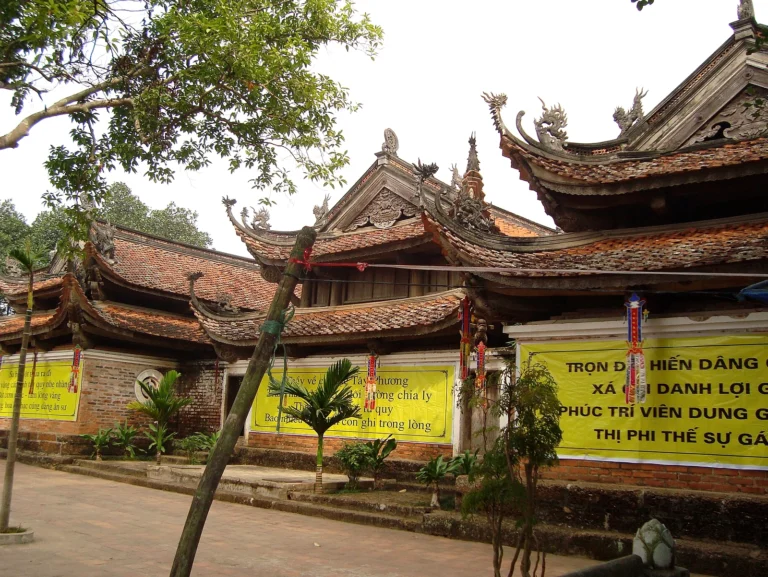
Exploring Khau Pha goes beyond the grandeur of mountains and forests, touching spiritual and cultural depths through sacred worship sites nestled amidst the clouds. Pausing at ancient temples and shrines atop the pass—grounds that once witnessed the footsteps of royal garrisons guarding the border—visitors seem to hear echoes of heroic history and unique spiritual convergence. Fragrant incense smoke drifts into the quiet mountain air, offering a moment of calm and reflection that deepens appreciation for our ancestors’ reverence toward sacred deities and magnificent nature.
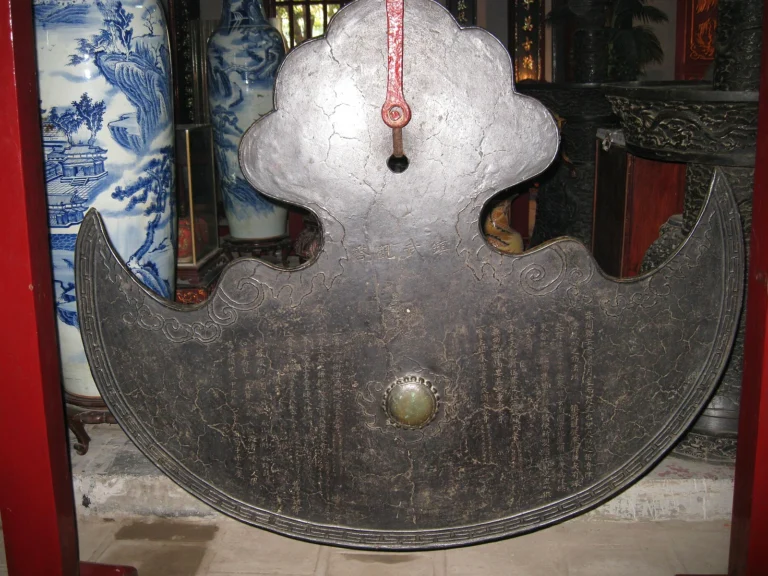
Stepping out of the sacred spiritual space, travelers continue immersing themselves in vibrant local culture through the daily rhythms of the Thai and Hmong ethnic communities. The lively melodies of bamboo panpipes calling to friends and the resonant chimes of gongs echoing from villages at the foot of the pass blend with the sight of young women dressed in vibrant brocade attire, creating an enchanting atmosphere. An unmissable highlight of the journey is savoring renowned highland specialties imbued with the soul of the mountains: fragrant sticky rice steamed from upland grains, rich smoked meats, aromatic grilled stream fish dipped in spicy cham cheo sauce, or a sip of warm corn wine in the brisk mountain air—awakening every sense and leaving an unforgettable impression of a land both untamed and deeply hospitable.

Khau Pha Pass is one of the most challenging and magnificent mountain routes in Northern Vietnam, drawing countless travelers eager to explore nature and uncover historical and cultural heritage. To ensure your journey conquering this “Horn of Heaven” is safe, rewarding, and memorable, keep in mind the practical tips compiled in the pocket guide below.
Regarding operating hours and fees, Khau Pha Pass is part of the national public highway network combined with a historical landmark, meaning it remains open 24/7 free of charge for locals and visitors to sightsee and admire the scenery. There are no toll booths or admission tickets required here, leaving travelers free to explore at their own pace. However, the ideal times of year to visit Khau Pha Pass are during the golden rice harvest season across the terraced fields, or during the dry months when clear skies and drifting clouds create an enchanting atmosphere ideal for photography and field exploration.
Regarding transportation and optimal routes, departing from downtown Hanoi, visitors can travel by private car, motorbike, or sleeper coach bound for the Northwest provinces. The best route follows Thang Long Boulevard or National Highway 32 up to Son Tay town, crossing Trung Ha Bridge toward Phu Tho and former Yen Bai before ascending the main national highway leading straight to the summit of the pass. Because the terrain features steep, winding inclines, dangerous hairpin curves, and frequent fog in the early morning or late evening, vehicles must undergo thorough mechanical checks—especially brakes and tires. Riders and drivers need steady control, with semi-automatic or manual motorbikes preferred for two-wheeled travel and experienced drivers recommended for cars.
Regarding attire and etiquette, as this is not only an adventurous road-trip route but also a space rich in heritage, history, and spiritual traditions of highland ethnic communities, visitors should wear neat, flexible clothing paired with sturdy sneakers or high-traction hiking shoes for walking along cliffs and viewpoints. Be sure to pack a warm jacket, as temperatures at the summit often drop low, along with a compact raincoat in case of sudden weather shifts. In particular, when stopping at villages at the foot of the pass or at spiritual heritage sites, dress modestly and politely, respect local customs, and refrain from littering to preserve the pristine environment and solemnity of this cultural and historical landscape.

To enjoy a complete getaway and admire the full beauty of Khau Pha Pass without worrying about arranging transportation, booking tickets, or planning itineraries, travelers can choose all-inclusive, premium Hanoi tour packages from VDS Travel. Each tour is designed to optimize photo check-in times when the scenery is at its most radiant, accompanied by knowledgeable local guides and top-tier hotel and dining standards.