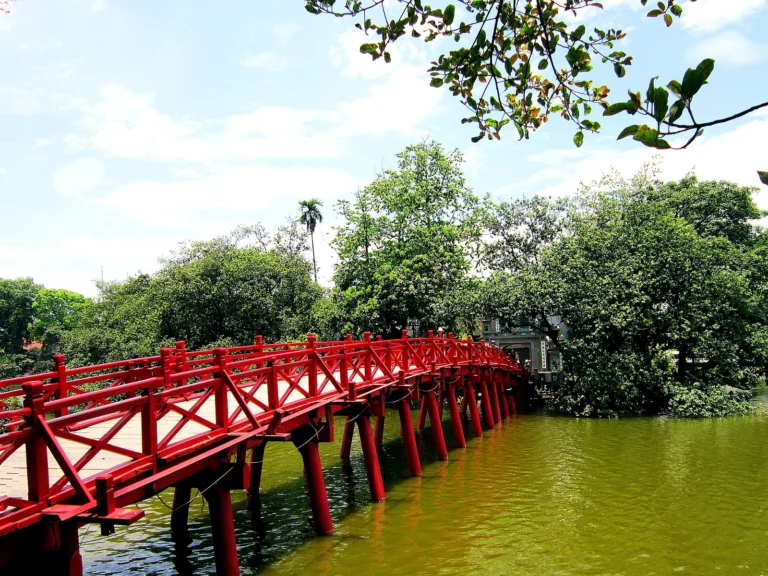
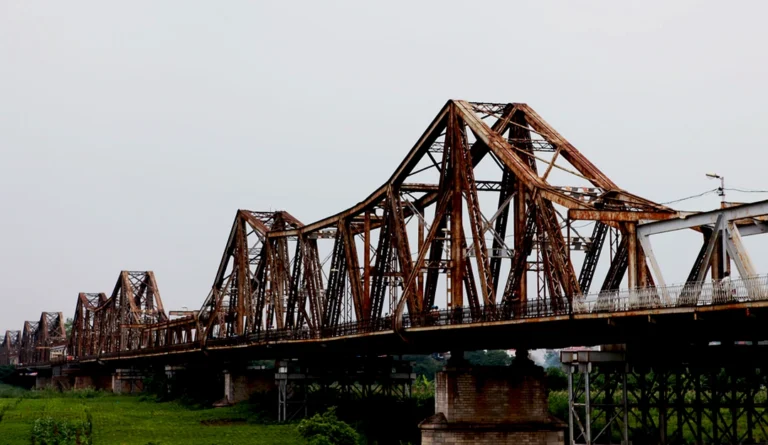
Located in a land of thousand-year-old culture, the Dien Bien Phu Victory Monument in Hanoi stands as a monumental sculptural testament, marking a glorious milestone in Vietnam’s military history during the Ho Chi Minh era. The structure holds an exclusive geographical position right at the intersection of the capital’s vital cultural and political spaces, where historical roots blend harmoniously with the rhythm of contemporary development. In terms of traditional feng shui terrain, the monument grounds enjoy the classic “coiling dragon and crouching tiger” geomantic formation characteristic of the Northern Delta, backed by historical depth with a system of longstanding revolutionary relics and facing the expansive space of the grand metropolis, creating an immensely powerful, solemn, and sacred cultural-historical energy field.
The origin of the monument’s name is closely tied to the “resounding across five continents, earth-shattering” victory on May 7, 1954. Although it is not an architectural relic from the feudal dynasties of Ly, Tran, Le, or Nguyen, this site embodies the full value of a modern-era monument representing the spirit of great national unity. The timeline of its construction and completion coincides with major national anniversaries, reflecting the dedication of the Party, the State, and the Vietnamese people in paying tribute to preceding generations while fulfilling the aspiration to preserve heroic memories for posterity. Historical records note that the monument is the culmination of the talent of leading sculptors in Vietnamese revolutionary fine arts, notably the late sculptor Nguyen Hai and his associates, who breathed life into stone and bronze to create a work of public art reaching the pinnacle of both ideology and visual form.
Regarding its figures and symbolism, the monument complex is not limited to a single individual, but serves as an epic honoring General Vo Nguyen Giap—Commander-in-Chief and Campaign Commander—standing alongside the immortal images of Uncle Ho’s soldiers, youth volunteers, frontline laborers, and ethnic peoples of the Northwest. This combination forms a distinctive geocultural structure where the geological value of construction materials (such as natural stone and durable alloys) blends with profound humanistic significance. Both domestic and international heritage management agencies and press studying the monument recognize it as an outdoor architectural sculpture symbol of special conservation value, functioning as an open-air history museum that educates younger generations about patriotism, self-reliance, and the pinnacle of Vietnamese military art in the 20th century.
Situated in a prime location in the heart of the capital, the Dien Bien Phu Victory Monument complex emerges as a magnificent sculptural marvel, marking the zenith of modern architectural visual art. The structure is a seamless fusion of majestic terrain and open-space installation art, creating an overall landscape that is both awe-inspiring and steeped in heroic epic resonance. Surrounding the monument are lush green lawns, towering ancient trees casting cool shade, and a network of clean, natural stone-paved walkways, forming a solemn architectural setback entirely separated from the noise and bustle of modern urban life outside.
Architecturally and sculpturally, the monument is a masterpiece of mass proportion and expressive language. At the heart of the complex is the main statue group cast in durable material, vividly and authentically depicting Dien Bien soldiers alongside ethnic compatriots marching proudly forward. Every facial contour, the folds of uniforms billowing in the wind, and the rippling muscles of the soldiers are meticulously sculpted, radiating an iron spirit and a determination to fight and win. Auxiliary architectural blocks and the pedestal are clad in sturdy granite, adding spatial depth and elevating the majestic, imposing beauty of this historic sculptural work.
To capture the most striking moments at this heritage site, photographers and travel enthusiasts often share two classic camera angles. The first angle is a frontal shot looking upward from the base of the pedestal, framing the entire monument rising powerfully against a deep blue sky, creating an overwhelming sense of scale and honoring the grand stature of the historic victory. The second angle lies in the southeastern garden courtyard, where the lens can capture the seamless harmony between the rugged strength of stone sculpture and the soft, verdant beauty of the surrounding natural landscape.
As for ideal lighting times, dawn from 5:30 AM to 6:30 AM is the best window to capture tranquil frames, when the morning sun gently bathes the statues in a golden halo, accentuating every intricate carved detail. Meanwhile, sunset from 5:00 PM to 6:00 PM brings a contemplative, mystical atmosphere; at this hour, the fading afternoon light casts long rays through the foliage, evoking a nostalgic and deeply moving depth for anyone visiting to pay tribute and admire the scenery here.
Upon arriving at the Dien Bien Phu Victory Monument area, visitors are immediately drawn into a solemn yet vibrant atmosphere within a cultural and historical space in the heart of the capital. The first—and most challenging—experience for every visitor is climbing hundreds of natural stone steps leading up to the summit of the memorial platform. Each upward step is not merely physical exercise, but a quiet pause for the soul to reflect and recall the arduous journey our forefathers endured during the historic campaign. A sense of awe washes over you as the imposing silhouette of the monument complex gradually rises into full view against the expansive sky, standing tall as an immortal symbol of national independence.
Standing on the elevated terrace surrounding the base of the monument, visitors can gaze out in every direction to take in a complete panorama where urban space blends harmoniously with lush green nature. In the distance, the bustling rhythm of the capital merges with cool breezes from nearby large lakes, creating an extraordinarily peaceful harmony. Many visitors choose to linger here at sunset, when the final rays of the day gild the bronze bas-reliefs and granite blocks, stirring an indescribable sense of emotion and poignancy. It is a moment when one feels as though they are touching the heroic past, vividly appreciating the value of peace and boundless gratitude toward earlier generations.
Beyond contemplative sightseeing and spiritually rich tribute activities, the journey of discovery here is further enriched by vibrant local cultural experiences from the surrounding community. Right at the foot of the relic site and along neighboring streets, visitors can satisfy their palates with renowned culinary specialties. From the bold flavors of traditional Northwest-inspired dishes such as smoked buffalo meat and bitter bamboo shoots to the delicate treats characteristic of old Hanoi cuisine, everything comes together to form a unique culinary culture that captivates travelers from afar after hours of emotional exploration.
Concluding a hands-on visit to the Dien Bien Phu Victory Monument, every traveler carries home profound impressions and a fierce sense of national pride. The seamless combination of grand architectural space, expansive nature, and living local culture transforms this destination from a mere dry historical relic into a vibrant space where past and present converge, leaving unforgettable memories of a glorious chapter in Vietnam’s history.
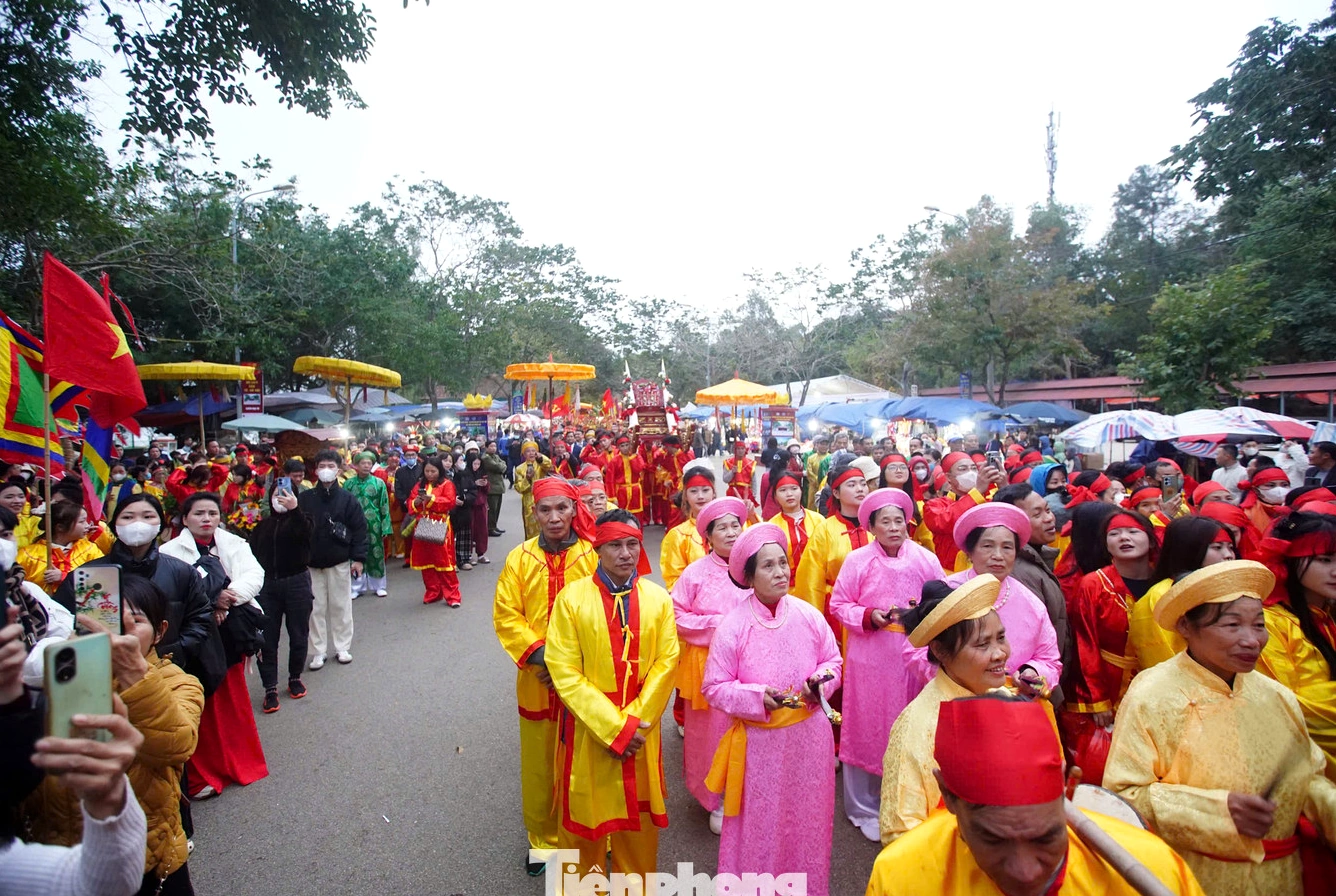
To assist researchers, scholars, history and architecture students, as well as citizens nationwide coming to study and pay tribute at the monument, the relic management board provides the following essential practical information. The Dien Bien Phu Victory Monument in Hanoi is an open cultural space welcoming citizens and visitors for sightseeing and research year-round with no admission fee. The monument grounds are freely open every day of the week, from early morning until late at night, making it convenient to observe how natural light transforms across the sculptural architecture at different times of day.
The most ideal time of year to visit the monument is from October through April of the following year. During this period, the weather in the capital is dry with little rain and mild temperatures, making it very favorable for outdoor walking, architectural documentary photography, or participating in community activities in the surrounding square. Visitors should avoid harsh midday sun during summer if they plan to closely examine the outdoor sculptural details.
Regarding transportation and routes, because the monument is conveniently located in the central area of the capital, visitors can easily reach it by motorbike, private car, or public bus routes. From the Hoan Kiem Lake area or the Old Quarter, the most optimal route is to travel along Dien Bien Phu Street or adjacent streets toward the city’s administrative, cultural, and historical center. Clear traffic signage helps research groups and independent visitors easily find the exact location without any navigational difficulty.
As this is a structure of special historical and military significance honoring fallen heroes and glorious milestones of the nation, visitors should take care to dress politely and neatly in attire appropriate for a solemn memorial space. Visitors must also be mindful of maintaining public cleanliness and refrain from climbing onto the monument pedestal or damaging the architectural landscape and surrounding greenery. Strictly observing cultural etiquette at the heritage site not only shows respect for history, but also helps preserve the sustainable value of the monument for future generations.
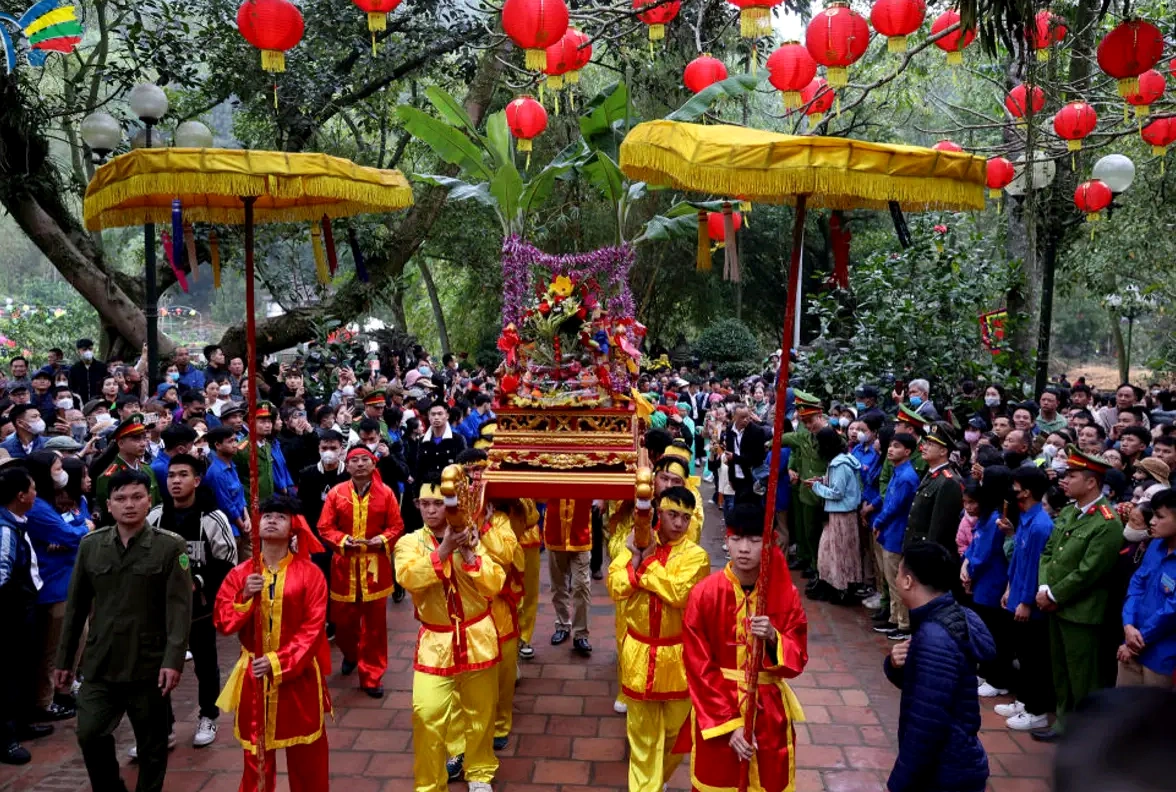
To enjoy a seamless holiday and fully admire the beauty of the Dien Bien Phu Victory Monument without worrying about arranging transportation, booking admission tickets, or planning travel itineraries, travelers can choose VDS Travel’s premium all-inclusive Hanoi tour packages. Every tour is thoughtfully designed to optimize check-in times when the scenery is at its finest, accompanied by a team of knowledgeable local guides and top-tier hotel and dining service standards.