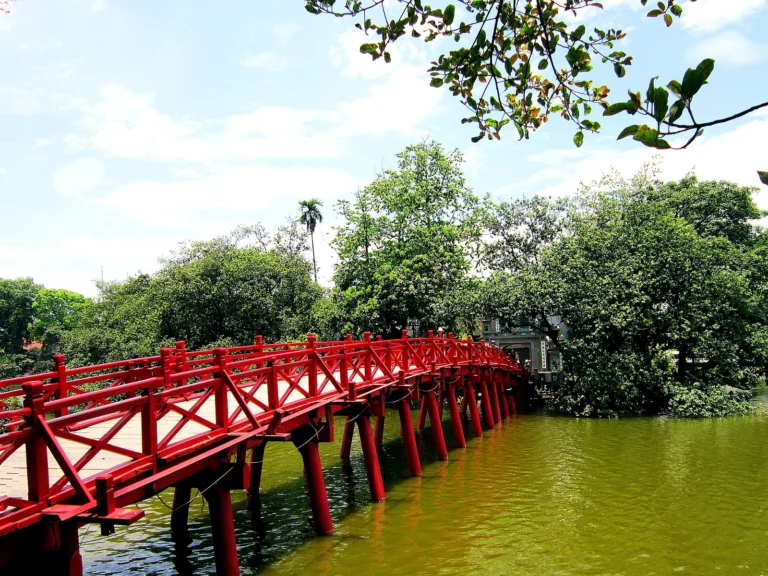
Nestled within the thousand-year-old cultural heartland of the Capital, A1 Hill (Hanoi) emerges as a singular landmark where harmonious feng shui landscapes converge with deep layers of history dating back to the earliest days of settlement. Geographically and geomantically, this high point sits atop an ancient range of mounds belonging to the undulating terrain surrounding the legendary To Lich River—once a vital trade artery and natural rampart shielding the ancient land of Ke Cho – Thang Long. From a geological perspective, the structure of A1 Hill is a long-standing alluvial deposit combined with the characteristic red laterite soil of the transitional zone between the delta and the midlands, creating a sturdy, elevated terrain that embodies the traditional ancestral principle of “gathering water, facing mountains” for capital establishment.
The original name and naming system of this relic are multi-layered, reflecting shifts across historical eras. In ancient texts and the Woodblocks of the Nguyen Dynasty, this area consisted of natural earthen mounds on the outskirts of Hanoi, closely tied to the peaceful agricultural rhythms of local farmers and royal residences. During the resistance war against French colonialism (1946–1954), the designation “A1 Hill” officially appeared on military maps as evidence of its strategic position within the defensive and combat network of the armed forces. Although the name often evokes intriguing associations with the famous Dien Bien Phu battlefield, within Hanoi’s space, A1 Hill carries a distinct historical nuance: quieter, more contemplative, and a direct witness to the Capital’s resolute years of nationwide resistance.
Through the Ly, Tran, Le, and Nguyen dynasties, every passing era left its mark on each inch of this land. According to preserved Han-Nom archives, the surroundings of this mound once witnessed the presence of generations of notable figures, from royal descendants building their legacies to poets and literati seeking scenic retreats to admire the picturesque mountains and waters of the ancient capital. Cultural historians and heritage journalists specializing in Hanoi agree that A1 Hill is not merely a geographical coordinate or a military relic, but also a living repository of memory preserving priceless tangible and intangible values of Dai Viet civilization.
Today, through the lens of heritage conservation and cultural tourism, A1 Hill (Hanoi) is positioned as a destination rich in intellectual depth. Researching and preserving this high point in its original state not only enriches the overarching panorama of the Capital’s military and urban history, but also awakens national pride in every visitor who sets foot on this sacred ground. Amid the bustling pace of modern urbanization, A1 Hill stands quietly as an enduring bridge between a heroic past and a thriving present, affirming the timeless vitality of indigenous heritage values in the heart of thousand-year-old Thang Long – Hanoi.

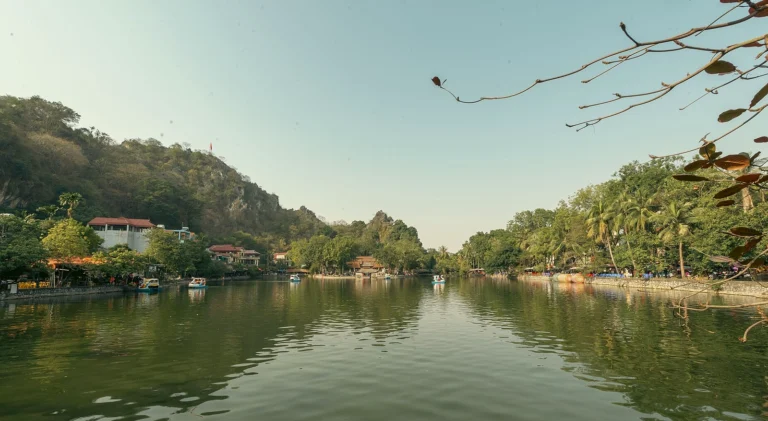
Located in the heart of the thousand-year-old capital, A1 Hill (Hanoi) stands out as a scenic masterpiece seamlessly blending expansive nature with the serene imprint of time. The hill’s topography takes the form of a coiling dragon and crouching tiger, with an ideal elevation creating a natural screen embracing the lush green surroundings. Despite centuries of historical upheaval, the landscape retains its pristine, majestic character with ancient trees stretching out their shady canopies, moss-covered stone steps winding up the slopes, and basaltic red earth infused with the breath of a heroic past. Viewed from above, the gently undulating terrain resembles a deep green silk ribbon standing out amid the bustling city, offering visitors a sense of peace and stillness from the very first moment they arrive.
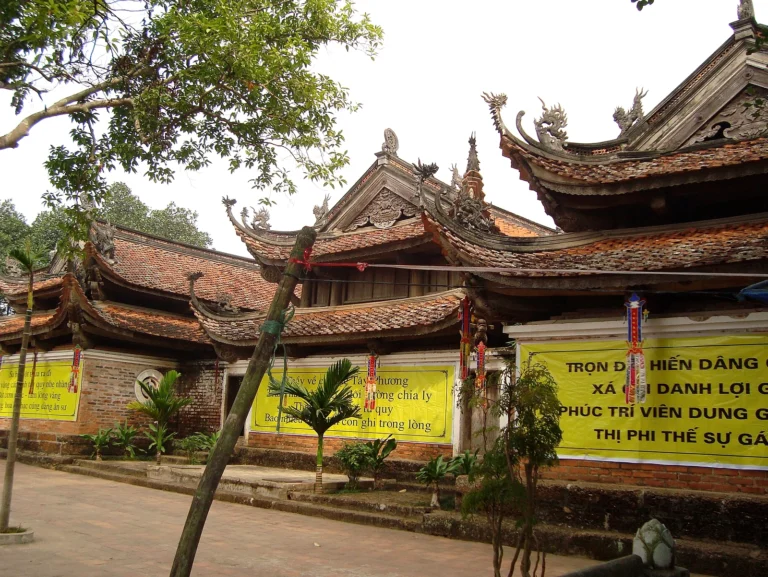
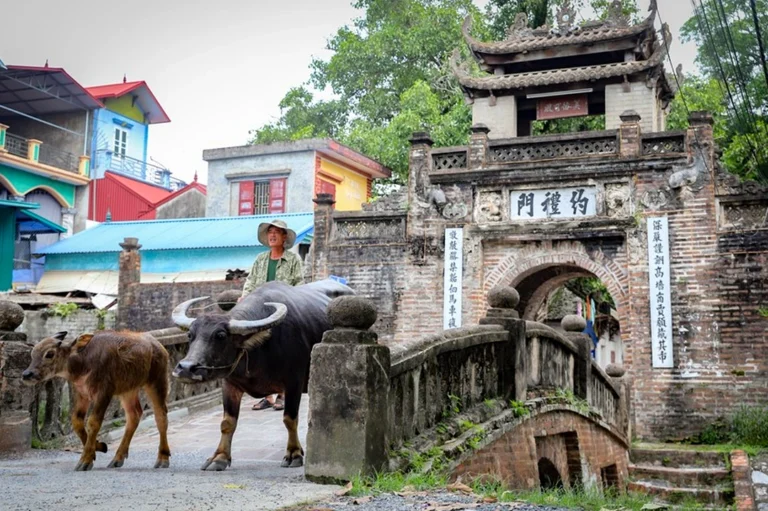
Stepping deeper into the relic site, the architectural lines and landscape artistry of A1 Hill reveal an enchanting cultural depth. Existing structures are harmoniously arranged, following the natural slope of the hillside and subtly combining traditional materials such as yin-yang roof tiles, raw timber, and natural stone with open-space planning principles. Every stone bridge span, moss-draped brick wall, and airy communal courtyard is meticulously tended, showing utmost respect for the authenticity of the habitat. The spatial arrangement here does more than recreate a glorious historical chapter; it forms a living ecological museum where every corner exudes an ancient, solemn, yet deeply poetic beauty.
For photographers and travel enthusiasts, A1 Hill is an unmissable “million-view” photo location offering deeply cinematic angles. The first prized vantage point lies on the eastern slope, where decades-old trees reach up toward the sunlight, forming a natural frame embracing the city skyline. The second shooting spot is the hilltop area—home to an observation deck boasting a 360-degree panoramic view that captures the rhythmic transition between the ancient charm of the heritage space and the dynamic energy of the modern metropolis. Additionally, the cobblestone pathway winding along the hillside serves as an iconic check-in spot, lending remarkable spatial depth to every frame.
To fully capture the majestic beauty and peak artistic lighting at A1 Hill, seasoned photographers recommend scheduling your visit during two golden hours of the day. Dawn (from 5:30 AM to 6:30 AM) is when thin mist still lingers over the foliage, and amber morning sunbeams filter through the leaves to create ethereal rays ideal for tranquil, meditative shots. Meanwhile, dusk (from 5:00 PM to 6:00 PM) drapes the hill in a brilliant cloak of warm orange-red hues as the sun dips behind distant high-rises, reflecting off ancient stone slabs to paint a nostalgic, poignant, and deeply evocative scene.

Arriving at A1 Hill in Hanoi, a visitor’s journey begins with unhurried footsteps along a winding trail beneath the cool shade of ancient trees, where the quiet echoes of a thousand years of history resonate. A gentle hike up to the summit offers a refreshingly distinct sensation right in the heart of the bustling Capital; each moss-covered stone step seems to guide you backward in time, leaving behind the clamor of the modern city to immerse yourself in the serene, sacred atmosphere of ancient Thang Long.
Gazing out into the distance from the hilltop, a breathtaking panorama where nature and city life intertwine unfolds before your eyes, inspiring awe in everyone present. Below, the rhythm of Hanoi moves gracefully, punctuated here and there by shimmering ribbons of water from ancient lakes and rivers that recall a water-gathering land which nurtured a brilliant civilization. Standing on ground that has witnessed centuries of transformation, visitors cannot help but feel deeply moved as the breath of the past mingles palpably with the pulse of the present in every gentle breeze.
Leaving the airy heights behind, the exploration continues onward to profound spiritual experiences at ancient shrines and hermitages located around the area. The resonant toll of temple bells at twilight and wisps of incense drifting through the tranquil air bring a remarkably soothing peace to the soul. It is a moment for personal reflection and reverent remembrance of the generations of ancestors who lived on, defended, and enriched this sacred land through the ups and downs of national history.
Concluding this emotionally rich excursion is a culinary journey sampling renowned local specialties tucked away in the surrounding streets. The rich, savory broth of traditional pho, the mouthwatering aroma of bun cha, and the delicate flavor of Vong village green rice flakes awaken every sense. Sipping a fragrant cup of lotus tea in the heart of the Old Quarter while savoring the signature tastes of the ancient capital allows travelers to fully experience the vibrant, profound, and unforgettable local culture of thousand-year-old Hanoi.

To ensure a seamless and fulfilling journey of historical exploration and research at the A1 Hill relic site, equipping yourself with essential practical information is vital for both travelers and scholars. Regarding opening hours, the relic site welcomes visitors every day of the week, including major public holidays. Standard operating hours typically run from early morning until late afternoon, making it convenient for the public to plan their personal itineraries. Visitors should check the specific schedule at the reception gate for the most structured and well-timed sightseeing experience.
Regarding admission policies, the site currently applies flexible ticket pricing or free entry depending on specific visitor categories, in accordance with local heritage management regulations. For postgraduate research delegations, students, or scholars conducting in-depth fieldwork, the management board often provides special assistance upon presentation of an official letter of introduction from reputable institutions or research academies. Independent travelers should carry small-denomination cash for convenience when purchasing tickets or contributing to the heritage conservation fund where applicable.
Getting to the relic area from the city center is highly convenient thanks to a fully synchronized transportation network. Travelers departing from Hanoi’s Old Quarter or downtown area can opt for private cars, motorbikes, or ride-hailing apps. The optimal route generally follows major arterial roads leading toward the outskirts or historic beltway landmarks. Traveling by private vehicle grants complete flexibility over your schedule, making it easy to stop for photos or observe surrounding landscapes along the way.
When visiting A1 Hill, guests should pay close attention to attire and conduct to uphold the solemnity of this historical and cultural monument. Due to the natural hilly terrain featuring stone steps and earthen-rock trails, visitors should prioritize sneakers or dedicated walking shoes with good traction, avoiding high heels for safety and ease of movement. Furthermore, clothing should be polite, neat, and modest, fitting for a memorial space dedicated to traditional historical education.
The most ideal time of year to visit A1 Hill is during autumn or spring, when Hanoi’s weather is dry with cool temperatures and little rain—perfect for outdoor fieldwork and extended exploration. Visitors should avoid peak midday heat during summer or damp, rainy days to ensure safe footing on the natural trails. A trip thoughtfully prepared in terms of timing, attire, and transportation will undoubtedly reward you with profound experiences and comprehensive historical insights into this remarkable land.

To enjoy a worry-free getaway and take in the full splendor of A1 Hill without the hassle of arranging transportation, booking entrance tickets, or planning routes, travelers can opt for VDS Travel’s premium all-inclusive Hanoi tour packages. Each itinerary is thoughtfully crafted to optimize check-in times when the scenery is at its most radiant, accompanied by knowledgeable local guides and top-tier hotel and dining standards.