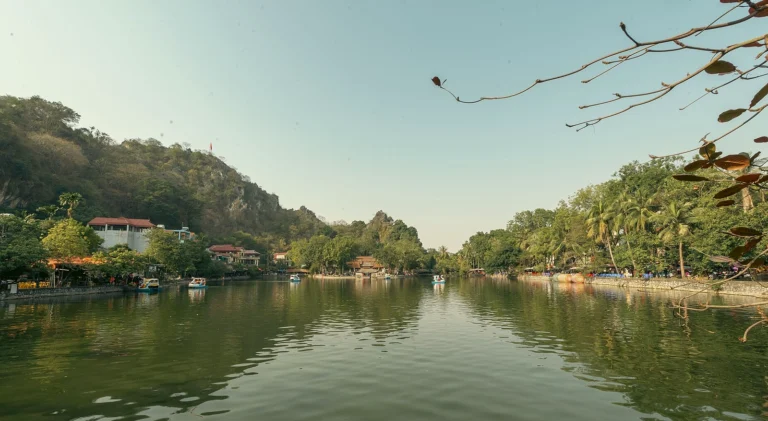
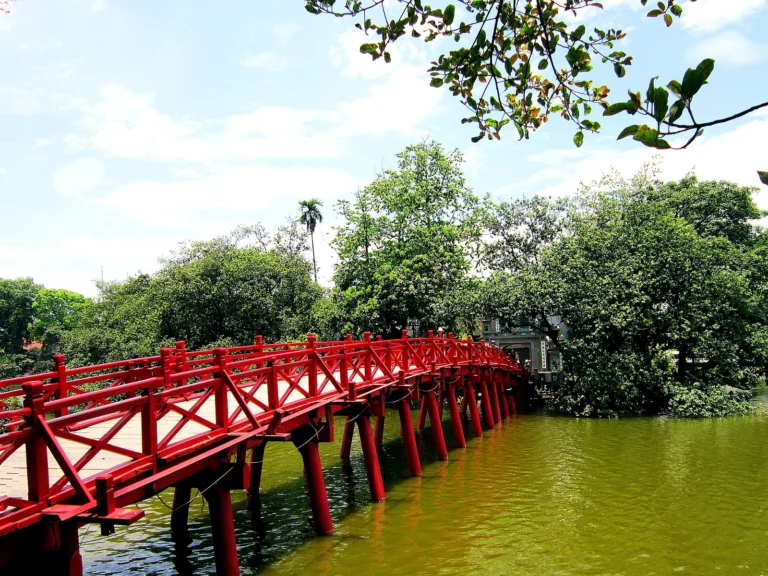
In the heart of the thousand-year-old capital, where the silt-laden currents of the Nhi Ha River embrace lush green islets, Dao Be emerges as a unique geo-cultural entity bearing the sediment of centuries of history. In terms of spatial coordinates, this landmark sits at the strategic confluence of the Red River and Duong River systems, forming an isolated ecological sub-region that nonetheless served as a vital commercial bottleneck and military defense line for ancient Thang Long. Free from the hustle and bustle of urban streets, Dao Be occupies a premier location where the spiritual energy of heaven and earth converges, creating a magnificent feng shui landscape: the Azure Dragon on the left and the White Tiger on the right, backed by the flow of history and facing the expansive scenery of the Mother River’s banks.
At first glance, the origin of the name “Dao Be” (Little Island) might seem like a simple folk designation to distinguish it from surrounding larger alluvial plains; however, through the lenses of toponymy and spatial archaeology, it is actually vivid proof of a long-standing geological accretion process. Originating from primeval sandbars dating back to the Ly and Tran dynasties, hundreds of years of shaping by the river currents gradually formed a solid islet. Historical records and Han-Nom genealogical chronicles preserved at the Institute of Han-Nom Studies have verified the founding era of this cultural space as the Revival Le dynasty, marking a turning point when the feudal court recognized the special importance of this strip of land in subduing flood disasters and defending the capital from the northeast.
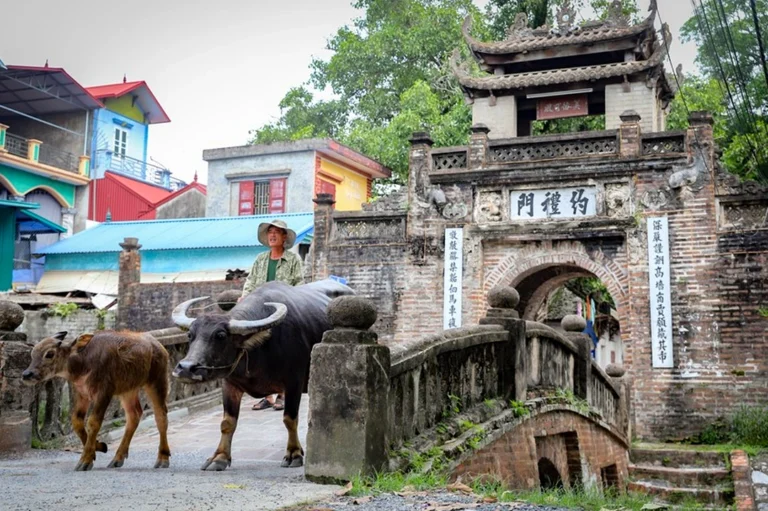
Moving into the Nguyen dynasty, under the reigns of Emperors Minh Mang and Tu Duc, when the waterway system of Northern Vietnam was comprehensively surveyed, Dao Be’s role was further reinforced through major restorations of its religious structures. The historical geography book Dai Nam Nhat Thong Chi once recorded these riverside islets as natural ramparts safeguarding the peace of the northern region. Deep within this cultural sediment, Dao Be is tied to a solemn system of divine genealogies worshiping the tutelary deities guarding the waterways, most notably the veneration of Son Tinh and Thuy Tinh alongside illustrious generals who contributed to defending the nation. Folk legends intertwined with official chronicles have transformed this place into a sacred space where yin and yang harmonize, and history still seems to breathe through every grain of soil and tree branch.
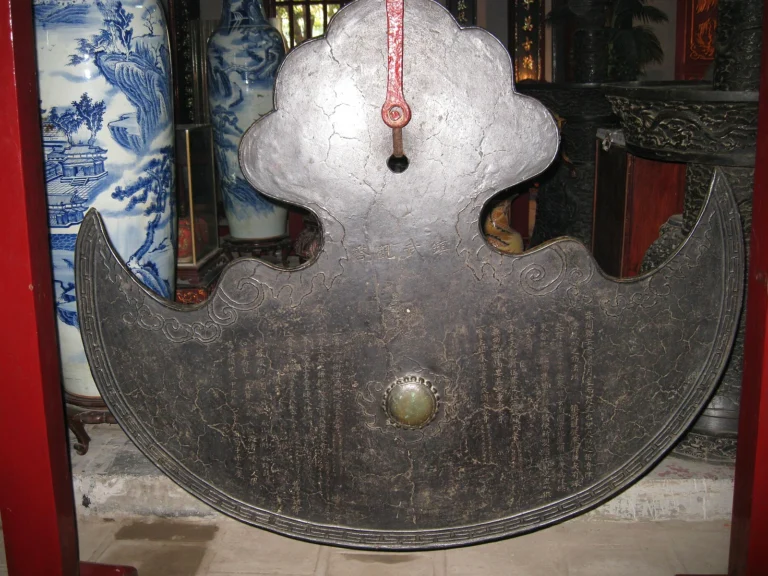
Viewed from the perspective of modern heritage travel, Dao Be is not merely an ecological check-in destination, but a living open-air museum specifically recognized by cultural management agencies and specialized media. Geological value combined with intangible heritage here creates a chronicle of artifacts: from underground cultural strata containing ancient Tran dynasty ceramic shards to moss-covered temples weathered by time. Setting foot on Dao Be today, travelers do not simply seek a peaceful retreat to escape the chaos of city life, but also reach out to touch the sacred soul of the rivers and mountains, listening to the echoes of a thousand years whispering through every wave lapping against the shore.
Stepping onto Dao Be amidst the silt-laden currents of the Red River and Duong River systems, visitors feel as though they have wandered into a tranquil space completely separated from the noise and bustle of the capital’s streets. From a landscape perspective, this place possesses an auspicious “coiling dragon and crouching tiger” terrain, blessed by nature with a pristine ecosystem featuring rows of ancient trees stretching out their shady canopies, their roots intertwined deep into the mother earth as a testament to resilient vitality through countless historical ups and downs. Beyond its value as a naturally accreted sandbar, the scenery here magically blends the unspoiled beauty of Northern Vietnam’s waterways with ancient spiritual architectural imprints.
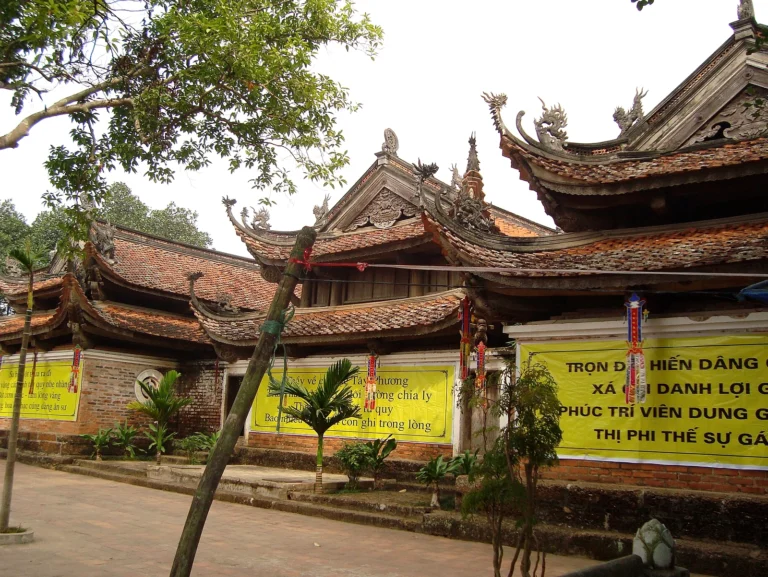
Having undergone centuries of restoration from the Revival Le dynasty to the Nguyen dynasty, the temple and shrine architecture on the island still retains its solemn, serene character with exquisite traditional sculpture. Yin-and-yang tiled roofs covered in the moss of time and curving eaves shaped like dragons and phoenixes meticulously carved on aged ironwood all come together to form an architectural ensemble in harmony with the surrounding nature. Every carved line on the trusses, horizontal lacquered boards, and parallel sentences not only showcases the supreme craftsmanship of ancient artisans but also embodies a profound feng shui philosophy on the harmony between heaven, earth, and humanity.
To capture the most prized moments at this scenic spot, seasoned photographers and travel journalists often recommend visiting two iconic camera angles. The first spot lies at the eastern tip of the islet, offering an unobstructed panoramic view over the vast expanse of the river confluence. The most ideal time to shoot here is at dawn (from 5:00 AM to 6:00 AM), when the mist lingering over the water gradually dissipates and gentle golden morning sunlight filters through the ancient tree canopies, creating a magical, poetic scene like an ink-wash painting. The second angle is located right before the three-entrance gate of the ancient temple, facing the moss-covered handmade brick rows and natural stone steps. Sunset (from 5:00 PM to 6:00 PM) is the golden hour when twilight dyes the entire space crimson, casting the final rays of the day onto the serene architectural lines and imparting a nostalgic, profound, and deeply sacred aura to every frame.
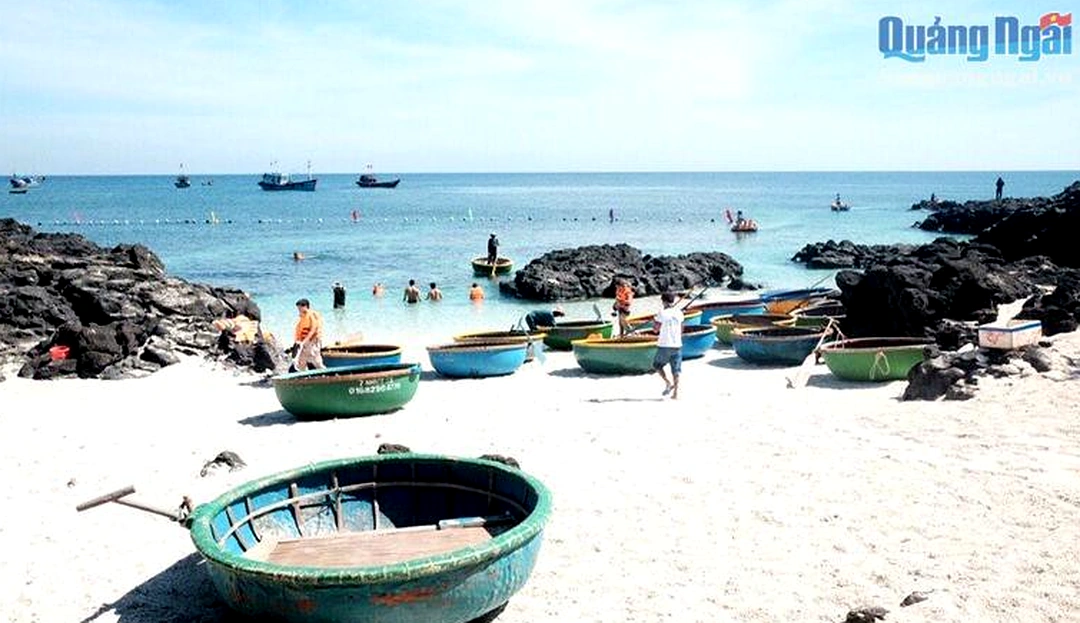
Upon setting foot on Dao Be, the very first thing that awakens every sense of the traveler is the serene atmosphere, entirely detached from the clamor and bustle of Hanoi’s urban streets outside. The journey of discovery begins with a wooden boat ride gliding gently over the silt-rich waters of the Nhi Ha River, where the sound of waves lapping against the hull mingles with the brisk wind carrying the breath of centuries of history. From that very moment, a sense of awe before an unspoiled, magnificent natural space begins to envelop visitors, making everyone feel as though they are stepping back in time into ancient Thang Long – Kinh Ky.
Leaving the boat dock, visitors embark on a gentle climb up moss-covered stone steps, weaving beneath the canopies of centuries-old trees to reach the central area of the islet. The higher you ascend, the more expansive the surroundings become. From the highest peak of Dao Be, gazing out into the distance, the entire majestic Red River and Duong River systems unfold before your eyes with lush green alluvial plains, bridges stretching across joyful shores, and in the far distance, the silhouette of the rising capital. Standing beneath the breezy open sky in that moment brings a profound sense of stillness to the soul, allowing one to immerse completely in the sacred source of the motherland.
The highlight of the trip is when visitors enter the spiritual worship spaces at the island’s ancient temples. Somber incense smoke curls upward beneath moss-covered yin-and-yang tiled roofs, while the resonant chime of temple bells echoes through the quiet air, creating an enchanting, sacred atmosphere. Here, travelers not only bow sincerely in remembrance of the deities and illustrious generals who guarded the waterways, but also find inner peace and serenity, setting aside all the pressures and worries of modern life.
Concluding this emotionally rich journey is the opportunity to savor unique local culinary culture at nearby riverside restaurants. The rich sweetness of freshly caught river fish and the fragrant aromas of rustic dishes steeped in the flavors of the Northern Delta, paired with a cup of aromatic lotus tea in the brisk evening breeze blowing off the Red River, create a fulfilling finale to the excursion. Dao Be is far more than a dry archaeological coordinate or historical relic—it is truly a living destination where past and present converge, offering every traveler priceless and unforgettable experiences.
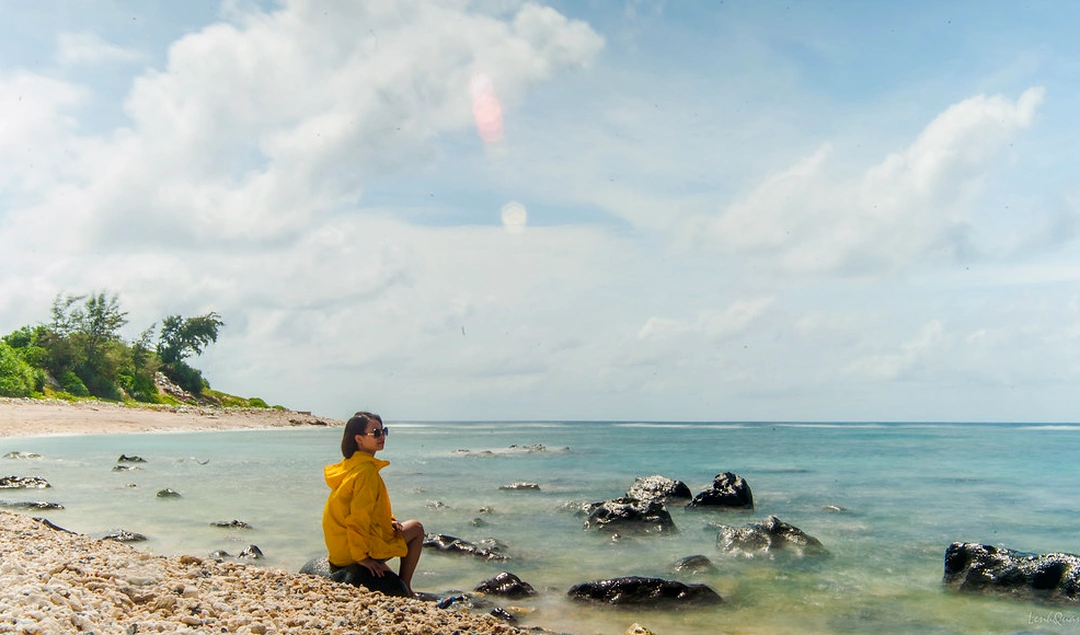
To ensure a fulfilling journey exploring the historical landmark and unique spiritual space at Dao Be (Hanoi), equipping yourself with practical information and thorough preparation is essential. Unlike noisy commercial tourist areas, Dao Be retains a pristine beauty tied to deep traditional culture, requiring visitors to show due respect for its sacred atmosphere.
Regarding operating hours, the historical relic area and scenic grounds on the island are open to visitors every day of the week, from 7:00 AM to 5:30 PM. This timeframe is ideal for strolling through the riverside alluvial ecosystem while engaging in worship and exploring historical records without feeling rushed. Notably, admission to the Dao Be scenic landmark is currently completely free for all visitors coming to offer incense, conduct research, and admire the landscape.
The best time of year to visit is from September to April of the following year. This is the dry season in Northern Vietnam, featuring cool weather and minimal rainfall, making it highly favorable for waterway transit and walking across the natural terrain of the islet. Conversely, during the rainy and flood season, travelers should closely monitor weather conditions and river water levels to ensure absolute safety for their trip.
In terms of transportation and routes, departing from central Hanoi, visitors can travel by motorbike or private car across the major bridges spanning the Red River or Duong River toward the suburban areas with historic alluvial terrain. Because the final leg of the journey requires navigating narrow dike roads and taking local water transport (small boats or ferries) to reach the island, choosing a compact vehicle like a motorbike is the most optimal and flexible option.
When visiting Dao Be—especially the temple grounds and spiritual spaces—travelers must strictly observe dress code regulations. Please wear polite, modest clothing, prioritizing tasteful attire appropriate for traditional customs and the sacred nature of the relic site. Additionally, since the terrain consists mainly of natural alluvial soil, footpaths, and sections that can become damp with the tide, visitors should wear sneakers or footwear with good grip, and bring along an umbrella, hat, and insect repellent for a safe, seamless, and meaningful experience.
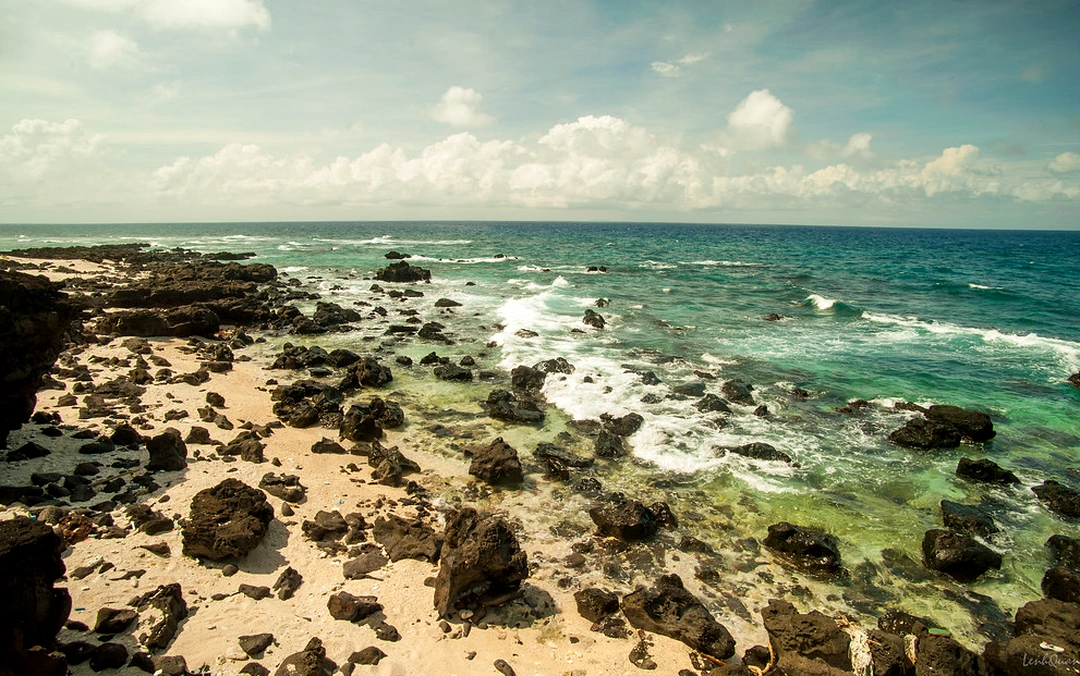
To enjoy a complete getaway and take in the full beauty of Dao Be without worrying about arranging transportation, booking entrance tickets, or planning itineraries, travelers can choose VDS Travel’s premium all-inclusive Hanoi package tours. Every tour is designed to optimize check-in times when the scenery is at its most radiant, accompanied by a team of guides deeply knowledgeable about local culture alongside top-tier hotel and dining service standards.