Quietly nestled amidst the sweeping historical tides of a thousand-year-old capital of culture, the coordinates of “To Vo Gate” in Hanoi emerge like a delicate yet proud hyphen connecting the modern metropolis with the nostalgic memories of ancient Thang Long. Unlike its famous namesake along the white-sand, sun-drenched shores of Ly Son Island, the To Vo Gate of the Imperial Capital was not sculpted by volcanic lava eruptions, but is instead the crystallization of intellect, sweat, and master brick-firing and arch-building craftsmanship from the skilled artisans of Bat Trang Ward and the traditional craft villages surrounding the citadel. Situated in the outer perimeter bridging the To Lich River system and the vital waterway and overland trade arteries of the Le – Nguyen dynasties, this relic occupies an auspicious feng shui terrain—”gathering water, generating wealth”—where spiritual energy converges from rivers and markets to shelter royal resting palaces, temples, shrines, and ancient suburban villages.
Historical records and ethnographic fieldwork reveal that the name “To Vo Gate” was not originally an administrative designation found in imperial court documents, but rather a distinctly folk linguistic creation by the people of Trang An. Observing the ancient brick-arch architecture with its gentle curves and tapered waist, locals were immediately reminded of the meticulously crafted dried-mud nests built by mud-dauber wasps (to vo) under the eaves of familiar homes. From an architectural archaeology perspective, the structure bears the unmistakable imprint of the Revival Le Dynasty (17th–18th centuries) and underwent large-scale restoration during the Nguyen Dynasty (early 19th century). Its oversized ancient bricks (gach vo), bound together with traditional slaked lime and sugarcane molasses mortar, stand as a testament to peak arch-vaulting engineering capable of withstanding centuries of warfare, upheaval, and the relentless passage of time.
Woven into this landmark are layers of folk legends and anecdotes about extraordinary figures and generous merchants who contributed to constructing the secondary city gates and ceremonial portals defending the capital. Under the reigns of Emperors Gia Long and Minh Mang, as the court re-surveyed land registers and fortified defense and trade networks, the area around To Vo Gate witnessed the bustling rhythm of merchant boats plying the To Lich River, carrying regional specialties from all directions to gather at the Ke Cho market fairs. Local elders still pass down tales of strict nighttime vigils kept by loyalist militias and imperial guards beside the ancient brick arch—a silent witness to the era’s vicissitudes, from gallant warriors marching off with swords and spears to battle to the urgent beat of watchmen’s wooden gongs during years of war.
Today, despite the severe erosion brought on by rapid urbanization, the heritage value of To Vo Gate continues to draw special attention from cultural management agencies, historians, and the press, positioning it as a “wordless witness” to the suburban military and religious architecture of Thang Long. Growing interest from the online community and the travel industry not only helps uncover untold stories of a hidden Hanoi beneath layers of modern concrete, but also awakens urban heritage conservation awareness. Amidst the fast-paced rhythm of the thousand-year-old capital, preserving and honoring landmarks like To Vo Gate is how we anchor our ancestral soul, ensuring future generations forever remember an elegant, majestic Thang Long steeped in Vietnamese identity.

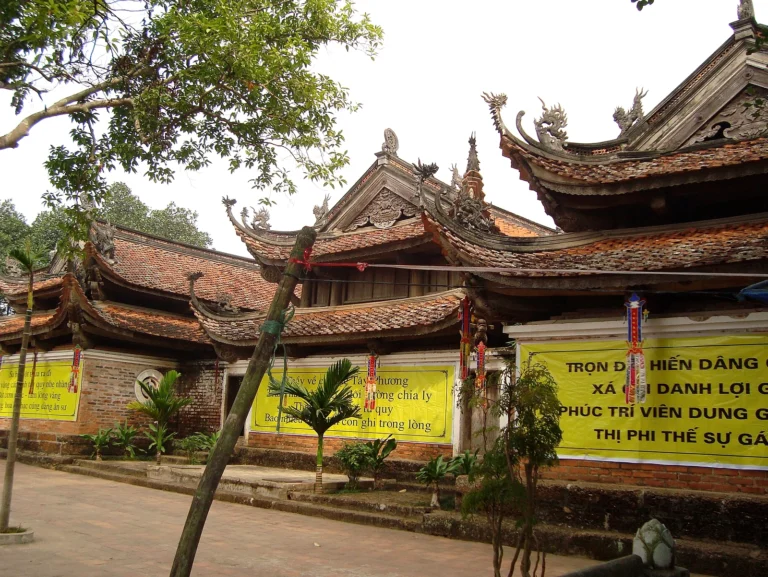
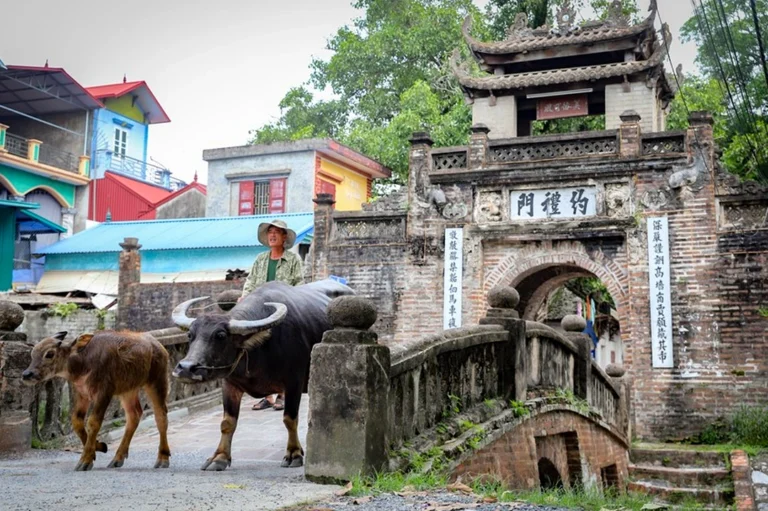
Stepping into the To Vo Gate relic site in Hanoi, visitors are instantly captivated by an antique architectural masterpiece into which ancient Thang Long artisans poured their finest skill—brick by well-fired brick. Different from the raw beauty of coastal nature, this structure carries a profound human imprint with its unique segmented barrel-vault system, forming a curve that is both graceful and remarkably sturdy across centuries. Viewed from afar, the arched gate gently embraces the open space in front of it, evoking the image of an intricate mud-dauber nest clinging firmly to the wall of time. Layers of moss blanketing the weather-faded ancient bricks blend seamlessly with wild greenery and the shade of centenary trees, creating a winding, solemn, and deeply artistic setting.
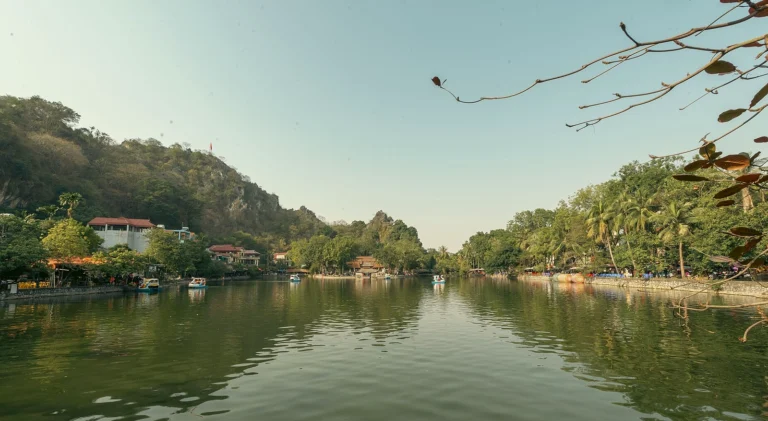
The surrounding scenery of To Vo Gate is a subtle harmony between historical remnants and the quiet cadence of urban life. Though softened by the passage of dynasties, the carved details on the surviving structural components still retain the stately aura of an outer ceremonial gate or secondary city portal of yore. Its auspicious geomantic setting—resembling a coiling dragon and crouching tiger beside the flow of history—infuses the space with a uniquely nostalgic energy. Far from being a mere architectural ruin, it has become an aesthetic symbol of resilience, preserving the essence of thousand-year-old Thang Long – Hanoi right in the heart of the present.
To capture the most memorable frames at this heritage site, photographers and travel journalists often recommend two classic angles. The first is a straight-on shot looking from the outside through the ancient brick archway, using the lush green foliage behind it as a natural backdrop to highlight the arch’s flawless curvature. The second is a wide-angle diagonal shot taken from the ascending pathway, capturing the entire moss-textured body of the gate alongside dappled shafts of sunlight.
The most ideal lighting window for hunting standout photos at To Vo Gate is at sunset, when the final rays of the day pierce through the archway, bathing every weathered brick in a nostalgic golden-amber glow. Alternatively, at dawn when morning mist still lingers, diffused light creates an ethereal atmosphere that transports travelers back in time to the resplendent Thang Long citadel of centuries past.

Arriving at the “To Vo Gate” relic site in the heart of the capital, travelers are struck by a tranquil cultural sanctuary where time seems to stand still beneath the soft veil of history and urban development. In stark contrast to the hustle and bustle of the city streets outside, an on-site visit here unfolds deeply reflective emotions. Visitors begin their journey by strolling down moss-lined alleys, breathing in the faint aroma of incense drifting from nearby ancient temples, before coming face-to-face with the weathered brick archway shaped remarkably like a mud-dauber wasp’s nest. A sense of awe takes over as you examine each 17th–18th-century brick holding steadfast against time, bearing witness to the supreme craftsmanship of ancient Thang Long builders.
Beyond paying spiritual respects at the sacred temples and shrines lining the historic To Lich River, visitors also have the chance to immerse themselves in an intimate, vibrant local way of life. Early morning walks observing the everyday routines of Old Quarter residents and listening to oral histories passed down by local elders about the founding days of these ancient city portals and brick arches offer invaluable cultural insights. Moreover, the journey would not be complete without savoring the renowned culinary specialties surrounding the relic area. From a bowl of heirloom pho rich with traditional flavor and humble Hanoian street snacks to delicate treats like Vong Village green sticky rice flakes (com), every bite weaves together into an unforgettable gastronomic memory that deepens one’s affection for this thousand-year-old land of culture.
As dusk settles and soft golden lamplight illuminates the ancient brick arch of “To Vo Gate,” the atmosphere grows quieter and more nostalgic than ever. This is the most contemplative moment to pause, set aside the rush of modern life, and connect with the sacred cultural sediment of the capital. The meaningful experiences found here go beyond ordinary heritage sightseeing—they forge an enduring spiritual bond between modern travelers and a heroic past, leaving every visitor with a lingering fondness for a Hanoi that is at once antique, profound, and vibrantly alive.

For travelers seeking a heritage journey to explore the authentic architectural and historical value of Hanoi’s To Vo Gate, equipping yourself with practical visitor information is essential. Unlike commercialized scenic spots or man-made tourist attractions, these ancient brick archway remnants are typically interwoven within residential neighborhoods or form part of traditional temple, shrine, and ancestral hall complexes. Knowing the essential visitor guidelines in advance will ensure both a fulfilling experience and proper respect for the local spiritual and cultural space.
As for the best time of year to visit, travelers should aim for northern Vietnam’s autumn or spring months. During these seasons, the weather is dry, mild, and pleasant—ideal for fieldwork, documentary photography, and leisurely strolls through the capital’s historic lanes. It is best to avoid periods of chilly drizzle and northeast winds or peak summer heatwaves to protect your health and enjoy the smoothest visit.
Regarding opening hours, because most of these historic brick archways are situated within temple grounds, heritage complexes, or suburban residential areas, visiting hours generally follow the standard daily schedule of traditional monuments. Typically, sites welcome visitors from early morning (around 06:00) until late afternoon (around 17:30 or 18:00) every day of the week. As for admission fees, the area is completely open to the public free of charge for locals and travelers wishing to study and admire the architecture.
To travel from central Hanoi (such as Hoan Kiem Lake or the Old Quarter) to the sites preserving the remnants of the old To Vo Gate, the most convenient modes of transport are a motorbike or bicycle, allowing you to navigate narrow streets with ease. If you are traveling in a larger group or are unfamiliar with local roads, you can take public buses with routes passing through the outer districts or book a ride-hailing service. Before setting out, be sure to double-check the exact coordinates of the historical relic associated with this ancient brick archway so as not to confuse it with natural coastal landmarks in Central Vietnam.
Finally, given the archaeological, historical, and spiritual nature of these sites, visitors must strictly observe dress code etiquette. Wear polite, modest, and respectful attire, avoiding overly short or revealing clothing when entering temple, shrine, or ancestral hall precincts. At the same time, please help maintain cleanliness, refrain from touching the centuries-old brick surfaces directly, and never carve or write on the walls—doing your part to preserve our ancestors’ priceless historical legacy in the heart of the thousand-year-old capital.

To enjoy a seamless getaway and take in the full beauty of To Vo Gate without worrying about arranging transportation, admission tickets, or travel itineraries, travelers can choose VDS Travel’s premium all-inclusive Hanoi tour packages. Every itinerary is thoughtfully timed for photo check-ins when the scenery is at its most radiant, accompanied by knowledgeable local guides and top-tier hotel and dining standards.