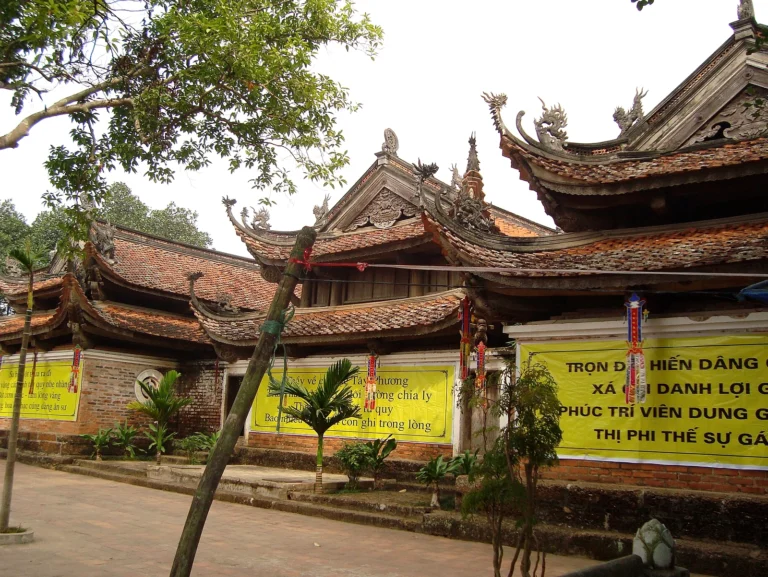
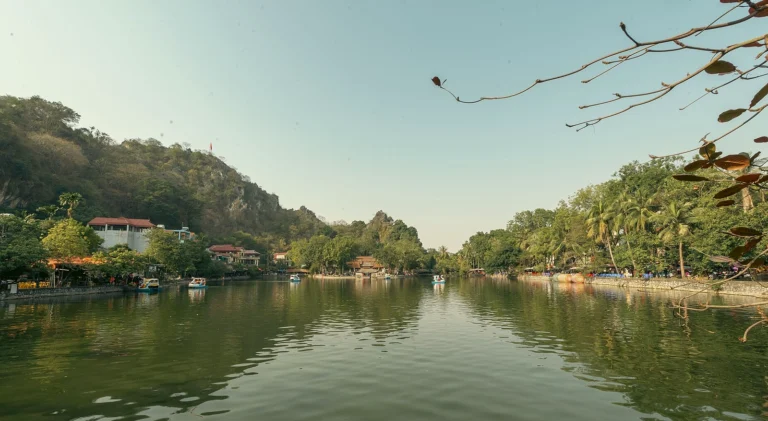
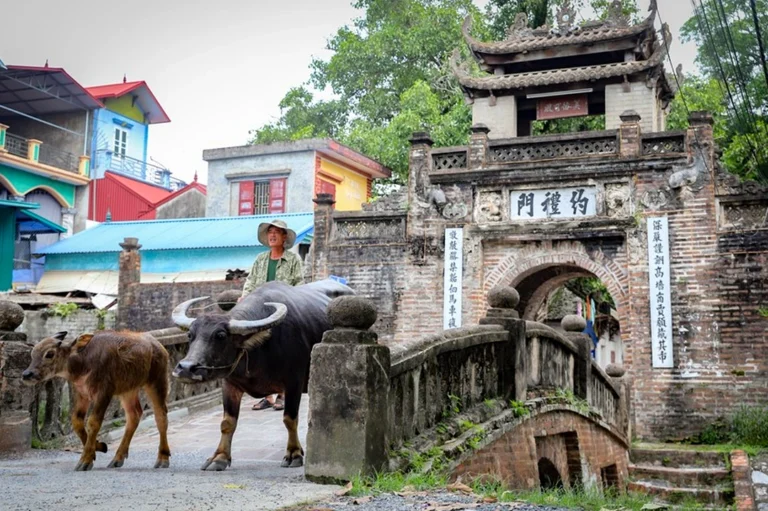
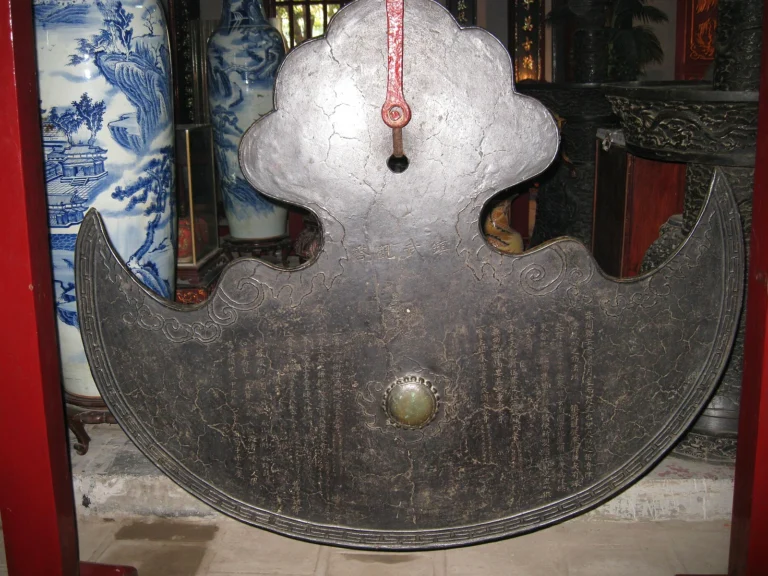
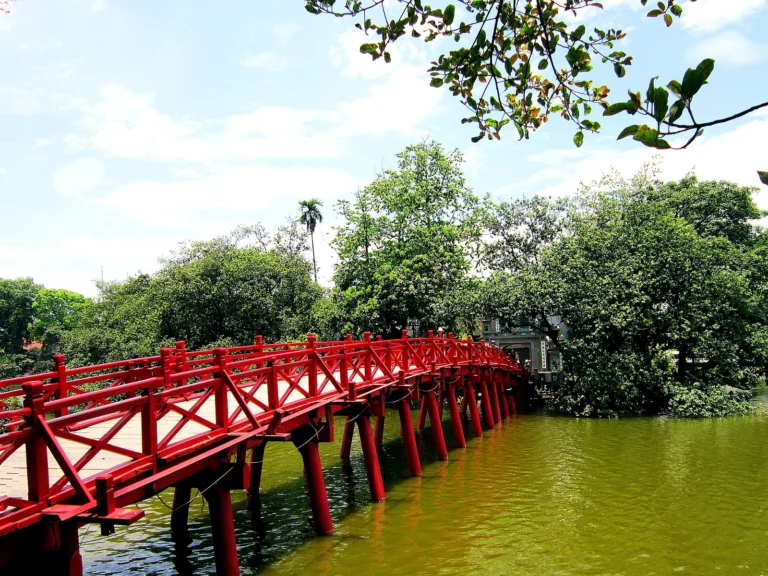
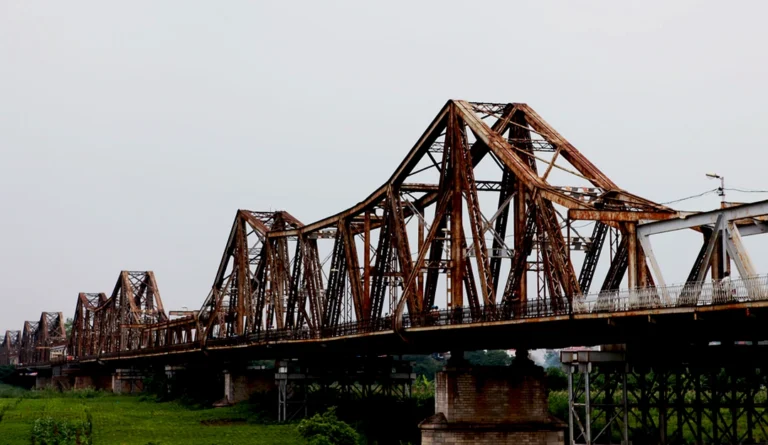
Nestled deep within the thousand-year-old cultural heartbeat of the Capital, the representative establishment of the Tay Ninh Holy See in Hanoi is more than a mere religious house; it is a spiritual institution deeply imprinted with the historical mark of Caodaism (Dai Dao Tam Ky Pho Do) in the North. Situated in a prime location where the rhythm of modern urban life harmonizes with layers of traditional heritage, this place possesses an exceptionally unique, original feng shui terrain. Through the ups and downs of time and historical upheavals, the geographical landscape of the site has retained the tranquility and quietude essential to a sacred sanctuary, evoking the hallowed atmosphere of the distant Great Holy See in Tay Ninh right in the heart of Northern Vietnam.
From a feng shui perspective, the site’s positioning strictly adheres to traditional Eastern architectural philosophy combined with Caodaist doctrine. The terrain gathers vital energy, with an open vista in front and its back leaning against the steady energy flow of the ancient city, forming an intentional miniature “mountain-backed, water-facing” (toa son vong thuy) configuration. Heritage researchers and architectural scholars note that choosing this location for the representative establishment in Hanoi during the early decades of the 20th century was no coincidence. It was a deliberate calculation by early pioneers to connect the spiritual energy between the South and the North, laying the foundation for the official presence of the Tay Ninh Holy See in the nation’s political and cultural center.
The origin of its name and the process of its formation are tied to a turbulent yet heroic period of the religious revival movement in the late 1920s and 1930s. When high-ranking celestial dignitaries journeyed thousands of miles north on missionary missions, they brought not only the golden light of the faith but also the resolve to unify religious authority from the Central Tay Ninh Holy See. Illustrious historical figures such as Ho Phap (Defender of the Faith) Pham Cong Tac and early pioneers laid the very first bricks, shaping a solemn and standardized space for religious activities in accordance with the original Constitution and Religious Law.
Through the lens of the press and cultural heritage management agencies, the geological and architectural value of this establishment lies in the harmonious fusion of the Tay Ninh Holy See’s artistic style and the signature construction techniques of early 20th-century Hanoi. Despite undergoing several restorations and relocations due to war and historical circumstances, the spatial structure preserves its original spirit: strict symmetry, rich symbolism through motifs of the Four Sacred Creatures (Dragon, Unicorn, Turtle, Phoenix), and the philosophy of the Unity of the Three Teachings (Confucianism, Taoism, and Buddhism). This place has become a living heritage landmark, testifying to the endurance of a unique cultural and spiritual current that tightly binds national solidarity from South to North under the common roof of the Great Way.
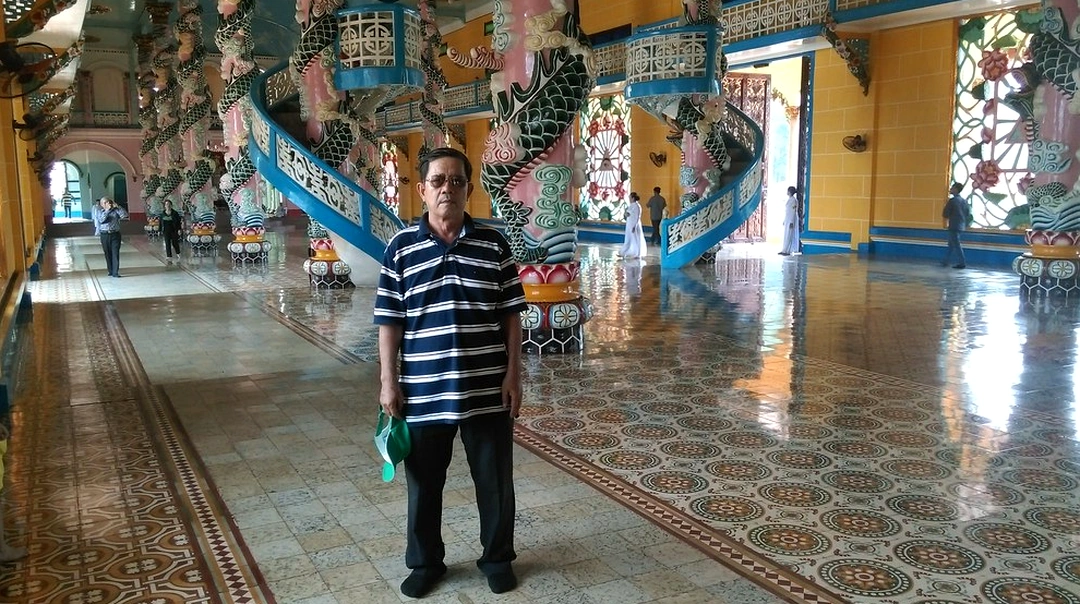
Set amidst a vast, sacred expanse, the Tay Ninh Holy See emerges as a one-of-a-kind religious architectural masterpiece in the world—a seamless blend of profound Eastern philosophy and intricate Western engineering. The entire architectural complex forms a monumental tableau where visitors feel as though they are returning to an eternal realm surrounded by magnificent nature. The terrain of the Great Holy See was meticulously chosen by ancient sages according to traditional feng shui principles, gathering auspicious energy with its back resting against solid ground and its facade opening toward an expansive vista to welcome the purest vital currents of heaven and earth. Every architectural line here not only holds supreme aesthetic value but also carries deep spiritual meaning, symbolizing the path of self-cultivation and the harmony between the boundless universe and a virtuous human heart.
Stepping onto the grounds, visitors and photographers alike are captivated by the exquisite, lifelike bas-relief sculptures. Both interior and exterior pillars are elaborately carved with majestic, sinuous figures of the Dragon, Unicorn, Turtle, and Phoenix, rendered down to the finest detail. The structure’s dominant palette of yellow, blue, red, and white—symbolizing the different philosophical traditions—glows brilliantly under the Southern sun while maintaining an air of antiquity and solemnity. Expansive, neatly tiled courtyards shaded by lush green trees and meticulously tended gardens create a landscape that is both grand and peaceful, offering an overwhelming sense of tranquility to anyone who sets foot here.
To capture the most prized moments, professional photographers and travel journalists often share two classic, unmissable camera angles. The first is directly along the central avenue facing the front facade of the Great Holy See, where the lens can encompass the flawless symmetry of the towering bell and drum towers while highlighting the imposing Divine Eye (Thien Nhan) radiating from above. The second is the long corridor lined with pillars carved with soaring dragons and dancing phoenixes, creating a mystical spatial depth ideal for nostalgic and spiritually evocative frames.
The most ideal lighting to capture viral, million-view photos at the Tay Ninh Holy See is at the break of dawn or as dusk settles in. In the early morning, when thin mist still lingers over the green canopies and golden sunlight slants across the intricate carvings, the entire structure seems to illuminate, sparkling with purity to the tranquil chime of morning bells. Conversely, at sunset, the sky turns a vibrant fiery orange-red behind the soaring spires, creating an enchanting, magnificent, and deeply moving scene that offers onlookers an unforgettable visual experience matched by few other places.
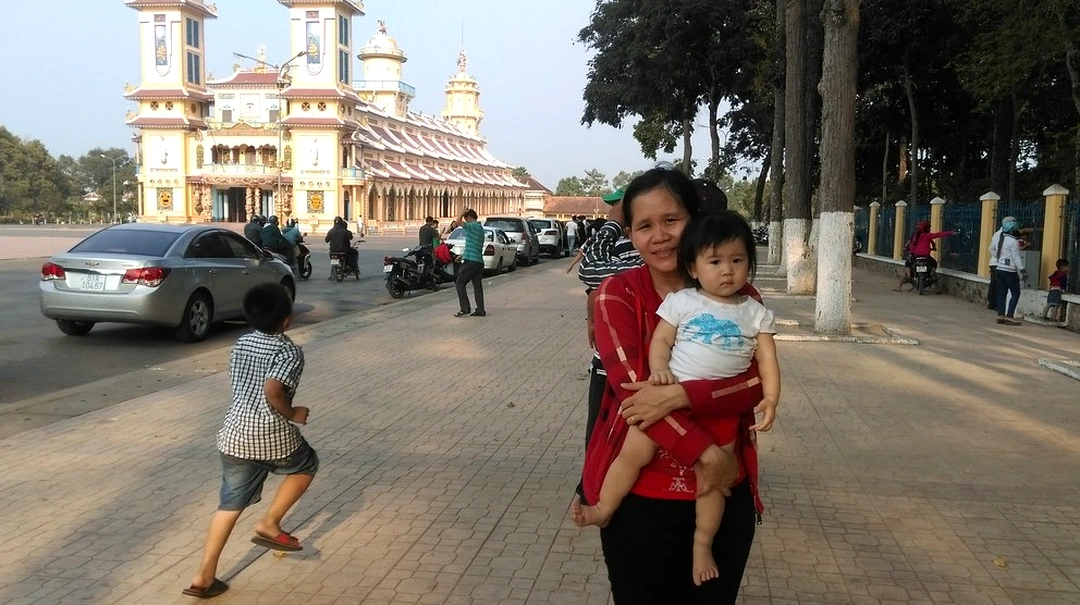
Stepping into the Tay Ninh Holy See, travelers do not merely enter a monumental religious architectural space; they embark on a rich and vivid real-world journey. From the very moment the grand gates open, a sense of awe washes over the mind at the splendid, imposing beauty of one of Indochina’s most unique structures. Beneath the radiant golden sun of the South, the Great Holy See stands tall with rows of pillars intricately carved with coiling dragons, vibrant bas-reliefs of the Four Sacred Creatures, and the powerful, shining emblem of the Divine Eye. Every step across the cool tiled floor allows visitors to palpably feel the wondrous intersection of Eastern architectural artistry and the mystical philosophy of Caodaism.
Leaving the serene inner sanctum behind, the journey to explore Tay Ninh continues to unfold with majestic natural experiences rich in regional identity right nearby. Just a short drive away, the legendary Ba Den Mountain rises towering amidst the clouds, beckoning adventure seekers. Whether choosing an endurance-testing hike up winding stone steps or gliding effortlessly aboard a modern cable car system to take in panoramic views of the lush green plains below, the exhilarating feeling of reaching the summit to hunt clouds leaves a lasting impression. From that altitude, gazing back toward the Holy See nestled in early morning mist and tranquil incense smoke, the soul suddenly grows calm and remarkably at peace.
Beyond sacred scenery and captivating nature, the local culture embraces travelers with culinary specialties renowned far and wide. What could be more wonderful after hours of sightseeing and worship than savoring chewy, fragrant Trang Bang dew-wetted rice paper rolled with boiled pork and fresh wild forest herbs picked from the foot of Ba Mountain, dipped in rich, sweet-and-sour hometown fish sauce? Breathing in the fiery aroma of famous Tay Ninh shrimp salt and sipping a refreshing glass of sweet palmyra palm juice, all the fatigue of the journey seems to melt away, giving way to indescribable joy.
It is this seamless harmony of tranquil sacred spaces, majestic nature, and heartwarming culinary flavors that transforms a trip to the Tay Ninh Holy See into an immersive experience for every sense. It is far more than an ordinary sightseeing tour; it is a profound pause for self-reflection, preserving pristine, beautiful, and proud memories of the nation’s traditional culture.
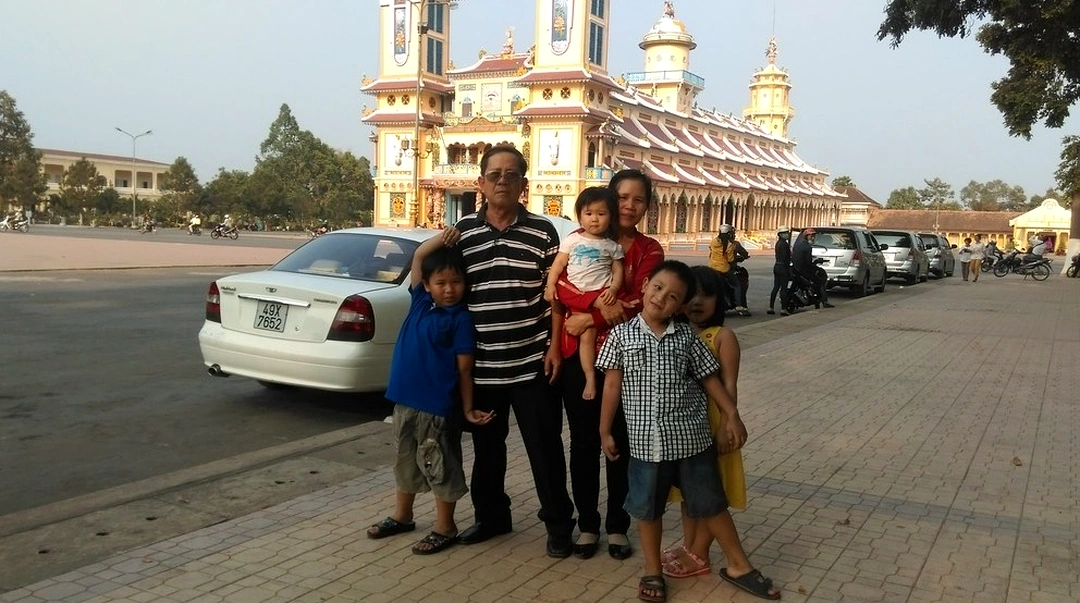
To ensure a smooth and fulfilling pilgrimage and sightseeing trip to the Tay Ninh Holy See, having practical information on hours, transportation, and etiquette is essential. As one of the most sacred religious sanctuaries of Caodaism, the complex warmly welcomes fellow adherents and visitors from near and far to explore its unique architecture completely free of charge. Both the inner and outer grounds are open to the public with no admission fees or tickets of any kind, making this distinctive spiritual and cultural space easily accessible to everyone.
Regarding operating hours, the Holy See complex welcomes visitors daily from early morning until late afternoon. However, the best time to visit is during the four daily prayer ceremonies, especially the midday ceremony at 12:00 PM. This is the most solemn moment of the day, when hundreds of dignitaries and worshippers clad in pure white religious robes gather to perform rituals, offering a deeply moving spiritual experience and a striking visual spectacle. Visitors should plan to arrive about 30 minutes before the ceremony begins to find a good vantage point and observe the entire ritual.
To travel from central Ho Chi Minh City to the Tay Ninh Holy See (located in Hoa Thanh Town, about 100 kilometers from the city center), visitors can choose from flexible transportation options such as motorbikes, private cars, or dedicated bus routes. The most optimal route follows National Highway 22 toward the Moc Bai Border Gate; upon reaching the Trang Bang junction, turn right onto the provincial road to continue toward Hoa Thanh Town. Travel time ranges from two to three and a half hours depending on traffic conditions and your chosen mode of transport.
Because this is an exceptionally solemn religious space, dress code regulations for entering the inner sanctum of the Holy See require strict adherence and utmost respect. Visitors are required to wear modest, respectful attire—shirts with sleeves and long pants or skirts extending below the knee—with shorts, sheer clothing, and sleeveless tops strictly prohibited. Additionally, in certain sacred areas inside the Great Holy See, visitors must remove their shoes to preserve the tranquility and cleanliness of the rare wooden architecture.
The best time of year to visit is during the dry season, from December to April, when Tay Ninh enjoys dry, sunny weather ideal for traveling and taking souvenir photos. In particular, if you have the chance to visit on the 15th day of the first lunar month or the 15th day of the eighth lunar month (the major Grand Festivals of Caodaism), you will witness magnificent celebrations bursting with the most vibrant spiritual and cultural colors of the Southeast region.
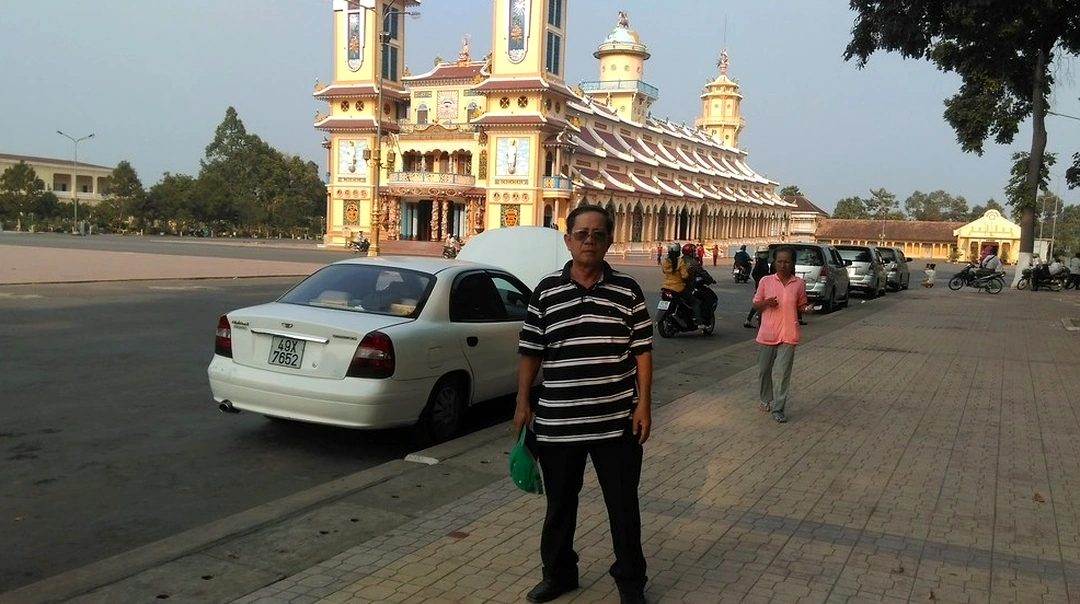
To enjoy a seamless vacation and fully admire the beauty of the Tay Ninh Holy See without worrying about arranging transportation, booking sightseeing tickets, or planning itineraries, travelers can choose VDS Travel’s premium all-inclusive Hanoi travel tours. Each itinerary is thoughtfully designed to optimize photo check-in times when the scenery is at its most radiant, accompanied by a team of guides deeply knowledgeable about local culture alongside top-tier hotel and dining standards.