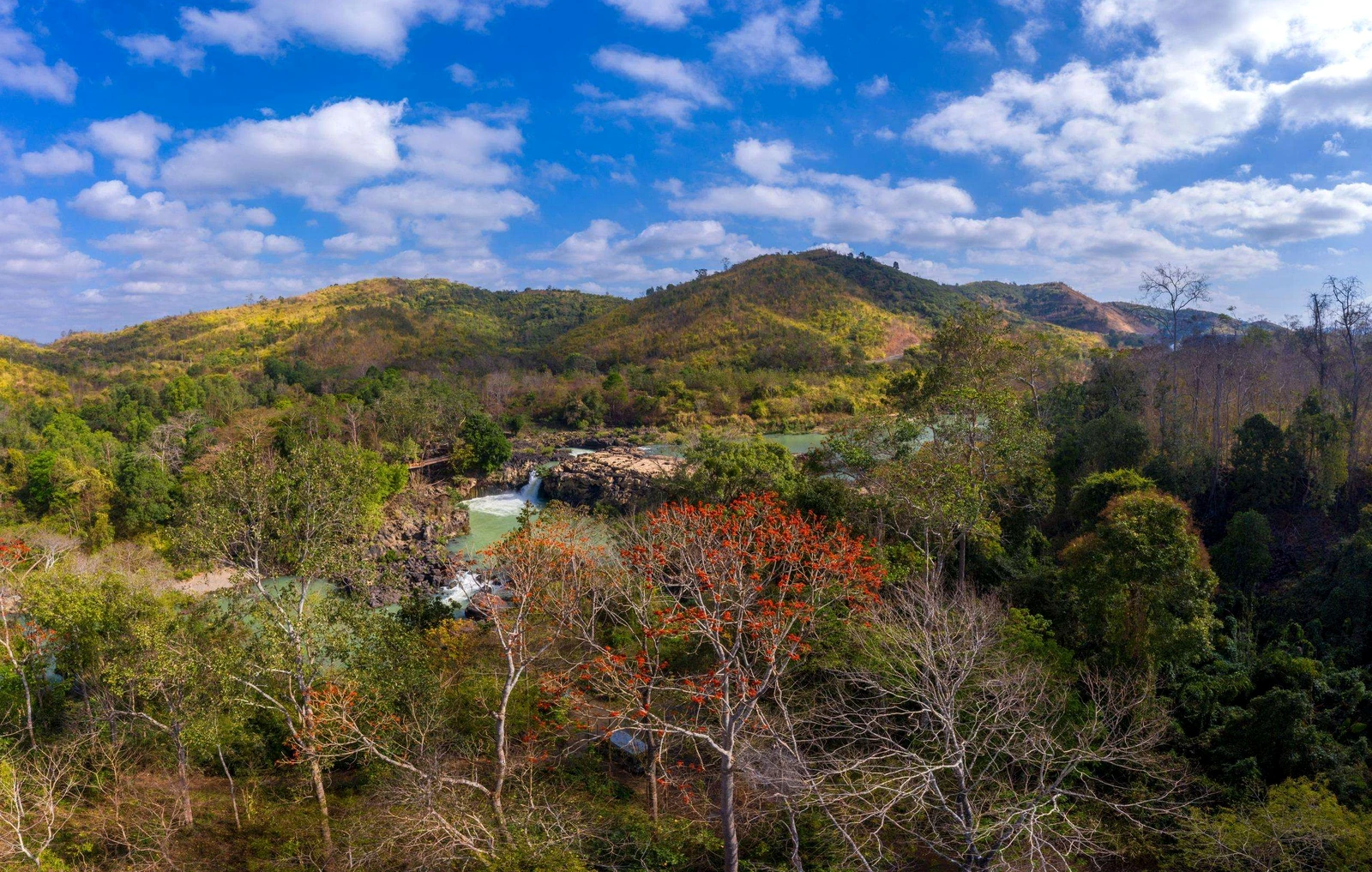
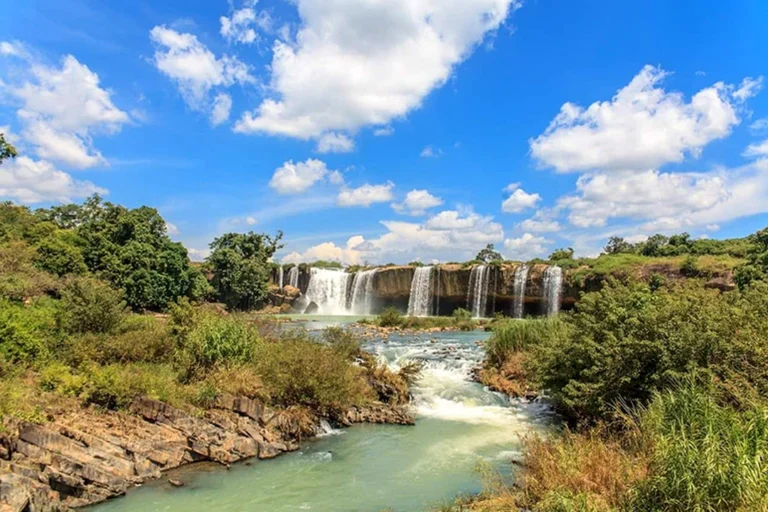
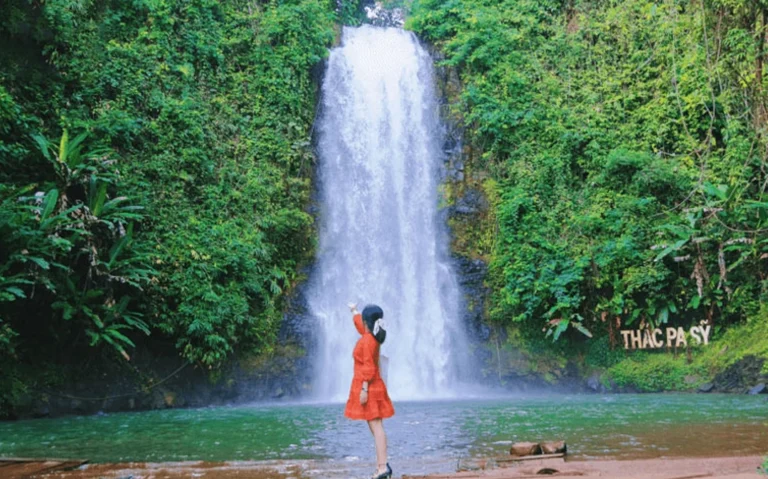
Nestled amidst the windswept vast highlands, Bien Ho Pleiku emerges as a transcendent geological entity, an authentic heritage realm deeply marked by time and legend. Located at approximately 14°02′ North and 107°55′ East, this scenic wonder belongs to Pleiku City, Gia Lai Province—the sacred living space of the Jrai ethnic people, completely distinct from the urban area of Buon Ma Thuot in Dak Lak, even though the two are occasionally confused in popular memory. From the perspective of historical geomorphology, Bien Ho is the remnant of a massive volcanic crater that has lain dormant for millions of years. Viewed through the lens of traditional feng shui, this location possesses an exceptionally auspicious “leaning against the mountain, facing the water” topography: to the East and North lies a majestic mountain range alongside the famed Chu Dang Ya volcano, forming a solid Black Tortoise protective screen, while the deep lake bed acts as a Bright Hall pooling water, gathering the prosperous vital energy of Central Vietnam’s earth and sky. Surrounding the lake are gently undulating basalt hills resembling a dragon bowing and a tiger crouching, embracing and preserving an inexhaustible source of pure groundwater that nurtures a mild, refreshing microclimate year-round.
Tracing back through cultural history, the land surrounding Bien Ho has long been the cradle of the Jrai people, who belong to the Austronesian language family. Archaeological discoveries—including paleontological sedimentary layers, polished stone tools, and primitive pottery shards scattered across ancient alluvial terraces around the lake—serve as undeniable evidence of continuous human presence from the late Neolithic to the early Bronze Age. In folk memory and the indigenous language, this sacred lake is known as T’hung Nho or T’nung, intimately tied to heroic epics and tragic legends of love, sacrifice, and reverence for the deities among the Jrai people. Through the vicissitudes of time, from autonomous feudal eras in deep, untamed forests rarely trodden by outsiders to the modern era of scholarly research, Bien Ho has preserved its untamed, majestic, and tranquil beauty.
Today, in the eyes of heritage management authorities and specialized press, Bien Ho Pleiku is not merely a natural landmark that captivates distant travelers under the poetic moniker “The Eyes of Pleiku,” but also a living geological museum of the Indochina region. The unique value of Bien Ho lies in the exquisite harmony between the science of Earth’s tectonic crust and the deep layers of indigenous beliefs, where every drop of water and every drifting cloud reflected on the glassy lake surface preserves the sacred soul of the mountains and rivers, affirming a cultural and historical heritage of enduring stature that stands the test of time.
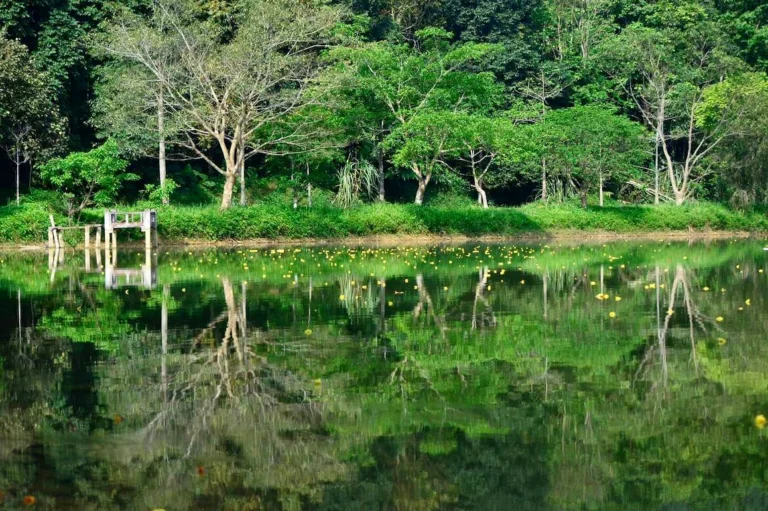
Dubbed the poetic and mystical “Eyes of Pleiku” amidst the windswept wilderness of the Central Highlands, Bien Ho (T’nung) appears as a magnificent masterpiece of nature, where the seamless union of earth, sky, emerald water, and pristine space creates a breathtaking natural panorama that enchants every traveler who sets foot here. In terms of landscape and natural architecture, Bien Ho boasts a remarkably unique geomorphological structure, nestled snugly inside the crater of a volcano that went extinct millions of years ago. Viewed from above, the expansive lake bed opens up like a giant mirror reflecting the clouds and sky, encircled by rolling belts of fertile basalt hills and rows of ancient pine trees whispering in the breeze. This distinctive terrain not only holds precious geological value but also creates a visually captivating space where the boundary between the water’s surface and the primeval forest seems to merge into one, evoking a sense of serenity and stillness infused with the mighty power of the highland mountains and forests.
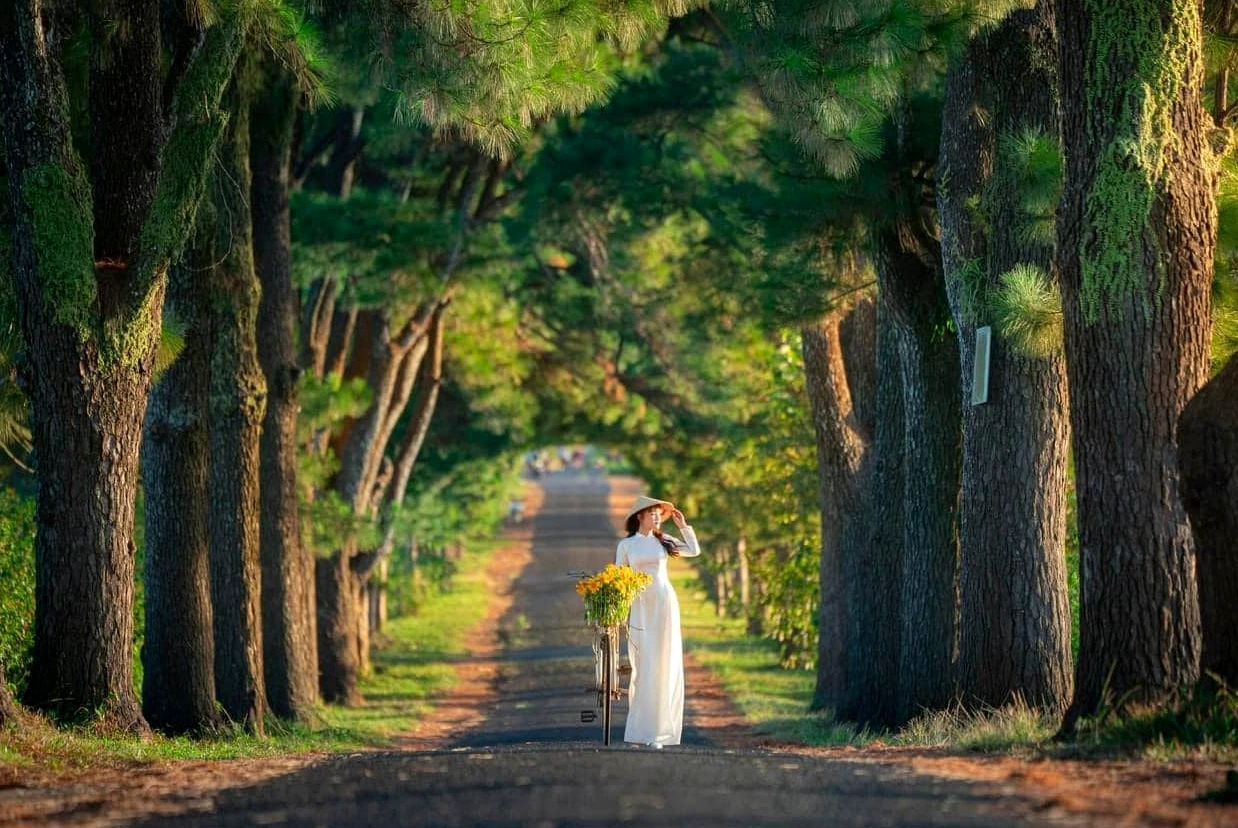
Your journey to discover this natural masterpiece becomes even more fulfilling when pausing at classic photography spots praised by professional photographers and leading travel magazines. The first unmissable angle is the ancient pine hill hugging the lakeshore, where towering trunks with rugged bark stretch out to cast cool shade, creating natural openings for sunlight to filter through the foliage. The most ideal time to capture this vantage point is at dawn, when the first morning rays gently pierce the lingering mist over the water, producing a magical optical effect reminiscent of a fairyland. At this hour, the lake is as smooth as a sheet of glass, with faint wisps of vapor rising and blending with the golden-orange glow of the sun emerging from the northeastern mountain range, yielding frames rich in cinematic artistry and spiritual depth.
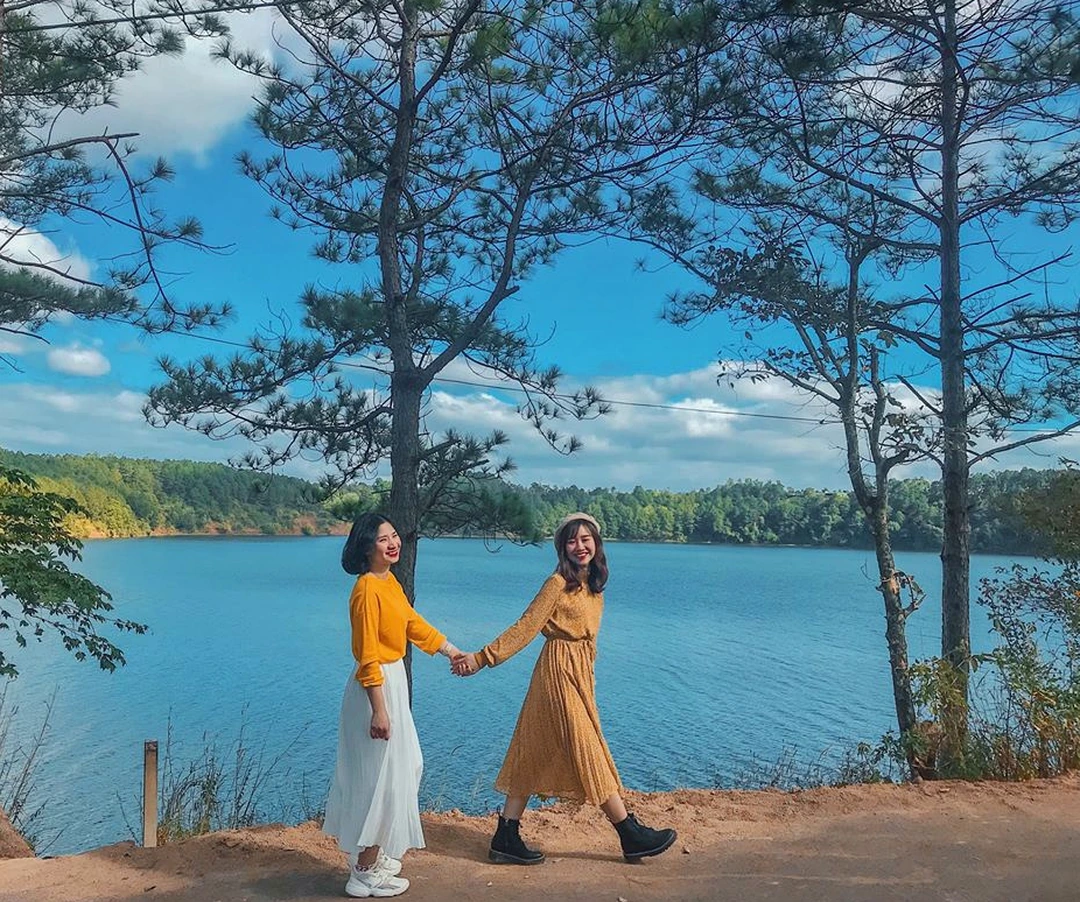
The second prized photography spot lies at the observation tower and the pathway leading down to the traditional water wharf of the Jrai people, opening up a 180-degree panoramic view encompassing the full grandeur of the Bien Ho basin. Sunset is the golden hour for photographers hunting million-view shots. As the sun gradually dips behind the western mountain range, the sky above shifts continuously from vibrant pink and deep orange to rich violet, shimmering across the crystal-clear, deep blue waters of the lake. The absolute tranquility of the space, combined with the whistling highland wind rustling through the golden bamboo groves along the shore, awakens every sense of the beholder, turning each captured frame into a priceless work of art and a vivid testament to the eternal beauty of this “gem” in the heart of Pleiku mountain town.
Stepping beneath the whispering ancient pines to reach Bien Ho Pleiku, every visitor is bound to be overwhelmed by a breathtakingly majestic and unspoiled natural tableau. The first and most rewarding experience is hiking up the gentle basalt slopes, where the lush greenery of grass and trees blends seamlessly with the drifting white clouds of the mountain town. Looking down from above, the lake’s surface stretches out flat like an enormous mirror reflecting the vast highland sky, embraced by endless expanses of deep green pine forests. The awe-inspiring sensation of standing before the wide-open, immense space of an ancient volcanic crater makes all the noise and dust of daily life seem to melt away, giving way to profound stillness and absolute relaxation.
To fully appreciate the mystical beauty of the “Gem of Pleiku,” nothing compares to renting a small wooden boat and drifting along the calm waters. Exploring the lake from water level allows visitors to hear more clearly the symphony of the forest wind, birds singing melodiously through the leaves, and the unhurried breathing of the highland earth and sky. Venturing deeper toward the center of the lake, the crystal-clear blue water reveals mysterious vistas that preserve countless heroic epics of the Jrai people regarding the origin of these sacred waters. Within this expansive setting, travelers easily encounter moments of deep inner stillness—a wondrous communion between humanity and the sacred, enduring spirit of the great forest.
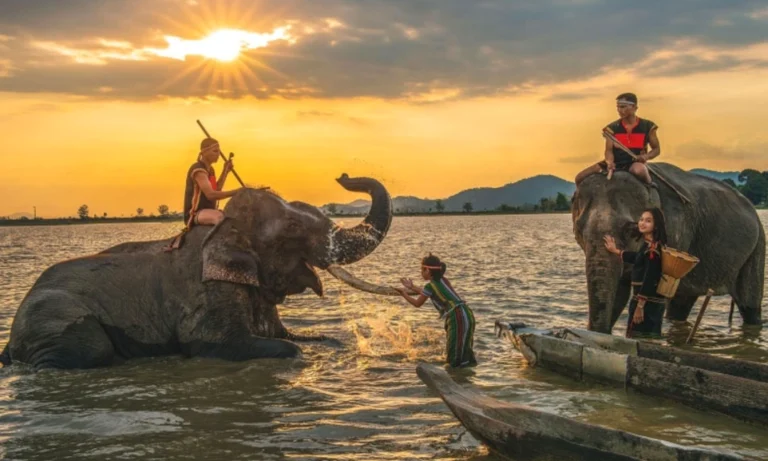
Beyond its spectacular scenery, a journey to explore Bien Ho Pleiku is also a deeply moving spiritual pilgrimage into indigenous cultural spaces. Visitors can drop by surrounding traditional villages, listen to the resonant echoes of gongs beside glowing campfires, and admire religious symbols woven into the daily lives of the Jrai people. The genuine hospitality of the local community, paired with epic tales passed down orally through generations, lends invaluable cultural depth to the trip. Here, every tree trunk, patch of grass, rhythmic beat of rice-pounding pestles, and traditional stilt house is imbued with the breath of an authentic, vibrant Central Highlands culture that endures through the ages.
Rounding off the Bien Ho experience are the renowned culinary specialties of the Pleiku highlands. Sitting beside a glowing fire amidst the crisp mountain breeze, travelers can savor the rich aroma of grilled chicken with bamboo-tube rice (com lam), meat grilled in bamboo segments infused with wild forest spices, and a cup of gong-festival rice wine warming the heart with human camaraderie. The seamless blend of awe-inspiring natural landscapes, historical and cultural depth, and distinctive cuisine has transformed Bien Ho Pleiku from a mere scenic stopover into a cherished haven lingering in the hearts of everyone who has ever set foot on this legendary basalt land.
Welcoming visitors to Bien Ho Pleiku, this destination steeped in the legendary imprint of the Central Highlands is always open with the finest experiences. Regarding operating hours, this relic site and natural landmark welcomes guests daily from 06:00 AM to 06:00 PM, seven days a week including public holidays and Tet. This timeframe is ideal for witnessing the magical transformation of nature, from the early morning mist to the brilliant sunset descending upon the glassy water.
Great news for travelers planning to explore this landmark is that admission to Bien Ho Pleiku is completely free for everyone. You will not have to pay any entrance fee to step into this majestic natural sanctuary, making your highland adventure far more budget-friendly and carefree. However, if you wish to use internal shuttle services or indulge in local cuisine around the area, be sure to set aside a modest budget according to your personal needs.
As for routes and transportation, departing from downtown Pleiku City takes only about 15 to 20 minutes over a distance of roughly 7 kilometers to the northwest. The most optimal route follows National Highway 14 (Pham Van Dong Street), after which you turn left following signposts toward Bien Ho Commune. You can rent a self-drive motorbike to fully enjoy the cool highland breeze, or travel by car or ride-hailing motorbike taxi, all of which are highly convenient and safe thanks to a well-upgraded road network.
When visiting a sacred land closely tied to the spiritual and cultural life of the Jrai people, choosing appropriate attire is essential. You should prioritize neat, modest, and respectful clothing when touring areas of religious significance around the lake. Additionally, because the terrain around the lake features many basalt rock slopes and rustic dirt paths, pack sneakers or hiking shoes with good grip, along with a hat, sunscreen, and an umbrella to stay prepared for any weather conditions.
Finally, the best time of year to visit Bien Ho Pleiku is from November through April of the following year, during the Central Highlands’ dry season. During these months, the weather is pleasantly dry with golden sunshine and clear blue skies—and notably, it is the season when wild sunflowers (hoa da quy) bloom abundantly across the hillsides, creating a breathtakingly poetic panorama. Early morning hours (6:00 AM – 8:00 AM) are also when the lake surface emerges faintly through a veil of mist, offering your most atmospheric photo spots and deeply tranquil soul-searching moments.
To enjoy a seamless holiday and take in the full beauty of Bien Ho Pleiku without worrying about arranging transportation, booking tickets, or planning itineraries, travelers can choose VDS Travel’s premium all-inclusive Buon Ma Thuot tour packages. Every itinerary is thoughtfully designed to optimize photo check-in times when the scenery is at its most radiant, accompanied by local guides well-versed in regional culture and top-tier hotel and dining standards.