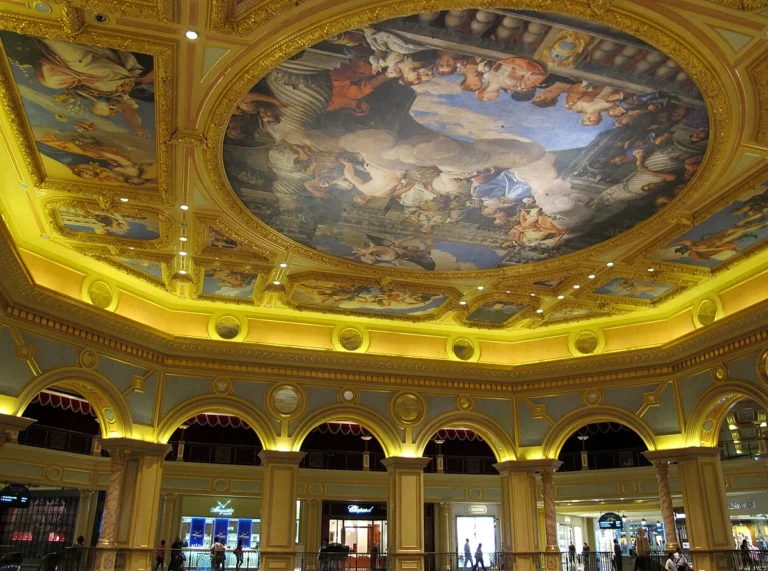
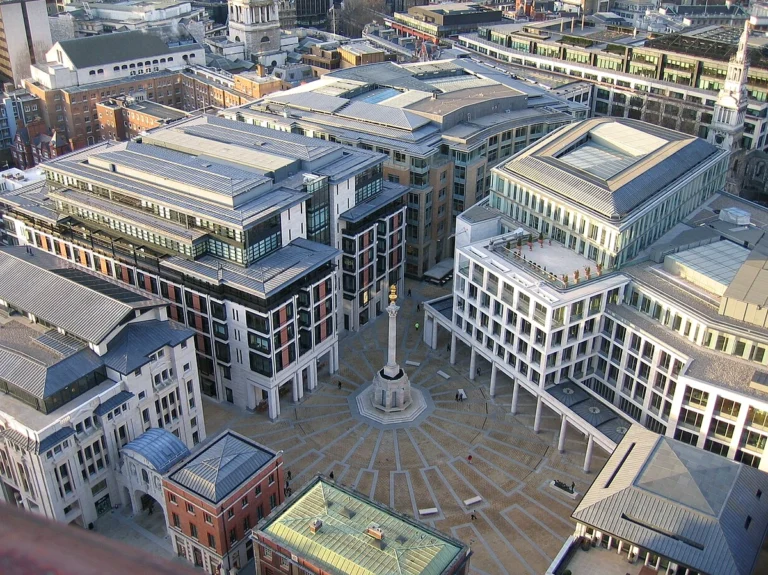
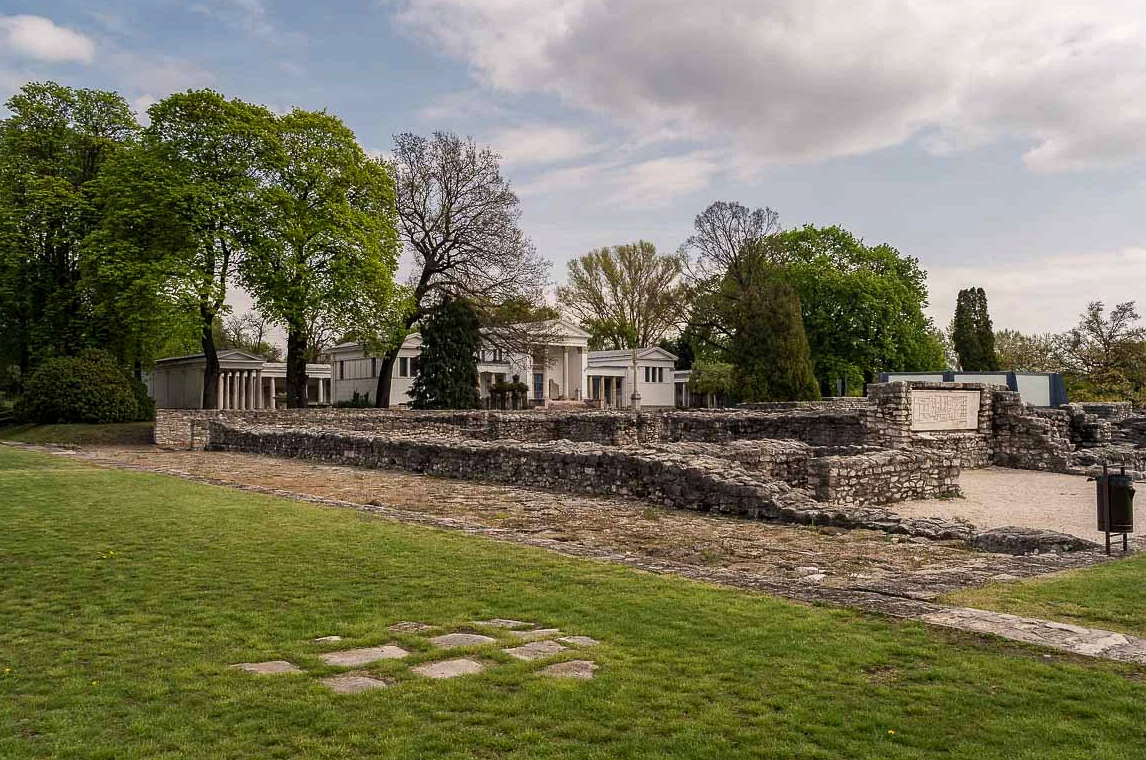
The history of thermal bathing culture in Budapest is not a random phenomenon of the modern era, but one deeply rooted in ancient Roman times during the 2nd century AD. Back then, this fertile lowland belonged to the Roman province of Pannonia, where expeditionary soldiers and aristocrats early on discovered the endless geothermal heat beneath the earth and constructed magnificent public baths in the provincial capital of Aquincum. Through centuries of upheaval and shifting dynastic powers across Central Europe, the philosophy of “Salus per Aquam”—seeking health and purification through water—quietly took root in local life, awaiting the moment to blossom into an unrivaled architectural and cultural icon.
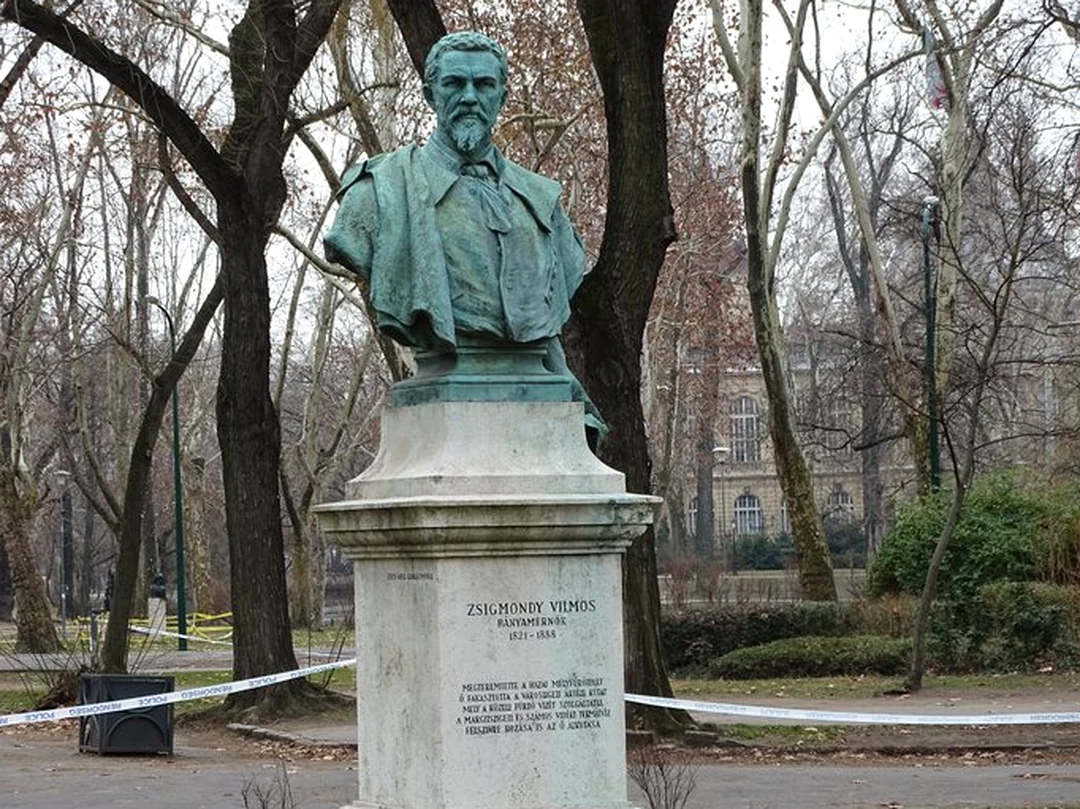
The historic turning point marking the birth of the Széchenyi complex occurred in the late 19th century, a golden age of geological discoveries and mining engineering in Hungary. In 1879, after years of dedicated research, the eminent mining engineer Vilmos Zsigmondy achieved a geological feat in Budapest’s City Park (Városliget): his exploratory drill bored 970 meters deep through ancient sedimentary rock layers, opening a pathway for thermal mineral water to gush to the surface. Reaching temperatures of up to 74°C and rich in sulfates, calcium, magnesium, and bicarbonates, this miraculous artesian spring swiftly sparked a hydrotherapeutic craze across the entire Old Continent.
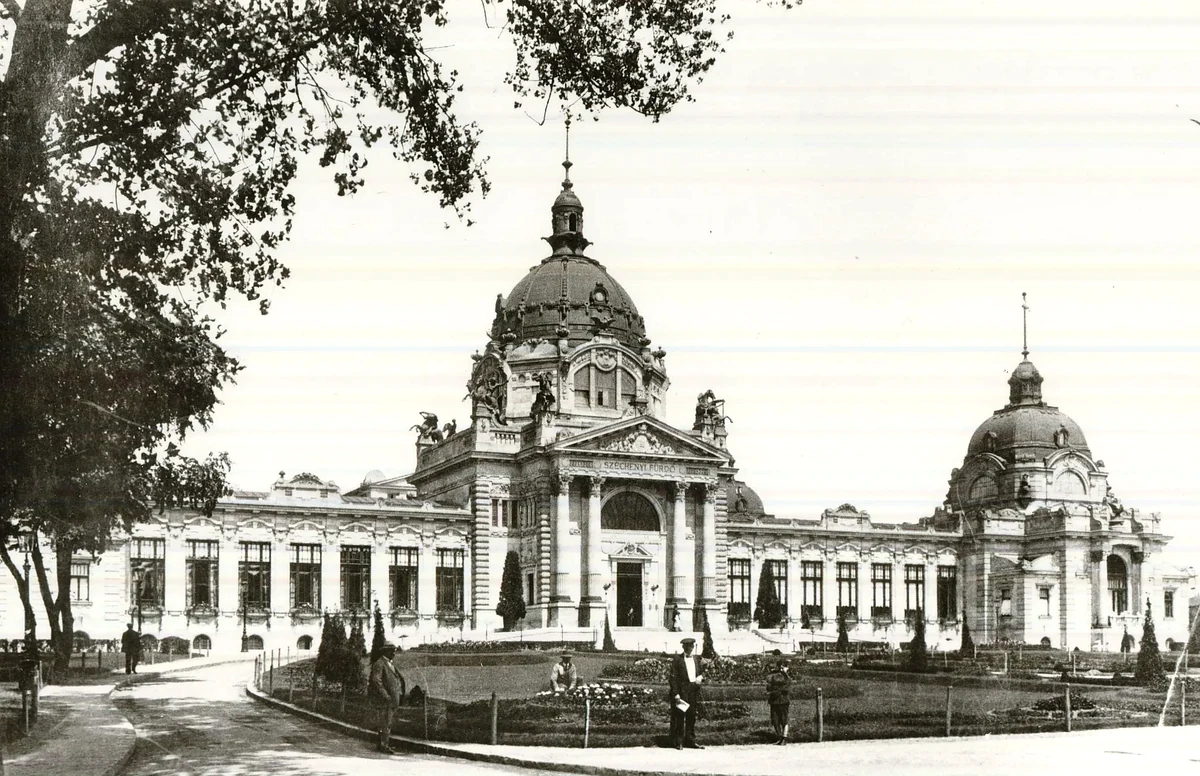
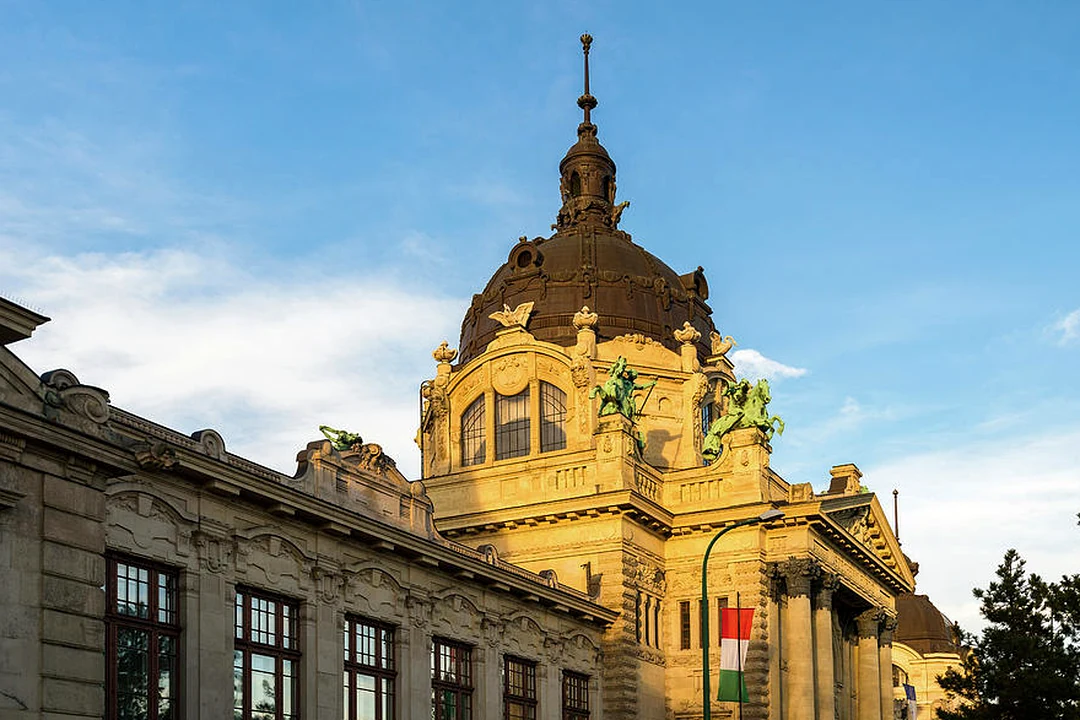
Recognizing the priceless value of this natural gift, between 1909 and 1913—under the resplendent reign of Emperor Franz Joseph I of the Austro-Hungarian Dual Monarchy—the Budapest City Council officially approved a landmark project to construct the largest public medicinal bath complex in Europe. Initially, the edifice was formally named Zsigmondy Gyógyfürdő in tribute to the brilliant mining engineer who tapped the source. The project was entrusted to the renowned architect Győző Czigler, who poured his heart into drafting a grand palace that seamlessly blended the symmetrical precision of the Neo-Renaissance style with the dramatic, sweeping opulence of Neo-Baroque artistry.
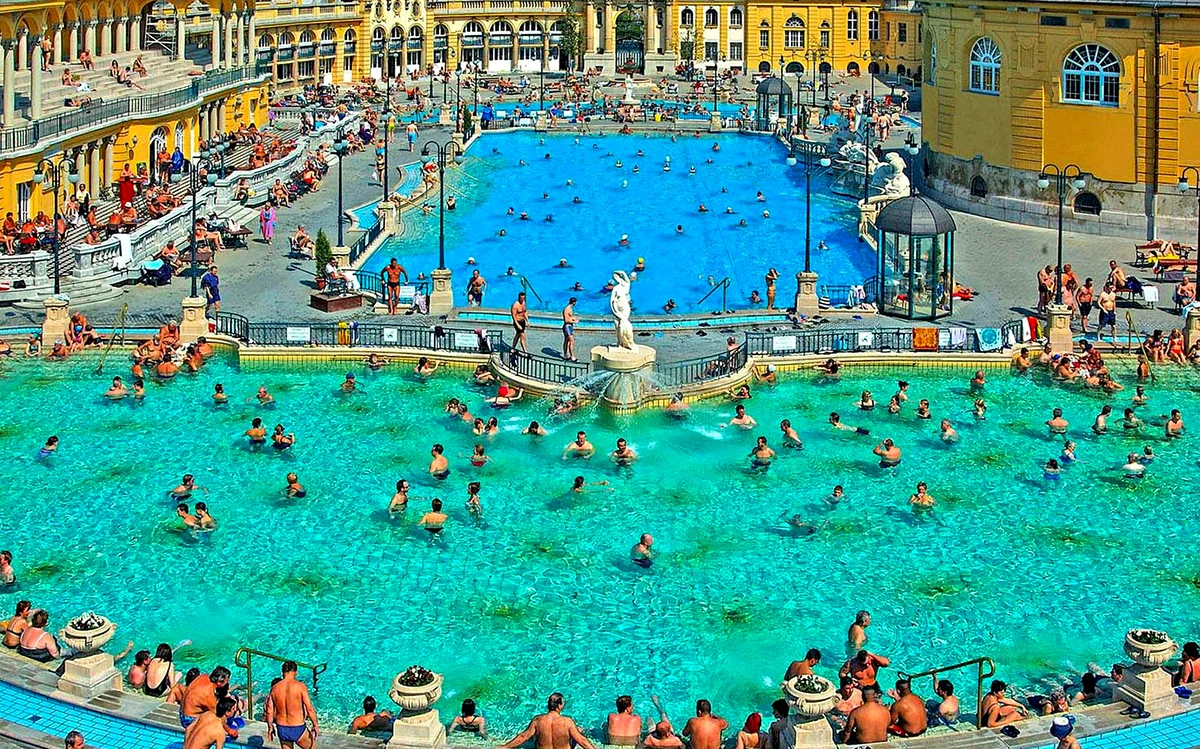
Following the tumultuous shocks of World War I and the dissolution of the Austro-Hungarian Empire, Budapest entered an era of reconstruction accompanied by a surging demand for leisure and physical rehabilitation across all strata of society. Faced with an ever-growing influx of both domestic and international visitors, city authorities decided to undertake an unprecedented major renovation and expansion in 1927. This historic construction phase added the famous outdoor pool complex—equipped with a state-of-the-art wave pool for its time—transforming the venue from an enclosed bathhouse into an expansive open-air water plaza as dazzling as an open-air sculpture museum under the European sky.
Also during this transformative milestone of 1927, the complex was officially renamed Széchenyi Gyógyfürdő to commemorate and honor Count István Széchenyi (1791–1860). In the hearts of the local people, Count István Széchenyi was the greatest statesman, thinker, and reformer in Hungarian history, bestowed with the immortal title “The Greatest Hungarian” for his pioneering contributions that laid the foundations for the country’s modernization. Attaching the name of this illustrious figure to the thermal bath icon served not only as a tribute to a national forefather, but also affirmed Széchenyi as a spiritual heart—a place where a majestic imperial past converges with the enduring aspirations of the Magyar people across the tides of history.
Situated at the heart of the grand Városliget park on the eastern bank of the gentle Danube, Széchenyi rests upon flat terrain within the ancient alluvial basin of the Carpathian Basin. From the perspective of landscape geomancy and physical geography, the complex occupies a low-lying water-gathering depression where the richest geothermal underground veins of the Hungarian Plain converge. The harmonious interplay between the flat expanse of the plains and the deep tectonic fault systems within the Earth’s crust has transformed Budapest into an unrivaled “capital of thermal springs.” Here, a smooth layer of ancient alluvium blankets a colossal funnel-shaped geothermal aquifer, creating steadfast tranquility on the surface while boundless, piping-hot internal energy surges just beneath every inch of soil.
The triumph of bringing these subterranean waters surging to the surface is forever linked to the name of the famed mining engineer Vilmos Zsigmondy in the second half of the 19th century. After years of persevering through challenging layers of Paleozoic limestone and dolomite, the geological drill reached the underground aquifer at a spectacular depth of nearly 970 meters beneath Városliget park. It was one of the deepest and most intricate geothermal wells in Europe at the time, tapping into the spring named after St. Stephen. The natural water erupted vigorously at temperatures of roughly 76 to 77 degrees Celsius, carrying warm vitality from the Earth’s core to nourish one of the largest bathing systems on the continent.
In terms of physicochemical and medicinal properties, the artesian spring at Széchenyi represents a high-temperature mineral water boasting a rarely seen richness of mineralization. Hydrological analysis records an abundance of calcium, magnesium, and hydrocarbonate ions, combined with sulfates, chlorides, and precious trace elements such as fluoride and metasilicic acid. The technical operation of the complex demands absolute precision in hydraulic separation, cooling, and circulation. From its original source temperature of nearly 80 degrees Celsius, the mineral water is regulated through a closed heat-exchange system and specialized settling basins to lower the heat to ideal temperatures ranging from 27 to 38 degrees Celsius for each functional pool. Absorbed directly through the epidermis, these micronutrients promote cartilage regeneration, reduce chronic inflammation, restore the neuromotor system, and naturally stimulate peripheral blood circulation.
The landscape planning of Széchenyi is a sublime symphony between human architecture and the lush ecological greenery of Városliget. The massive outdoor thermal pools are arranged like emerald lakes nestled within four walls of a royal yellow palace, creating a warm microclimate year-round. On chilly days or when white snow blankets the maple canopies, billowing clouds of warm steam transform the space into a mystical oasis, floating like a celestial fairyland. The organic harmony between the misty, steaming water surfaces, sweeping green lawns, and the large nearby lake framed by the silhouette of Vajdahunyad Castle has forged a distinctive landscape structure where nature generously bestows miraculous vitality hidden beneath Mother Earth.
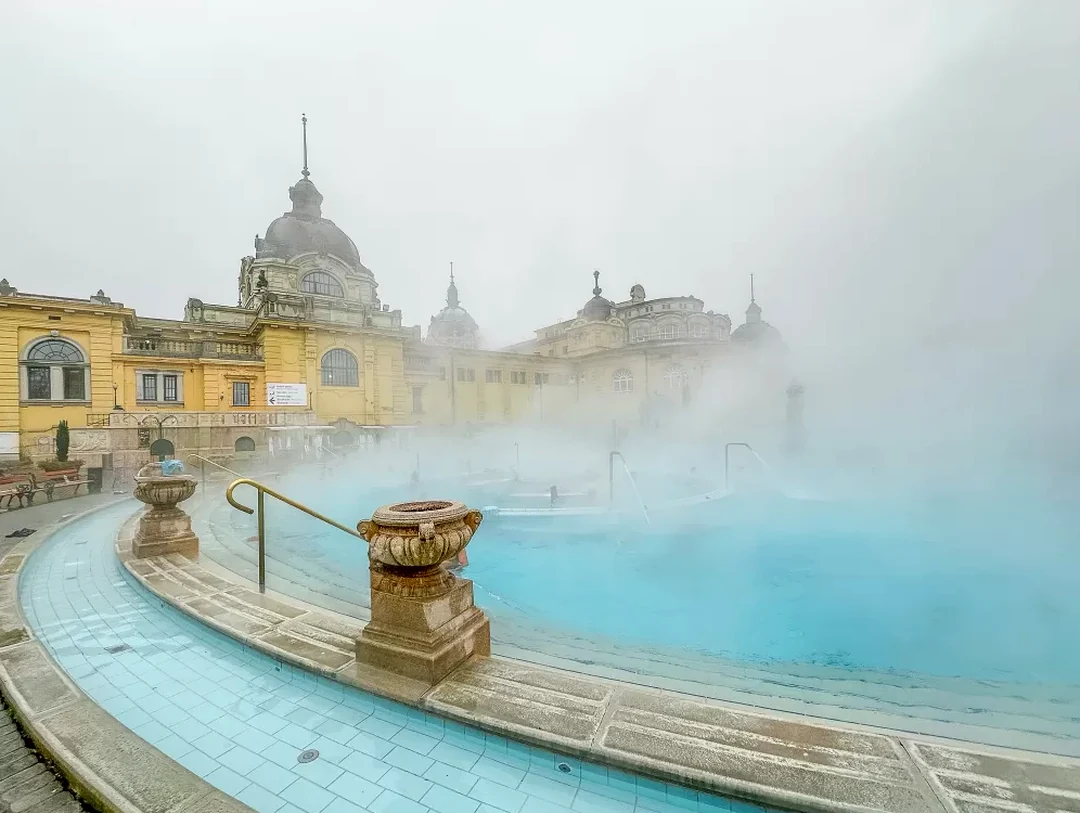
Standing amidst the boundless greenery of Városliget City Park like a resplendent royal palace from the Belle Époque era, the Széchenyi Thermal Bath complex is a compelling testament to the pinnacle of architectural fusion between the Neo-Baroque and Neo-Renaissance movements. Drafted by the gifted hand of architect Győző Czigler, the entire structure exudes the supreme regality of the Austro-Hungarian Dual Monarchy’s heyday. Every exterior line is clad in radiant imperial yellow, gracefully contrasting with majestic, undulating tiered domes, turning the entire therapeutic complex into the grandest sanctuary of mineral water in all of Europe—a place where visual artistry and wellness functionality merge to perfection.
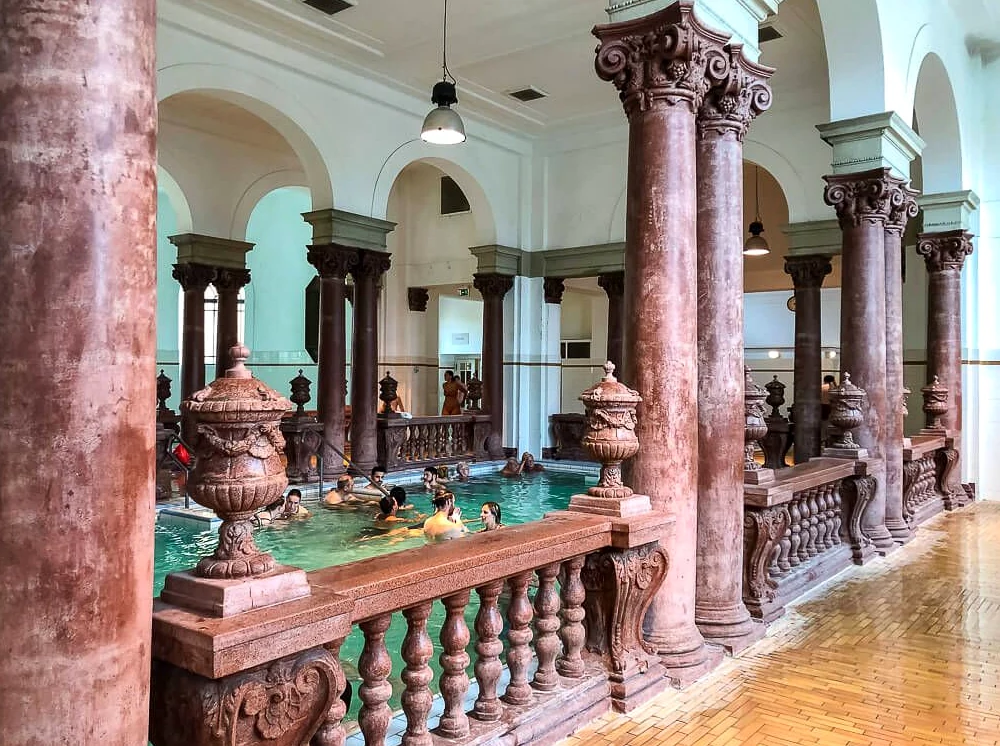
Stepping through the central octagonal foyer, visitors feel as though they have wandered into a classical art museum with soaring vaulted ceilings covered in priceless wet frescoes personally painted by the master artist Zsigmond Vajda. The works depict Greco-Roman mythology honoring the Sun God Helios riding his radiant four-horse chariot parting the clouds, alongside deities of rivers, springs, and oceans bestowing revitalizing energy upon humanity. Surrounding the inner hall are rows of Corinthian columns intricately carved with mythical sea monsters, stylized seashells, and graceful mermaids supporting the ceiling. The most lavish highlight defining Széchenyi’s aristocratic identity lies in its decorative artistry crafted from famed Pyrogranite ceramics by the Zsolnay manufactory of Pécs. Glistening turquoise-glazed tiles reflect natural light, while royal gold-leaf trim adorns mythical dolphin-head spouts and pool edges, creating a magnificent visual feast that transcends every boundary of an ordinary public bathhouse.
In terms of physical scale, Széchenyi possesses a colossal spatial layout distributed according to strict laws of symmetry echoing the great ancient Roman thermae. The interior core encompasses 15 indoor thermal pools with water temperatures strictly graduated from 20°C to 38°C, fulfilling a complete hydrotherapy cycle—from purification and circulation stimulation in cold plunge pools to deep relaxation in warm mineral waters rich in sulfates, calcium, magnesium, and bicarbonates. These healing subterranean waters originate from the thousand-meter-deep Szent István artesian well, continuously pouring forth pure geothermal energy for over a century through sturdy marble conduits.
The centerpiece of the entire resort lies in its magnificent outdoor courtyard, featuring three oversized open-air pools framed on all four sides by elegant Neo-Baroque colonnades. Among them, the central adventure pool is equipped with modern circulating whirlpool currents, the lap pool caters to fitness swimmers, and standing out above all is the thermal soaking pool maintained at 38°C year-round. Amidst billowing clouds of warm steam rising like a translucent veil of mist, visitors encounter an iconic, timeless scene of Budapest: elderly locals quietly soaking in the warm waters, unhurriedly setting floating chessboards atop the water to match wits for hours on end. This serene tableau transforms a monumental architectural landmark into a warm cultural gathering space, where the refined cadence of an old royal court blends effortlessly with vibrant everyday life.
Once the twilight glow fades behind the maple groves of Városliget park, the Széchenyi Thermal Palace sheds its tranquil daytime cloak to don the dazzling, enchanting guise of a royal ball beneath the Central European night sky. Crafted by architect Győző Czigler during the Austro-Hungarian golden age, the bright yellow Neo-Baroque ensemble now comes alive under amber-toned architectural lighting. Every embossed molding, proud Corinthian column, and bas-relief of Roman water deities shimmers upon the glassy surface of the water. Amidst the crisp night air characteristic of the Danube River basin, mineral steam laden with calcium and magnesium rises thickly from over a thousand meters underground at 36 to 38 degrees Celsius, weaving an ethereal veil of mist around the antique domes and turning the multi-thousand-square-meter open-air space into a luminous live-action stage straight out of a fairy tale.
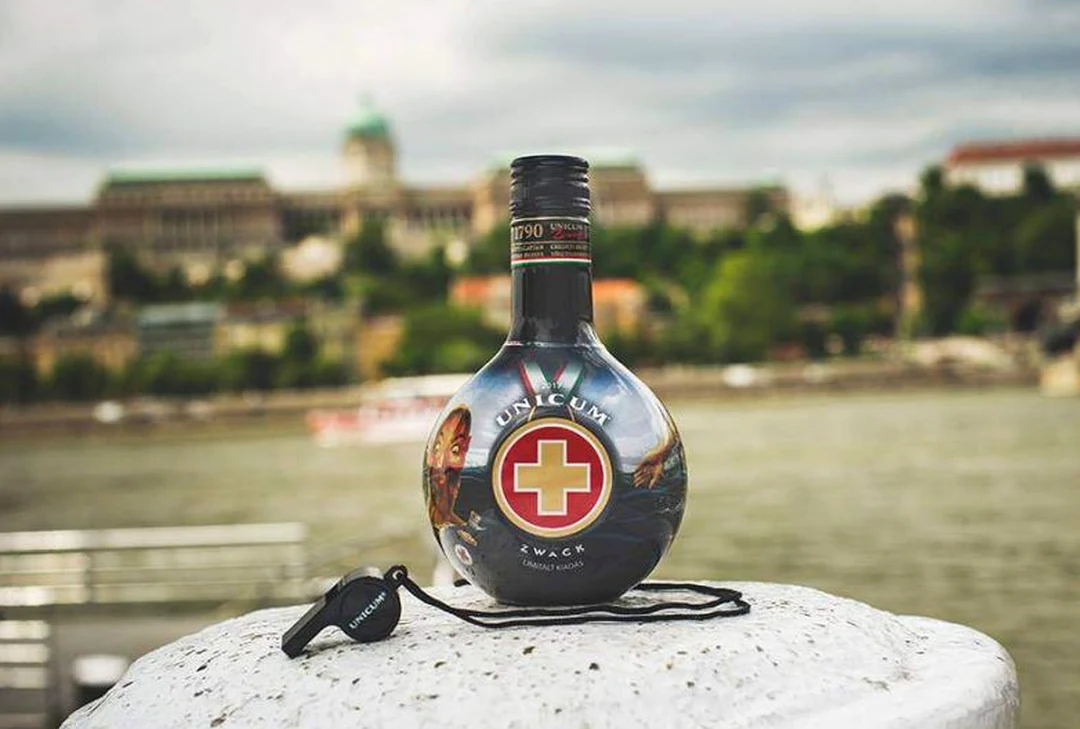
Nightlife at Széchenyi is further enriched by warming local culinary flavors and spirits. Amidst the drifting clouds of steam, guests can stop by open-air bars tucked along the semicircular colonnades to savor a glass of Unicum—the Zwack family’s iconic bitter herbal liqueur originally presented by the royal physician to Emperor Joseph II in the 18th century—or sip on world-famous Tokaji Aszú dessert wine, once hailed as the wine of kings. The warming spice of the herbal liqueur pairs exquisitely with freshly fried traditional lángos straight from boiling oil, fragrant with freshly brushed garlic and generously topped with finely grated Trappista cheese and rich tejföl sour cream. The sharp contrast between the cool night breeze caressing the skin and the warm underground thermal currents creates a decadent, aristocratic indulgence rarely found anywhere else.
The ultimate climax of Széchenyi’s nightlife is “Sparty”—the legendary late-night bath party launched in 1994 and held regularly on weekends. Wholly distinct from conventional enclosed nightclub parties, Sparty is a spectacular marriage between centuries-old historical heritage and fiery contemporary culture. The entire central outdoor pool transforms into a colossal aquatic dance floor, where Electronic Dance Music, Progressive House, and Techno pulse through high-powered surround sound systems. Cutting-edge visual mapping turns the classical walls into dynamic optical canvases, while dozens of razor-sharp laser beams sweep through the misty steam, painting multicolored optical rainbows across the Magyar night sky.
Thousands of travelers from every continent immerse themselves in the churning hot waters, dancing to the driving basslines, raising their glasses, and reveling in absolute freedom amidst Belle Époque architecture. This is far more than mere entertainment; it is a living, interactive spectacle where the boundary between preserving ancient heritage and embracing youth culture is artfully dissolved. Through this synergy of sound, light, warmth, and history, Széchenyi proves its timeless vitality, cementing its status as a sleepless thermal bathing capital in the heart of the Old Continent.
The thermal bathing culture at the Széchenyi palace does not stop at the edge of steaming waters infused with sulfur and magnesium; it expands into a rich ritual of flavors where local cuisine plays a vital role in restoring vitality and awakening all five senses. After hours of relaxing the body in the open-air soaking pools framed by vibrant Neo-Baroque yellow walls, the natural energy expenditure induced by the geothermal heat of Városliget awakens a hearty appetite. Stepping outside the aquatic palace grounds, visitors immediately encounter the inviting culinary atmosphere of Budapest’s City Park, where the aroma of charcoal smoke, baked dough, and pungent paprika interweave like an endless ballad of the Pannonian Plain.
The very first dish to call out to anyone stepping out of the warm waters is Gulyásleves, the renowned beef goulash soup born from the culinary traditions of herdsmen on the ancient Puszta plains. Slow-simmered in traditional copper cauldrons, Gulyásleves is a classic union of tender, hand-selected beef shank, earthy potatoes, sweet carrots, and aromatic caraway seeds. The soul behind the soup’s deep crimson hue and signature sweet-spicy warmth can be none other than premium Paprika powder, the pride of fertile regions like Szeged and Kalocsa. With every spoonful of rich, steaming broth, warmth radiates to every cell, swiftly warming the bloodstream and replenishing the mineral salts depleted during a long soak.
Right along the tree-lined stone walkways of the park, the rich, savory aroma of traditional Lángos flatbread offers a humble yet utterly addictive street-food experience. Originating from the Hungarian word “láng,” meaning flame, Lángos was once leftover bread dough quickly baked near the flames of brick ovens on baking mornings before evolving into the golden, puffy deep-fried delicacy enjoyed today. A perfect post-bath Lángos must maintain a crispy exterior and a soft, airy interior. The piping-hot dough is immediately rubbed with fragrant fresh garlic oil, slathered generously with cool, velvety fermented sour cream (tejföl), and blanketed under a thick mound of shredded Trappista cheese. The bold contrast between the hot, crisp crust, refreshing sour cream, and rich, melting cheese provides a rapid burst of energy, shaping an inseparable culinary memory of Széchenyi.

The lakeside culinary scene also entices passersby with the sweet aroma of Kürtőskalács, the spiral cylindrical chimney cake hailing from historic Transylvania. Strips of leavened dough are skillfully wrapped around oak rolling spits, brushed with butter, and roasted slowly over glowing charcoal embers. Under precise heat, the outer coating of granulated sugar melts and caramelizes into a glossy, amber-brown crust. The moment it is slid off the spit, the steaming pastry is immediately rolled in fragrant Ceylon cinnamon or crunchy, earthy crushed walnuts. Biting through the crisp outer shell into the cloud-soft interior, the delicate sweetness of Kürtőskalács mingles with the cool park breeze to strike a soothing final note after an invigorating thermal soak.
A culinary journey around the Széchenyi palace would be incomplete without an aristocratic touch from sweet Tokaji Aszú wine, a treasure born on the volcanic slopes of Tokaj-Hegyalja. Bestowed by King Louis XIV of France with the illustrious title “Vinum Regum, Rex Vinorum”—”Wine of Kings, King of Wines”—every drop of Aszú is pressed from grapes naturally shriveled on the vine by noble rot (Botrytis cinerea), concentrating flavors of wild honey, dried apricots, and autumn blossoms. Sipping this shimmering amber nectar alongside a plate of pan-seared, golden-crusted fattened goose liver (Libamáj)—another national treasure of Magyar gastronomy—creates a sublime balance between regal sweetness and silky richness, bringing a day of thermal wellness to a close with a grand symphony of royal flavors.
To fully savor the healing blessings of the subterranean springs at Széchenyi Palace in the heart of Városliget City Park, choosing the right moment to step through its Neo-Baroque arched gates is decisive in shaping the entire experience. Discerning travelers often arrive right at the break of dawn at 7:00 AM, when the wrought-iron gates swing open to welcome the first guests of the day. At that hour, the open-air courtyard retains a serene, undisturbed stillness, as wisps of mineral steam billow from the 38°C waters and mingle with the drifting morning mist to create an ethereal, otherworldly tableau. In stark contrast to the quietude of early morning, visitors drawn to modern, free-spirited energy choose weekend nights to dive into Sparty, the world-famous nocturnal bath party combining dazzling laser light shows with pulsing electronic music over shimmering waters.
Reaching this historic thermal complex is in itself a journey back through the history of European urban transit. The most graceful and iconic way to arrive is aboard the nostalgic yellow M1 metro line, famously known as the Millennium Underground Railway. Inaugurated during Hungary’s Millennial celebrations under the reign of Emperor Franz Joseph I, it stands as the very first underground railway on the European continent. Stepping off at Széchenyi fürdő station—complete with antique cast-iron pillars and classic glazed-tile signage—visitors need only take a leisurely fifty-meter stroll beneath lush green plane trees to reach the main entrance hall. Alongside the heritage underground railway, trolleybus lines 72 and 75 glide along leafy avenues, offering peaceful views of the Zugló district before you immerse yourself in the warm waters.
Bathing etiquette at the palace requires strict adherence to public hygiene standards and time-honored codes of courteous conduct. Every visitor passing through the turnstiles must wear proper swimwear along with non-slip slide sandals or flip-flops to prevent slipping on damp, moss-kissed marble steps. In the outdoor lap pool dedicated to serious distance swimming, management strictly enforces the wearing of snug swim caps to keep the circulating water pristine. Additionally, bringing along a thick cotton bath towel, a warm bathrobe, and a waterproof pouch makes moving between the outdoor thermal pools and indoor saunas effortless—especially during winter days when air temperatures plunge below freezing.
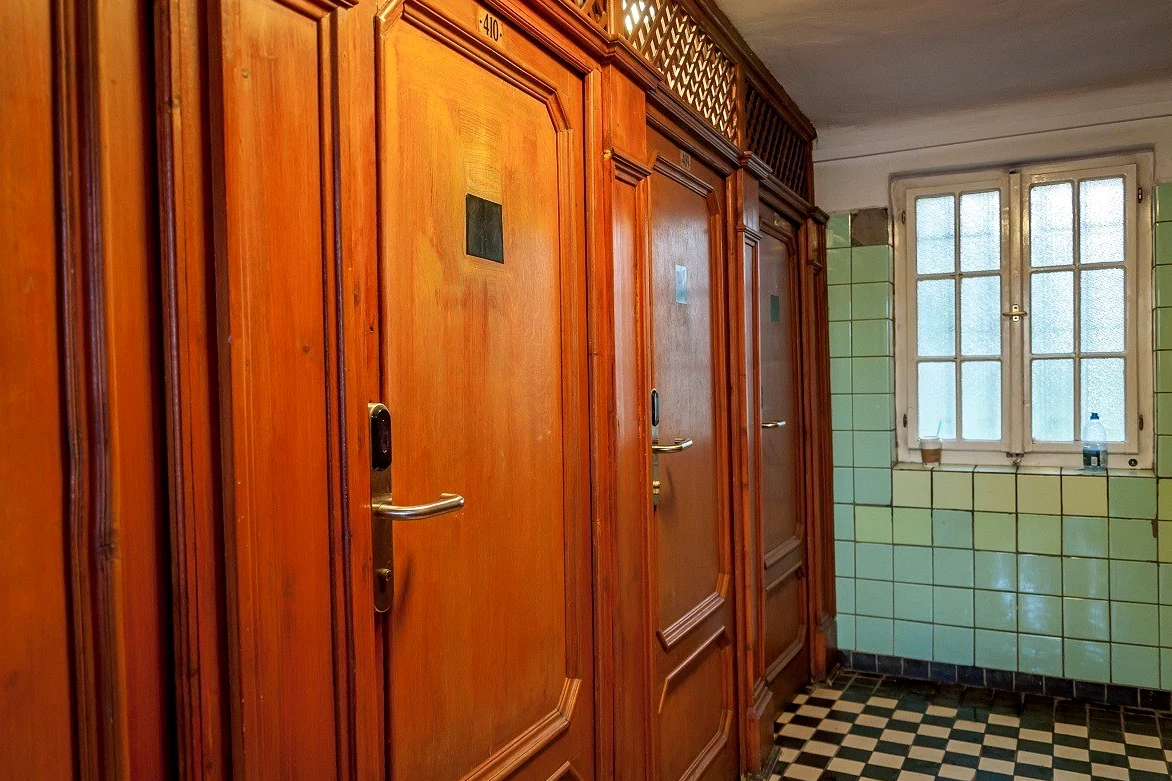
To maximize your visit and bypass the stress of waiting at the main ticket counters during peak tourist seasons, booking a fast-track e-ticket with priority entry is the smartest choice. Visitors should also opt for packages that include a private oak changing cabin rather than standard electronic lockers. These enclosed spaces not only provide complete privacy when changing, but also serve as a secure vault for safeguarding personal belongings, passports, and high-value camera gear. Inside a wellness sanctuary welcoming thousands of international guests daily, taking care with personal valuables and maintaining respectful spacing inside the hydro-massage jets preserves the refined, aristocratic spirit of Hungarian hydrotherapy.
Concluding your journey beside chessboards bobbing gently on warm waters or sipping mineral-rich spring water straight from a natural drinking fountain will etch unforgettable memories of a timeless and hospitable Budapest. To ensure your Eastern European adventure unfolds seamlessly—free from language barriers, logistical hassles, or unexpected hidden expenses—travelers can proactively plan their trip through an all-inclusive tour package to experience a truly premier heritage wellness getaway.