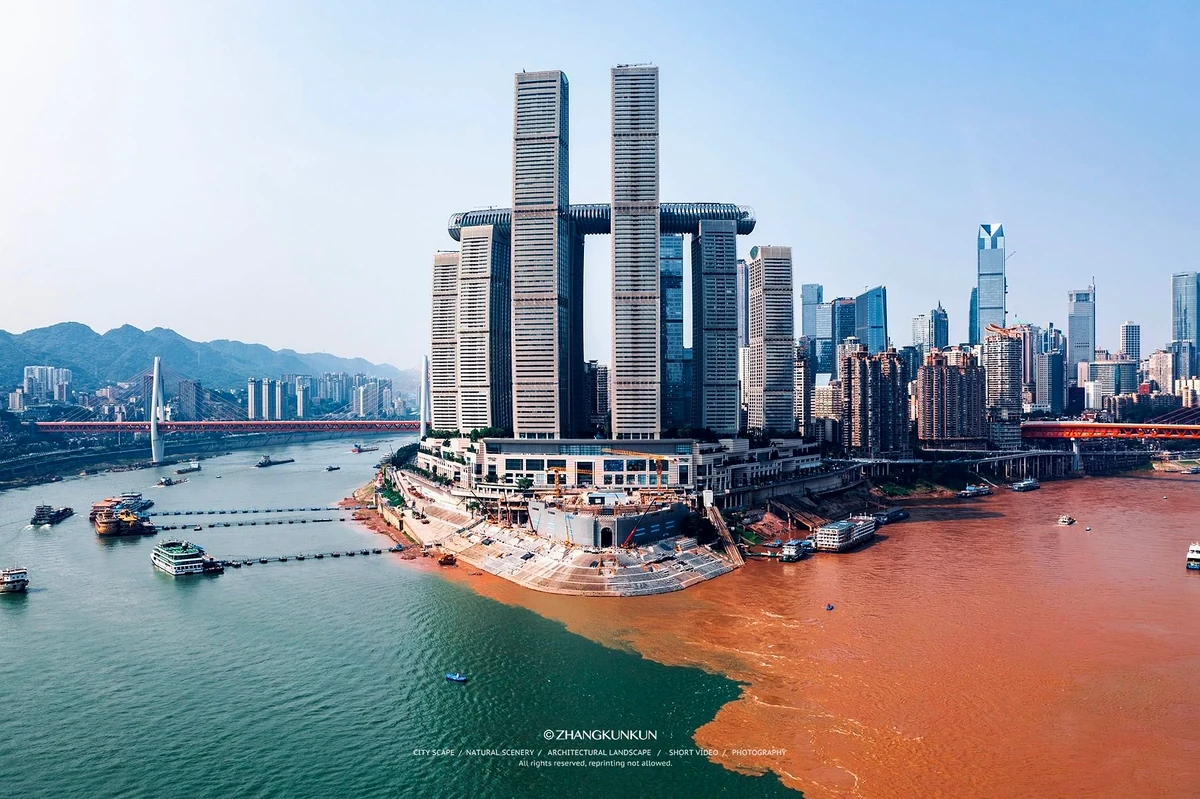
Located at the surging confluence of the mighty Yangtze River and the emerald Jialing River, the foggy city of Chongqing has long borne the destiny of a turbulent historical epicenter—from feudal dynasties to the threshold of the modern era. Once the capital of the ancient State of Ba, and layered across the Song, Yuan, Ming, and Qing dynasties with formidable fortresses and ramparts, Chongqing truly stepped into the eye of world history when it was designated as the “Auxiliary Capital”—the wartime capital of the Nationalist Government during the War of Resistance Against Japanese Aggression from 1937 to 1945. Enduring nearly a decade of thousands of devastating air raids, this rugged Ba-Shu land forged an indomitable spirit in blood and fire, before becoming the fiercest ideological battleground during the final days of the Nationalist–Communist Civil War in 1949.
In the autumn of 1949, as the situation across mainland China shifted dramatically with sweeping victories by the People’s Liberation Army in the Liaoshen, Huaihai, and Pingjin campaigns, Chongqing abruptly became the final defensive bastion of the retreating Nationalist forces before their withdrawal to Taiwan. Beneath the signature veil of bluish mist shrouding the southwestern mountains, a silent yet breathless underground war unfolded in the heart of the city. It was a life-and-death confrontation between covert revolutionary intelligence networks—supported by workers, students, and progressive intellectuals—and the brutal apparatus of two notorious secret police agencies of the era: the Central Bureau of Investigation and Statistics (commonly known as Zhongtong) and the Bureau of Investigation and Statistics of the Military Affairs Commission (Juntong). Every steep street corner, riverside ferry pier, and steam-shrouded alleyway could conceal secret dispatches, patriotic leaflets, or witness heart-stopping chases and daring escapes by courageous patriots.
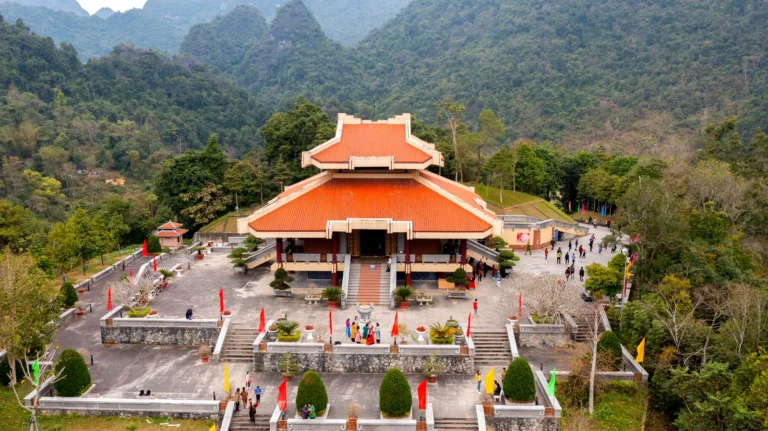
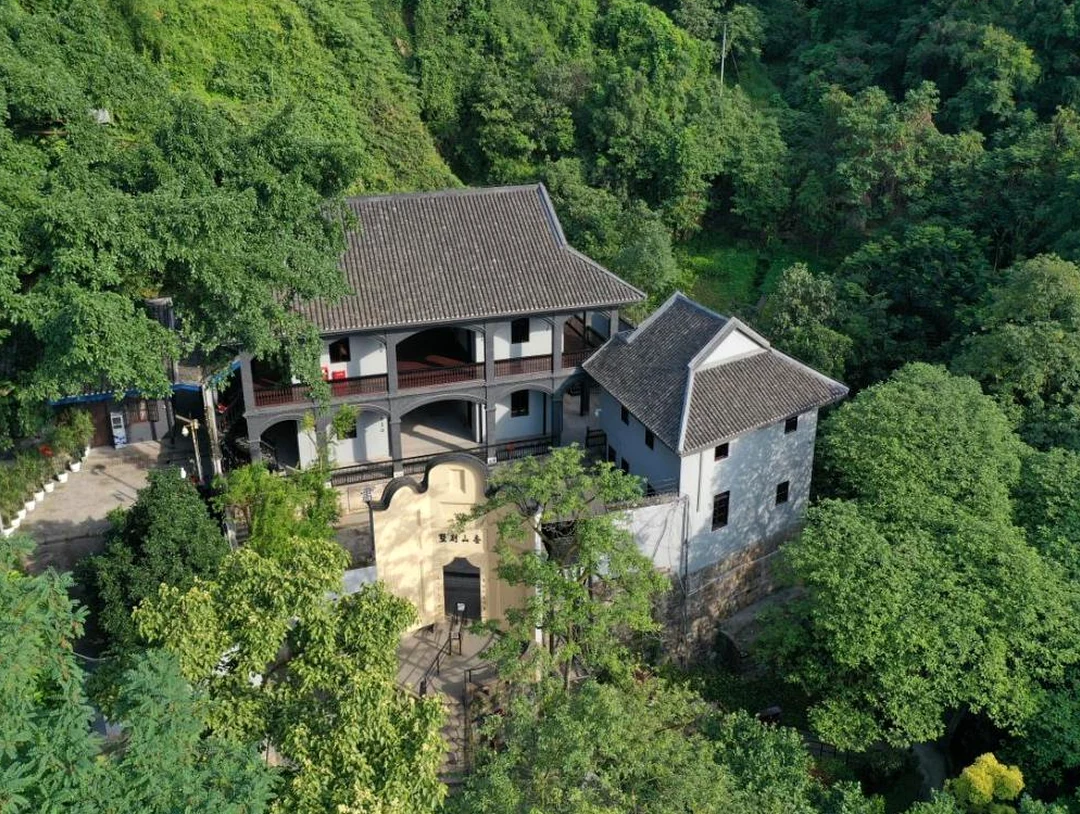
The tragedy and highest moral nobility of that historical moment converged at the historic complex at the foot of somber Gele Mountain, home to two infamous political prisons: Bai Gongguan (Bai Mansion) and Zhazidong (Zha’s Cave). Originally a vacation villa built by Sichuan warlord Bai Ju and later converted, Bai Gongguan became a special detention center holding high-ranking cadres, while Zhazidong—formerly a small local coal mine—was turned into a living hell imprisoning hundreds of patriotic intellectuals, youths, and women. Amid shackles, barbed wire, and ruthless torture at the hands of Nationalist secret agents, unwavering faith in a liberated tomorrow burned fiercely. The most deeply moving episode occurred when imprisoned fighters secretly stitched a Five-Star Red Flag from an old red cotton quilt and scraps of yellow paper inside their dark cells after covertly picking up a radio broadcast from Beiping announcing Chairman Mao Zedong’s proclamation of the People’s Republic of China on October 1, 1949.
That heroic epic was paid for with one of the most tragic and blood-soaked chapters right before dawn. On November 27, 1949—just three days before the main liberation forces entered the city—Nationalist agents carried out a frenzied massacre at Zhazidong and Bai Gongguan, claiming the lives of more than three hundred steadfast communist fighters and innocent patriots. When Chongqing was finally liberated on November 30, 1949, the jubilant cheers of the populace mingled with tears of grief for the finest sons and daughters who fell on the very threshold of freedom. The sweeping grandeur, tragic pathos, and deeply layered human conflicts of that historic year 1949 were distilled and reconstructed to form the core foundation of the multidimensional live-action theatrical masterpiece Chongqing 1949, immortalizing a stirring chapter of modern history in the collective memory of generations to come.
Standing impressively along the winding terraced banks of the mighty Yangtze River, the Chongqing 1949 Grand Theatre commands an auspicious feng shui setting right beside the historic scenic enclave of Ciqikou. In antiquity, this settlement was known as Baiya Town, renowned from the Song Dynasty through the Ming and Qing eras as one of the busiest porcelain trading ports in the Ba-Shu region. Viewed through traditional feng shui principles, the theater nestles serenely in a classic “backed by mountains, facing water” posture—resting against the sturdy limestone slopes of Shapingba District while opening toward the expansive waters where swirling currents gather vital energy. This dramatic, multi-tiered terrain not only mirrors the unyielding soul of a heroic city tempered by turbulent eras, but also provides a rock-solid anchor supporting an iconic structure of epic scale.
The spatial master plan of the venue is an engineering tour de force tailored to Chongqing’s famed three-dimensional mountainous topography. To erect a purpose-built theater of monumental proportions atop challenging steep geology, engineers employed deep bored-pile foundations anchored into ancient bedrock layers paired with massive prestressed reinforced-concrete bracing structures. The natural stepped terrain was ingeniously converted into subterranean technical levels, creating the spatial clearance required to house a complex 360-degree mechanical revolving floor system and multi-directional overhead hoists without disrupting the surrounding landscape. The theater’s exterior silhouette features crisp, angular contours resembling sheer cliff faces cleaving through the misty haze of the foggy city, engaging in direct dialogue with millions of years of riverside geological strata.
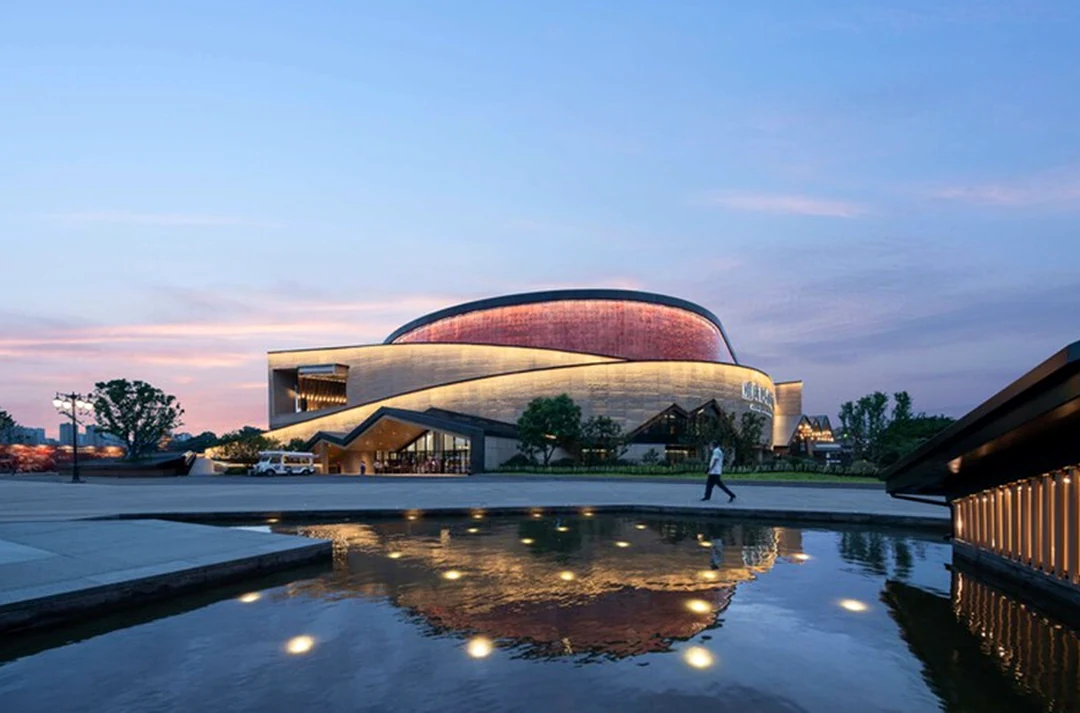
The infrastructure network surrounding the theater is seamlessly engineered to integrate into the modern interregional transit grid of Southwest China. Audiences arriving from Jiangbei International Airport can travel effortlessly along elevated urban ring expressways weaving past soaring skyscrapers. For travelers utilizing the national high-speed rail (HSR) network, two major hubs—Chongqing North Station and Chongqing West Station—serve as strategic gateways, welcoming express trains that link provincial capital Chengdu with Chongqing in a mere 62 to 75 minutes. From these transit interchanges, modern metro lines—including Line 1 and Line 15—bring theatergoers directly to Ciqikou Station with speed and precision.
The pedestrian approach to the theater creates a magical, deeply cinematic emotional transition. Stepping out of the metro station exit, visitors embark on an approximately 800-meter stroll winding through the heart of Ciqikou Ancient Town. This path leads travelers over time-smoothed bluestone flagstones, weaving beneath moss-draped traditional tiled eaves while taking in the pungent aroma of Ba-Shu chilies, numbing Sichuan peppercorns, and the sweet fragrance wafting from traditional hand-pulled candy workshops. The stark contrast between the unhurried, nostalgic rhythm of a thousand-year-old historic town and the monumental, brooding steel-and-glass facade of the Chongqing 1949 Grand Theatre rising at the top of the slope delivers a breathtaking visual shock—detaching the mind from the present and preparing audiences to step into the dramatic historical world of a turbulent era.
Seen as a whole, the Chongqing 1949 Grand Theatre stands boldly between the foot of Gele Mountain and the Jialing River as a cutting-edge artistic landmark, holding the distinction of being the largest single-production theater on the planet built exclusively to stage one original theatrical masterpiece. Backed by a massive total investment exceeding 800 million RMB (equivalent to over 2.8 trillion VND), this colossal structure boasts a total floor area of 25,000 square meters and an imposing clear height equivalent to a solid seven-story building. Both its exterior architecture and interior performance space are dedicated to shattering the conventions of traditional playhouses, establishing a true multidimensional sanctuary of the arts where contemporary structural engineering merges seamlessly with the tragic, heroic spirit of the Ba-Shu land in 1949.
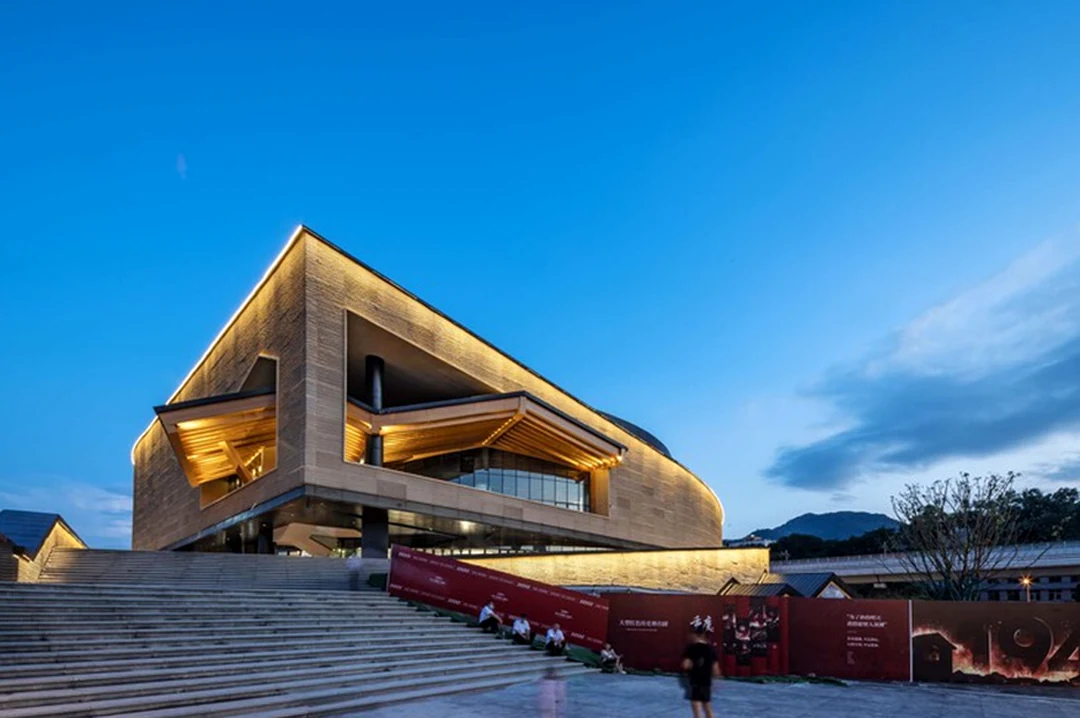
Stepping beyond the grand lobby doors into the auditorium, aficionados are immediately captivated by a revolutionary spatial architecture that erases the traditional divide between backstage wings and audience seating. At the heart of this mechanical marvel lies a one-of-a-kind 360-degree revolving auditorium with a capacity of 1,497 seats, driven smoothly by a matrix of ultra-heavy-duty hydraulic pistons paired with an automated drive network calibrated to millisecond precision. Its unrivaled hallmark is that spectators are no longer passive, stationary observers; the entire seating structure continuously rotates, translates, and elevates in rhythmic harmony with the narrative arc. Five independent surrounding performance zones move in synchronized interplay—at one moment opening onto the expansive wharves of Chaotianmen Pier, and at the next closing in to immerse viewers in the suffocating darkness of notorious prisons like Bai Gongguan and Zhazidong, generating an unprecedented visual cinematic parallax effect.
The scenic fabrication and set design inside the auditorium represent a triumphant fusion of rigorous historical research and monumental installation artistry. Classic architectural slices of the mid-twentieth-century mountain city are recreated in astonishing full scale: moss-covered gray stone staircases clinging precariously to cliff faces, leaning rows of traditional Diaojiaolou stilted wooden houses along steep slopes, a rusted industrial iron bridge spanning drifting mist, and the towering hull of a steamship billowing thick smoke as it prepares to cast off onto the Yangtze. Scenic artisans painstakingly distressed every material, transforming concrete blocks, steel girders, and bullet-scarred brickwork into living historical artifacts imbued with the weight of time and the breathless tension of the stormy days preceding liberation.
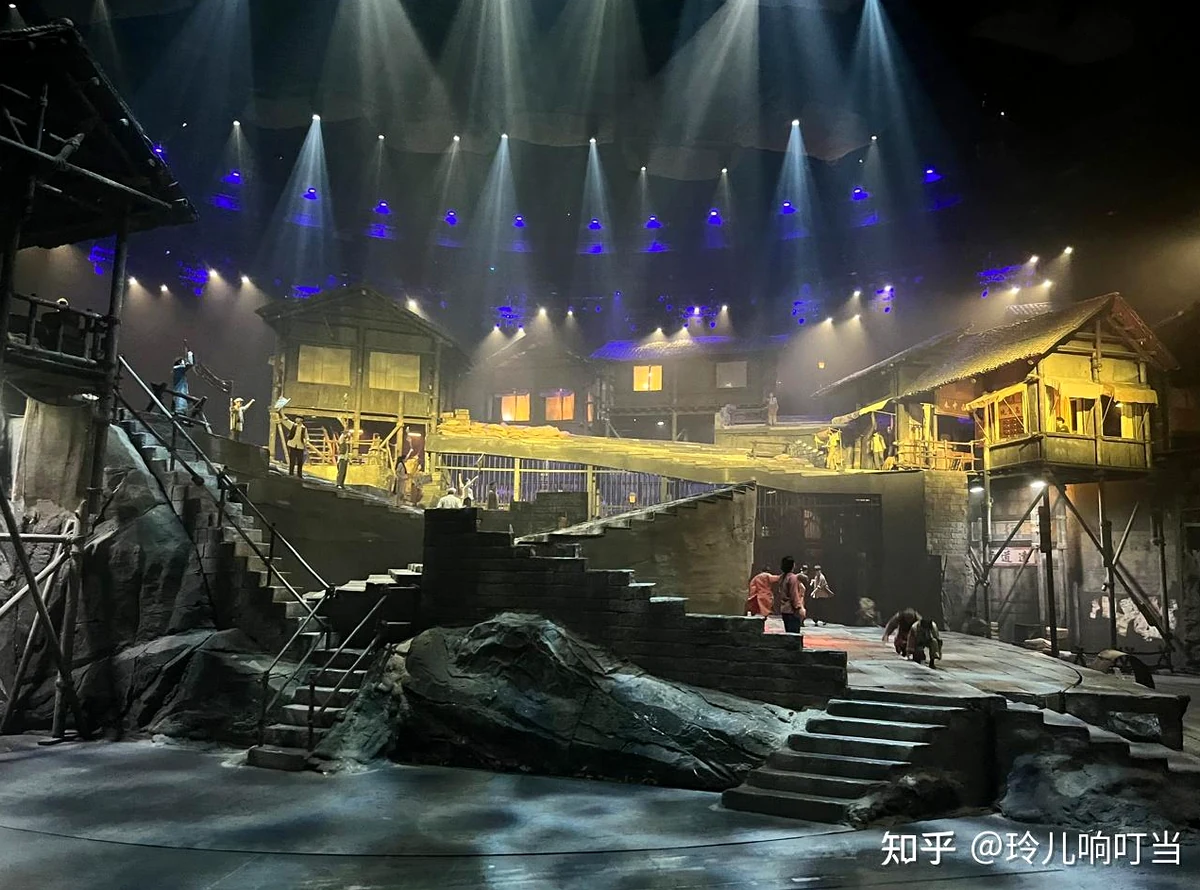
Powering this colossal mechanical framework and scenic artistry is one of the world’s most advanced audiovisual and spatial-imaging systems. Thousands of square meters of ultra-high-definition 8K spatial LED screens hang suspended from motorized rigging grids, capable of separating or merging seamlessly to transform from storm-darkened skies into the cavernous depths of underground stone dungeons. When paired with multidimensional 3D holographic projection, spectral apparitions of memory, dense veils of Chongqing drizzle, and streaks of gunfire tearing through the night are rendered with startling optical depth, woven intricately around the physical movements of live performers. Enveloping the entire space is a cinema-grade multi-channel surround sound system acoustically engineered to project every piercing ship horn, chilling clank of iron chains, and resounding rallying cry from all directions—sweeping spectators into an emotional whirlwind that dissolves the boundary between the present day and a heroic past.
When night falls across the rolling ridges of the Ba-Shu region and the Jialing River coils beneath drifting mist, the city’s nocturnal rhythm shifts into an enchanting artistic dimension. Right at the foot of shadowy Gele Mountain, beside the thousand-year-old cobblestones of Ciqikou Ancient Town gleaming under fine drizzle, the Chongqing 1949 Theatre comes alive like a magnificent time machine. Far more than an ordinary theatrical venue, it serves as a crossroads where hyper-realistic visual technology converges with the poignant memories of a city forged in fire. After dark, warm lanterns from traditional tiered pavilions cast shimmering reflections across the water in striking contrast to the theater’s sleek contemporary mass, inaugurating a journey back in time to the pivotal threshold of winter 1949.
Entering the auditorium, visitors are immediately awestruck by the revolutionary spatial scale of immersive multidimensional theater. The centerpiece driving this visual sensation is the unique 360-degree mechanical revolving auditorium. Without ever leaving their seats, spectators are glided effortlessly by synchronized lift platforms and turntables through five distinct auxiliary stages organically linked into a closed circle. These stage zones operate like parallel slices of space: one moment portraying bustling Chaotianmen Pier with dockworkers straining up steep stone steps, the next shifting instantaneously into the frigid forest compound of Zhazidong Prison or a mist-shrouded corner of a Ciqikou teahouse. The distance between viewer and performer vanishes altogether; hurried breaths, beads of sweat on a resistance fighter’s brow, and the metallic clash of shackles unfold right before your eyes with breathtaking realism.
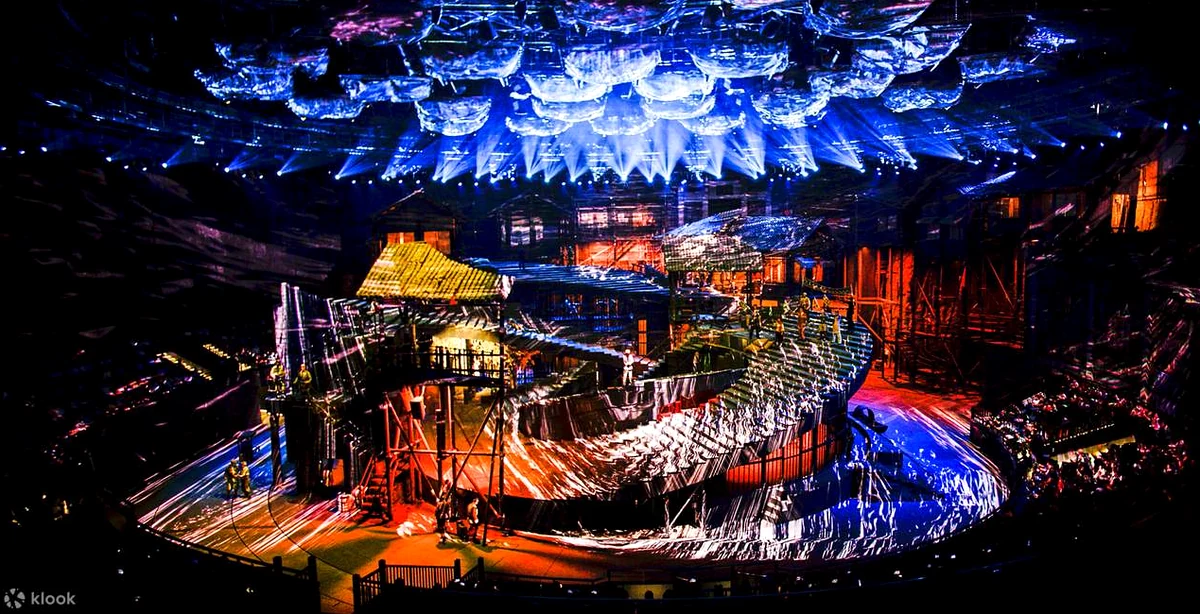
The lighting artistry and stage effects of the production represent a benchmark in contemporary live performance technology. Every lighting cue is a sophisticated optical composition exploiting the stark contrast between the deep darkness of historical oppression and radiant beams symbolizing revolutionary hope. Hundreds of intelligent fixtures work alongside artificial water-mist curtains and three-dimensional spatial displays to recreate authentic mountain-city rainstorms, earth-shaking explosions, and bursts of fire lighting up the night sky above the Jialing River. Multi-channel surround sound envelops the senses, blending wailing steamship whistles, rain pattering across mossy roof tiles, and soul-stirring orchestral anthems. Lighting does far more than illuminate actors—it becomes an invisible character in its own right, etching inner turmoil, unbreakable resolve, and the tragic grandeur of the era.
As the final bell heralding liberation rings out, the turntable gently returns the auditorium to reality, leaving lingering waves of emotion resonating in the hearts of the audience. Stepping out of the theater lobby around midnight, travelers immediately re-enter an everyday Chongqing sparkling with life, where night mist curls around cliffside Diaojiaolou stilted houses. The rich, spicy fragrance of dried chilies and Sichuan peppercorns bubbling in roadside hotpot cauldrons along Ciqikou drifts through the cool night air, drawing spectators back from the solemn depths of history into the vibrant pulse of a city that never sleeps.
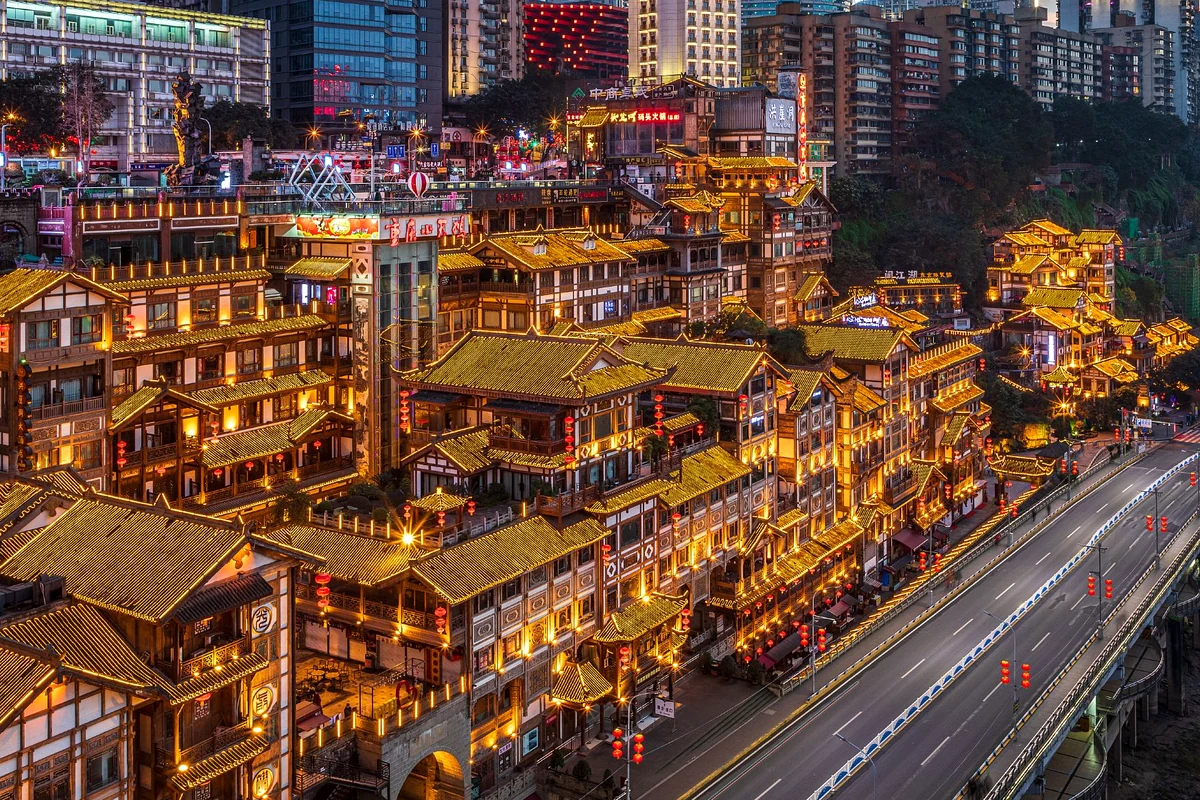
As the resonant final chords of the historical epic fade and the multidimensional stages settle into stillness, emotional aftershocks continue to reverberate in the chest. Stepping out past the theater’s modern threshold, visitors immediately merge into the lively atmosphere of adjacent Ciqikou Ancient Town’s historic riverfront port, where the rich kitchen aromas of centuries-old Ba-Shu gastronomy usher in a new sensory adventure. Once a bustling river wharf on the Jialing River dating back to the Southern Song Dynasty, local culinary culture here is far more than the art of flavor—it is a mirror reflecting the resilient, generous, and unpretentious character of Chongqing’s mountain people.
Reigning supreme over the local culinary map is world-famous Chongqing hotpot, whose crimson, billowing broth captivates everyone who crosses its path. Worlds apart from the mild broths of coastal plains, the foggy city’s hotpot reaches the pinnacle of intensity thanks to a rich base brimming with pure beef tallow, slow-fried with dozens of aromatic herbs, fiery facing-heaven chilies, and prized Hanyuan Sichuan peppercorns. Set in the center of a rustic wooden table, the bubbling brass pot releases an intoxicatingly rich aroma, inviting diners to swish crisp slices of beef tripe according to the legendary “seven ups, eight downs” rule, or dip fresh duck intestines through the glistening spicy broth. Dipped generously into a bowl of pure sesame oil whipped with crushed garlic, the numbing tingle on the tongue paired with snappy crunch and lingering savory richness vividly evokes the fearless spirit of old-time dockworkers.
Continuing that fiery symphony, no traditional local spread is complete without the thrilling challenge of Laziji (Chongqing spicy chicken). The platter arrives like a vibrant canvas piled high with dried red chilies and peppercorns, inviting diners to hunt patiently with chopsticks for bite-sized morsels of golden-brown chicken. Marinated in a secret blend of spices and deep-fried until crispy on the outside while remaining tender and juicy within, every piece is infused with an addictive, tongue-tingling heat. To temper that rising warmth, a steaming bowl of Chongqing hot-and-sour glass noodles (Suanlafen) provides the ideal culinary counterpoint. Springy, translucent handmade sweet-potato noodles swim in a crimson broth glistening with chili oil and aged grain vinegar, topped with crunchy roasted peanuts and fresh herbs—delivering a tangy, numbing-spicy burst of flavor that awakens every sense.

Along the winding riverside bluestone lanes, the toasty fragrance of freshly fried Ciqikou twisted dough snacks—famed locally as Chen Mahua—sings a nostalgic ode to a golden bygone era. Preserving a closely guarded family recipe passed down across generations for over a century, artisans deftly twist small strands of dough and drop them into boiling oil to produce golden, shatteringly crisp twists in a rich array of flavors, from maltose sweet and savory scallion to uniquely numbing black-pepper spice. Rounding out the culinary journey with a bowl of melt-in-the-mouth Chongqing braised pork simmered slowly in heirloom soy sauce and highland herbs, travelers can unwind over a cup of emerald green tea in an antique wooden teahouse—discovering that local flavors mirror the epic drama they have just witnessed: surging with intensity yet deeply resonant, leaving an indelible cultural impression.
Experiencing the theatrical masterpiece Chongqing 1949 is most rewarding when visiting the foggy city during its picturesque transitional seasons. Autumn (September to November) and spring (March to May) are widely regarded as the golden windows for exploring the Ba-Shu region, when temperate breezes sweep away the legendary summer heat of one of China’s “Four Furnaces,” giving way to crisp air and drifting river mist along the Jialing. Strolling amid that expansive atmosphere allows the mind to settle naturally into the stirring historical currents brought to life inside this monumental theater.

Standing proudly in a prime location within Shapingba District, the grand theater sits immediately adjacent to the Ciqikou Ancient Town scenic area, forming a seamless hub for a full-day cultural itinerary. Visitors can easily reach the venue via the mountain city’s modern public transit network—most notably Rail Transit Line 1, which runs directly to Ciqikou Station, followed by a brief stroll or local shuttle ride. For those preferring door-to-door privacy, ride-hailing apps operate readily along winding riverside avenues, framing dramatic vistas where futuristic skyscrapers interlock with time-worn gray-tiled roofs.
The theater typically runs two to three performances daily to accommodate strong demand from visitors near and far, with the most popular showtimes scheduled for the afternoon matinee at 14:00 and the evening performance at 19:30. The entire production is tightly paced into an uninterrupted 70-minute runtime without intermission, requiring guests to arrive at least 30 minutes prior to curtain to complete digital ticket scanning and take their seats. Owing to the complex mechanics of the multidimensional revolving auditorium, booking tickets 7 to 14 days in advance is essential to secure prime seats in Zone A or central VIP rows—ideally between Rows 8 and 15. This golden vantage point offers balanced sightlines encompassing the sweeping harbor backdrop, towering steamship, and every intricate mechanical rotation of the tiered seating platforms around the central axis.
Before immersing yourself in the heroic atmosphere of the performance, spending an afternoon wandering the bluestone alleys of Ciqikou adds rich local texture to the experience. Be sure to sample crisp sesame brittle from time-honored Chen family confectioneries, or pause at a small eatery for a steaming bowl of spicy Maoxuewang brimming with the signature numbing-hot chili flavors of riverside cuisine. Entry formalities have also become remarkably convenient thanks to flexible 144-hour visa-free transit policies at major international ports of entry, alongside streamlined group L-Visa procedures.
Notably, contemporary cultural travel is undergoing a clear shift toward civilized “No Shopping” standards. Eliminating mandatory commercial shopping stops frees up valuable itinerary time, enabling travelers to immerse themselves fully in heritage depth and boosting overall visitor satisfaction to an impressive rate above 91.5%. To enjoy a seamless, unhurried journey free from logistical worries or the hassle of securing prime seats beneath the theater’s iconic dome, consider joining a thoughtfully curated, all-inclusive Chongqing tour package crafted down to the finest detail.