Nestled quietly along the eastern bank of the gentle Kamogawa River flowing through Japan’s ancient capital of Kyoto, the historic district of Gion (京都祇園) began its storied chronicle not with the lilting strains of shamisen strings or the radiant silks of kimono-clad beauties, but from deep spiritual roots tied to the ancient shrine of Yasaka-jinja. Founded in 656 AD during the reign of Emperor Tenmu under its original name Gionsha, the sanctuary was erected to enshrine Susanoo-no-Mikoto—a powerful deity in Japanese Shinto mythology revered for warding off pestilence and calamity while safeguarding the peace and well-being of the populace. Sacred ground nurtured faith, and steady streams of pilgrims journeying from every corner of the imperial capital toward this shrine laid the earliest foundations for one of Japan’s most prosperous and storied neighborhoods.
Gion’s earliest urban transformation took distinct shape during the Muromachi period, spanning from 1336 to 1573. As growing multitudes of worshippers converged before the gates of Yasaka Shrine, simple wayside inns and rudimentary teahouses known as chaya began springing up across the plain stretching before the shrine entrance. In those early days, modest timber-framed stalls served plain brewed tea and roasted dango rice dumplings to weary travelers resting after long journeys on foot. Yet as commerce flourished and an affluent urban merchant class rose to prominence, these chaya steadily expanded their scale, refined their culinary craft, and began engaging graceful young women to pour tea, recite poetry, and offer refined artistic hospitality to discerning patrons.
By the opening years of the 17th century, a landmark cultural moment ignited the artistic vitality of the entire district. Along the dry riverbeds of the Kamogawa River, a shrine maiden named Izumo no Okuni erected a makeshift wooden stage and performed bold, innovative dances fused with captivating folk drama. That expressive performance style—at once sacred in origin and vibrant with earthly energy—gave birth to the celebrated theatrical tradition of Kabuki. Okuni’s electrifying influence not only turned both banks of the Kamogawa into a thriving center of performing arts, but infused Gion with an enduring artistic spirit that bound the district’s identity forever to Japan’s highest traditional entertainment.
Gion’s most resplendent golden age took form during the Edo period, lasting from 1603 to 1867. Recognizing both economic vitality and the demand for orderly leisure in a peaceful society, the Tokugawa Shogunate issued formal urban zoning edicts granting exclusive licenses to Gion’s chaya to operate banquet and teahouse entertainment establishments. These regulations established clear district boundaries, protected the legal standing of performing artists, and officially codified the distinctive hanamachi (geisha district) structure. During this flourishing era, rigorous training in music, dance, poetry, tea ceremony, and courtly etiquette shaped Gion’s two immortal cultural icons: the apprentice Maiko, radiating youthful poise in trailing furisode sleeves, and the accomplished Geiko, moving with consummate grace atop high wooden okobo clogs clacking rhythmically down narrow stone lanes.
The passage of time continued testing Gion’s resilience through profound historical upheavals. The Meiji Restoration in the late 19th century ushered in rapid Westernization and dismantled the feudal shogunate, stripping teahouses of their traditional samurai patronage. Adapting with remarkable grace, Gion’s artists repositioned their classical arts as treasured national heritage, drawing statesmen, industrialists, and leading intellectuals. Even more remarkably, amid the devastating firestorms of World War II that reduced countless Japanese industrial cities to ashes, ancient Kyoto and Gion were spared aerial destruction thanks to international art historians advocating for the preservation of irreplaceable cultural monuments. Consequently, Gion’s celebrated network of wooden machiya townhouses—with curved bamboo inuyarai fences and dark-stained koushi wooden latticework—has survived intact across centuries, standing proudly today even as it navigates the pressures of global mass tourism.
Located in the eastern heart of Kyoto, Gion occupies an auspicious geomantic setting established during the Heian period when the imperial capital was laid out according to the Four Celestial Guardians. Resting gently at the foot of the lush Higashiyama mountain range—representing the Azure Dragon guarding the East—Gion looks to sacred Yasaka Shrine as its spiritual anchor at dawn while opening westward to welcome vital energy flowing along the tranquil Kamogawa River. This harmony between serene forested hills and flowing water bestows a pleasant year-round microclimate while forming a graceful transitional corridor between tranquil hillside temples and bustling merchant life in the valley below.
Positioned at the crossroads of Kyoto’s primary transit corridors, Gion is effortlessly accessible via the city’s punctual public transportation network. Travelers can alight at Gion-Shijo Station on the Keihan Main Line and stroll just three minutes across Shijo Bridge straight into the historic district. Directly across the Kamo River, Kyoto-Kawaramachi Station on the Hankyu Kyoto Line serves as a convenient gateway for visitors arriving from Osaka. In addition, Kyoto City Bus routes—including popular lines 100, 206, and 207—stop directly at the Gion Bus Stop right before the imposing vermilion West Gate of Yasaka Shrine, making the district an ever-lively cultural crossroads.
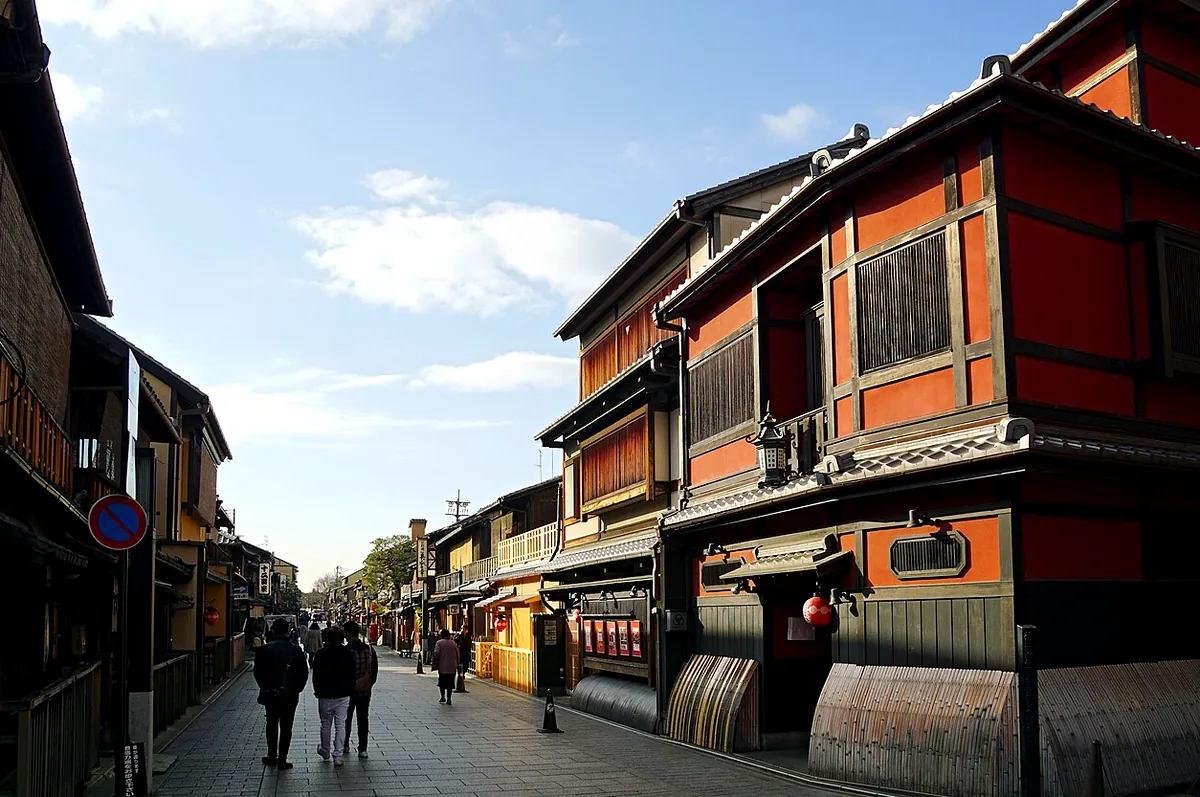
Gion’s street layout follows a classic grid interwoven with intimate side alleys that lend profound spatial depth to the old quarter. Its most iconic thoroughfare is Hanami-koji Street, stretching roughly one kilometer southward from bustling Shijo Avenue to the gates of historic Kennin-ji Temple. Paved smoothly in dark granite flagstones, Hanami-koji showcases two-story wooden machiya townhouses veiled behind discreet bamboo noren curtains. The street’s spatial character divides naturally into two distinct moods: the northern stretch above Shijo pulses with contemporary dining and nightlife, whereas the southern half preserves the hushed elegance of exclusive ochaya teahouses, where the rhythmic click of wooden geta sandals against stone evokes the golden age of literati and artisans.
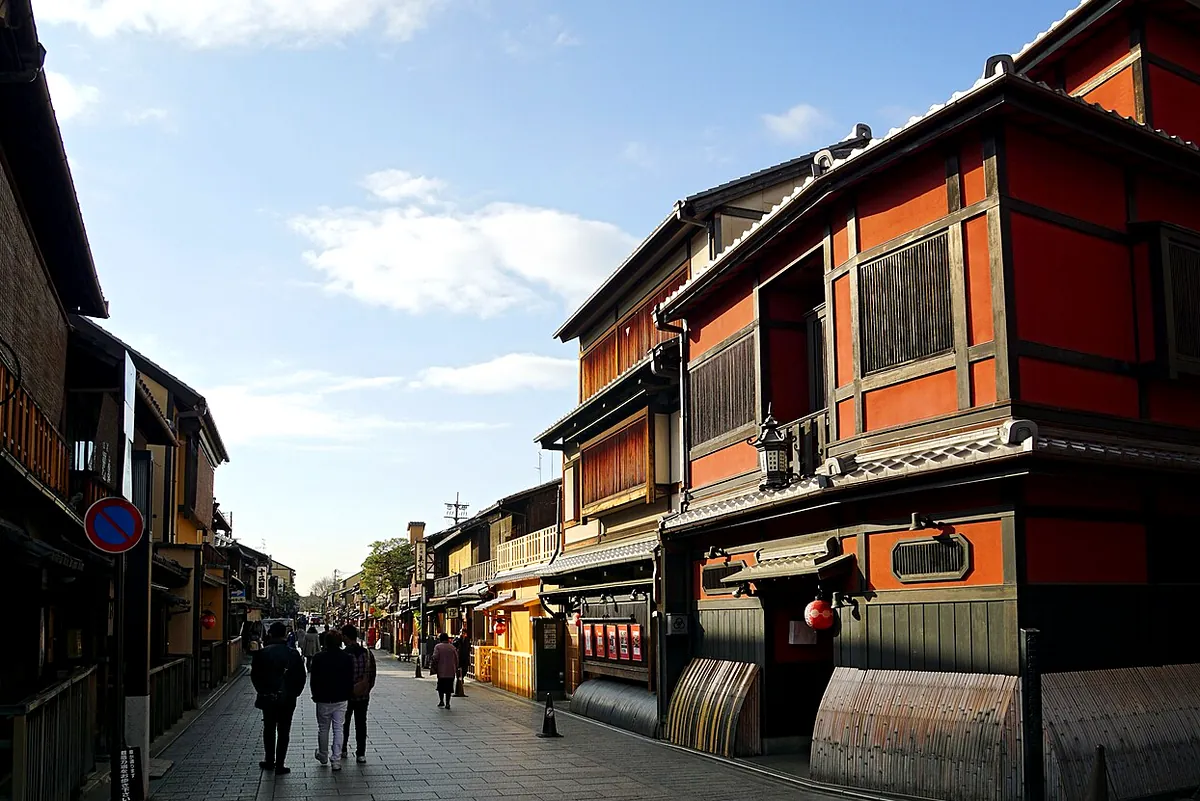
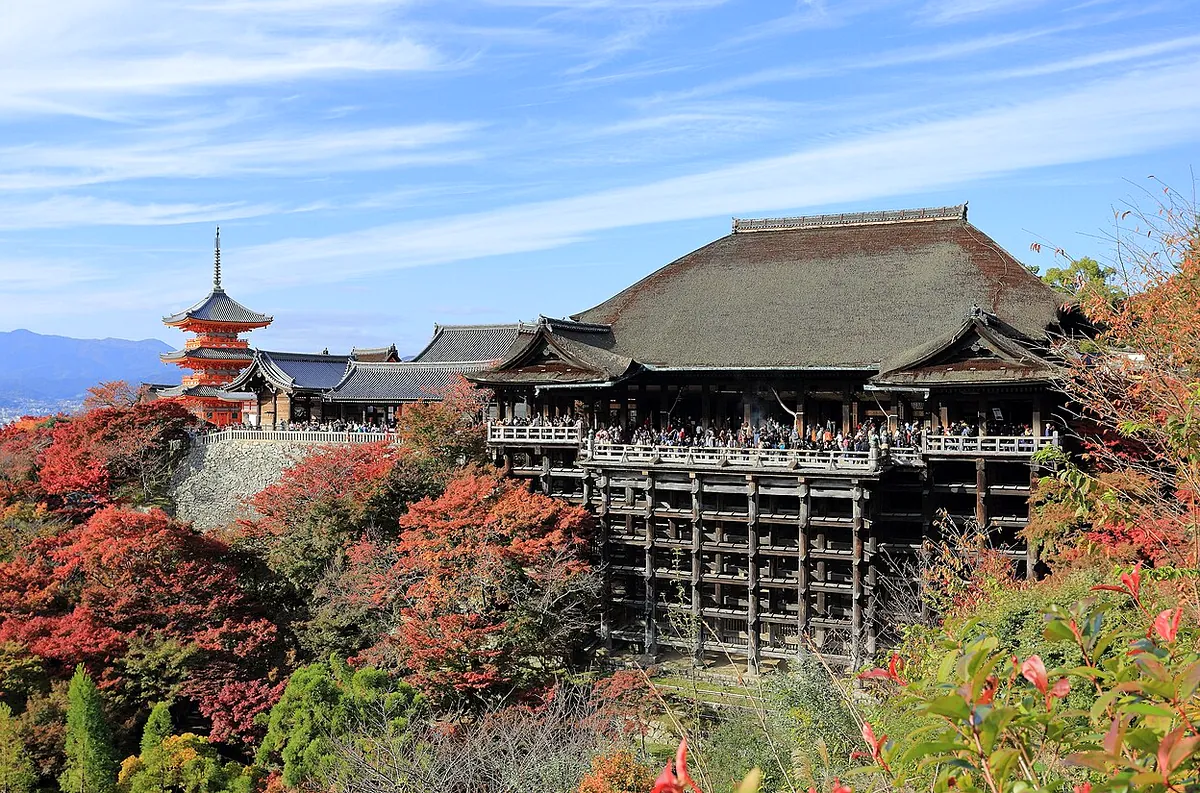
While Hanami-koji embodies civic order and merchant dignity, the scenery along the Shirakawa Canal sings a lyrical duet between nature and human craft. Crystal-clear water drawn from Lake Biwa winds gracefully through the historic quarter, mirroring weeping willows trailing delicate branches above calm ripples alongside gnarled cherry trees bursting into blossom each spring. The most poetic focal point of this pocket landscape is the petite stone bridge Tatsumi-bashi, spanning the canal right before the sacred Tatsumi Daimyojin shrine. Leaving the tranquil canal to head southeast, Gion’s terrain rises gently up the winding stone-paved slopes of Ninenzaka and Sannenzaka. These moss-kissed stone stairways form a breathtaking scenic corridor guiding travelers past cascading dark-tiled roofs straight up toward the mountainside complex of Kiyomizu-dera Temple.
Stepping into Gion, the urban fabric unfolds like a living architectural chronicle where Heian-era grid planning meets Edo-period commercial ingenuity. Defining the neighborhood’s streetscape are Kyo-machiya (traditional Kyoto wooden townhouses) built around a distinctive spatial concept called unagi-no-nedoko, or “eel’s bed.” Born out of shogunate property taxes assessed according to street frontage width, Gion’s merchants and townspeople cleverly narrowed their street facades to just four or five meters while extending buildings twenty to thirty meters deep into the lot. This linear progression moves sequentially from the street-facing shopfront (mise-niwa) through an airy earthen corridor (tori-niwa) to a secluded inner courtyard garden (tsuboniwa) at the core—creating natural cross-ventilation that cools humid Yamashiro Basin summers and retains warmth during chilly winter winds.
The exterior craftsmanship of Gion’s machiya townhouses exemplifies timeless proportion and organic materials. Walls are finished in traditional earthen plaster blended with slaked lime and straw, topped by deep charcoal-blue ash-glazed kawara roof tiles laid in gentle waves angled to shed Kyoto’s frequent rains swiftly. Along the ground-floor facade, handcrafted wooden latticework screens (kōshi) carved from cedar or hinoki cypress vary in slat spacing according to each establishment’s function; the ultra-fine itogōshi (“thread lattice”) style serves as the understated hallmark of exclusive ochaya teahouses and ryotei restaurants, allowing those inside to observe the street while shielding guests from outside view. At the base of outer walls, curved bamboo barriers known as inuyarai hug the foundation—originally protecting plaster from mud splashed by passing carts while adding a graceful wave-like border.
Gion’s spatial layout is anchored clearly along its primary axes, none more distinguished than Hanami-koji running from Shijo Avenue to the main gate of Kennin-ji Temple. Founded in 1202 by Zen Master Eisai during the Kamakura Shogunate as Kyoto’s oldest Zen monastery, Kennin-ji provides a serene spiritual counterbalance to the lively world of traditional performing arts outside its walls. Flanking both sides of the avenue are authentic dark-timbered ochaya where discerning guests gather to appreciate dances by geiko and maiko. Rather than flaunting monumental scale, these interiors celebrate quiet refinement, where every tatami mat, gold-dusted fusuma sliding screen, and tokonoma alcove displaying ink paintings exemplifies the pinnacle of Sukiya-zukuri architectural artistry.

To safeguard this timeless atmosphere against modern encroachment, an ambitious infrastructure preservation campaign backed by national heritage funds transformed Gion’s streetscape. Overhead utility poles and tangled telecommunications cables that once cluttered the sky were meticulously buried underground using vibration-free engineering to protect fragile historic timber foundations. Modern asphalt paving was stripped away and replaced with tens of thousands of hand-cut ash-gray granite flagstones (ishidatami) laid using traditional imperial paving techniques. After sunset, harsh modern streetlamps are nowhere to be seen; instead, warm amber light glows solely from traditional washi-paper lanterns (chochin) emblazoned with crimson family crests, shimmering across dark stone pavers to restore Kyoto’s celebrated aesthetic of profound, mysterious grace—Yūgen (幽玄).
As dusk settles over Kyoto, the magical twilight transition between 4:00 PM and 6:00 PM transforms Gion (京都祇園) into a serene, living open-air theater. In Japanese aesthetics, this fleeting hour is known as “tasogare-doki”—the half-light between day and night when boundaries between reality and illusion soften. Along Hanami-koji and the quiet lanes bordering the Shirakawa Canal, sunset hues fading across curved kawara roof tiles give way to the warm glow of traditional illumination. Hundreds of crimson-crested paper chochin lanterns suspended along bamboo inuyarai fences light up in unison, casting golden reflections across dew-kissed flagstones and weeping willows trailing over cool canal waters.
Gion’s nocturnal enchantment reaches its deepest poetic peak when Maiko and Geiko hurry gracefully along the lanes toward evening ozashiki banquet engagements at prestigious teahouses such as Ichiriki Chaya. The crisp, rhythmic “poko-poko” clack of tall wooden okobo clogs striking stone pavers echoes softly through deep machiya-lined alleys. With delicate features framed in luminous white oshiroi makeup, a crimson collar folded back to reveal an elegant nape, and vibrant silk furisode kimono woven with gold thread using thousand-year-old Nishijin-ori techniques, each Maiko appears like an Edo-period woodblock print stepped into living motion. Delicate silk kanzashi hair ornaments tremble gently with every step, catching soft lantern light in an unscripted performance of courtly elegance (miyabi) that no modern stage could ever replicate.
For travelers wishing to experience Kyoto’s classical performing arts in depth, Gion Corner inside Yasaka Hall opens the door to seven celebrated court and folk traditions. Under refined stage lighting honoring theatrical depth, Geiko of the prestigious Inoue-ryu school perform stately Kyo-mai dances once reserved for imperial nobility in the Muromachi era. Subtle movements of folding sensu fans accompanied by resonant shamisen melodies, witty kyogen comic theater, kado flower arrangement, and solemn chado tea ceremony compose a vivid panorama of aristocratic cultural life in old Kyoto.
As night deepens, the lanes around wooden Tatsumi-bashi Bridge sink into absolute stillness, embodying the quiet mystery (yugen) at the heart of Japanese culture. To preserve the tranquility and integrity of this living heritage district, Gion enforces some of Japan’s strictest local etiquette guidelines. Photography and video recording are strictly prohibited in privately owned alleys (shido) by neighborhood preservation councils (chonaikai), backed by clear fines aimed at curbing intrusive “Maiko paparazzi” behavior. Visitors are expected to walk quietly, never touch silk kimono sleeves or obstruct passing entertainers, and show deep respect for a living residential community. Once lanterns dim and dawn breaks before 8:00 AM, Gion returns to an unspoiled, timeless stillness untouched by the clamor of the modern world.
Wandering through Gion’s granite-paved alleys, Kyoto’s culinary heritage unfolds like an edible chronicle where classical Kyo-ryori gastronomy harmonizes seamlessly with Zen aesthetics and centuries-old imperial etiquette. Here, dining is far more than nourishment—it is a sensory journey elevated into a philosophy of living. The pinnacle of Gion’s culinary prestige finds full expression in Kaiseki Ryori, the refined multi-course banquet born from the fusion of Heian aristocratic tea gatherings and austere Zen temple meals. Beneath the dark-tiled roofs of traditional machiya establishments such as Gion Karyo, diners experience seasonal tasting menus governed strictly by shun—honoring ingredients at their fleeting peak. Every dish, from intricate sakizuke appetizers and pristine tuna sashimi presented atop young maple leaves to crystal-clear owan broth garnished with salt-pickled cherry blossoms, is plated thoughtfully on handcrafted Kyo-yaki ceramics and heirloom lacquerware, mirroring the turning of the four seasons.
Providing a lively, down-to-earth contrast to the quiet formality of tatami-mat kaiseki rooms is the storied comfort food served at Issen Yoshoku right near the corner of Shijo-dori. Operating since the Taisho era, this beloved eatery preserves the original precursor to modern okonomiyaki savory pancakes. Griddled crisp and thin on a flat iron plate, the batter folds around sweet Kujo green onions, tangy pickled red ginger, dried shrimp, crunchy tempura bits, and a soft-cooked egg, brushed generously with a secret sweet-savory sauce. Mouthwatering aromas wafting from the open griddle amid cheerful sizzles awaken travelers’ senses while recalling an energetic era of East-West culinary exchange among Kyoto townsfolk.
Another cornerstone of Gion’s contemplative culinary soul is Yudofu—delicate simmered tofu deeply rooted in the Rinzai Zen monastic tradition surrounding Kennin-ji Temple. Originating as wholesome vegetarian sustenance for monks during the Kamakura period, Gion’s Yudofu achieves extraordinary silkiness thanks to the soft, mineral-pure groundwater characteristic of the Kyoto Basin. Cubes of snow-white silken tofu simmer gently in an earthenware or cast-iron pot filled with delicate broth steeped from prized Rishiri kombu kelp. Lifted piping hot into a bowl just as it warms through, each tender piece needs only a dip in artisanal naturally brewed soy sauce topped with freshly grated ginger and finely sliced Kamo scallions to awaken pure, tranquil satisfaction echoing the quiet monastery next door.
No culinary journey through Kyoto is complete without indulging in exquisite Wagashi confections and Uji matcha at storied tea houses rooted deeply in Gion’s history—most notably Gion Tsujiri, tracing its lineage to the Edo period, alongside heritage Uji tea purveyors. Masterful green tea craftsmanship takes irresistible form in towering Matcha Parfaits layering rich, bittersweet matcha ice cream with cool kanten jelly, chewy white shiratama dango dumplings, and slow-simmered Tanba Azuki red beans. Each sweet spoonful paired with a sip of velvety, emerald-green Koicha thick tea leaves a lingering depth on the palate—a gentle bridge between imperial heritage and Gion’s living present.
Exploring Gion rewards thoughtful timing and mindful preparation so you experience the old capital at its most authentic. The best hours to wander its granite-paved lanes are early morning before 8:00 AM or right around twilight. In the quiet dawn, while dark brown noren curtains remain drawn and wooden kōshi lattice shutters stay latched, Gion radiates rare, undisturbed serenity far removed from daytime crowds. Conversely, at dusk, red silk lanterns glow softly beneath ochaya eaves, shimmering across damp flagstones as Geiko and Maiko step briskly toward evening ozashiki appointments.
Kyoto’s efficient public transit network makes reaching Gion simple from anywhere in the city. From Kyoto Station, board Kyoto City Bus Route 206 or 100 directly to the Gion stop right before the vermilion Nishi-ro-mon gate of Yasaka Shrine. Travelers preferring rail transit to bypass peak-season traffic can ride the Keihan Main Line to Gion-Shijo Station, less than a five-minute walk across scenic Shijo-ohashi Bridge over the Kamo River to the entrance of Hanami-koji. Visitors arriving from Osaka or Arashiyama can take the Hankyu Kyoto Line to its terminal at Kyoto-Kawaramachi Station and stroll across the river straight into the historic geisha quarter.
Because Gion is both a living heritage treasure and a residential neighborhood home to longtime local families and performing artists, cultural etiquette is strictly enforced. To safeguard residents’ privacy and preserve the dignity of working artists, municipal authorities and local preservation boards have posted clear signs prohibiting photography and unauthorized entry in private side alleys—most notably the narrow residential lanes of Gion Minami-gawa. Trespassing down private lanes or taking unauthorized photos in restricted alleys carries fines of up to 10,000 JPY. Visitors must never pursue Maiko, thrust telephoto lenses into their faces, touch silk kimono sleeves or intricate Nishijin-ori sashes, or block pathways as they walk in wooden okobo clogs.
When planning refined dining or cultural experiences in Gion, keep in mind that prestigious ochaya teahouses still uphold the strict tradition of ichigen-san okowari—declining first-time walk-in guests without an introduction and guarantee from an established regular patron. Securing a multi-course kaiseki-ryori dinner or an authentic tea ceremony experience therefore requires booking weeks in advance through knowledgeable travel specialists. Choosing culturally focused itineraries free from forced commercial shopping detours also protects your time, allowing unhurried immersion among centuries-old landmarks.
To absorb every subtle cultural layer of Kyoto’s historic geisha district smoothly without language barriers or uncertainty around local etiquette, traveling with a thoughtfully curated, non-commercial all-inclusive Japan tour package opens the door to experiencing ancient Kyoto with poise, depth, and genuine respect.