Standing proudly along the edge of Victoria Harbour, where gentle waves mirror towering skyscrapers, the Tsim Sha Tsui waterfront once wore a face worlds apart from its dazzling present-day glamour. For decades prior to 1980, this coastal strip was simply a working dock for weathered ocean-going vessels, a bustling fish landing, and the familiar pier for Star Ferry boats chugging across the strait between the Kowloon Peninsula and Hong Kong Island. The turning point in its urban revitalization began in 1982, when New World Development completed the New World Centre complex—laying the first foundation stones that transformed the peninsula’s southern tip into a thriving commercial hub and paving the way for its evolution from a utilitarian maritime pier into a world-class public cultural promenade.
Yet the destiny of this waterfront promenade truly entered a glorious new chapter in the wake of a deeply challenging crisis. In April 2003, the SARS epidemic swept across Hong Kong, inflicting heavy blows on the economy, tourism, and especially a local film industry already facing headwinds. Confronted with an urgent need to revive civic morale and stimulate travel, the Government of the Hong Kong Special Administrative Region (HKSAR) joined forces with New World Development and the Hong Kong Film Awards Association (HKFAA) to greenlight an open-air hall of fame. Backed by an initial investment estimated at HK$40 million, Phase One was swiftly constructed and officially inaugurated on April 27, 2004. It immediately became an emblem of cultural renaissance, fulfilling a long-held vision to honor the golden era of East Asia’s cinema capital.
Since its opening, the Avenue of Stars (星光大道) has served as an open-air pantheon preserving the legacy of more than a hundred luminaries who brought global acclaim to Hong Kong cinema from the 1960s through the 2000s. Stretching along the waterfront, crisply cast handprints and autographs celebrate generations of extraordinary artists—from martial arts icons Bruce Lee and Jackie Chan to cultural legends Leslie Cheung, the “Ever-Changing Diva” Anita Mui, “King of Comedy” Stephen Chow, and acclaimed auteur of existential romance Wong Kar-wai. Each inscribed plaque commemorates not merely an individual talent, but an entire golden epoch when Hong Kong films captivated theaters worldwide and forged an unmistakable East Asian visual identity.
Punctuating the breezy promenade are enduring sculptural masterpieces, foremost among them the iconic 2.5-meter bronze statue of Bruce Lee sculpted by renowned artist Cao Chong-en (Chu Dat Thanh). Capturing his classic martial arts ready stance and coiled musculature from Enter the Dragon, the figure radiates indomitable spirit beside the deep blue harbor. Nearby stands the commemorative statue of late singer and screen legend Anita Mui, inscribed with the tribute “Daughter of Hong Kong,” serving as a cherished anchor of memory and devotion for millions of fans across generations.
To meet contemporary sustainability standards and elevate the visitor experience, a landmark revitalization project ran from 2015 through early 2019. Led by world-renowned landscape architect James Corner, the entire promenade was masterfully reimagined and officially reopened to the public on January 31, 2019. By relocating celebrity handprints from the damp ground onto ergonomic, undulating wooden handrails at eye level, the redesign not only eliminated wear from saltwater and footsteps, but also wove Hong Kong’s heroic cinematic past seamlessly into a vibrant contemporary waterfront.
Positioned at the southernmost tip of the Kowloon Peninsula, the Avenue of Stars curves gracefully along the Tsim Sha Tsui shoreline—a name whose original meaning, “sharp sandspit,” describes a sandy headland jutting into the azure currents of Victoria Harbour. Viewed through traditional Lingnan geomancy (feng shui), this landform resembles a phoenix beak or a giant dragon’s tongue dipping down to drink from the vast harbor. Extending horizontally along the water’s edge, the promenade forms an expansive open-air balcony that gathers fresh vital energy from the sea before circulating that auspicious vitality deep into the bustling urban fabric behind it.
In broader geomantic terms, Victoria Harbour has long been praised by classical masters as one of East Asia’s finest natural “Bright Halls” (Ming Tang) where waters converge. Across the strait, Hong Kong Island rises dramatically with towering Victoria Peak acting as a protective screen, while Kowloon—symbolizing nine dragons gazing toward the sea—completes a majestic formation of crouching tiger and coiling dragon. Situated right along the northern water’s edge of the narrow strait, the Avenue of Stars occupies a prime spot where rhythmic tidal flows gather wealth and prosperity. Rather than raging violently, harbor currents swirl steadily between the narrowing shores, accumulating auspicious energy and balancing the protective mountain energy behind with bustling maritime commerce in front.
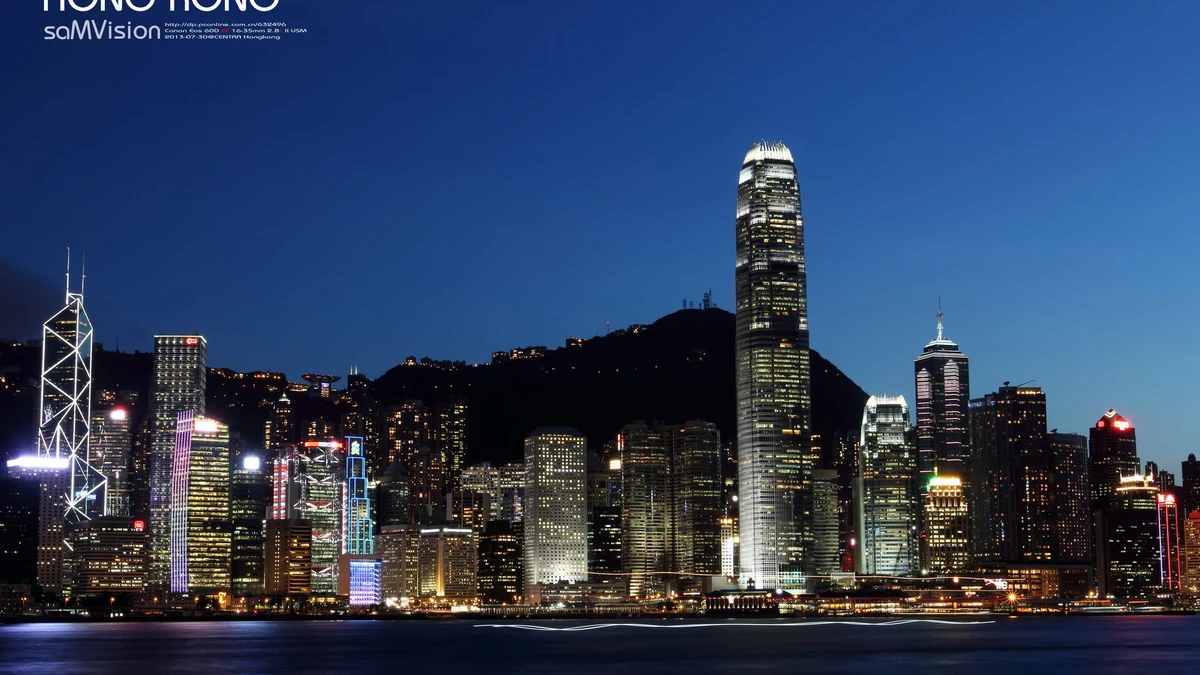
From an urban planning and microclimatic standpoint, the waterfront walkway is thoughtfully engineered as a level, elevated terrace stretching hundreds of meters right beside the surf to maximize coastal tropical monsoon breezes. Oriented along a southeast–northwest axis, the promenade channels cooling winds sweeping in from the Pacific Ocean, dispelling the heat trapped among high-rise concrete towers deeper inside Tsim Sha Tsui. Its low-slung profile opens up an unobstructed 360-degree panorama, allowing the eye to take in Hong Kong’s world-famous skyline—where hundreds of futuristic skyscrapers rise straight from the shore of Hong Kong Island and shimmer across emerald harbor waters.
Natural scenery here also composes an ever-changing symphony of light, cloud, and sea. At dawn, as the sun breaks east of the peninsula, the harbor awakens in crisp clarity with wisps of mist drifting over the water and gentle waves lapping against stone seawalls. At sunset, the sinking sun dips behind distant Lantau hills to bathe Victoria Harbour in rich amber before yielding to millions of dazzling lights glittering across the night water. This seamless rhythm between eternal coastal nature and the steady pulse of Star Ferries crisscrossing the strait creates an enchanting harmony symbolizing the enduring vitality of Hong Kong.
Following a landmark renovation spanning more than three years, the Tsim Sha Tsui waterfront shed its conventional concrete walkway to emerge as a world-class masterpiece of contemporary landscape architecture. This comprehensive redesign resulted from a close collaboration between design firm SNA and acclaimed American landscape architect James Corner—the visionary behind New York’s transformative High Line park. Guided by a human- and nature-centered philosophy, the revamped promenade stands not merely as a breathtaking viewing deck over Victoria Harbour, but as a bold statement uniting forward-looking engineering with ecological sustainability.
The most striking structural innovation is the continuous wave-like railing curving gracefully along the water’s edge. Rather than heavy industrial iron or cast alloys prone to corrosion from salty sea spray, the railings and decking are crafted from eco-friendly recycled composite materials offering exceptional durability against harsh marine weather. To counter the urban heat island effect that often plagues paved waterfronts, designers integrated smart solar-powered lighting along the corridor alongside wide timber-louvered pergolas providing generous shade. Public greenery was multiplied several-fold with resilient, salt-tolerant native coastal plants, turning the waterfront into a refreshing natural microclimatic buffer even on the hottest summer afternoons.
Thoughtful user-centered design shines equally through a revolutionary shift: elevating celebrity plaques from the pavement onto the sea-facing wooden handrails. Previously, plaques embedded in the ground suffered constant foot traffic wear and were easily obscured by crowds. Raising cast-bronze stars and handprints to a comfortable ergonomic height preserves their dignity while giving visitors effortless, up-close viewing. Right beside each metal plaque sits a finely engraved QR code; with a quick scan on a smartphone, travelers unlock rich digital archives playing iconic film scores and classic movie clips—immersing visitors in Hong Kong cinema’s golden age to the soundtrack of harbor waves.
The aesthetic centerpiece of the promenade highlights two immortal icons: martial arts legend Bruce Lee and music superstar Anita Mui. Freed from the rigid boxy pedestals of the past, both bronze statues now stand proudly atop natural granite bases sculpted to evoke surging ocean waves. Circulating water ripples gently over the stone amid lush ferns and tropical foliage, creating a visual composition at once tranquil and dynamic. This setting eloquently expresses Bruce Lee’s water-like martial philosophy of yielding strength while celebrating Anita Mui’s magnetic, graceful stage presence in the heart of the public realm.
At the broader urban scale, the promenade serves as a seamless connective spine dissolving boundaries between harbor scenery and adjacent cultural landmarks. From the paved waterfront, visitors can stroll effortlessly into the Victoria Dockside cultural-retail complex, admire the biophilic architecture of K11 MUSEA, and continue across open plazas to the wave-glass facade of the Hong Kong Museum of Art (HKMoA) and the iconic sweeping curve of the Hong Kong Cultural Centre. This uninterrupted civic corridor turns the entire waterfront into a multi-layered open-air sanctuary where architecture, cinema, visual art, and urban energy converge in every step.
When the clock strikes 5:30 PM, one of Victoria Harbour’s most magical daily transformations begins to unfold before strollers along the Avenue of Stars. Setting sunlight dips toward the darkening sea, draping the towering skyscrapers across Hong Kong Island in a ribbon of molten amber. Photographers cherish this golden hour as day and night blur in an enchanting natural palette. In the distance, Victoria Peak dissolves into soft indigo mist while thousands of glass curtain walls on monumental financial towers—such as the International Finance Centre (IFC) and the Bank of China Tower—reflect the day’s final rays like giant mirrors gathering every last spark of sky light before nightfall.
Between 6:00 PM and nearly 8:00 PM, the rhythm along the Tsim Sha Tsui promenade shifts gracefully. The Avenue of Stars evolves from a daytime lookout into an open-air stage for contemporary urban culture. Cool sea breezes carry a crisp tang of salt, mingling with unhurried footsteps, acoustic guitars of street buskers performing beloved Cantopop classics, and the warm amber glow of smart concealed LEDs tucked beneath curving handrails. Under this gentle illumination, bronze handprints of cinema legends like Leslie Cheung, Anita Mui, and Tony Leung radiate quiet nostalgia, inviting visitors to slow down amid the pulse of a metropolis that never sleeps.
At precisely 8:00 PM, the entire harborfront seems to hold its breath for a split second before erupting into the world-famous multimedia spectacle A Symphony of Lights (幻彩詠香江). Recognized by Guinness World Records as the world’s largest permanent outdoor light and sound show, this ten-minute production turns the entire urban skyline into a monumental canvas of visual art. Omnidirectional speakers lining the waterfront broadcast a soaring symphonic score blending traditional Chinese instruments—such as the erhu and bamboo flute—with Western orchestral strings, guiding the gaze across more than forty iconic skyscrapers on both sides of the harbor.
Vibrant green, blue, and crimson laser beams slice through the night sky, crisscrossing like brushstrokes of light telling the story of a proud, resilient Pearl of the Orient. Skyscraper facades transform into giant digital screens displaying fluid LED animations synchronized to every beat of the music, while Victoria Harbour acts as a vast liquid mirror multiplying thousands of shimmering hues until reality and reflection merge. Watching from the Avenue of Stars recalls the neon-drenched poetry of a Wong Kar-wai film—reimagined at breathtaking technological scale.
After A Symphony of Lights concludes at 8:10 PM, its luminous afterglow lingers across the rippling water past 8:30 PM and deep into the night. Historic green-and-white Star Ferries continue gliding steadily between Kowloon and Hong Kong Island, leaving phosphorescent wakes beneath reflected city lights. Crowds drift gradually toward neighboring cultural and shopping landmarks such as K11 MUSEA or the historic Tsim Sha Tsui Clock Tower, carrying with them the unforgettable resonance of harbor breeze, cinema history, and masterly light artistry.
Strolling the Avenue of Stars opens not only a panoramic tribute to the seventh art, but also a gateway into Kowloon’s multi-layered culinary maze. Just behind the breezy harbor railings, Tsim Sha Tsui packs together flavors spanning humble neighborhood classics and world-class gastronomy. Standing out in civic memory is Hong Kong’s beloved cha chaan teng culture—casual tea cafes born in the postwar era when East–West fusion began shaping everyday local life. Tsui Wah Restaurant, a household culinary institution for decades, offers an essential taste of this identity: a steaming bowl of fresh shrimp wonton noodles with gossamer-thin wrappers encasing crisp, bouncy whole shrimp in a clear, savory broth simmered from dried flounder and shrimp. Pair it with a classic yuenyeung—Hong Kong’s signature coffee-and-milk-tea blend uniting bold roasted coffee with Ceylon black tea and rich evaporated milk—capturing the brisk yet soulful rhythm of local life.
Venturing deeper into side streets west of the avenue, Hong Kong’s heirloom street-food legacy shines brightly at Australia Dairy Company. Operating relentlessly since 1970, this legendary diner elevates simple Western breakfast staples into an inimitable culinary art. Despite its famously lightning-fast service, diners willingly queue down the block for scrambled eggs as silky and airy as folded golden satin—achieved through split-second heat control and generous rich dairy butter that keeps every bite tender and fragrant. Paired with thick-cut buttered toast crisped golden on the outside while remaining cloud-soft inside, this humble plate leaves an indelible mark on anyone visiting the waterfront.
Contrasting with the nostalgic simplicity of classic diners, upscale dining along the Avenue of Stars rises to theatrical luxury—exemplified by Hutong, perched dramatically inside Victoria Dockside right by the water’s edge. Styled to evoke historic Beijing courtyard alleys suspended in the sky, Hutong captivates gourmets with bold contemporary Sichuan and northern Chinese cuisine. Platters of fiery dried red chilies concealing crispy spiced chicken or herb-crusted roasted lamb ribs release intoxicating waves of numbing mala aroma. Dining beneath glowing crimson lanterns while gazing through floor-to-ceiling windows across sparkling Victoria Harbour turns dinner into an unforgettable sensory spectacle.
The culinary tapestry surrounding the Avenue of Stars reaches perfection through neighboring lifestyle and retail landmarks like K11 MUSEA and Harbour City. Blending museum-grade art with retail, K11 MUSEA houses acclaimed Michelin-starred restaurants alongside inventive international concepts—from delicate gold-leaf artisanal dim sum to glossy, crisp-skinned Cantonese roast goose. Meanwhile, Harbour City expands the flavor map with waterfront dining spanning breezy Mediterranean fare, refined Japanese cuisine, and haute patisseries. Together, decades-old street-food icons and world-class fine dining transform the waterfront into a magnetic culinary destination where every dish tells a story of Hong Kong’s multicultural soul.
Although the Victoria Harbour promenade remains open free of charge 24 hours a day to welcome sea breezes, the most rewarding window to experience the soul of the Avenue of Stars is between 5:30 PM and 8:30 PM. During these hours, sunset fades across emerald waters and gives way to millions of lights illuminating the financial towers of Hong Kong Island. Plan to arrive before dusk so you can leisurely hunt down your favorite cinema legends’ handprints before settling in for the dazzling A Symphony of Lights sound-and-light show at 8:00 PM sharp.
Asia’s finest public transit network makes reaching the waterfront effortless. Take the MTR subway to Tsim Sha Tsui Station and follow signs to Exit P or J, or alight at East Tsim Sha Tsui Station via Exit K or J to step directly onto the breezy wooden boardwalk. For travelers drawn to vintage charm and classic cinema atmosphere, crossing the harbor aboard the iconic double-decker Star Ferry from Central or Wan Chai piers to Tsim Sha Tsui Pier makes an unforgettable arrival—offering sweeping water-level skyline views right before your waterfront stroll.
A full walk linking the Star Ferry Pier, the historic Clock Tower, and K11 MUSEA spans roughly 2 to 4 kilometers, so breathable casual wear and cushioned walking sneakers are top priorities for comfort. For photography enthusiasts, setting a mini tripod or steadying your camera along the wave railing facing the bronze statue of Bruce Lee in his Jeet Kune Do stance yields the ultimate shot—use a wide-angle lens in night mode from a low angle to frame the martial arts master against the glittering skyline across the water.
Regarding entry requirements, Vietnamese citizens should secure a traditional visa or complete online Pre-arrival Registration (PAR) through the official Hong Kong Immigration Department portal prior to departure, ensuring their passport holds at least six months of validity. Seasoned travelers also caution against suspiciously cheap package tours that recoup costs through compulsory shopping detours at overpriced jewelry or herbal outlets in Hung Hom; choosing transparent itineraries with a strict no-shopping guarantee preserves your time for authentic cultural and artistic discovery.
Thoughtful preparation across travel documents, comfortable attire, and timing turns a walk along Victoria Harbour into a vivid cinematic memory. If you prefer to savor every film-history milestone without worrying about transit logistics or complex planning, consider booking a professionally curated all-inclusive tour package for a seamless, enriching Hong Kong getaway.