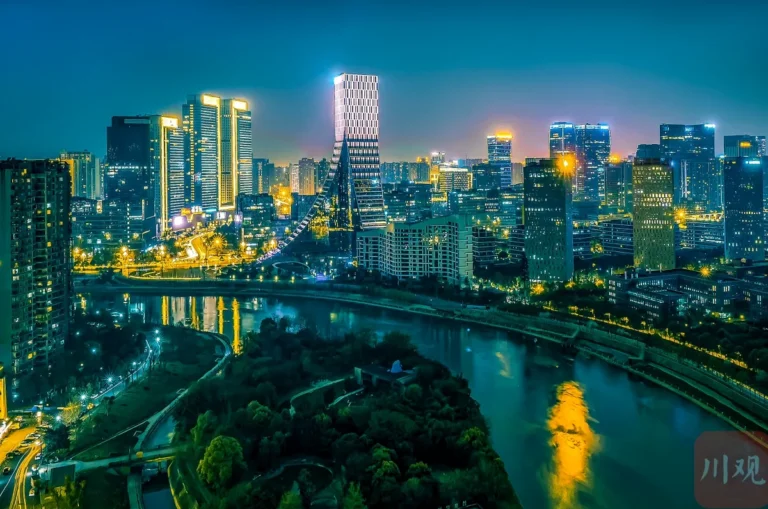
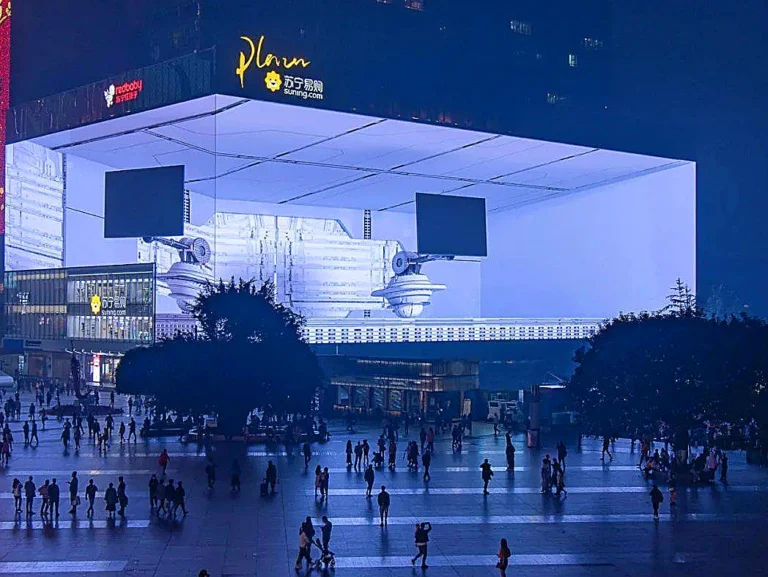
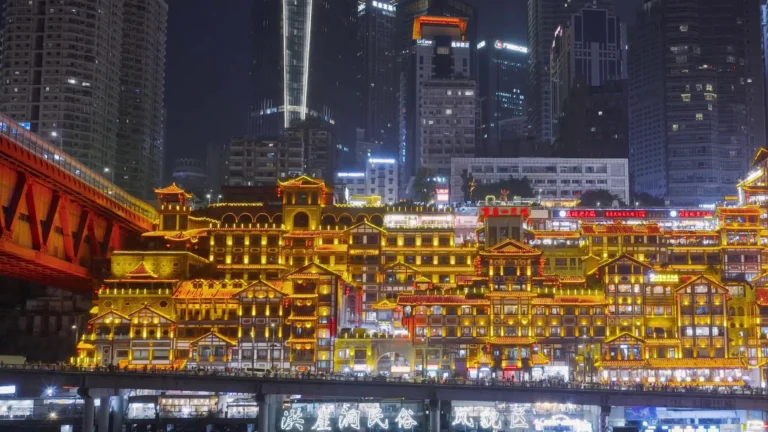
Chongqing – the foggy mountain city, where skyscrapers reach out proudly amidst steep winding streets, where bridges span across rivers like silk ribbons draped across the sky, and where history still quietly tells its stories through every ancient nook and cranny. Amidst this modern, constantly transforming metropolis, there remains a landmark that perfectly preserves the breath of the past—a living Ba-Shu memory where every single step is an adventure back in time: Shibati Ancient Street (重庆十八梯 – Shibati).
More than just a street, Shibati is a symbol, the very soul of old Chongqing, where stories of a hard-working livelihood, human affection, and the resilience of the Ba-Shu people have been preserved for hundreds of years. The name “18 Stairs” is not merely a number, but harbors an entire legend and a lifeblood that has nurtured generations. Visiting Shibati means not only sightseeing, but touching the heart of Chongqing, feeling the pulse of a golden past, and witnessing the miraculous fusion of tradition and modernity. This is an unmissable highlight in any all-inclusive 4D3N Chongqing Mono Tour, a profound experience that VDS Travel dedicates to all soul-searchers and travel lovers.
1. Shibati: The Gateway of Time Connecting Two Worlds of Chongqing
Shibati Ancient Street, also known as the 18 Stairs, is not simply a landmark but a literal and figurative “bridge,” carrying the mission of connecting two completely different worlds of Chongqing: the “Upper City” and the “Lower City.” This is one of the most unique characteristics that defines Shibati’s unmistakable identity and makes it a must-visit destination when traveling to Chongqing.
• Unmatched topographical location:
Chongqing is dubbed the “mountain city,” where rolling terrain creates breathtaking and sometimes challenging urban landscapes. Shibati is located right in the center of Yuzhong District, a strategic position that makes it one of the most vital transportation arteries of the ancient city. The ancient street winds along the natural slopes, forming a steep stone-paved stairway connecting the bustling commercial center of Jiefangbei above—the symbol of the modern “Upper City”—with the ferry wharves of the Jialing and Yangtze rivers below—representing the traditional “Lower City,” where daily life is closely tied to the rivers. The astonishing elevation difference between these two areas turns Shibati into a fascinating exploration journey, where each step is a shift not only in space but also in time.
• “Upper City” and “Lower City”: Two pieces of a single Chongqing puzzle:
The “Upper City” area connected by Shibati is Jiefangbei, the economic and commercial heart of Chongqing. This place is a forest of sparkling skyscrapers, luxurious shopping malls, and streets teeming with traffic and crowds. It represents the extraordinary development and dizzying modernization of a global metropolis. Conversely, the “Lower City” is the riverside area, once a bustling port where boats crowded in and out, carrying goods and the stories of working-class people. Here, life moves at a slower pace, tied to ancient houses, narrow alleys, and traditional handicrafts. The “Lower City” preserves the memories of an ancient Chongqing where traditional cultural values are still well maintained.
Shibati serves as an invisible yet powerful bond between these two seemingly opposing worlds. It is not just a physical path but a cultural bridge, where visitors can clearly feel the contrast and harmony between the past and the present. From the top of Shibati, you can overlook the modern skyscrapers of Jiefangbei reaching for the sky, and then gradually descend the ancient stone steps to lose yourself in a completely different space where time seems to stand still. This transition creates a unique visual and emotional experience, making Shibati an unforgettable destination on your Chongqing tour.
2. Origin of the Name “Shibati” (18 Stairs): The Imprint of a Glorious Era
The name “Shibati” (十八梯), or “18 Stairs,” is not merely a designation but an inseparable part of Chongqing’s history and culture. It holds an ancient story, a legend that has shaped the lives and spirit of the local people over centuries. Understanding the origin of this name will help visitors appreciate the historical value and cultural significance of Shibati Chongqing on a deeper level.
• The legend of the freshwater well and the source of life:
In the past, Chongqing was a mountain city with rugged terrain, making the search for clean freshwater a major challenge. According to legend and historical records, in the area that is now Shibati, there was an extremely precious natural freshwater well. This well not only provided essential domestic water for local residents but also served as the pillar for the development of an entire community. The well water was pure, cool, and sweet, considered the “lifeblood” nourishing generations of Chongqing people, especially those living in the “Lower City,” where accessing clean water was more difficult than in the “Upper City.”
This well was not merely a resource but also a community gathering hub. Every day, locals from all directions flocked here to fetch water, creating a lively and bustling atmosphere. Stories were shared, news was exchanged, and relationships were forged by the wellhead, making it an indispensable part of social life in old Chongqing.
• The 18 Stone Steps: The Path of Life and Livelihood:
To facilitate travel and the transportation of water from the well up to higher areas, residents built a stone staircase path. This path is divided into 18 flights of steps, each with varying slopes and lengths, winding along the natural terrain of the hillside. It is precisely because of this feature that the name “Shibati” (18 Steps) came into being and has remained attached to this location to this day.
These stone steps are not simply pathways but also historical witnesses, seeing the many ups and downs of Chongqing. Every day, countless footsteps have left their mark on the worn stone slabs: from women carrying water and vendors hauling goods to children playing. Each step is imbued with the sweat, effort, and everyday stories of the Ba-Shu people. It is a path of livelihood, of hope, and of simple dreams.
Today, while the freshwater well may no longer be the primary source of supply, the name “Shibati” still echoes, serving as a reminder of an era when human resilience and adaptability created a unique city. As visitors stroll along these ancient stone steps, they are not only walking on a path but traversing the flow of history, feeling the breath of the past and the vitality of a culture forged over hundreds of years. This is an unmissable experience when exploring Shibati and a vital part of any 4-day 3-night Chongqing tour.
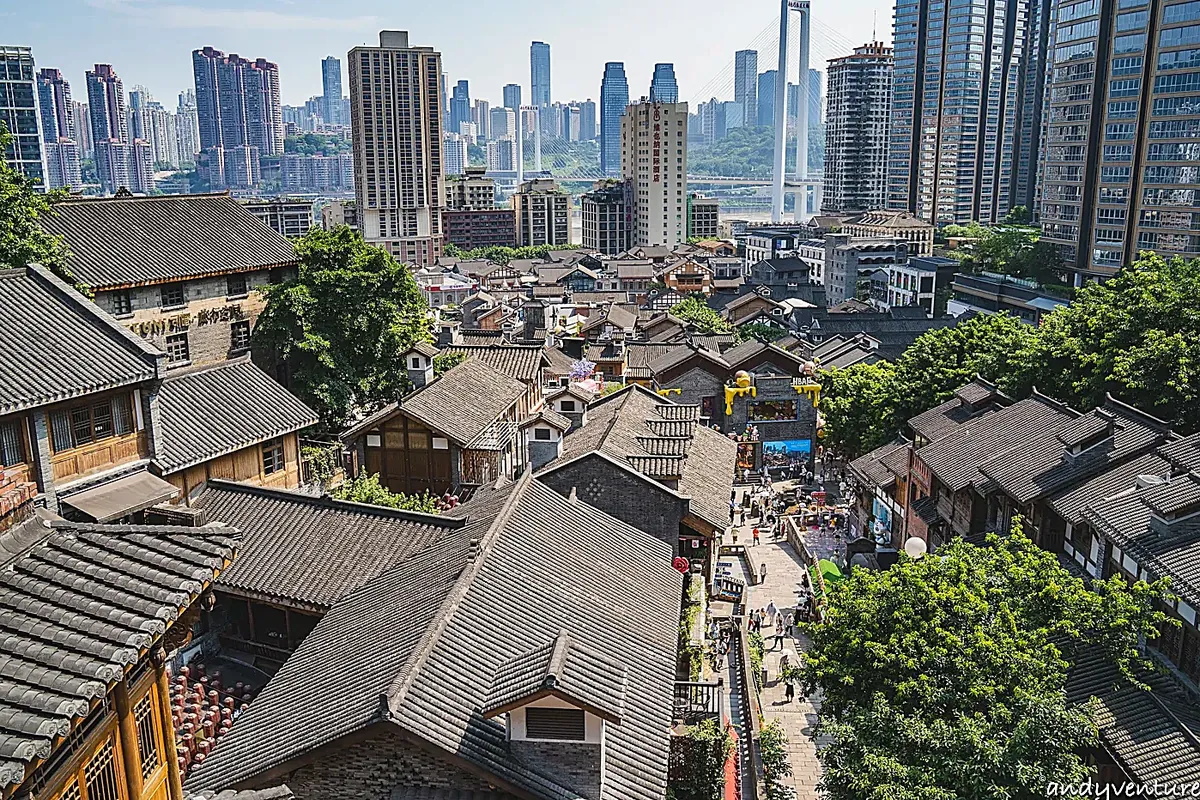
3. Diaojiaolou Architecture and the “Bangbang Jun” Heritage: The Soul of the Ancient Town
Shibati Ancient Street is not only striking for its stone steps but also preserves unique architectural and cultural values that reflect the adaptability and resilience of the people of Chongqing. The two most prominent elements that form the soul of this place are the Diaojiaolou architecture and the heritage of the “Bangbang Jun” – the hardworking porter workers.
• The unique cliffside Diaojiaolou (吊脚楼) architecture:
Chongqing is a mountain city, and its traditional architecture has evolved to adapt perfectly to the steep terrain. Diaojiaolou, or stilt houses, are a brilliant testament to the ingenuity and wisdom of the ancients. At Shibati, these Diaojiaolou houses are built clinging tightly to the slopes, with part of their foundation embedded deep into the earth and the rest supported by tall wooden pillars, creating an open space underneath. This structure not only maximizes limited land space but also offers several superior advantages:
- Terrain adaptation: Helps houses stand firmly on slopes, resisting erosion and landslides.
- Moisture resistance: The open space beneath the floor aids in ventilation, keeping the house dry, which is especially important in Chongqing’s humid climate.
- Versatility: The space under the floor is often utilized for storage, small animal pens, or even small-scale retail.
- Aesthetics: Rows of Diaojiaolou stacked upon one another, curving along the hillside contours, create a remarkably unique and picturesque architectural landscape, especially when viewed from a distance.
As visitors wander through Shibati Chongqing, they will admire meticulously restored and preserved Diaojiaolou houses that recreate the living spaces of old Chongqing residents. Each house carries its own story and a distinctive architectural touch from the Ming and Qing dynasties, painting a vivid picture of the past.
• The cultural heritage of the “Bangbang Jun” (棒棒军): The hardworking porters:
Alongside its unique architecture, Shibati is also the cradle of a very special intangible cultural heritage: the “Bangbang Jun” (Bāngbāng Jūn). This is the affectionate term for the porter workers—hardworking manual laborers who have been tied to Chongqing for hundreds of years.
- Historical role: In a mountain city with rugged terrain and underdeveloped transportation systems, the “Bangbang Jun” played a critical role in transporting goods—from food and construction materials to personal belongings—from the “Lower City” to the “Upper City” and vice versa. They were the tireless “engines” and the lifeblood of Chongqing’s economy and social life.
- Iconic imagery: With bamboo carrying poles on their shoulders and heavy loads of goods, the image of the “Bangbang Jun” has become a symbol of resilience, perseverance, and the relentless work ethic of the Chongqing people. They are the silent heroes who helped build and sustain the city’s vitality.
- Disappearance and revival: Today, with the development of modern transportation and advanced shipping methods, the number of “Bangbang Jun” has decreased significantly. However, at Shibati, this heritage is still honored and recreated through statues, photographs, and occasionally street art performances, helping visitors better understand a crucial part of Chongqing’s labor history.
Exploring Shibati Ancient Street is a journey to admire the harmonious blend of unique architecture and human stories. From the sturdy Diaojiaolou houses to the diligent image of the “Bangbang Jun,” every street corner tells a story of survival, adaptability, and the indomitable spirit of Chongqing. This is a profound cultural experience that every traveler should discover when experiencing Chongqing travel.
4. Magical Nighttime Shibati: Where History Meets Modern Lighting
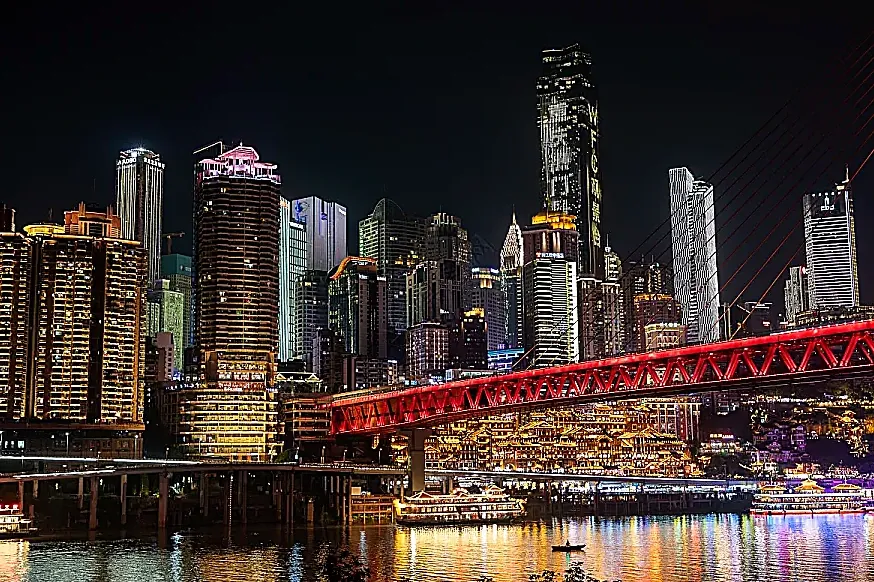
If by day Shibati Chongqing carries a rustic, tranquil beauty etched by time, by night it dons a shimmering, magical cloak, transforming into an entirely different world. The combination of reconstructed traditional old-town spaces and modern lighting technology creates an enchanting nighttime Shibati—an unforgettable visual and emotional experience for every traveler.
• Reconstructed traditional old town space from the Ming and Qing dynasties:
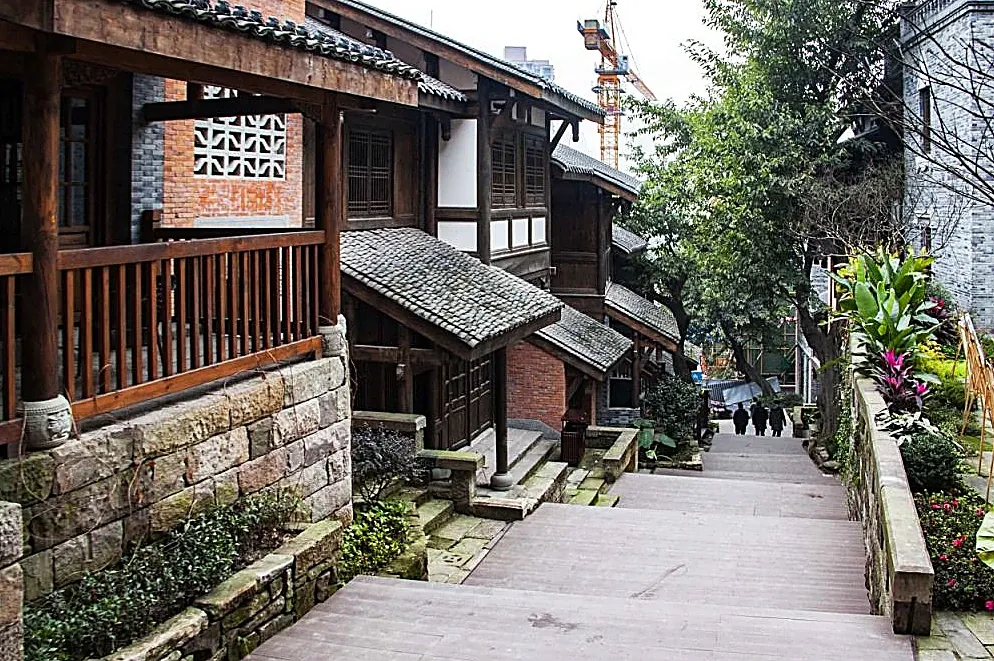
The restoration project of Shibati Chongqing has been meticulously and elaborately executed to recreate the architectural and cultural landscape of old Chongqing, particularly during the Ming and Qing dynasties. Every brick, every tile, and every carved detail on the stilt houses (Diaojiaolou) has been carefully tended to preserve the ancient charm and essence of traditional architecture. Visitors will find stone-paved alleys, moss-covered walls, old wooden doors, and intricately carved balconies—all evoking the image of a bygone Chongqing.
Shops, teahouses, restaurants, and handicraft workshops are also designed in a classical style, using natural materials and decorated with artifacts deeply imbued with Ba-Shu cultural imprints. This creates a cohesive space where travelers can easily lose themselves in another world, completely detached from the hustle and bustle of the modern metropolis outside.
• Modern lighting technology and shimmering magical beauty:
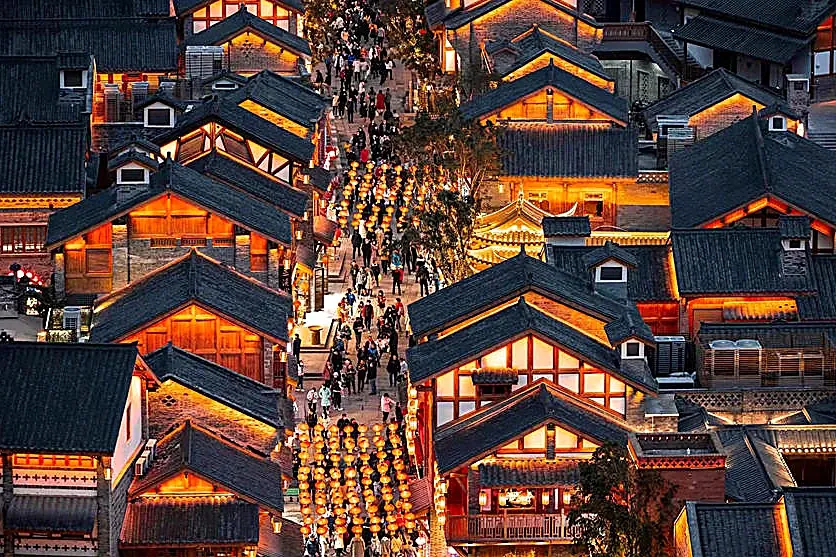
What makes Shibati so exceptionally appealing at night is the ingenious blend of ancient architecture and advanced lighting technology. As dusk falls, thousands of brilliant red lanterns begin to light up, hung along the alleys, balconies, and eaves of the ancient houses. The warm golden glow from the lanterns not only illuminates the paths but also creates a romantic, fairytale-like atmosphere, as if you are stepping into a vibrant, magnificent natural scenery.
Alongside traditional lanterns, modern lighting systems are cleverly integrated to highlight architectural details, create artistic shadow effects, and make the entire old town more shimmering and magical than ever before. The lights from modern skyscrapers in the “Upper Town” in the distance also blend in, creating an impressive contrasting scene where the past and present coexist within a stunning tapestry of light.
• Nighttime experience at Shibati:
Strolling through Shibati Ancient Town in the evening is a multi-sensory experience. The air becomes cooler and quieter, accompanied only by gentle footsteps, murmuring conversations, and occasionally the sound of traditional musical instruments echoing from teahouses. The aromas of street food mingle with the scent of aged wood and tea, creating a harmonious blend of the senses.
This is the ideal time to capture breathtaking photos and preserve the magical moments of Chongqing. Visitors can find a small teahouse, enjoy a cup of hot tea, watch the passing crowds, and feel a rare sense of peace in the heart of a bustling city. The night scenery at Shibati holds a very distinct, quintessential Chongqing beauty, entirely different from the splendor of Hongyadong or the antiquity of Ciqikou Ancient Town. It is an unmissable highlight in any Chongqing 4D3N tour, offering a profound and romantic glimpse into the foggy mountain city.
5. Street Food Paradise and Rich Ba-Shu Culture
The journey to explore Shibati Ancient Town would not be complete without experiencing its cuisine and immersing oneself in the rich Ba-Shu folk culture. This place is not merely a living architectural museum but also a paradise of tempting street foods and traditional cultural activities, offering a comprehensive view of the spiritual life of Chongqing’s people.
• Chongqing street food paradise:
Chongqing is famous for its spicy and numbing cuisine, and Shibati is one of the best places to experience these signature flavors. Along the alleys and steps, visitors will encounter countless steaming food stalls featuring everything from familiar snacks to unique local specialties. This is a wonderful opportunity to satisfy your taste buds and discover the culinary culture of Chongqing tourism:
- Chongqing Hotpot: Although hotpot is typically enjoyed in restaurants, at Shibati, you can still find mini hotpot portions or street-style hotpot skewers served in its signature tongue-numbing spicy broth.
- Xiaomian Noodles: Chongqing’s famous spicy noodles, featuring chewy noodles in a rich sauce made from chili, Sichuan peppercorns, peanuts, and herbs. A hot bowl of noodles in the morning will fuel your journey of exploration.
- Grilled Skewers (Chuan’er): Meats and vegetables threaded onto skewers, grilled over hot coals, and generously sprinkled with spicy seasonings. This is the most popular and easily accessible street snack.
- Stinky Tofu (Chou Doufu): A controversial yet indispensable specialty. The tofu is fermented, deep-fried, and served with a spicy sauce, delivering an unforgettable unique flavor.
- Brown Sugar Glutinous Rice Cakes (Hongtang Ciba): A sweet, chewy dessert that helps soothe the heat after enjoying other spicy dishes.
- Milk Tea and Refreshing Drinks: Alongside food, a wide variety of milk teas and fruit juices are available to help visitors quench their thirst and balance their palates.
Savoring street food at Shibati is not just about eating; it is a cultural experience. You will witness locals preparing dishes, interact with friendly vendors, and feel the vibrant rhythm of the neighborhood.
• Nostalgic Ba Shu tea houses and folk cultural lifestyles:
Beyond its culinary scene, Shibati is also a place that preserves and promotes traditional Ba Shu folk culture. Visitors can easily find quaint tea houses where time seems to slow down:
- Traditional tea houses: Furnished with simple wooden tables and chairs, ceramic teapots, and the lingering fragrance of tea, these tea houses offer an ideal spot to rest and relax. You can savor local teas, take in the surrounding scenery, and soak in the tranquility.
- Folk performing arts: Occasionally, in small squares or inside tea houses, visitors may stumble upon folk art performances such as singing, storytelling, or traditional instrumentals. This is a wonderful opportunity to gain a deeper understanding of the art and culture of the Ba Shu region.
- Handicrafts and souvenirs: Small shops display exquisite handicrafts, ranging from pottery, paintings, and wood carvings to traditional textiles. These make meaningful souvenirs to take home after your Chongqing tour.
- Community living spaces: Shibati still retains the atmosphere of an old neighborhood where locals live, chat, play chess, and enjoy their daily lives. Observing these everyday moments gives visitors a genuine and intimate perspective of Chongqing’s culture.
The combination of a rich street food scene and deeply rooted folk culture has turned Shibati Ancient Street into a destination not just for sightseeing, but for experiencing, feeling, and fully embracing the traditional values of Chongqing. This is an indispensable part of any 4-day 3-night Chongqing tour, leaving you with unforgettable memories of a vibrant and flavorful city.
6. Tips for a Perfect Shibati Chongqing Travel Experience
To ensure your exploration of Shibati Ancient Street is completely fulfilling and memorable, VDS Travel would like to share some useful tips to help you make the most of this landmark’s beauty and uniqueness during your Chongqing journey.
• Ideal time to visit:
- Daytime: If you want to clearly admire the ancient architecture, photograph moss-covered alleys, and experience the neighborhood’s daily rhythm, visit during the day. Sunlight beautifully highlights the intricate carvings and vibrant colors of the stilt houses (Diaojiaolou).
- Nighttime: This is the “golden hour” to explore Shibati. When the lanterns are lit, the entire neighborhood transforms into a magical, shimmering painting. The night view here offers a romantic and enchanting vibe, perfect for photography enthusiasts and those seeking a fairytale atmosphere.
- Spring and Autumn: The weather in Chongqing during spring (March – May) and autumn (September – November) is generally cool and pleasant, making it ideal for walking and exploring. It is best to avoid the scorching summer and the cold, damp winter.
• How to get to Shibati:
Shibati boasts a central location, making transportation very convenient:
- Metro: This is the most popular and convenient option. You can take the metro to Jiaochangkou Station (Line 1 or Line 2), then walk about 5-10 minutes to reach the upper entrance of Shibati.
- Taxi/Didi (ride-hailing app): If you are traveling in a group or carrying heavy luggage, a taxi or Didi is a comfortable choice. Simply ask the driver to take you to “Shibati Laojie” (十八梯老街).
- Walking: If you are staying around Jiefangbei, Shibati is just a short walk away. This is the best way to experience the transition between the “Upper City” and “Lower City.”
• Important notes for visitors:
- Comfortable footwear: Shibati features many stone steps and sloping paths. Wear comfortable sneakers or flat shoes to move around easily and prevent foot fatigue.
- Prepare for steep slopes: Built along a hillside, walking up and down the neighborhood requires some stamina. Take your time, rest when needed, and enjoy the scenery.
- Street food: Don’t miss the chance to sample Chongqing’s signature snacks. Try some Xiaomian noodles, grilled skewers, or stinky tofu to fully experience the local flavors.
- Keep it clean: Please maintain public hygiene and avoid littering to protect the beauty of the old town.
- Personal safety: Although Chongqing is a very safe city, always keep an eye on your personal belongings, especially in crowded areas.
• Combining with other destinations:
Shibati is situated close to many other famous Chongqing attractions, making it easy to combine them into a single-day itinerary:
- Jiefangbei: A bustling commercial center and the symbol of modern Chongqing. Here, you can shop, dine, and admire towering skyscrapers.
- Hongyadong: Another unique complex of stilt house architecture, famous for its mesmerizing nighttime glow, often likened to the world of “Spirited Away.”
- Ciqikou Ancient Town: An ancient town located a bit further to the west, well-known for its handicraft shops, tea houses, and traditional atmosphere.
• Tour recommendations:
To have a convenient Chongqing trip and not miss any attractive destinations, VDS Travel offers the all-inclusive Chongqing Mono 4D3N tour. With a scientifically designed itinerary, including Shibatang Chongqing, Hongyadong, Ciqikou Ancient Town, and many other famous spots, you will experience Chongqing to the fullest without worrying about transportation or schedule arrangement. Let VDS Travel accompany you in exploring the unique beauty of this foggy mountain city.
Shibatang is not merely a tourist destination but also a part of Chongqing’s soul, a place where the past and present intersect, where old stories are retold and new experiences are created. Whether you are a lover of history, architecture, cuisine, or simply looking for a peaceful space in the heart of the metropolis, Shibatang Ancient Street will surely leave you with deep and unforgettable impressions. Plan your trip and let VDS Travel help you discover the magical beauty of Chongqing, where every street corner is a story waiting for you to listen.