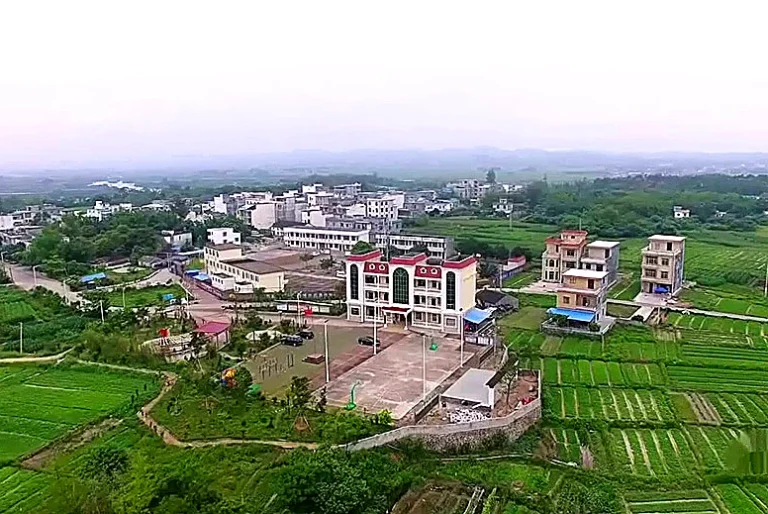
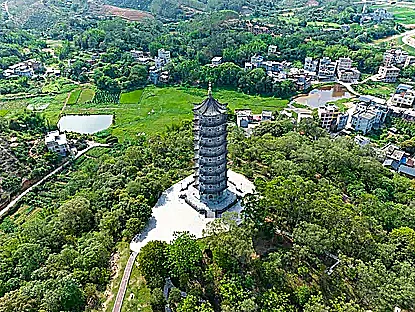
Tucked along the southwestern frontier of the Guangxi Zhuang Autonomous Region, Dongxing has long been recognized as a bustling border trading port with more than four centuries of history—originating in the Ming Dynasty and flourishing under the Qing Dynasty. Bordering the historic Beilun River, this frontier city is famed not only for brisk cross-border trade and historic streets marked by China–Vietnam cultural exchange, but also for a lush ecological treasure nestled at the foot of the Shiwan Mountains. Amid green hills and clear waters, the Dongxing Jinsha Waterfall Rafting Tourist Area—known locally as Jinshashui—stands out as an adventure attraction woven directly into nature, drawing thrill-seekers eager to ride rapids and forest streams.
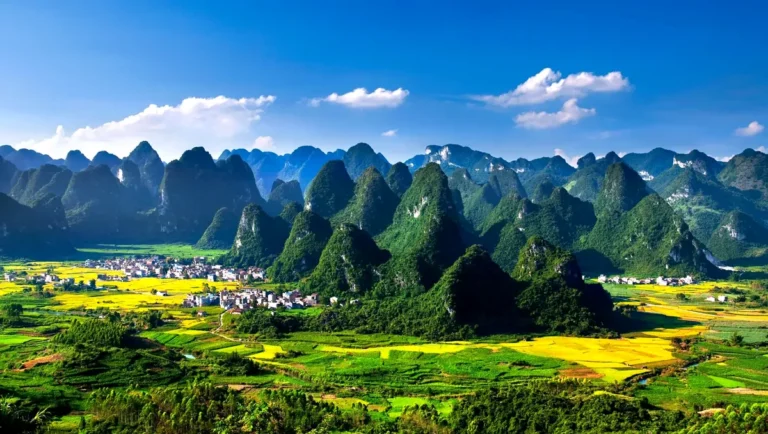
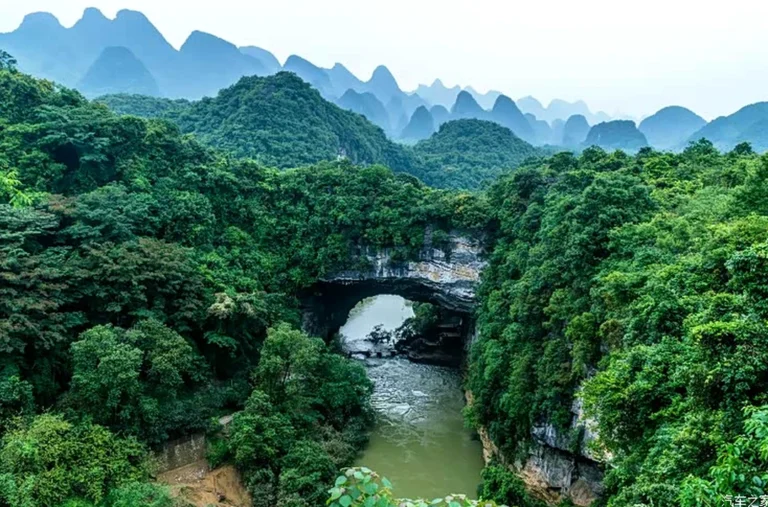
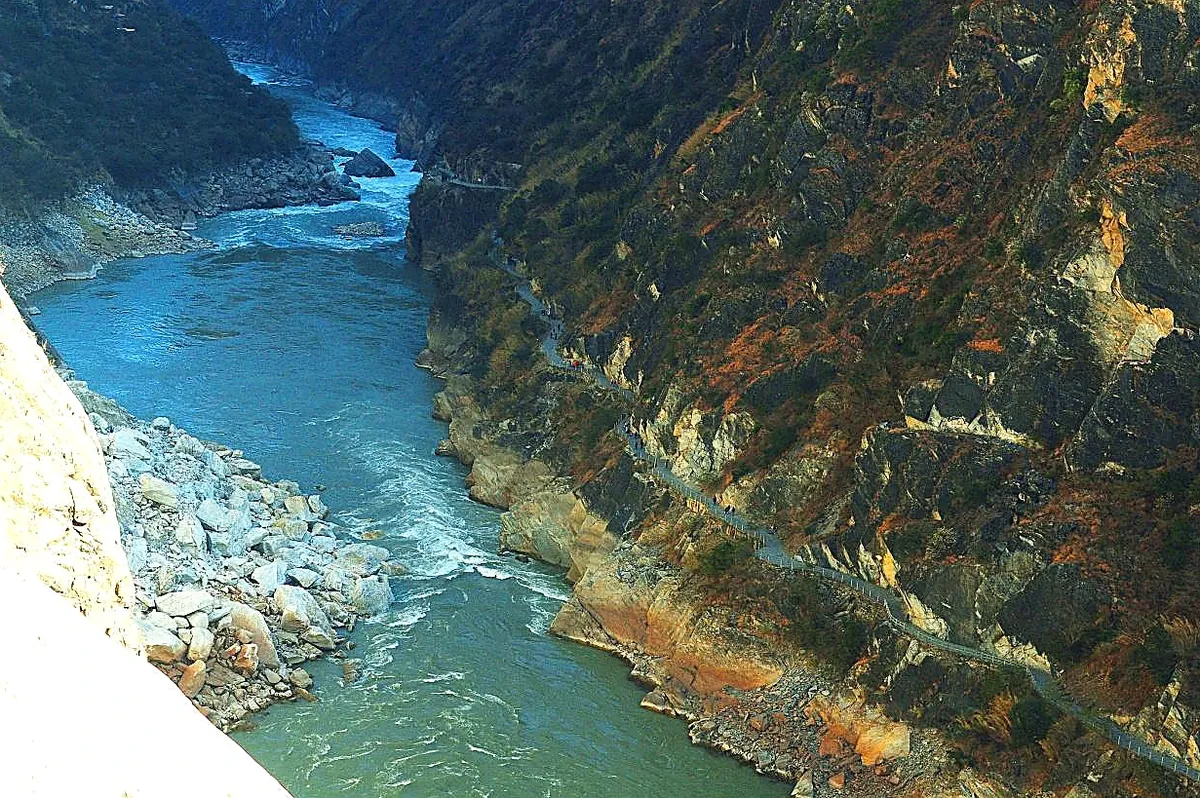
Geographically and geologically, Jinshashui sits within a deep structural valley fed by clear upland springs from the tropical monsoon forests of Fangchenggang. Steep canyon gradients give the stream a natural drop, turning gentle mountain water into white-water cascades tumbling past ancient slate ledges and primeval forest foliage. Surrounded by greenery, the eco-park stays noticeably cooler than nearby coastal plains year-round like a refreshing jade screen against summer heat. Clear spring water, crisp air, and layered mountain scenery make it a scenic pocket retreat within Guangxi.
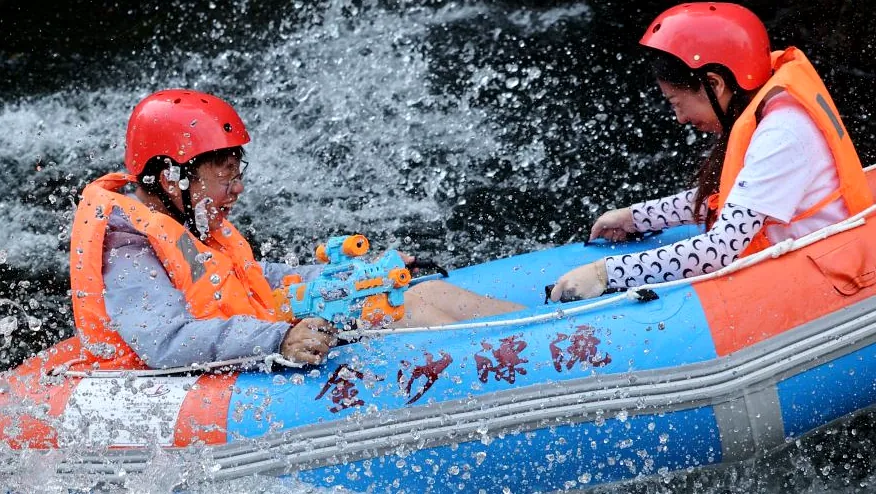
The Jinsha waterfall rafting course makes full use of the natural stream channel, creating a sixty-to-ninety-minute ride across lively rapids. Dozens of rocky drops alternate with calmer pools, delivering shifting rhythms from start to finish. Seated aboard reinforced multi-layer inflatable rafts, riders launch from an upper station where currents pick up speed through narrow rock chutes, echoing off granite walls and forest breezes for a thrilling, refreshing ride.
Successive steep chutes along Jinsha Waterfall test riders’ nerve as rafts plunge down natural rock steps and cool spray washes over faces—an invigorating release on warm summer days. Around tight bends, momentum carries rafts close to moss-lined rock faces before dropping into clear emerald pools, while calmer stretches let riders catch their breath beneath dappled forest sunlight and birdsong before the next wave of rapids.
Safety across the eco-park follows strict local water-recreation standards. Before boarding a raft, every visitor must wear a properly fastened life vest, a rugged helmet suited to rocky rapids, and a paddle. Along the course, rescue stations are staffed with experienced lifeguards at eddies and blind turns, while rock-fall netting and flow-guiding buoys are placed behind rock pockets to preserve canyon scenery while reducing injury risks on the water.
Setting out for the rafting site begins at the Mong Cai–Dongxing international border crossing. Streamlined cross-border travel lets eligible visitors travel with a valid citizen ID and official border pass (*Sổ thông hành biên giới*) without applying for a standard inland Chinese visa. Joining an all-inclusive Dongxing discovery tour simplifies customs queues, entry declarations, and local coach transfers from the Beilun River bridge into town.
Seasoned stream rafters know good gear makes a big difference: wear neat, quick-drying clothes and pack at least two spare outfits to change into afterward. Sturdy water shoes with slip-resistant rubber soles or secure strap sandals protect feet on submerged stream stones, while phones and cameras should go inside multi-seal waterproof pouches or smart lockers at the visitor center.
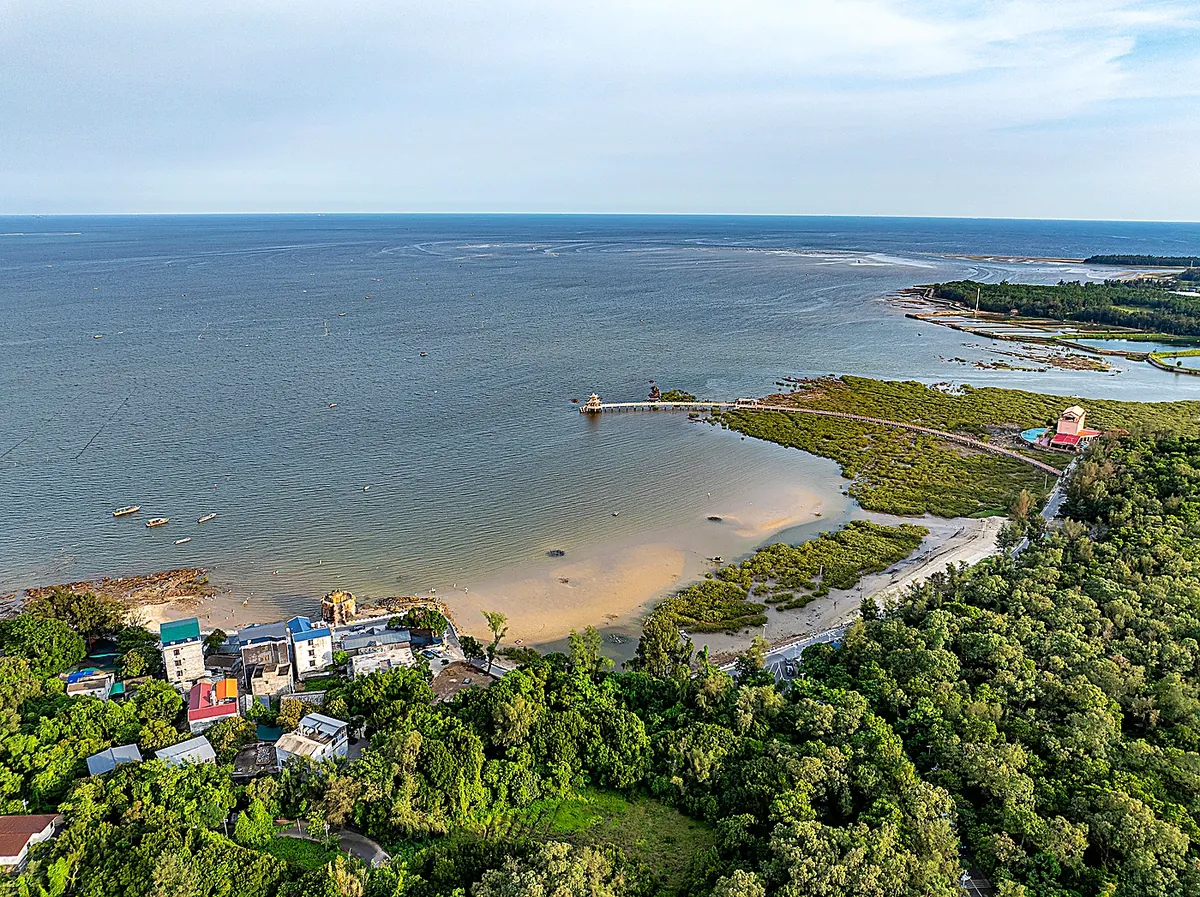
Beyond rafting, Jinshashui connects naturally with coastal landmarks around Dongxing. Not far from the canyon lies Zhushan Village (Zhushan Ancient Town), marking the southwestern terminus of mainland China’s coastal highway where land meets sea, complete with a “Zero Kilometer” coastal marker, border history monuments, and centuries-old mangroves—creating a striking contrast between highland forest and open ocean.
Farther south along the coastal road stretches the fifteen-kilometer Wanwei Beach with broad golden sand—the long-standing home of the Jing ethnic community (of Vietnamese ancestry) in China, where traditional *dan bau* monochord music, *hat dum* antiphonal singing, and communal village halls echo beside the waves, rounding out an in-depth Dongxing tour with cultural richness.
Post-rafting meals add to the experience: warm up right away with a cup of hot ginger tea at a streamside shelter, then head into central Dongxing around King Street or night markets after sunset for giant spicy noodle bowls, crispy fried stinky tofu with chili powder, and rich roasted milk tea—a comforting finish after an active day outdoors.
Dongxing Jinsha Waterfall Rafting adds an energetic note to Guangxi’s southern borderland, pairing outdoor excitement with lush mountain scenery for travelers seeking a lively, memorable frontier escape.