Positioned at the northeastern tip of the Shandong Peninsula, embracing the azure waves of the Yellow Sea and the Bohai Gulf, the region of Yantai has held a pivotal strategic outpost within East Asia’s geopolitical landscape since the dawn of history. Archaeological discoveries at the Baishicun site confirm that more than five thousand years ago, during the Neolithic height of matrilineal clan culture, humans chose this fertile coastal strip to settle and pioneer new frontiers. Throughout prehistoric eras and the Xia and Shang dynasties, this sweeping shoreline was inhabited by the Dongyi tribes—skilled archers and accomplished seafarers—creating a distinctive layer of indigenous culture that stood apart while weaving deeply into the broader current of early Chinese civilization.
When the Qin Dynasty unified the realm, the footsteps of China’s First Emperor, Ying Zheng, etched legendary history directly onto Yantai’s shores. Driven by a yearning for immortality and eternal dynastic rule, Qin Shi Huang embarked on three imperial tours to the east, ascending Zhifu Cape in person to gaze out across the misty waters toward the mythical fairyland of Penglai. These royal expeditions in search of the elixir of life not only spawned captivating legends of the alchemist Xu Fu setting sail across the Eastern Sea, but also formally integrated the rugged territory of Zhifu into the administrative, military, and ideological map of China’s centralized feudal empire.
The name “Yantai”—literally meaning “smoke tower”—originated from the fierce coastal defense campaigns of the Ming Dynasty. In the thirty-first year of the Hongwu reign (1398), faced with relentless raids by Wokou pirates from the sea, the court of Ming Taizu ordered the construction of a beacon-tower network atop Mount Zhifu, known as the “Dou Yantai.” Whenever enemy vessels approached, soldiers burned wolf dung by day to send straight columns of smoke rising high into the sky, and lit blazing torches by night to sound rapid alarms across the entire rear defense line. This land is also forever linked with the heroic legacy of famed general Qi Jiguang, who forged the undefeated Qi Family Army, fortified coastal strongholds across Penglai and Shandong, crushed the Wokou threat, and turned Yantai into an iron bulwark safeguarding the realm.
The twilight of the feudal era once again thrust Yantai into the storm of modern world history through unequal treaties. Following the Qing court’s defeat in the Second Opium War, the 1858 Treaty of Tientsin and the 1860 Convention of Peking formally compelled Zhifu to open its port to Western trade. Beginning on August 19, 1861, under its internationally recognized name Chefoo, Yantai became one of northern China’s earliest treaty ports. Over the subsequent half-century, seventeen Western nations established consulates, customs houses, chambers of commerce, churches, and missionary schools along its coast, giving rise to an intriguing East–West architectural fusion on the northern Yellow Sea shore.
Amidst the turbulent tides of semi-colonialism, a spirit of national self-reliance and domestic industrialization took root in Yantai through the vision of overseas Chinese entrepreneur Zhang Bishi. Inspired by late nineteenth-century reform movements, he invested substantial capital to found the Changyu Pioneer Wine Company in 1892, importing pure European grape varieties to cultivate in Yantai’s coastal soil and constructing underground aging cellars below sea level. The birth of this pioneering winery not only brought Yantai global acclaim as the cradle of modern East Asian winemaking, but also closed a millennium of warfare, ushering in an era of resilient international integration for a thousand-year-old port.
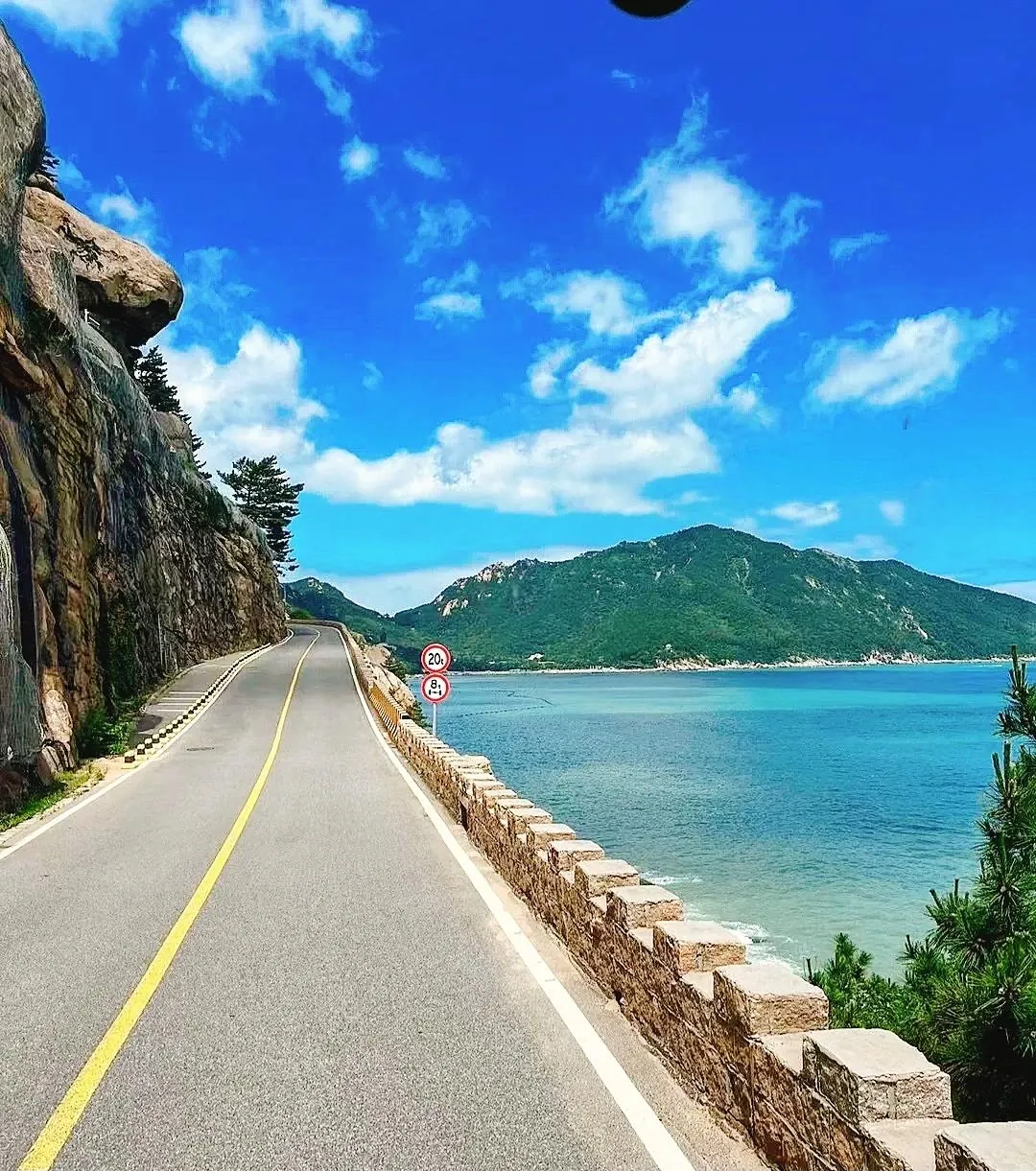
Occupying the northeastern headland of the Shandong Peninsula, Yantai commands one of northern China’s most favored coastal geographies, resting simultaneously along the rolling Yellow Sea and the tranquil Bohai Gulf. Viewed through classical geomancy, this seaside city embodies an ideal “mountain-backed, water-embraced” configuration. With its back sheltered by the rolling peaks of the Jiaodong Peninsula and its face open to the vast sea facing the Liaodong Peninsula across a narrow strait, Yantai sits like a jade gem cradled between mountain and ocean. Hundreds of kilometers of indented coastline form sheltered deep-water bays alongside a gently sloping, wind-shielded coastal plain imbued with auspicious natural energy supporting prosperous settlement across millennia.
Yantai’s sacred geomantic pulse originates in towering Mount Kunyu, revered since antiquity as the ancestral peak of the Jiaodong region. Here, rugged terrain and sheer granite cliffs rise amidst endless pine forests and crystal streams murmuring year-round. In spiritual and geomantic chronicles, Mount Kunyu is celebrated as a sanctuary of concentrated vital energy and the birthplace of the Quanzhen (Complete Perfection) School of Taoism during the Jin–Yuan transition. Beneath these ancient pines, Master Wang Chongyang founded the sect and cultivated enlightenment alongside his seven famed disciples—the Seven Masters of Quanzhen—leaving an enduring mark on East Asian Taoist philosophy. Nestled at the foot of this majestic range lies the fertile Daling Apple Valley, blessed with mineral-rich sandy red soil and pure groundwater filtered through granite bedrock, forming a prized micro-ecosystem renowned for sweet orchards.
Further north stretches the scenic Penglai coastline, where the boundary between sky and sea dissolves into legends of immortality. For centuries, this shore has been linked to eastern pilgrimages by Qin Shi Huang and Emperor Wu of Han seeking the three mythical immortal mountains—Penglai, Fangzhang, and Yingzhou—and the secret of eternal youth. Nature along this stretch frequently stages the extraordinary optical phenomenon known as “Haishi Shenlou”—mirages of palatial pavilions floating above the sea. On transitional days between late spring and early summer, temperature differences across convective air layers over the Bohai Sea refract sunlight, conjuring ethereal visions of walled cities and islands appearing and vanishing in midair. This natural wonder inspired the classic legend of the Eight Immortals Crossing the Sea while turning Penglai’s coast into a realm of myth on earth.
Standing sentinel at the gateway between the Yellow Sea and the Bohai Gulf is the Changdao Archipelago, thirty-two islands scattered like emerald pearls across deep blue waters. Geomorphologically, Changdao serves as a natural seawall shielding mainland Yantai from fierce ocean gales. Millions of years of wave erosion along sedimentary cliffs have sculpted natural wonders—mysterious sea caves, the smooth multicolored pebble beaches of Jiuzhang Cliff, and imposing headlands jutting into deep water. The archipelago also serves as an essential ecological stopover for tens of thousands of migratory seagulls and spotted seals each season.
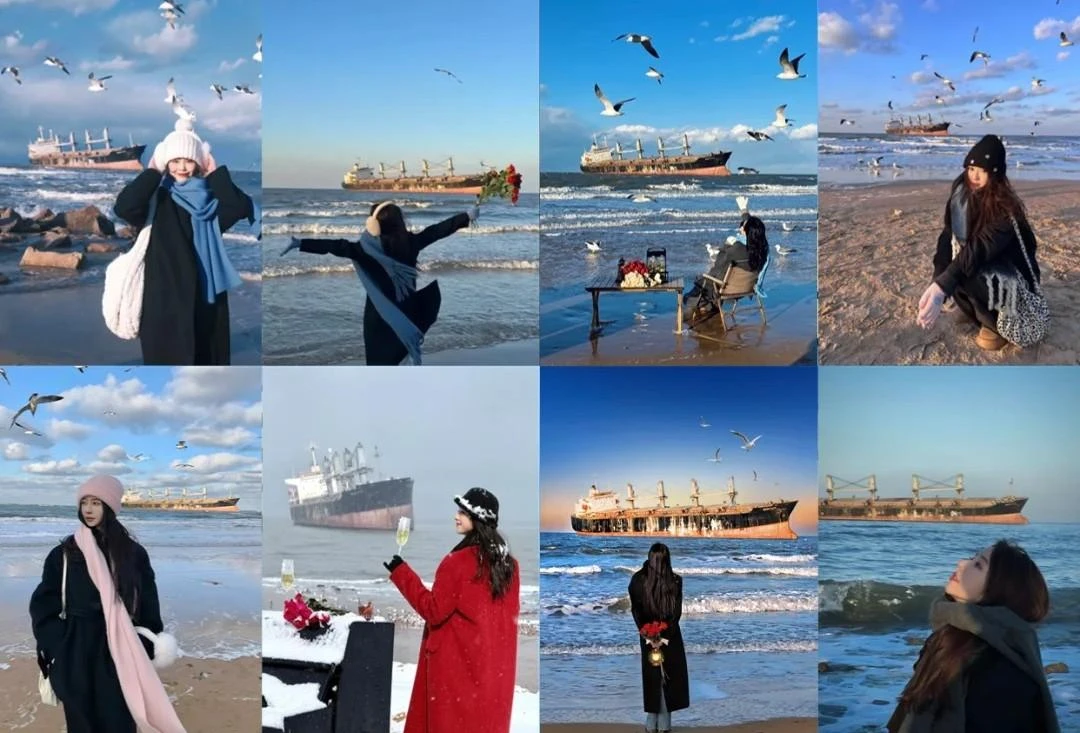
This distinctive coastal geography combined with cool ocean currents endows Yantai with an ideal temperate marine monsoon climate. Unlike the stifling summer heat of inland North China, Yantai enjoys refreshing sea breezes and mild, pleasant temperatures, earning renown as a premier summer resort escape. In winter, moisture sweeping off the Bohai Sea meets gentle coastal hills, blanketing historic tiled roofs in soft white snow and earning Yantai the unique distinction of northern China’s “coastal snow-house haven.”
Sprawling across towering Dan cliffs beside the Bohai Sea, the Penglai Pavilion complex appears like a grand brushstroke linking the mortal realm with northern coastal mythology. Originally built in 1061—the sixth year of the Jiayou era under Emperor Renzong of the Northern Song Dynasty—this monumental ensemble harmonizes Taoist and Buddhist traditions along a rigorous geomantic axis. Comprising six major architectural clusters with over a hundred halls and chambers, it highlights the Lüzu Temple, Sanqing Hall, and Tianhou Palace standing serene against ocean winds. Built in classical Chinese timber pavilion style using multi-tiered interlocking dougong brackets without a single iron nail, the structures have endured centuries of salt spray and sea storms. Emerald-glazed roof tiles gleam brilliantly above sweeping views of the bay where the Eight Immortals famously crossed the sea and elusive sea mirages drift through mist.
Moving southeast along the curving shoreline, Yantai’s architecture opens a contrasting yet equally captivating chapter at the Yantai Hill Historic Preservation Area. Following the opening of the treaty port in the late nineteenth century, this seaward headland became a hub of Western construction featuring over thirty former consulates, ministerial residences, post offices, and sturdy churches. The ensemble weaves together Renaissance, Gothic, and Victorian influences: rough-hewn granite walls paired with dark brick, slender classical columns, semicircular arches, and broad sea-breeze verandas create a singular eclectic port cityscape. Crowning the hilltop stands the graceful white Yantai Lighthouse, an iconic maritime beacon soaring against the blue sky and commanding panoramic views of Zhifu Harbor and red-tiled roofs nestled among ancient pines.
Beyond its grand above-ground landmarks, the port city’s engineering brilliance reaches deep underground in the Changyu Underground Wine Cellar. Begun in 1894 under the strategic vision of overseas Chinese industrialist Zhang Bishi, it was recorded as Asia’s largest subterranean wine cellar at the time, completed after more than a decade of excavating coastal bedrock. Reinforced with exceptionally sturdy load-bearing brick vaults and traditional waterproof mortar capable of completely blocking saltwater seepage—even though the cellar floor sits below sea level just steps from the waves—the quiet, dimly lit chambers maintain a constant temperature of 12 to 15°C and ideal humidity year-round. Inside, thousands of French oak barrels and massive ten-thousand-liter wooden vats line straight underground avenues, standing as a monument to technological exchange between Western viticulture and skilled local stonemasons.
The interplay between ancient Taoist cliffside sanctuaries at Penglai Pavilion, European-inspired concession architecture on Yantai Hill, and the century-old subterranean engineering of Changyu Winery weaves one of the Shandong Peninsula’s richest multi-layered urban landscapes. Each landmark stands not merely as static stone and timber, but as a fluid transition across historical eras, showcasing humanity’s mastery over rugged coastal terrain and refined aesthetic vision.
As sunset fades across the meeting point of the Bohai Gulf and the Yellow Sea, Yantai sheds its daytime guise of quiet historic port to don a dazzling cloak of contemporary illumination. Viewed from afar, the Yantai Hill Lighthouse rises atop its granite headland like a luminous observatory sweeping bright beams across calm waters. Artistic lighting embraces the late-nineteenth-century Western consular buildings, accentuating Roman moldings and moss-dappled Baroque tiled roofs. Warm golden rays filter through centuries-old trees, creating a dreamlike atmosphere that guides strollers down winding stone steps toward the water’s edge, where salty breezes sweep away summer warmth.
Alongside aboveground light displays, Yantai’s nightlife conceals captivating cultural depth beneath the earth in the Changyu Wine Cellar. Excavated over seven meters below sea level during the eighteenth year of Emperor Guangxu’s reign under industrialist Zhang Bishi, the stone-vaulted cellar took eleven painstaking years to complete. After nightfall, warm vintage-style lanterns illuminate hundreds of massive French oak barrels. Stepping inside feels like entering a timeless realm where sweet aromas of fermenting grapes mingle with aged oak—inviting visitors to savor full-bodied red wines, hear stories of storied vintages, and feel the cool breath of deep earth.
Following the coast northwest, nightfall at Penglai unfolds another enchanting chapter of outdoor light and theatrical spectacle. Perched atop Dan Cliff, ancient Penglai Pavilion comes alive through sophisticated 3D projection mapping reenacting the legend of the Eight Immortals Crossing the Sea and historic sea mirages. Emerald and violet laser beams blend with drifting sea mist, making crimson-and-gold pavilions appear to float across the nocturnal ocean. At nearby international yacht marinas, tall masts reflect neon lights from open-air bars and evening cruise vessels, lending a breezy, modern pulse to a seaside city that never sleeps.
Rounding out an evening stroll, nothing beats joining lively crowds along coastal pedestrian streets like Chaoyang Historic Street and bustling seafood night markets. Throughout bluestone alleys, mouthwatering aromas of Lu (Shandong) cuisine rise from woks of spicy stir-fried seafood. Travelers gather at outdoor tables over platters of crisp chili-roasted cuttlefish, plump Bohai oysters grilled with fragrant scallion oil, and Shandong’s celebrated clear sea-cucumber soup. Lively conversation mingles with waves lapping against granite seawalls, composing an energetic nocturnal symphony imbued with Yantai’s generous maritime spirit.
Jutting out between the Yellow Sea and the Bohai Gulf, Yantai not only preserves legends of immortality but also stands as a core cradle of Lu cuisine (Shandong cuisine)—the foremost of China’s Eight Great Culinary Traditions. Unlike Jinan’s style emphasizing high-heat oil searing and rich organ-based broths, the Jiaodong branch centered in Yantai prizes the pristine freshness of seafood and masters the art of qingtang (crystal-clear consommé) and naitang (milky-white broth). Local gastronomy unites imperial-caliber culinary precision with abundant cold-water harvests, yielding dishes that are refined, intricate, and redolent of the sea.
At the pinnacle of Yantai’s coastal gastronomy stands the celebrated “Eight Immortals Crossing the Sea” Seafood Stew, a soup inspired by the Taoist legend at Penglai Pavilion. This masterpiece brings together eight prized treasures of the deep: renowned Yantai abalone, spiky sea cucumber, scallop adductor muscles, swimming crab meat, fish maw, shark fin, sea shrimp, and fresh cuttlefish. Rather than masking flavors with heavy spices, master chefs simmer aged hen bones and Jinhua ham for over ten hours to extract pure, delicate sweetness. Served piping hot and clear as autumn mirror water, the broth releases warm aromas of Shaoxing yellow wine and young ginger, pairing crunchy abalone with tender, savory sea cucumber in a regal feast worthy of immortals.
If the Eight Immortals stew represents courtly elegance, Yantai cuttlefish dumplings embody the resourceful folk wisdom of local fishermen. Unlike standard white-skinned dumplings, cuttlefish dumplings gleam jet-black thanks to dough kneaded with fresh natural ink harvested from morning-caught squid. Beneath the springy, glossy wrapper lies a succulent filling blending crisp diced cuttlefish, coarsely chopped sea shrimp, a touch of local pork fat, and fresh chives for moisture. Biting through the dark wrapper releases a burst of hot, sweet seafood broth across the palate—pure, briny, and completely free of fishiness, leaving an unforgettable visual and culinary impression.
Stepping back from windswept shores into tranquil inland hills, Yantai’s culinary map shifts toward warm mountain notes with Mount Kunyu Mushroom Chicken Stew. Revered as a Quanzhen Taoist sanctuary, Mount Kunyu boasts rich primeval flora and sweeping pine forests. Locals select free-range hill chickens raised on rocky slopes—prized for firm, lean meat—cut them into hearty chunks, and slow-braise them in clay pots with seasonal wild forest mushrooms such as matsutake, wild shiitake, and astragalus root. The resulting amber broth coats tender, flavorful chicken infused with earthy woodland aromatics and hints of pine resin, nourishing vitality and warming the spirit on crisp winter evenings.
Concluding northern Shandong’s abundant culinary tour is the crisp, refreshing sweetness of a celebrated regional treasure: Yantai Red Fuji apples. Nourished by mineral-rich red soil under the peninsula’s temperate coastal sun and breezes, these apples develop remarkable natural sugar concentration and juiciness. Thin-skinned and rosy-blushed, slicing one open reveals a translucent “honeycore” created by natural sugar crystallization. Every crisp, resounding bite releases bright sweetness balanced by gentle acidity—cleansing the palate after rich seafood banquets and completing Yantai’s multi-layered gastronomic portrait.
Exploring the port city of Yantai today is supported by advanced regional transport networks linking northeastern Shandong directly to China’s premier economic and cultural hubs. Travelers can arrive via Yantai Penglai International Airport (IATA: YNT), a modern gateway welcoming daily domestic and international flights. For those who love scenic overland journeys, the high-speed railway running along the Jiaodong Peninsula offers effortless comfort: sleek bullet trains connect from coastal Qingdao in just one hour and ten minutes, from provincial capital Jinan in roughly two hours and thirty minutes, and from Beijing in four and a half to five hours across the fertile North China Plain.
Regarding immigration and entry procedures, Yantai participates in China’s 144-hour visa-free transit policy for eligible citizens holding confirmed onward tickets to a third country or region. This convenient framework allows short-stay travelers to explore Penglai’s scenic wonders and offshore islands freely without undergoing standard visa processing. Even so, passengers must ensure their passports carry at least six months of validity and carry printed copies of confirmed onward flight tickets and valid hotel reservations for smooth port-of-entry registration.
To make the most of sightseeing time, keeping track of operating hours at major landmarks is essential. The iconic Penglai Pavilion scenic area generally opens at 7:30 AM with ticket sales closing at 5:00 PM daily, while historical sites such as Yantai Hill Park—home to Ming-era beacon remnants and nineteenth-century Western consulates—and the Changyu Wine Culture Museum with its century-old underground cellars operate from 8:30 AM to 5:00 PM. The finest hours to stroll these coastal heritage sites are early morning, when Bohai mist still drifts around crimson-and-gold pavilions, or late afternoon as sunset paints the horizon crimson.
A crucial rule when traveling across the Shandong Peninsula is recognizing and avoiding ultra-cheap “zero-fare” or negative-cost tour traps. These unrealistic packages lure travelers with abnormally low upfront prices, only to turn vacations into stressful gauntlets of mandatory stops at closed commercial outlets pushing jade, silk, or herbal tonics at inflated markups. To protect the integrity of your holiday and enjoy authentic Lu delicacies like scallion-braised sea cucumber or steamed abalone, prioritize reputable no-forced-shopping itineraries that dedicate 100% of your schedule to local culture and scenery.
Thoughtful planning—from choosing transport and checking entry requirements to pacing daily sightseeing—transforms a voyage to fairy-tale Yantai into an unforgettable memory at the magical crossroads of history and sea. For travelers seeking a relaxed, seamless experience covering smooth transfers, quality accommodations, and authentic coastal seafood banquets, exploring a professional all-inclusive China tour package ensures every step through the mountains and seas of Penglai is rich in flavor and inspiration.