Nestled beneath the majestic shelter of the rolling Hoanh Son mountain range, where the historic Ngang Pass once bore witness to the southward expansion of ancient pioneers, Vung Chua – Yen Island emerges as a breathtaking natural masterpiece of Central Vietnam, endowed with a one-of-a-kind location and profound historical roots. Geographically, this area belongs to Tho Son Village, Quang Dong Commune, Quang Trach District, Quang Binh Province—a strategic site blessed by nature with a geomantic formation known as the “coiling dragon and crouching tiger.” Viewed from above, Vung Chua resembles a giant cradle embraced by three outpost islands—Hon Gio (Wind Island), Hon Nom (Southeast Wind Island), and Hon Chua (also known as Yen Island or Swallow Island)—forming a completely wind-sheltered bay protected from the fury of the open ocean. This sturdy natural barrier of mountains and islands not only created an entirely safe natural anchorage for vessels since prehistoric times, but also embodies auspicious feng shui values: gathering water and fortune, backed by layered mountains, and facing out toward the vast East Sea.
The origin of this region’s name is intertwined with centuries of cultural and spiritual heritage. According to toponymic research, “Vung” refers to a deep, wind-sheltered bay where boats frequently anchor to escape storms, while “Chua” (pagoda) originates from an ancient temple that once stood here before fading into ruins over time. The intersection of spiritual beliefs and maritime life has imbued the name Vung Chua with a serene, timeless beauty. Across historical eras—from the imprints of late Sa Huynh culture inhabitants, through the Ly and Tran dynasties when it served as a frontier patrol station, to the Early Le and Revival Le periods—this land witnessed the strategic vision of illustrious generals such as Grand Preceptor Hung Quoc Cong Nguyen Huu Dat and Grand General Nguyen Huu Canh. They chose this rugged terrain as a solid naval rear base for Vietnam’s southward expansion and the defense of Dang Trong’s coastal sovereignty, earning Vung Chua an official place in the dynastic histories and imperial records of the Nguyen Dynasty as a vital national coastal defense stronghold.
Beyond its military and geographical significance, the chronicle of Vung Chua – Yen Island entered its most solemn and sacred chapter in the 21st century. On January 13, 2013, this site was chosen as the final resting place of General Vo Nguyen Giap—the beloved Commander-in-Chief of the Vietnam People’s Army and an illustrious son of Quang Binh. This historic milestone forever elevated Vung Chua from a natural landmark and local military base into a cultural and spiritual heritage site of national and international stature. Visiting Vung Chua – Yen Island today, travelers and younger generations can not only admire a geological marvel featuring an unspoiled island-and-marine ecosystem, million-year-old sedimentary cliffs, and fine white-sand beaches, but also connect with the sacred spirit of the land, where a thousand years of ancestral heroism blend seamlessly with the tranquility of the coastal sky and sea.

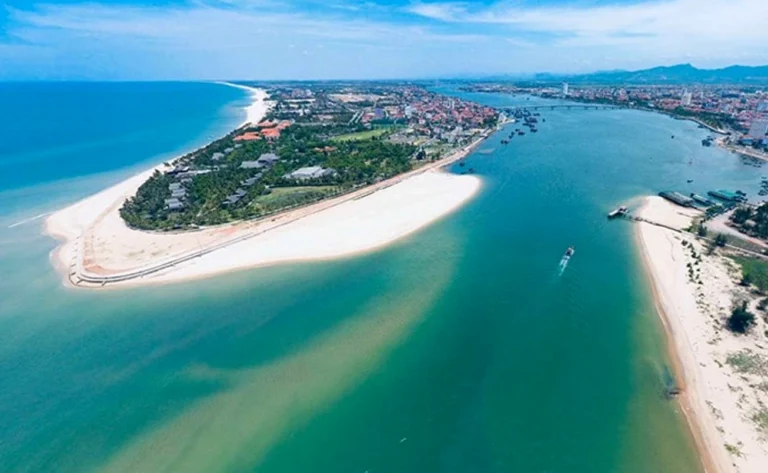
Lying at the foot of the towering Hoanh Son range, Vung Chua – Yen Island unfolds like a picturesque landscape of mountains and waters sculpted by nature with meticulous grace. Possessing the “coiling dragon and crouching tiger” terrain with a sheltered bay, it is shielded by three offshore islands—Hon Gio, Hon Nom, and Yen Island—forming a steadfast natural screen against ocean winds and waves. From an aerial perspective, the calm bay waters resemble a colossal mirror reflecting the deep blue sky, cradling stretches of powdery white sand that curve gently along the shoreline. The scenery here radiates an untamed, peaceful beauty paired with solemnity and reverence, stirring deep emotion in every traveler who sets foot here.
The resting place of General Vo Nguyen Giap on Cape Tho Son is thoughtfully planned and constructed in absolute harmony with the surrounding ecosystem, blending effortlessly into nature rather than overpowering it. The pathway leading up to the tomb is lined with lush green trees and year-round blossoms, accompanied by the gentle murmur of ocean waves like a nostalgic lullaby. The landscape architecture here emphasizes stillness and solemnity, utilizing locally sourced natural stone and preserving the original terraced contours of the mountainside overlooking the vast sea. Every step along the shaded walkway brings a sense of complete detachment from the bustling outside world, immersing visitors in an atmosphere that is both intimate and deeply meditative.
To capture the full grandeur and sacred aura of Vung Chua – Yen Island, photographers and travel journalists often recommend two unmissable “million-dollar view” photo spots. The first is located on the high hill facing southeast, where your lens can take in the sweeping curve of the bay, peacefully anchored fishing boats, and the Yen Island cluster rising out of the open sea. The ideal lighting for this vantage point is at sunrise (from 5:00 AM to 6:00 AM), when the first golden rays pierce through the morning mist, tinting the water pink and awakening the pristine coastal landscape. The second photo spot lies along the trail heading toward Cape Tho Son, framing the lush greenery of the forest against the emerald-blue sea to create evocative shots rich in narrative and historical depth.
When dusk falls (from 5:00 PM to 6:00 PM), Vung Chua – Yen Island takes on an entirely different mood—contemplative and deeply enchanting. As the sun slowly dips behind the Hoanh Son range, the sky ignites in vibrant shades of orange and crimson, casting long, shimmering reflections across the glassy bay. Looking down from the mountainside, the entire area settles into absolute stillness, broken only by the brisk breeze off the East Sea and the rustling of casuarina trees whispering the enduring story of a sacred land. This seamless union of natural splendor and humble yet majestic landscape design has made Vung Chua – Yen Island a premier eco-tourism and cultural-historical landmark of Quang Binh.
Stepping into Vung Chua – Yen Island today, visitors do more than touch the heroic pages of national history—they embark on a deeply rewarding and moving hands-on journey. Nestled beneath the majestic Hoanh Son range, this bay reveals a magnificent natural panorama where the deep blue sea meets rolling mountains, crafting an environment that is at once untamed, awe-inspiring, and spiritually profound.
Exploration typically begins by chartering a local fisherman’s boat to cut through the waves out to Yen Island. Sitting along the gunwale and gliding over crystal-clear waters where schools of small fish can be seen darting below, travelers experience the pure serenity of a wind-sheltered bay once chosen as an ancient naval stronghold. The brisk sea breeze carries the briny scent of the ocean mixed with the subtle fragrance of coastal flora from the white-sand dunes. Looking back toward the mainland from offshore, Mount Tho Son winds like a coiling dragon, evoking awe at a terrain that is both rugged and poetic—explaining why this spot served as a vital strategic chokepoint across numerous dynasties.
The most unforgettable highlight of the journey is ascending the tree-shaded stone steps toward the tomb of General Vo Nguyen Giap atop Mount Tho Son. Here, the atmosphere grows remarkably hushed, tranquil, and sacred. Standing before the spirit of the revered Commander-in-Chief amidst fragrant incense smoke and the timeless crash of distant waves, all the hustle and bustle of daily life seems to melt away. What wells up inside every visitor is not merely boundless grief, but profound gratitude and immense pride for a historic icon who chose this sacred land as his eternal resting place.
Leaving the contemplative spiritual sanctuary behind, travelers can challenge themselves by hiking up to higher vantage points along the mountain slopes to take in panoramic views of Vung Chua – Yen Island from above. At the foot of the mountain, the crescent-shaped bay embraces a ribbon of fine white sand, with anchored boats bobbing gently like peaceful musical notes amidst nature’s symphony. At sunset, when the dying light paints an entire corner of the Hoanh Son sea and sky crimson, the scenery turns ethereal, etching itself permanently into the memory of anyone fortunate enough to witness it.
Rounding out a visit to this sacred destination is the area’s renowned local cuisine. The fertile waters of Quang Trach treat diners to the freshest coastal delicacies—from briny seafood favorites like jumping squid, lobster, and grouper to rustic specialties brimming with Quang Binh soul, such as banh canh thick noodle soup and Nam Dao crispy pancakes. Enjoying a simple meal to the soothing rhythm of the waves while listening to locals share stories of past heroes lets visitors truly feel the warmth, sincerity, and hospitality of the people here, leaving them with a lingering fondness long after departure.
To ensure your pilgrimage and exploration of Vung Chua – Yen Island go smoothly, respectfully, and fulfillingly, it helps to keep practical details regarding visiting hours, dress codes, and directions in mind. Vung Chua – Yen Island is not merely a scenic natural wonder, but also a special spiritual site housing the tomb of General Vo Nguyen Giap, so thoughtful preparation helps you show proper reverence.
Regarding opening hours, the tomb complex of General Vo Nguyen Giap at Tho Son welcomes domestic and international visitors every day of the week, including public holidays and Tet (Lunar New Year). Visiting hours generally run from early morning until late afternoon (roughly 7:00 AM to 5:00 PM), though exact schedules may vary flexibly depending on the security and ceremonial protocols of the border guard forces on duty. As for admission, the management board currently charges no fees whatsoever (completely free entry) for all domestic and international visitors coming to offer incense and pay their respects.
To get here from downtown Dong Hoi City (Quang Binh), the best route is to head north along National Highway 1A, crossing the historic Ngang Pass, or take the scenic coastal road passing through the coastal communes of Quang Trach District. Covering a distance of roughly 60 kilometers, travelers can easily make the trip by private car, motorbike, or North–South intercity bus. The roads are well-paved and smooth, revealing picturesque Central Vietnamese scenery along the way.
Because this is a sacred site combining military security and spiritual reverence, visitors must strictly adhere to the dress code: wear neat, modest attire (men should wear long trousers and collared shirts; women should wear skirts below the knee or long trousers and modest tops—no short, revealing clothing). Additionally, as the terrain around the General’s tomb consists mainly of sloped paths and gravel walkways, it is best to wear sneakers or flat shoes with good traction so climbing the stone steps up Mount Tho Son is safe and comfortable.
The ideal time of year to visit Vung Chua – Yen Island is during the dry season, which spans roughly from the 3rd to the 8th lunar month each year. During these months, Central Vietnam enjoys dry weather, clear skies, warm golden sunshine, and calm seas—making outdoor travel effortless and ideal for combining your trip with nearby landmarks such as Yen Island, Ngang Pass, or Da Nhay Beach.
To enjoy a seamless getaway and take in the full splendor of Vung Chua – Yen Island without worrying about transportation, tickets, or itinerary planning, travelers can opt for VDS Travel’s premier all-inclusive Quang Binh tour packages. Every itinerary is thoughtfully timed for photo stops when the scenery is at its most radiant, accompanied by knowledgeable local guides and top-tier hotel and dining standards.