Originating from the perpetually mist-shrouded azure waters of Heaven Lake (Tianchi) atop the majestic Changbai Mountains, the Songhua River surges across roughly 1,927 kilometers before merging with the Heilongjiang (Amur River) to form the greatest tributary system in Northeast Asia. Known in Chinese as Songhua Jiang (松花江), this waterway has silently nurtured the cultural layers of ancient nomadic clans since time immemorial, serving as a vital lifeline sweeping across fertile plains and frost-covered boreal forests. Far more than a mere geographic boundary dividing terrain, the river was the cradle that sustained, sheltered, and witnessed every rise and turn of the early Jurchen tribes before they stepped onto the historical stage to shake the Central Plains of China.
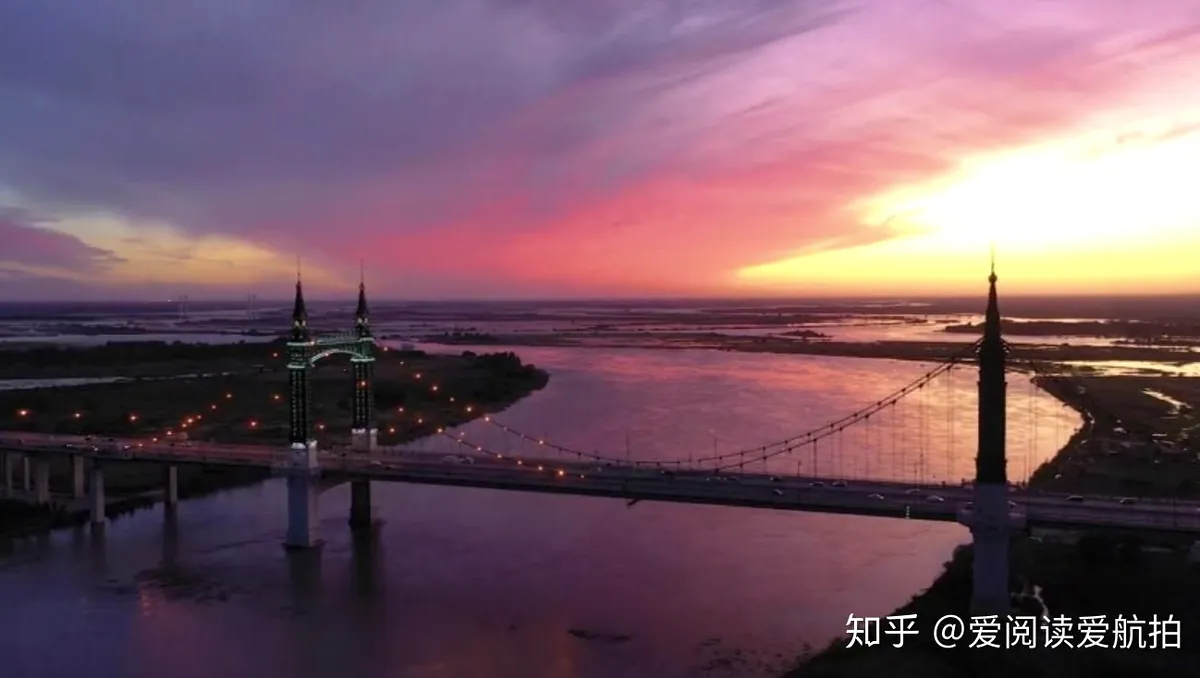
The Songhua River presents a vista at once expansive and contemplative, its broad surface acting like a giant mirror reflecting the high northern sky. Gentle ripples lap against fertile basaltic riverbanks, tracing graceful curves around weathered pine forests and sturdy landmarks bearing the unmistakable imprint of Eurasian cultural fusion. As late afternoon sunlight settles across the water, a soft golden glow spreads over the channel, lending a tranquil spatial depth charged with the quiet strength of a river that has deposited rich silt across countless centuries.
During the Jin Dynasty (1115–1234), the Songhua River basin witnessed the legendary rise of chieftain Wanyan Aguda. From scattered clans living by hunting and fishing along rushing currents, this remarkable Jurchen leader united powerful tribes and raised the banner of rebellion, shattering Liao Dynasty rule to found the illustrious Great Jin Empire. Along the river’s fertile banks, Shangjing Huining Fu was established as the imperial capital, rising to become a premier political and military powerhouse of its era. The river itself supplied boundless fresh water, natural defensive moats, and a vital waterway corridor—forging the iron resolve of Jurchen cavalry before they swept southward to capture Bianjing.
Entering the Qing Dynasty (1644–1912), this sacred river basin was revered by the ruling Aisin Gioro imperial house as the “Land of the Dragon’s Rise” (Longxing zhi di)—the ancestral homeland from which the dynasty’s imperial destiny sprang. To safeguard the sanctity of their ancestral roots and preserve traditional Manchu horsemanship and archery, the Qing court enforced strict exclusion policies, constructing the Willow Palisade to bar inland migrants from settling the region. Sealed off for centuries, the Songhua drifted peacefully through unspoiled wilderness, preserving vast primeval forests and spiritual legends bound to ancient northern shamanic court rituals.
Modern geopolitical shifts transformed both riverbanks forever at the historic turning point of 1898. When the Russian Empire began constructing the Chinese Eastern Railway directly across the Songhua River, a quiet riverside fishing village rapidly blossomed into the cosmopolitan metropolis of Harbin. Engineers, merchants, and Russian aristocrats poured into the city, infusing local life with Baroque and Art Nouveau architecture alongside Slavic traditions. The towering steel railway bridge spanning the river not only linked transcontinental rail arteries, but officially crowned the city as the “Moscow of the East”—opening a captivating multicultural chapter along the legendary Songhua.
Positioned at the crossroads of layered mountain ranges and sweeping Manchurian steppes, the Songhua River carries the regal geomantic energy of a great northern dragon vein. Its waters spring from Heaven Lake, a volcanic crater lake perched over two thousand meters high atop perpetually cloud-draped Mount Changbai—the hallowed spiritual mountain of the Jurchen and Manchu peoples. Flowing out of the ancient caldera, the river surges through vast primeval forests in Jilin Province, winds across the fertile plains of Heilongjiang, and finally pours its vitality into the Heilongjiang (Amur River) along the Far Eastern frontier. Curving like a ribbon of jade around the natural rampart of the Lesser Khingan Mountains, it nourishes the rich Songliao Plain and sustains diverse ecosystems.
Viewed from above, the Songhua’s sheer expanse leaves an unforgettable impression: deep emerald-blue waters mirror windswept skies and fertile alluvial sandbars. Every sweeping bend resembles the bold brushstroke of an ink-wash master, accented along both banks by weeping willows, lush river islands, and soaring modern bridges. During seasonal transitions, ribbons of dawn mist drift low across the water and catch the golden glow of sunset, composing a landscape at once monumental, serene, and brimming with northern vitality.
Topographically and climatically, the Songhua River exemplifies one of continental nature’s most dramatic seasonal transformations. Each winter, Arctic high-pressure systems sweep southward and freeze the vast river into a solid sheet of ice over a meter thick in places. This frozen expanse not only transforms the hydrological landscape, but becomes a broad natural ice highway that makes Harbin’s celebrated ice-harvesting traditions and winter festivals possible. The subarctic climate paints striking seasonal contrasts across both banks: crimson maples and golden birches blaze along the shore in autumn, while fertile alluvial islands emerge each summer after high-water floods.
To bridge rugged terrain and some of the harshest winter temperatures on Earth, modern infrastructure has been engineered with extraordinary precision. The primary gateway bringing travelers to the Songhua is Harbin Taiping International Airport, opening direct access to the heart of Northeast China. Most remarkable of all is the Harbin–Dalian High-Speed Railway—the world’s first high-speed rail line built to operate across permafrost and heavy snow, gliding smoothly at speeds approaching 300 km/h even through -40°C blizzards—complemented by the Northeast Loop High-Speed Railway linking the riverbanks seamlessly to the snowy slopes of Yabuli.
Built upon this distinctive geography, iconic travel routes invite visitors to savor every facet of Northeast China. Foremost among them is the “Breath of Siberia” promenade along Harbin’s urban embankment, where travelers stroll between frozen river vistas and historic Russian Baroque and Renaissance facades. Continuing eastward along the river’s course opens the “Ice and Snow Kingdom” corridor, rising from the Songhua basin up to Yabuli’s ski peaks before culminating in fairy-tale China Snow Town beneath mushroom-shaped snow roofs.
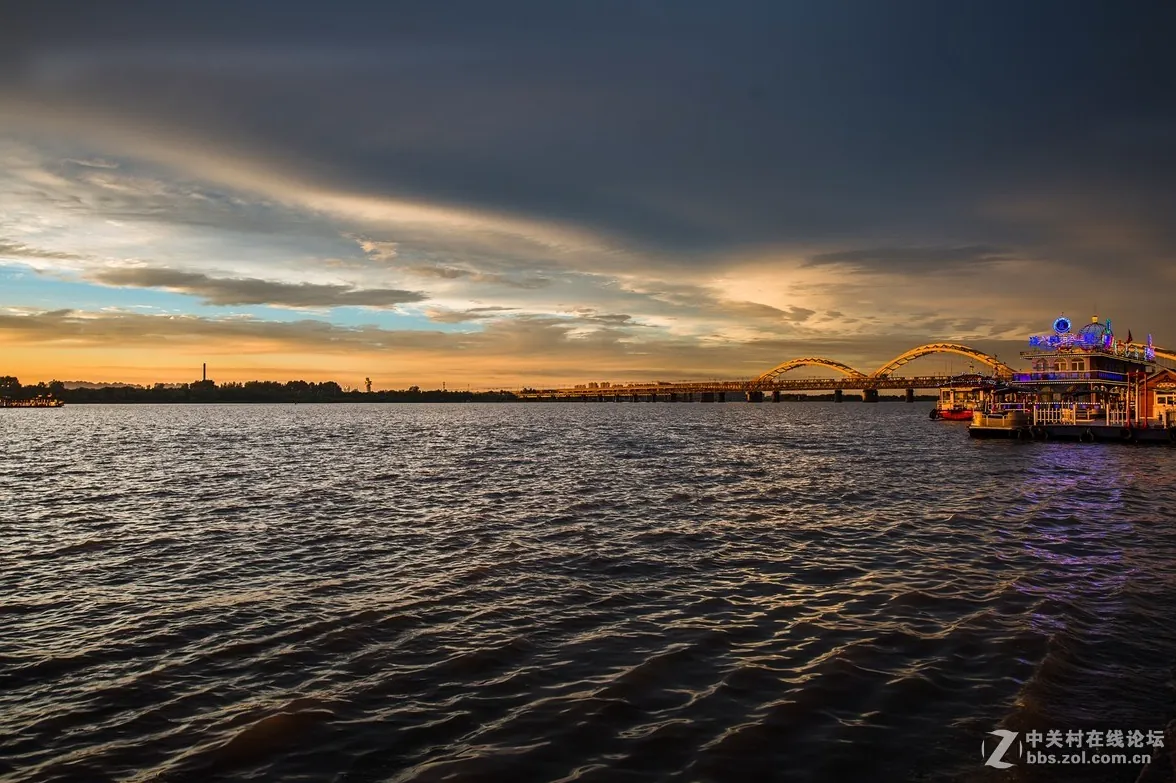
Tracing the winding banks of the Songhua through Harbin reveals an urban landscape where northern Chinese earth and water meet classical European architectural artistry. Shaped by the opening of the Chinese Eastern Railway in the late nineteenth century, the riverfront quickly became a crossroads for Russian and European artisans and immigrants. Wide riverside boulevards open directly toward the water, lined with Neoclassical, Eclectic, and Art Nouveau landmarks whose ornate facades shimmer across the river.
Standing prominently at the cultural heart of the riverfront district is Saint Sophia Cathedral, a Russian Orthodox architectural masterpiece begun in 1907 in sturdy dark-red brick with classic Byzantine detailing. Rising 53.3 meters high, its massive emerald-green onion dome towers proudly against the vast northern sky, flanked by graceful octagonal bell towers, arched relief windows, and an expansive stone plaza—forming one of the most iconic historical vistas in the Songhua basin.
Extending this aesthetic lineage is the 1,450-meter Zhongyang Pedestrian Street (Central Street), the city’s cultural and commercial spine running straight toward the southern bank of the Songhua River. Paved with rectangular granite blocks resembling Russian bread loaves—polished mirror-smooth by over a century of footsteps—the avenue showcases 71 meticulously preserved heritage buildings. Flowing Baroque wrought-iron balconies, stately Renaissance Corinthian columns, and crisp Art Nouveau geometric lines stand side by side in China’s premier open-air architectural museum.
Closer to the water’s edge, the historic Chinese Eastern Railway Bridge spans the Songhua as an enduring steel monument to industrial engineering. Begun in 1900, this massive steel truss bridge once formed the vital rail link connecting mainland China with the legendary Trans-Siberian Railway. Today, the venerable span has been thoughtfully reborn as a breezy elevated pedestrian walkway featuring tempered glass floor panels that look straight down onto rushing summer currents or thick, jagged winter ice packs below.
Where Zhongyang Street meets the stone embankment of the Songhua River, Flood Control Monument Square rises as a tribute to civic courage and hydraulic mastery. Completed to commemorate the heroic victory of Harbin’s soldiers and citizens over the historic 1957 flood, the 22.5-meter Roman-style column is encircled by a curved bas-relief colonnade marking historic floodwater levels, fronted by multi-tiered fountains facing the mother river—forming a stately finale to Harbin’s riverfront axis.
When winter twilight descends across northern latitudes and temperatures plunge between -15°C and -35°C, the Songhua River never slips into lifeless hibernation; instead, it awakens in an astonishing spectacle of light and ice. Thick river ice—frozen over a meter deep by Siberian winds sweeping across the Songliao Plain—becomes the foundation for a glittering metropolis of frozen art. Rooted in the centuries-old tradition of local Manchurian fishermen who carved blocks of clear river ice, hollowed them out, and placed candles inside as windproof ice lanterns during nocturnal winter fishing, ice-lantern artistry has evolved into Northeast Asia’s greatest winter wonder.
The dazzling centerpiece of Songhua nightlife shines at Harbin Ice and Snow World, where millions of cubic meters of crystal-clear ice harvested directly from the Songhua River are sculpted into medieval castles, Gothic spires, Eastern pagodas, and towering palaces soaring dozens of meters high. After nightfall, engineers and artisans bring these crystalline structures to life through millions of programmable LED lights embedded deep inside the ice blocks—turning every frozen wall into a self-luminous screen. Shifting waves of turquoise, coral red, and amethyst refract through solid ice, conjuring a glowing crystal palace rising out of a snowbound expanse.
Alongside monumental illuminated sculptures pulses the electric energy of large-scale live performances staged directly on the ice. Beneath a dark northern sky lit by bursts of high-altitude fireworks reflecting off polished ice rinks, elite figure skaters blend traditional Manchu and Hezhen folk dances with classical Western ballet. Sweeping symphonic scores and three-dimensional sound echo across the frozen river valley, shattering winter’s stillness as plumes of warm breath mingle with fireworks haze and sweeping laser beams.
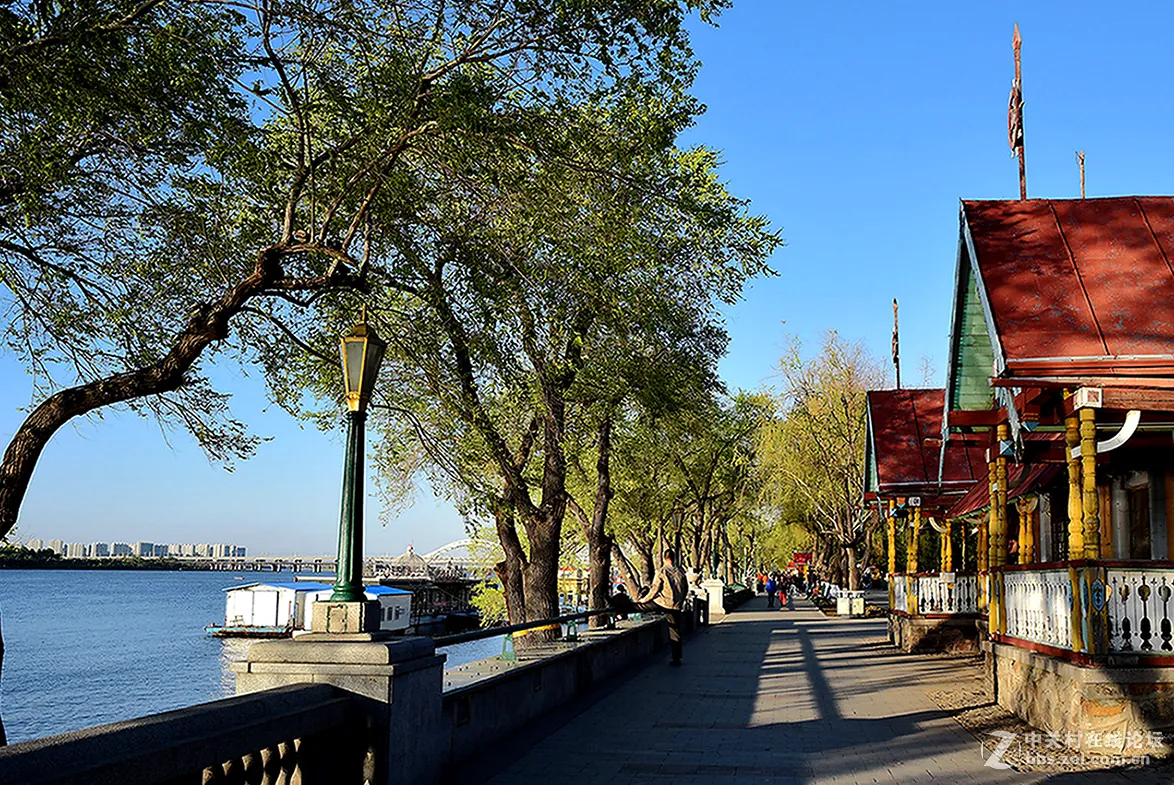
Nightlife along the Songhua embankment is equally fueled by Northeast China’s unmistakable winter street-food culture. Despite bone-chilling cold, crowds stroll cheerfully along Stalin Park’s stone promenade clutching skewers of crisp, sugar-glazed tanghulu hawthorn berries and savoring creamy Madieer milk popsicles chilled naturally by the subzero air. The mouthwatering aroma of smoky red Harbin sausages grilling over pine embers mingles with warm sips of aged Wuliangye grain liquor, lighting up rosy faces against the winter breeze. Along this historic river, winter night is never an end to vitality—it is the opening curtain of an unforgettable festival of light, creativity, and centuries-old northern hospitality.
In this northern realm of frost and snow, the Songhua River is not only an ecological lifeline, but also the cradle of hearty, generous Dongbei (Northeastern) cuisine. Even when the surface freezes into solid ice, cold-water delicacies such as sturgeon, salmon, and catfish thrive in the dark currents below. For generations, riverside communities have practiced traditional ice-hole net fishing, bringing fresh catches straight from the frozen riverbed into warm family kitchens. Northeastern iron-pot stewed fish—simmered slowly over wood-fired hearths alongside frozen tofu, wild forest mushrooms, and golden cornmeal flatbreads baked right around the rim of the wok—creates a deeply comforting communal feast against the winter chill.
Gathered around a rustic wooden table beside frost-patterned windowpanes, a traditional Dongbei banquet unfolds in vivid contrast—bubbling crimson broth layered with fresh cold-water catch. Thick, firm steaks of Songhua River fish braised to a rich amber sheen are accented with fiery chilies, garlic cloves, and bright green scallions releasing clouds of fragrant steam. Flanking the iron pot sit platters of glossy sweet-and-sour crispy pork and a traditional copper hotpot glowing with live charcoal embers, capturing the warm abundance of the snowy northern plains.
Riverbank gastronomy reaches refined heights in celebrated Guobaorou (crispy sweet-and-sour pork), a signature dish born of East–West culinary exchange in the early twentieth century. Created in 1907 at Harbin’s Daotai Mansion by chef Zheng Xingwen to suit the palates of visiting Russian diplomats, thin broad slices of pork tenderloin are coated in silky potato starch batter and double-fried at exact temperatures until shatteringly crisp outside yet juicy within, then glazed in a bright, translucent vinegar-and-sugar reduction scented with ginger, garlic, and hair-thin cilantro threads.
No culinary portrait of the lower Songhua would be complete without its Slavic signature: Harbin Red Sausage (Hongchang), introduced in 1909 by Russian and Lithuanian charcuterie masters. Slow-smoked for hours over seasoned oak wood, natural pork casings turn deep mahogany red with a crisp snap, locking in rich smoky aroma infused with crushed fresh garlic and gentle black pepper. Providing a whimsical chilled counterpoint is the legendary Madieer popsicle, created in 1906 by Joseph Kaspé: even in -30°C snowfall along Zhongyang Street, locals and visitors stroll happily savoring dense, creamy egg-and-milk popsicles that melt smoothly without icy crystals in the pure northern chill.
Completing this winter culinary tapestry is the classic Northeastern copper-chimney hotpot, its tall central flue glowing with live charcoal embers. Sweet bone broth pairs with tangy, crunchy suancai—naturally fermented Manchurian sauerkraut—to balance paper-thin slices of marbled pork belly and handmade meatballs. Every dish born along the Songhua River is far more than winter sustenance; it is a heartfelt expression of warmth, generosity, and deep attachment to northern soil.
The prime window to experience the Songhua River in all its winter splendor runs from December 20 through late February, when the Manchurian plain reaches peak deep freeze. During these months, temperatures in Harbin routinely range between -20°C and -35°C, freezing the broad channel into ice over a meter thick and turning the historic river into a vast playground for winter sports and monumental ice sculpture festivals. Reaching the riverfront is effortless: after landing at Harbin Taiping International Airport, ride Metro Line 2 straight to Sun Island Station or Stalin Park Station to step within moments onto the historic granite embankment lined with frost-covered willows.
Facing the extreme cold of northernmost China requires strict adherence to a technical three-layer dressing system. A moisture-wicking thermal base layer such as Heattech keeps sweat off the skin to prevent heat loss; a thick wool sweater or high-fill-power down jacket provides core insulation; and a waterproof, windproof outer shell—ideally multi-layer Gore-Tex—blocks biting gales. Protect your feet with insulated snow boots featuring deep-lugged rubber soles for traction on slick ice, paired with a traditional Northeastern fur-lined ushanka ear-flap hat, a thick wool scarf, and fleece-lined touchscreen gloves. Seasoned winter travelers also pack plenty of adhesive heat warmers for lower backs and boot insoles—plus extra warmers to stick onto the backs of smartphones and cameras so lithium batteries do not shut down abruptly in subzero air.
Regarding entry formalities, eligible international travelers can take advantage of China’s 144-hour visa-free transit policy when arriving through designated ports of entry with confirmed onward tickets to a third country, or apply for an approved group tourist visa through authorized travel agencies for smooth border clearance. While strolling the Songhua embankment and nearby Zhongyang Street, be sure not to miss iconic local specialties—from iron-pot stewed river fish freshly hauled from ice holes and steaming copper-pot lamb hotpot to a creamy Madieer popsicle eaten amid falling snow.
To ensure your journey to China’s winter wonderland remains filled with pure, unforgettable memories, stay alert against suspiciously cheap riverside tour pitches that funnel guests into suburban retail traps pushing overpriced wild ginseng, deer antler, or low-grade jade. Committing to transparent itineraries with a strict zero-shopping guarantee protects both your sightseeing time and peace of mind. If you are dreaming of crossing frozen plains and watching crimson sunsets glow across the ice of the Songhua River without logistical stress, booking a professionally curated all-inclusive China tour package is the ideal way to experience the heroic spirit of the North in complete comfort.