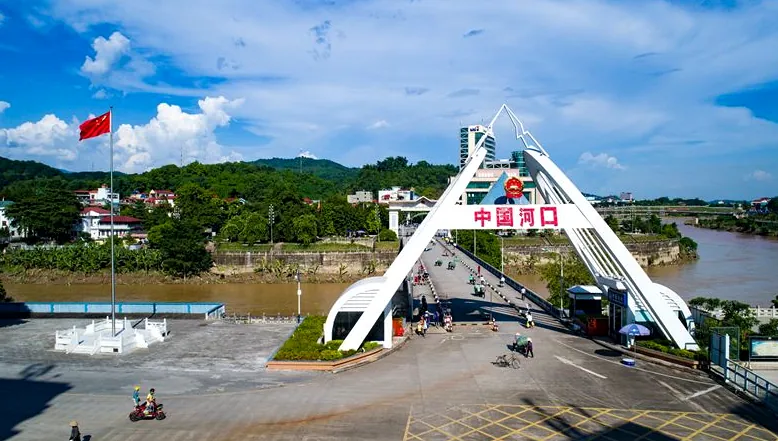
Tracing back to the late 19th century, the border river junction where the Nam Thi and Red Rivers meet quickly became a strategic trade artery connecting southwestern China with the Tonkin region. Under the reign of Emperor Guangxu of the Qing Dynasty, following the signing of border trade agreements in 1895, this land officially opened for commerce, establishing customs stations and bustling trading streets. The rise of merchant fleets and waves of migrants seeking to reclaim the land laid the initial foundation for local produce exchange hubs, the precursor to the famous shopping center that later generations affectionately call the “Ground-Level Supermarket” (Siêu thị Mặt Đất). This remote borderland, once known for its dense, perilous forests, was rapidly transformed, welcoming waves of goods flowing down from Yunnan and silk and betel nuts brought up from the Red River Delta.
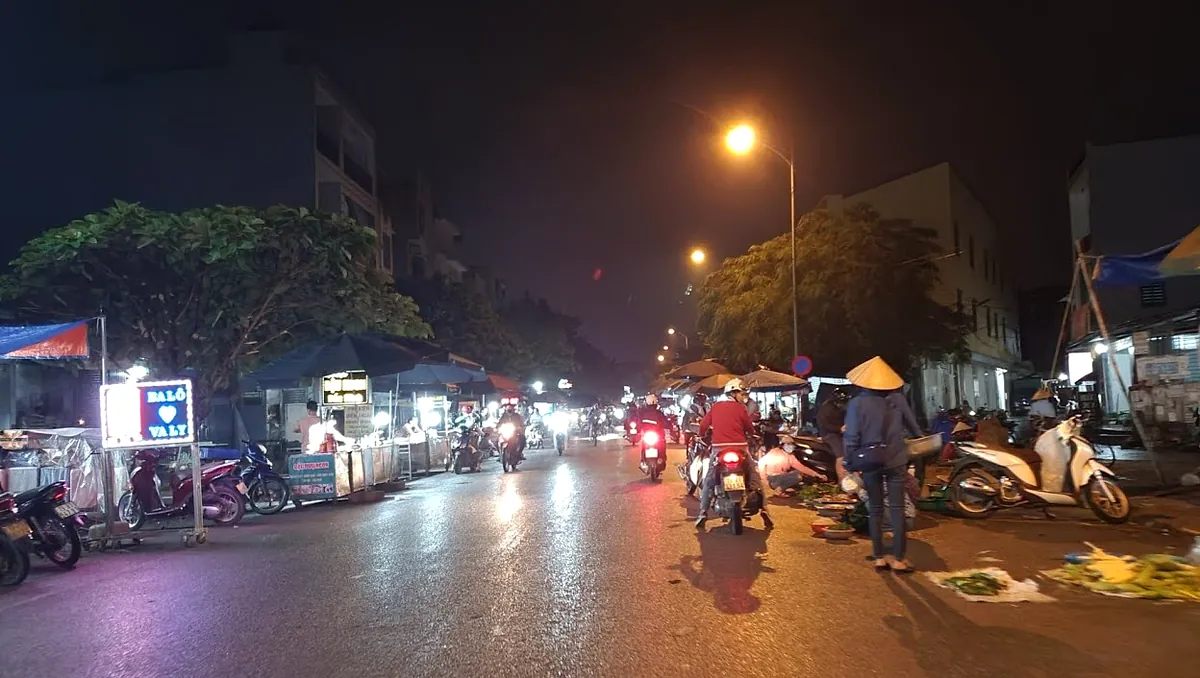
Real-life footage captures the expansive and vibrant space of the Ground-Level Supermarket, a hub that encapsulates the shopping rhythm characteristic of a border trading port. The building’s facade is grand and imposing with modern architectural structures, opening into spacious walkways scientifically arranged under warm lighting. Inside, stalls are filled with local specialties, traditional sweets, dried flower teas, and countless household goods, all neatly and attractively displayed. Groups of visitors stroll leisurely among the stalls, creating a lively and culturally diverse picture of everyday life.
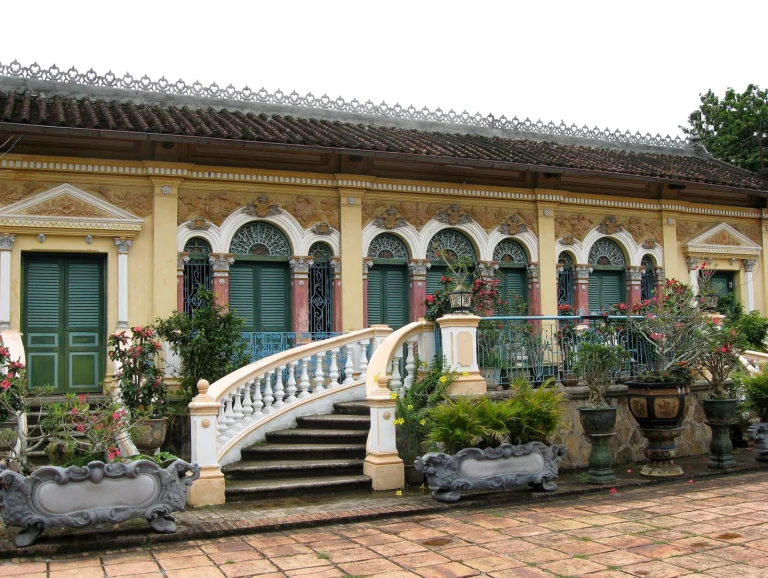
At the beginning of the 20th century, when the legendary Yunnan-Vietnam railway, designed by engineer Paul Bodin, officially connected Kunming to the port of Haiphong, the economic landscape of the entire region underwent a historic turning point. Steam trains roaring across the border iron bridge carried not only ores and agricultural products but also the essence of major merchant guilds from Guangdong, Fujian, and Sichuan. Chinese merchant associations and rows of wooden houses with yin-yang tiled roofs sprang up densely around the wharf area, forming a large-scale market operating day and night. The heads of the trade administration and local border officials of the time planned specific areas for groceries, Tien That medicinal herbs, and textiles, setting a precedent for the organized general department store model that followed.
Through many volatile decades marked by the ups and downs of history and periods of border closure and reopening, the commercial vitality of this place has never been extinguished. When border trade policies were strongly restored in the late 20th century, the demand for the exchange of essential goods exploded, necessitating a modern commercial space to replace the makeshift riverside market stalls. The Ground-Level Supermarket was built solidly on a vast area, fully inheriting the spirit of trade expansion from hundreds of years ago. This landmark is not merely a stop for daily necessities; it has become a living witness reflecting the transformation of the borderland through each historical era.
In terms of traditional Feng Shui, the Ground-Level Supermarket is located in a rare, prime position where the abundant energy of the vast plains converges, nestled against majestic mountain ranges. The terrain perfectly matches the “leaning against the mountain, facing the wind, with water circling the front” configuration, using the magnificent mountain range behind as a protective shield against harsh cold currents, while opening up a spacious area in front as a grand “ming tang” (bright hall) to collect the auspicious energy of heaven and earth. The encounter between the gentle slopes and the natural underground dragon veins has created a foundation as solid as a rock, both protecting the bustling shopping complex and fully receiving an endless cycle of vital energy.
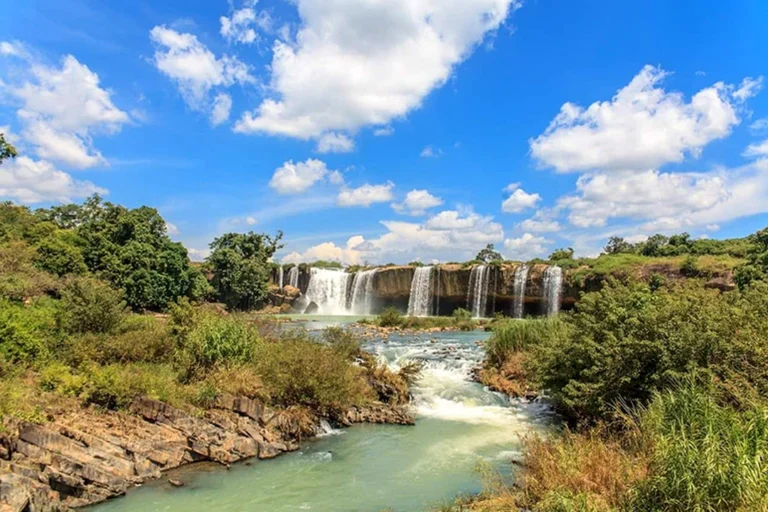
Admiring the area from a spatial perspective, the Ground-Level Supermarket appears with a grand scale spread over an expansive site, where rows of stalls and solid corridors connect harmoniously against a backdrop of majestic mountains. The long eaves capture natural light, interspersed with airy courtyards to create a seamless architectural rhythm, both expanding the view toward the lush green valley and creating continuous fresh air circulation throughout the four seasons. This expansive space not only optimizes commercial functionality but also preserves the open, poetic essence of a department store set amidst nature.
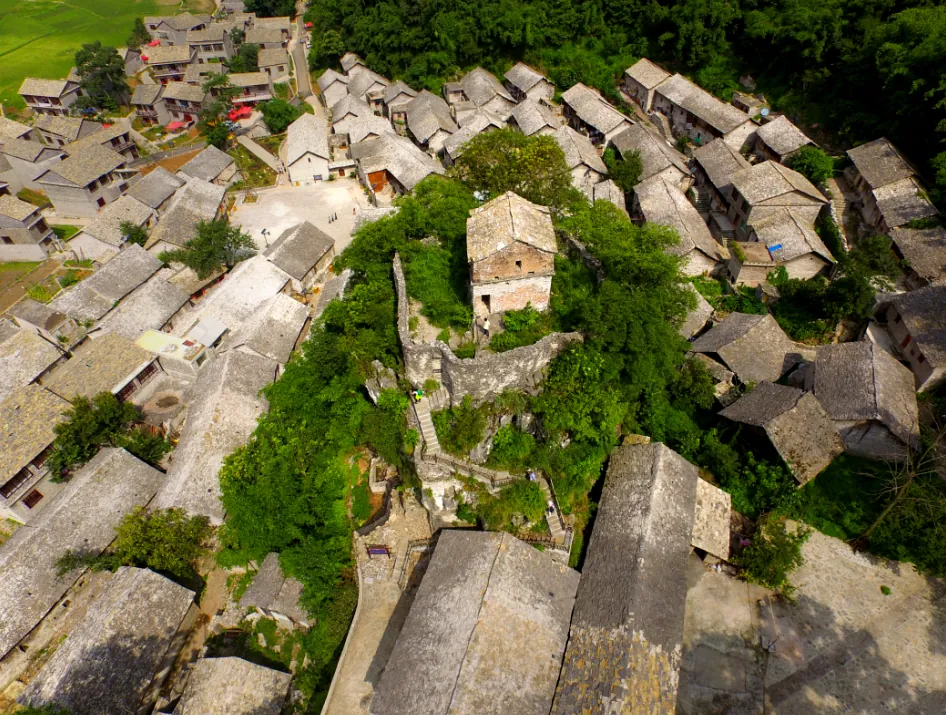
The climate and surrounding landscape are deeply imbued with the magical transitional nuances of the semi-mountainous terrain, where gentle breezes from the hillsides continuously purify and regulate the atmosphere. On mornings when mist lingers over the towering limestone cliffs, the entire commercial complex seems to awaken in the lush green of the native vegetation hugging the internal roads. The vegetation here is not merely for aesthetic decoration but acts as a natural ecological belt, helping the ground temperature remain mild and pleasant even during intense heatwaves. Rows of arborvitae trees and local flowering plants are meticulously distributed along the perimeter, creating a soft visual transition between the man-made structure and the pristine primeval forest.
The site’s topography reflects a clever approach to adapting to the natural slope of the land. Rather than forcefully leveling mountains or cutting into hills, the architects opted for a terraced design that follows the undulating terrain, echoing the iconic lines of traditional rice terraces. Each functional zone is arranged at staggered elevations, creating unobstructed panoramic views while dispersing visitor traffic to avoid any sense of congestion. An open-air drainage system, combined with decorative water reservoirs, not only honors the traditional Feng Shui philosophy of “gathering water to generate wealth” but also excels at natural surface water management during heavy rains cascading from the mountain slopes.
The balance of Yin and Yang in the landscape is clearly expressed through the combination of raw local slate and sturdy structural frames, honoring the sustainability of the Earth element and the vitality of the Wood element within the valley. Brilliant daylight streams through the Southeast wind corridors, bringing gentle humidity from downstream and ensuring that every walkway and market corner is filled with warm, positive energy. Wandering through this space, where peaceful nature meets the vibrant pulse of commerce, visitors can easily feel the stability of Mother Earth—a place where human intervention serves only to support and celebrate the eternal grandeur of nature.
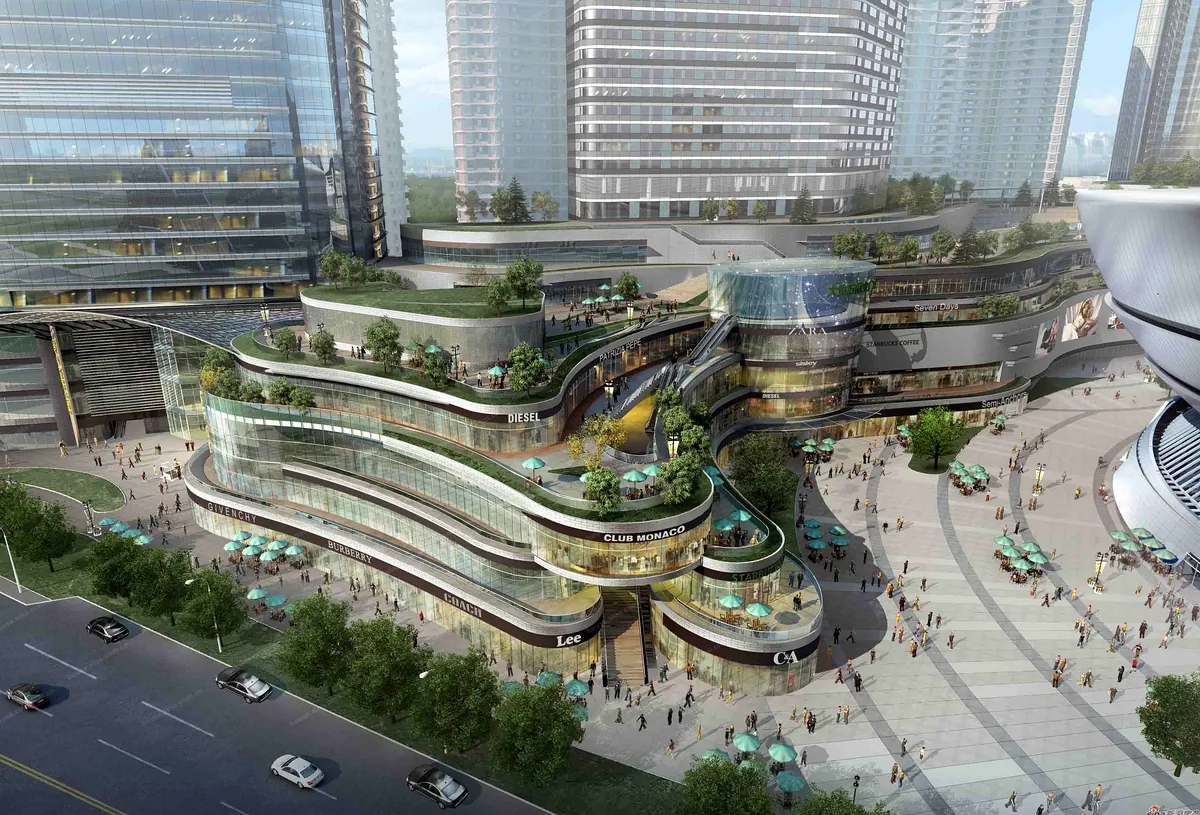
From the perspective of urban planning and spatial anthropology, the Earth Supermarket (Siêu thị Mặt Đất) is a masterpiece that blends modern rationalism with classic Eastern architectural aesthetics. Completely different from the vertical, multi-story shopping mall towers that often feel claustrophobic, this complex spreads proudly across the horizontal plane on a solid geological foundation. The entire design is shaped by the philosophy of Yin-Yang balance and local microclimate interaction, where natural skylights combine with passive ventilation corridors to transform the vast commercial space into a vibrant, airy, and energetic entity.
From the main lobby, visitors are immediately drawn to the grand architectural rhythm of the multi-dimensional stylized vaulted roof, supported by towering natural stone-clad pillars. Light scatters through perforated metal ceiling louvers with traditional patterns, casting patterns onto the mirror-polished granite floor, reflecting the harmonious intersection of cutting-edge industrial materials and exquisite local craftsmanship. Functional zones are neatly arranged across terraced levels, opening up expansive views throughout the length of the structure, guiding visitors through a slow-paced exploration of the bustling commercial atmosphere.
In terms of structural scale, the Earth Supermarket boasts a total floor area of tens of thousands of square meters, divided into three seamlessly connected functional axes. The central axis acts as the backbone, featuring an indoor pedestrian boulevard over twenty meters wide, flanked by commercial wings arranged in a “city within a city” model, vividly recreating the prosperity of ancient trading posts under the orderly coordination of modern management technology. The load-bearing structure utilizes large-span prestressed concrete beam techniques, minimizing the number of intermediate columns to optimize display space and completely free up the view for visitors. Beneath the retail zones lies a multi-level underground technical infrastructure system, integrating an automated closed-loop logistics network to ensure smooth goods movement without disrupting the experience of pedestrians above.
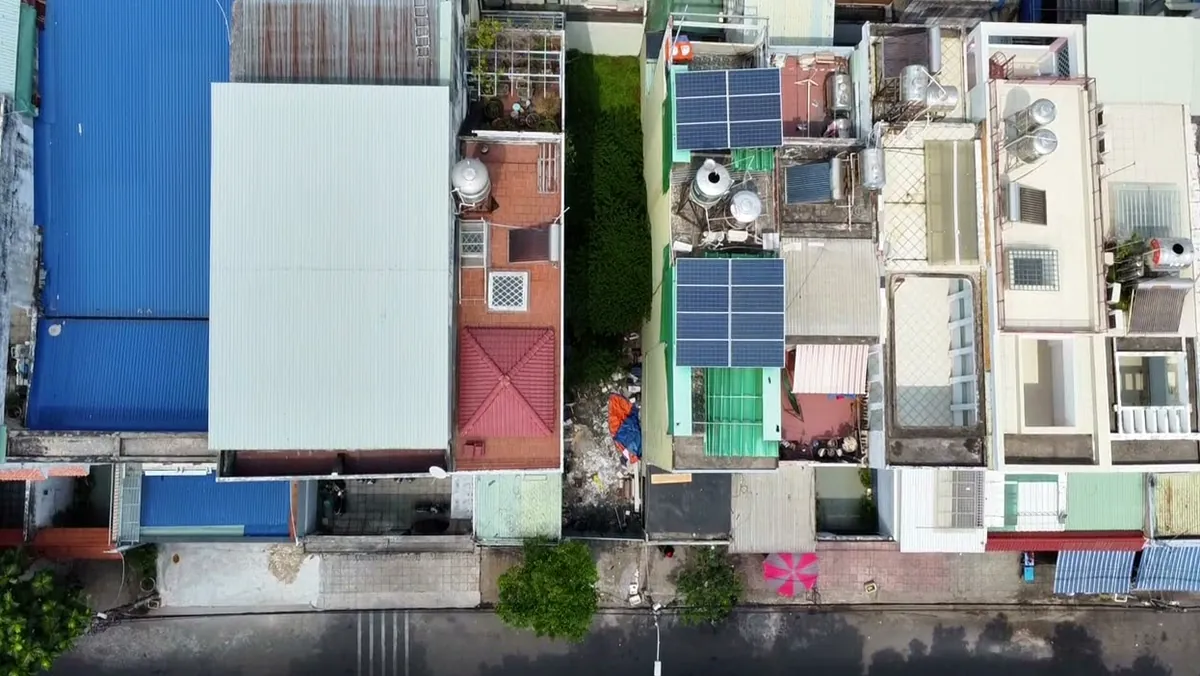
The project is the result of massive capital investment, clearly reflected in the rigorous selection of imported finishing materials combined with slate and sustainably harvested hardwoods from renowned local quarries. Every baseboard tile, stair railing, and decorative lamp shade is meticulously calculated to reflect the cultural essence of the region. Furthermore, the complex pioneers the integration of smart inverter air conditioning systems and a network of photovoltaic panels covering part of the roof, significantly reducing carbon emissions and maintaining an ideal temperature in all weather conditions.
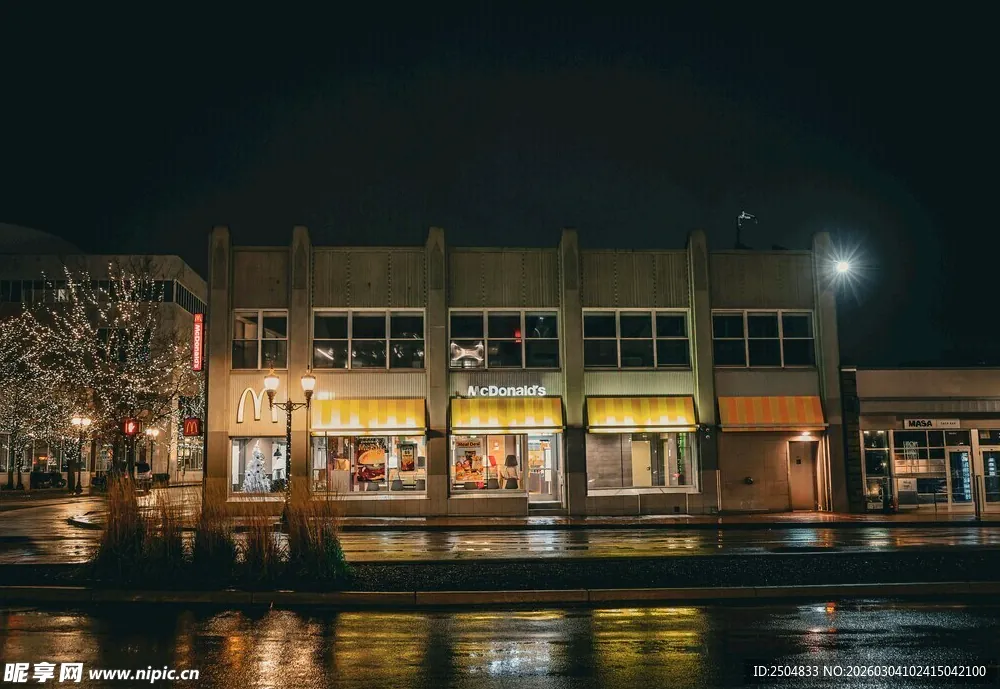
The art of crowd navigation here reaches a standard of behavioral architecture. Instead of sharp, tiring turns, the space is smoothed by soft visual curves, naturally leading from bustling grand halls to shaded resting corners beside meditative garden landscapes and circulating water features. The subtle harmony between peak commercial utility and aesthetic emotional depth makes the Earth Supermarket not only a massive shopping destination but also an architectural monument embodying the spirit of innovation and enduring urban identity.
As sunset falls over the curved roofs, the Earth Supermarket sheds its daytime bustle to don a magnificent golden robe woven from the art of light and shadow. When the last rays of the sunset fade on the horizon, tens of thousands of shimmering lights simultaneously illuminate the ancient street axes, transforming the entire campus into a magnificent, spectacular nocturnal scene. Nightlife here is not merely a continuation of time, but truly opens up a magical dimension where a thousand years of trading history converge with mesmerizing contemporary visual technology.

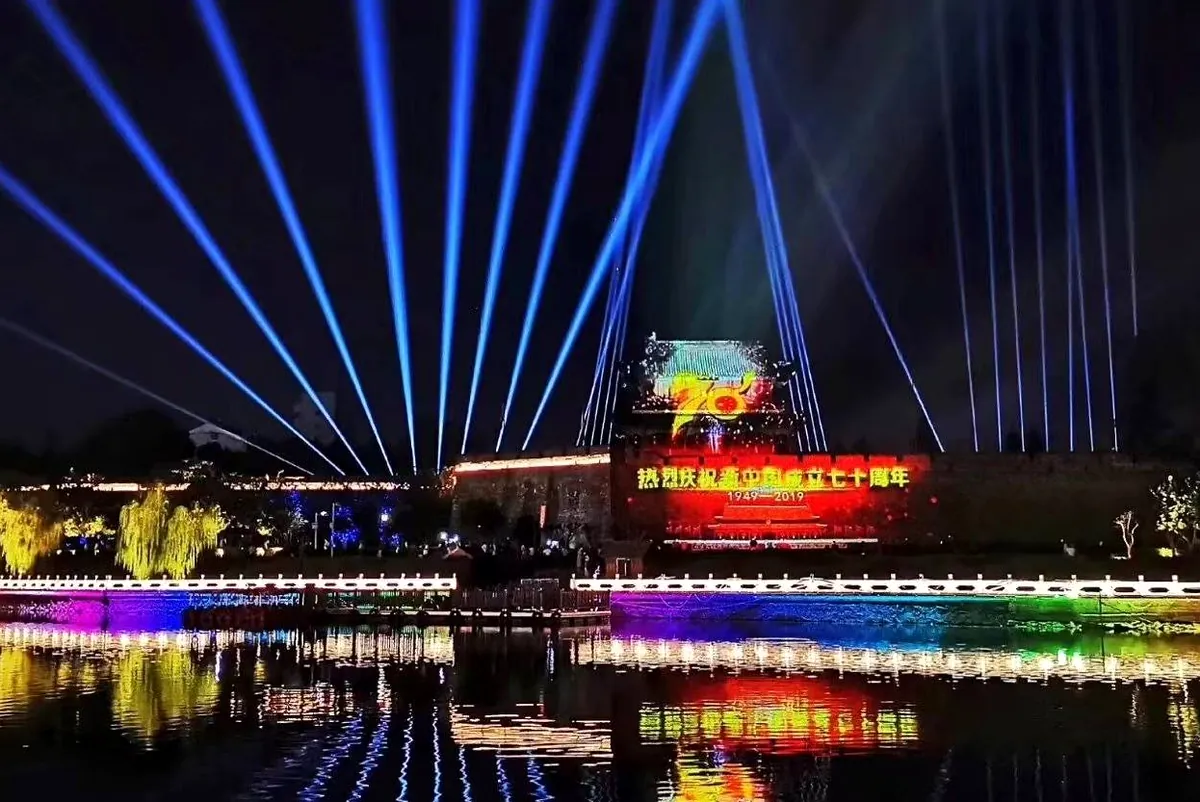
In the magical veil of night, the Earth Supermarket (Sieu thi Mat Dat) appears impressively as a multi-layered painting of light, where traditional pavilions are highlighted by modern decorative light strips blending with myriad crimson lanterns hanging high under the eaves. Warm light spills onto the polished slate, reflecting the bustling crowds of visitors and artistic lighting effects blooming in the air. The harmonious contrast between the somber ancient architecture and the vibrant nocturnal energy creates a stunning visual focal point, captivating travelers from their very first steps.
The ultimate highlight of this cultural feast is the large-scale live-action show staged right in the heart of the open space. Utilizing the architecture, water surfaces, and underground mechanical systems as a natural stage, the performance fully recreates epic historical tales and the golden trading journeys of ancient merchant caravans. Hundreds of actors in period costumes blend into graceful dances, seamlessly combined with sharp 3D mapping technology, interactive water screens, and realistic fire and smoke effects. Each thunderous drumbeat and the lingering sound of lutes and flutes, woven into the misty atmosphere, transport viewers through time, immersing them in historical ups and downs and folk legends that seem to exist only in books.
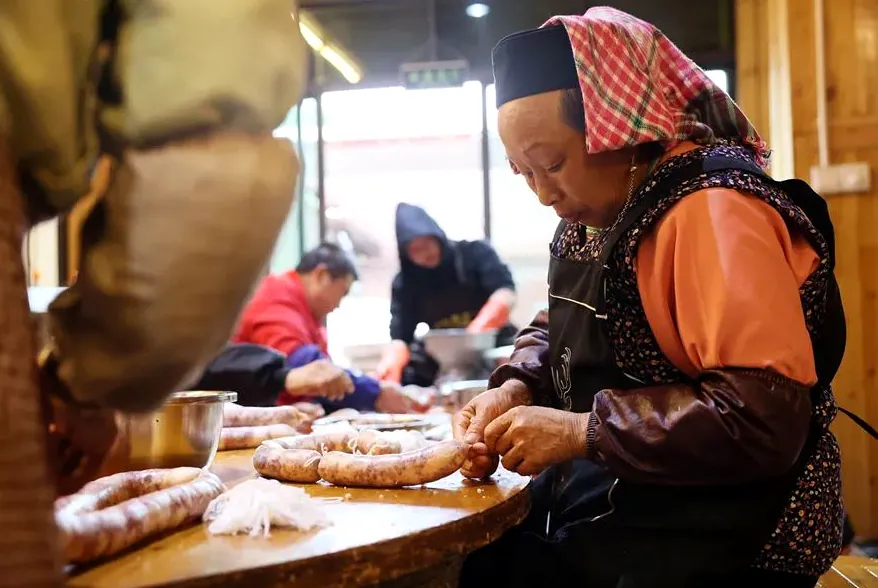
Stepping out from the overwhelming echoes of the live-action stage, visitors immediately merge into the vibrant flow of nightlife in the bustling market streets. The intoxicating aroma from traditional food stalls—featuring crispy baked goods, spicy herb-marinated grilled meat skewers, and refreshing floral tea—dispels the chill of the night. The enthusiastic invitations of vendors and the clinking of wine cups in traditional taverns mingle with the melodic sounds of street artists playing the pipa or bamboo flute. The nightlife here is not chaotic but carries a refined charm, where every small alley opens up a unique local cultural experience that keeps travelers lingering.
The night tour experience at the Earth Supermarket concludes perfectly as the night deepens, leaving a profound impression of a cultural complex that knows how to awaken every sense of the beholder. The subtle lighting art not only honors every sculptural detail, curved roof tile, or mossy wall but also illuminates the flow of eternal memories. Amidst the shimmering, magnificent space, travelers find a poetic pause in the midst of a hectic life, carrying away lingering emotions about an unforgettable, magical night festival.
Exploring the Earth Supermarket would lack its soul if one were to skip the culinary labyrinth radiating vibrant colors from traditional stalls to the ancient alleys surrounding the commercial area. The cuisine here is not merely about enjoying local flavors, but a vivid symphony of folk culinary philosophy nurtured through generations of hardworking trade. From the early morning, when the wooden shutters and iron frames of the market are just lifted, steam rises from massive pots of bone marrow broth, blending with the fragrant, pungent scent of cardamom, star anise, cinnamon, and crushed old ginger, awakening the entire sense of smell of passersby.
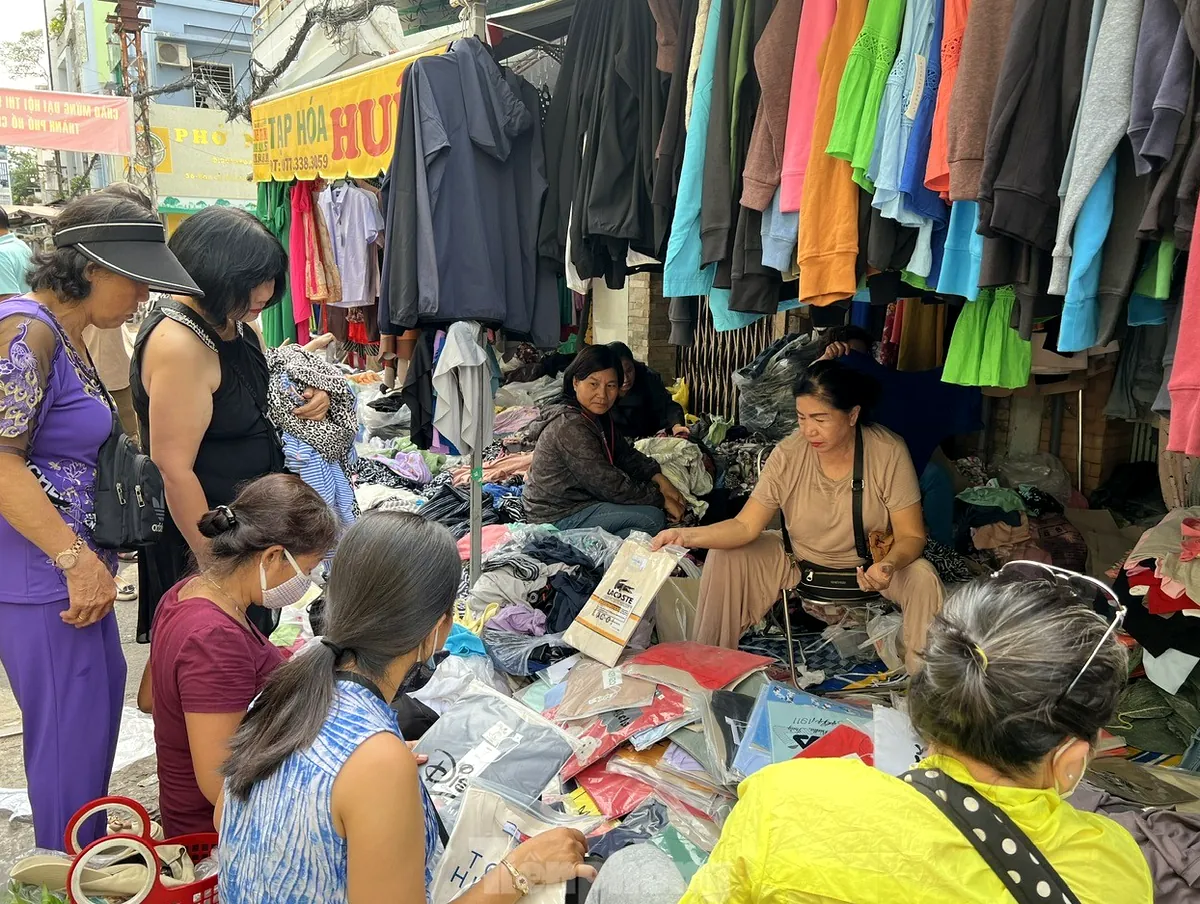
The central culinary area opens up a mesmerizing visual feast for visitors with rows of stalls displaying a plethora of hot, freshly made traditional dishes. Under the warm yellow light emanating from rustic woven bamboo lamps, classic glazed ceramic pots are filled with smooth, glossy brown-red sauces, interspersed with cedar wood steamers billowing white smoke, hiding thin-skinned, juicy dumplings inside. Each plate of food is skillfully arranged by the chef with the fresh green of scallions, the vibrant red of chili oil, and the inviting amber color of crispy-skinned roasted meat, creating a flavorful picture full of vitality and rich in traditional market atmosphere.
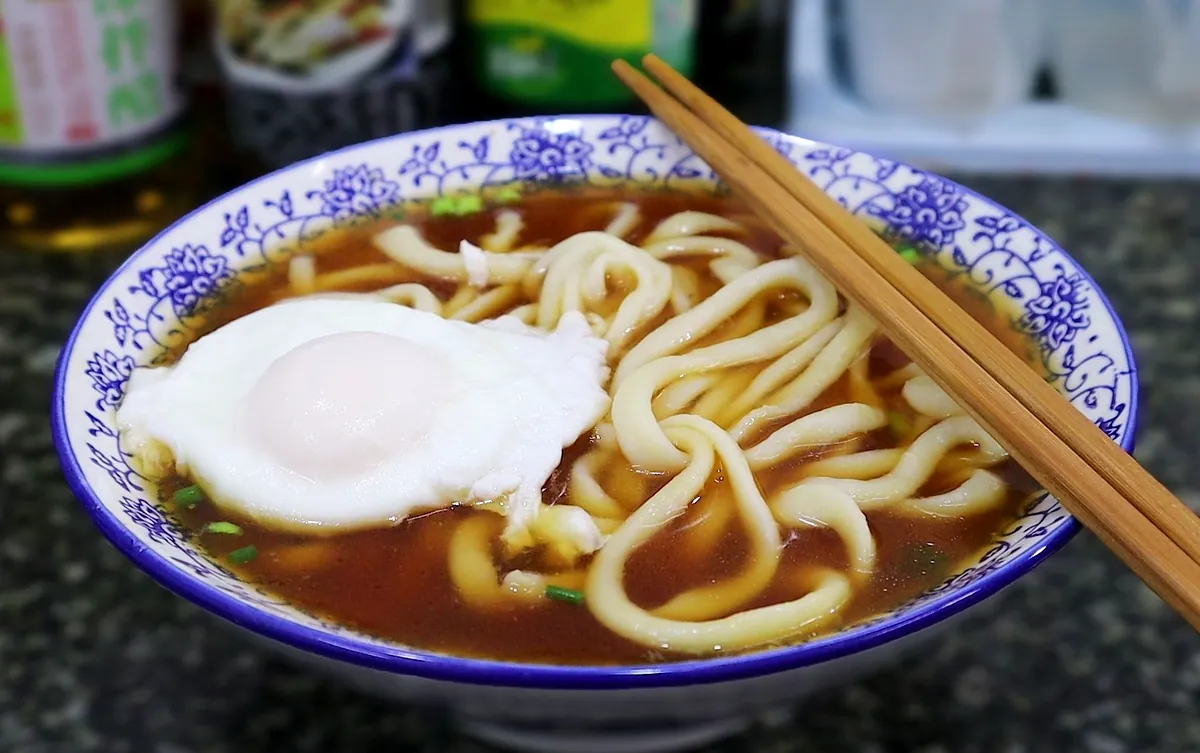
The top signature dish associated with the reputation of the Earth Supermarket is the handmade longevity noodles, a culinary technique passed down through four generations of the Tran family at the eastern corner of the market. After the dough has reached the perfect level of moisture, the artisan kneads and pulls the strands rhythmically on a thick granite table, creating thin noodles that retain their characteristic chewy texture when blanched in boiling water. The broth is simmered continuously for twelve hours from herbal pork bones, grilled dried squid, and sun-dried shrimp, providing a natural, delicate sweetness that lingers in the throat without the need for industrial additives. When the steaming bowl of noodles is served, topped with bright red-rimmed char siu, a soft soy-marinated soft-boiled egg, and a spoonful of glossy scallion oil, diners can fully feel the essence of heaven and earth condensed in every chopstick of noodles.
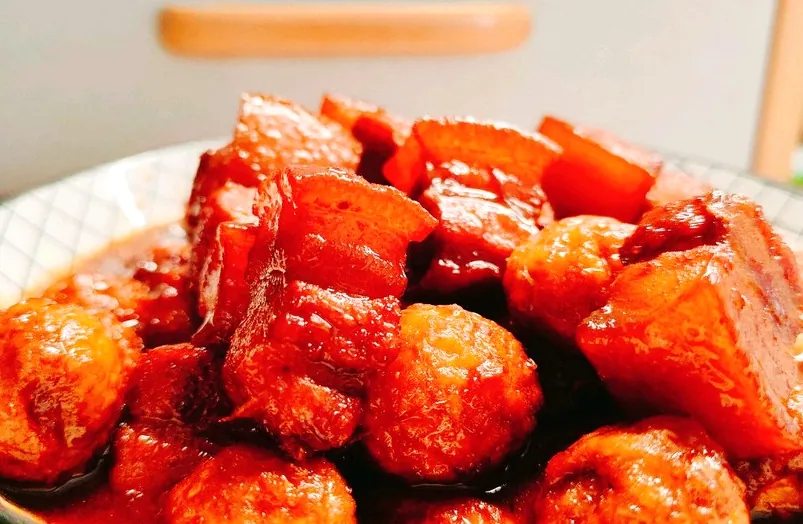
Alongside noodle dishes, the art of braised delicacies and traditional house-made pastries also leave an indelible mark on visitors. Most famous is the red fermented bean curd braised pork belly, simmered slowly in thick earthenware pots for hours so that every translucent layer of fat melts instantly on the tongue without feeling greasy, perfectly blending with the bold sweet-savory flavor and rich aroma of traditionally fermented tofu. Many local families still keep the habit of dropping by their familiar stall at dusk to buy a few ounces of braised pork, alongside two or three freshly baked flaky lotus seed pastries with salted egg yolk to warm up their family reunion dinner after a hard day’s work.
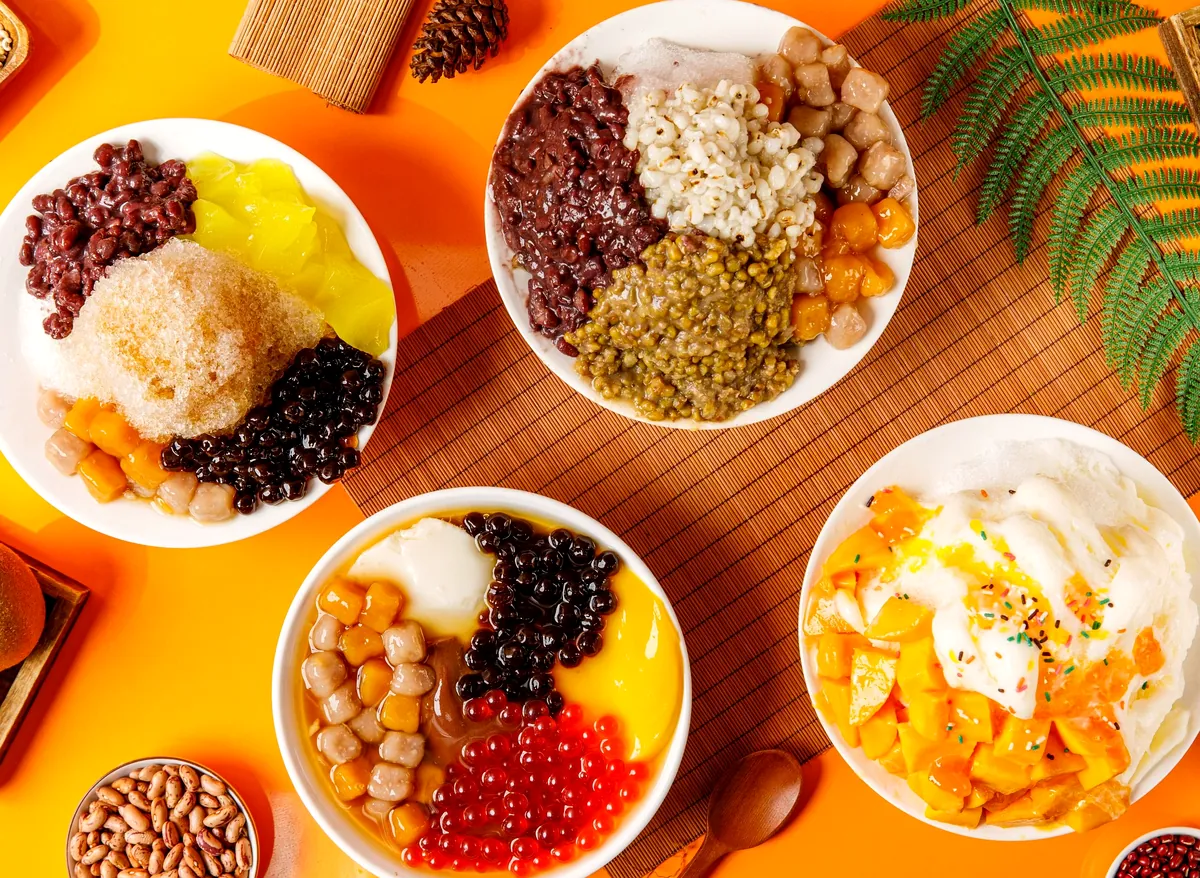
Concluding this gastronomic journey at the Earth Supermarket, food connoisseurs always linger by the herbal tea and traditional sweet soup (chè) stalls to soothe their palates. Bowls of peach resin and snow fungus sweet soup simmered with Xinjiang red dates, fresh lake lotus seeds, and Hung Yen longan offer a pure, refreshing sweetness that nourishes the complexion, boosts vitality, and provides instant cooling relief. The culinary culture here is not merely a tale of flavors or sophisticated cooking techniques, but also a bridge connecting generations, perfectly preserving the warm, hospitable character and leisurely lifestyle of the locals amidst the increasingly fast-paced urban rhythm.
The heartbeat of trade at the Earth Supermarket in the border town of Hekou operates on Beijing Time, which is exactly one hour ahead of Vietnam Time. The commercial center’s doors usually swing open to welcome the first visitors around 8:30 AM and only close when the clock strikes 12:00 midnight local time, corresponding to 7:30 AM to 9:30 PM on the lifestyle rhythm of the southern bank of the Nam Thi River. The shopping scene here transforms noticeably throughout the day: mornings are when stalls receive fresh batches of agricultural produce and brand-new household goods, afternoons are relatively quiet and perfect for those who enjoy a leisurely stroll, while late afternoons bring blazing bright lights, drawing bustling crowds to merge into the lively trading atmosphere.
The journey to this merchandise paradise is quite convenient, located just over a kilometer from the border demarcation line at the Lao Cai International Border Gate. After stepping across the historic Hokeu Bridge connecting both banks of the Nam Thi River, visitors can easily take a leisurely stroll along streets lined with fluttering flags and vibrant Chinese signboards to personally experience the cultural spatial transition. For those carrying bulky luggage or wanting to conserve energy for hunting down items on every shelf, dozens of local taxis and electric carts are always on standby outside the customs clearance gateway. Just a five- to seven-minute drive through a few characteristic turns of the border town, visitors can step right in front of the main lobby of the shopping complex.
For a smooth international trip, document preparation plays a decisive role. Unlike journeys deep into the mainland that require complex visa-stamped passports, visiting Hekou only requires a border pass issued for same-day entry/exit or short-term stays. Visitors need to prepare their citizen ID cards and properly formatted ID photos to submit through travel agencies before the departure date. When entering the immigration checkpoints at both border gates, strictly adhering to the regulations of no photography, removing hats, masks, and keeping quiet is mandatory. Regarding goods when returning to Vietnam, land agricultural quarantine standards are very strict: all fresh fruits, raw unprocessed agricultural products, and fresh meat are strictly prohibited from customs clearance. Instead, visitors should focus on standard packaged goods, vacuum-sealed foods, spicy canned condiments, or clearly labeled boxes of pía pastry and dry tea.
Spending and transactions at the Earth Supermarket also involve several interesting tips worth keeping in mind. Although cashless payment technology via QR codes through domestic Chinese e-wallet apps is very popular, most checkout counters here still gladly accept cash in Chinese Yuan. Preparing a stack of small denomination bills from 1 yuan, 5 yuan to 20 yuan will help visitors easily pay for snacks or small souvenirs without any hassle regarding change. One particularly important note regarding units of measurement is that local vendors always quote prices by “shi jin” (market jin), meaning one Chinese catty is equivalent to only half a kilogram in the international metric system; therefore, carefully reading the price list will help you calculate costs accurately. Language barriers can be easily bridged with a voice translation app on your phone or the familiar calculator that small traders always keep ready on their counters.
In addition, travelers should bring a foldable wheeled duffel bag or an ergonomic backpack, because the weight of Pu’er tea cakes, jars of sweet and sour pickles, or bundles of specialty pastries will quickly tire out your hands. Exploring the full rhythm of life in the border region without having to worry about travel documents, transportation, or customs procedures will become effortless when you travel with an all-inclusive tour package, turning your excursion to the Ground Supermarket into a complete highlight in your travel memoir.