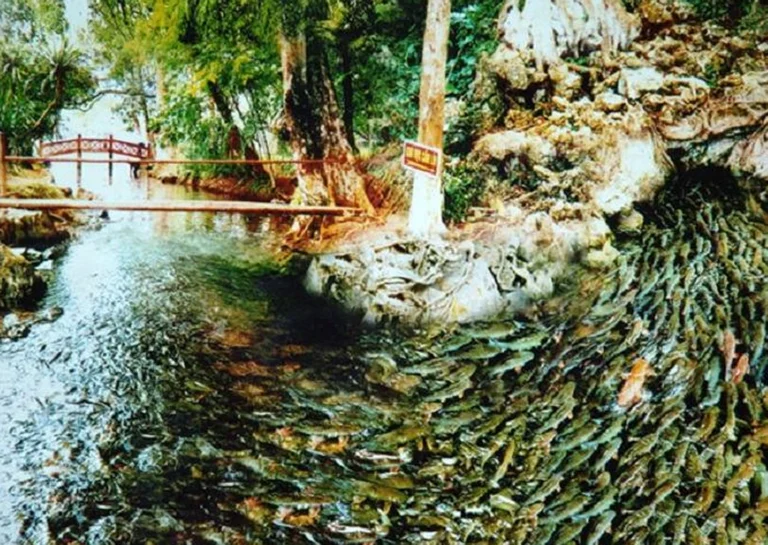
Nestled quietly within the Chaoyang region of Liaoning Province, Guanyin Tang stands as one of the most culturally and spiritually profound ancient sites in Northeast China. Since ancient times, the Chaoyang area has held a vital strategic position, once serving as the glorious Longcheng capital of the Former Yan kingdom during the turbulent Sixteen Kingdoms period. During the Liao Dynasty, established by the Khitan people and spanning from 916 to 1125, the Guanyin Tang temple was officially founded, marking a brilliant milestone in the fusion of Northern cultures. Having withstood hundreds of years of frontier winds and frosts, this place is not merely a sanctuary for worshipping the Bodhisattva, but a resilient historical witness to the powerful exchange and integration between the essence of the Han people and the spirit of the vast steppes.
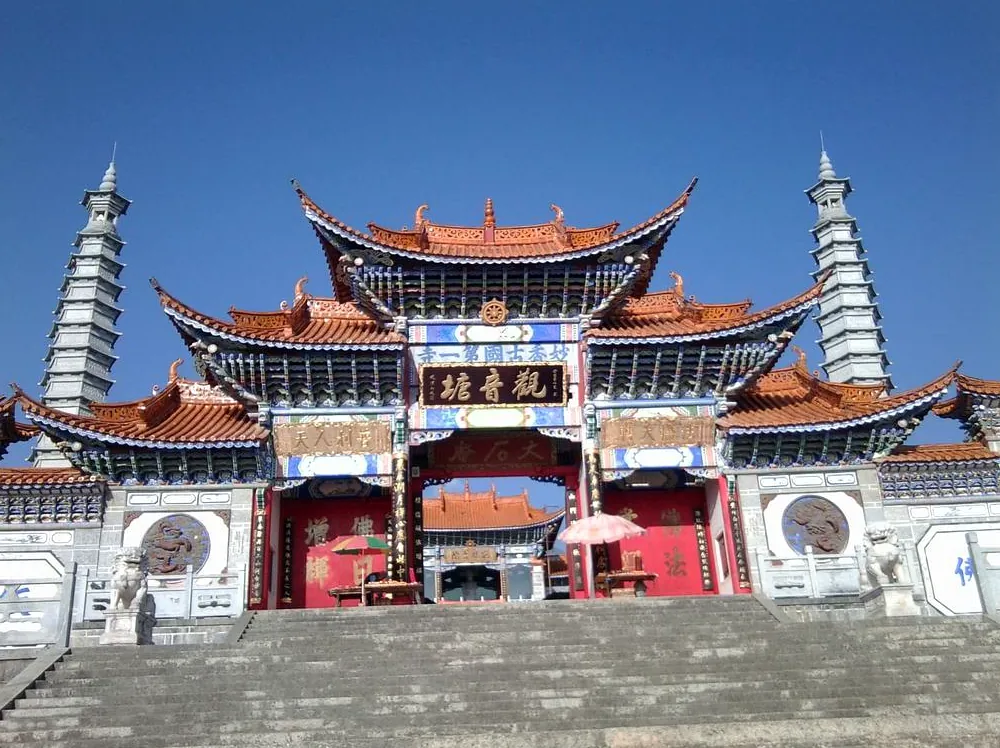
At first glance, the image captures the solemn and tranquil beauty of the ancient triple-gate entrance leading into the monastic grounds. Weathered stone steps wind upward, guiding travelers toward the majestic arched gate, where sweeping tiled roofs are adorned with intricate moldings characteristic of traditional East Asian architecture. Flanking the entrance on both sides are two ancient pagodas standing tall against the blue sky, like fossilized torches guarding the entire spiritual space. Every raw brick and every carved stone on the pagoda towers is imbued with the patina of a thousand years, creating a harmonious, ancient, and ethereal atmosphere amidst the quiet natural landscape.
To understand the origins of this relic, one must trace the flow of history back to the early decades of the 10th century, when Emperor Taizu, Yelü Abaoji, established the powerful Liao Dynasty. The Khitan people, traditionally nomadic hunters on horseback, embraced Mahayana Buddhism from the Central Plains with deep reverence. When establishing administrative and religious centers in the Western Liao region, the Liao court invested immense effort into transforming Chaoyang into a major Buddhist hub for the entire empire. The construction of Guanyin Tang during this period reflects the devotion to Avalokiteshvara Bodhisattva, the savior of suffering, while also affirming the Liao emperors’ skillful policy of ethnic harmony to soothe conflicts and stabilize the borders.
Through the rise and fall of history—from the collapse of the Liao under the Jurchen Jin cavalry to the Yuan, Ming, and the resurgence during the Qing Dynasty—Guanyin Tang has endured countless upheavals. Power struggles and wartime chaos caused damage to many auxiliary structures, yet the core architecture and the sacred spirit of the ancient hall have survived the passage of time. Thanks to the talent of local artisans and major renovations under the Ming and Qing emperors, every brick and wooden pillar has been carefully preserved, making this site an invaluable heritage that connects a glorious thousand-year past with a peaceful present.
Majestically situated in the heart of the Shuangta District in Chaoyang City, Liaoning Province, the Guanyin Tang complex stands impressively on a prime piece of land, revered by ancient Feng Shui masters as a place where energy gathers and winds are contained in the Western Liao region. The site is located along the gentle slopes of the Nulu’erhu mountain range, offering a panoramic view of the fertile plains where the Daling River has deposited its silt for millennia. In traditional Eastern geographical concepts, the harmony between the protective mountains to the north and the winding river embracing the south not only creates a cool, pure microclimate but also establishes a stable energy field, perfectly suited for building a place of monastic seclusion.
From the main approach, the space opens into a scene of solemn symmetry with an ancient triple-gate entrance bearing the hallmarks of Northern architecture, highlighted by graceful, upturned roof ridges reaching toward the blue sky. In front of the gate, moss-covered natural stone steps guide pilgrims as they step away from the dust of the world into a realm of purity, while the two sides are firmly guarded by two towering ancient pagodas. The layout of the gate and the twin pagodas creates a solemn landscape axis, drawing the eye from the stone steps up to the curved roof tiles, reflecting the profound and dignified nature of traditional spiritual structures.
The site’s layout reflects an architectural philosophy that adheres strictly to nature, where every building and courtyard skillfully follows the gentle slope of the hillside. The central sacred axis acts as a spine, connecting the architectural layers from the front hall and courtyard to the main hall and surrounding monk quarters. By cleverly utilizing the original rugged terrain, the stone steps and winding corridors not only solve the problem of natural drainage during the Northern rainy and snowy seasons but also create layers of space that are both hidden and aesthetically rich. Ancient pine and cypress trees, green throughout the seasons, intermingled with native vegetation that stands resilient against the elements, further accentuate the quiet, elegant beauty of the monastic landscape.
On a macro level, the geographical position of this ancient monastery holds a special strategic role along the cultural and economic exchange corridor connecting the fertile Central Plains with the vast steppes of the Northeast. Shuangta District has historically been a vital transit hub where currents of religious thought, architectural arts, and bustling commerce converged. Today, modern transport infrastructure—featuring the G25 national expressway seamlessly connecting Changchun to Shenzhen, alongside the Beijing-Shenzhen high-speed railway network running through the area—has broken down the barriers of rugged mountains and rivers. This secluded yet accessible geomantic terrain allows this scenic spot to preserve its full solemnity and tranquility while widely opening its doors to travelers from all directions seeking spiritual roots.
Stepping across the threshold of Guanyin Pavilion, visitors are immediately drawn into a spatial entity deeply imbued with classical Northern architectural philosophy, where the traditional Siheyuan courtyard layout blends harmoniously with the solemn symbolic system of Esoteric Buddhism. The overall structure of the complex is strictly distributed along a north-south symmetrical axis, opening up sequential layers of tranquil courtyards that completely separate the serene monastic sanctuary from the bustling secular world. The enclosed space featuring front halls, prayer halls, main halls, and side rooms surrounding a central courtyard creates a robust structural formation that gathers vital energy and shelters from the winds. Each ancient paved courtyard is not merely a bridge connecting internal traffic but also serves as an expansive mandala, guiding the worshipper’s mind from the secular realm gradually into the mystical depths of the enlightened world.
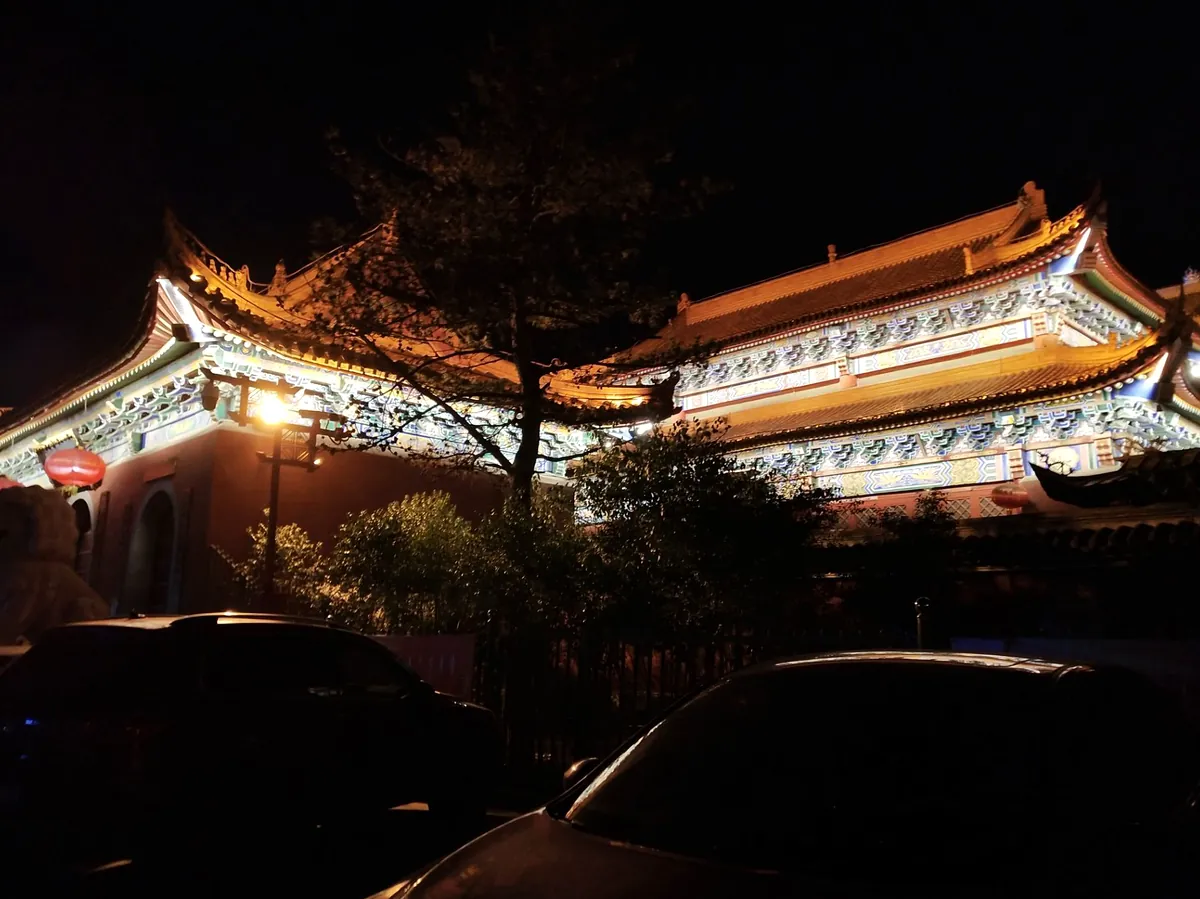
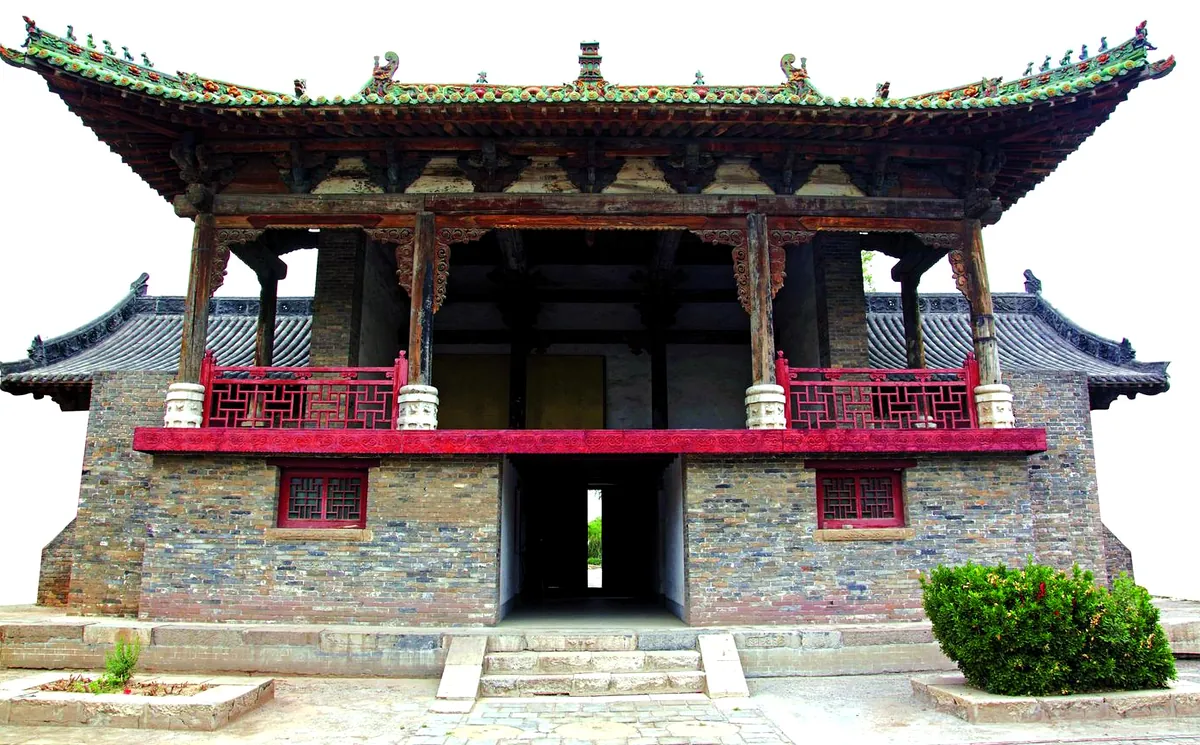
Admiring the facade of the central hall, the benchmark beauty of traditional Chinese architecture emerges majestically with gracefully curved glazed tile roofs, accented by exquisitely carved mythical creature ridge lines reaching toward the sky. The massive architectural block is supported by sturdy monolithic wooden pillars and vibrant vermilion railings, reflecting a regal yet deeply solemn aura. Below, sturdy fortress-like walls built of uniform grey bricks combined with ancient stone steps form a dignified pedestal, leading directly into the cavernous central arched doorway that shields serene Buddha statues through historical vicissitudes.
The deepest artistic soul at Guanyin Pavilion converges in its treasury of reliefs and Buddha statues carved from sandstone, fully reflecting peak sculptural techniques from the Liao Dynasty period. Rather than following slender or conventionally stylized tendencies, Liao artisans transformed rough sandstone into vibrant masterpieces with bold lines, full shoulders, and cascading monk’s robes falling in soft, silk-like layers. Each statue of a Bodhisattva, Dharmapala, or Vajra emanates the majestic, robust disposition characteristic of northern steppe culture, while encapsulating the esoteric and mystical nature of Esoteric Buddhism through complex mudra hand gestures and elaborately carved prayer beads. Although the imprints of time have draped a layer of weathering moss over the sandstone surface, the vital spirit of the lotus, flame, and Apsaras reliefs retains the pristine, bold beauty of a thousand years ago.
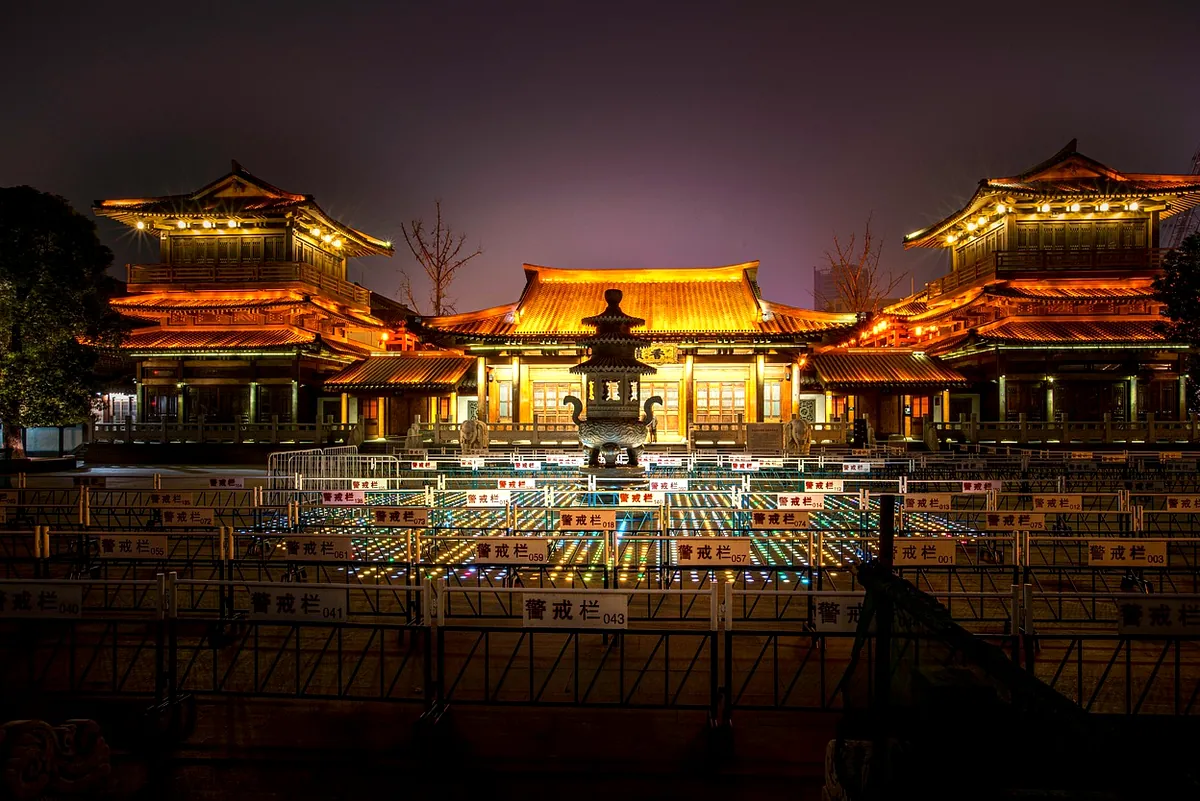
The grand scale of Guanyin Pavilion today is not merely a solitary remnant of a single dynasty, but the result of persistent preservation and restoration efforts through major major renovations during the Ming and Qing dynasties. While the Ming dynasty reinforced the timber framework using precious woods alongside layered bracket sets capable of extraordinary load-bearing without metal nails, the Qing dynasty added ornate aesthetics with dragon-and-phoenix carved partitions and delicate roof tiles. The intermingling of the rustic, robust character of Liao dynasty stone sculpture foundations with the exquisite woodwork of the Ming and Qing eras has turned this place into a living architectural museum. Every single grey brick, vermilion wooden pillar, and sandstone relief not only defines a tangible masterpiece but also preserves the complete solemnity of a spiritual sanctuary enduring through periods of rise and fall.
As twilight casts its final rays over the rocky slopes of Datong, Guanyin Pavilion begins to don a somber yet magical appearance. Unlike the tranquil, majestic look under daylight, the nighttime space here unveils a completely different layer of emotion, where a thousand years of the past blend with the heartbeat of modern times. The lighting arrangement is meticulously calculated, refusing to obscure the weathered marks of time on each ancient piece of wood; instead, it highlights the delicate carvings, evokes a sacred feeling, and guides travelers into a peaceful, deeply introspective mental realm.
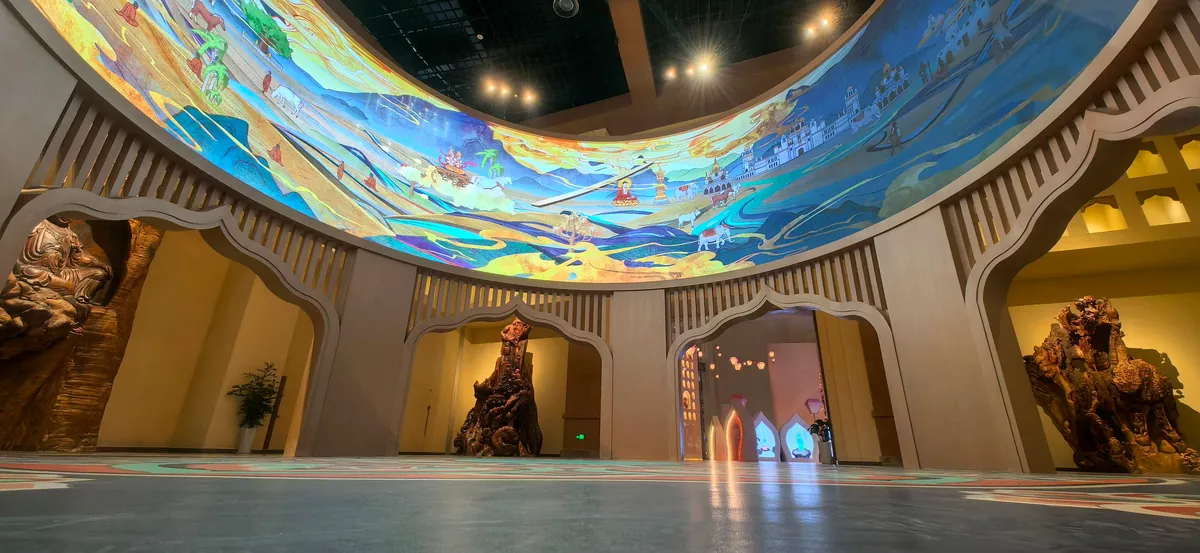
Under the silent veil of night, the entire ancient architectural complex emerges, radiant and magnificent, illuminated by an artistic lighting system that traces the soaring, curved tiled roofs characteristic of Huaxia culture. Every rafter, ridge, and graceful curve of the eaves is embraced by warm golden light, highlighting the solemnity of this sanctuary amidst the stillness. In front of the ancient structure lies a spacious courtyard that doubles as a parking area, bustling with traffic, creating a vivid intersection between the static charm of antiquity and the vibrant pulse of modern travel.
The development strategy for nighttime tourism at this site is rooted in the philosophy of sustainable heritage conservation, with absolute respect for historical authenticity and the tranquility of the landscape. Artificial lighting is carefully controlled with a soft, warm spectrum to minimize thermal radiation on the wooden structures and the thousand-year-old terracotta tiles. Strolling along the mossy brick courtyards in the chilly northern night, visitors can hear the rhythmic tolling of temple bells, mingling with the breeze whispering through the pine and cypress trees, offering a soul-cleansing experience rarely found elsewhere.
Beyond passive sightseeing, the nighttime tourism landscape here is undergoing a spectacular transformation through the integration of Augmented Reality (AR) and Virtual Reality (VR) technologies. Future trends aim for the comprehensive digitization of the Liao Dynasty context, authentically recreating the prosperous era of a steppe empire that once left its golden mark on this land. Through visual interactive devices, visitors will witness magnificent slices of time, from the transport of ancient timber to build the main hall to scenes of ancient high monks chanting sutras under the glow of brilliant lanterns.

The fusion of modern visual performance technology and historical essence opens up an authentic “time-travel” journey, where the boundary between reality and virtuality seems to blur. Visitors feel as though they are engaging directly with their ancestors through vivid 3D projections of exquisite murals and sculptures. Consequently, the nightlife at Guanyin Hall is not noisy or chaotic like typical tourist night markets; instead, it becomes a profound cultural flow, where technological light honors the eternal value of heritage, turning every step into a poetic voyage through the history of the North.
A pilgrimage to the mountainous region of Chaoyang would not be complete without stopping to savor the hearty, rustic cuisine of a land that blends the nomadic culture of the Steppe with the agrarian lifestyle of the Central Plains. Around Guanyin Hall, the harsh continental climate with its long, freezing winters has forged a unique local culinary philosophy: prioritizing warmth, emphasizing fresh natural ingredients, and preserving the rich, pure essence of the Northeast. The dining experience here does not lean toward the elaborate, stylized techniques of southern coastal court cuisine, but rather wins hearts with its rustic nature, deeply imbued with the soul of the deep forests, fields, and bountiful harvests.
The most distinct embodiment of this wild flavor is the famous Chaoyang steamed bun, a humble treat that has nourished generations of locals and travelers alike on their pilgrimage to the ancient temple. Unlike the fluffy, sweet buns found in many other regions, the dough here is kneaded from locally grown wheat flour fermented naturally, achieving a chewy, elastic texture with a faint aroma of sun-dried straw. The soul of the bun lies in the filling, a clever combination of firm wild boar meat and fresh wild vegetables foraged from the hills surrounding Guanyin Hall. The wild boar is coarsely minced to retain its crunchy texture, marinated with mountain ginger, white peppercorns, and traditional sesame oil; it blends perfectly with wild greens that offer a subtle, elegant bitterness, which perfectly balances the richness of the meat. When the steaming bamboo basket is opened, the fragrant steam, carrying the deep sweetness of the meat mingled with the earthy, pungent scent of wild herbs, instantly dispels the biting cold of the highland morning.
As dusk settles over the tiled roofs of Guanyin Hall, the culinary scene comes alive around the glowing charcoal copper pots of traditional Liaoning lamb hotpot. Contrary to the common prejudice regarding the strong gamey odor of lamb, the sheep raised naturally on the arid grasslands of Western Liaoning possess pink, tender meat that is completely free of any unpleasant smell. Skilled chefs use sharp knives to slice the meat as thin as cicada wings; when dipped into the clear broth simmered from lamb bones, goji berries, red dates, and aged ginger, it cooks in just a few seconds, retaining its juiciness and pure, natural sweetness. The ultimate highlight of the dish lies in the traditional black sesame dipping sauce, prepared with great care. Roasted black sesame seeds are ground into a smooth, rich, jet-black paste, accented with a touch of savory red fermented bean curd, spicy Sichuan peppercorn oil, and chopped cilantro. The mesmerizing contrast between the hot, tender, sweet lamb and the thick, nutty black sesame sauce creates a sensory harmony that leaves a lasting impression on every diner.
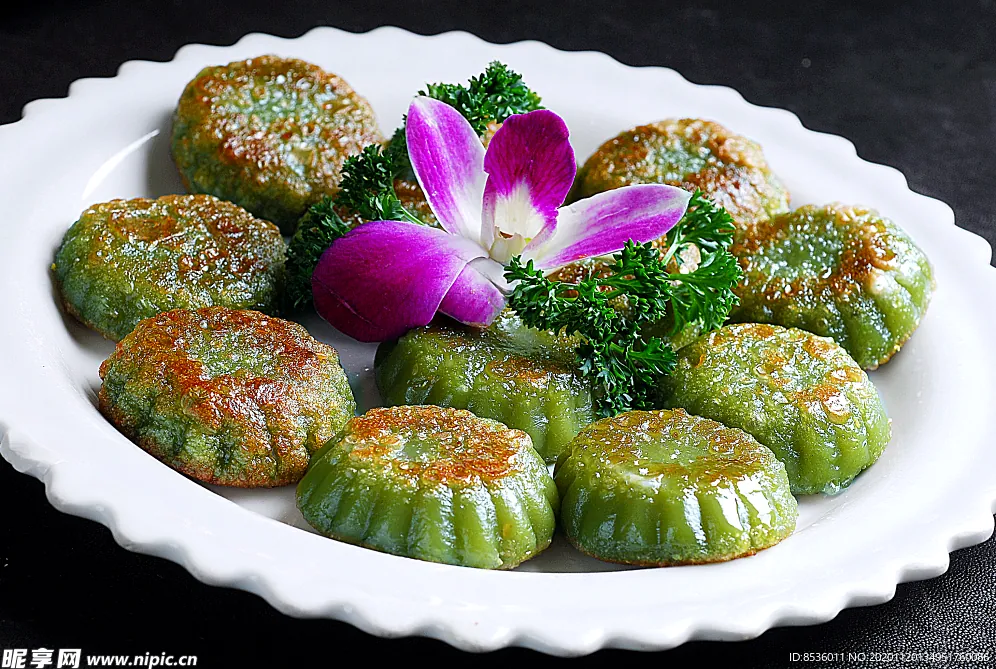
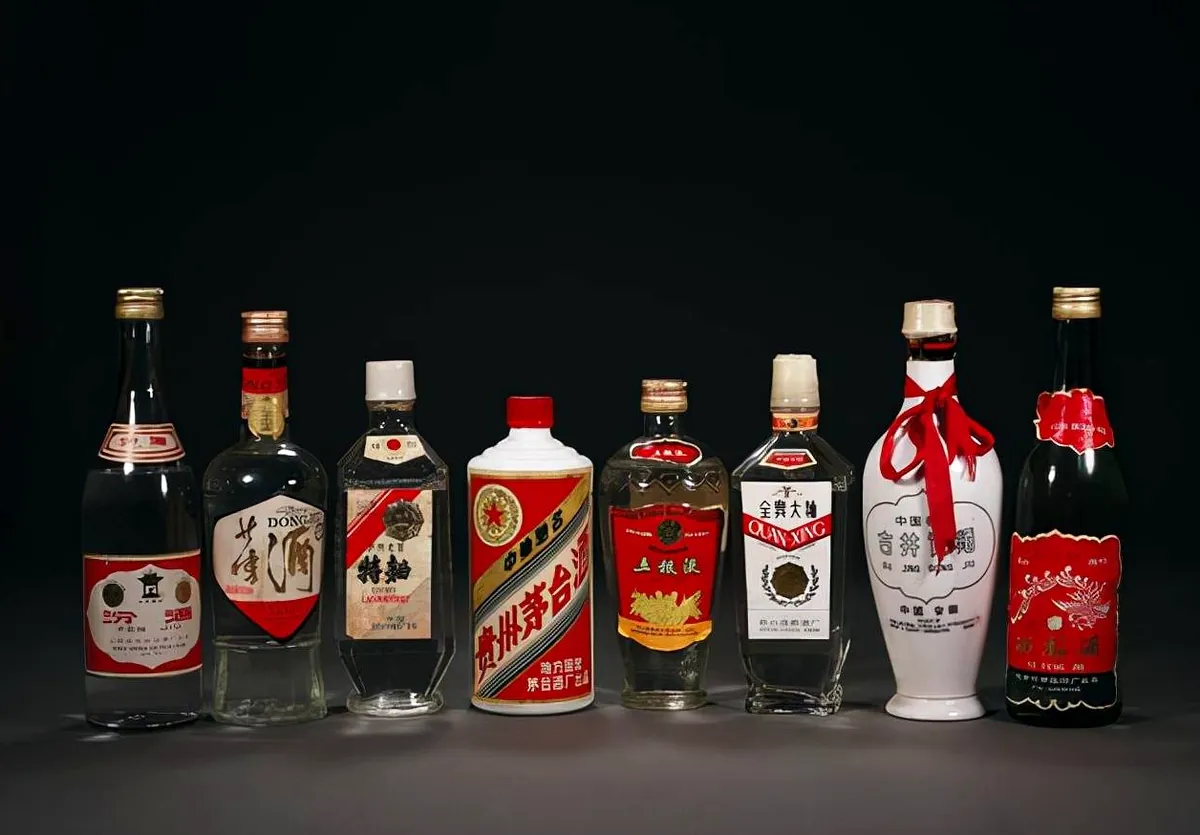
Concluding this rich tapestry of flavors are cups of high-proof sorghum liquor—a precious nectar distilled from the endless red sorghum fields stretching across the Northeast. Crafted through traditional underground cellar fermentation passed down through generations, the poured liquor is as clear as morning dew yet carries a formidable strength. Upon touching the tip of the tongue, it instantly releases a fiery, pungent kick, warmly radiating down the chest before leaving a lingering, sweet finish imbued with deep grain aromas. Locals typically sip this warm sorghum liquor alongside steaming steamed buns or a bubbling mutton hot pot, using its pure warmth to banish the cold and share worldly tales. Each layer of flavor and every drop of this potent spirit is not merely physical nourishment, but a full crystallization of the resilient character and profound cultural depth of the Chaoyang region, transforming the memory of Guanyin Temple into an enduring taste mark that lingers long in the hearts of weary travelers.
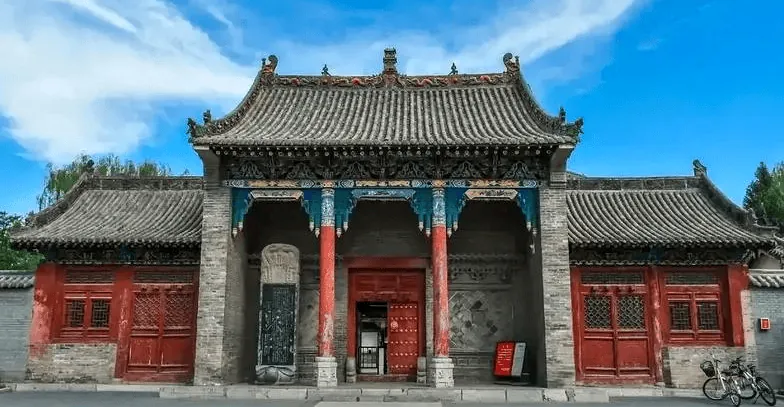
The inner courtyard of Guanyin Temple emerges as a tranquil oasis, where the bustling pace of life completely gives way to millennium-old serenity in the heart of Datong’s arid land. Under the sheltering shade of ancient trees, moss-covered stone steps guide travelers into an ancient architectural space featuring gracefully upturned, grayish-blue tiled roofs. The deep, subdued tones of the rustic wooden doors contrast exquisitely with the lush patches of grass and flora in the courtyard corner, creating a balanced composition that evokes a deep sense of inner peace before entering to worship the magnificent carved world hidden deep within the main hall.
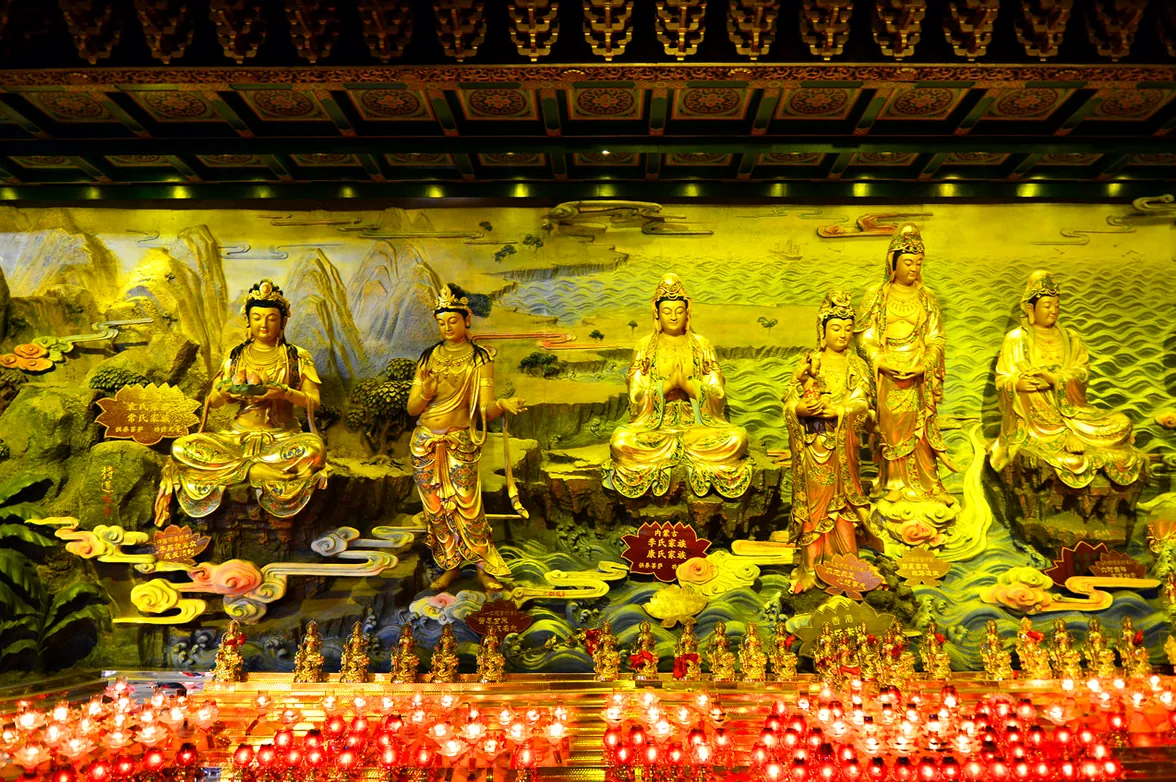
To fully appreciate the subdued beauty of this ancient sanctuary, choosing the right time for your journey is crucial. Shanxi Province sits upon the windswept Loess Plateau, where winters are notoriously harsh with biting cold winds, and early spring often brings dry, dusty sandstorms. The ideal time to explore Guanyin Temple is during the seasonal transitions of May to June, or the golden autumn months from September to October. During these periods, northern skies turn a brilliant, cloudless blue, and warm autumn sunlight bathes the fairytale tiled roofs—providing the perfect conditions for a leisurely stroll and capturing masterpiece photographs free from the unpredictability of border-region weather.
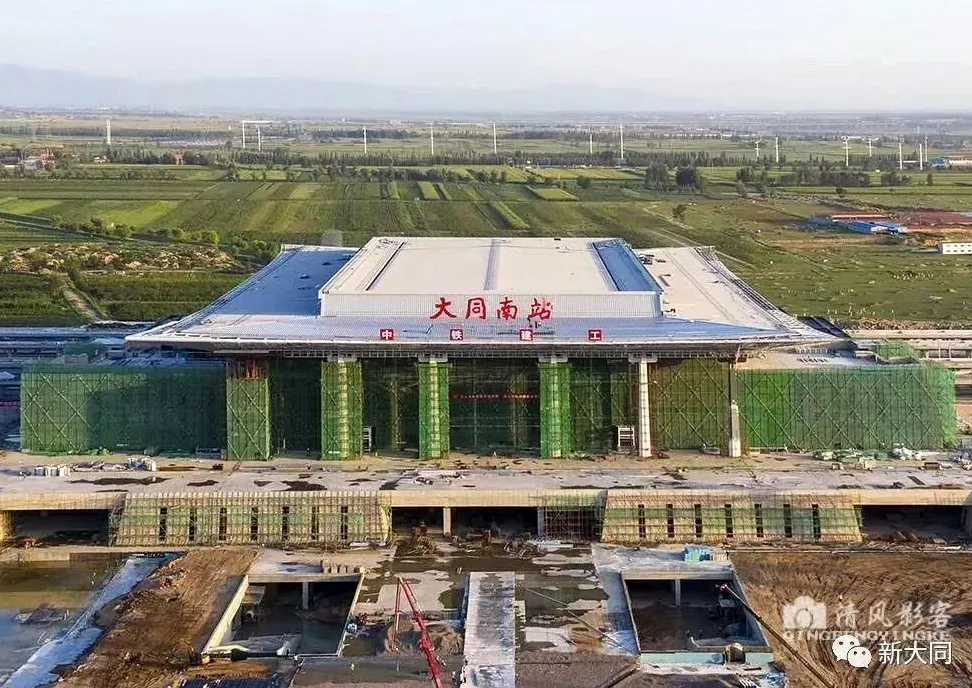
Accessing the heritage site today has become remarkably fast and convenient thanks to China’s modern infrastructure network. Departing from Beijing, travelers simply need to catch a high-speed train from Beijing North Station or Qinghe Station, gliding across rolling mountains in just 2 hours and 30 minutes to arrive at Datong South Station. From the central station or Datong’s old town, you can easily hail a taxi or take a city bus heading about 8 to 10 kilometers west along Tongquan Avenue. The ancient temple nestles peacefully against a gentle hillside, serving as a quiet and elegant stopover along the vital route connecting the city center to the world-famous Yungang Grottoes.
Stepping into this serene monastic sanctuary, visitors must pay close attention to ritual norms and local etiquette. Wearing modest, polite attire with long sleeves and long trousers is a minimum requirement to show respect to the Buddhas and Bodhisattvas. When passing through the temple gates or thresholds, never step on the wooden threshold; instead, step gently over it while keeping your voice soft to avoid disturbing the meditative atmosphere. In particular, to preserve the original colors of thousands of millennium-old carved statues that are extremely sensitive to photochemical light, management strictly prohibits the use of camera flash or arbitrary incense burning inside the main hall.
Furthermore, to ensure a genuinely cultural pilgrimage experience, international travelers should remain cautious of commercial traps set by low-cost tour groups masquerading as locals. These unusually discounted programs often lure visitors into counterfeit jade appraisal centers, fake herbal medicine research institutes, or disguised feng shui shops to pressure them into buying overpriced goods. Instead, after your sacred pilgrimage, take some time to wander around Datong’s humble culinary streets, savor a steaming bowl of knife-shaved noodles in rich mutton broth, accompanied by a crispy, cumin-scented baked flatbread to fully experience the rustic flavors of the North. For first-timers setting foot in this culturally rich heritage land, choosing a reputable all-inclusive tour package is the optimal solution to enjoy all artistic highlights with complete peace of mind, free from logistical worries or language barriers.