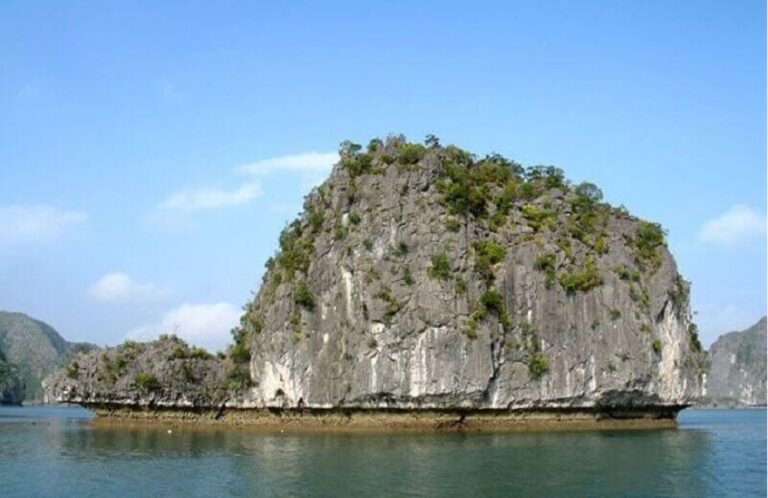
Elephant Mountain (Nui Voi) is a famous tourist spot in Hai Phong City, situated about 20 km to the southwest of the city center. Covering an area of nearly 300 hectares, Elephant Mountain consists of a rolling, winding cluster of limestone and earthen hills interspersed with one another. It gets its name from its shape: from afar, the range looks like a reclining elephant complete with head, ears, trunk, back, and tail. This unique, striking natural feature makes the mountain’s name easy to remember. Reaching a highest peak of 143 m and framed by two rivers—Lach Tray and Da Do—it forms a picturesque landscape of mountains and water.
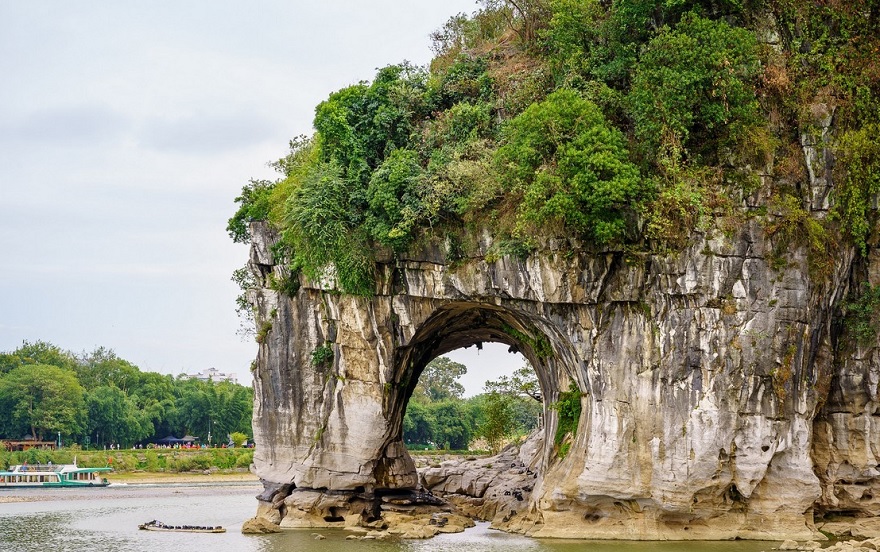
Elephant Mountain in Hai Phong
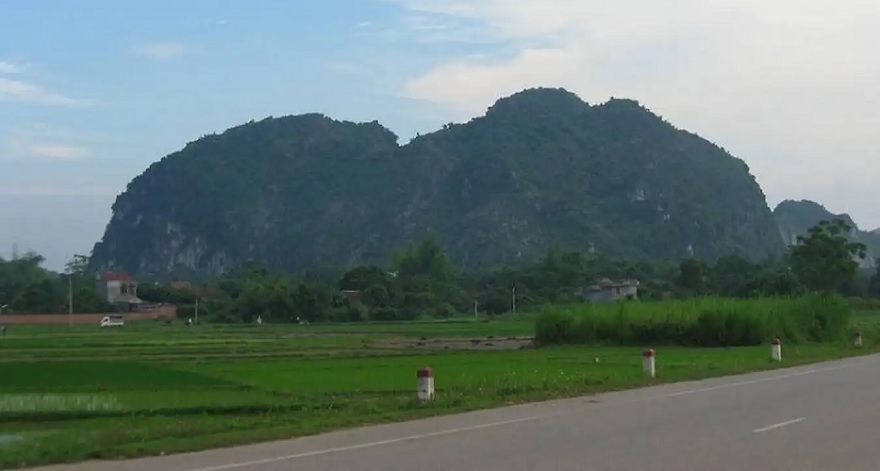
The back section of Elephant Mountain
Elephant Mountain Through Historical Periods
Beyond its natural beauty, Elephant Mountain holds great historical and cultural value. It has witnessed many upheavals and major events in Vietnamese history across different eras:
- Prehistoric and protohistoric periods: Elephant Mountain is one of the major archaeological sites in Vietnam’s Northeast coastal region, holding traces of prehistoric and protohistoric people from the transitional period between the Dong Son culture and Ha Long culture. French archaeologists discovered and affirmed that the Elephant Mountain area was a cradle of prehistoric and protohistoric inhabitants from the late Bronze Age to the early Iron Age, over 2,500 years ago. At Elephant Mountain, archaeologists uncovered many artifacts such as pottery, bronze items, iron items, human bones, animal bones, and beads. These finds show that early inhabitants here had a rich daily life, engaging in animal husbandry, farming, hunting, and making weapons and work tools, while practicing Mother Goddess worship and venerating nature deities.
- Feudal period: Elephant Mountain was also where Le Chan—one of the twenty-three generals of the Trung Sisters—built a base, gathered troops, and stockpiled provisions to fight invaders. Le Chan was one of the twenty-three generals of the Trung Sisters, who led the uprising against the Eastern Han army in 40 AD. She was granted the title General Thai Binh and tasked with guarding the Duong Kinh region (present-day Hai Phong). Elephant Mountain was where Le Chan organized and trained her army in preparation for fierce battles. You can see a statue of Le Chan placed at the foot of Elephant Mountain, along the Lach Tray River, honoring the contributions of this female hero. In addition, the Mac dynasty chose Elephant Mountain to station troops and build a major forward base to protect the gateway to Duong Kinh. The Mac dynasty was Vietnam’s final feudal dynasty, founded by Mac Dang Dung in 1527. Facing resistance from the Later Le restoration and intervention by Ming forces, the Mac dynasty used Elephant Mountain as a key strategic point where they built defensive fortifications and weapons depots. Visitors can tour remaining Mac-era relics at Elephant Mountain.
- French colonial era and resistance war against America: When French colonialists invaded Vietnam, Elephant Mountain served as an anti-French resistance base led by Lanh Tu and Cu Binh. During the resistance war against France, Elephant Mountain was an important anti-aircraft position guarding the northwestern gateway to Hai Phong.
Notable Attractions at Elephant Mountain
1. Unique Cave System
Elephant Mountain features numerous caves shaped by the erosion of time and weather. Each cave has its own charm and captivating legends. Some famous caves include:
Hong Voi Cave (Elephant Throat Cave): Shaped like an elephant’s mouth, this cave is about 10 m wide and 5 m high. Walking deeper inside, you will find Fairy Stream (Suoi Tien), where spring water flows down from the mountain. The water is very clear, cool, and sweet enough to drink directly. There is also a stalactite that drips water continuously, locally called the “mother’s breast.” At the far end of the cave ceiling is a bat roost; if you shine a flashlight upward, you can see hundreds of bats overhead.
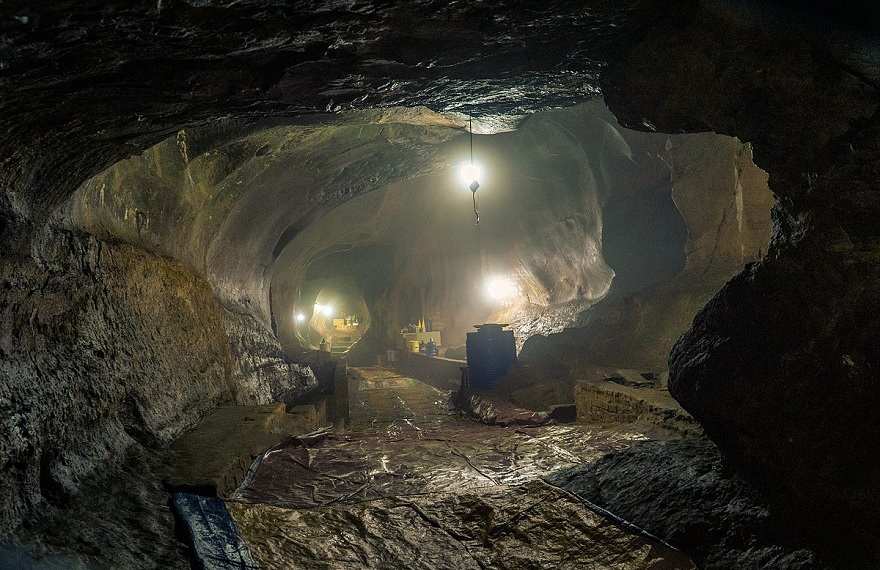
Hong Voi Cave
Gia Vi Cave: One of the most scenic caves in the Elephant Mountain relic complex in An Lao, Hai Phong. Shaped like an elephant’s mouth and sitting around 200 meters above sea level, the cave is about 50 meters long, 10 meters wide, and 15 meters high, filled with stalactites in unusual shapes. Gia Vi Cave also holds high historical and cultural value as a stronghold of guerrilla fighter On Van Vi during the 1885 anti-French uprising, marked by a stone stele at the cave entrance. It also has high scientific value and was ranked a National Historical Relic by the State in 1962.
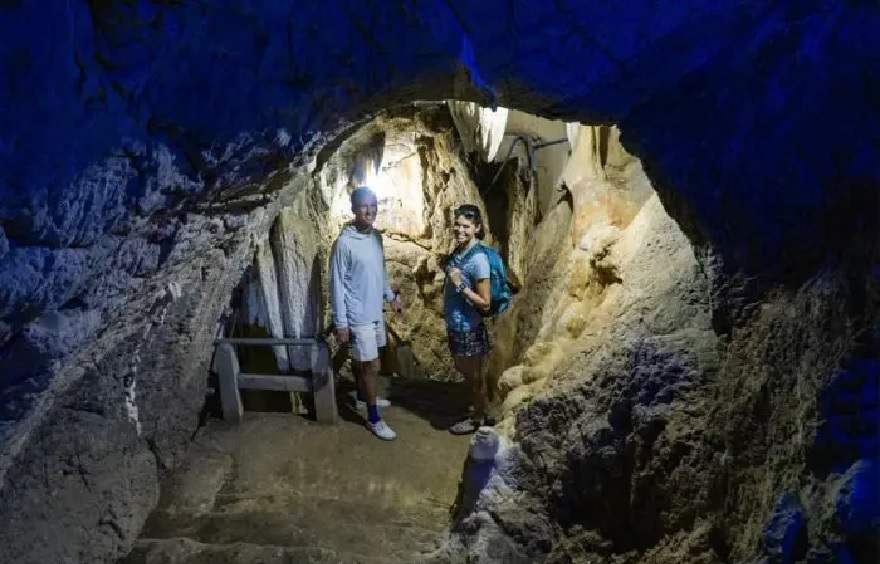
Gia Vi Cave
These are the best-known caves at Elephant Mountain, alongside several others such as Nam Tao – Bac Dau Cave and Ca Chep Cave.
2. Pagoda and Communal House Complex on Elephant Mountain
Elephant Mountain was once a bustling Buddhist center from the 11th to 12th centuries. It features many pagodas built in traditional Vietnamese Buddhist architectural style, rich with artistic and spiritual character. Some notable pagodas include:
Long Hoa Pagoda: One of the oldest pagodas in Hai Phong, built during the Ly dynasty (11th century). Long Hoa Pagoda has distinctive architecture with red tile roofs, white wooden columns, green trim, and intricate decorative motifs, along with artistically valuable wooden and stone Buddha statues. Visitors can tour the pagoda, offer prayers, light incense, and soak in its serene, sacred atmosphere. Long Hoa Pagoda also hosts Buddhist and folk cultural festivals.
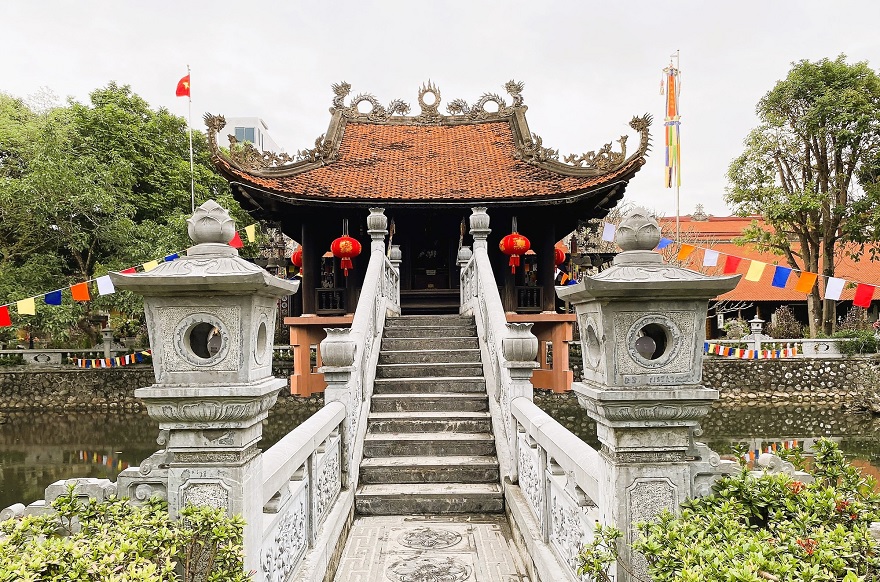
Long Hoa Pagoda on Elephant Mountain
Chi Lai Communal House and Pagoda Relic Cluster: Located right at the foot of Elephant Mountain in Chi Lai Hamlet, Truong Thanh Commune, this cluster is part of the Elephant Mountain historical and scenic relic complex—a national relic recognized by the Ministry of Culture on April 28, 1962 under Decision No. 313-VH/VP. It is also one of the earliest sites in Hai Phong City to receive national relic status.
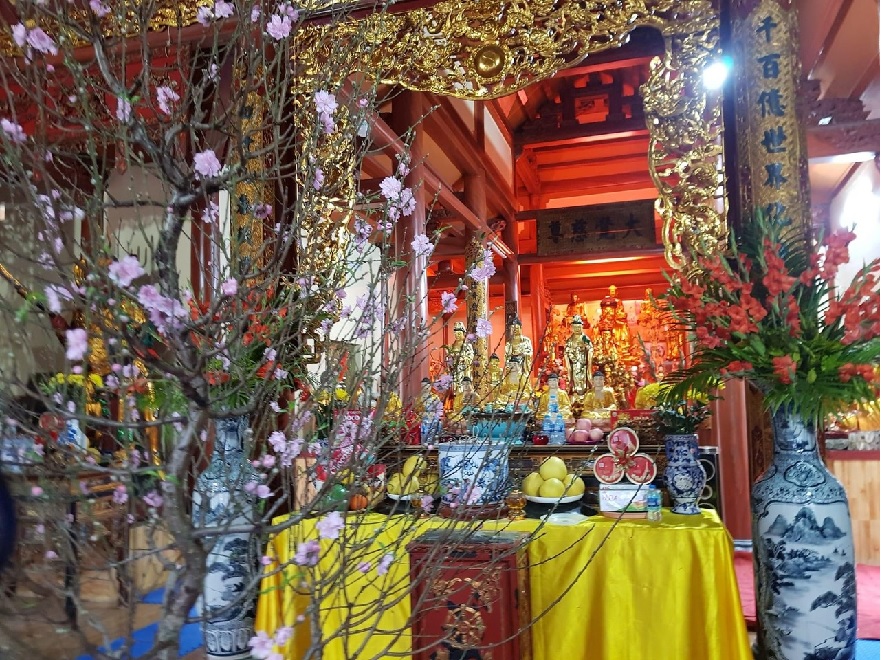
Chi Lai Communal House and Pagoda Relic Cluster
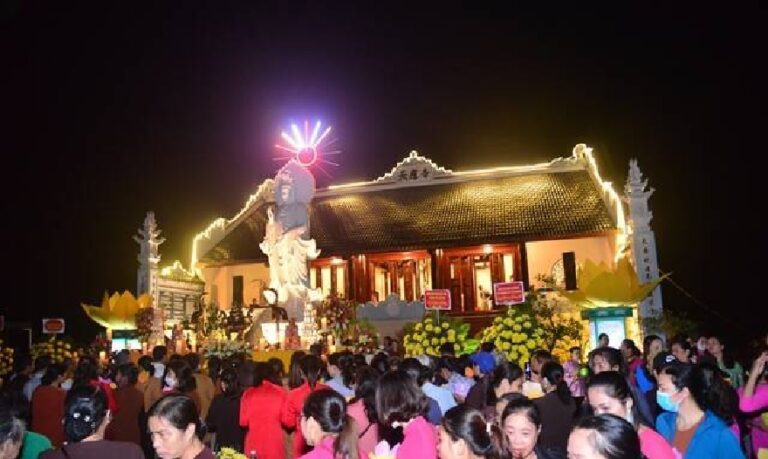
Visitors can also experience the traditional festival at Elephant Mountain, held annually on the 15th, 16th, and 17th days of the first lunar month with cultural and spiritual activities such as ceremonial offerings and palanquin processions. The festival gives locals an occasion to pay tribute to heroes and martyrs who gave their lives for the country, while helping visitors learn about Hai Phong’s traditional cultural heritage.