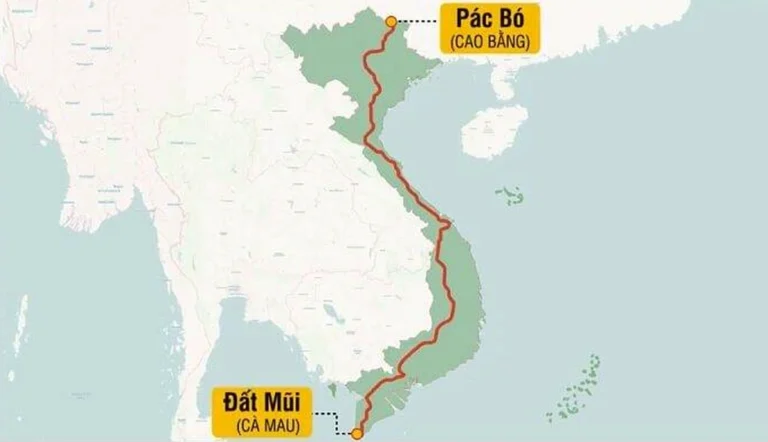
Located at geographical coordinates 22°20′ North latitude and 103°50′ East longitude, Ham Rong Mountain is not merely a geological landmark within the majestic Hoang Lien Son range, but also the “spiritual axis” shaping the cultural character of Sapa town. From a geomorphological perspective, the mountain forms part of a metamorphic sedimentary rock structure dating back to the Precambrian era, creating a sturdy “backbone” that channels the auspicious energy currents of the highland plateau. Contemporary geomancers liken Ham Rong’s topography to a “Crouching Dragon, Submissive Tiger,” featuring undulating ridges where the dragon’s head faces the fertile Muong Hoa Valley and its tail stretches across the town, forming a natural fortress shielding and safeguarding the tranquility of the villages nestled at its foot.
The name “Ham Rong” (Dragon’s Jaw) is not only a geographical designation, but also the crystallization of folk legends deeply rooted in the animistic beliefs of the H’Mong and Dao communities. According to oral tradition, the mountain is tied to the tale of a pair of divine dragons separated during a primordial great flood. One transformed into a mountain range while the other turned to stone, forever bound to the skies and earth of Sapa to watch over the peace of its people. This legend symbolizes not only steadfast devotion, but also a profound reverence for nature—viewing mountains and forests as living, spirited beings among ethnic minority communities in the highlands.
Although it bears no stone steles or Nguyen Dynasty imperial decrees like the royal citadel relics of the former capital, Ham Rong stands as a witness to modern history. From the early 20th century, when the French arrived in Sapa to establish a hill station, Ham Rong became a strategic focal point. Classic Western structures—most notably the Stone Church—were sited with direct lines of sight toward Ham Rong, turning the mountain into a central “spiritual axis” where Western Gothic architecture meets the untamed grandeur of Vietnam’s northern forests. It also marks the footsteps of early explorers and Western missionaries who helped transform Sapa into the “summer capital” of Indochina.
From the perspective of heritage authorities, Ham Rong is designated as a provincial-level natural heritage site preserving stratigraphic layers containing rare ancient plant fossils. Its significance lies not only in its striking landscapes of orchid gardens and natural stone formations, but also in its living “cultural ecosystem.” Preserving Ham Rong today means more than protecting an ecotourism attraction; it means safeguarding a living heritage where millions of years of geological history converge with the intangible cultural traditions of indigenous ethnic groups. Every step up the mountain is both an ascent toward the clouds and a dialogue across time, where every stone slab and ancient tree tells the story of legendary Sapa’s enduring legacy.
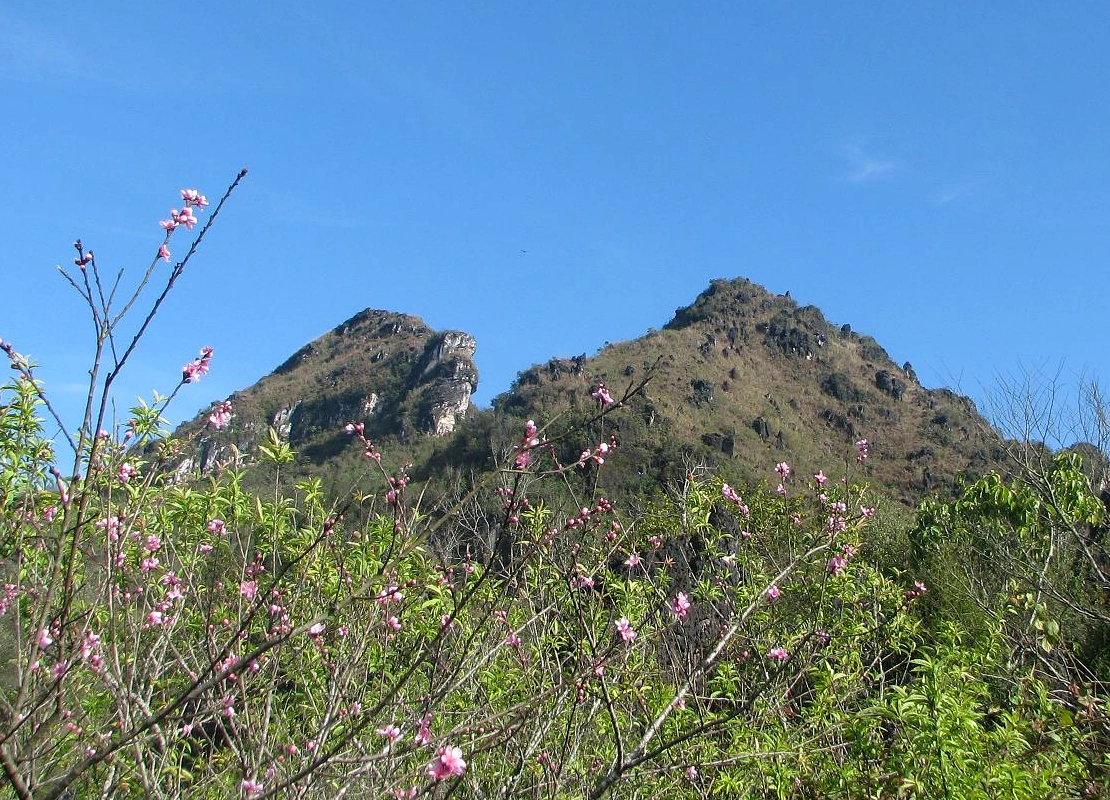
The scenic beauty of Ham Rong Mountain goes far beyond ancient sedimentary cliffs, representing a seamless harmony between nature’s handiwork and human artistry. Upon reaching the upper slopes, visitors are greeted by a vast “hanging garden,” where jagged, rugged cat’s-ear rock formations are draped in thousands of rare orchid species and endemic highland flora. The landscaping follows the natural contours of the terrain without disrupting its original form, celebrating the wild beauty of the Hoang Lien Son range. Winding stone steps ribbon across the mountainside like soft silk, leading travelers past vibrant flower beds and thoughtfully curated stone gardens that create an atmosphere both grand and poetic—much like a living ink-wash painting suspended in drifting clouds.
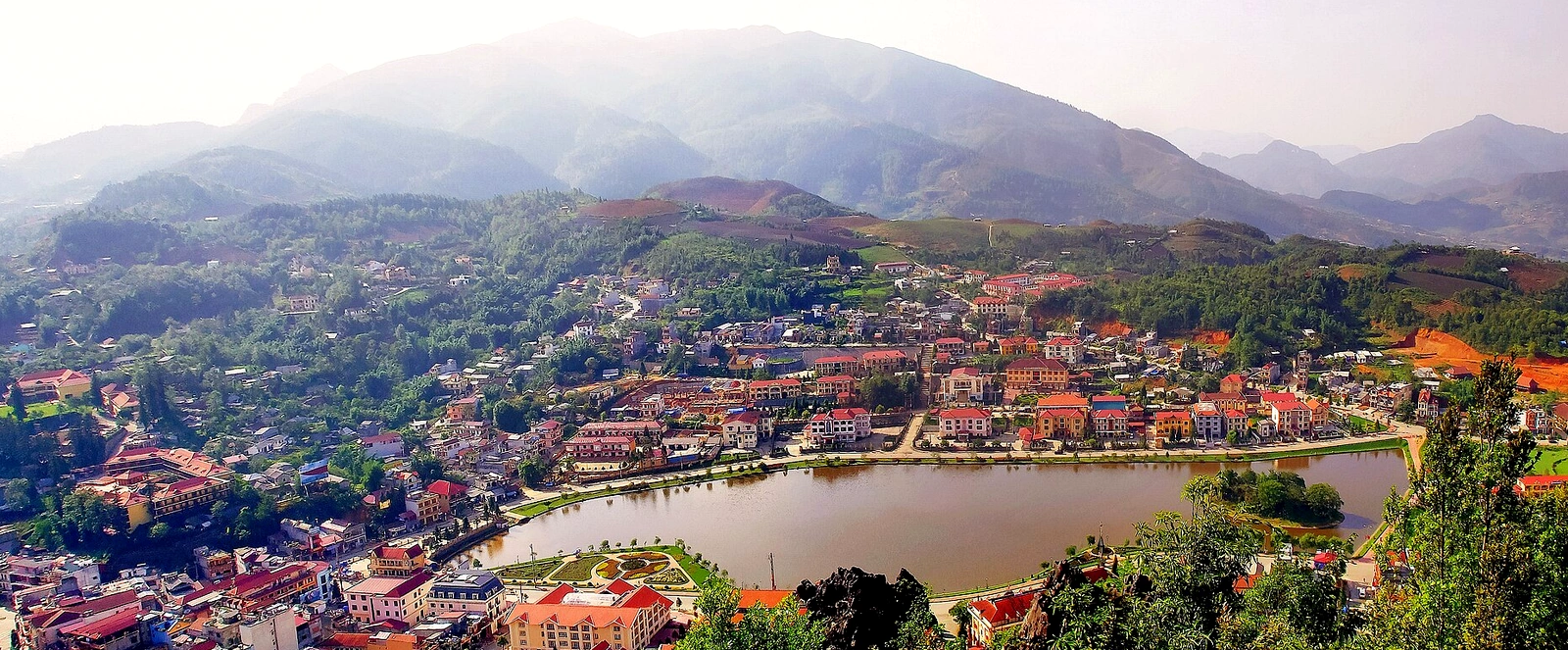
The most striking architectural highlight is the Cloud Yard (San May) viewpoint. Here, designers cleverly utilized natural rock outcrops jutting out over the valley to create open-air observation decks. From this vantage point, the view opens wide to reveal mist-veiled Sapa town below, the lush green expanse of Muong Hoa Valley, and the towering peak of Fansipan rising into the clouds. The pairing of Precambrian sedimentary rock with understated wood and natural stone accents creates a powerful visual harmony, affirming Ham Rong’s role as the “spiritual axis” and an irreplaceable landmark of this highland town.
For photography enthusiasts and travelers hoping to capture “million-dollar view” shots, choosing the right angles and timing is key. Two standout photo spots are Heaven Gate 1 (Cong Troi 1) and Heaven Gate 2 (Cong Troi 2), where massive rock formations lean toward each other to form a natural frame opening onto the vast forested valleys beyond. The golden hour here is at dawn, when early sunbeams pierce through thick mountain mist, creating dramatic rays of light that bathe the landscape in a warm golden glow. Soft morning light brings out ancient stone textures and the vivid colors of blooming orchids, adding natural depth to photos with minimal editing required.
A second spot favored by professional photographers is the Orchid Garden (Vuon Lan), where narrow stone pathways wind between sheer cliff faces. At sunset, as the sun dips behind the Hoang Lien Son range, the light shifts to warm orange-red hues and casts long shadows across the boulders, lending the scene a rich, cinematic mood. At this hour, the natural contours of Ham Rong Mountain appear at their sharpest, highlighting the contrast between rugged stone and delicate foliage. To capture memorable images, bring a camera or lens suited for low light and wait patiently for the blue hour—when the sky deepens from cobalt to violet, offering a dramatic backdrop for portraits set amid natural heritage.
Climbing Ham Rong Mountain is more than a brisk uphill walk—it is a sensory journey through changing altitudes where visitors breathe in the crisp, untamed air of the Hoang Lien Son forests. Stepping through the entrance gate, travelers are immediately drawn into a lush maze of blooming orchid gardens, where hundreds of rare varieties flourish in Sapa’s signature cool climate. Higher up, the atmosphere grows tranquil, filled only with the whisper of wind through ancient rock crevices and melodic birdsong—a natural symphony that lifts the spirit and leaves city stress far behind.
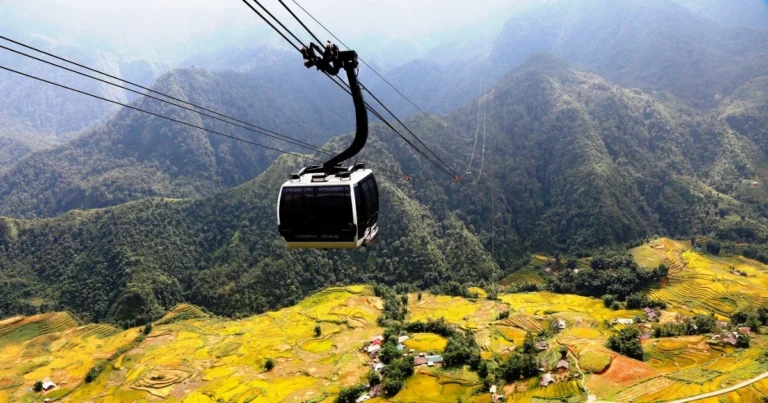
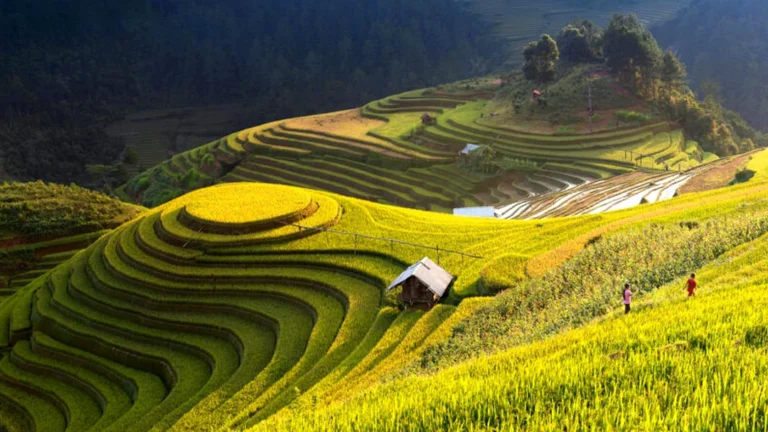
The crowning moment of the ascent is stepping onto San May—often called Sapa’s “Gate to Heaven.” From this elevation, visitors take in a breathtaking panorama of Sapa town unfolding below like a classic ink-wash painting. Town rooftops peek through drifting mist, Muong Hoa Valley stretches out like a ribbon of emerald silk, and cascading terraced rice fields wind along the hillsides in dramatic tiers. Standing between earth and sky, one feels both humbled by nature’s scale and quietly moved by the presence of the “dragon’s head” watching over the valley below.
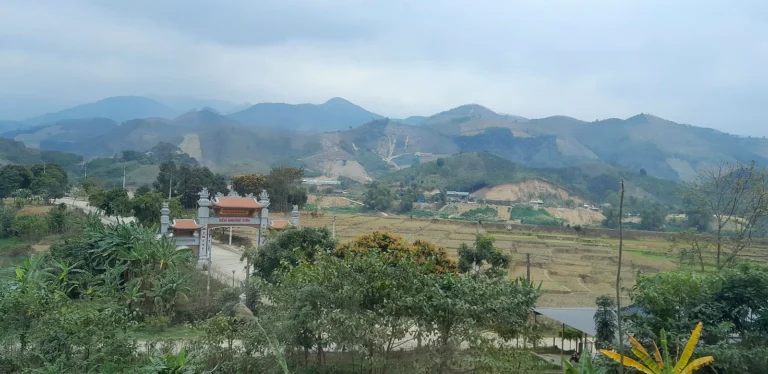
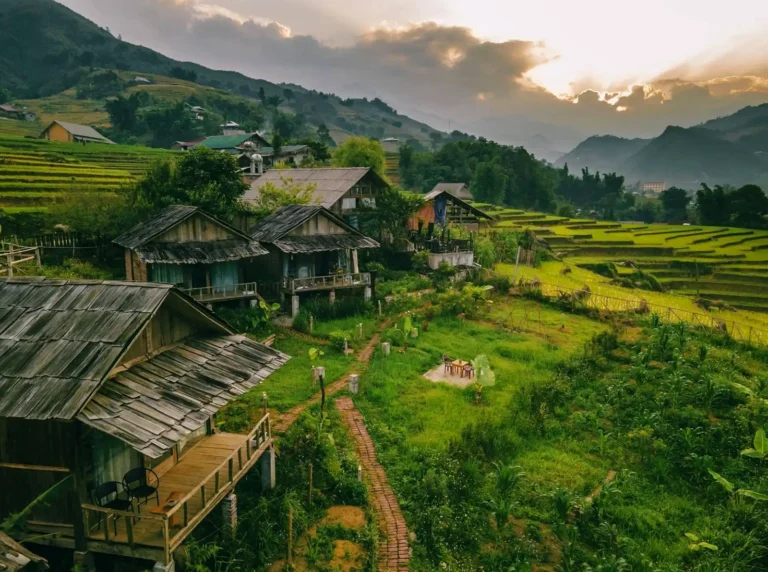
Beyond its scenery, indigenous culture adds an essential dimension to the Ham Rong experience. Along the trails, visitors encounter traditional wooden homes where H’Mong and Red Dao communities preserve their time-honored ways of life, while the haunting melodies of the khene and bamboo flute echo across the hillsides. After the climb, sampling local highland specialties at resting spots around the area makes for a memorable reward. Mountain-inspired dishes such as grilled native pork seasoned with mac khen pepper, fragrant bamboo-tube sticky rice (com lam), or steaming bowls of thang co in the crisp mountain air awaken every sense. Savory grilled meats, aromatic forest spices, and warm corn wine leave a lingering impression of both highland flavor and warm local hospitality.
By blending light trekking and rock-garden exploration with moments of quiet reflection, Ham Rong offers a richly rewarding experience for every type of traveler. Those seeking stillness find a peaceful refuge for contemplation, while curious explorers discover a fascinating geological and botanical treasure trove. Every stone step and mountain bloom is a quiet reminder to tread lightly and respect nature. As sunset paints the sky crimson above Ham Rong’s peak, visitors depart with lasting memories—not only of sweeping views, but of a living “cultural ecosystem” where people and nature coexist in harmony.
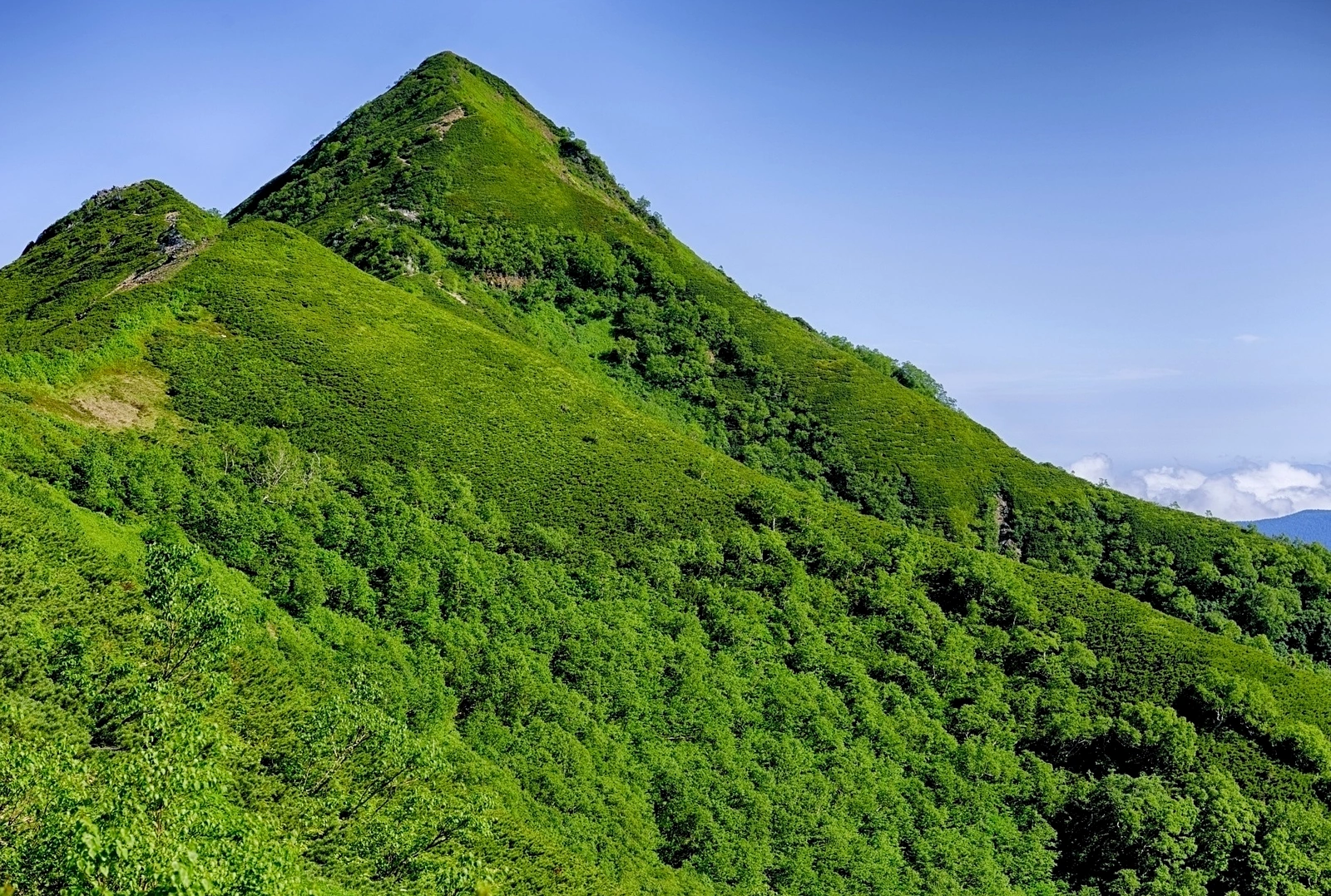
To make the most of your visit to Ham Rong Mountain, it helps to keep a few practical details and site guidelines in mind. The tourist area opens daily from early morning until dusk, typically from 7:00 AM to 6:00 PM. These hours ensure visitor safety along the steep stone stairways while helping site staff manage foot traffic within the protected reserve.
Admission tickets are clearly posted and purchased directly at the main gate. Standard adult tickets are currently priced around 70,000 VND per person, while children under one meter tall generally enjoy free entry or discounted rates. Visitors should bring cash or use electronic payment at the official ticket booth to avoid unauthorized resellers. One ticket grants access to all flower gardens, stone gardens, and scenic viewpoints inside the complex with no additional internal entry fees.
Getting there is effortless: because Ham Rong Mountain sits right beside central Sapa town directly behind the historic Stone Church, travelers staying in the town center can easily walk to the entrance—a pleasant stroll that lets you soak in local street life and crisp mountain air. Those staying farther out can take an electric buggy or taxi to the main gate drop-off point. Once past the ticket gate, the ascent to the summit is entirely on foot via stone steps, so a reasonable level of fitness and steady pacing are recommended.
As for attire and etiquette, the terrain consists largely of natural stone pathways and steep steps, so wear comfortable, breathable activewear and sturdy walking shoes or sneakers with good grip. Avoid high heels or flip-flops, which can slip on damp stone. When visiting spiritual shrines or nearby ethnic villages at the base of the mountain, dress modestly and respectfully out of consideration for local traditions. Help protect this fragile highland ecosystem by carrying out all trash and refraining from picking flowers or breaking branches.
The best time to visit Ham Rong is on clear, sunny days—especially in spring, when peach blossoms, plum blossoms, and rhododendrons burst into bloom and turn the slopes into a true sky-high garden. Late autumn and early winter are also prime seasons for cloud hunting from the summit. Whenever you go, setting out early in the morning helps you beat the midday sun and gives you plenty of time to take in panoramic views across the Hoang Lien Son range.
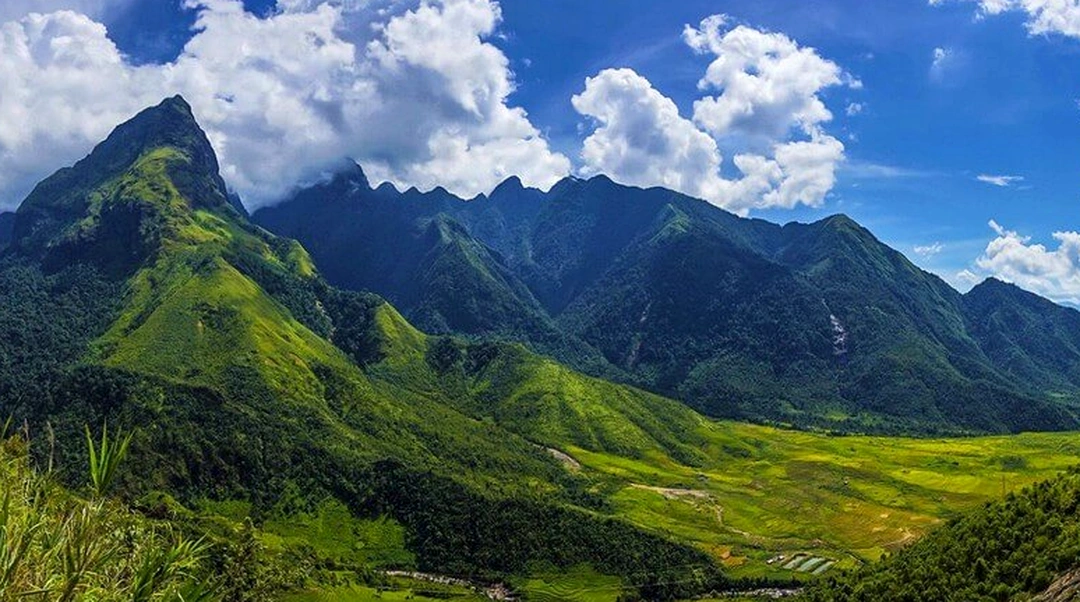
To enjoy a seamless getaway and take in the full beauty of Ham Rong Mountain in Sapa without worrying about transport logistics, ticket bookings, or itineraries, travelers can choose premium all-inclusive Lao Cai tour packages from VDS Travel. Each itinerary is thoughtfully timed so you arrive at every viewpoint in the best light, accompanied by knowledgeable local guides and top-tier hotel and dining standards.