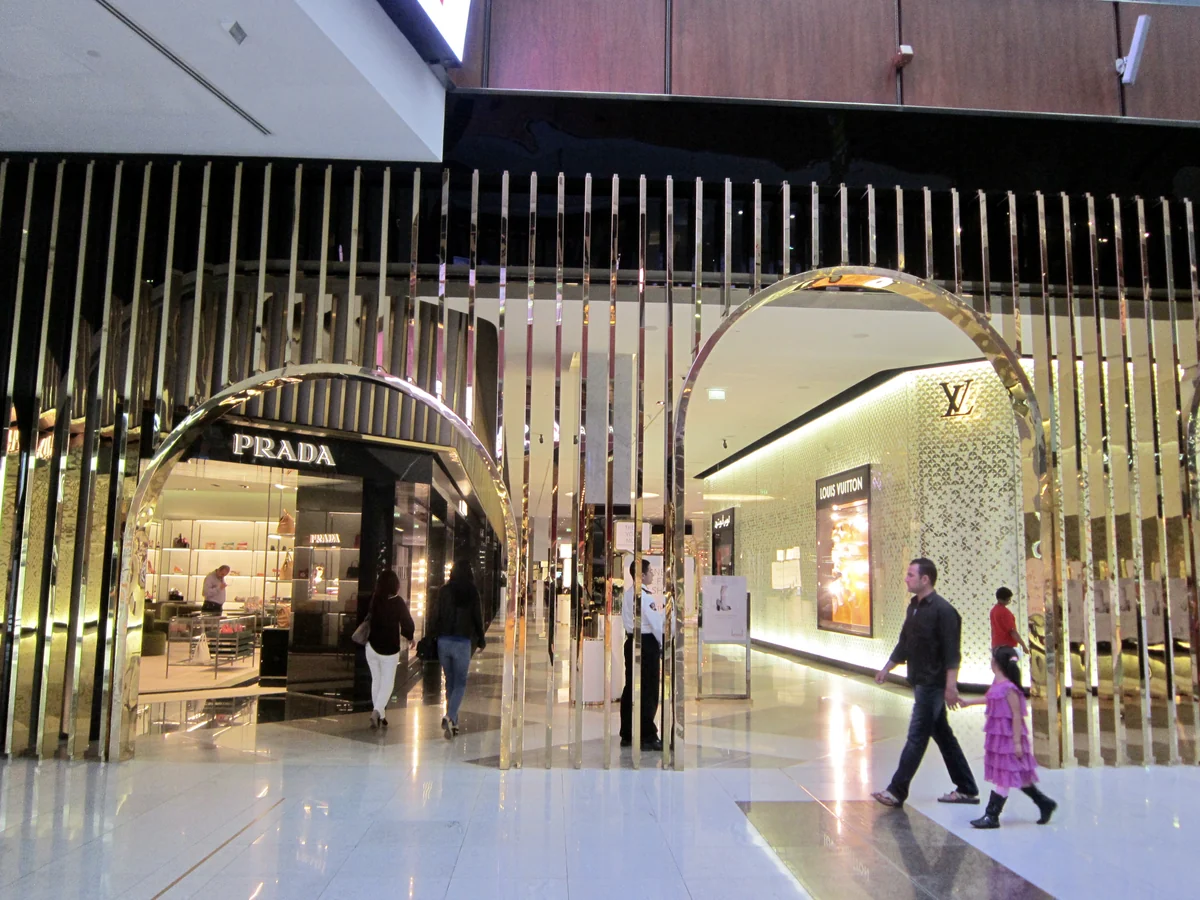
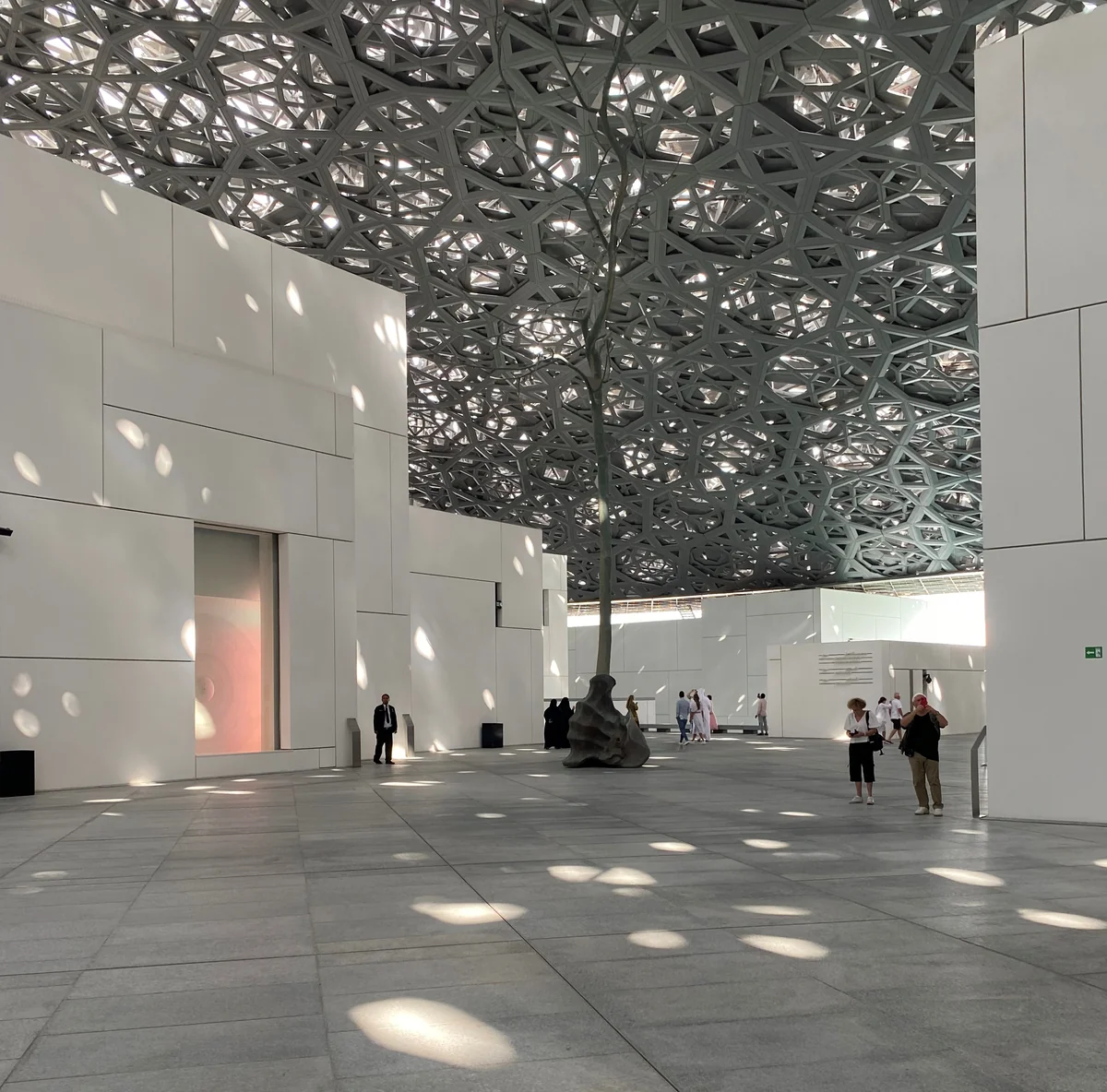
In the annals of modern cultural anthropology and human geography across the Middle East, the emergence of Global Village Dubai marks a landmark achievement in reshaping urban spatial identity and cross-border cultural diplomacy. Conceived as far more than a conventional entertainment complex or seasonal trade fair, this destination stands as a living encyclopedia where diverse human civilizations are condensed, reconstructed, and placed in dialogue within a single geographic coordinate. Viewed through a cultural scholar’s lens, studying Global Village calls for a multidisciplinary approach weaving together spatial history, contemporary urban archaeology, and the sociology of globalization. It reflects an ambition to move beyond the limits of the desert, turning outlying desert land into a global forum where millennia of imperial history meet the brisk pulse of the twenty-first century—setting a new benchmark for how humanity honors diversity through architecture, craftsmanship, cuisine, and living intangible heritage.
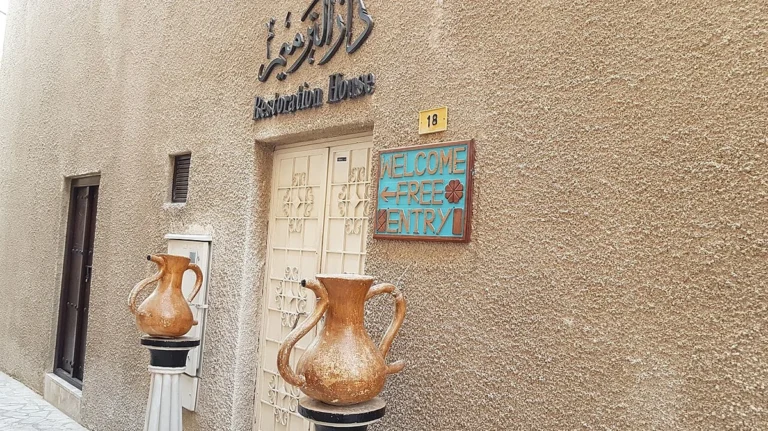
Striking scenery at Global Village Dubai.
In terms of geographic coordinates and terrain morphology, Global Village Dubai sits in a strategic location along the major artery of Sheikh Mohammed Bin Zayed Road (E311) in the southern sector of the Emirate of Dubai, United Arab Emirates (UAE). The complex lies within the Arabian Peninsula’s signature subtropical desert climate at an average elevation of roughly ten meters above sea level, sprawling across an expansive footprint exceeding 1.5 million square meters. Originally, the area consisted of flat alluvial sand plains along the coastal desert ecological belt, shaped by harsh climatic forces with wide day-to-night temperature swings and scant rainfall concentrated in brief winter months. Selecting this location was no casual urban-planning accident, but a national-level strategic calculation to create a seamless transit gateway linking Dubai’s bustling financial core with inter-emirate highways toward Abu Dhabi and Sharjah—transforming a quiet outlying expanse into a magnet for global visitors and merchants.
The background and key historical milestones of Global Village are closely tied to Dubai leadership’s strategic vision to diversify the economy away from oil dependence toward knowledge, services, trade, and high-end tourism. Originating in the late twentieth century—specifically in 1996—the concept began as a modest cluster of cultural and commercial stalls set up along the historic Dubai Creek near the Dubai Municipality area. That early initiative aimed to provide a small trading venue where international merchants, especially from South Asia and the Middle East, could display traditional handicrafts. However, strong appeal and enthusiastic public response prompted emirate authorities to make a bold decision: scale up the footprint, reposition its scope, and relocate the venue to larger suburban sites to meet the expanding needs of a city rising into a global metropolis.
Across its stages of growth, Global Village has experienced spatial shifts and infrastructure upgrades that mirror the evolution of Dubai’s urban economy decade by decade. From its initial site along Dubai Creek, the project moved strategically to Wafi City in the early two-thousands before settling permanently at its current home on Sheikh Mohammed Bin Zayed Road in 2005. This relocation was more than a change of coordinates; it was a revolution in design thinking and heritage management. Each move doubled scale and elevated pavilion architecture from temporary field structures into intricate replicas evoking world landmarks—such as India’s Taj Mahal, the Gates of Babylon in Mesopotamia, North African medinas, or traditional Buddhist temples of Southeast Asia. Desert weather patterns—such as seasonal sandstorms or intense heat stretching from May through October—shaped a distinctive operational trait: seasonality. The complex opens during mild winter months, typically from October of one year through April of the next, creating a cultural rhythm that feels both communal and rare in global tourism.
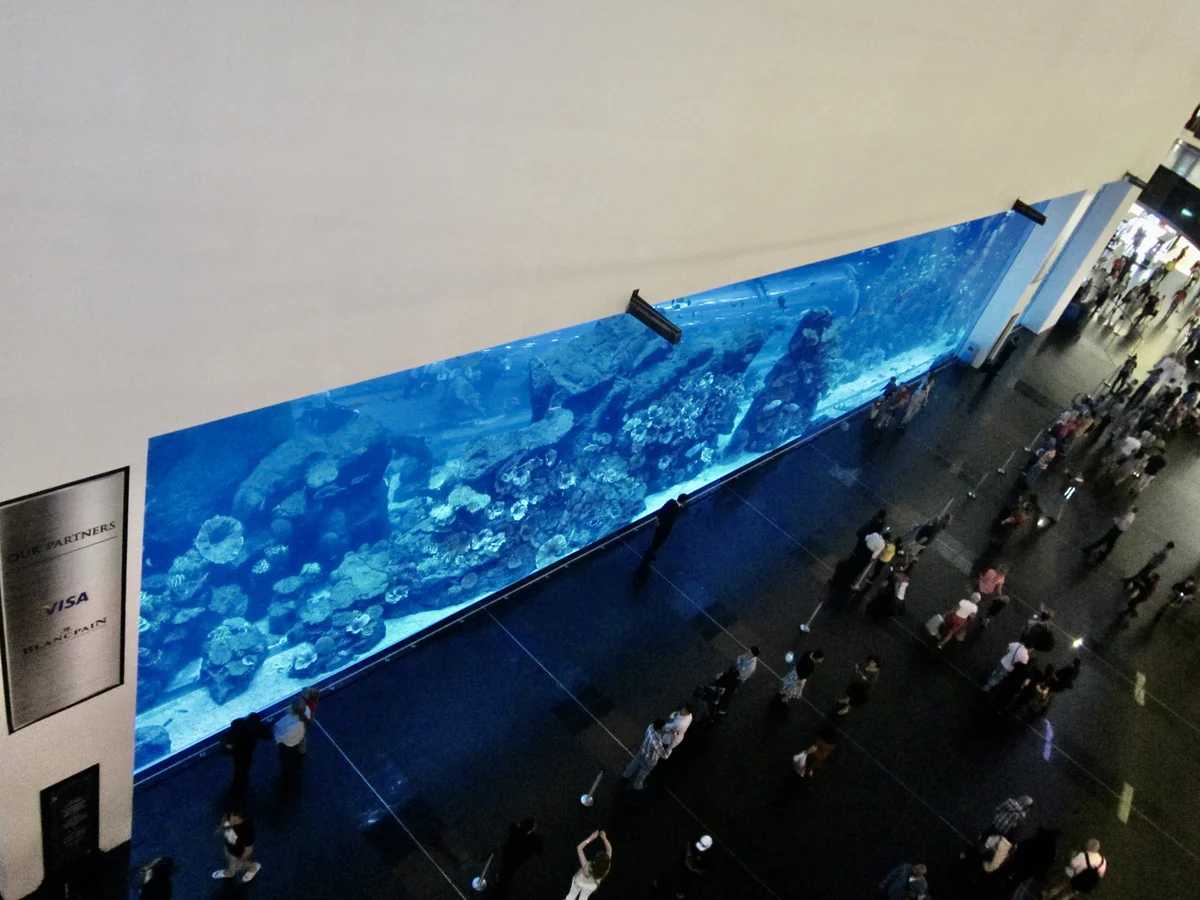
Architectural highlights and experiential spaces at Global Village Dubai.
From the standpoint of national symbolic value, Global Village Dubai rises above an ordinary entertainment venue to reflect the United Arab Emirates’ ethos of religious tolerance, cultural openness, and sustainable development. In a nation bringing together expatriates from more than two hundred countries and territories, the complex stands as a miniature emblem of an ideal multicultural society where indigenous Bedouin traditions resonate harmoniously with global human civilization. Country pavilions do more than display merchandise; they serve as informal cultural embassies where visiting artisans demonstrate folk arts firsthand—from intricate Persian hand-woven carpets and Levantine mother-of-pearl inlay to traditional dances from sub-Saharan Africa. Pairing pride in local roots with openness to global influences reinforces Dubai’s standing as an East–West bridge that eases geographic and cultural distance through the shared language of art, food, and heritage.
With respect to global influence, Global Village has pioneered multidimensional cultural-experience tourism, becoming a classic case study in destination management and intangible heritage preservation. Its draw is confirmed by record annual attendance welcoming millions of visitors from around the world each season, ranking it among the largest family entertainment destinations in the Middle East and North Africa. The model’s success lies in building a circular cultural-economic ecosystem where indigenous knowledge is thoughtfully commercialized to support creative communities worldwide while giving anthropological researchers a real-world living laboratory of cultural exchange in the digital age. Through this, Global Village Dubai stands not only as an engineering achievement on demanding desert terrain, but also as lasting proof of humanity’s desire to connect, bridge geography, and honor enduring world heritage within contemporary history.
Situated on the southern desert plain of Dubai in the United Arab Emirates, Global Village Dubai is not merely one of the world’s largest multicultural entertainment and retail hubs; it is also a standout feat of twenty-first-century urban planning and construction engineering. To build a globally iconic architectural ensemble atop the arid, fine-grained sands of the Arabian desert, geotechnical engineers and urban planners had to carry out rigorous ground-improvement strategies. Geologically, the site rests on late Holocene sediments made up largely of weathered quartz sand, evaporite salts, and subsurface saline mudflats (sabkha) with weak mechanical properties prone to deformation under heavy loads. Consequently, pre-construction required advanced ground-stabilization methods—including deep dynamic compaction, friction bored piles, and chemical grouting—to stabilize subsoil before any concrete or structural element was set in place. Mastering this desert geology laid a firm foundation for raising a miniature world of dozens of complex structures blending modern engineering with traditional forms from across continents.
Global Village Dubai’s master plan follows a radial spatial axis and symbolic geographic zoning that reflects today’s world map while blending into a mythical Eastern design language. Across a vast planned area surpassing 1.6 million square meters (over 160 hectares), space is clearly organized into key functional zones—including country pavilions representing dozens of nations, the Carnaval funfair zone, outdoor performance stages, artificial water features, and underground logistics routes. Rather than rigid industrial grids, the layout curves organically along pedestrian promenades echoing the flow of human cultural currents. Each participating country has its own architectural setting evoking landmarks, historical motifs, and cultural emblems through carefully detailed facades—from Central Asian onion domes and intricate Indian woodwork to Mediterranean fortresses and East Asian temple forms—arranged for a seamless visual journey across space and time in just a few steps.
In terms of distinctive construction methods, Global Village Dubai acts as a living showcase of pairing traditional materials with advanced modern composites. Because of the seasonal nature of operations—where structures may be dismantled, reconfigured, or upgraded periodically between seasons—engineers rely heavily on modular prefabricated assemblies paired with high-strength steel frames. Primary structural steel frames are engineered to withstand strong desert winds and sharp day-to-night temperature swings, while exterior claddings use lightweight composites, fiber-reinforced polymer (FRP), and specially heat-treated timbers resistant to airborne salt corrosion. Faux-antique walls, fortress towers, and ornate reliefs are not built from heavy traditional masonry, but precast using high-density foam molds coated with glass-fiber-reinforced concrete (GFRC)—preserving crisp carved detail while minimizing loads on temporary foundations.
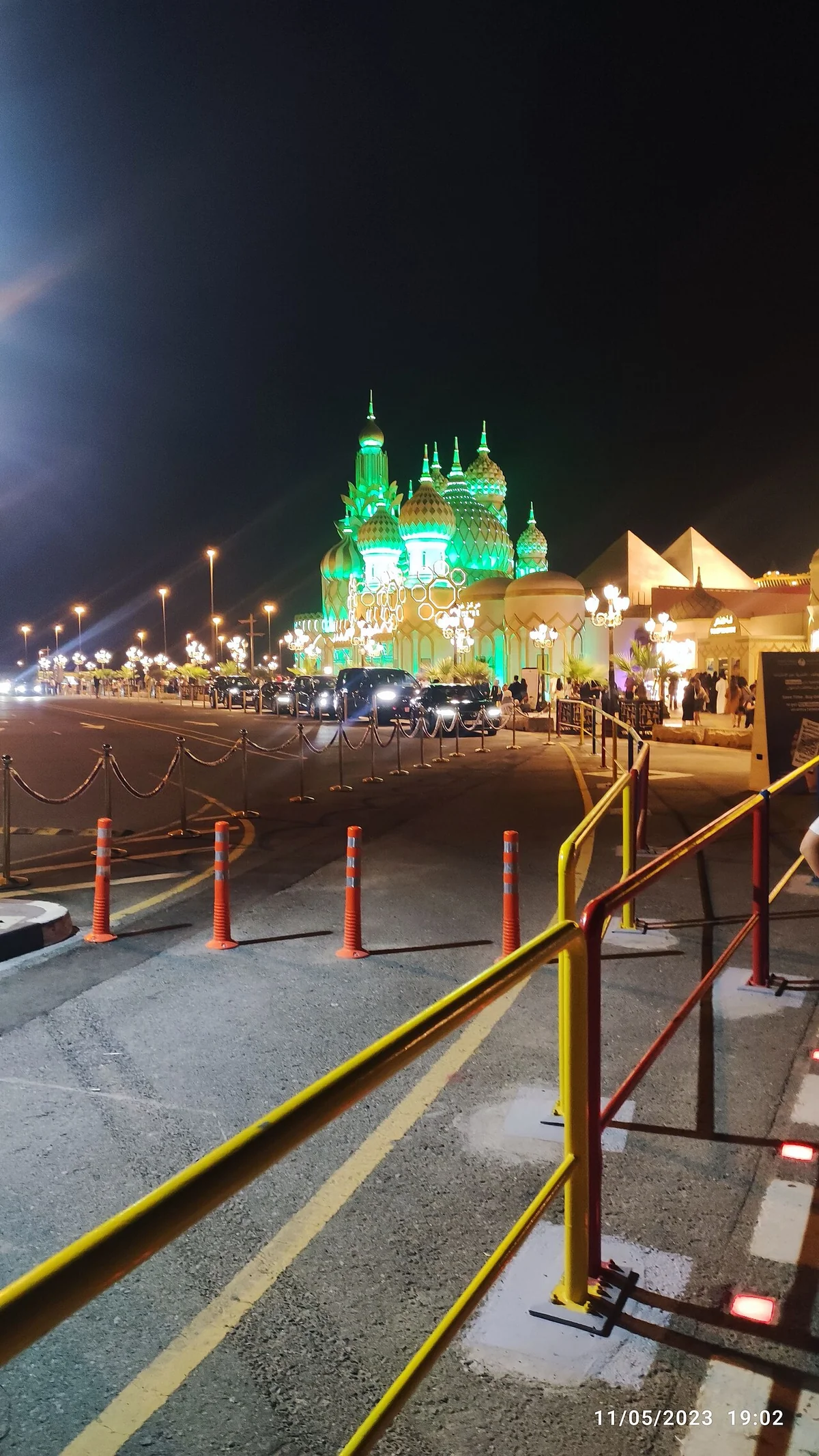
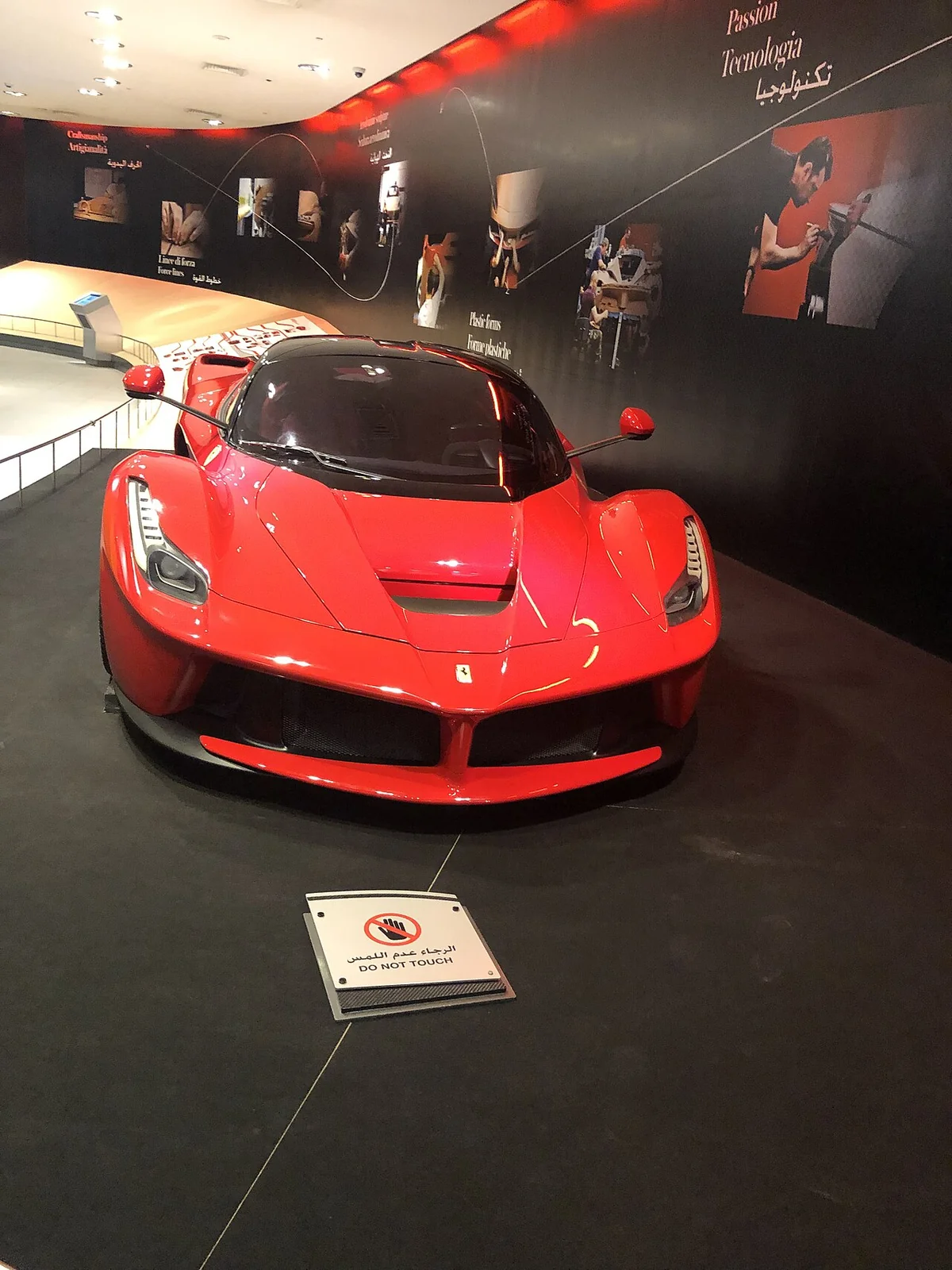
An engaging exploration spot drawing large crowds at Global Village Dubai.
Carving and surface finishing here bring together thousands of skilled artisans from around the world working alongside precision mechanical engineers. Traditional Arabesque geometry, Mughal-style wood carvings, and large murals depicting European legends are crafted on-site or prefabricated under close oversight from heritage art specialists. Structural systems for signature entry gates and large pavilions rely on finite element analysis (FEA) to ensure stability under wind loads and crowd movement. Load-bearing columns are anchored with underground tension cables, while wide domes use aluminum space frames to span large areas without interior columns, opening up spacious interiors for retail displays and live performances.
In physical scale and operational capacity, Global Village Dubai demonstrates substantial large-scale urban management. Key structures rise from fifteen meters to over forty meters tall, with signature towers and main gateways standing like cultural beacons in the desert. Underground utilities include dedicated substations, closed-loop water systems, semi-centralized cooling for enclosed service areas, and smart lighting integrated with solar technology. For crowd capacity, Global Village Dubai can host tens of thousands of visitors simultaneously during peak hours, serving millions of domestic and international guests across its roughly six-month season. Traffic flow and parking are planned systematically with large lots holding tens of thousands of vehicles and clearly laned internal roads, keeping visitor and logistics movement smooth and affirming its standing as a major cultural-heritage landmark.
Amid the vast Arabian desert, where modern rhythm meets millennia of human history, Global Village Dubai stands as a contemporary wonder and a living museum capturing a broad panorama of global culture, art, and spirituality. More than a large-scale entertainment complex, it is an architectural study where spatial craft takes shape through finely carved details, careful re-creations of historic artifacts, and respect for deep philosophies from dozens of nations. Stepping through imposing gates, visitors enter a timeless realm where past and present meet and ancient legends come alive through iconic structures and cultural motifs.
Examining the architecture of the Middle Eastern and Islamic cultural zones at Global Village reveals plaster and fine wood carving executed with high precision. Sections representing ancient Egypt, legendary Persia, and Saudi Arabia follow flexible geometric principles and strict symmetry rooted in Islamic art. Broad walls coated in smooth white plaster carry hand-carved arabesque motifs flowing in rhythm to symbolize cosmic cycles and eternal beauty. Nothing feels random; every corner hints at order and infinity. Artisans use deep relief carving on teak and sandalwood to craft *mashrabiya* lattice screens that temper desert sun, shield interiors from prying eyes, and cast shifting patterns of light and shadow across cool marble floors.
Moving deeper into areas displaying historical replicas and antiquities, Global Village’s cultural depth is reinforced by reproductions and pieces of archaeological significance. In sections showcasing Mesopotamian and Egyptian heritage, reconstructed cuneiform tablets, gilded sarcophagi bearing the Eye of Horus, and reliefs depicting pharaonic campaigns sit under soft lighting that evokes the quiet solemnity of tombs in the Valley of the Kings. Rather than mere decor, these pieces embody ancient spiritual worldviews in which people sought connection with deities through elaborate funerary rites and protective amulets, each carrying stories of power, immortality, and ancient quests to conquer death.
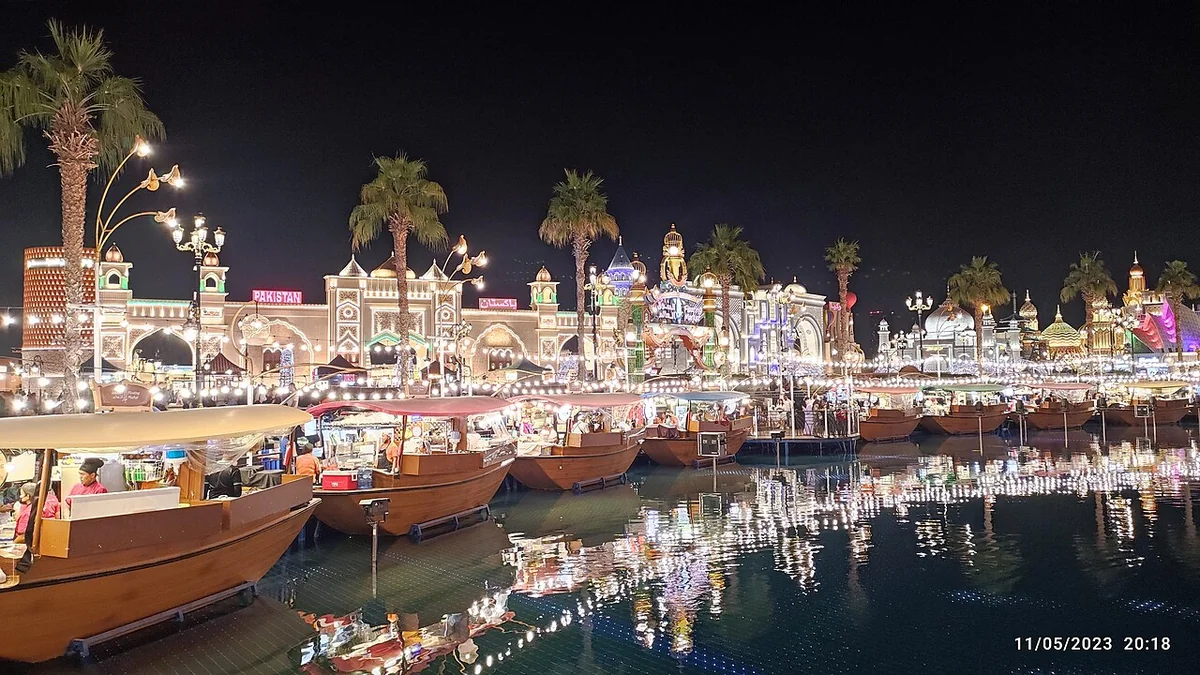
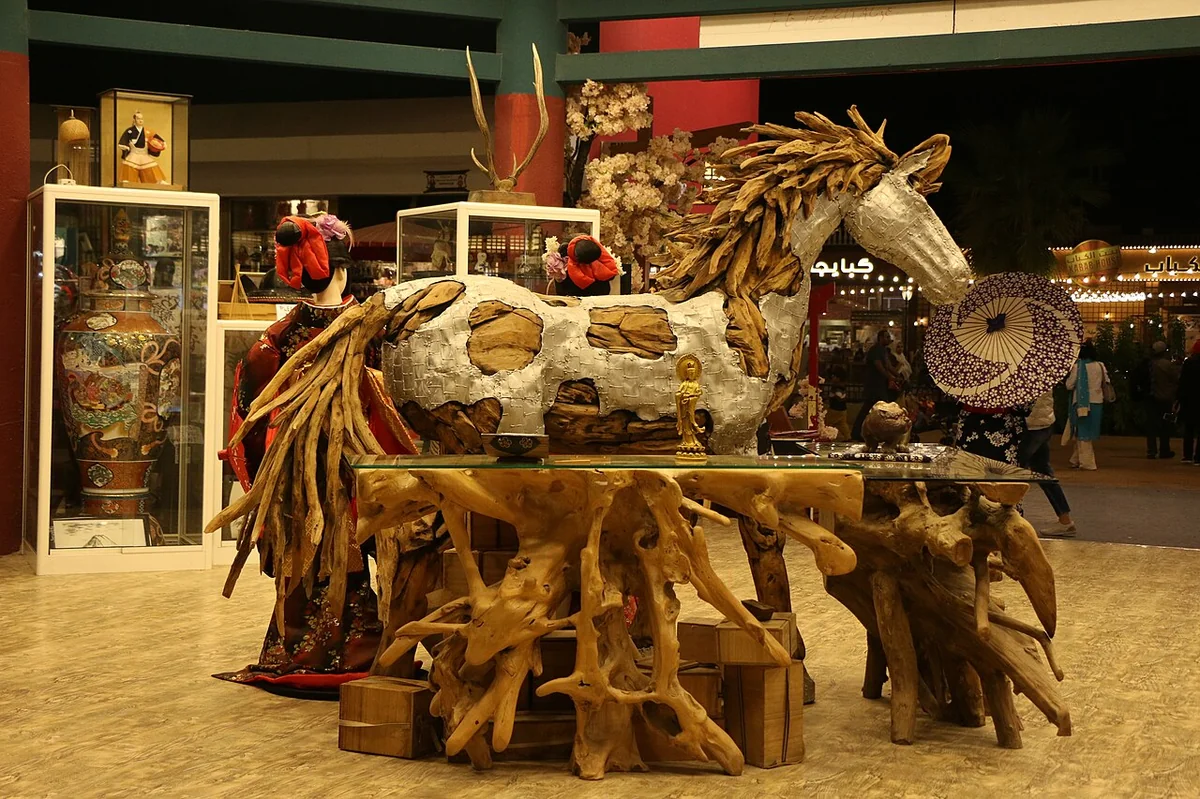
Close-up view of distinctive design details at Global Village Dubai.
Turning toward East and South Asia, the architectural mood shifts smoothly to sweeping tiled roofs, crimson lacquered columns, and carved dragons and phoenixes. In areas highlighting Chinese and Indian traditions, stone and wood sculpture reaches vivid realism. Gilded Buddha statues with serene, compassionate expressions—embodying detachment and awakening—rest inside halls inspired by Tang-dynasty architecture and Ajanta cave temples. Drifting cloud motifs and blooming lotuses on stone pedestals signify purity and karmic cycles, while hand-painted silk panels along corridors recount epics like the *Mahabharata* or *Journey to the West*, bringing to life folk tales of courage, sacrifice, and good versus evil in Eastern imagination.
The European and American sections at Global Village strike a very different chord, where granite carving, stained mosaic glass, and classical Baroque and Gothic motifs appear in scaled interpretations of cathedrals and medieval castles. Stained-glass rose windows, when pierced by desert sunlight, turn interiors into luminous spaces filled with shifting color. Limestone reliefs highlight classical motifs and Greco-Roman figures such as trident-bearing Poseidon or poised Athena. Placing Western architectural landmarks beside Eastern shrines creates a distinctive cultural blend where geographic lines soften into a respectful dialogue among civilizations.
At the heart of Global Village’s spirit lies cultural and spiritual depth woven into corners of its country pavilions. Shrines, prayer spaces, and ceremonial settings are built with care for local traditions rather than empty spectacle. In the Gulf pavilion, for instance, a traditional *majlis* reception space is arranged with patterned woven rugs, a brass *dallah* coffee pot, and the warm scent of *oud* incense—serving not just as a gathering spot, but as a space honoring hospitality, a core Bedouin desert value where every guest is welcomed like family under divine protection.
Legends and folk histories tied to the architectural wonders here are retold through contemporary light and sound installations. Visitors seem to hear the whisper of desert winds through tales of Scheherazade from One Thousand and One Nights when standing before a Persian palace glowing with turquoise lights. Or, when strolling through the zone evoking the Silk Road, travelers can almost feel the footsteps of brave merchant caravans crossing treacherous white sands to carry silk, spices, and philosophy from East to West. Myths of lost treasures, oasis guardian deities, and ancient curses are woven skillfully into the spatial layout, turning every step of exploration into a spiritual journey back in time toward humanity’s roots.
Ultimately, the spatial essence and carving artistry at Global Village Dubai go beyond replicating physical forms to celebrate human intellect, skill, and the pursuit of timeless beauty across historical eras. Relics and architectural wonders here act as bridges linking generations, cultures, and faiths around the world. Amid a hyper-modern metropolis reaching toward sea and sky, this space still preserves
As the sun begins to cast its final warm golden rays across the vast Arabian desert, a mystical transformation settles over Global Village Dubai, marking the close of a quiet day and giving way to an endless, vibrant world of festival life. Here, the meeting of human cultures goes far beyond grand architectural replicas or intricate handicrafts; it truly awakens through a surging rhythm of travel—a sensory harmony played out with all the warmth of people arriving from across the globe. Late afternoon across this monumental cultural complex brings the signature amber light of the Gulf, casting domes through a prism of nostalgia and anticipation as tens of thousands of visitors from around the world stream toward gateways rich with indigenous architectural motifs, eager to embark on a global journey within just a few short hours brimming with deep cultural reflection.
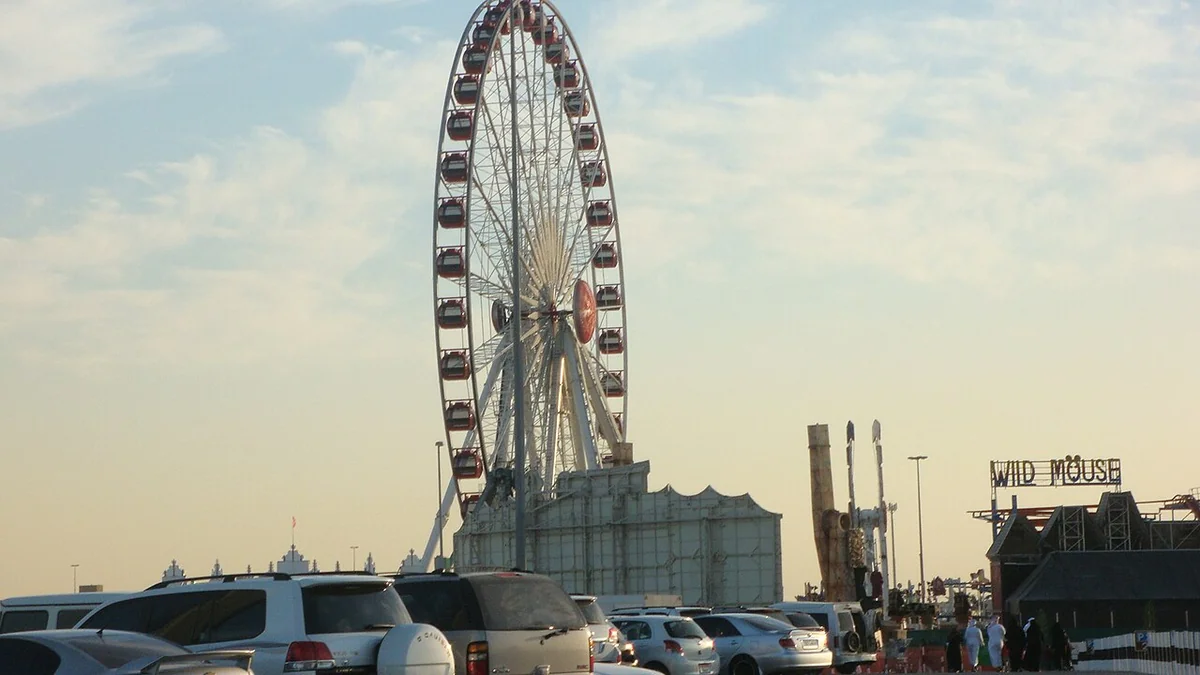
Lively rhythm and visitor spaces at Global Village Dubai.
The arrival of twilight is also when human senses are awakened most vividly by culinary aromas wafting from hundreds of pavilions representing nearly a hundred countries and territories. Space at Global Village now becomes a living museum of scent and taste, where the rich fragrance of cinnamon, star anise, and cloves from the Indian subcontinent blends with the creamy aroma of dairy in traditional Middle Eastern pastries, or the fresh, delicate flavors of East Asian cuisine. Visitors can clearly feel the pulse of local life in how vendors bustle to prepare homeland street foods, from warm South American arepas to traditional Ethiopian coffee-roasting stations billowing with fragrant steam. Food sizzling in hot pans, children’s joyful laughter, and welcoming calls in every language on earth create a bustling yet vibrant soundscape—proof of a miniature human community beating as one joyful heart beneath the glittering night sky of the emirate of Dubai.
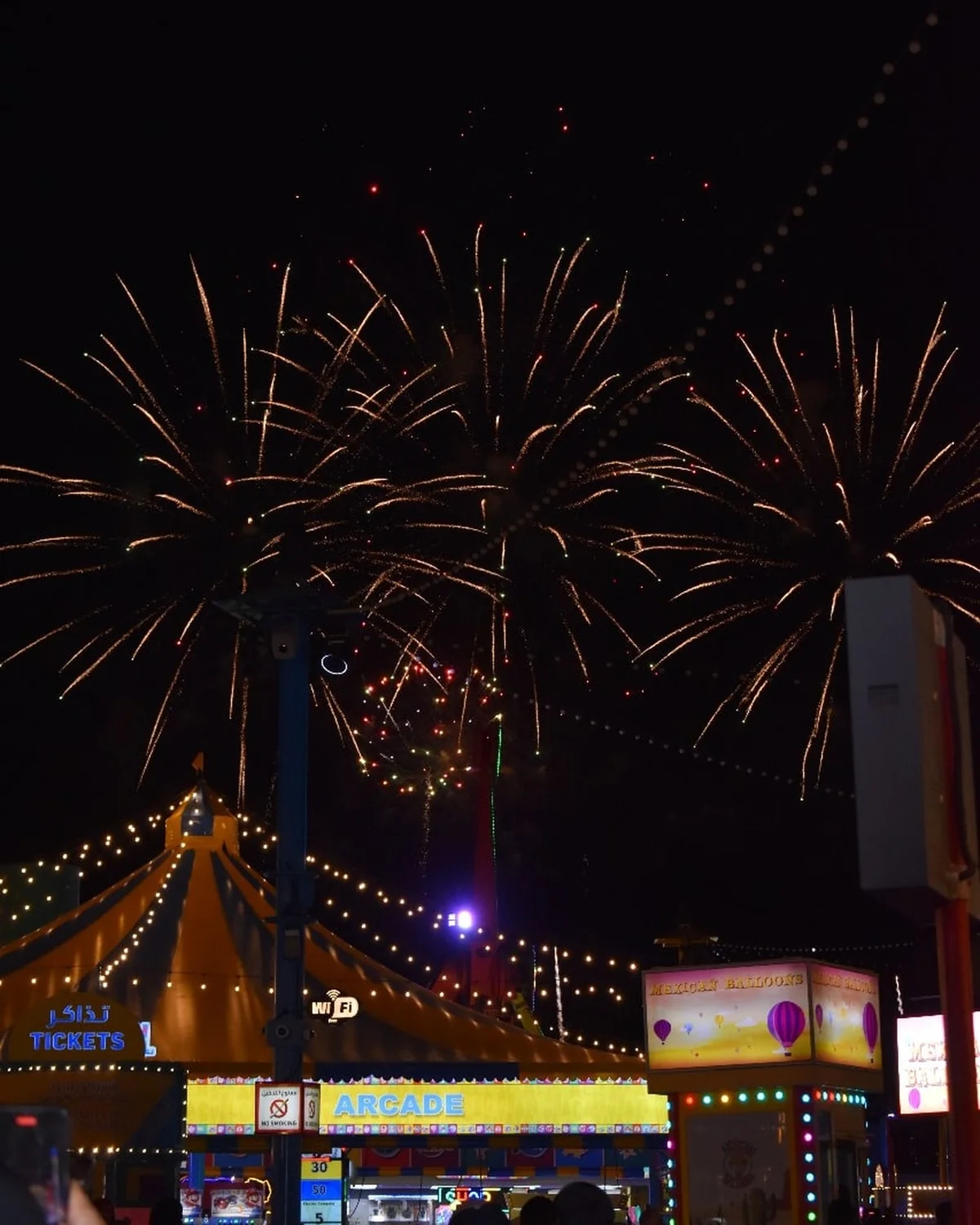
Once nightfall officially drapes its velvet curtain across the desert sky, Global Village transforms into a capital of light and top-tier performing arts, where modern technology blends seamlessly with traditional folk artistry. Millions of LED lights arranged artfully along streets, domes, walkways, and landmarks turn the expansive grounds into a sparkling galaxy brought down to earth. At the heart of nightlife is the central lake and grand stages, hosting some of the world’s most spectacular live multimedia shows. Musical fountain performances paired with laser light, high-altitude fireworks, and artistic fire effects—choreographed over sweeping symphonic scores—tell the story of Dubai’s founding and rise while celebrating the rich diversity of human civilizations through traditional dances from Spanish flamenco and mysterious Arabian belly dance to energetic contemporary folk dances of youth.
Alongside the main stages, local life and sensory experiences are delicately recreated through interactive street shows that carry visitors back in time to ancient Silk Road markets. Stilt walkers in dazzling costumes embody mythological figures, while colorful parades with drums, gongs, and brass horns sweep along main avenues, drawing crowds into an uninterrupted carnival spirit. At national cultural showcases, visitors can watch local artisans by hand weaving traditional Persian carpets with calloused yet nimble fingers, or hear hammers striking metal to shape finely engraved brass lanterns. Authenticity in every everyday detail bridges the gap between traveler and local, making everyone present part of a global cultural story written second by second.
To take in the full majestic sweep of this miniature world, choosing prime vantage points is an essential part of the art of exploration for discerning adventurers. Among the observation spots most highly rated by travel professionals are elevated viewing decks or restaurants and cafes with balconies facing directly onto the central lake and main international pavilions. From this perspective, once night reaches its deepest hush, visitors can behold all of Global Village like a vast mosaic illuminated by millions of artificial stars. Light shimmers across the still lake while crowds move like multicolored silk ribbons winding past historic streets modeled after Baghdad, Cairo, Rome, and Kyoto—forming an awe-inspiring visual panorama where time seems to stand still as people immerse themselves in the beauty of unity and cultural exchange.
Travel life at Global Village Dubai is therefore more than mere pastime or shopping; it is a deep journey of consciousness where the senses are stimulated to their fullest through sound, aroma, touch, and sight. Through every corner, every melody rising from open-air stages, and every burst of laughter around multinational tables, the hospitality of the Gulf people and reverence for human heritage come through clearly. As hours grow late, the cultural village’s energy never fades, seeming instead to warm even further amid evening melodies, leaving a lasting echo in every visitor’s mind of a vibrant space where the whole world draws closer under a shared roof shining with friendship and mutual understanding.
Vivid real-world experiences for visitors at Global Village Dubai.
Sitting at the crossroads of ancient and modern trade empires, the culinary tapestry surrounding Global Village Dubai is far more than a collection of dishes satisfying the palate; it is a living chronicle written in flavor, spice, and fire. Long serving as a vital trade bridge between East and West where historic spice routes converged, this land has forged a highly syncretic food culture while preserving its original identity. The culinary culture around Global Village faithfully reflects the rhythm of the Arabian Peninsula—where harsh desert meets ocean abundance—while absorbing refinements from Persia, India, the Levant, and North Africa over centuries of cultural exchange. Every dish here tells a story of survival adaptation, centuries-old hospitality, and a life philosophy embedded in carefully selected spices.
Stepping deeper into the region’s signature local flavors, one is immediately drawn to traditional meat-and-rice cookery that has reached the stature of intangible heritage. Machboos—also seen in regional variations such as Mandi and Al-Madfoon—exemplifies refined cooking that harnesses earthen heat and natural wood smoke. Cuts of young lamb or camel marinated in a secret spice blend of saffron, cloves, cinnamon, cardamom, and dried loomi lime are slow-braised in large copper cauldrons or buried deep beneath glowing embers in smoldering clay pits for hours on end. Long, fragrant Basmati grains are cooked in the rich broth extracted from the meat and lamb fat, yielding complex yet remarkably harmonious layers of flavor. This technique not only tenderizes the toughest cuts completely, but also locks in full nutritional value—testament to the deep ingredient mastery of generations of desert cooks who knew how to turn scarcity into supreme abundance.
Alongside hearty dishes rooted in nomadic tradition, breads and grilled specialties around Global Village open up an enchanting craft world. Paper-thin Regag bread, cooked directly on a curved iron griddle called a tava and paired with beaten egg, local cheese, and sweet date honey, creates a burst of flavor contrasting crispness and tenderness. Meanwhile, sweet treats like Luqaimat—crispy golden fried dough balls glistening with dibs date syrup and sprinkled with fragrant toasted sesame—symbolize prosperity and blessings at the start of spring or during major community festivals. Pastry craft here demands total dexterity from the maker’s hands, from kneading dough to the rhythm of spreading batter across hot iron, following strict oral traditions passed down across generations in local families.
No discussion of culinary culture here is complete without family traditions of tea and coffee—diplomatic and ritual customs carrying deep spiritual meaning. The traditional dallah pot with its long, sweeping spout is more than a brewing vessel; it is an enduring emblem of Arabian hospitality. Gahwa coffee, lightly roasted to a pale gold, ground fine with fresh cardamom pods, and simmered in a brass pot, is served to honored guests in small handleless cups called finjan. Pouring follows strict rules of ancestral etiquette: the host always holds the pot in the left hand and pours with the right, adding just enough to coat the bottom of the cup to honor the guest, while a gentle twist of the cup upon receiving signals polite satisfaction. Accompanying gahwa’s refined bitterness and herbal notes are sweet dates from lush oases, creating a balanced yin-and-yang harmony in desert gastronomy.
Exploring flavors around Global Village also leads diners into bustling food lanes and open-air markets where past and present intertwine vividly. In old-quarter lanes evoking bayside trade, scents of raw spices—such as Iranian saffron threads, Damask rosebuds, Omani frankincense, and Egyptian cumin—mingle with salty sea breezes. Traditional street stalls serve skewered grilled meats, corn roasted with scallion oil, and slow-simmered lentil soups topped with crispy fried shallots for diners enjoying the lively atmosphere standing up. Here, boundaries between locals and international visitors dissolve around low outdoor wooden tables, where people gather to share generous mezze plates of silky hummus, smoky moutabal, and tangy rice-stuffed grape leaves rich with Mediterranean flavor.
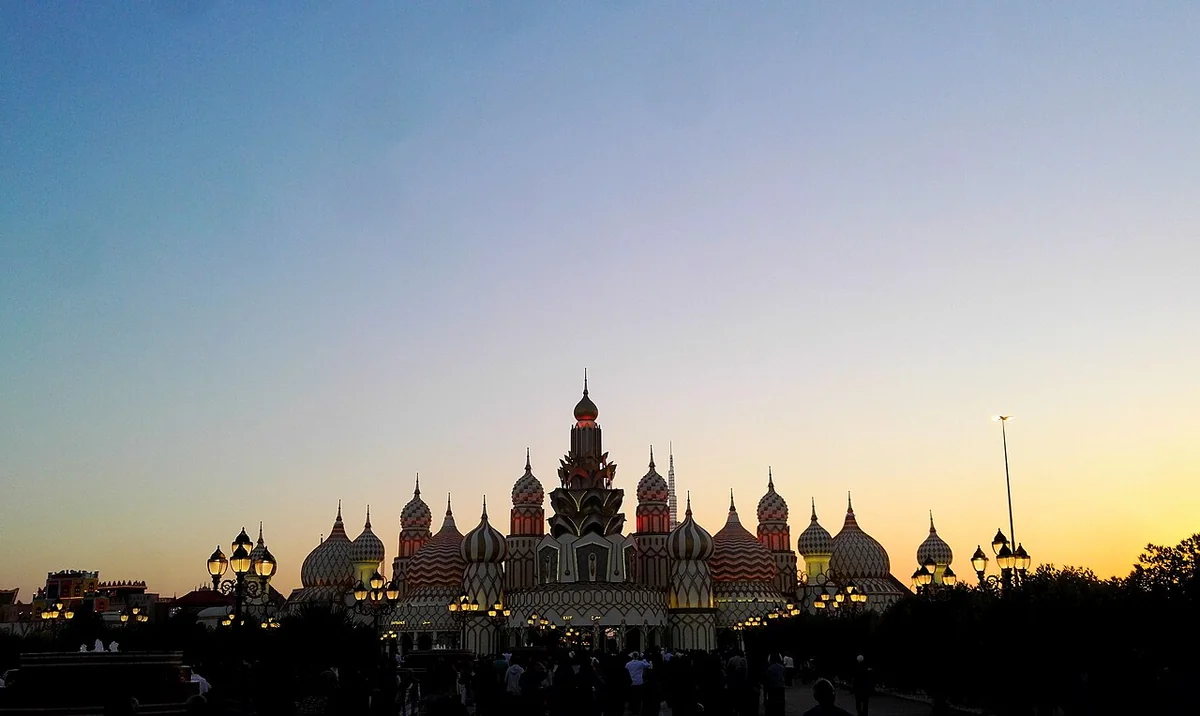
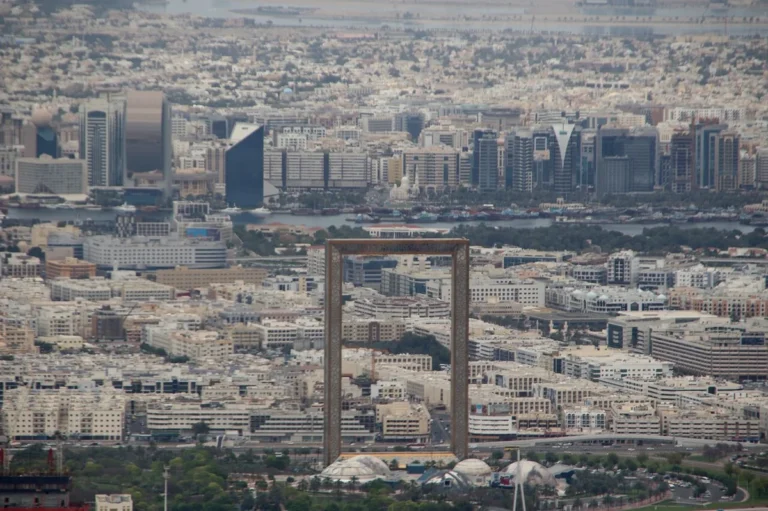
Sweeping view overlooking the modern face of Global Village Dubai.
Refinement in the region’s secret culinary craft also shines in how it handles seemingly simple ingredients that require immense patience. Harees, a meat-and-wheat porridge symbolizing togetherness during major holidays, calls for pounding soaked wheat together with lamb or chicken inside massive stone mortars for hours until the mixture turns silky smooth, seasoned minimally with salted butter and ground cinnamon to let the ingredients’ natural sweetness shine. Meanwhile, refreshing drinks made from fermented camel milk paired with wild chamomile honey or freshly squeezed pomegranate juice show deep understanding of local ecology, helping people adapt seamlessly to harsh, arid desert conditions.
Taken together, the culinary landscape around Global Village Dubai goes far beyond supplying nourishment to become an anthropological art form preserving the collective memory of an entire region. Through family recipes kept across centuries, every cardamom-scented coffee bean, and every golden syrup-glazed pastry, the community continues writing the proud story of its food culture. It is a culture that treasures nature, prizes fellowship, and stays open to new cultural currents—turning every meal into a ritual honoring human heritage across time.
Global Village Dubai has long stood as a singular cultural and entertainment wonder, bringing together artistic, architectural, and culinary highlights from dozens of countries across every continent. To fully appreciate the grand scale and multicultural spirit of this place, mastering practical guidance on timing, transport, etiquette, and on-the-ground tips is essential for any global traveler. At heart, Global Village is more than a typical commercial fair or amusement park; it is a human cultural crossroads crafted within the Arabian desert, calling for thoughtful preparation so exploration reaches its fullest and deepest resonance.
Dubai’s climate plays the leading role in shaping this complex’s operating calendar, as Global Village does not open year-round but runs seasonally—typically starting each October and closing at the end of April or early May the following year to avoid scorching desert summer heat. During this season, weather turns mild and pleasant, with nighttime temperatures ranging from 15 to 25 degrees Celsius, creating ideal conditions for outdoor sightseeing. November through February is widely regarded as the golden window, when nights carry a gentle coolness—perfect for strolling unhurriedly past grand replicas of world landmarks like a miniature Eiffel Tower, an enchanting Taj Mahal, or European fairy-tale villages without enduring extreme heat.
As for time of day, Global Village’s gates open in late afternoon, generally running from 4:00 PM until midnight or the early hours of the next morning depending on the day of the week. The ideal moment to step inside is right as sunset settles over the desert sky, when soft golden-orange light illuminates colorful pavilions with a nostalgic, magical glow. Once darkness falls, millions of LED lights switch on, turning the entire complex into a sparkling galaxy complete with light displays, musical fountains, and dazzling fireworks. Avoid arriving in the earliest opening hours if you wish to skip lingering harsh sun, and keep in mind that 6:00 PM to 9:00 PM is consistently the busiest window, bringing lively energy while calling for patience when moving through national pavilions.
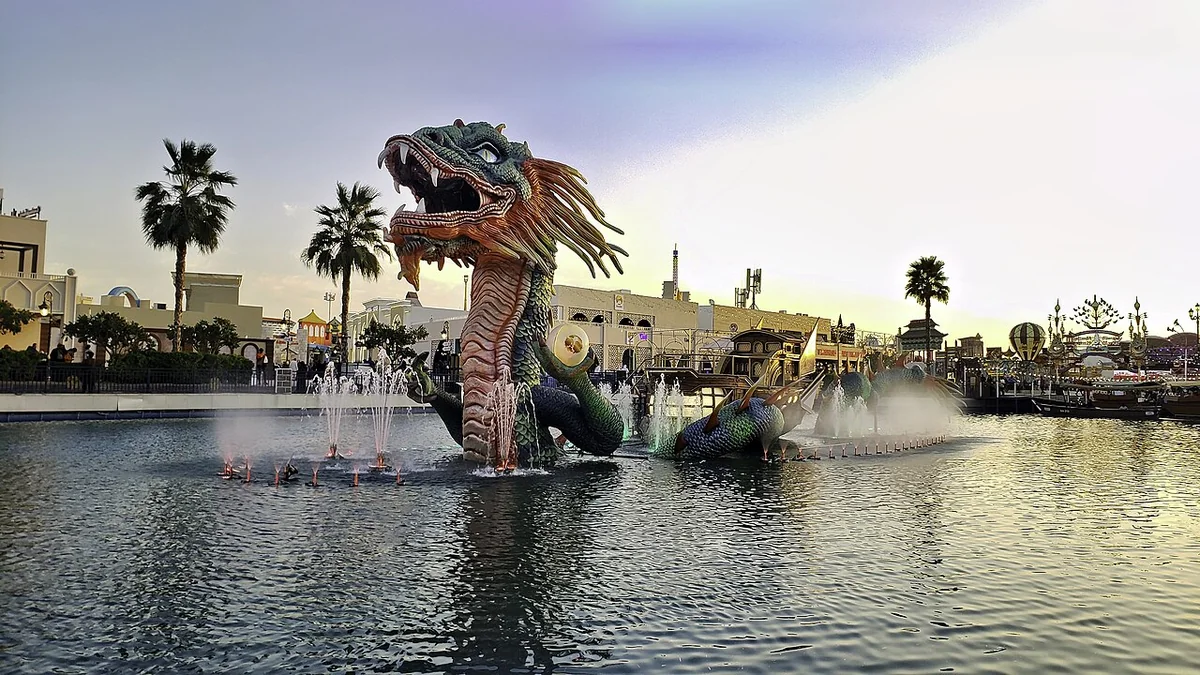
Real-world destination space and visitor reception infrastructure at Global Village Dubai.
Pinpointing the best way to get to Global Village requires careful thought because the complex sits along Sheikh Mohammed Bin Zayed Road, well away from the bustling urban core. Although Dubai’s modern Metro does not have a station right at the Global Village gate, visitors can easily pair the Metro with dedicated public bus routes to save money. Special bus lines—such as Route 102 from Al Rashidiya Metro Station, Route 103 from Union Station, Route 104 from Al Ghubaiba Station, and Route 106 from Mall of the Emirates Station—run frequently throughout the operating season, taking passengers straight to the main entrance reliably and on schedule. For those who prioritize privacy and schedule flexibility, ride-hailing apps or traditional taxis are convenient choices, though fares will be noticeably higher—especially during peak hours when surging traffic around massive parking lots holding tens of thousands of vehicles can cause localized congestion.
Admission ticket prices for Global Village are widely considered very budget-friendly compared to the grand scale of experiences on offer, typically set at a token basic entry rate with special concessions for children under three, seniors, and people of determination. Visitors can buy tickets directly at the gate or book ahead through official online platforms to avoid long queues on weekends or major local holidays. Keep in mind that standard admission covers entry to national pavilions, street performances, and community music areas, whereas thrill rides in the Carnaval zone, high-octane Stunt Show performances, or select special exhibits require separate tickets or loading credit onto a dedicated game card. Planning your budget and shopping ahead will help you get the most out of your visit without surprises from extra expenses.
Cultural etiquette and dress codes at Global Village, while not as strict as when entering solemn mosques, still require visitors to show respect for the moral and social standards of the Emirate of Dubai. Regarding attire, although the destination welcomes millions of international visitors dressed in a wide variety of styles, choosing modest, respectful clothing that covers the shoulders and knees remains the golden rule to honor local culture and avoid unwelcome glances. Bringing along a light jacket or shawl is a vital practical tip, as once night falls and brisk desert winds combine with high-powered air conditioning inside certain indoor zones, temperatures can drop suddenly and feel quite chilly. In addition, overly intimate public displays of affection, using offensive language, or photographing local residents without prior consent are strict taboos that must be avoided throughout your visit.
Practical insider tips from seasoned travelers serve as the golden key to making every moment at Global Village smooth and unforgettable. First, wear genuinely comfortable, supportive walking shoes, as the sheer scale of the complex means visitors can easily log tens of thousands of steps just exploring pavilions spanning Asia, the Middle East, Africa, the Americas, and Europe. Carrying a personal bottle of water and a compact handheld fan also comes in very handy during the early afternoon hours. On the culinary front, Global Village is a true paradise of world cuisines, where travelers can savor everything from traditional Thai pancakes, fragrant Persian grilled meats, and sand-brewed Turkish tea to rich chocolate-dipped Spanish churros. Finally, keep the digital map or the printed map handed out at the entrance close at hand so you do not miss the dazzling fireworks displays held every Friday and Saturday evening—bringing an inspiring journey around this miniature world to a close and leaving unforgettable memories of a glamorous, welcoming, and culturally rich Dubai.