Tracing back through time to the distant years of the Ming Dynasty, when China experienced numerous historic ups and downs, along the northern slopes of the Mufu Mountain range in the southwest of modern-day Chibi City, Hubei Province, a commercial legend named Yangloudong Ancient Town (羊楼洞古镇) was officially born. Research from historical documents and ancient texts preserved to this day shows that this ancient town was founded during the Jiajing reign (1522–1566). Regarding the origin of its name, local history and culture researchers have debated extensively, with two main orthodox hypotheses standing out. On one hand, the topographical theory suggests that the name Yangloudong stems from the rugged and unique natural structure of the mountain valley. On the other hand—and this is the view most widely accepted by contemporary academia—the name is tied to a illustrious tea industry history. In its early days, this place concentrated a dense cluster of handicraft workshops specializing in producing and baking tea leaves, echoing far and wide, thereby shaping a name closely attached to the tea plant for centuries.
Entering its golden age under the Qing Dynasty, especially the latter half of the 19th century, Yangloudong transcended the boundaries of a small mountain town to rise as one of the busiest economic centers in central China. This prosperity was forged by a converging wave of powerful merchant consortia of the time, including illustrious trading houses hailing from Shanxi Province such as Shuntai and Juxingchuan in Yuci and Taigu, merchant guilds from Jiangxi, alongside the powerful presence of Russian merchants such as the Kublikov brothers. These foreign merchants brought revolutionary changes by boldly investing in, importing, and operating the most advanced steam-powered tea brick pressing machinery of the era. Thanks to this technological breakthrough, Yangloudong tea bricks not only satisfied domestic consumption but also followed merchant fleets across oceans, becoming a core link and the starting source of the legendary trade route known as the “China-Russia Great Tea Road” (华俄万里茶道) connecting Asia and Europe.
At its peak during the Ming and Qing Dynasties, the population scale and bustling activity of this ancient town astonished observers, gathering over 200 large and small tea firms operating tirelessly day and night, with a resident population exceeding 40,000—a colossal figure for a mountain urban center at the time. Thanks to its unrivaled standing in trade and economy, Yangloudong was dubbed “Little Hankou,” likened to a miniature version of the glamorous grand port of Hankou. Yet history never unfolded along a path of roses. The ancient town endured severe historical storms, notably the fierce devastation from the flames of the Taiping Rebellion. Nevertheless, with relentless vitality and a long-standing cultural tradition, locals courageously rose up, step by step restoring and rebuilding their homesteads. Regrettably, by the early decades of the 20th century, with the shifting of times as the Guangzhou–Wuhan Railway (粵漢鐵路) went into operation, inadvertently shaping new trade corridors, coupled with the brutal fires of the War of Resistance against Japanese Aggression, Yangloudong gradually faded into history, closing a brilliant yet bitter golden chapter.
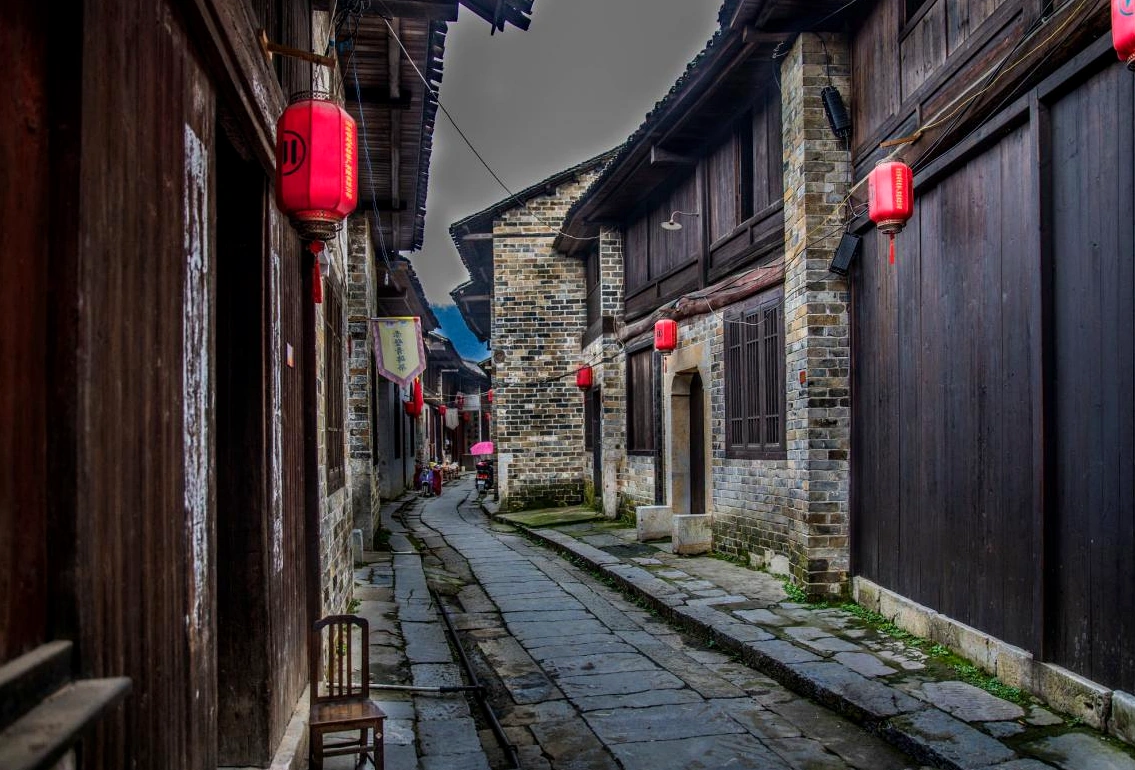
Today, even though the glory of its tea road commercial port era has faded into memory, Yangloudong quietly preserves its golden traces through highly valuable physical heritage. Walking along smooth bluestone-paved paths, visitors can still easily touch the past through a series of Qing Dynasty stelae and rock carvings (mo yan shi ke). Prominent among these are deep ruts left by tea-transporting horse carts carved into stone surfaces over hundreds of years, and the historic stele named “Strictly Prohibit Planting Tea Trees” (嚴禁栽茶樹碑)—living witnesses and invaluable historical documents testifying to a brilliant international trade period where Eastern and Western cultures once eagerly intersected amidst the green tea plantations of the Mufu mountains.
Tracing through pages of geographical research history, deciphering the space of ancient lands always grants travelers unexpected layers of knowledge regarding how ancestors conversed with and relied upon nature. Setting foot in a land bearing such nostalgic names immediately draws one into a unique spatial structure created by nature and human hands over centuries. Located on the northern slope of the Mufu Mountain range, right at the deliberate transitional junction between rugged undulating hills and the vast Jianghan plain, the land features a gentle downward slope from south to north. This topographical gradient created a continuous natural energy flow, serving as a solid foundation for successive generations of ancestors to shape a living space that is both isolated and miraculously harmonious with the surrounding ecological environment.
The process of location selection and spatial layout adhered strictly to traditional feng shui principles, demonstrated through a strategic triangle of elements: sitting against mountains, embracing water sources, and opening to expansive front views. In the rear, the settlement area leaned firmly against the tributary ranges of Songfeng Mountain, utilizing a sturdy natural fortress wall to shield against cold northern winds. Meanwhile, the facade faced directly toward the tributary system of the Shuangshui River, creating a winding water flow wrapping around like a soft silk ribbon gathering vital energy and prosperity. The architectural and transportation space here was planned along a distinctive linear structure, constituted by a main street axis running lengthwise, sandwiched between two ranges of hills and highlighted by stream channels babbling over pebble beds. This narrow and long valley arrangement forced urban space to develop vertically, creating high-density street rows that both thoroughly optimized scarce land between hilly regions and tightened community bonding within a cozy living space.
Notably, this enclosed valley topographical structure not only served as a clever planning solution but also accidentally generated a peerless microclimate within the region. Thanks to the shelter of surrounding hills combined with moisture rising from the hydrological system and tens of thousands of acres of lush bamboo forests, the area boasts a very small diurnal temperature range, with atmospheric humidity consistently maintained at ideal levels. This specialized microclimate environment has long served as a perfect ecological cradle for fermentation and aging processes of famous teas, turning ancient houses and linear streets into treasuries preserving the flavors of time. Every element—from land contours, wind directions, and water currents to architectural density—intertwined to form a sustainable socio-ecological entity, proving the grand vision of ancients in land selection and settlement art.
Stepping into the deep interior of the ancient architectural complex, distant travelers cannot help but marvel at an urban planning masterpiece and folk architectural art preserved nearly intact through the currents of time. The ancient architectural complex here is a living museum, testifying to peak cultural synthesis between the Gan architectural style (Gan pai) of the Ming and Qing Dynasties and traditional construction art characteristic of southern Hubei Province. Viewed overall from above, the spatial structure of this heritage area strictly adheres to traditional feng shui philosophy, following the natural terrain of the tea hill valley to form a seamless architectural ecosystem tightly bonding humanity and nature.
Housing here primarily utilizes two classic load-bearing wooden frame structures: the xuyên đẩu thức (pillar-and-beam frame) and hoành lương củng trĩ (tie-beam frame). Under the talented hands of ancient master carpenters, entire precious wood building frames were erected entirely through sophisticated manual techniques, absolutely without using a single iron nail. Joints and intersections between crossbeams and main pillars were fitted together using highly precise mortise-and-tenon techniques, granting structures high elasticity and strong resilience against weather fluctuations and seismic tremors. Walls enclosing houses were built using hand-fired green bricks produced locally, combined harmoniously with stepped undulating gable walls typically likened to galloping horses, serving to prevent fire spreading between rooms while creating unique visual aesthetics for the entire ancient street space.
The backbone axis connecting this entire spatial structure is the endless ancient Ming-Qing Bluestone Street (Minh Thanh thạch bản nhai). The core of this central road is paved entirely with smooth bluestone slabs (thanh ma thạch), maintaining a central width of about 3 meters, creating a well-proportioned, cozy corridor for commerce and community living. Across the surface of those ancient bluestone slabs, the marks of time remain clearly etched through tens of thousands of deep indentations, forming parallel running grooves. This serves as physical proof verifying bustling commercial intensity over centuries, formed by the weight of iron-wheeled single-wheelbarrows transporting fragrant tea bales from production areas to shipping ports. Through hundreds of years of rain and shine, the stone surface has grown smooth, reflecting dim light like a gray-silver silk ribbon winding to the rhythm of ancient building rows.
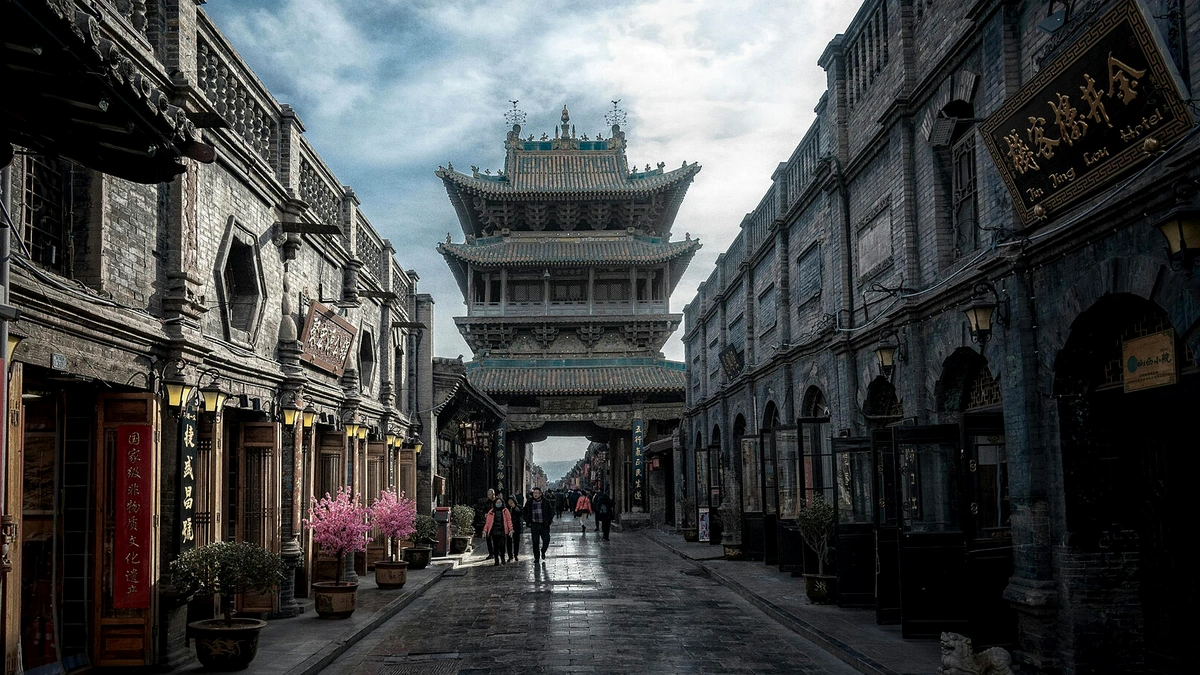
Beneath streets and individual house compounds, ancestors cleverly designed and constructed a modern, complete underground drainage system. This network functioned durably, helping collect and regulate rainwater runoff from roofs, thoroughly preventing flooding and keeping building foundations dry and stable across centuries. The current actual scale of the heritage is massive, with core historical architectural space spreading over tens of thousands of square meters, encompassing over a hundred large and small ancient houses closely linked. The space gathers diverse structural types bearing temporal imprints such as ancient tea stores (cổ trà hành), prestigious brands (tự hiệu), covered tea verandas (lương bằng), solemn temples, and traditional folk residences, all creating an authentic and archaeologically rich picture of ancient urban life.
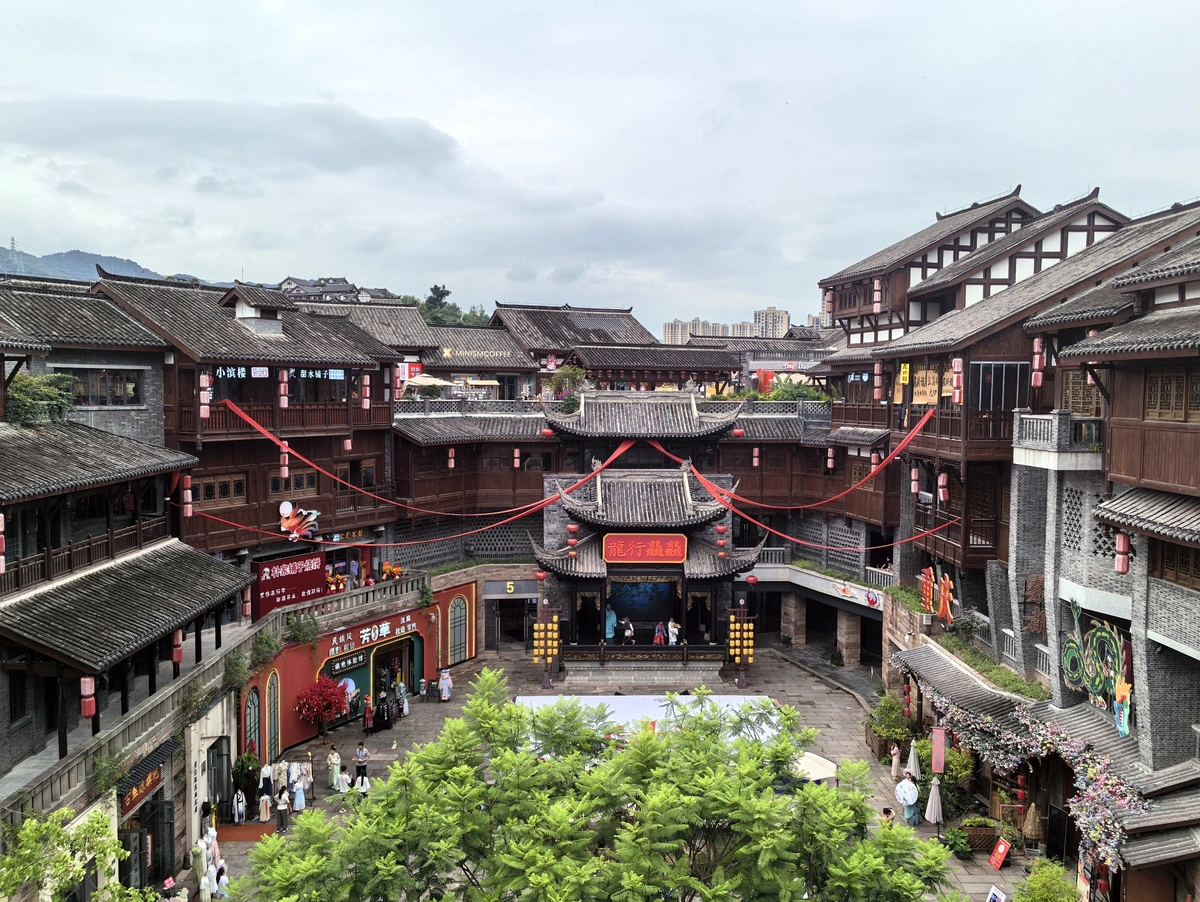
When night falls, casting magical velvet ribbons over the calm waters of the Giethoorn car-free fairy tale village, the area does not sink into the quiet slumber of a purely rural countryside, but transitions into a legendary dimension where nighttime life bears deep marks of art and nostalgia. Completely distinct from the glaring, noisy neon urban lights, nighttime lighting design in Giethoorn strictly adheres to the “low-interference, high-ambiance lighting principle.” Instead of harsh high-pressure floodlights, specialized warm LED lighting systems under 3000K are cleverly arranged in combination with traditional lanterns simulating ancient oriental styles. Under the talented hands of lighting engineers, this gentle warm light does not blind observers but softly strokes and outlines the soft curves of century-old thatched-roof houses, reflecting arched wooden bridges and intricate canal systems that were already poetic by day, making them even more magical as if stepping out of Andersen’s pages or Nordic epics.
Evenings in Giethoorn are also when contemporary cultural and artistic appreciation spaces blend into one, creating a complete sensory feast for travelers captivated by this land. Walking along pebble-paved canal paths or sitting quietly on a manual boat drifting down calm waters, visitors encounter lighting performances and advanced 3D mapping projection techniques cleverly integrated into ancient stone walls or quiet waters. These modern display technologies vividly recreate heroic historical slices, from caravans with camel trains hauling goods on ancient tea roads to bustling labor rhythms of artisans beside looms or pottery kilns. This space not only awakens vision but also stimulates rich imagination, turning each visitor’s step into a journey traveling back in time to indigenous cultural roots.
The pinnacle of nighttime experiences in Giethoorn is community art performance spaces and grandiose live outdoor shows held regularly. When night reaches absolute silence, the outdoor waterside live stage lights up with flickering torches, faithfully recreating the epic “Giethoorn – the synthesis of water and fire” along with historical situational plays vividly portraying the golden age of tea merchants, stories of generational artisan families keeping traditional crafts alive, or folk dances bearing the breath of European countryside. Alongside this, live demonstrations of traditional handicraft techniques like pottery, weaving, or native tea blending are organized regularly, allowing visitors to move beyond mere observation to directly touch, experience, and deeply understand the soul of a living fairy tale village where past and present coexist harmoniously in every heartbeat of time.
Tracing back through the cultural and culinary history of this ancient land, every gustatory experience anchors onto a deep sedimentary imprint named “Tea,” the heritage that shaped economic lifelines and spiritual lives of generations of locals. Situated amidst ancient wooden houses and mossy stone pathways polished by footsteps over time, culinary culture here is not merely an accumulation of daily meals, but a symphony composed of nature’s essence, pure spring water sources, and ancestral recipes preserved across centuries. Warm hearth fires never grow cold, exuding rich aromas blending mountain mists with local produce flavors, inviting any distant traveler to long for an original cultural space fading away in the outside modern world.
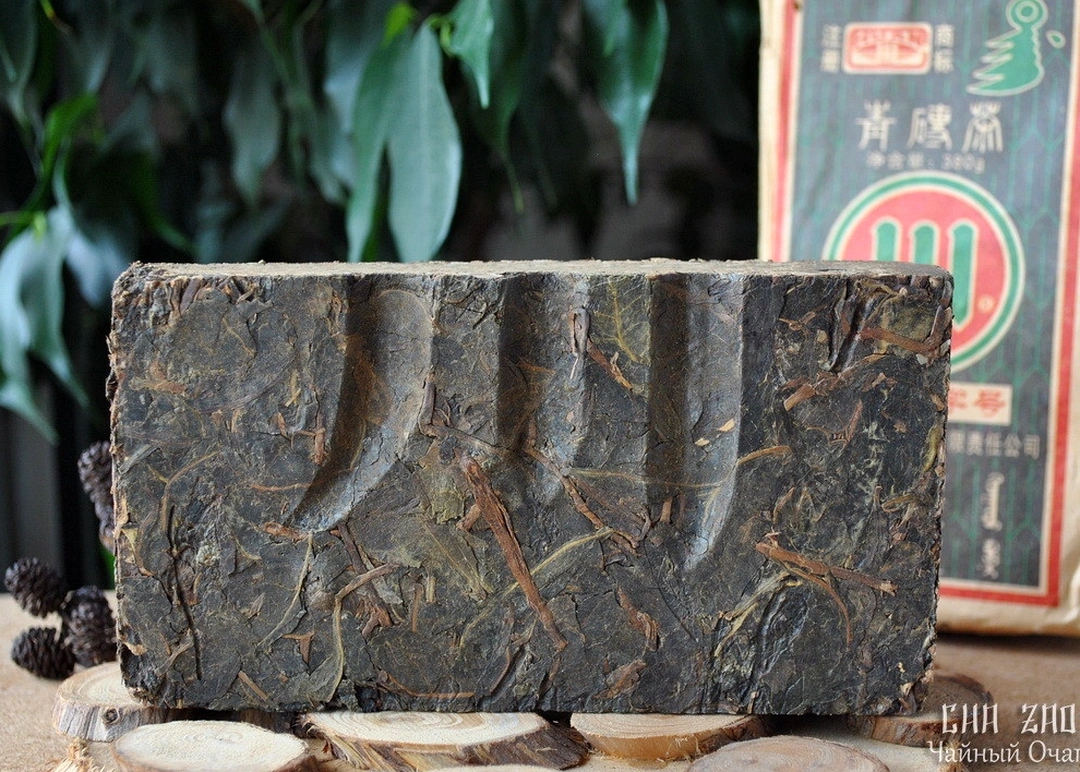
Occupying a central position on that illustrious culinary map is the masterpiece Chibi Black Tea Bricks, also familiarly called Mi Zhuan Cha, a symbol of ancient town tea art with a history spanning hundreds of years. To create characteristic tea bricks carrying unmistakable flavors, tea artisans must strictly follow an extremely complex and sophisticated manual process, starting from fixing (pan-firing), rolling, microbial solid-state fermentation (wodui), high-pressure mold pressing, and meticulous drying. Through those painstaking steps, final products are blocks of tea carrying a unique flavor: mellow astringency transforming into deep sweet aftertastes, harmonizing with ancient aged aromas hinting at subtle pine smoke. Savoring a cup of hot tea on chilly days by an ancient wooden porch, watching water babbling over bluestone, one realizes the meditative philosophy of heaven and earth.
Beyond that famous beverage, local culinary culture is elevated through the art of exploiting mineral-rich natural spring water sources to make the renowned stone-ground tofu flower. Unlike ordinary tofu produced via industrial tech, tofu flower here is crafted entirely by hand using traditional granite hand-mills, utilizing crystal-clear groundwater gushing from deep mountain hearts carrying abundant natural minerals beneficial for health. When tasted, each spoon of tofu flower is as soft and smooth as melting silk on the tongue, carrying original refreshing flavors and natural sweet notes impossible for additives to copy. This is living proof of the “following nature” philosophy in health-preserving culinary arts of ancients, where ingredients are selected and cherished as priceless gifts from nature.
Furthermore, creativity in incorporating tea into daily savory dishes birthed a culinary masterpiece named tea-smoked pork ribs, a family recipe capable of conquering even the most demanding diners. Local pork rib strips are salted, smoked in attics via traditional manual methods, then double-boiled with aged Black Tea scraps. Thanks to tannins and characteristic tea aromas penetrating each meat fiber, the dish—despite pork’s natural fat—causes no heaviness, instead offering moderate richness, fragrant aromas, and lingering sweet aftertastes in the throat. This clever combination of smoked meat savoriness and deep tea notes creates unforgettable sensory imprints, wrapping up the culinary soul of a millennium-old civilization.
Chibi Lake vermicelli soup is a traditional breakfast dish bearing rustic yet sophisticated culinary styles. To make a standard bowl of noodles, chefs use small fish caught directly from pristine local streams, simmering for hours until fish extract releases sweetness, forming thick, flavorful soup. Ladling that viscous broth over chewy, soft white rice noodles, cooks add fresh chilies and garden herbs for spicy, rich, fresh flavors waking all senses on misty mornings. From refreshing tofu flower to smoked tea pork ribs and rich noodle soup, these dishes weave a multi-dimensional, deep, nostalgic culinary picture, enriching the cultural space here.
To complete the journey from peaceful fairy tales to solemn heritage cultural spaces, equipping oneself with detailed, accurate handbooks ranging from schedules, transportation plans to practical tips from seasoned travelers is essential. Continuing the emotional currents of a slow living space where time stands still beside mossy wooden windows and leisurely rowing rhythms on water, the final section of this document synthesizes thorough guidance to help readers grasp practical information without bewilderment.
Regarding operating schedules and visitor opening hours, the general space of the old street and outer walking corridors is open freely 24/7, allowing visitors to leisurely stroll at any time to fully feel natural lighting shifts. However, for core exhibition areas and specialized heritage sites like the China Brick Tea Museum or ancient tea brand relics, standard opening hours run from 8:30 AM to 5:30 PM daily. While strolling through streets is completely free, entering to explore historical artifacts and learn about manufacturing processes requires admission tickets in all-inclusive district passes priced affordably for an afternoon experience.
The journey to this heritage land is extremely convenient thanks to synchronized transport infrastructure in central China. For travelers departing from nearby major cities, the fastest and most optimal option is utilizing the Beijing-Guangzhou high-speed rail system to Chibi North Station, then transferring via shuttle buses or driving via online map navigation to Yangloudong Ancient Town. Driving from Wuhan takes about two peaceful hours. Upon arrival, a scientific sightseeing route suggested by travel experts is spending the entire morning leisurely walking on ancient bluestone slabs, admiring tea origin stelae, and breathing fresh morning air.
Around midday, stopping at roadside eateries to taste renowned local dishes like smooth hot tofu or smoked tea pork ribs provides energy for afternoon exploration. The afternoon is ideal for visiting the Green Tea Museum and ancient tea workshops to witness manual tea brick pressing, where artisans patiently pass down secrets. At night, the scenery dons a completely new look with magical lighting shows reviving the golden age of the Ancient Tea Horse Road.
Practical tips from veteran explorers serve as golden keys protecting health and ensuring complete trip enjoyment. Since the core heritage area is paved with uneven Ming Dynasty bluestone slabs dating back centuries, strictly avoiding high heels is mandatory; instead, prioritize walking shoes with high traction to protect ankles on uneven terrain. Depending on the season, travelers should prepare proper attire: summers require sunscreen and insect repellent, while spring, autumn, and winter demand warm clothing and umbrellas.

Finally, when shopping for souvenirs, especially tea bricks, choose brands with exclusive local geographical indication certifications to guarantee top quality, and carefully consider before purchasing high-value antique handicrafts. To make exploring world heritage cultures light, sublime, and worry-free regarding logistics, details are available in the all-inclusive tour program to write inspiring travel chronicles filled with humanistic value.