Nestled deep within the vast forests of the Zhangguangcai Range—a majestic spur of the Changbai Mountain system in northeastern Heilongjiang Province—Yabuli (亞布力) today wears the proud beauty of a world-class snow-and-ice playground. Yet few realize that this distinctive name does not come from Han dialect or indigenous Manchu, but is a phonetic adaptation of the Russian word “Яблоки” (Yabloki), meaning simply yet poetically “apples.” That origin ties back to building the Chinese Eastern Railway (Southeastern Manchuria) in the closing years of the Qing Dynasty, when Russian engineers and workers arrived and marveled at boundless wild apple groves blanketing mountain slopes each autumn.
Yabuli’s evolving history can be grouped into three clear eras linked to major turning points in modern Chinese history. The first period spans from 1897 to 1917, when the Russian Empire under Tsar Nicholas II secured railway construction and timber-extraction rights across the Northeast. Amid howling Manchurian snow winds, Yabuli was not yet a luxury resort, but served as a forestry outpost and strategic rail stop. Centuries-old red pine and fir logs were felled and loaded onto smoking trains bound for Harbin to build Baroque structures or fuel steam locomotives chugging through deep forests.
After the founding of the People’s Republic of China in 1949, Yabuli entered its second historical chapter (1949–1980) with a very different look. It was designated as Yabuli Forestry Farm under state forestry administration, supplying timber resources for national construction. At the same time, thanks to rugged high-mountain terrain, thick snow cover lasting over half a year, and rich ecology, Yabuli was used as a restricted military hunting ground and isolated field-training zone. Deep snowdrifts held tracks of skilled hunters and military units training for survival in sub-zero cold dropping dozens of degrees below zero, keeping the area wild, mysterious, and largely apart from the outside world.
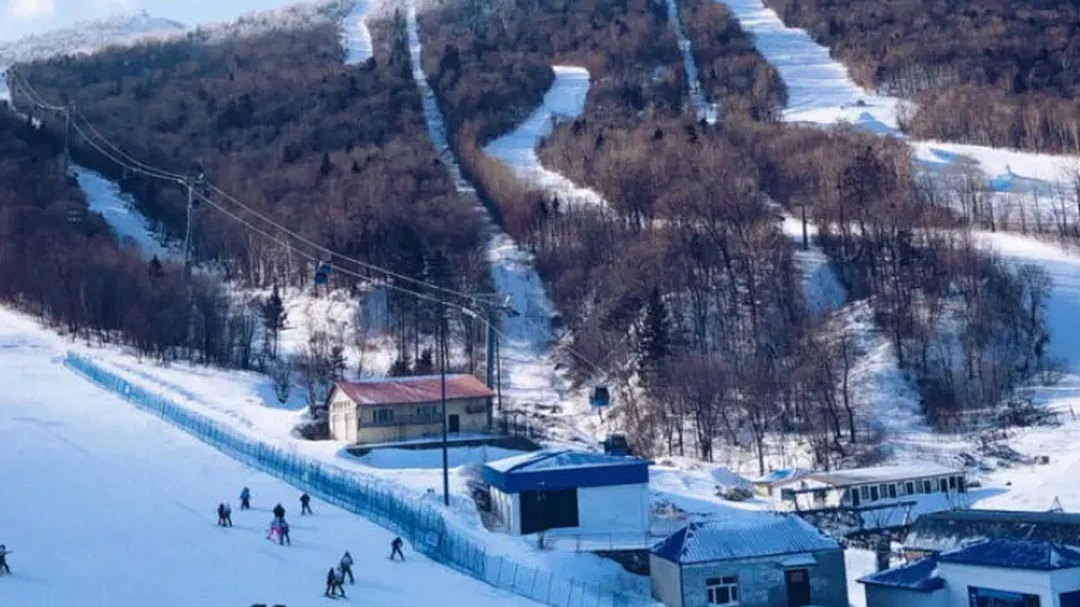
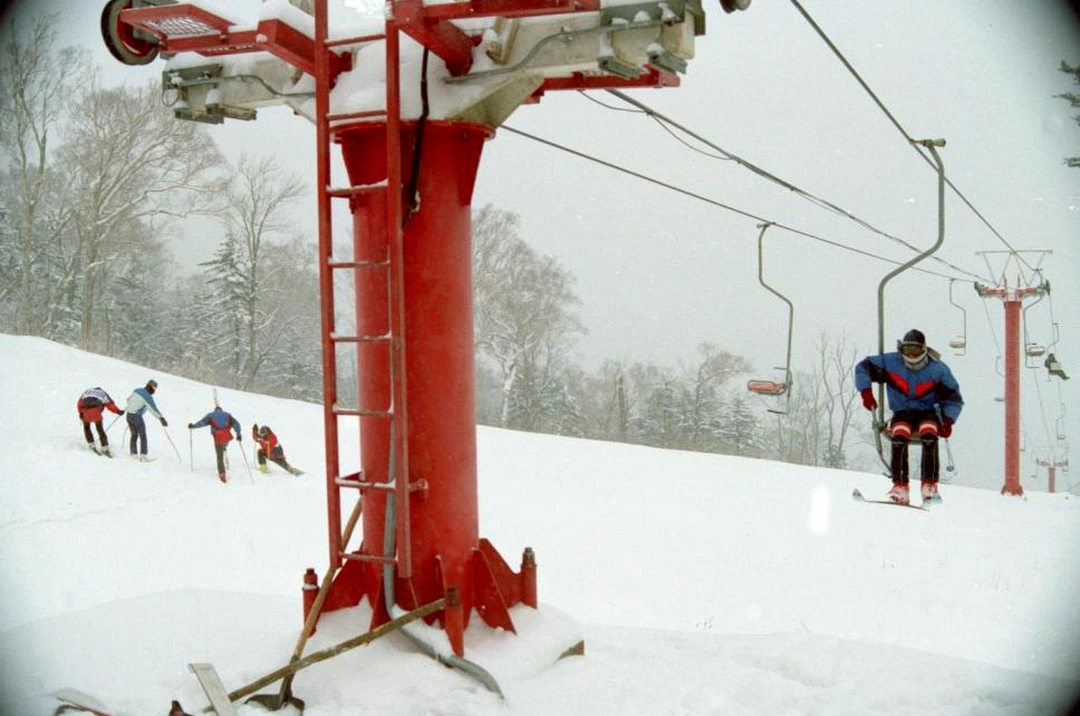
Yabuli’s rise as the “cradle of modern ski sports in China” truly began in the late 1980s, marking a vibrant third era. Shifting priorities from raw timber harvesting toward sports and eco-tourism turned wild slopes into international-caliber ski runs. The defining milestone placing Yabuli firmly on the winter-sports map was hosting the 3rd Asian Winter Games in 1996. That event spurred large-scale infrastructure—modern lifts and runs meeting International Ski Federation (FIS) standards—while establishing Yabuli as a national training hub that produced celebrated winter athletes for the country.
Across more than a century—from a Tsarist-era timber outpost through a quiet forestry era to a proud Asian skiing landmark—Yabuli stands as living proof of cross-cultural exchange among Han, Russian, and Manchu influences and human drive to embrace nature. Every snowy slope and frost-covered pine at Yabuli carries historical memory, quietly recalling wild apples of years past deep within Heilongjiang’s forests.
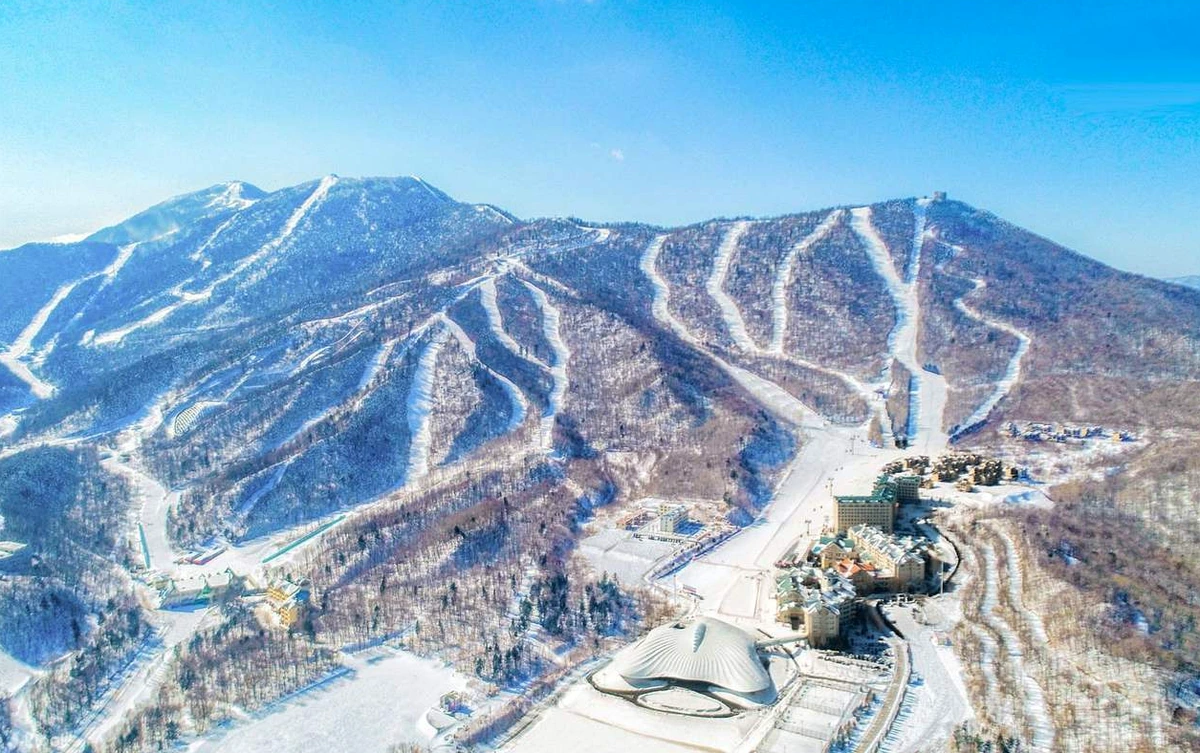
Viewed on geographic maps and through traditional Eastern geomantic layout, Yabuli Ski Resort sits in a prime basin on the western flank of Zhangguangcailing—a grand range belonging to the ancient Changbai Mountain chain. Positioned at the crossroads between Wandashan pass and Zhangguangcailing, between 44°40′ and 44°55′ north latitude and 128°20′ and 128°38′ east longitude, Yabuli holds a distinctive bowl-shaped topography. At the heart of the complex rises Guokui Mountain at 1,374 meters above sea level, framed and sheltered by three prominent peaks: First Guokui, Second Guokui, and Third Guokui. Seen from above, the setting echoes classic feng shui terrain of “mountain backing and open prospect”: northern ridges rise like a sheltering backdrop, flanking ridges curve along left and right sides like Azure Dragon and White Tiger, and a broad, level open basin in front gathers sheltered air while tempering harsh winds sweeping down from the north.
Thanks to this bowl cradled by the three Guokui peaks, Yabuli develops a distinct temperate continental monsoon microclimate. Winters run long and bitingly cold, yet bring a snowfall window lasting up to 170 days a year—starting around early November and stretching through late March the following year. What gives Yabuli global snow reputation is snow-crystal quality. Unlike heavy, wet coastal snow, snow at Yabuli forms a light, dry powder prized internationally as “Champagne Powder.” With very low moisture content, falling flakes stay loose and airy rather than packing into hard ice, giving smooth glide and edge control that meet strict International Ski Federation (FIS) technical standards.
Terrain planning at Yabuli blends natural contours with modern engineering. Working with steep natural gradients and vertical drop from the 1,374-meter Guokui summit down to the valley base, planners laid out graded runs following folds across First, Second, and Third Guokui. Steep runs for experienced skiers follow natural chutes along the main peak, where challenging pitch is flanked by evergreen forest that helps break crosswinds. Gentler beginner and intermediate runs open wider along saddles and lower base areas across the broad valley floor. High-tech Kässbohrer snow groomers and modern lift lines are routed along ridge backbones to operate reliably in temperatures below -30°C while preserving local ecological flow.
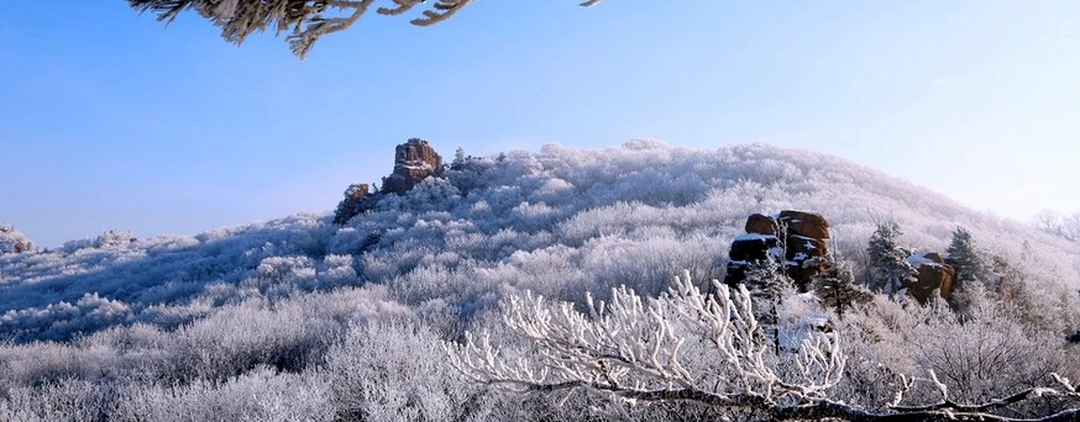
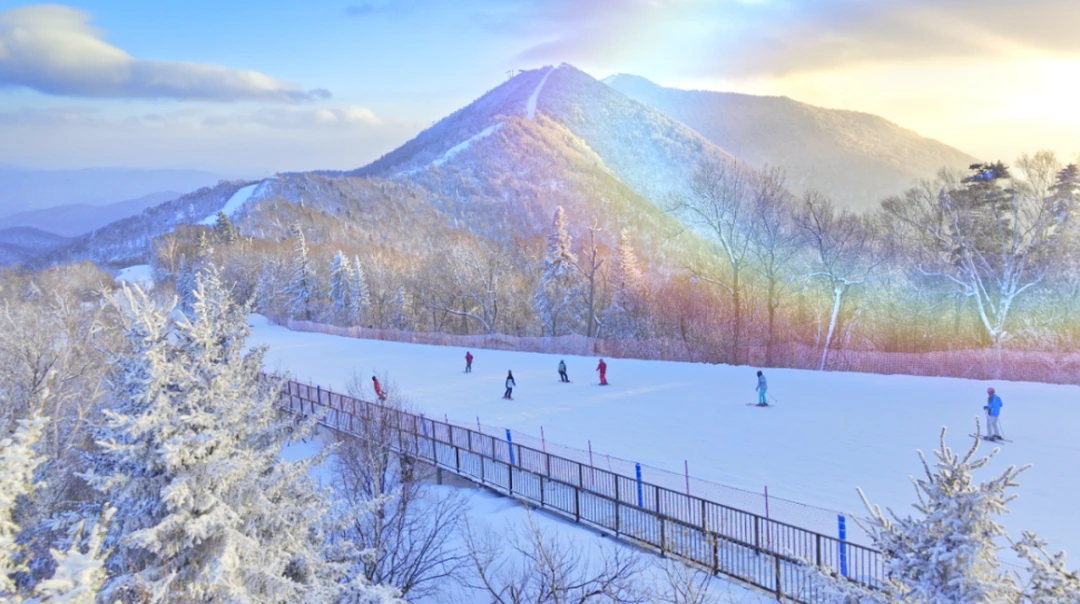
Cold-season scenery at Yabuli presents a striking Manchurian winter landscape. Sharp contrast between pure white snow across hundreds of square kilometers and dark evergreen and birch forests standing resilient in the cold makes for vivid visual drama. On crisp mornings as moisture condenses, rime frost (“wusong”) coats bare branches, turning groves into sparkling ice coral under pale winter sunlight. Looking out from Third Guokui peak, visitors sense the vastness of northern skies and mountains, where crisp air and Guokui Mountain’s profile make Yabuli both a winter sports hub and a scenic retreat in wild nature.
Set prominently amid the Zhangguangcai Range within the Greater Khingan/northeastern mountain system, the spatial scale of Yabuli Ski Resort reflects thoughtful planning matched to northeastern nature. Seen from above, the complex spreads across snow-covered slopes with carefully calculated layout. Rather than dropping buildings at random, planners arranged facilities to make the most of sightlines, capture brief sub-arctic winter sunlight, and follow natural slopes into connected runs. From operations hub and lodging to lift stations, layout follows a fan-like pattern centered on the valley floor so guests move smoothly and take in the scale of a major winter resort.
A standout visual trait at Yabuli is a thoughtful architectural blend between rustic Russian Far East timber houses (“izba”) and cozy Alpine chalets. Historical ties to the Chinese Eastern Railway across Heilongjiang left a lasting aesthetic imprint that pairs naturally with Swiss-style mountain chalet design. This combination gives Yabuli a look that is both sturdy and welcoming. Buildings with wide porches, carved wooden balconies, and arched sun-facing windows shelter guests from harsh weather while creating warm living spaces amid snowy forests.
Craftsmanship and construction at Yabuli draw heavily on local folk wisdom and selected natural materials. Walls use log construction built from full-length trunks of old-growth red pine or larch harvested locally. Builders strip bark carefully along the grain to retain natural protective resin, packing wild moss or hemp fiber into timber joints—an age-old insulation method that keeps interiors warm even when outdoor temperatures plunge to -40°C during Siberian cold surges.
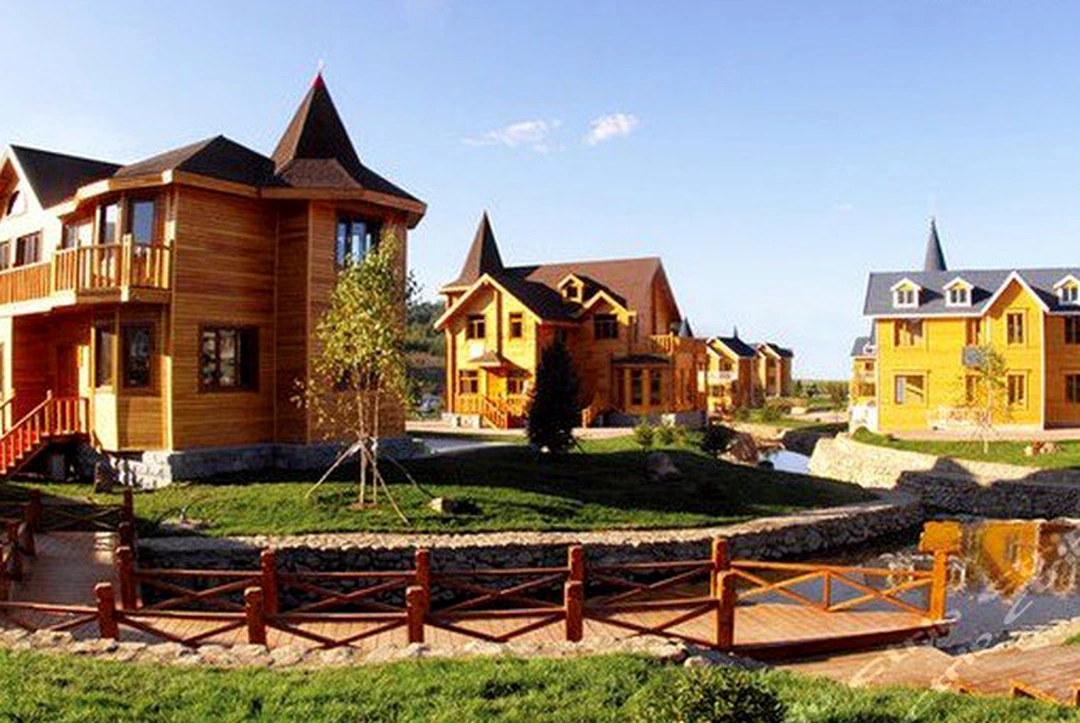
Roof and foundation engineering at Yabuli also reflects careful preparation against harsh elements. Roofs use steep pitched angles over 45 degrees with crisp peaks against snowy skies, letting gravity shed heavy snow accumulation during blizzards so roof loads and timber framing stay safe. Below ground, to resist frost heave and ground movement from sharp temperature swings, foundations use deep stone masonry footings extending at least 1.5 meters into frozen ground—acting like sturdy stone anchors across decades of winter weather.
As dusk settles over misty ridges of the Zhangguangcai Range, Yabuli Ski Resort takes on a different character through modern lighting design and lively evening life. Quiet daytime snow slopes brighten under evening lighting where winding runs glow across sub-arctic night. For safe, clear night skiing, designers placed high-output metal-halide fixtures alongside dedicated 4000K LED lights. Natural white spectrum lighting is aimed carefully to illuminate snow texture clearly without harsh glare off packed snow, helping skiers read terrain on descent. Concealed up-lighting at the base of evergreen trees shines upward through frost-covered boughs, highlighting bark texture and hanging ice like jade and turning main corridors into a winter scene full of atmosphere.
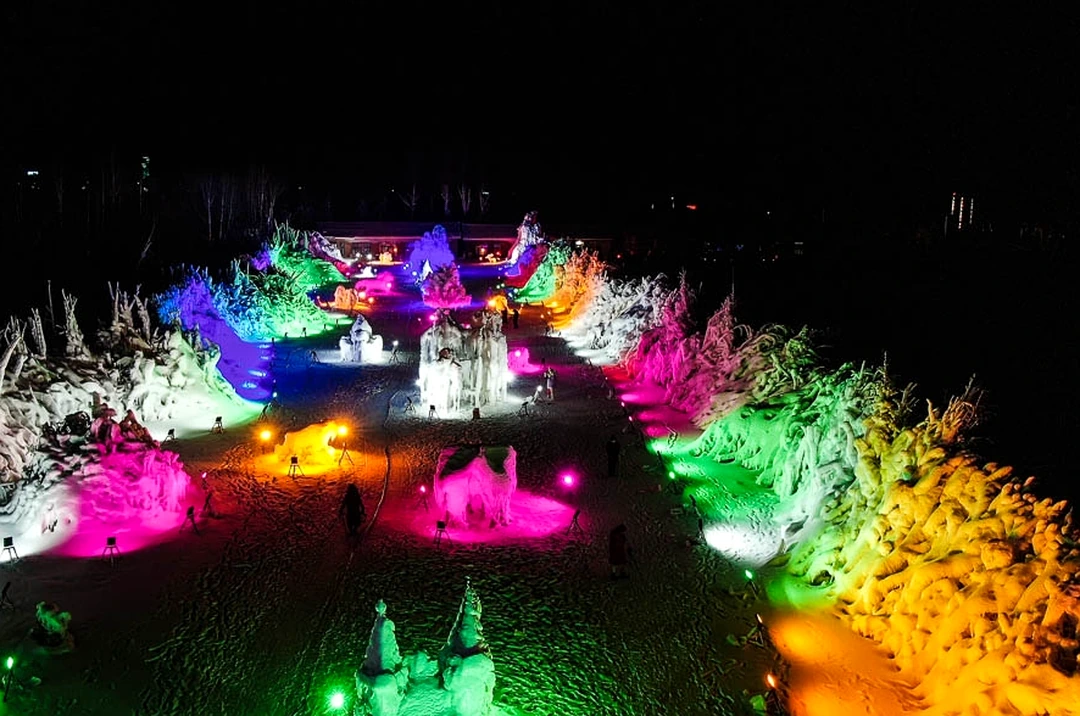
Away from night runs, Yabuli’s evening cultural hub gathers around the main plaza, where bonfires warm the sub-zero chill. Here visitors can watch live performances rooted in northeastern ethnic traditions. Shamanistic heritage elements from Manchu and Hezhen traditions are presented with solemnity: accompanied by deep drums and jingling bells in the snow valley, performers in traditional fur-trimmed attire enact mountain-spirit dances praying for peace and health—offering a glimpse into hunting and fishing traditions along the Heilongjiang/Amur river basin.
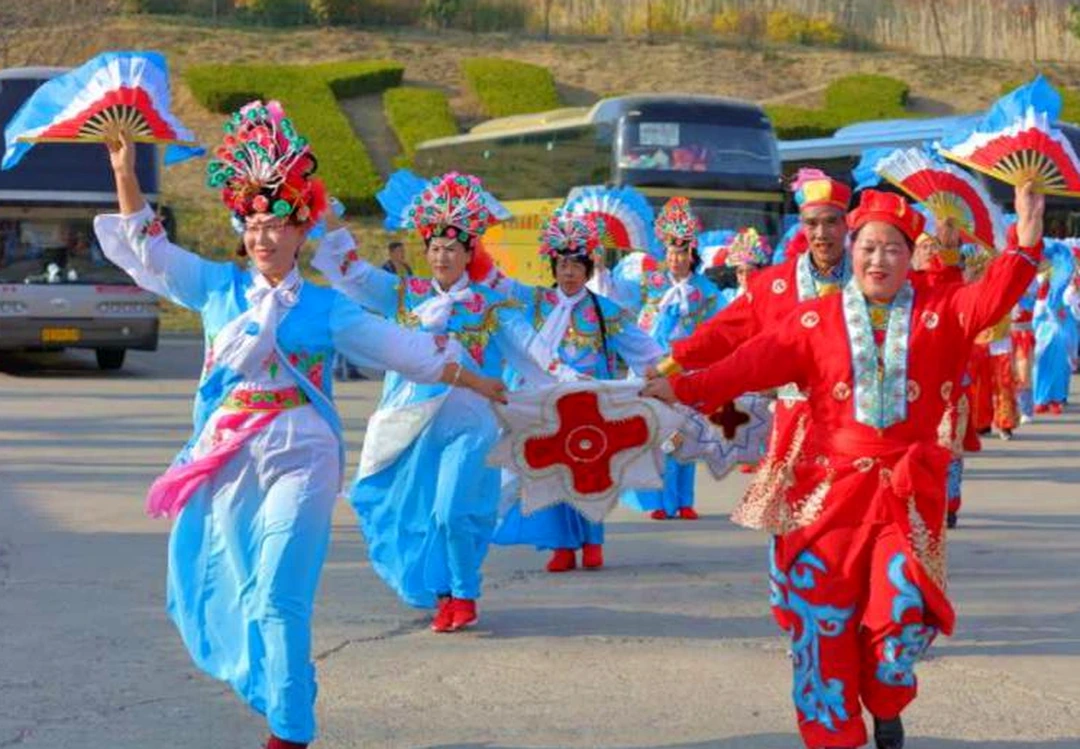
Evening energy continues with upbeat Taiping drum dances paired with lively Northeast Yangge folk dancing. Flowing red ribbons, bright costumes, and smiling dancers stand out vividly against white snow. Rhythmic Taiping drums express wishes for good harvests and a peaceful new year, inviting guests to join circles around glowing bonfires. Afterward, warm timber dining rooms serve hearty hot dishes and warming rice wine, blending evening lighting, folk heritage, and northeastern hospitality.
Set amid the snowy slopes of the Zhangguangcai Range, cuisine at Yabuli reflects Longjiang food culture—a distinctive branch of northeastern Chinese cooking. Cold climate and brisk winds shaped a hearty, energizing style of eating that blends traditional hunting-era Manchu fare with culinary techniques carried north during the historic “Chuang Guandong” (migration to the Northeast) wave. That mix gives Yabuli dishes both rustic mountain character and rich, comforting flavors after time on the snow.
Among northern culinary classics, Guo Bao Rou (鍋包肉, crispy sweet-and-sour pork) stands out as a signature dish of Heilongjiang frying-and-glazing craft. Unlike southern variations, classic Yabuli Guo Bao Rou slices tender pork loin into wide, even pieces coated in a smooth potato-starch batter and double-fried at controlled temperatures so the crust stays crisp without feeling greasy while keeping pork inside juicy. Its signature glaze is made traditionally with white rice vinegar and white sugar rather than tomato sauce—coming to the table golden, glossy, and tangy-sweet to chase away winter chill.
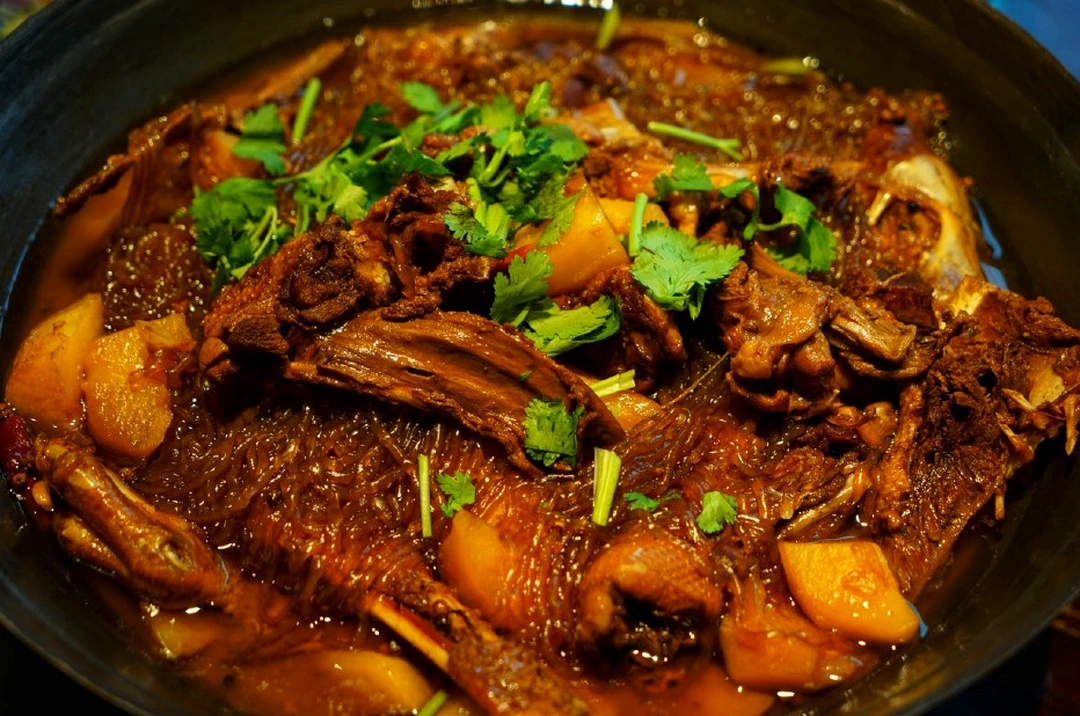
If Guo Bao Rou showcases crisp balance, Iron-Pot Stewed Goose (鐵鍋燉大鵝) embodies warming communal cooking around a stove. In rustic timber dining rooms, a heavy cast-iron pot sits center table over a steady fire with a gentle woodsmoke aroma. Free-range goose is cut into generous chunks and slow-stewed for hours with fermented northeastern soy sauce, crushed dried chili, star anise, cassia bark, and aromatic spices. A signature touch is golden cornmeal pancakes pressed directly onto the inner rim of the pot—soaking up savory broth underneath while staying crisp and nutty on top.
Alongside hearty stews, Yabuli’s food map also highlights treasured forest ingredients gathered across the mountains. Snow-frog fat/oviduct (“hashima”)—harvested in winter—stewed gently with rock sugar and peeled snow pear makes a lightly sweet, soothing warm dessert/tonic. Meals also showcase wild forest mushrooms such as shiitake and monkey-head mushroom (hericium) alongside mountain greens, pairing wild Heilongjiang nature with longstanding regional cooking traditions.
To enjoy Yabuli Ski Resort (亚布力滑雪旅游度假区) in Heilongjiang smoothly, visitors should plan around winter weather and mountain terrain. Peak ski season generally runs from late November through mid-March of the following year, when snow depth and powder texture are at their best. However, deep freezes in northeastern China can push temperatures from -35°C down to -40°C. Extreme cold can drain smartphone, camera, and action-cam batteries quickly or cause sudden shutdowns. A practical tip from seasoned winter travelers is keeping hand/body warmers near devices and storing electronics inside inner pockets close to body warmth.
Modern rail links make reaching Yabuli straightforward. From central Harbin City, high-speed trains toward Mudanjiang glide across snowy valleys and stop at Yabuli West Railway Station (Yabuli Xi). Right outside the station, regular shuttles or transfers reach resort gates in roughly 30 minutes. Taking high-speed rail avoids winter highway ice risk and saves time for slopes and outdoor activities.
For skiing itself, Yabuli features long mountain runs with substantial vertical drop that attract experienced skiers. Still, firm snow and icy patches on steep upper terrain call for caution. Beginners should avoid advanced upper runs on the main peak and start instead on gentle beginner slopes at areas such as Yabuli Sunshine Resort or nearby novice zones with qualified instructors teaching fundamentals.
Cold-weather layering is essential for comfort and safety. Use a three-layer system: a moisture-wicking thermal base layer, an insulating fleece or down mid-layer, and a windproof, waterproof outer shell. UV-protective ski goggles help prevent snow glare and eye strain off bright snow, while waterproof gloves and sturdy winter boots round out reliable cold-weather gear.
For a well-paced, hassle-free winter trip with organized transport and local guidance, you can explore our 7-Day 6-Night Harbin – Yabuli – Snow Town Tour and plan your snowy northeast itinerary with confidence.