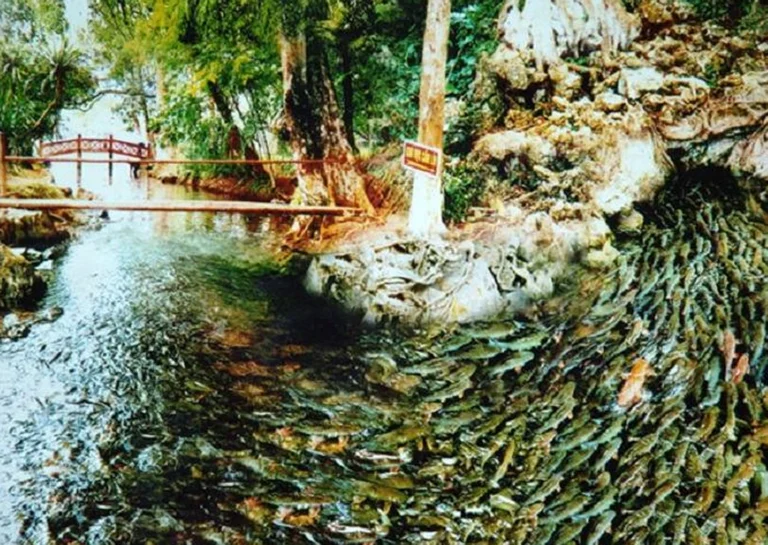
Across the sweep of Eastern civilization, the rise and evolution of historic commercial streets marked an epochal transformation in urban spatial organization and civic life. Originating with the dismantling of the rigid, walled Tang-dynasty ward-and-market system during the Northern Song era—when dividing walls separating residential neighborhoods from commercial bazaars were torn down—the open commercial street model stretching along main thoroughfares and river landings ushered in an unprecedented golden age of prosperity. Every corner and overhanging eave bore witness to encounters among merchant fleets plying major river arteries and overland trade routes, where imperial statutes intersected with free mercantile custom to forge bustling urban landscapes that thrived for centuries.
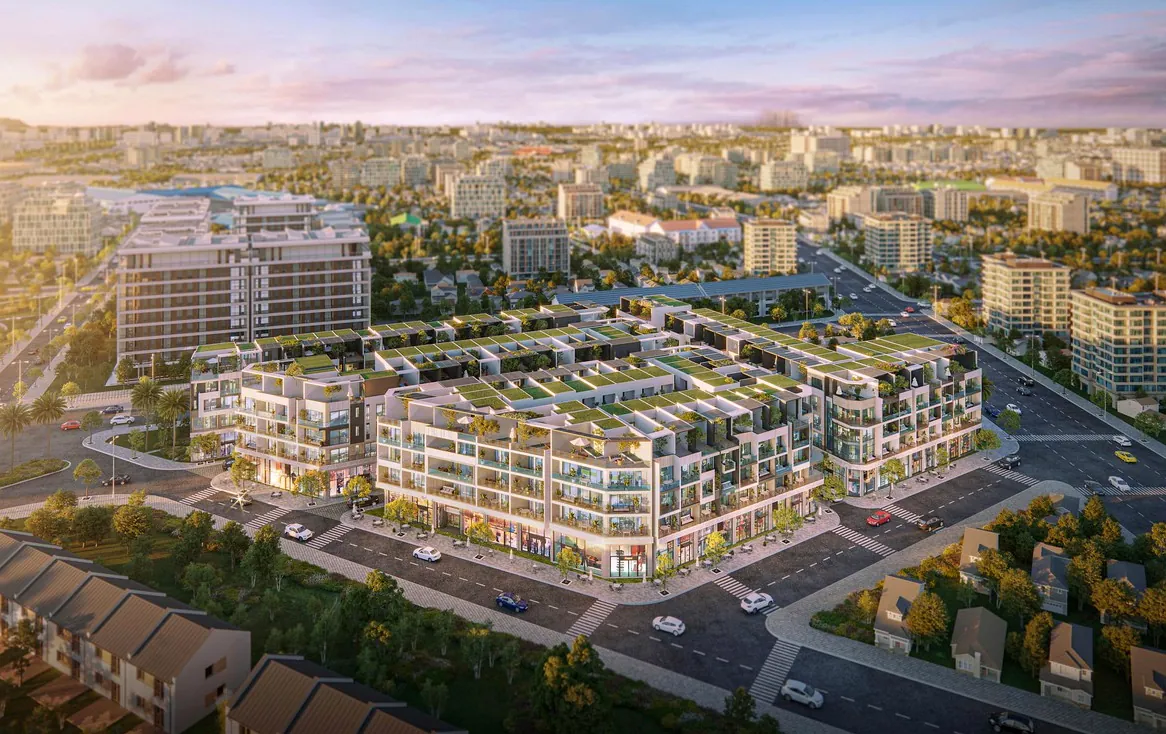
Seen in person, the historic commercial district unfolds like a painted handscroll unrolling into a world of nostalgia, where two-story timber-framed shophouses built with traditional mortise-and-tenon joinery stand proudly along a main avenue paved in time-polished bluestone flagstones. Rows of moss-dappled yin-yang clay roof tiles sweep upward at their corners, contrasting harmoniously with crimson lanterns suspended beneath verandas and cloth shop banners fluttering in the breeze. Intricately carved wooden lattice windows depicting the Four Gentlemen—pine, chrysanthemum, bamboo, and plum blossom—alongside gleaming gold-leaf signboards hung above shopfront thresholds revive the atmosphere of a thriving river-and-road trading hub at the height of its glory.
From the Hongwu and Yongle reigns of the Ming dynasty through the Kangxi and Qianlong eras of the Qing dynasty, the commercial quarter rose steadily to the pinnacle of prosperity as a major headquarters for famed merchant guilds such as the Huizhou and Shanxi merchants. Commerce here extended far beyond everyday retail trade, forming a sophisticated financial network complete with early money banks, silver remittance drafts, and armed escort agencies. Grand guildhalls funded by wealthy merchant associations served simultaneously as temples honoring Lord Guan (Guan Yu) for fair and prosperous trade and as self-governing arbitration centers resolving commercial disputes independently of magistrate courts—anchoring an enduring mercantile order built upon trust.
Weathering turbulent historical tides—from late-imperial upheaval to the arrival of Western industrial commerce in the early twentieth century—the historic commercial street endured profound transformation. Although modern railways and deep-water seaports eventually shifted trade away from traditional river routes, generations of resilient townsfolk safeguarded their architectural and cultural heritage intact. Every handmade brick and foot-worn stone step preserves memories of major mercantile ventures and traveling traders while standing as vivid testimony to the enduring vitality of Eastern commercial culture.
Positioned at an auspicious crossroads of ancient trade arteries, the commercial quarter was laid out according to strict geomantic principles uniting natural harmony with thriving mercantile function. Blessed with a classic “backed by mountains, facing water” setting, the district rests against sheltering hills that block northern winter monsoons while opening its frontage toward the gentle flow of a major river basin. In traditional landscape philosophy, winding waters embracing the street signify “gathering water to generate wealth,” channeling abundant vitality to merchants while serving as a strategic waterway welcoming cargo boats from all four directions.
Viewed from above, the commercial district resembles a serene ink-wash panorama of overlapping moss-covered yin-yang tiled roofs stretching into the distance. The time-worn bluestone main thoroughfare runs parallel to a tranquil canal lined with tightly packed two-story timber storefronts displaying dark wood facades, louvered shutters, flowering trellises, and glowing lanterns. Calm water, weathered ochre-washed walls, and arched stone bridges unite to compose a streetscape at once vibrant and steeped in golden-age legend.
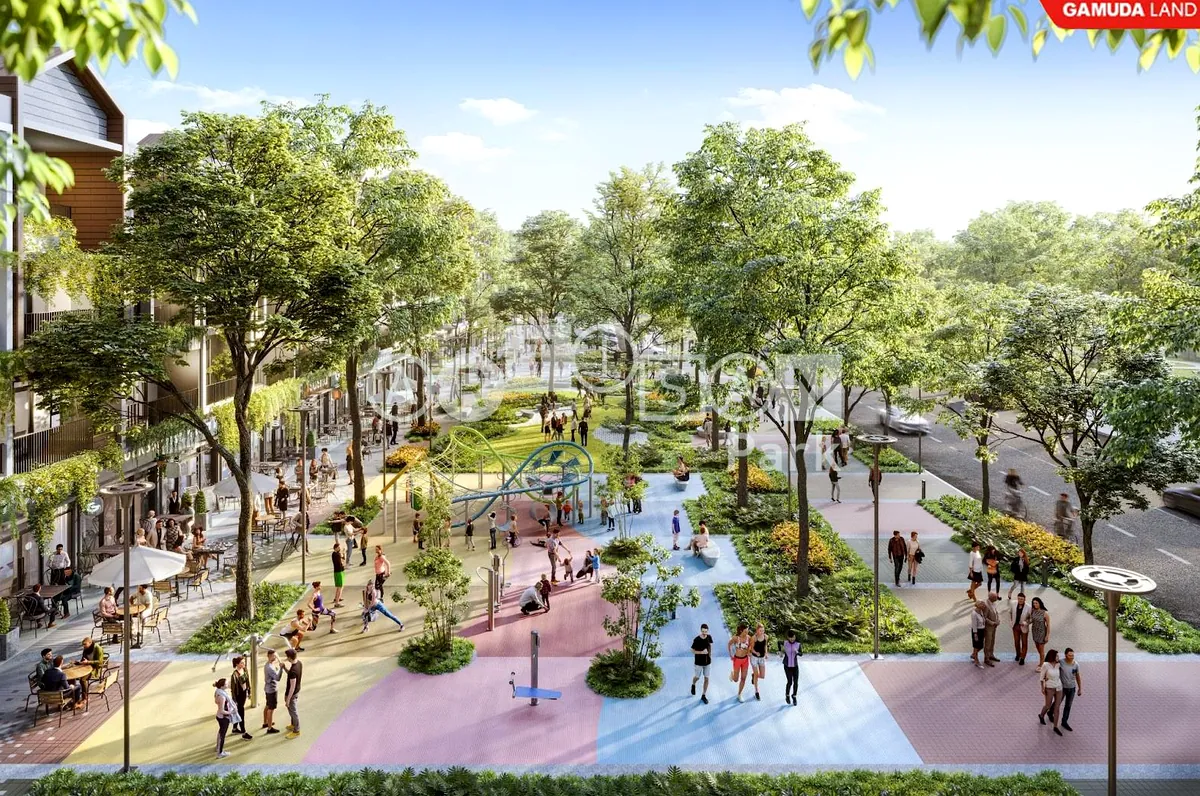
The overall street grid follows a disciplined “fishbone” or checkerboard plan characteristic of traditional river-port towns. Serving as the commercial spine, the main avenue branches into narrow side alleys known as fire lanes (huoxiang), which both halted the spread of fire between timber buildings and channeled cool breezes off the water deep into residential blocks. The connection between waterfront wharves and street level is resolved through gently stepped stone landings descending to the water’s edge, allowing goods to be unloaded directly from boats into rear warehouses without disrupting bustling pedestrian traffic along the main street.
A standout triumph of microclimatic planning here lies in the deep, narrow “shophouse” lot layout that remains airy and sunlit throughout. To ensure airflow and daylight inside elongated plots, traditional builders incorporated open-air skywells (tianjing) between successive bays. Four inward-sloping roofs draining rainwater into the central courtyard embody the geomantic ideal of “Four Waters Converging in the Hall”—symbolizing wealth gathering rather than flowing away while naturally moderating indoor humidity and drawing cooling drafts through every room.
Framing this built heritage is a lush riparian landscape of native greenery thriving along riverbanks and elevated knolls. Century-old banyan, bodhi, and weeping willow trees lend romantic grace to the waterfront while anchoring soil against erosion during seasonal high water—completing a harmonious symbiosis between river geography, traditional wisdom, and human craftsmanship.
Stepping onto the central thoroughfare of the commercial district, visitors are immediately captivated by layered architectural rhythms uniting somber historical elegance with the lively bustle of a traditional trading port. Flanking both sides of the foot-polished bluestone avenue stand continuous rows of two-story merchant houses distinguished by curving yin-yang clay roofs and sturdy gray-brick stepped fire-gable walls (matouqiang). Massive ironwood columns support deep overhanging eaves alongside intricately carved lattice shutters and glowing porch lanterns, composing a multi-dimensional streetscape radiating mercantile grandeur.
The spatial depth of the district reflects classical Eastern urban design in which every meter of street frontage was calibrated to maximize both commercial utility and family living. At its core lies the traditional “shop in front, residence behind” and “commerce below, living quarters above” layout: ground-floor street fronts open wide for retail trade while rear bays and upper stories house storage rooms and comfortable family quarters. Typically measuring a modest three to five meters wide across the facade yet extending dozens of meters deep, each shophouse is punctuated by open-air skywells that separate lively commercial activity up front from tranquil domestic spaces behind while providing natural ventilation and drainage.
Structurally, these buildings showcase the pinnacle of traditional timber framing through massive hardwood post-and-beam skeletons locked together entirely with precision mortise-and-tenon joinery without metal nails. Artisans employed multi-tiered bracket systems to project eaves far out over pedestrian walkways—sheltering shoppers from harsh sun and tropical rain while expanding display frontage. Under weathered gray roof tiles, carved tie beams, rafters, and lintels depict auspicious motifs such as the Five Blessings, carp leaping the Dragon Gate, and scrolling clouds, while party walls built of handmade brick bonded with traditional lime-sand-molasses mortar provide natural thermal insulation year-round.
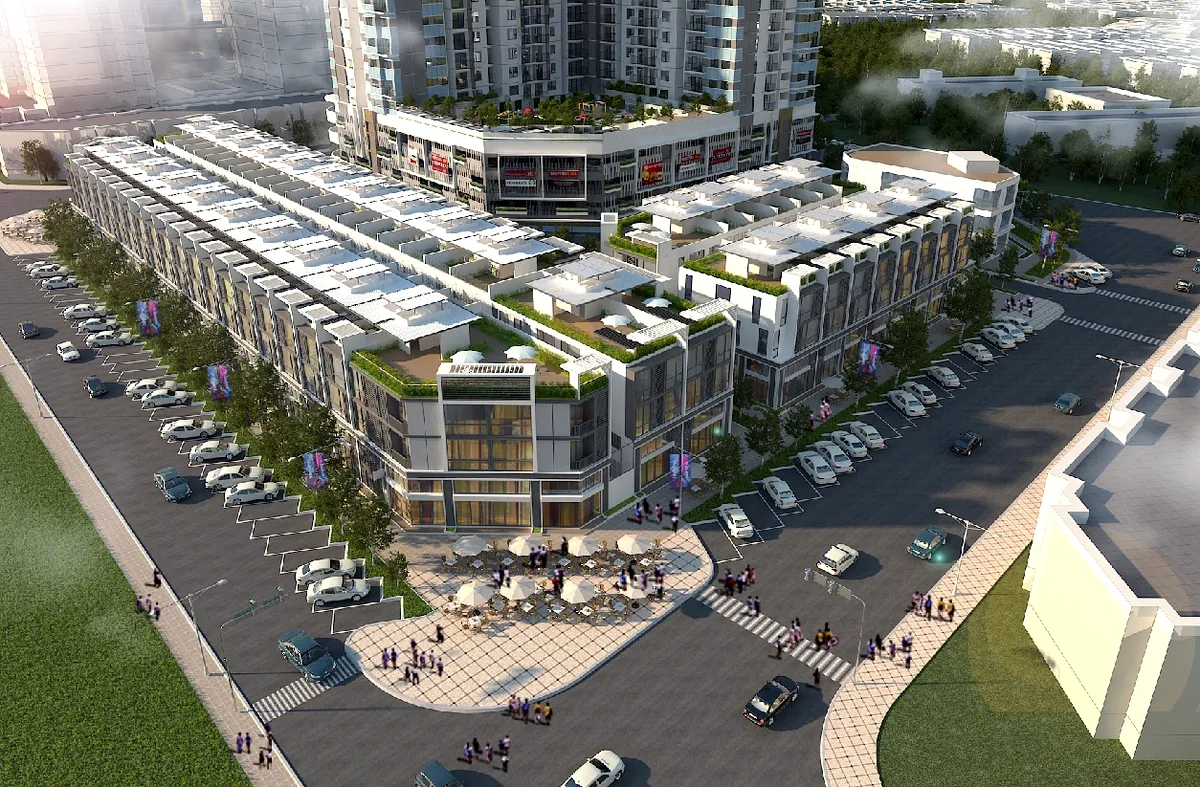
Beyond timeless aesthetics, the scale of investment and functional zoning across the commercial district reflects far-sighted strategic planning spanning several hectares divided into specialized trade quarters. From the wide open-air pedestrian spine to intersecting side lanes, every pathway converges smoothly toward central squares and cargo wharves. Major multi-phase conservation initiatives have buried modern utility networks underground—upgrading flood-resistant storm drainage and telecommunications lines while painstakingly restoring hand-laid stone paving and reinforcing hundreds of historic timber structures—creating a living architectural museum where millennial economic vitality continues uninterrupted.
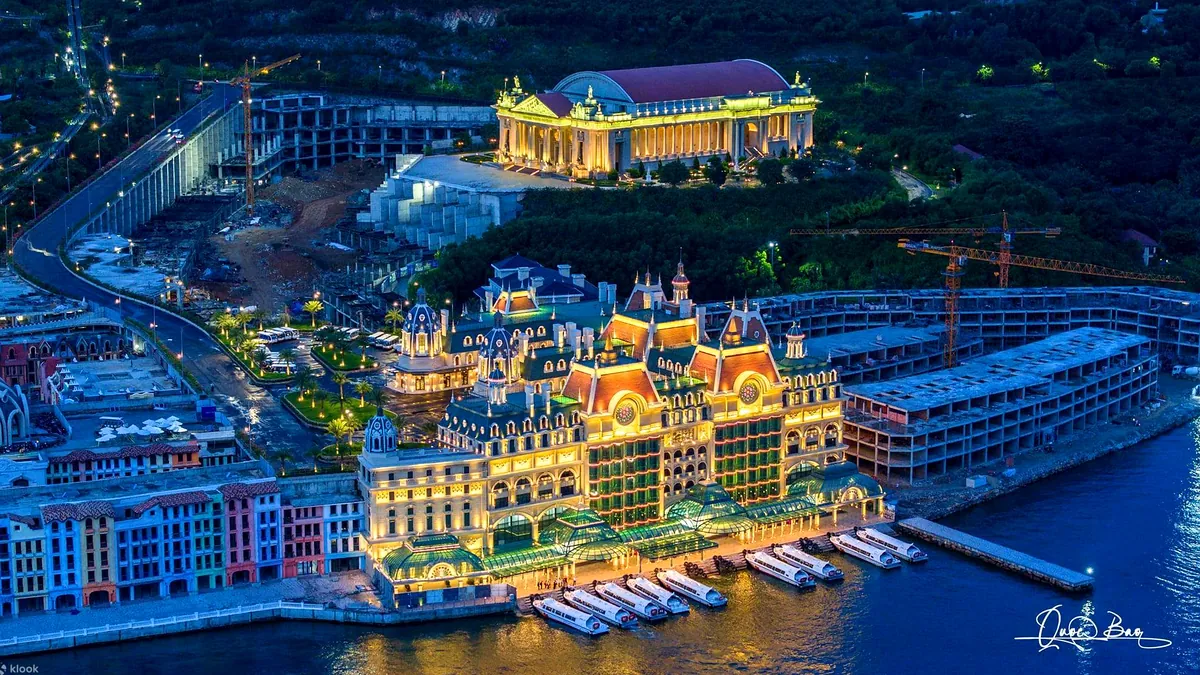
As twilight descends over upturned yin-yang tiled roofs, the entire commercial district undergoes an enchanting transformation through shadow and light. Strings of crimson silk lanterns ignite simultaneously along the canal banks, casting warm ribbons of light across mirror-still waters and bringing marble balustrades and carved wooden eaves into luminous relief—evoking a golden-age handscroll awakened after centuries of slumber.
The dramatic highlight after dark is a large-scale live theatrical production staged directly on the natural waters of the historic boat landing. Utilizing a submerged hydraulic stage beneath emerald water, the performance brings to life epic chapters of the port’s golden trading era—from distant merchant vessels cleaving waves into harbor to romantic legends of urban encounters. High-resolution 3D projection mapping paired with towering mist-screen water curtains transforms moss-covered walls into living backdrops while melodies of pipa lutes, bamboo flutes, and period-costumed musicians immerse audiences in an emotional journey through history.
Leaving the waterside theater, leisurely footsteps lead into the lively nocturnal pulse of bluestone alleyways. Far from growing quiet, the district pulses late into the night with hundreds of craft boutiques and heritage food stalls staying open well past midnight. Along the main avenue, enticing aromas of heirloom pastries, osmanthus-scented tea, and freshly roasted chestnut cakes drift on cool evening breezes, while at ancient stone wharves, the centuries-old tradition of releasing floating river lanterns sends thousands of flickering wishes drifting downstream like a terrestrial Milky Way.
Architectural lighting throughout the commercial street reflects meticulous heritage conservation research. Recessed LED fixtures and fiber-optic spotlights utilize low-heat 2700K warm-white illumination engineered to replicate traditional candlelight while eliminating thermal radiation that could harm aged timber and lime plaster. Concealed discreetly behind eaves, beneath arched bridges, and inside swastika-lattice window frames, light accentuates intricate carvings without harsh glare—blending contemporary stagecraft with cultural depth.
As travelers slow their pace down the historic lanes of the commercial district, local gastronomy unfolds like a living oral chronicle in which every aroma and flavor carries memories of centuries-old trade voyages. Food here goes far beyond everyday sustenance, reflecting the practical yet refined tastes of historic merchants and boatmen: hearty, warming, and balanced according to classical Yin-Yang principles. From heritage snack shops tucked beneath mossy tiled roofs to storied banquet houses that once hosted merchant guild gatherings, nearly every corner safeguards secret spice blends passed down across five or six generations.
Right along the busiest stretch, open-front kitchens glow with roaring flames and billowing clouds of fragrant steam rising from eye-high stacks of hand-woven bamboo steamers. Beneath warm amber lantern light reflecting off bluestone flagstones, veteran culinary artisans deftly shape steamed buns, dumplings, and hand-pulled noodles in captivating rhythm—drawing passersby into a warm, bustling feast for the senses.
Standing as the signature culinary soul of the district is handmade Longevity Noodles bathed in an aromatic black-cardamom broth simmered continuously for over eighteen hours from marrow bones, deep-sea dried shrimp, and more than ten traditional Chinese herbs including goji berries, angelica root, and star anise. Golden, springy noodles hand-pulled using time-honored techniques symbolize smooth fortune and enduring prosperity in business. Served alongside the steaming bowl is crisp-skinned Five-Spice Roast Pork glazed in amber crackle and marinated with artisanal soy sauce aged for three years in earthenware crocks according to an heirloom merchant-guild recipe—delivering a rich, savory harmony that lingers on the palate.
Alongside hearty noodle and roast specialties, the commercial street’s culinary map shines through traditional tea and pastry artistry rooted in the leisure culture of historic merchants. Morning and late afternoon find two-story hardwood teahouses filled with locals conversing over purple-clay teapots brewing fine oolong or Tieguanyin tea, accompanied by charcoal-baked mung bean cakes, flaky sesame-studded hibiscus pastries, and glossy maltose-glazed hawthorn skewers—embodying genuine hospitality preserved across generations.
The enduring vitality of local dining rests on fierce devotion to time-honored family establishments known as Laozihao (“time-honored brands”). Many beloved eateries occupy just a few meters of street frontage with simple wooden tables and weathered gold-lettered signboards, yet remain unchanging culinary landmarks across generations—steadfastly relying on charcoal braziers, stone mills, and fresh local ingredients to connect visitors directly with the authentic soul of a prosperous trading town.
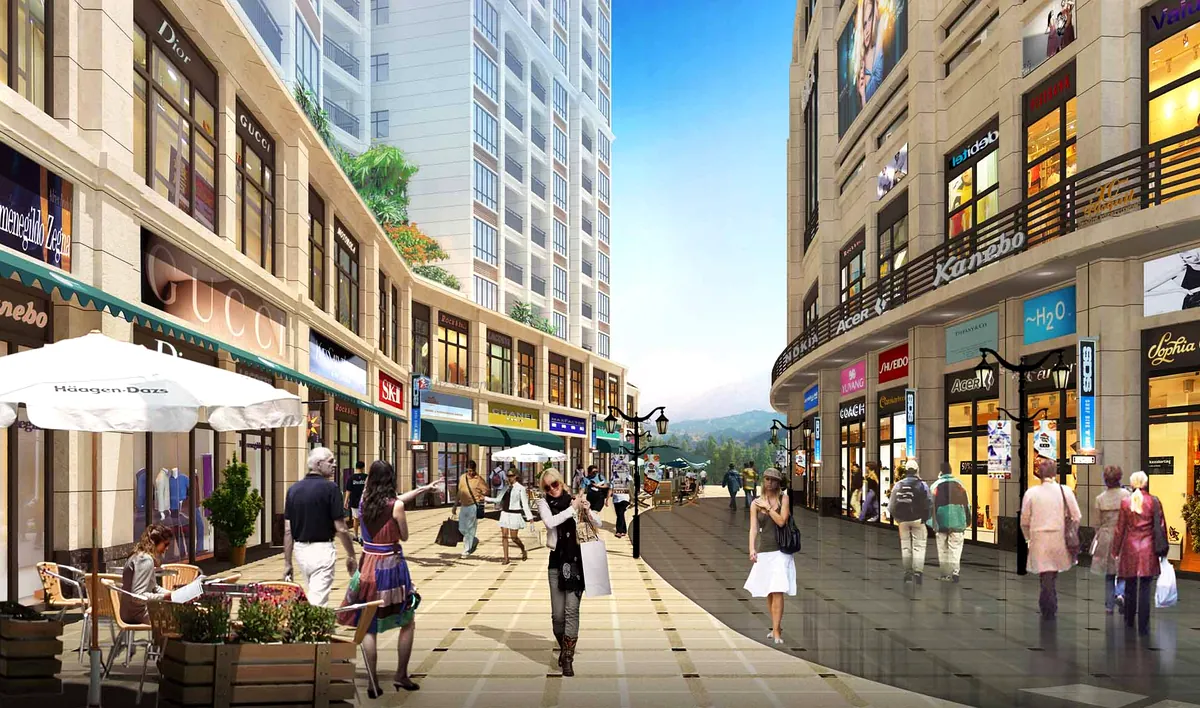
Capturing the vibrant pulse of the commercial street at dusk, hybrid historic facades glow brilliantly beneath neon signs and traditional lanterns while strollers wander down wide stone walkways lined with heritage jewelers, century-old teahouses, and contemporary fashion boutiques—uniting timeless mercantile dignity with modern retail energy.
To experience the full charm of this commercial quarter, timing your visit around its daily rhythm is helpful. While the outdoor pedestrian boulevard remains open day and night, retail life kicks into full gear at 10:00 AM when department stores and boutiques open their doors. The most magical window spans from 6:00 PM to 10:30 PM, when street-food stalls fire up their stoves and architectural lighting illuminates the streetscape—whereas early risers visiting before 9:00 AM are rewarded with serene, crowd-free architectural photography.
Modern transit links make reaching the commercial district effortless. The urban metro network is the top choice, with underground stations connecting directly into retail concourses via clearly marked bilingual exits. If arriving by bus or ride-hailing taxi, note that the entire core pedestrian zone is strictly closed to motorized vehicles; drivers drop passengers at designated perimeter hubs along the ring road, from which it is a pleasant walk straight into the heart of the district.
In China’s predominantly cashless digital economy, setting up a mobile payment account linked to an international credit card prior to arrival ensures smooth transactions everywhere. While major department stores and heritage brands still accept physical cash, QR-code payments make buying everything from street snacks to fine banquet meals quick and effortless. International visitors should also carry a portable Wi-Fi hotspot or travel data eSIM to stay connected for digital maps and real-time translation tools.
When shopping for high-value items such as jade, fine silk, artisanal crafts, or electronics, international travelers should take advantage of China’s Value-Added Tax (VAT) Refund policy at participating stores displaying the “Tax Free” emblem. Simply present your original passport at checkout to obtain a customs tax-refund form, and keep receipts and sealed items handy for verification at the airport tax-refund counter prior to departure. While department stores maintain fixed prices, polite, friendly bargaining remains an enjoyable cultural tradition in smaller alleyway souvenir stalls.
To enjoy a seamless journey free from language barriers, transit confusion, or complex payment and tax-refund procedures, consider booking an all-inclusive China tour package guided by experienced local specialists for complete peace of mind.