Nuzzled against the serene Qingshui River as it meanders through the mountainous terrain of southern Majiang County, within the Southeast Guizhou Miao and Dong Autonomous Prefecture, Xiasi Ancient Town resembles a silent epic carved in granite, fir wood, and millennia of flowing water. Originally a primitive settlement for indigenous tribes, the area’s destiny shifted when dynastic changes turned this wild river port into one of the busiest waterborne trade hubs in southwestern China. Through centuries of turbulence, war, and the prosperity of river commerce, Xiasi quietly accumulated multi-layered cultural sediments where the breath of southern river civilization endlessly blends with the pristine identity of the Qianling mountains.
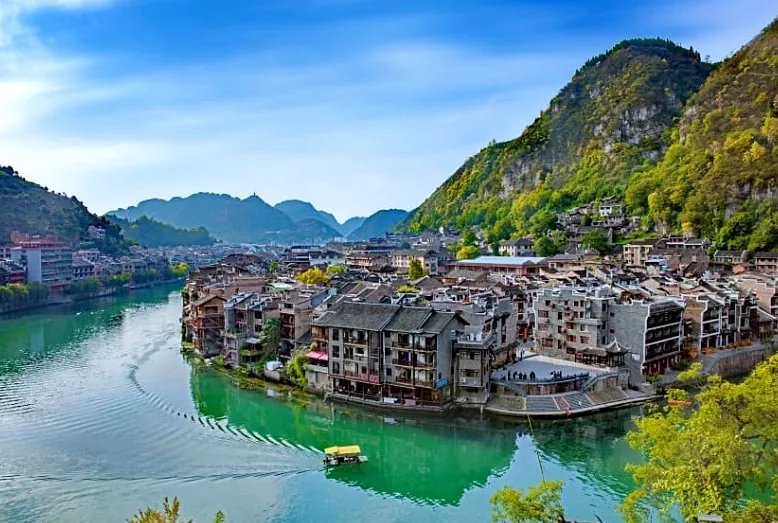
Gazing at the panoramic view of the ancient town stretching along the banks of the blue river, travelers are instantly captivated by the tiered spatial structure of traditional stilt houses casting their reflections on the crystal-clear water. Moss-covered granite steps connect the ancient dock to winding bluestone-paved alleys, where dark gray yin-yang tiled roofs overlap like endless dragon scales. In the distance, graceful arched bridges span the tranquil river segment, creating a stunning harmony between traditional folk architecture and the backdrop of lush green mountains and clear waters, perfectly portraying a serene lifestyle completely detached from the dust of the modern world.
Tracing back through the chronicles, Xiasi’s urban roots began to sprout during the Ming Dynasty, when the imperial court promoted land reclamation and established military checkpoints along the Qingshui River. However, it was not until the Jiaqing and Daoguang eras of the Qing Dynasty that the town truly entered its most brilliant golden age. Its prime geographical location turned the Xiasi river port into a strategic transit point on the “Qian timber out of the mountains” transport route and for distributing salt and iron from Sichuan and Hunan deep into Guizhou. Tens of thousands of drifting timber rafts and hundreds of flat-bottomed trading boats docked day and night, creating a bustling riverside trading scene that contemporaries praised as the “Little Shanghai on the banks of the Qingshui” or the “Bright Pearl of southeastern Guizhou.”
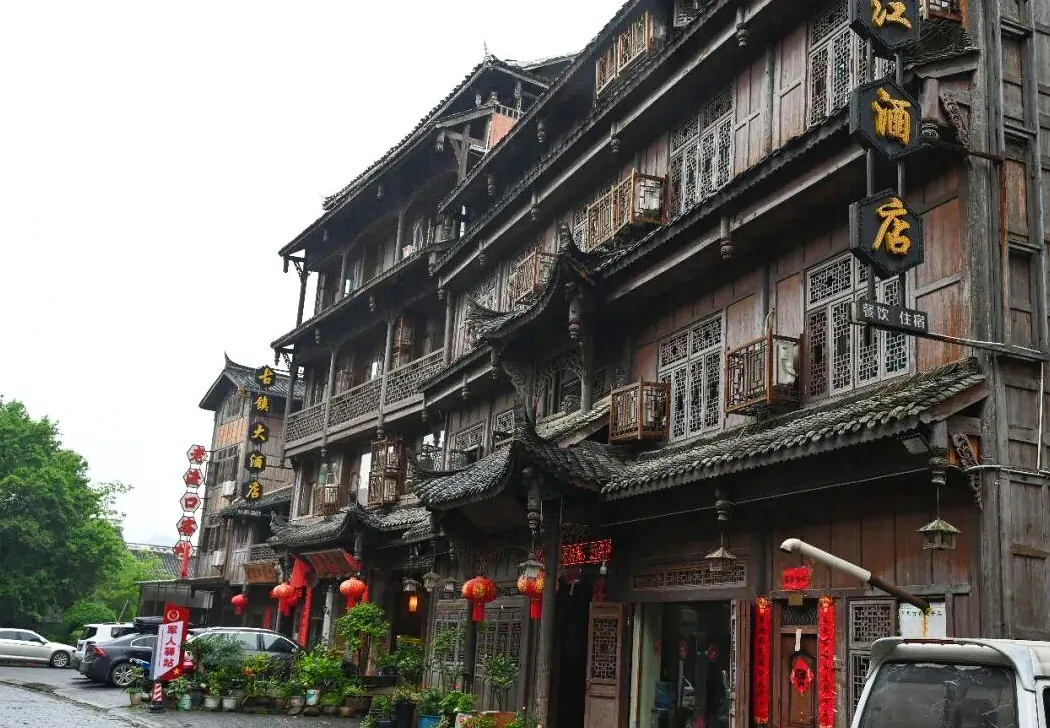
The golden current of commerce triggered a massive migration wave of major merchant groups from all over, coming to establish their businesses. Throughout the ancient alleys, merchants from Jiangxi, Guangdong, Hunan, and Sichuan pooled their resources to build magnificent guild halls, notably the Guangdong Guild Hall and the Jiangxi Relay Station, featuring exquisitely carved reliefs. The presence of the Han community brought fire-preventing brick walls and upturned eaves, which harmoniously blended with the wooden stilt houses of the local Miao and Dong ethnic groups. This was also the era when the famous Xiasi hunting dog—the loyal mascot of local hunters—was sought after by nobility and merchants, becoming an inseparable and distinctive cultural symbol of this land.
As times shifted, when the smoke of the Taiping Rebellion followed by the turbulence of the Xianfeng and Tongzhi periods swept through, Xiasi suffered heavy losses for a time. However, the indomitable spirit of the local townspeople quickly revived its prosperous rhythm of life. In the past century, as modern railway and highway networks gradually replaced the exclusive role of inland water transport routes, the Qingshui River no longer echoed with the chants of boat pullers or the sound of oars tapping against boat hulls. Yet, the decline of mechanized transport inadvertently preserved an intact Xiasi, returning the ancient town to its subdued, pristine beauty as a steadfast historical witness against all the storms of time.
Tucked away beside the middle reaches of the rolling Qingshui River, Xiasi Ancient Town enjoys a rare and auspicious feng shui terrain in the mountains of Southeast Guizhou. Its topography resembles a natural basin sheltered by overlapping limestone mountain ranges, curving in a “backed by mountains and facing water” formation, with its back firmly leaning against the Green Dragon Mountain and its front facing the jade-green waters. As the Qingshui River flows through the Xiasi plain, it does not rush violently but winds in curves, creating the legendary “jade belt wrapping around the waist” formation in traditional feng shui. This gentle bend not only serves to gather water and accumulate wealth and prosperous vitality for the bustling river trading hub over centuries, but also acts as a natural screen helping local residents through various eras avoid the bitter, toxic winds sweeping down from northern limestone gorges every winter.
Viewed from the opposite bank, the ancient town unfolds like a magnificent, nostalgic landscape, where layers of moss-covered, dark grey tiled roofs ripple along the gentle slopes of the lush limestone valley. The traditional Diaojiaolou (stilt house) architecture of the Miao and Dong ethnic groups features wooden pillars precariously supporting structures that cast reflections onto the tranquil waters of the Qingshui River, where wooden dugout canoes bob gently at anchor. Stone steps from ancient piers lead directly from the water’s edge into winding, deep alleys that appear and disappear behind the wisps of blue mist clinging to the mountainside, creating a picturesque scene characteristic of an ancient trading town in the Southwest.
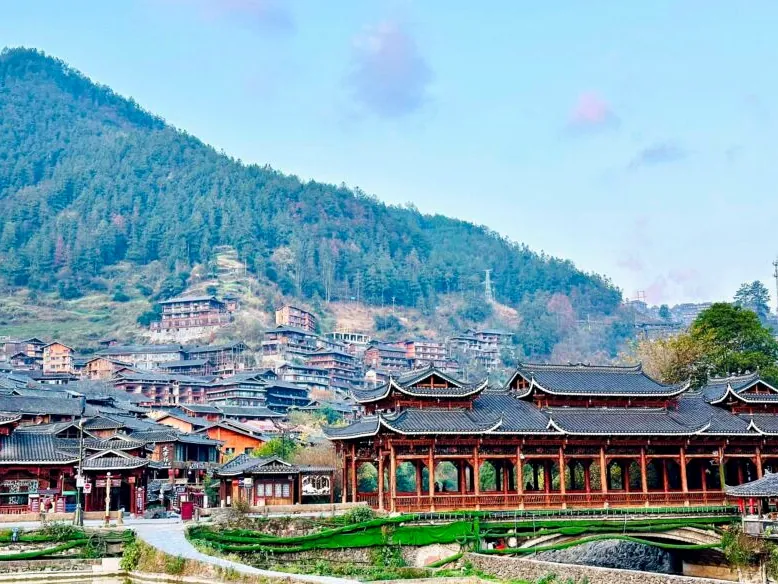
The ancient town’s terrain planning reveals a profound understanding of Guizhou’s karst topography and complex hydrological patterns. Rather than leveling mountains to build standardized structures, the network of roads and houses was distributed according to natural contours, creating a spectacular, stepped spatial structure. A fishbone traffic system, composed of thousands of smooth blue stone slabs, runs parallel and perpendicular to the river, leading directly to five ancient stone piers that once bustled day and night with hundreds of boats carrying timber, medicinal herbs, and rock salt. A key element of the ancient town’s water management lies in the intelligent slope design of the stone-paved paths combined with Ming and Qing dynasty underground drainage channels, allowing rainwater from the mountain peaks to drain directly into the river without causing flooding or soil erosion at the building foundations.
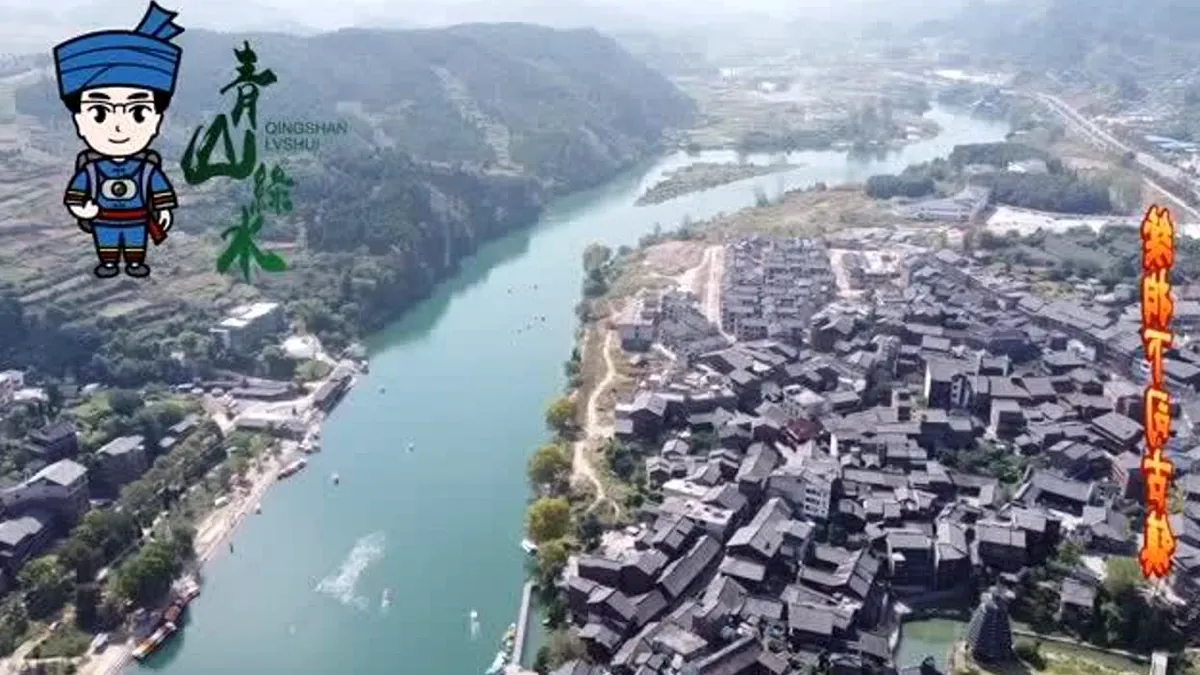
The microclimate in the Hatu valley remains remarkably temperate compared to the harsh surrounding mountains. The primary evergreen broad-leaved forests covering the limestone peaks act as giant ecological lungs, purifying the air and nourishing the pure groundwater that feeds the town’s ancient wells. The harmonious interaction between the cool groundwater, the year-round humidity from the Qingshui River, and the natural convection winds flowing through narrow alleys has created a fresh ecological space, making this an ideal sanctuary for dozens of merchant families from Hunan, Jiangxi, and Sichuan who migrated here to settle over centuries of historical change.
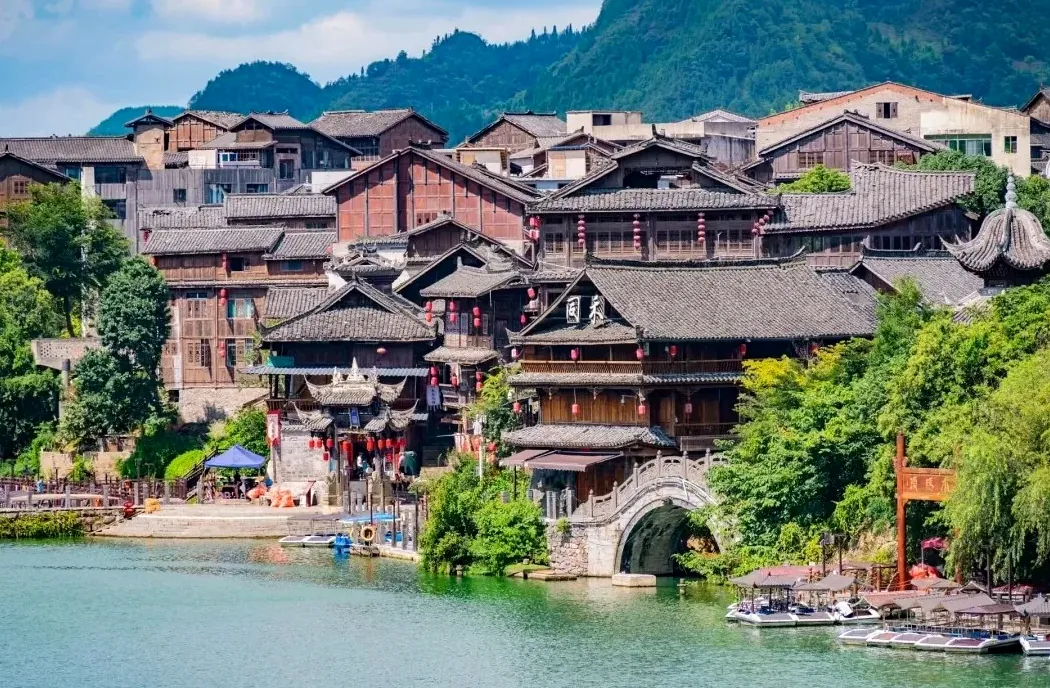
Viewed from the south bank of the Qingshui River, Hatu Ancient Town appears like an ancient ink wash painting, where silent cedar wood Diaojiaolou stilt houses cast their reflections on the emerald water. The architecture is distinguished by mossy yin-yang tiled eaves that curve rhythmically, interspersed with the elegant white of the ‘Horse Head’ fire-prevention walls, reflecting the distinct style of the Liangjiang region. Below the century-old stone piers that descend gently to the calm river surface, simple bamboo boats sway softly with the waves, creating a landscape that is both solemn and imbued with the rustic breath of indigenous culture.
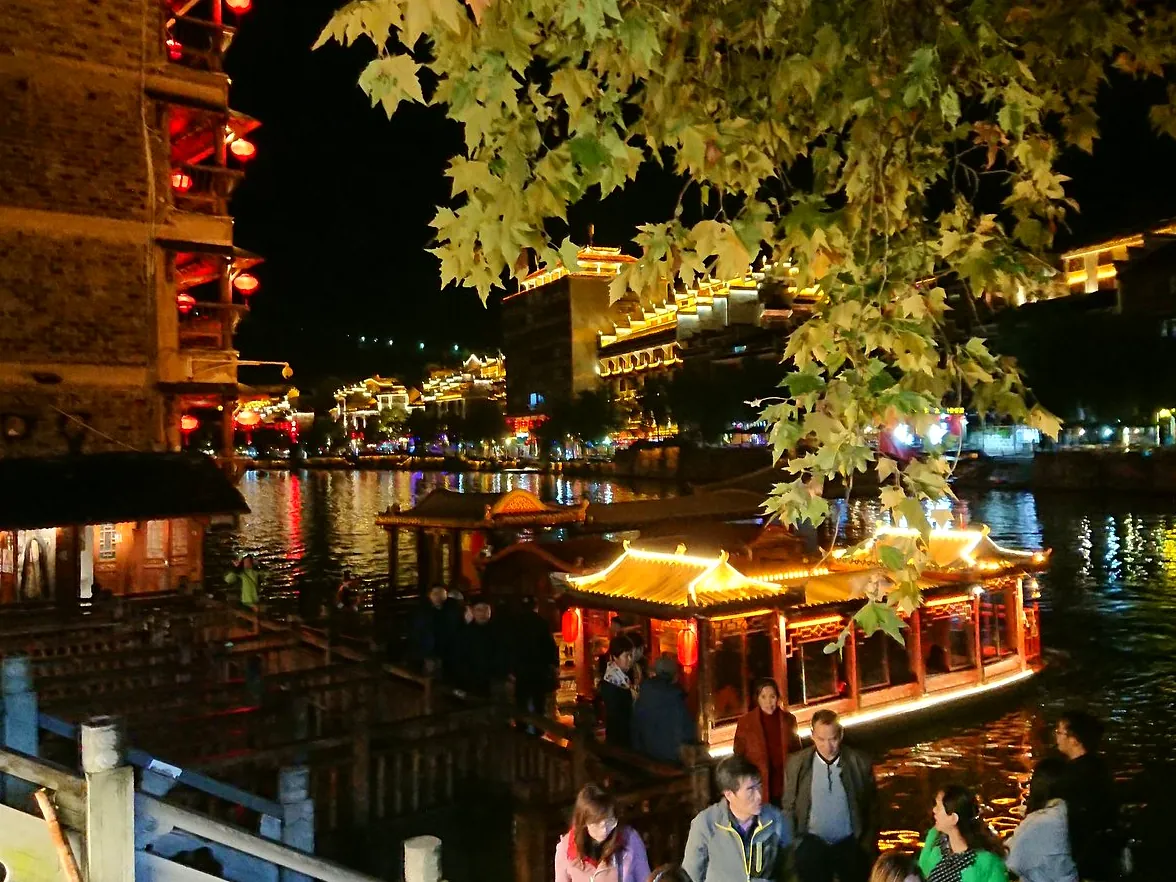
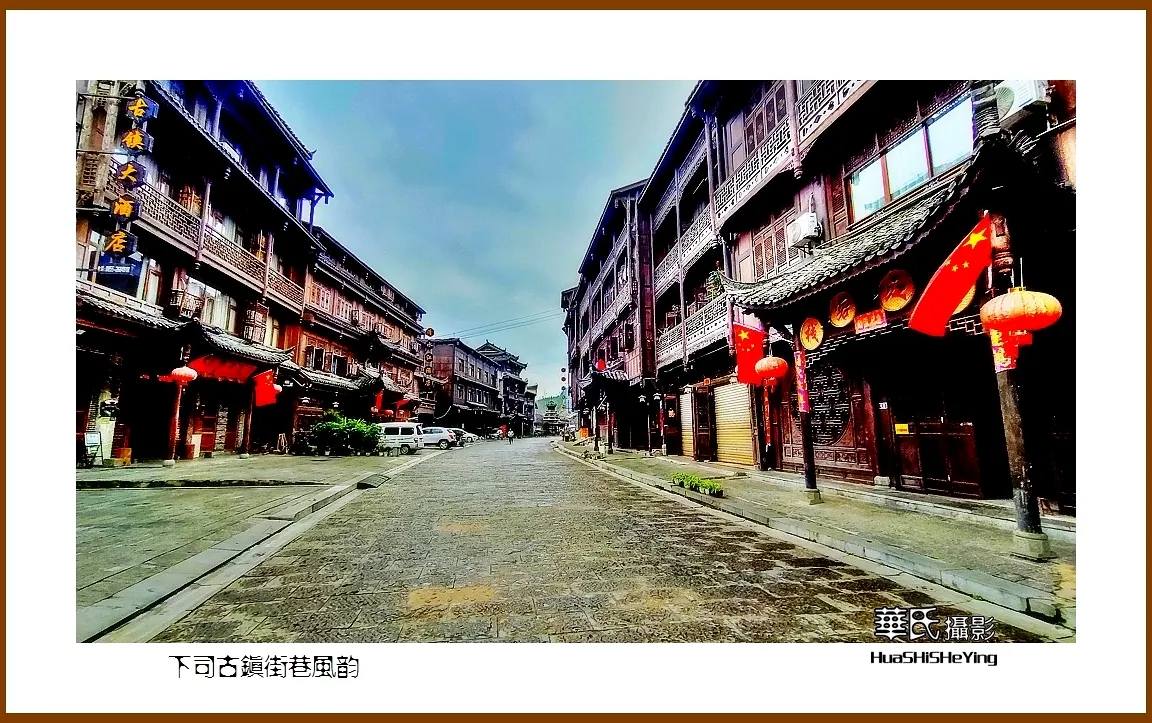
The overall spatial structure of the ancient town is methodically planned according to the classic model of “one river, two banks, three streets, and seventy-two alleys,” with the lifeblood river as the central axis, two symmetrical banks, and three main streets connecting a network of seventy-two alleys interwoven like a chessboard. The Qingshui River is not merely a geographical boundary but the soul that shapes the entire economic life and construction order of this land. Each main street, paved with blue slate, runs parallel to the water’s edge, opening into small, gentle alleys that lead directly to the ancient stone pier system, reflecting the traditional Feng Shui philosophy of gathering water to accumulate wealth.
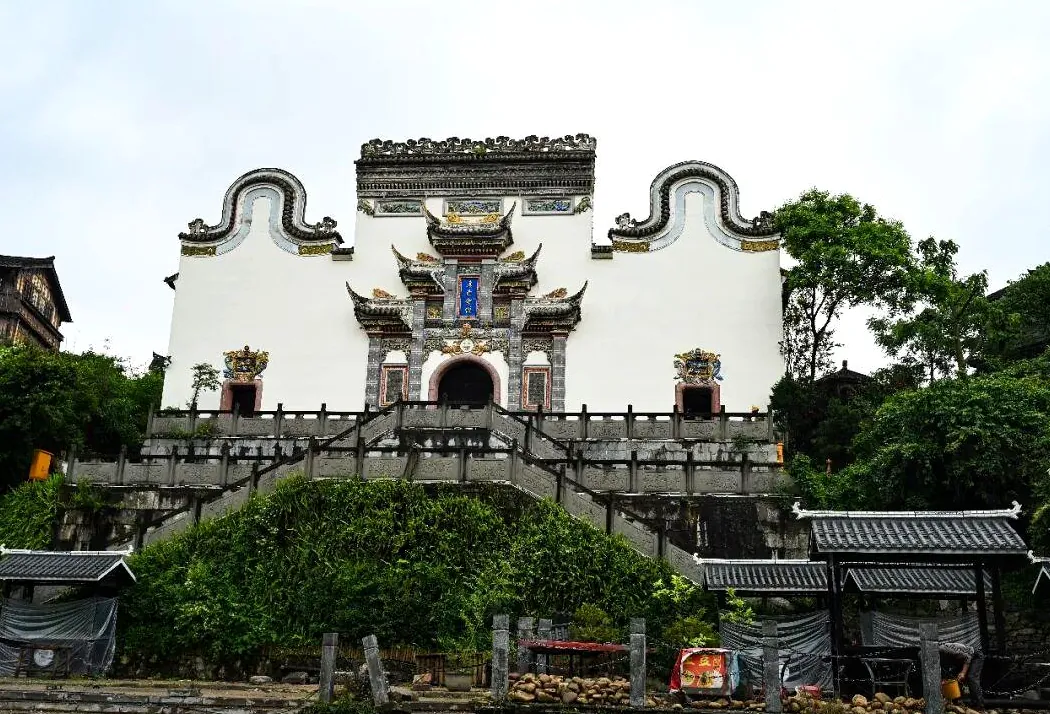
What makes Hatu Ancient Town truly unique is the seamless fusion of traditional Miao and Dong wooden architecture with the ornate style of the Han culture from the Central Plains, brought in by merchant fleets. Along the rocky slopes, multi-story Diaojiaolou houses with sturdy pillars made of thousand-year-old cypress wood stand proudly, adapting flexibly to the steep mountainous terrain and the humid climate of Southeast Guizhou. Adjacent to these are enclosed Siheyuan (courtyard) complexes, featuring high grey brick walls designed to prevent fire and looting. The pinnacle of this architectural fusion is evident in illustrious landmarks such as the Guangdong Guild Hall, Jiangxi Guild Hall, and the Yu Family Mansion, where screens carved with scenes from the Three Kingdoms, lattice windows with dragon and phoenix motifs, and stone door sills engraved with peach and pomegranate patterns still retain the exquisite sharpness of Qianlong and Jiaqing era craftsmanship.
To preserve the soul of a bustling trading port that once resonated throughout the Southwest, the local government implemented a comprehensive restoration project with an investment of hundreds of millions of yuan, strictly protecting a core area of over three square kilometers. The renovation plan strictly adhered to the principle of historical reconstruction, restoring nearly twenty large-scale cultural landmarks, including the Dingtu Road archway, Yangming Academy, Wuhuang Pavilion, and seven ancient stone wharf clusters from the Ming and Qing dynasties. Hundreds of traditional houses along the ancient Jiangnan street were restored, with structural reinforcements and the replacement of deteriorated materials using local fir wood and traditional handcrafted tiles. Furthermore, all electrical cabling and water supply systems were moved underground to ensure the nostalgic visual landscape remained undisturbed.
Thanks to this methodical investment and humanistic conservation approach, the architectural space of Hatu Ancient Town today has not been turned into a soulless artificial museum but remains vibrant with local life. The harmony between moss-covered stone walls, contemplative tiled roofs reflecting on the water, and the gentle daily routines by wooden doorsteps has transformed the entire ancient town into a living architectural masterpiece, fully preserving the memories of the golden age of the mountain region’s water-based Silk Road.
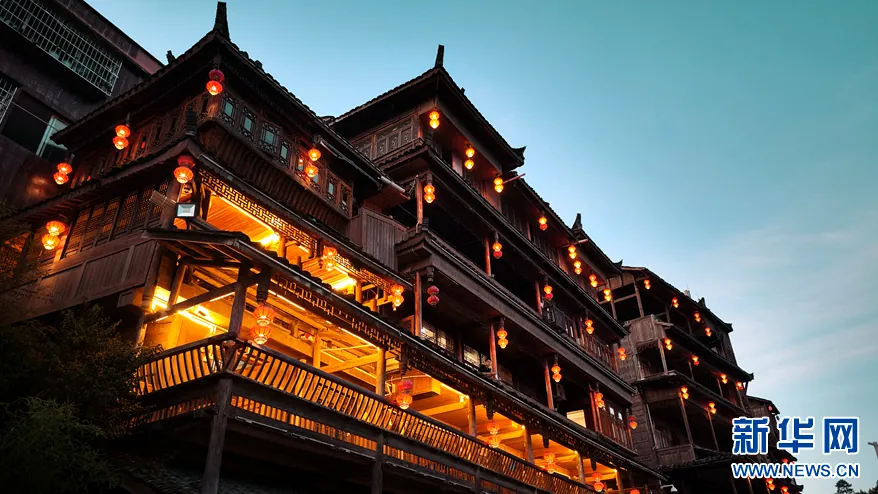
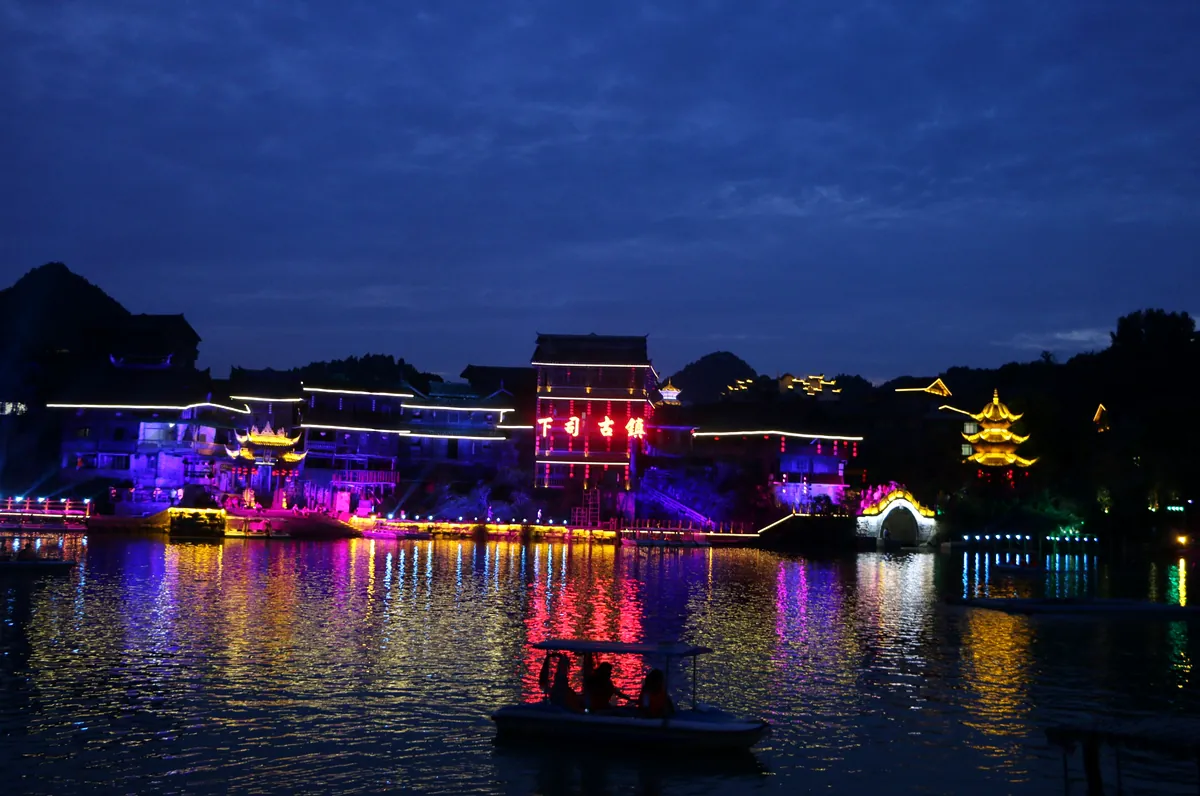
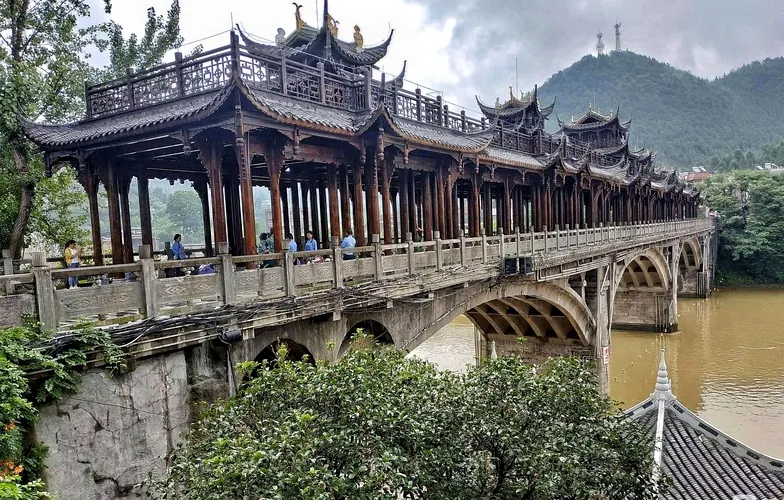
As twilight descends upon the Qing Shui River valley, Hatu Ancient Town sheds its daytime tranquility to don a magnificent cloak of contemporary lighting art, blending seamlessly with its ancient heritage. Along the riverbanks and blue-stone paved alleys, thousands of red lanterns and architectural accent lights illuminate simultaneously, tracing the graceful curves of yin-yang tiled roofs, towering drum towers, and majestic Fengyu bridges. The calm surface of the ancient wharf acts as a giant mirror, doubling the magical space where wooden dugout canoes glide silently, leaving shimmering trails of light in their wake.
The heart of the town’s nightlife lies in the elaborate live-action performances staged directly on the water and the central square. Set against the backdrop of the Qing Shui River and the surrounding limestone mountains, the show reenacts the thousand-year migration epic of the Miao, Dong, and Yao peoples, as well as the prosperous memories of the salt and timber trade routes during the Yongzheng and Qianlong eras. When the deep, resonant sound of the Lusheng flute pierces the night, Miao girls in traditional costumes adorned with intricately carved silver jewelry emerge. Their rhythmic steps cause thousands of silver pieces to collide, creating a sound as clear as a mountain stream. The water stage effects, combined with misty smoke and 3D mapping technology, turn the cliffs and ancient pavilions into a vivid backdrop, transporting travelers back in time to the heroic days of pioneering and settlement.
Leaving the grand live-action stage, the nightlife of Hatu slowly spreads into every alley and ancient guild hall. Unlike the noisy bustle of modern tourist cities, Hatu at night carries a nostalgic and serene atmosphere. Under the lantern-lit eaves of the Guangdong or Jiangxi guild halls, local artisans often gather to perform the Dong people’s grand song—a form of polyphonic folk chorus without instrumental accompaniment, recognized as an Intangible Cultural Heritage of Humanity. The voices soar like larks among the clouds, then turn as warm as the wind blowing through old bamboo groves, blending with the gentle lapping of water against boat hulls to create a mesmerizing nocturnal harmony.
Late night is also when the glowing charcoal stoves along the ancient food street release fragrant aromas, enticing travelers with the unique flavors of Southeast Guizhou cuisine. The spicy kick of grilled chili blends with the characteristic tangy taste of the Shui ethnic sour fish soup, carried on the cool breeze blowing from the river. Visitors strolling along the riverbank can stop at small tea houses by the wooden bridge, sip local bitter tea, enjoy fragrant grilled sticky rice cakes, and watch floating lanterns drift slowly, carrying wishes for peace. The subtle lighting art does not overwhelm the raw, rustic charm of the ancient town; instead, it fully honors the profound beauty of these thousand-year-old structures, turning every night walk in Hatu into a poetic journey through a heritage landscape.
Along the banks of the Qingshui River, the culinary culture of Hatu Ancient Town is more than just an art of seasoning; it is a profound symphony blending the raw, rustic flavors of the Miao and Dong people with the refined, sophisticated touch of Jiangnan residents who settled here via merchant boats during the Ming and Qing dynasties. A Guizhou proverb states, “If you go three days without eating something sour, your legs will tremble and you won’t be able to walk steadily.” This culinary philosophy, which treats sour and spicy notes as the soul of the cuisine, is vividly reflected in every kitchen chimney at dusk, creating a unique flavor map in this thousand-year-old port town.
At the pinnacle of Hatu’s culinary masterpieces is the traditional sour fish hotpot, a dish passed down through generations along the Qingshui River. The signature broth is crafted from two essential sour bases: “white sour,” naturally fermented from sticky rice water in earthenware jars for several weeks, and “red sour,” brewed from wild tomatoes grown on limestone hills, fresh red chilies, mountain ginger, and sea salt. As the fire roars, the boiling pot releases a distinct, pungent aroma, with a clean, non-sharp acidity enhanced by a few drops of Litsea cubeba essential oil distilled from wild forest peppercorns. Local fishermen catch fresh river carp or catfish from the swift currents of the Qingshui River, clean them, and drop them whole into the bubbling broth. Each piece of firm, snow-white fish meat absorbs the sweet, sour, and spicy flavors, melting on the tongue and delivering the pure, fresh essence of the river’s rich ecosystem.
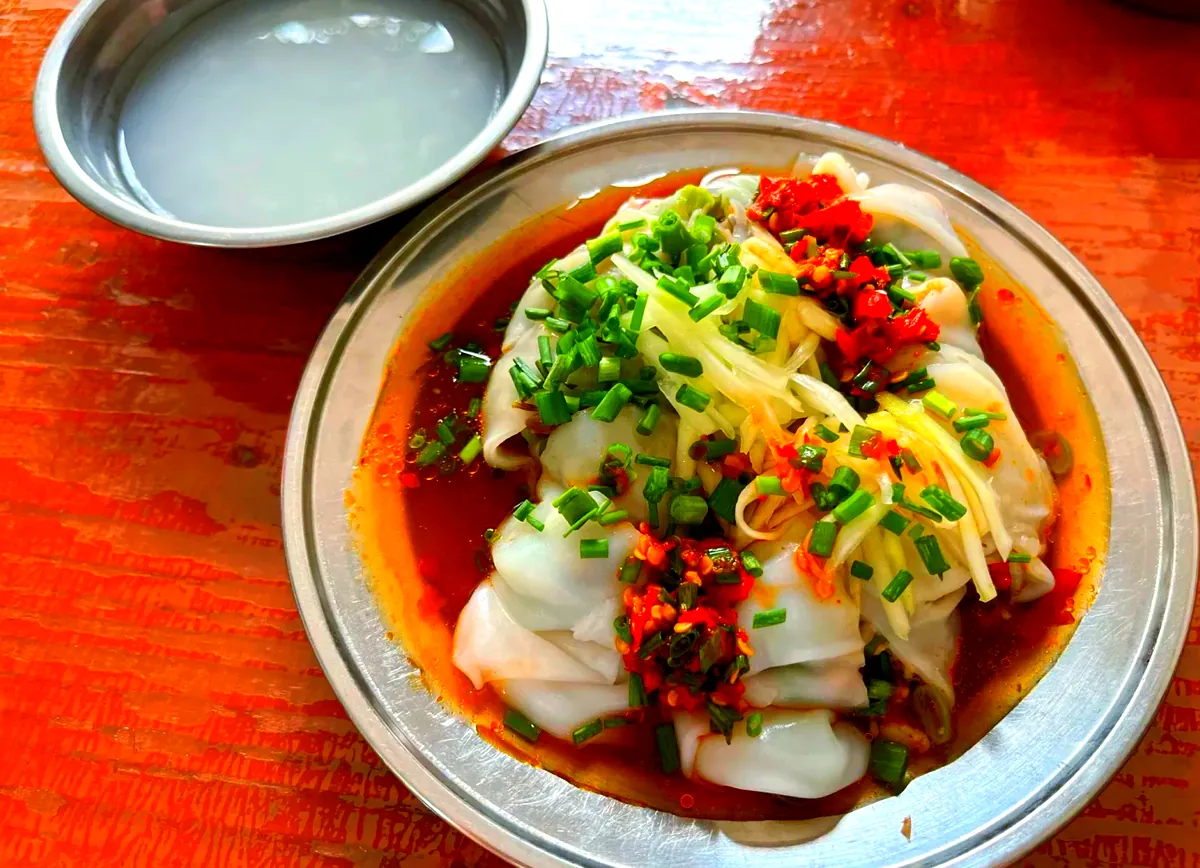
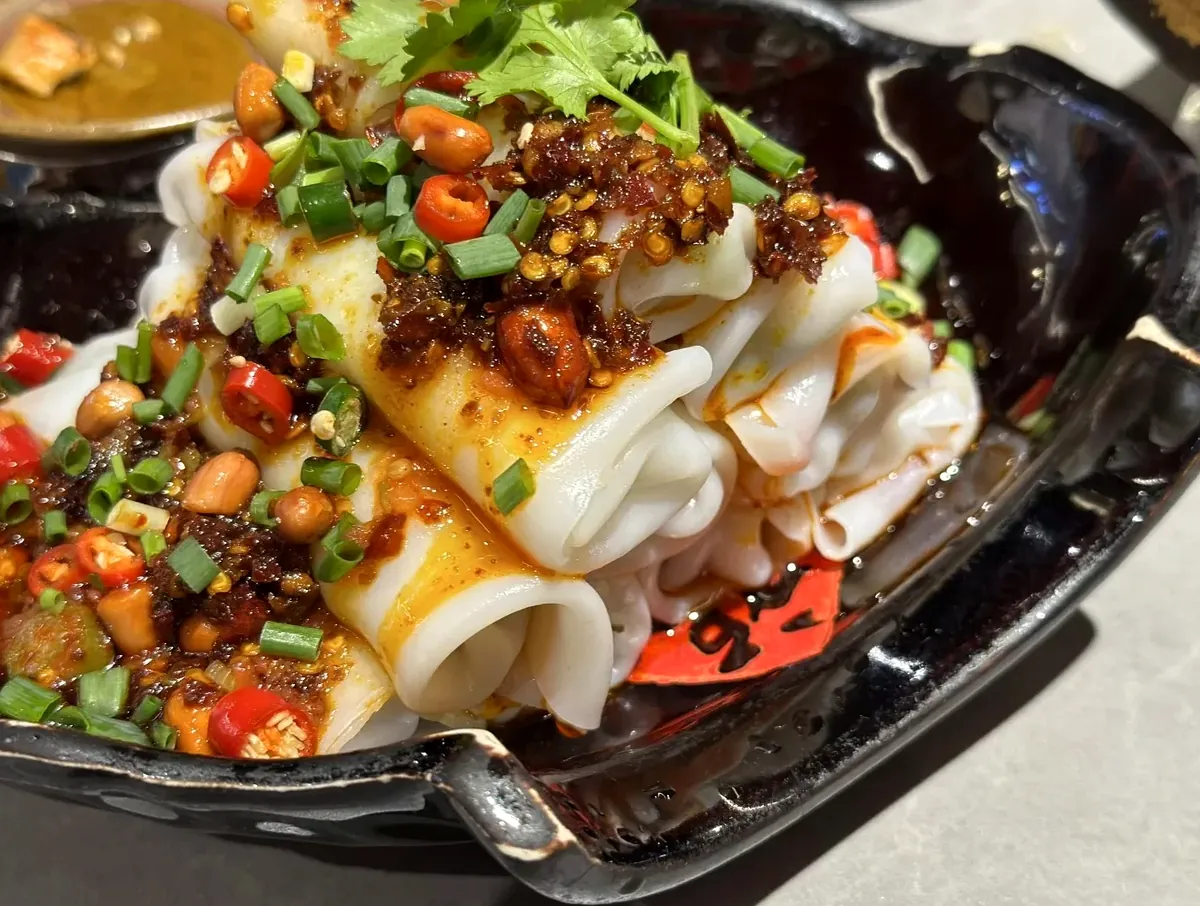
Beyond the rich flavors of river fish, Hatu rice rolls are an elegant delicacy tied to the memories of prosperous trade during the Qianlong era of the Qing Dynasty. This heirloom dish requires rigorous manual preparation, starting with the selection of pure non-glutinous rice soaked in the town’s cool, sweet groundwater before being ground into a smooth batter using a sandstone mill. The artisan skillfully pours a layer of batter—thin as a cicada’s wing—onto a cloth stretched over a steaming pot, covers it for a brief moment, and then uses a bamboo stick to lift a sheet that is translucent, soft, and remarkably elastic. The rolls are layered with a filling of minced pork, wood ear mushrooms, and shiitake, sprinkled with crushed roasted peanuts and scallions, then drizzled with a secret sauce made from wood-fermented rice vinegar, fragrant chili oil, and traditional soy sauce, creating a texture that is crispy, soft, and savory without being greasy.
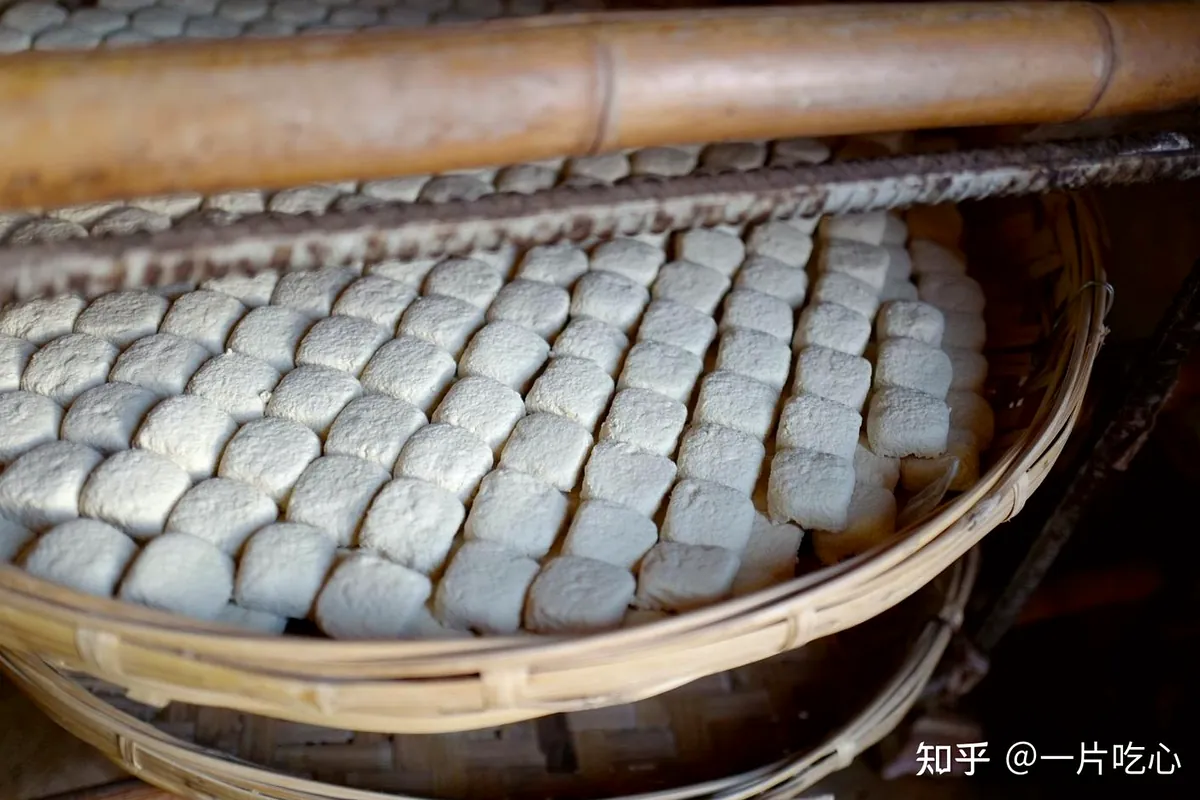
Wandering through the winding blue-stone alleys, visitors can hardly resist the rustic aroma of charcoal-grilled Hatu tofu. These square tofu blocks, made from soybeans grown in red basalt soil and pressed by hand to achieve perfect firmness, puff up round and golden on the charcoal grill, with a crispy exterior and a creamy, airy interior. The hot tofu is torn by hand and dipped into a mixture of roasted chili powder, wild pepper salt, and cardamom, providing a warming sensation that spreads through the chest in the cool highland air. The local feast concludes perfectly as diners sip sweet, fragrant leaf-fermented rice wine from bamboo tubes and nibble on slices of Miao-style pine-smoked sausage, feeling the layers of time flowing quietly through the rustic flavors of the mountains.
As sunset falls over the Qingshui River, Hatu Ancient Town reveals a tranquil, antique beauty, where the traditional wooden houses of the Miao people and the stilt-house architecture of the Dong people cast their reflections upon the clear water. The ancient wharf, once bustling with boats transporting precious timber and rock salt, now wears a somber, colorful cloak, accented by the warm glow of red lanterns from the stone-paved streets. This serene scene feels completely detached from the noisy outside world, anchoring travelers in a space of vibrant cultural exchange and nostalgia.
The ancient town along the Qing-shui River is open to visitors from 8:30 AM to 10:00 PM daily, with the artistic lighting system on the wind-and-rain bridges and pedestrian streets typically illuminated simultaneously starting at 6:30 PM. The early morning hours from 7:00 AM to 9:00 AM are the golden moment to experience the authentic rhythm of life as local women carry their goods to the market, while the late afternoon offers spectacular angles for architectural photography enthusiasts.
The transportation network connecting to Hatu is relatively seamless and convenient thanks to the modern high-speed rail system of Guizhou Province. The most optimal route for international travelers is to fly into Guiyang Longdongbao International Airport, then transfer to a high-speed train at Guiyang East or Guiyang North station to reach Kaili South station in less than forty minutes. From the square at Kaili South station, the sixteen-kilometer distance to the west gate of the ancient town can be easily covered by public bus line 30, which runs every thirty minutes, or by ride-hailing taxi, which takes just about twenty minutes.
Regarding immigration procedures and luggage preparation, Vietnamese citizens need a passport valid for at least six months and a Chinese tourist visa (L category) or a border pass, depending on the chosen travel route. Pre-installing cashless payment apps like Alipay or WeChat Pay linked directly to an international credit card is a prerequisite, as most traditional eateries selling sour and spicy fish soup or silver handicraft shops here do not prioritize cash. Additionally, equipping yourself with a travel eSIM or a Wi-Fi hotspot with international data roaming will help maintain communication and ensure smooth navigation.
When strolling through the cobblestone alleys, visitors should prepare comfortable walking shoes with good grip to adapt to the steep stepped terrain and damp stone surfaces by the river. Do not miss the chance to admire the famous purebred Hatu hunting dog, known for its coarse white fur and remarkable intelligence, which is one of the long-standing cultural prides of the local people. For those who desire a leisurely excursion without worrying about booking transfer tickets or language barriers in the mountains, traveling with an all-inclusive tour package specifically designed for the region will provide the most complete and worry-free experience of exploring the culture of Southeast Guizhou.