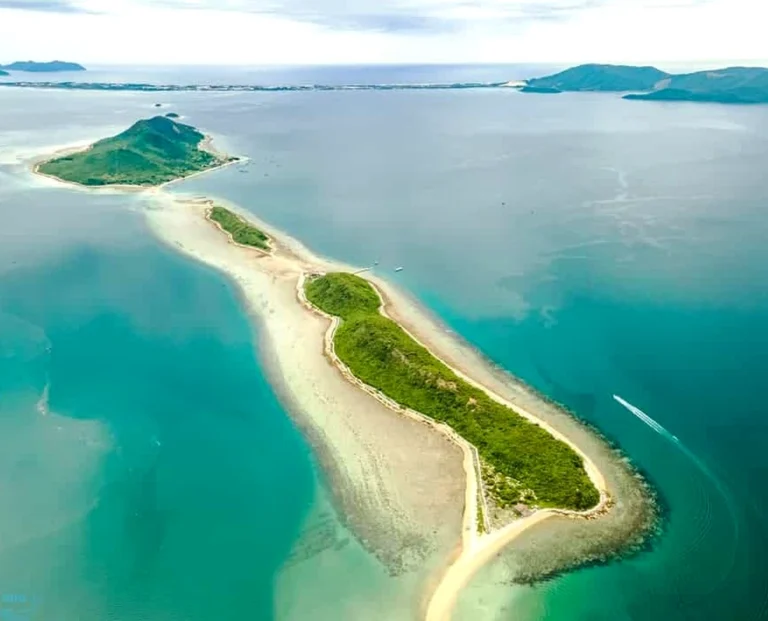
Standing majestically along the rugged boundary separating Baoxing County in the prefecture-level city of Ya’an and Xiaojin County in the Ngawa Tibetan and Qiang Autonomous Prefecture, Jiajin Mountain (Chinese: 夹金山, pinyin: Jiǎjīn Shān) has long entered historical chronicles as one of western Sichuan’s most formidable natural ramparts. Originating from the majestic Qadal Ridge mountain system, this peak features treacherous terrain with cloud-shrouded soaring summits that once served as a natural barrier dividing ancient Tibetan and Qiang chieftain territories from the fertile inland plains. Across hundreds of years of dynastic upheavals, this location held a vital bottleneck along the rugged Ancient Tea Horse Road, witnessing historic migrations and the profound cultural intermingling of indigenous communities before stepping into a brilliant and heroic modern era.
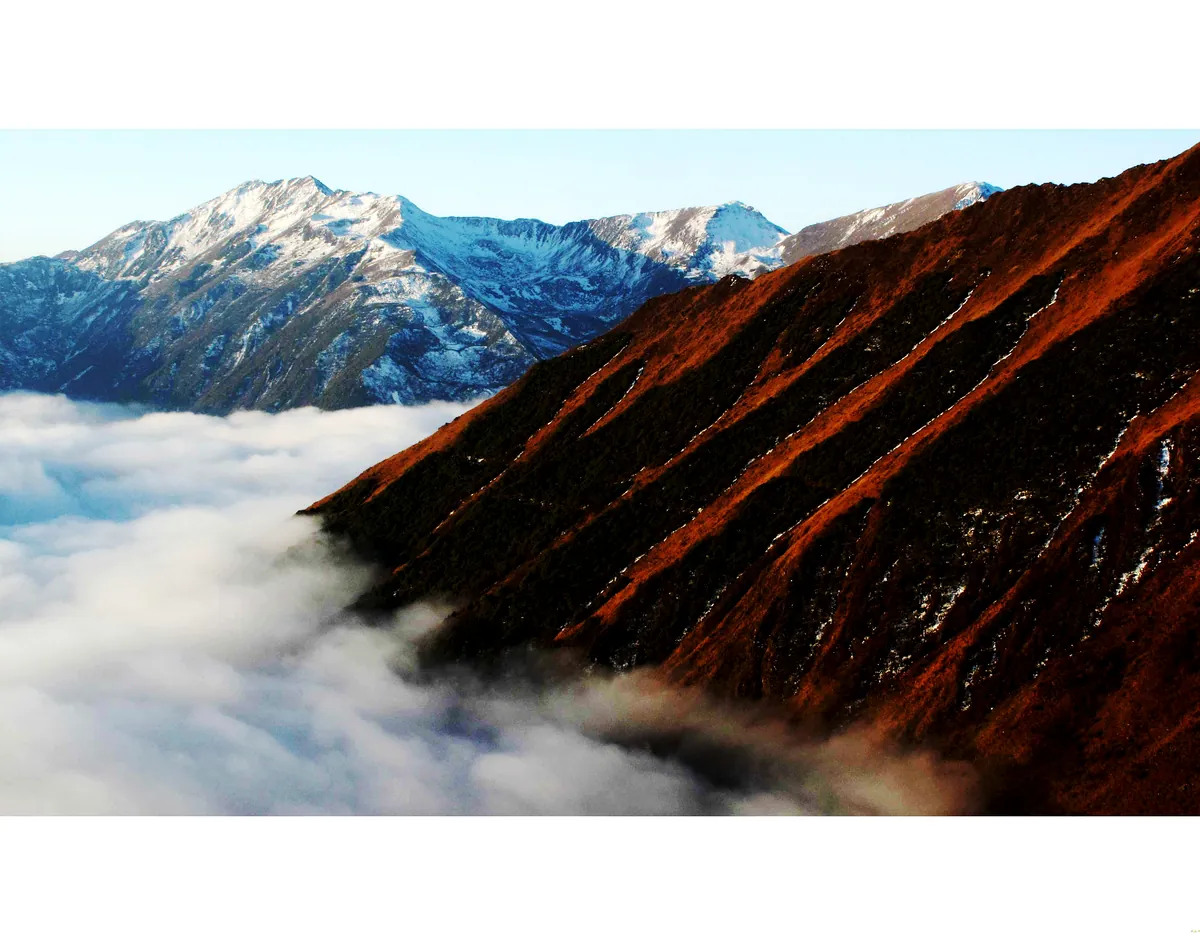
Jiajin Mountain unfolds in breathtaking splendor through the dramatic vertical zonation of its alpine and snow-bound terrain. In the distance, sharp jagged peaks wrapped in eternal white snow radiate a cold, brilliant glow beneath vast skies—contrasting sharply with the towering brownish-red slopes in the foreground, bearing deep weathering scars from ancient paleozoic rock strata. Directly beneath these sheer cliffs, a dense sea of clouds rolls upward like a billowing silver ocean, enveloping the entire deep valley below. Absolute silence combines with the striking contrast between pristine ice and snow, silent rock and earth, and floating mountain mists to sketch a natural masterpiece at once expansive and mythic.
The deepest historical imprint etched into Jiajin Mountain occurred in June 1935, when the Chinese Workers’ and Peasants’ Red Army undertook its historic Long March. Led by prominent figures such as Mao Zedong, Zhou Enlai, and Zhu De, the First Front Army chose this perilous route to break through overwhelming enemy blockades. This marked the very first major snow mountain the army had to conquer throughout the entire Long March. At an altitude exceeding 4,000 meters above sea level, where the air is extremely thin and weather shifts unpredictably from freezing snowstorms to violent gales, tens of thousands of soldiers in crude uniforms courageously traversed perilous mountain passes—transforming a desolate snow mountain into an immortal symbol of iron will and a life-or-death strategic turning point in 20th-century military history.
The victorious conquest of the Jiajin Mountain summit paved the way for a historic military junction in Dadwei town within Xiaojin County, where the First Front Army met the Fourth Front Army led by Xu Xiangqian. This pivotal merger not only altered the entire military landscape of the Chinese civil war at the time, but also laid the groundwork for macro-level military decisions guiding revolutionary forces northward to northern Shaanxi. Throughout this process, the silent assistance of Jiarong Tibetan and Qiang villages inhabiting the treacherous mountain slopes contributed immensely to the survival of the army, forging an unbreakable bond between borderland ethnic communities and the nation’s destiny.
Today, Jiajin Mountain is ranked as a national revolutionary historical site—a cultural and historical space holding profound symbolic significance for a nation of billions. Remnants of perilous stone trails, memorial markers standing quietly beside deep chasms, and wind whistling through endless rocky gorges still echo the heroic epic of a turbulent era. The blend of the Tibetan region’s awe-inspiring geological beauty and its stirring history has turned Jiajin Mountain into an eternal witness of time, majestically recording the monumental trials and transformations of contemporary history.
Situated at the treacherous junction between the fertile Sichuan Basin and the towering Qinghai-Tibet Plateau, Jiajin Mountain anchors a vital artery of the Qionglai Mountains, reaching an elevation of 4,114 meters above sea level. Within traditional Ba-Shu feng shui topography, this mountain mass acts as a giant natural screen separating Ya’an City to the south from Ngawa Prefecture to the north. Its terrain features profound vertical zonation shaped directly by tectonic movements of the Himalayan orogeny, producing sheer ravines, sharp ridges, and fog-filled valleys year-round. Rising abruptly from the plains to permanent snow peaks, the mountain serves not only as a regional climatic boundary, but also forms a sturdy dragon vein protecting the entire western basin.
Looking down from the high mountain slopes, an expansive and awe-inspiring natural panorama unfolds before the traveler. In the foreground, gently sloping hillsides are cloaked in the somber brownish-red tones of weathered soil and hardy low vegetation stubbornly clinging through seasons of wind and snow. Directly below that tier, a dense, spongy sea of clouds surges and billows, filling the deep valley like an ethereal spatial ocean. Rising proudly along the distant horizon are perpetually snow-capped peaks glowing with pure, serene beauty beneath azure skies, creating a magical color contrast between red earth and white snow.
In terms of ecological planning, these rolling mountains now hold a pivotal role as they lie entirely within the strict conservation boundaries of the Giant Panda National Park. Thanks to dramatic elevation shifts ranging from foothill passes to rugged summits over four thousand meters, local ecosystems exhibit sharp vertical zonation supporting some of the planet’s rarest flora and fauna. Moist primeval forests on southern slopes in Baoxing County connect seamlessly with alpine meadows and high-altitude wetlands in Xiaojin County, forming a critical biological migration corridor preserving the gene pools of ancient Ice Age wildlife.
Jiajin Mountain’s natural scenery transforms fluidly across seasons, weaving enchanting carpets of color. When warm spring sunshine dispels winter cold in May and June, hillsides awaken with vast patches of wild rhododendrons bursting into bloom like brocade, blanketing rocky limestone slopes in soft pink, deep red, and rich purple. By October, crisp autumn air turns birch, maple, and deciduous pine canopies into brilliant golden oceans, contrasting exquisitely with gray granite rock faces and hidden glacial streams. This fierce yet tranquil beauty makes this borderland region one of southwestern China’s most breathtaking geological masterpieces.
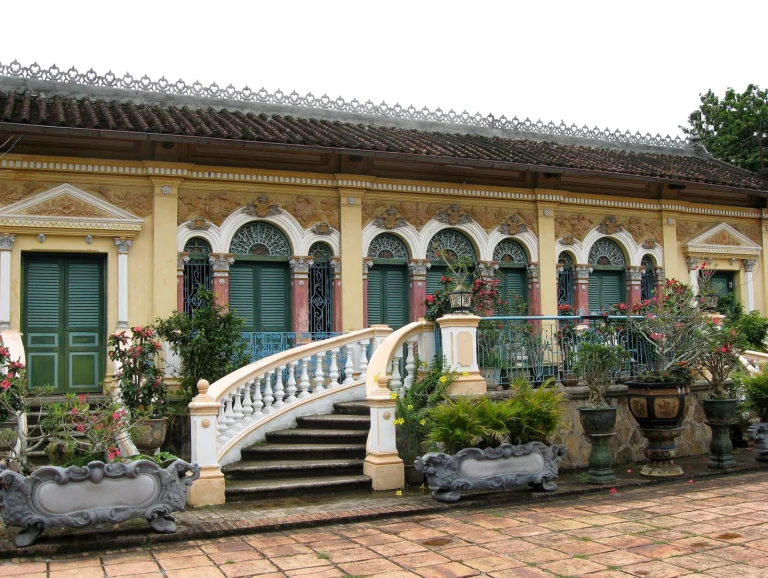
Stepping into the cultural space surrounding the Jiajin Mountain range, researchers and travelers alike are immediately struck by the unique settlement architecture of indigenous Jiarong Tibetans, where traditional building art merges seamlessly with precipitous alpine terrain. Over centuries of withstanding western Sichuan’s harsh weather, mountain settlements at the foot of Jiajin Mountain are planned to follow natural slopes, creating a closely knit multi-tiered spatial layout. The core of this residential cluster consists of stone-and-wood dwellings that directly inherit the characteristic watchtower (diaolou) architecture of the Tibetan-Qiang borderlands. Exterior walls are built entirely from natural flagstones or boulders quarried on-site, ranging from 60 centimeters to nearly a meter thick on ground floors and tapering upward toward upper stories according to golden ratios for earthquake resistance. This thick stonework acts as a perfect thermal armor, blocking sub-zero freezing gales sweeping down from snow-capped peaks while keeping indoor hearth fires cozy.
Venturing inside each home, Tibetan carpentry and visual aesthetics shine through wooden columns, beams, and rafters fashioned from aged mountain pine, joined without iron nails yet standing sturdy across generations. Flat beaten-earth clay roofs represent a climate-adapted masterpiece: serving simultaneously as drying floors for crops like highland barley and corn after harvest, and as outdoor ritual altars facing sacred mountain peaks. Standing out against rough gray stone walls is a system of trapezoidal sloped window frames—a dual optical and mechanical technique helping disperse heavy stone wall loads. Window sills, wooden lattices, and balcony borders are coated entirely in vibrant natural mineral pigments dominated by crimson madder, chrome yellow, and indigo blue. In Tibetan Buddhist and indigenous worldviews, red symbolizes the life flame and protective guardian power, yellow represents compassion and mother earth’s abundance, while blue embodies boundless skies and liberating wisdom. Auspicious motifs including the Eight Auspicious Symbols, swirling clouds, and swastika fretwork adorn window frames, turning domestic dwellings into richly symbolic folk sculptures.
Alongside this millennial architectural sediment, Jiajin Mountain’s modern landscape has witnessed a spectacular transformation driven by state-of-the-art infrastructure investment. Once one of western Sichuan’s most treacherous bottlenecks along corridors linking the western plateau with winding, snow-blocked mountain passes exceeding 4,000 meters, travel across Jiajin Mountain was paralyzed for months during harsh winters. The creation of the Jiajin Mountain Tunnel, with an exact length of 935 meters, marked a historic turning point by piercing straight through the rugged granite heart of the mountain. This underground engineering marvel significantly lowered the crossing altitude for vehicles, permanently eliminating chronic traffic bottlenecks and ensuring smooth year-round transit despite heavy snowstorms on the high pass.
The Jiajin Mountain cross-mountain road tunnel solved not only civilian transportation challenges, but also played a pivotal role in regional eco-tourism and cultural planning. This 935-meter tunnel completed a strategic missing link along the golden tourist highway connecting economic hub Chengdu, running past the thousand-year-old Dujiangyan irrigation system, threading through the Wolong Biosphere Reserve, and heading straight toward majestic Mount Siguniang before reaching Jiajin Mountain. The fusion of modern engineering piercing deep into bedrock on one side and stone villages adorned with vibrant patterns on the other weaves a spatial structure at once progressive and faithful to the profound, mystical soul of snowy Tibetan highlands.
When crimson twilight fades and darkness gradually blankets the majestic Jiajin Mountain range towering over 4,114 meters above sea level, the mountain base shifts into a tranquil and mystical realm. Unlike bustling tourist cities ablaze with industrial neon lights, nightlife at the foot of the first snow mountain crossed by the Red Army in June 1935 is illuminated by a completely natural “live-action show.” It is a sublime dialogue between the deep night sky of the Tibetan Plateau, primal starlight, and crackling campfires inside ancient Jiarong Tibetan villages.
After night falls completely, Tibetan villages scattered beneath Jiajin Mountain—such as Dadwei or Wori—radiate a charm at once somber and mesmerizing. Evening life here centers around aromatic pine-wood hearth fires burning warmly in the courtyards of sturdy stone watchtower homes. Jiarong Tibetans dressed in traditional festive attire embroidered with intricate five-colored threads begin singing ancient melodies, inviting travelers into the joyful circle of the Guozhuang (Guoxie) circle dance. Rhythmic footsteps tapping against stone floors and robes swaying gracefully to string music and antiphonal singing echo across the valley, creating a lively folk performance that dissolves boundaries between locals and travelers.
Amid the biting chill characteristic of high Sichuan mountains, nightlife at Jiajin Mountain is warmed by traditional ethnic cuisine. Around crackling fires, copper pots of steaming yak butter tea are stirred continuously, releasing the rich aromas of dark black tea blended with the salty, creamy richness of yak butter. Diners pass around bowls of highland highland-barley wine, savoring shredded air-dried yak jerky or grilled meat over live coals while listening to village elders recount stirring legends of the sacred year-round snow mountain and historical memories of armies conquering the snow pass.
Notably, the surging shift toward modern travel trends has turned the mystical nighttime space at Jiajin Mountain into a sanctuary for “healing tourism.” Completely detached from light pollution and urban smog, the thin, crystal-clear atmosphere of the plateau opens up a breathtaking astronomical dome. The Milky Way arches across the snow-capped range like an endless diamond river, making the location a premier nature photography destination where youth eagerly chase surreal cosmic frames amid earth and sky.
For souls seeking inner peace, nighttime beneath Jiajin Mountain offers invaluable natural meditation. Sitting quietly on a wooden veranda, listening to tinkling wind chimes blending with prayer wheels turning rhythmically and pine branches rustling in cold winds, visitors easily shed daily pressures to touch deep serenity. The silent “light art” of millions of stars reflecting off eternal snowcaps, combined with burning incense and faint pine smoke, crafts a poetic nocturnal canvas—turning Jiajin Mountain into an ideal resting place to recharge body and spirit.
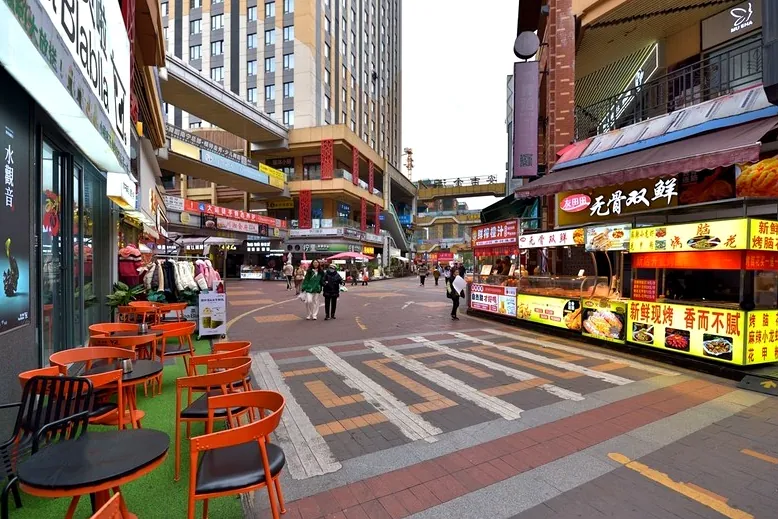
Following journeys across Jiajin Mountain’s year-round snow passes, travelers often pause in bustling valley towns at the mountain’s foot, such as Baoxing or Xiaojin, to rediscover human warmth. Outdoor commercial dining streets come alive with bustling stalls venting fragrant steam, colorful Chinese signboards hanging along eateries, and outdoor tables welcoming cool mountain breezes. Behind bustling dining spaces stand sturdy multi-story buildings, creating a seamless bridge between alpine township life and robust highland gastronomy.
Amid the piercing cold characteristic of Sichuan’s borderlands, Jiajin Mountain’s culinary soul culminates in dishes crafted from yak meat—resilient livestock thriving on alpine pastures exceeding 3,500 meters. Forged in harsh subzero environments, yak meat features dark red, firm fibers rich in natural protein and minerals while remaining very low in cholesterol. Locals typically braise yak meat slowly in earthenware pots with dried chilis, star anise, cardamom, and wild mountain herbs gathered along rocky slopes. Tender, flavorful meat and rich, aromatic broth dispel biting winds while supplying lasting energy to help bodies adapt swiftly to high-altitude air.
Alongside precious highland proteins, rich flora at the foot of Jiajin Mountain contributes an invaluable treasure to highland tables: wild forest mushrooms. When summer rains drench primeval pine and fir forests, foragers scour the undergrowth for matsutake, morels, boletes, and chicken mushrooms glistening with morning dew. Celebrated wild mushroom hot pot is simmered from pure bone broth, fusing the clean, natural sweetness of dozens of fresh mushroom varieties. Bubbling pots radiate earthy aromas of forest soil and ancient roots, offering deep restorative nourishment that clears heat, boosts energy, and revives stamina after conquering high altitudes.
No discussion of Jiarong Tibetan heirloom flavors around Jiajin Mountain is complete without mentioning steaming cups of butter tea, an unchanging cultural symbol of hospitality and survival. Compressed tea bricks are boiled into dark, rich decoctions before being poured into traditional wooden churns alongside fresh butter churned from yak milk and a pinch of rock salt. Rhythmic churning blends rich fats into hot tea, creating a light brown beverage with a shimmering butter crown that releases a comforting aroma. The mild astringency of tea leaves paired with savory warmth not only quenches thirst, but acts as an effective folk remedy lubricating mucous membranes, preventing chapped lips, maintaining body heat, and effectively warding off altitude sickness.
The alpine culinary feast concludes as diners enjoy hand-kneaded tsampa—nourishing food made from roasted highland barley ground into fine flour, mixed with warm butter tea and cheese crumbs. Chewy, nutty dough balls imbued with mountain farmers’ sweat and patience, paired with fiery fermented highland-barley wine, awaken every sense. Local food makes no pretense of elaborate presentation; instead, it distills into a rustic philosophy where humans rely on nature’s generosity to survive courageously amidst boundless snow.
Conquering Jiajin Mountain requires familiarizing oneself with dramatic terrain changes along National Highway 351, the vital artery linking the fertile plains of Ya’an through Baoxing’s deep valley before climbing over the 4,114-meter mountain pass into Xiaojin County within Ngawa Prefecture. This mountain pass features no fixed ticketing gates like man-made tourist parks; however, the safest driving window always falls between 7:00 AM and 5:00 PM, when daylight thaws thick mountain fog and minimizes black-ice risks. During heavy snow seasons or unpredictable weather shifts, local traffic checkpoints temporarily close or restrict vehicles lacking snow chains, making continuous weather monitoring in Dadwei town or Gangmudou village a prerequisite for a smooth mountain crossing.
Due to sudden altitude jumps from foothills to the freezing mountain summit, acute altitude sickness remains a harsh physiological challenge for travelers. To prepare optimal physical stamina, proactively taking Rhodiola (Hongjingtian) in liquid or capsule form at least three days prior to departure is sound medical advice, helping blood cells boost oxygen-carrying capacity to adapt to thin air. Alongside portable oxygen canisters and multi-layered windproof thermal clothing, travelers should maintain a high-energy diet following Jiarong Tibetan habits by sipping rich butter tea and eating roasted highland-barley tsampa or wind-dried yak jerky to sustain body heat amidst freezing valley winds.
Rather than falling for unverified souvenir traps at roadside tourist stops along the pass, a true exploratory journey across this borderland region strictly adheres to a zero-shopping tourism policy to maximize authentic local immersion. Saved budgets from skipping counterfeit herbs or jewelry should instead be directed toward hiring local Tibetan guides who know every angle of sunset light on snow peaks and understand the quiet rhythms of centuries-old stone watchtower villages. Gathering around hearth fires to listen to elders recount sacred mountain legends, joining unpretentious Guozhuang dances, and compensating community-managed guide services fairly represent civilized behavior that preserves the pristine nature of natural heritage and minority cultures.
For international visitors, traveling across the Tibetan plateau borderlands in Sichuan requires a passport valid for over six months alongside a valid tourist visa, plus carrying identification for security checkpoints scattered along National Highway 351. Because certain deep valley regions enforce special management protocols for foreign nationals, arranging highland travel permits through professional tour operators ensures smooth journeys without administrative hurdles on deserted mountain passes. To savor breathtaking snow mountain vistas without worrying about complex logistics, choosing a thoughtfully designed all-inclusive China tour package serves as the perfect key unlocking majestic Jiajin Mountain.