Standing majestically by the jade-green waters of the Ky Cung River—the only river in our country that flows northward into Chinese territory—Ky Cung Temple exists as a sacred sanctuary that converges the finest geo-cultural and feng shui essence of the Lang Son region. Located in Vinh Trai Ward, right at the gateway of Lang Son City, the temple possesses an exclusive coordinates, backing against a series of majestic limestone mountains shaped like a crouching dragon and a roaring tiger, while directly facing the bustling river wharf of yesteryears. This “water-gathering, fortune-gathering” terrain not only creates a breathtaking, picturesque landscape that enchants generations of poets and travelers, but also serves as a commercial hinge connecting sacred spiritual space with the vibrant rhythm of the border trade city.
According to ancient historical records and research documents from the Vietnam Institute of Cultural Heritage & History, the origin of Ky Cung Temple is closely linked to the process of reclamation, border defense, and safeguarding the sovereignty of our ancestors since the Le Trung Hung period. Initially, this place was just a small shrine along the river built by local people to worship the water deity, praying for favorable weather and peace for their simple journeys up and down the water. Through historical upheavals, the vicissitudes of war, and the destruction of border natural disasters, the temple was issued imperial decrees for major restoration and renovation by the Nguyen dynasty, particularly from the reigns of Emperors Minh Mang, Tu Duc, and Khai Dinh. The extant architectural structure strongly bears the imprints of late Nguyen art with intricately carved wooden raver systems, mossy traditional yin-yang tiled roofs, serving as a vivid testament to the enduring vitality of a spiritual center associated with the history of border protection.
The sacred anchor that has built the age-old reputation of Ky Cung Temple is the worship of Quan Tuan Tranh—a Le dynasty general (or according to alternative versions, the Mac dynasty) who made great contributions to defending the northern border region. His life is a tragic yet heroic epic about an upright, dedicated official devoted to the country and its people who suffered an unjust accusation reaching the heavens. After his name was cleared, his divine manifestation protected the common people, making Ky Cung Temple an ultimate sacred shrine, a place where the deep spiritual faith of the Tay, Nung, and Kinh ethnic groups living in Lang Son land is entrusted. Not stopping there, the temple is also a religious institution that perfectly harmonizes indigenous folk religion with the Vietnamese Mother Goddesses of the Three Realms belief, serving as a convergence point for the worship of Mother Goddess Lieu Hanh and the Five Palaces Deities, creating a multi-layered spiritual cultural space of value.
Standing before the ancient space of Ky Cung Temple today, visitors not only admire a national-level artistic architectural heritage with valuable Nguyen dynasty artifacts and imperial decrees along with horizontal lacquered boards and parallel sentences imbued with humanist spirit, but also clearly feel the current of intangible cultural heritage flowing through the bustling Ky Cung – Ta Phung Temple Festival every early spring. The blend of prime geographical coordinates, magnificent natural landscapes of Lang Son’s mountains and rivers, along with its long-standing historical and cultural depth has firmly consolidated the unique position of Ky Cung Temple, turning it into an indispensable red address on the journey back to roots, heritage exploration, and spiritual tourism of the country.
Majestically located right on the banks of the gentle Ky Cung River, Ky Cung Temple emerges as a masterpiece of spiritual architecture harmoniously blending magnificent nature with traditional Vietnamese formative art. The terrain of the temple is evaluated by feng shui experts as one of the most prime locations in Lang Son, carrying a sturdy “backing against mountains and facing water” posture, where spiritual energy converges from rolling mountains and winding rivers. Seen from afar, the temple hides under the shade of hundreds-of-years-old ancient trees, creating a serene, secluded yet majestic and magnificent space in the heart of Lang Son City.
Stepping past the imposing outer gate, visitors and architectural art lovers will undoubtedly admire the top-notch wood carving techniques deeply marked by the late Nguyen period. The frame systems, corbels, and support beams in the front ceremonial hall and inner sanctuary are intricately carved with familiar themes such as the four sacred animals (dragon, qilin, turtle, phoenix), flowers, and leaves, pine, chrysanthemum, bamboo, and apricot stylized softly and fluidly. In particular, the traditional wood sculpture art here is clearly expressed through the talented hands of ancient artisans as they breathed life into every grain of ancient ironwood, creating lines that are both solemn and noble yet close and warm. The temple roof is covered with moss-covered claw tiles over time, with ridge ends attached with delicate twin dragons adoring the moon, curved like phoenix wings stretching out amidst the border sky.
Not only possessing magnificent architectural art value, Ky Cung Temple also opens up an extremely open natural landscape space, a paradise for travelers and photographers to hunt for million-view frames. To get the most perfect photos, visitors cannot miss the shooting angle from the temple courtyard straight out to Ky Cung Bridge and the emerald-blue river. The ideal time to press the shutter is at dawn when early morning mist still lingers on the water surface, or the sunset moment when brilliant late-day golden sunlight shines on the mossy walls and ancient tiled roofs, creating a nostalgic, quiet, and poetic color palette.
A second stunning check-in angle highly rated by photographers is the mossy green stone corridor and stair area facing the riverbank. From this perspective, the combination of ancient architectural features of wooden pillars and temple roofs with the picturesque natural landscape in the distance will create a frame with absolute artistic depth. Besides, close-up angles of curved temple roof architectural details hiding behind lush green foliage under the gentle morning sunlight also yield photos imbued with traditional spiritual cultural breath. Every viewpoint at Ky Cung Temple does not simply preserve a beautiful moment of the landscape, but simultaneously acts as an encounter with historical depth and the sacred soul of Lang Son’s rivers and mountains.
Setting foot in Ky Cung Temple in the heart of Lang Son City, visitors immediately feel the miraculous transformation of space, where the modern pace of life seems to slow down, making way for the tranquility, sacredness, and solemnity of thousands of years of history. From the very first step through the mossy triple-gate, the sound of the legendary northward-flowing Ky Cung River murmuring in the ears sounds like a welcoming whisper from the past, awakening all the senses of travelers from afar.
The journey to fully explore Lang Son here cannot be complete without a reverent spiritual worship activity. Amidst the hazy, meditative incense smoke wafting from the main hall, visitors relax their souls, offering incense sticks to commemorate Quan Tuan Tranh and predecessors who contributed to defending the border. The warm golden light from flickering candles casting upon the gilded red horizontal boards and parallel sentences further enhances the solemn and mysterious beauty of the ancient temple. At that moment, all the hustle and bustle and worries of daily life suddenly vanish, making way for a strange, peaceful serenity reigning in each person’s soul.
Leaving the sacred inner sanctuary space, visitors continue their experiential journey by walking to the riverside area or joining a poetic boat trip upstream of the Ky Cung River. Sitting on a small boat drifting gently along the emerald water, taking in the poetic and picturesque landscape of the border region, bamboo rows casting shadows along the bank, and in the distance rolling limestone mountains hazy in the early morning mist create a magnificent natural landscape, making anyone who witnesses it overwhelmed by the grandeur of nature.
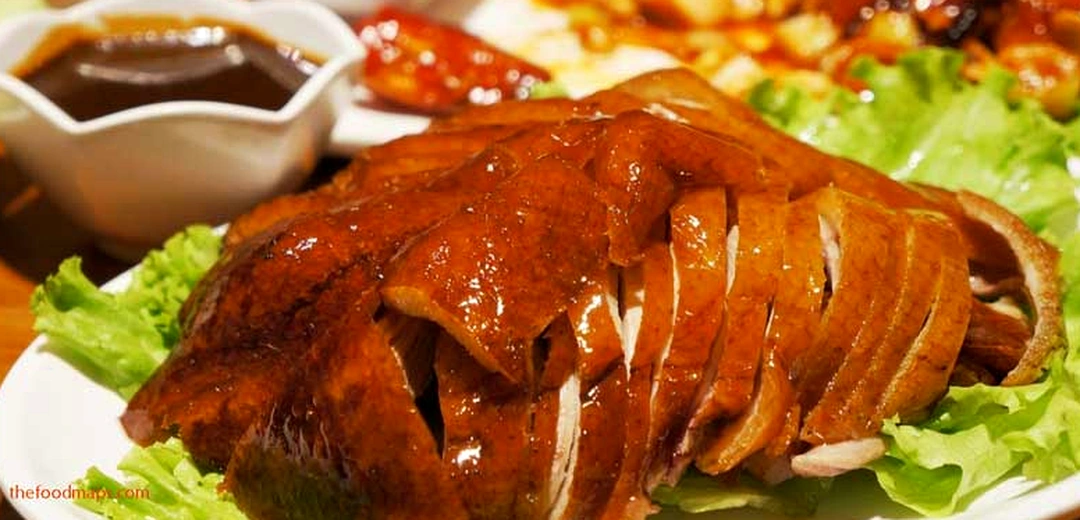
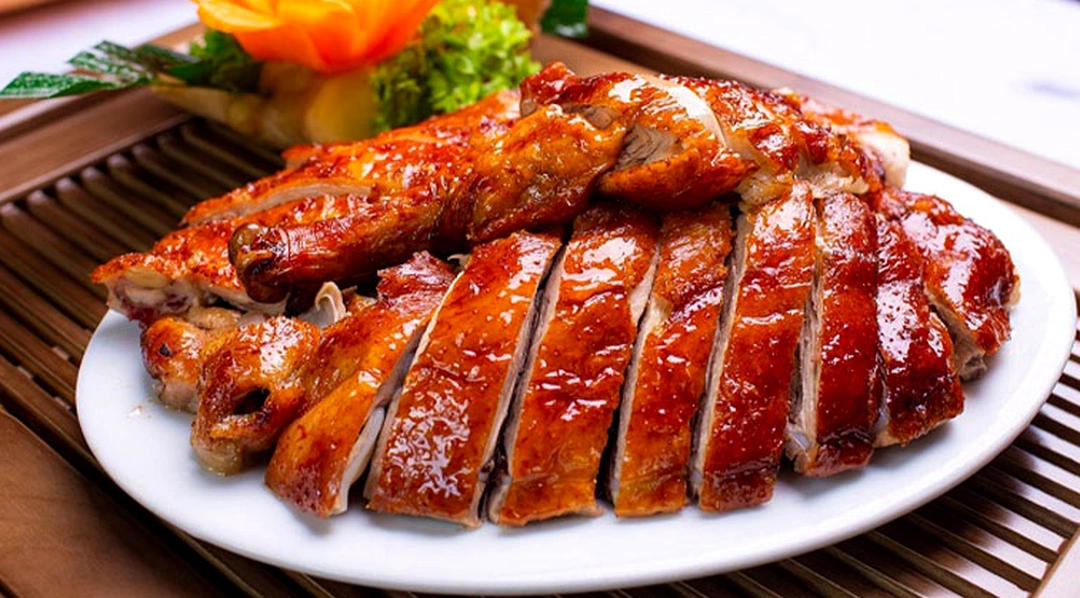
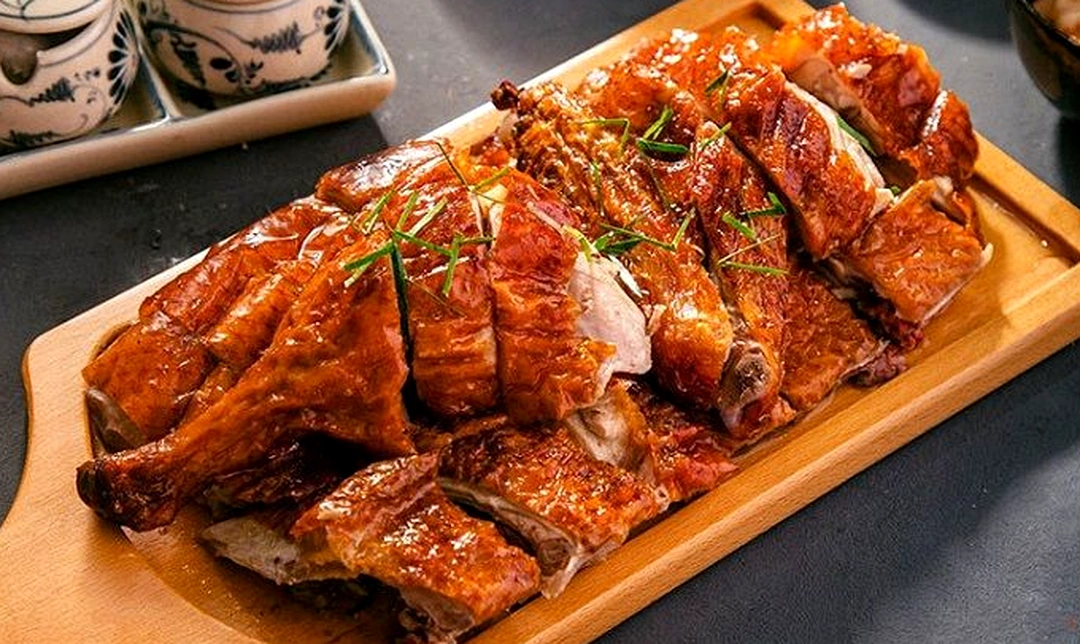
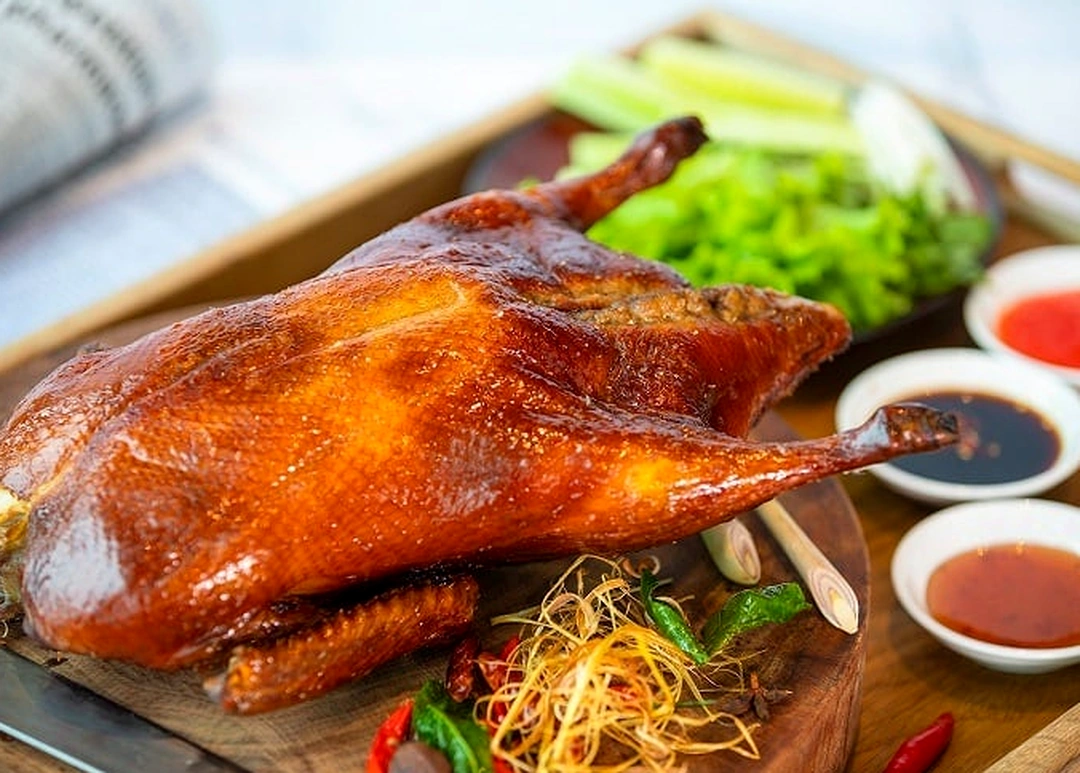
Not stopping there, the trip will not truly be complete if visitors miss the opportunity to conquer the surrounding mountains or stroll to explore the streets of Lang Son to enjoy the culinary picture of specialties famous far and wide. Right near the temple area, the alluring aroma of roasted duck, roasted pork with mac mat leaves with crispy skin and fragrant with characteristic mac mat leaves is irresistible. Sipping a bowl of rich broth, enjoying a refreshing bowl of sour pho, or savoring hot fried ap chao cakes amidst the chilly weather of the highlands, visitors will fully feel the core soul, hospitality, and sophistication in indigenous culinary culture.
Concluding the practical experience journey at Ky Cung Temple, what lingers most deeply in the mind of each visitor is not only the majestic natural scenery, the sacredness of the historical relic area, or the culinary flavors rich in local identity. It is also the sedimentation of emotions, pride in national cultural roots, and vivid, precious memories of a resilient yet poetic and lyrical borderland.
Ky Cung Temple is one of the most sacred historical and spiritual monuments in Lang Son City, attracting a large number of pilgrims and visitors from all directions every year. To have a complete, smooth journey and prepare well logistically, grasping information about operating hours, transportation methods, and codes of conduct in the sacred place is extremely necessary.
Regarding operating hours, the temple opens to welcome visitors for sightseeing and worship daily from early morning to evening (usually from 06:00 to 18:00). Especially on major festival occasions such as the Ky Cung – Tan Chieu Temple Festival (taking place from the 22nd to the 27th of the first lunar month annually) or full moon and first-day lunar dates, the temple may open flexibly to serve the religious activities of the people. Regarding cost, Ky Cung Temple is completely free of admission tickets for all visitors coming to sightsee, worship, and offer incense, helping everyone easily access this spiritual cultural space without worrying about financial issues.
Traveling to Ky Cung Temple is very convenient thanks to its location right on the banks of the Ky Cung River, in Chi Lang Ward, the center of Lang Son City. Departing from Dong Kinh Market or the city central square, visitors can choose to travel by motorbike, private car, or taxi with a short distance of less than two kilometers. The optimal travel route is via Le Loi Street or Tran Dang Ninh Street turning towards the riverbank; traffic here is very smooth, with clear signposts and a spacious parking area convenient for both individual visitors and large tourist coach groups.
To make the pilgrimage fully meaningful, visitors should note to choose neat, modest, and polite clothing suitable for the solemn space of temples and shrines (wearing long-sleeved shirts, pants, or skirts below the knee). Avoid wearing overly short or revealing clothes when entering the main worship halls. Additionally, because the temple grounds have many steps, walkways close to the riverbank edge, and slippery ancient stone steps, visitors should prioritize wearing sneakers or comfortable flat shoes to facilitate moving, climbing steps, and exploring the entire relic grounds.
The ideal time of year to visit Ky Cung Temple is in spring (from the first to the third lunar month), when the weather in Lang Son is cool, the scenery is fresh, and many unique traditional festival activities imbued with highland cultural identity take place. However, if visitors love tranquility and serenity to easily worship and learn more deeply about ancient architecture, months of the year outside the festival season are also a wonderful time to fully enjoy the sacred, ancient space along the poetic Ky Cung River.
To enjoy a complete holiday and fully admire the beauty of Ky Cung Temple without worrying about arranging transportation, booking attraction tickets, or travel schedules, visitors can choose premium all-inclusive Lang Son City tour packages from VDS Travel. Each tour is optimally designed for check-in times when the scenery is most vibrant, accompanied by a team of tour guides thoroughly knowledgeable about local culture and top-standard hotel and culinary service standards.