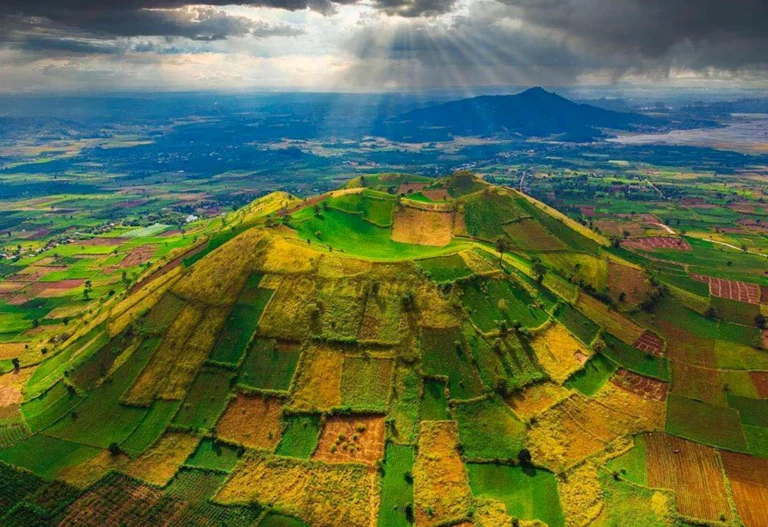
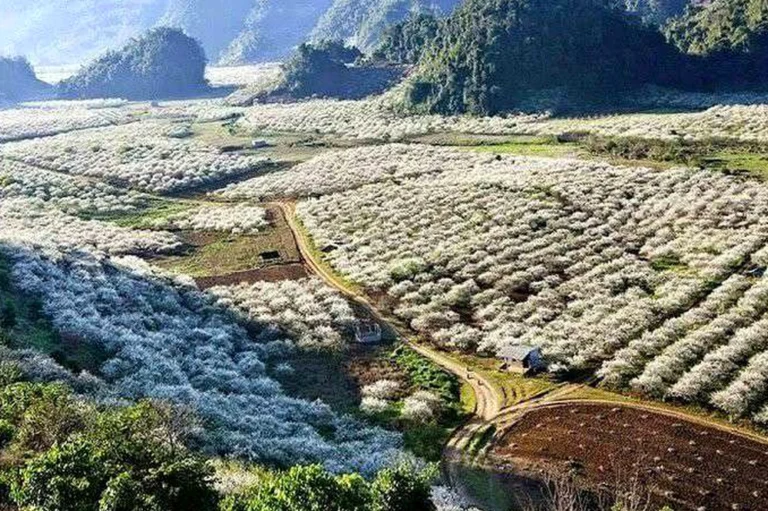
Nestled beside the gentle Day River in Thanh Phong Commune, Thanh Liem District, Ha Nam Province, Phat Quang Pagoda (historically known by its ancient Nom name Bao Long or its historical title Dinh Pagoda) emerges as a unique spiritual landmark, converging the full sedimented values of the cultural history of the ancient Son Nam region. The terrain of this ancient temple embodies traditional feng shui principles, situated on sacred ground and facing the fertile alluvial current, creating a secluded, serene, yet majestic and expansive atmosphere. For millennia, nature and human hands have crafted a primordial phoenix-like land here, where temple bells harmonize with the clouds and water, becoming a peaceful sanctuary for the souls of generations of travelers and Buddhists from all directions.
Tracing back through the pages of history and archaeological remains, this revered sanctuary carries a profoundly deep historical origin. Field research and scholarly studies by professional bodies have determined that the base cultural stratum of the relic dates back to the Ly – Tran dynasties—the golden age of Dai Viet Buddhism when the Dharma accompanied the nation’s destiny. Beneath the sacred soil of Thanh Liem, large-sized Tran-dynasty bricks bearing distinct ancient rope-groove marks, along with intricately carved wooden structural elements, serve as mute witnesses affirming the existence of a large-scale Buddhist center from the 13th to 14th centuries. Through the Vicissitudes of time, into the Early Le, Le Trung Hung, and Nguyen dynasties, Phat Quang Pagoda was continuously patronized by the imperial court and renovated by the populace, adding layers of architectural sediment and unique sculptural art.
Not only possessing an auspicious feng shui terrain and deep antiquity, the ancient temple is also intertwined with the renowned Truc Lam Yen Tu Zen sect. It was once a resting place and a center for propagating the Dharma by eminent monks of this distinctly Vietnamese Zen lineage, who integrated the spirit of compassion and wisdom closely with the reclamation, settlement, and expansion of territory by migrants along the Day River basin. The presence of successive generations of patriarchs turned Phat Quang Pagoda into a steadfast spiritual stronghold, preserving the original values of the engaged spirit of Truc Lam Buddhism.
Today, from the perspective of heritage researchers and cultural press, Phat Quang Pagoda (Thanh Liem, Ha Nam) is not merely a representative Buddhist architectural landmark, but also a living museum of geological history and cultural anthropology in the Red River Delta. Preserving, maintaining, and promoting the pristine values of the relic today is a continuation of traditional sources, allowing the light from the ancient temple to continue illuminating and spreading the values of truth, goodness, and beauty to future generations.
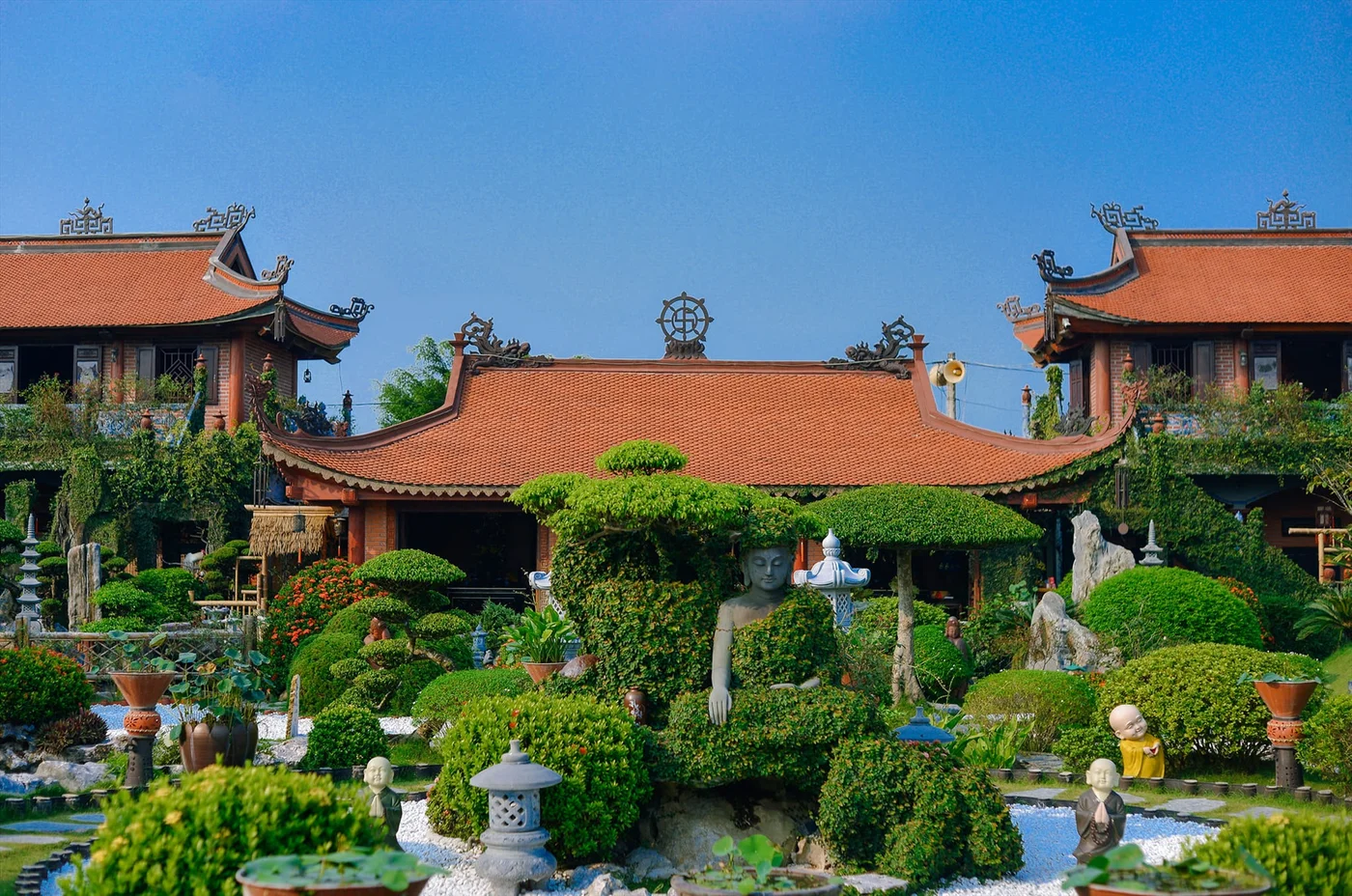
Located in Thanh Liem land, Ha Nam province, Phat Quang Pagoda appears as an exquisitely breathtaking natural landscape, converging the full magnificence of nature and the pinnacle of traditional architectural art. Possessing a unique terrain situated against a backdrop of overlapping limestone mountain ranges and facing the peaceful expanse of the Day River basin, the ancient temple resembles a sacred lotus rising amidst divine mountains and pristine waters. From the very first step into the grounds, visitors and Buddhist followers will clearly feel the absolute harmony between spirituality and landscape, where the evening bell echoing among the great mountains brings absolute serenity to the soul.
Delving deeper inside, the architectural and sculptural art at Phat Quang Pagoda is a living testament to the craftsmanship of artisans across generations. The architectural system is arranged in the “inner-structure outer-national” (noi cong ngoai quoc) style, harmoniously combining the main sanctuary (Tam Bao), ancestral house (nha To), and serene corridor areas. Every carved detail on the dark ironwood trusses demonstrates the quintessence of traditional sculptural art with intricate stylized motifs of dragons, unicorns, tortoises, phoenixes, and lotus flowers. In particular, the system of ancient Buddha statues arranged solemnly, adorned with layers of vermilion and glowing gold leaf under candlelight, creates a sacred, mystical yet intimate and warmly human atmosphere.
Not only attracting visitors with its historical value and architectural art, Phat Quang Pagoda also boasts “million-view” check-in spots that thrill photography enthusiasts and travel lovers. To capture the most perfect frames, you cannot miss the main courtyard area in front of the Tam Bao hall—featuring an angle that encompasses the entire curving roof architecture pointing straight toward the majestic limestone mountain backdrop behind. The second stop highly rated by photographers is the compass corridor area and the path leading up mossy ancient stone steps, where natural light filters through ancient tree canopies creating shimmering, magical sunbeams. Finally, the high-balcony view overlooking the lush green valley outside will provide you with an immensely poetic and expansive panoramic picture.
To capture the most magical moments of the landscape here, the ideal lighting times recommended by travel journalists are at dawn (from 5:30 AM to 7:00 AM) when a hazy mist still blankets the mountain peaks, or at sunset (from 4:30 PM to 6:00 PM). At this time, the last rays of the day brilliantly dye an entire corner of the sky gold, shining upon the moss-covered tiled roofs and solemn walls, creating an atmosphere that is serene, majestic, and romantic to the point of captivation, turning every frame at Phat Quang Pagoda into a priceless work of art.
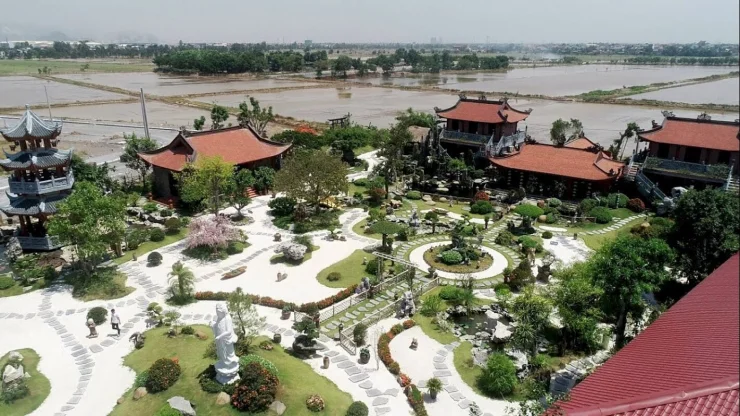
Stepping foot at Phat Quang Pagoda (Thanh Liem, Ha Nam), visitors are not merely immersed in the deep historical current through ancient moss, but also open up a valuable practical experiential journey before their eyes, where nature and spirituality blend as one. Right from the first steps away from city hustle, the picturesque scenery here embraces the traveler’s soul, bringing an overwhelming sense of wonder at the majestic yet rustic beauty of Ha Nam land.
The exploration journey usually begins with leisurely steps climbing the mountain, conquering mossy stone steps leading to higher spaces of the ancient temple. The feeling of walking while breathing in the fresh air, listening to distant temple bells harmonizing with the wind rustling through centuries-old ancient tree canopies brings strange serenity. For those who love expansiveness, experiencing a boat ride along the winding water at the foot of the mountain to admire the panoramic picturesque landscape is an unforgettable highlight. Looking up from below the water surface, Phat Quang Pagoda appears majestic, looming amidst the clouds, sky, and overlapping limestone cliffs, evoking the beauty of a living natural masterpiece in a sacred Buddhist land.
Once reaching the highest point of the temple grounds, the panoramic view unfolds into a poetic picture of peaceful villages and lush green rice fields winding along the gentle Day River. The moment one stands before the solemn main hall, lighting a sincere stick of incense to worship the ancient statues bearing distinct Nguyen-dynasty artistic imprints, all worries of daily life seem to vanish. The settling of the soul within that sacred space is a priceless gift that the ancient temple bestows upon anyone who turns toward it.
Concluding the spiritual journey, visitors also satisfy their palates by tasting the renowned specialty culinary culture of the Ha Nam region surrounding the destination. From the robust flavor of Vu Dai village clay-pot braised fish fragrant with galangal and lemongrass, the chewy and delicious Phu Ly steamed rice rolls (banh cuon) dipped in savory-sweet fish sauce, to the refreshing taste of a cup of lotus tea imbued with hometown flavor. All these practical experiences ranging from scenery and spirituality to culinary flavors weave together a vibrant local cultural picture, leaving every departing traveler with lingering echoes and an unforgettable nostalgia for a sacred, serene Phat Quang realm.
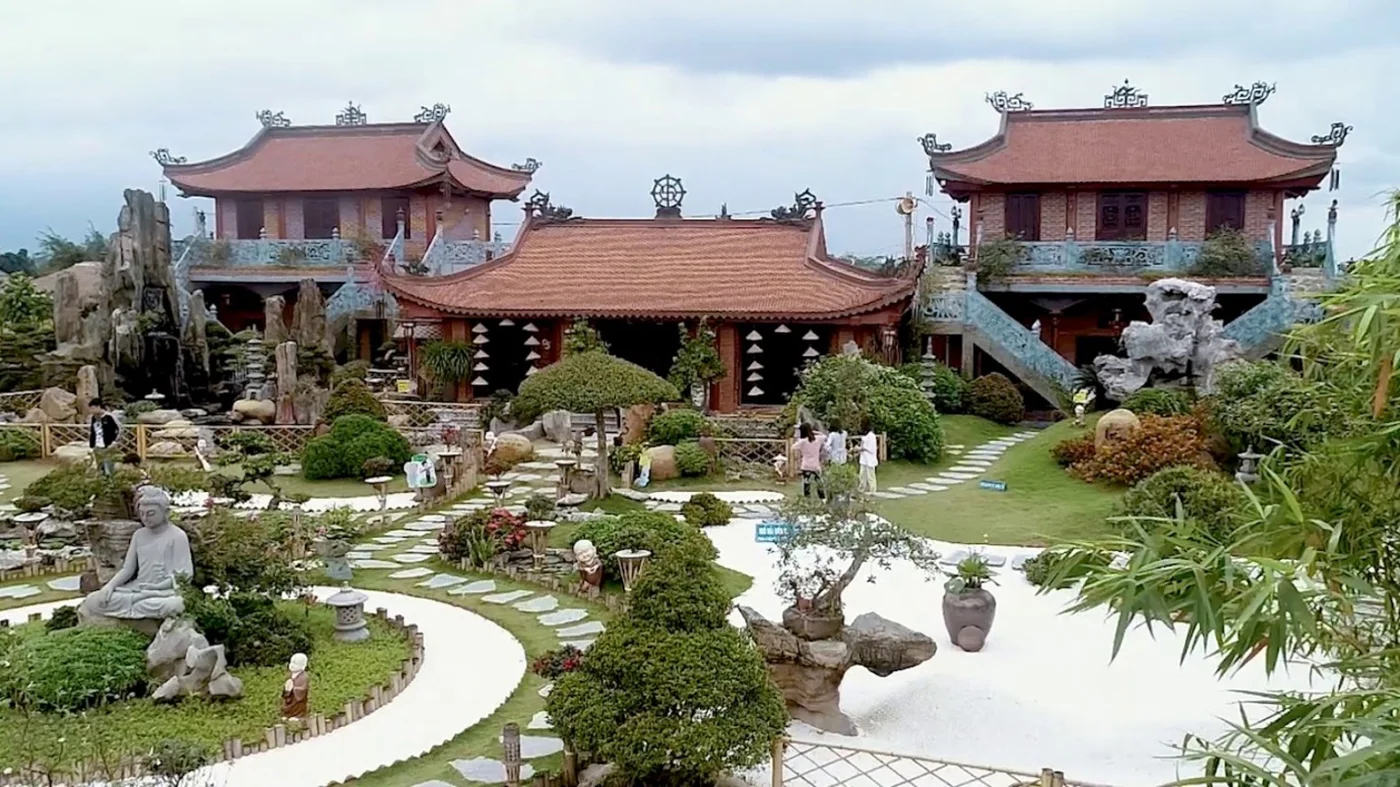
Phat Quang Pagoda in Thanh Phong Commune, Thanh Liem District, Ha Nam Province is a sacred destination attracting large numbers of pilgrims and Buddhists for worship. To ensure that your journey of exploring and worshiping this historical heritage goes smoothly, the pocket guide below will provide you with the most useful and complete experiences.
Regarding operating hours, Phat Quang Pagoda welcomes visitors and pilgrims every day of the week, starting from early morning until late afternoon. The ideal time of year to visit this ancient temple is from the first to the third lunar month, when spring weather is cool and Buddhist festivals bearing deep traditional cultural identities frequently take place. Additionally, if you love serenity and quietness to enjoy the peaceful monastic space beside the Day River, the remaining months of the year are also wonderful choices.
One of the major plus points when visiting this historical relic is that the temple charges absolutely no admission fees. Visitors can freely enter to burn incense, sightsee, and learn about the architectural and archaeological value without purchasing tickets. However, visitors may make voluntary merit donations into the temple’s official donation boxes to contribute to the preservation and restoration of the heritage landscape.
Regarding routes and means of transportation, departing from central Hanoi, you can choose to travel by personal vehicle (car, motorbike) via the Phap Van – Cau Gie expressway, continuing through the national highway route toward Phu Ly city, Ha Nam province. From here, you continue traveling along National Highway 1A or inter-commune roads in Thanh Liem district to reach Bao Long village, Thanh Phong commune. If you do not use personal transport, passenger buses from Hanoi to Ha Nam or high-quality limousine services are also convenient travel options, after which you can take a taxi or motorbike taxi straight to the temple gate.
Because Phat Quang Pagoda possesses a solemn spiritual space combined with distinctive terrain, paying attention to attire is extremely important. You should choose polite, modest clothing, prioritizing wearing monastic robes (do lam) when entering the main hall area to show respect to the Buddhas and patriarchs. Additionally, because the temple grounds and surrounding areas feature many steps and walking paths winding through natural spaces, you should wear comfortable athletic shoes or flat shoes to facilitate movement, avoiding high heels that cause foot pain.
Finally, always maintain awareness of protecting the general landscape environment, avoid littering indiscriminately, speak softly and gracefully within the shrine areas, and strictly follow the guiding signs of the heritage management board. Wishing you a truly peaceful and meaningful pilgrimage and cultural experience at the ancient Phat Quang temple.
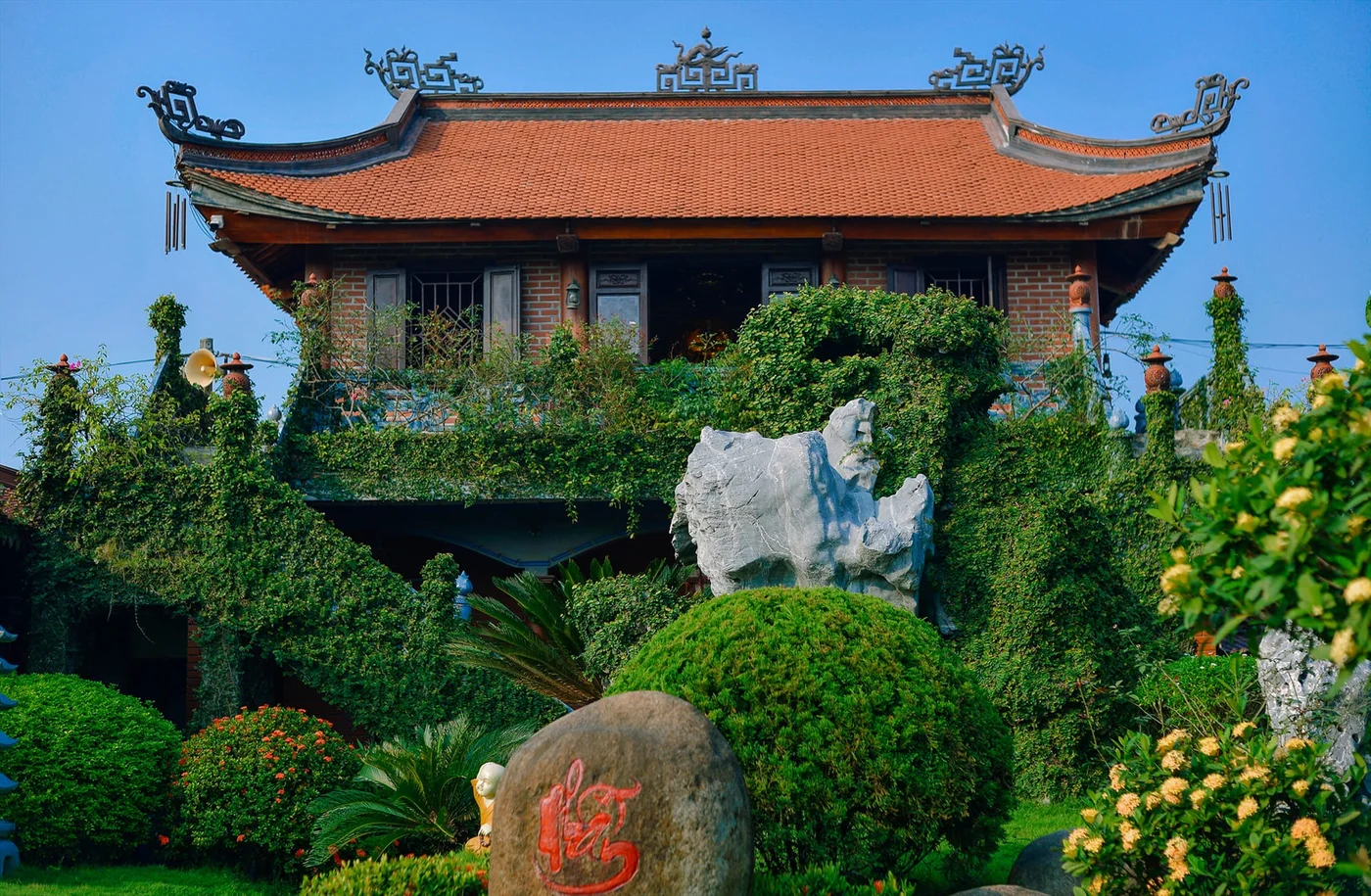
To enjoy a complete vacation and fully admire the beauty of Phat Quang Pagoda without worrying about arranging transport, booking sightseeing tickets, or travel itineraries, visitors can choose premium all-inclusive Thanh Liem, Ha Nam tour packages by VDS Travel. Each tour is designed to optimize check-in timing when scenery is most brilliant, accompanied by a team of tour guides thoroughly knowledgeable about local culture and top-standard hotel and culinary service standards.