The white-clouded Đoài region has preserved its sacred cultural heritage for millennia, serving as a convergence point between Buddhist spiritual traditions and the soulful essence of rivers and mountains. Tucked away in Tây Sơn hamlet, Sơn Đông commune, Sơn Tây town, Hanoi, Khai Nguyên Pagoda (Sino-Vietnamese name: Khai Nguyên tự) stands as a symbol of eternity and spiritual renewal. In terms of geomancy and terrain, the ancient temple occupies a prime semi-mountainous setting characterized by “gathering water and facing mountains,” resting its back against the rolling hills of the legendary Tản Viên range while looking out over the fertile alluvial plains of the Đà River basin. This topography not only creates a secluded, pristine sanctuary far removed from the bustle of city life, but also fosters a distinctive spiritual energy where heaven, earth, yin and yang, and the enduring devotion of generations harmonize.
The name “Khai Nguyên” itself embodies a profound philosophy within the Buddhist tradition. “Khai” means to open or begin; “Nguyên” means origin or root. Khai Nguyên tự is thus a place that unlocks the source of enlightenment, awakening virtuous intentions and the light of compassion at the western gateway of the capital. Beyond its official name, in the collective memory and oral traditions of the Đoài people, the pagoda is also affectionately known as Mía Cổ Pagoda or Tản Viên Pagoda, closely intertwined with indigenous folk beliefs honoring local tutelary deities, agricultural spirits, and water gods of wet-rice farming communities. This seamless synthesis of engaged Buddhism and ancestral reverence has forged an unmistakable cultural identity for the heritage site.
Tracing its origins back to the 11th century during the golden Lý dynasty (under the reigns of Emperor Lý Thánh Tông or Lý Nhân Tông), Khai Nguyên’s earliest history began as a modest hermitage built by local villagers. Through countless historical upheavals, the passage of centuries, and the devastation of war, the pagoda underwent several major restorations commissioned by the royal court and generations of monks, nuns, and lay Buddhists—most notably during the Later Lê dynasty (17th–18th centuries) and the Nguyễn dynasty (19th century). Its architectural layout gradually expanded following the traditional “Inner craft, outer nation” (*nội công ngoại quốc*) plan, evolving into a grand and imposing monastic complex.
The historical and cultural significance of Khai Nguyên Pagoda lies not only in its architectural traces across multiple dynasties, but also in the unwavering spirit of propagating the Dharma upheld by eminent monks through the ages. Although written lineage records of feudal-era patriarchs suffered heavy losses from natural disasters and wars, the solemn relic stupas standing within the grounds remain living testimony to an unbroken monastic tradition. Carrying this legacy forward into the 21st century—particularly since 2008 under the dedicated abbacy of Venerable Thích Đạo Quang—Khai Nguyên Pagoda has undergone a comprehensive restoration. This revitalization has both safeguarded its original heritage and introduced monumental new works, epitomized by the towering Amitabha Buddha Statue for World Peace, elevating this ancient temple of the Đoài region into a luminous landmark on Vietnam’s Buddhist cultural map and drawing tens of thousands of pilgrims and travelers from near and far.
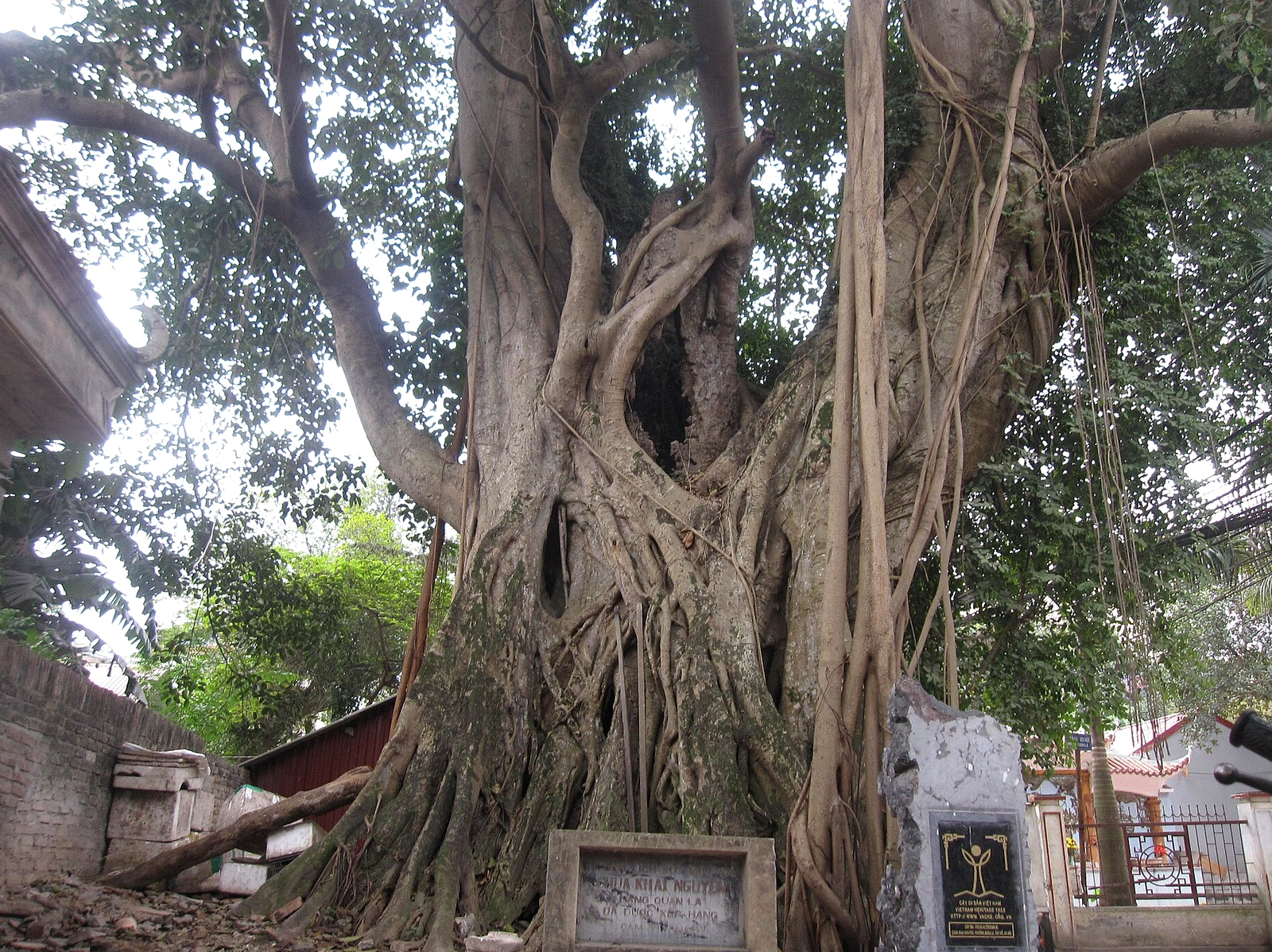
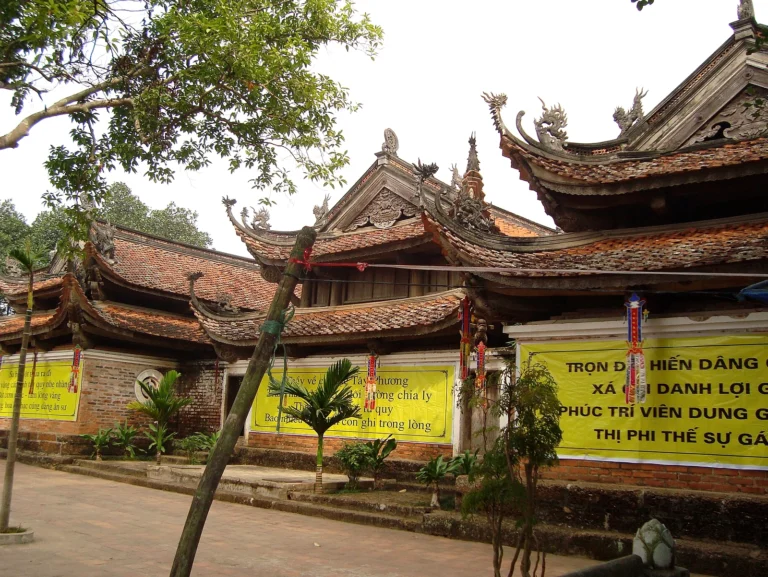
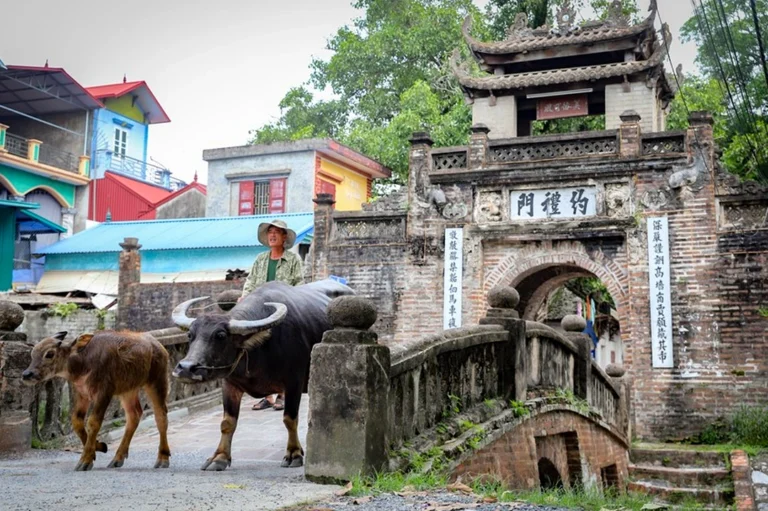
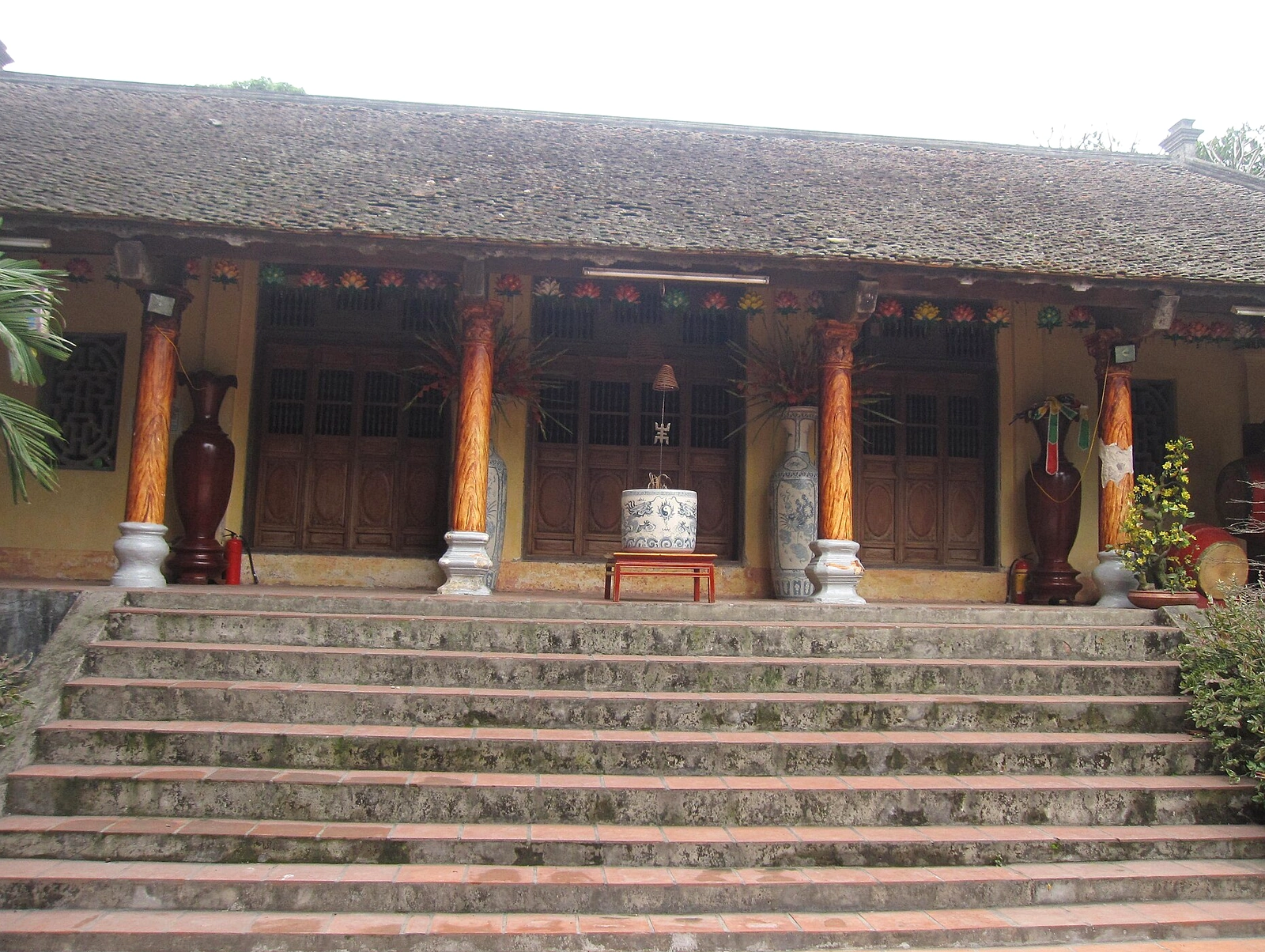
Nestled amidst the picturesque scenery of the Đoài region, Khai Nguyên Pagoda unfolds like a serene yet breathtakingly grand painting, where traditional Buddhist architecture meets monumental contemporary sculpture. The temple’s setting evokes the classic geomantic posture of “crouching dragon and tiger,” backed by the sacred Tản Viên range and facing the tranquil expanse of northern Vietnamese countryside. From the moment you step through the imposing triple-gate, you are greeted by a thoughtfully designed landscape that achieves complete harmony between lush greenery and intricately carved timber and stone architecture. Every curved roof eave adorned with dragon and phoenix motifs, every sturdy ironwood pillar, and the elaborate reliefs and Buddha statues crafted by master artisans imbue the complex with timeless spiritual depth.
The centerpiece that immediately commands awe is the towering Amitabha Buddha Statue for World Peace, rising dozens of meters into the clouds above the Đoài sky. The statue is sculpted with remarkable precision and grace, from the flowing folds of its monastic robes to its compassionate gaze looking down upon all sentient beings, inspiring a profound sense of calm in every visitor. Inside the colossal statue lies a lotus pedestal chamber and main sanctuary housing tens of thousands of miniature Buddha statues arranged in meticulous symmetry, reflecting deep Buddhist cosmology. Surrounding this landmark are ancient stupas, ancestral halls, and prayer pavilions built in the traditional “Inner craft, outer nation” architectural style, preserving treasured relics from past eras and offering an experience that is both visually awe-inspiring and spiritually moving.
To capture the most striking, frame-worthy photographs within this sacred complex, photographers and travel writers often highlight two classic vantage points. The first is from the main courtyard, shooting upward from a low angle to capture the full majesty of the Amitabha Buddha Statue rising against the deep blue sky—creating a powerful contrast between the monument’s monumental scale and human humility. The second angle runs along the corridors of the ancestral halls and the ancient stupa garden, framing moss-covered curved roofs peeking through lush foliage for a nostalgic, contemplative composition steeped in monastic quietude. The ideal lighting occurs at dawn, when morning mist still clings to the treetops, or at late afternoon, when warm golden sunlight bathes the entire complex in a soft, evocative glow.
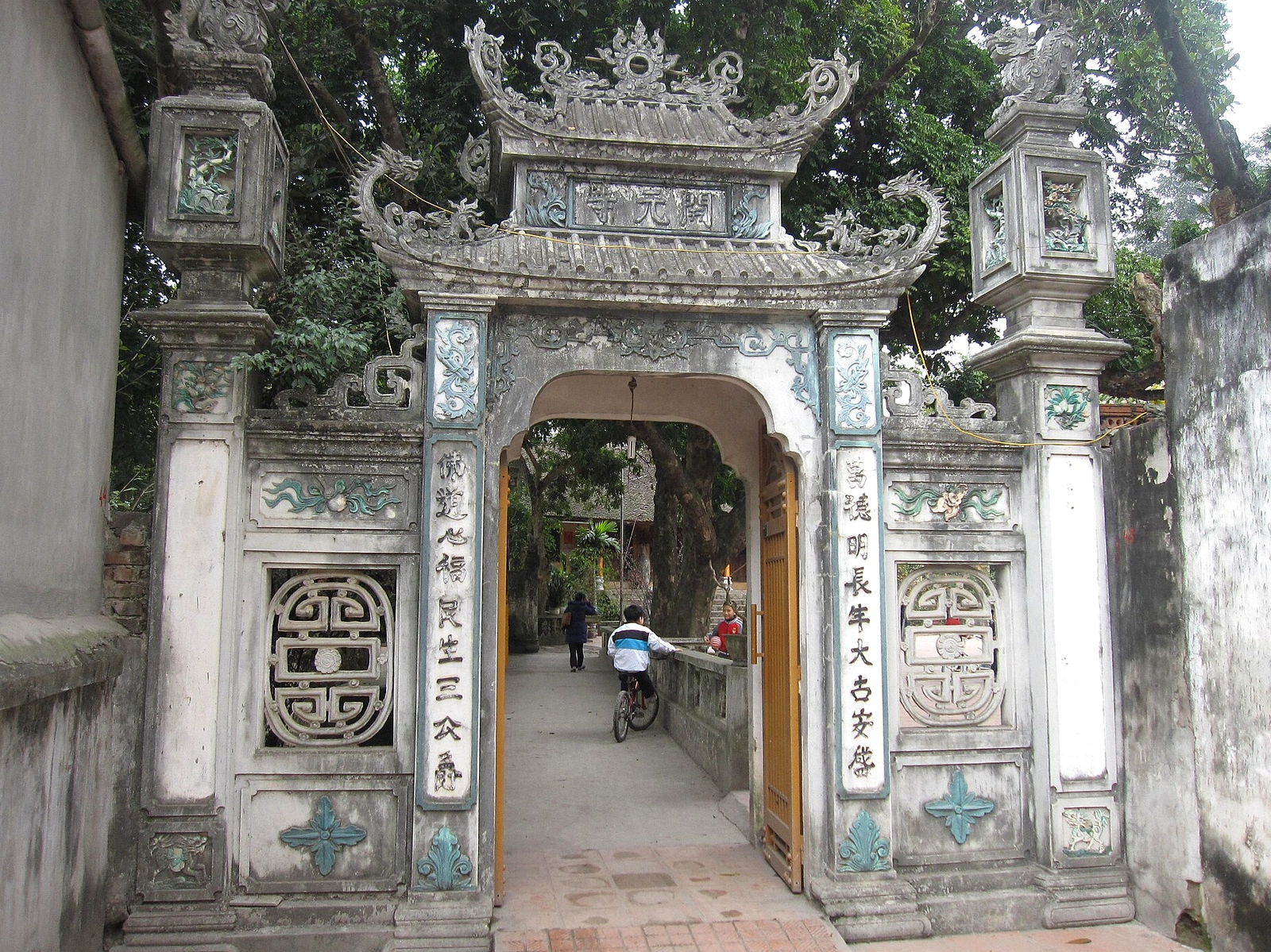
Passing through the grand triple-gate of Khai Nguyên Pagoda, visitors are immediately drawn into a vibrant yet deeply tranquil spiritual sanctuary in the heart of the Đoài region. Exploring the temple goes far beyond admiring its monumental Buddhist architecture, opening the door to restorative, grounding experiences. Many visitors enjoy unhurried strolls along tree-lined walkways, breathing in crisp air scented with subtle wisps of incense and listening to the resonant chime of temple bells drifting through the quiet grounds—an effortless way to find inner stillness away from urban noise.
The unforgettable highlight of any visit is standing in the courtyard and gazing up at the Amitabha Buddha Statue for World Peace. Rising majestically against the clouds with a serene, compassionate expression, the statue inspires a sense of quiet wonder in everyone who sees it for the first time. Pilgrims and travelers alike often pause in silent reflection before its monumental presence. Ascending the upper levels of the pagoda stupa or the great statue’s interior galleries rewards visitors with sweeping panoramic views across Sơn Tây’s semi-mountainous countryside, taking in peaceful villages, emerald rice fields, and the distant, majestic silhouette of the Tản Viên mountain range.
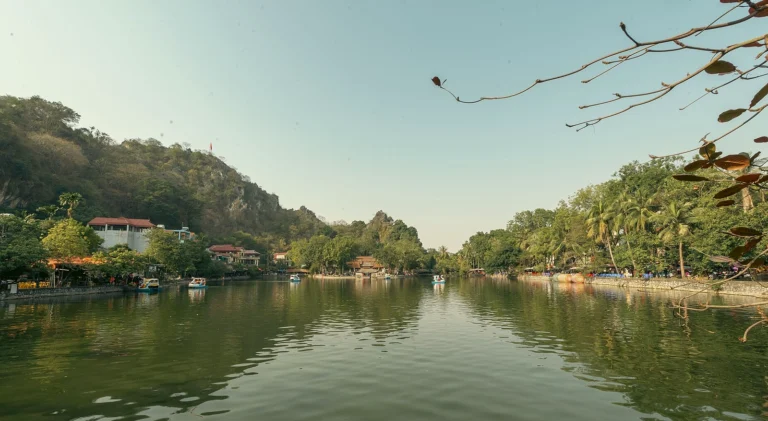
Beyond the peaceful monastic grounds, the surrounding Sơn Tây and Ba Vì area offers plenty of authentic cultural and outdoor experiences to round out a day trip. Travelers can pair their pagoda visit with a relaxing boat excursion along calm waterways to admire the romantic, unspoiled scenery of the Ba Vì – Đoài foothills, or set out on gentle nature trails to explore the region’s lush ecosystem. This seamless blend of scenic beauty and the unhurried rhythm of rural life creates a rich, memorable travel tapestry.
No cultural journey through the Đoài region would be complete without sampling its celebrated local specialties. After hours of sightseeing and quiet reflection, visitors can stop by casual local eateries nearby to enjoy crispy, golden Sơn Tây shrimp cakes, savor sweet, chewy, ginger-scented chè lam (traditional glutinous rice and peanut confection), or feast on dishes made with tender, flavorful Ba Vì free-range chicken. Together, the scenery, spiritual serenity, and regional cuisine leave a lasting impression that draws travelers back to Khai Nguyên Pagoda time and again.
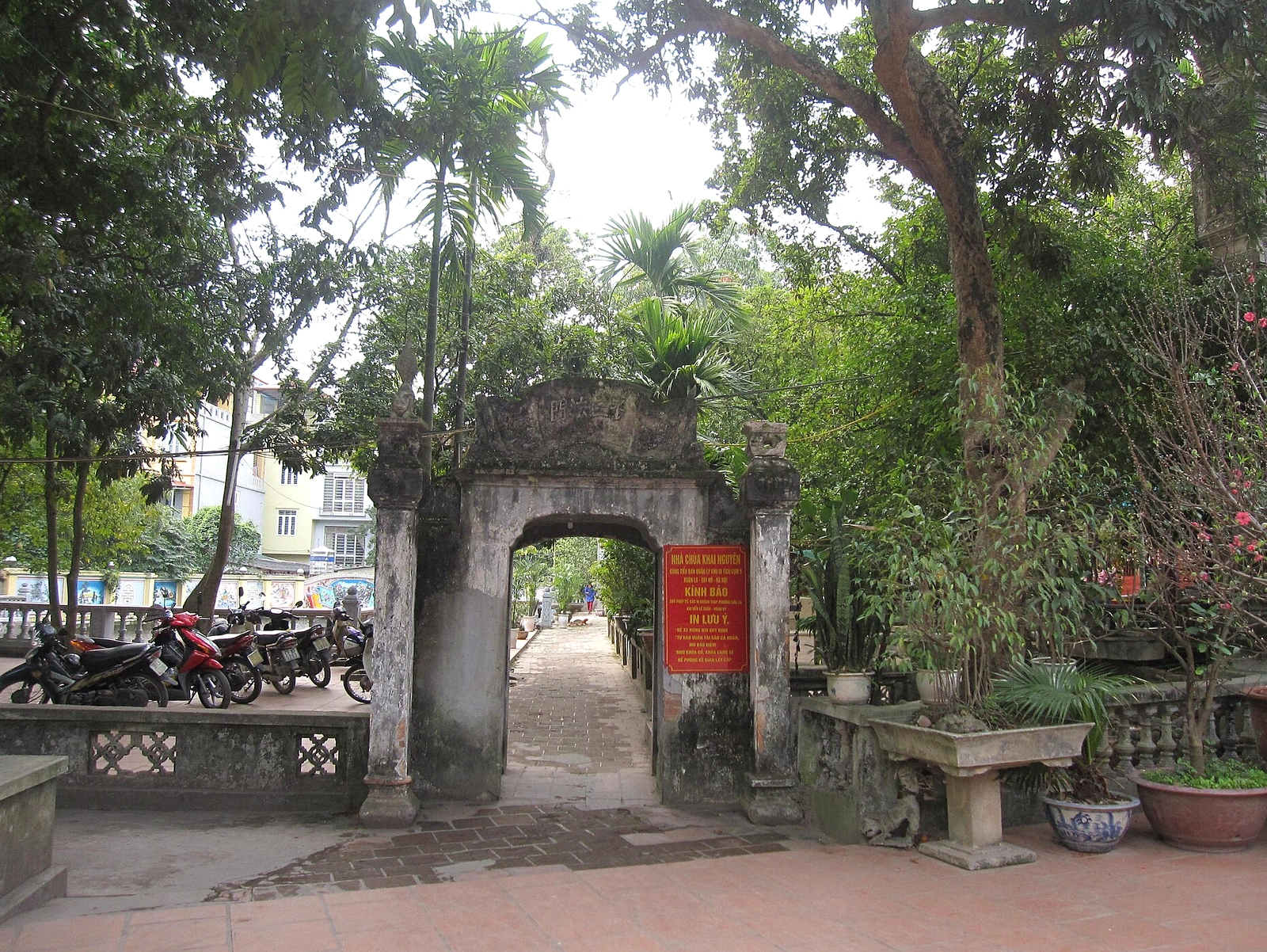
Located in Tả Diên Sơn hamlet, Sơn Đông commune, Sơn Tây town, Hanoi, Khai Nguyên Pagoda is one of the premier Buddhist centers and spiritual landmarks of the Đoài region. To ensure a smooth, respectful, and rewarding visit to this historic temple complex, keep a few practical details regarding hours, transportation, and temple etiquette in mind.
Regarding opening hours, Khai Nguyên Pagoda welcomes Buddhists and visitors daily, opening early at 5:00 AM and closing at 8:30 PM. When it comes to admission, the temple management maintains an entirely free entry policy for all visitors coming to worship, sightsee, and admire the Amitabha Buddha Statue for World Peace. Guests only need to pay a standard local parking fee if arriving by private vehicle.
The best time of year to visit Khai Nguyên Pagoda is during the first three months of the lunar calendar, when crisp spring weather coincides with traditional New Year temple festivals rich in Buddhist heritage. Alternatively, visiting on the 1st or 15th day of any lunar month, or during major Buddhist celebrations such as Vesak (Buddha’s Birthday) and the Vu Lan Festival, offers a chance to experience the temple’s solemn, deeply devotional atmosphere at its peak.
Traveling from central Hanoi to Khai Nguyên Pagoda is straightforward and flexible, whether by private vehicle (motorbike or car) or public transit. If driving or riding yourself, take Thăng Long Boulevard west, turn onto National Highway 21A toward Sơn Tây town, and follow local signs into Sơn Đông commune. The journey typically takes 60 to 90 minutes depending on traffic. For those using public transit, city buses serving the Sơn Tây route paired with a short taxi or motorbike-taxi ride provide a convenient alternative.
Because Khai Nguyên Pagoda is an active place of worship, visitors are expected to dress modestly and respectfully. Wear neat, conservative attire—such as long-sleeved tops and full-length trousers or skirts falling below the knee—and choose comfortable flat shoes or sneakers to navigate the spacious grounds, stone staircases, and upper statue levels safely while preserving the sanctuary’s serene atmosphere.
To enjoy a seamless getaway and fully experience the beauty of Khai Nguyên Pagoda without worrying about arranging transportation, booking attraction tickets, or managing travel itineraries, travelers can choose premium all-inclusive Sơn Tây tour packages from VDS Travel. Each tour is thoughtfully timed to capture the scenery when it is at its most radiant, accompanied by knowledgeable guides deeply versed in local culture and backed by top-tier hotel and dining standards.