On a journey to explore Europe’s signature heritage landmarks, the Grand Duchy of Luxembourg emerges like a fairy-tale painting where history and modernity intertwine with remarkable subtlety. Right at the heart of the magnificent capital, Luxembourg City, a monumental architectural symbol rises defiantly against the passage of time—not merely a bridge, but a historical witness and an engineering masterpiece: the Adolphe Stone Arch Bridge. Speaking as your Leading International Travel Chronicler and Cultural Historian, I invite you to turn back to the opening pages of history and discover the context and origins that brought this legendary structure into being.
At the end of the nineteenth century, Luxembourg was undergoing a powerful transformation. The capital, with its fortified old town (Ville Haute) perched like a citadel atop the Bock plateau, was growing ever livelier. However, the emergence of the new railway station district (Gare district) to the south, across the deep gorge of the Pétrusse River valley, created a substantial transport challenge. People and goods needed a new artery sturdy and wide enough to link the two sides of the chasm, driving economic and social growth. The old bridge, the Pont Passerelle, could no longer keep pace with the rising demands of a booming city. A bold vision began to take shape: to build a new bridge that would not only solve the transport bottleneck but also stand as a symbol of the strength and prosperity of the Grand Duchy.
Amid this urgent need, under the reign of Grand Duke Adolphe—the sovereign who founded Luxembourg’s Nassau-Weilburg dynasty—the project to build the grand bridge was launched. On July 14, 1900, the first ground was broken, marking the start of a historic undertaking. Three years later, on July 24, 1903, the bridge was officially inaugurated amid nationwide celebration, and to honor the monarch instrumental to its creation, it was named the Adolphe Bridge. That name was more than a title; it was a declaration of a new era and an enduring mark of the dynasty.
Behind the majestic beauty of the Adolphe Bridge lay the intellect and talent of master architects and engineers. The project brought together chief French engineer Paul Séjourné and Luxembourgish architects Albert Rodange and Paul Krüger. Paul Séjourné, a genius in bridge and road engineering, introduced a groundbreaking solution that sparked a true revolution. Rather than building a single heavy, solid stone arch mass, he fully applied the technique of twin parallel arches. It was a daring idea that significantly reduced the bridge’s dead weight while maintaining absolute load-bearing strength, opening a new era for arch bridge engineering around the world.
This twin-arch structure was more than a technical achievement; it was an architectural statement. The Adolphe Bridge symbolizes the blend of Neo-Gothic style—expressed through solidity, strong lines, and traditional stone—with early twentieth-century modern construction techniques. Its primary material is warm yellow Luxembourg sandstone quarried from local pits, lending a natural beauty that harmonizes with the surrounding landscape. Spanning a total length of 153 meters and rising an impressive 42 meters above the floor of the Pétrusse valley, the bridge boasted the world’s largest twin stone arch span upon completion, with a central arch span reaching 85 meters. Two parallel arch rings, each 6 meters wide, were linked above by reinforced concrete slabs, creating a structure at once graceful and formidable—a testament to the forward-looking vision of its designers.
From its earliest days, the Adolphe Bridge quickly became a vital transport artery, serving as a bridge not only geographically but also culturally and economically between districts of the capital. It is far more than an engineering work; it is a work of art and a resilient symbol of Luxembourg, standing firm through historical ups and downs. Every block of stone and every curve of the arches tells a story of creativity, willpower, and the aspirations of a small yet proud nation. From its challenging historical backdrop to its inspiring origins, the Adolphe Bridge has shaped an indispensable part of Luxembourg’s identity, inviting travelers from across the globe to admire and explore it.
Beyond its stirring history and meaningful origins, the Adolphe Stone Arch Bridge stands not merely as a witness to the past but as a timeless **architectural masterpiece**, a symbol where high-level engineering and deep artistic value meet in harmony. At first glance, the bridge captivates every eye with a regal, antique beauty that remains refined—like a soft ribbon of stone stretched across the lush green Pétrusse valley, dividing Luxembourg’s capital into contrasting halves while miraculously binding them together.
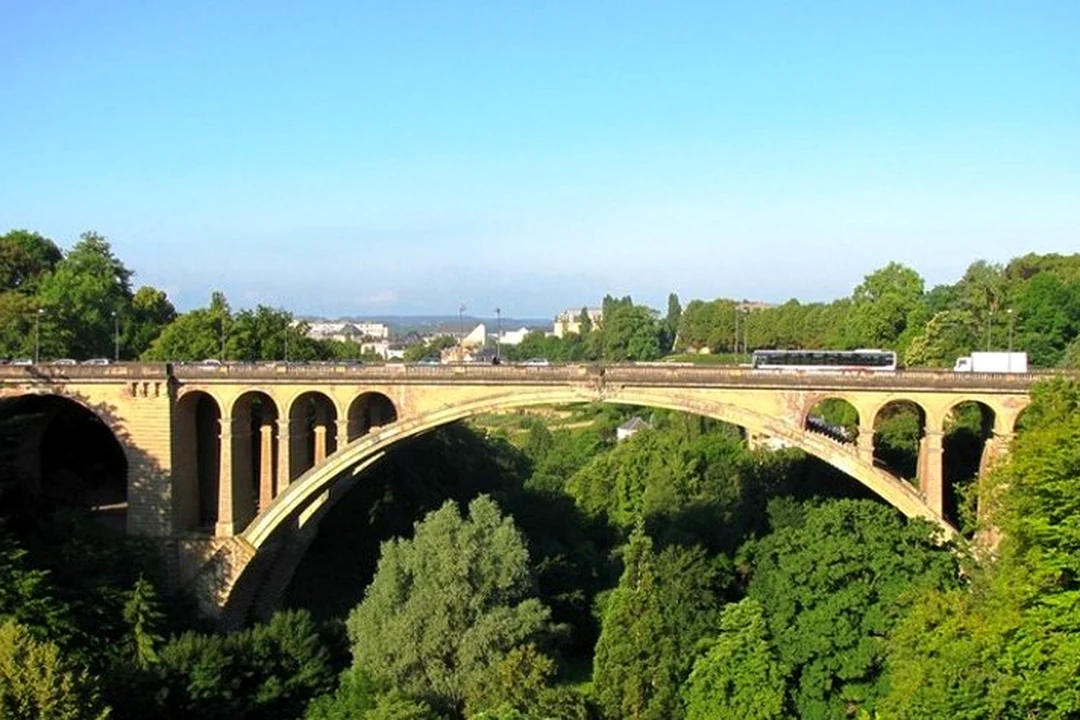
The **Neo-Gothic** style shines clearly through every line and every block of warm yellow Luxembourg sandstone drawn from local quarries. This natural hue brings a quiet, nostalgic charm while helping the bridge blend organically into both the urban fabric and surrounding nature. Every stone block and carved detail reflects the care and craftsmanship of early twentieth-century master artisans, turning a stark engineering structure into a living, soulful work of art.
Yet what truly earned the Pont Adolphe its illustrious reputation lies not only in its artistic beauty but also in its **breakthrough structural engineering**. When inaugurated in 1903, the bridge set a world record for the largest twin stone arch span, reaching a central span of **85 meters**. It was an extraordinary feat by chief French engineer Paul Séjourné, who fully implemented twin parallel arches. Instead of constructing one heavy, solid stone arch block, Séjourné designed two parallel arch rings, each 6 meters wide, connected above by reinforced concrete slabs. This ingenious solution cut the bridge’s dead load by tens of percent while preserving complete structural strength, ushering in a new era in global bridge engineering.
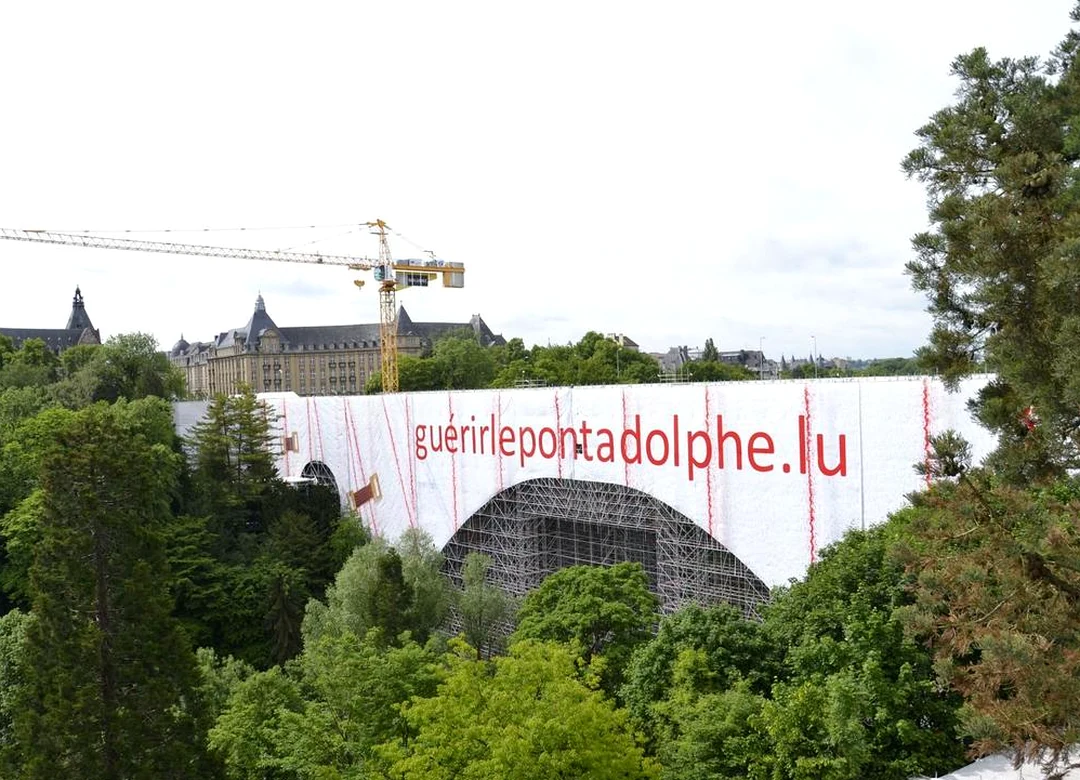
With a total length of 153 meters and a height of 42 meters above the Pétrusse valley floor, the Adolphe Bridge stands like a gentle giant that has witnessed Luxembourg’s many turns of fortune. Combining traditional sandstone with structural concrete and steel during its centennial restoration from 2014 to 2017 not only reinforced the foundations but also added an aluminum support system and integrated a modern tramway line. This demonstrates a heritage landmark’s capacity to adapt and thrive, preserving original beauty alongside quiet, green urban transit that serves contemporary life.
To truly experience the peak artistic value of the Adolphe Bridge, visitors cannot miss the legendary “million-dollar” viewpoints. Down on the floor of the Pétrusse valley, strolling along the cool green park and looking up, you will feel awestruck by the grand scale of the twin-arch frame, as if standing before a colossal stone gate reaching into the sky. It is an ideal angle to take in the full 42-meter height and majesty of the structure.
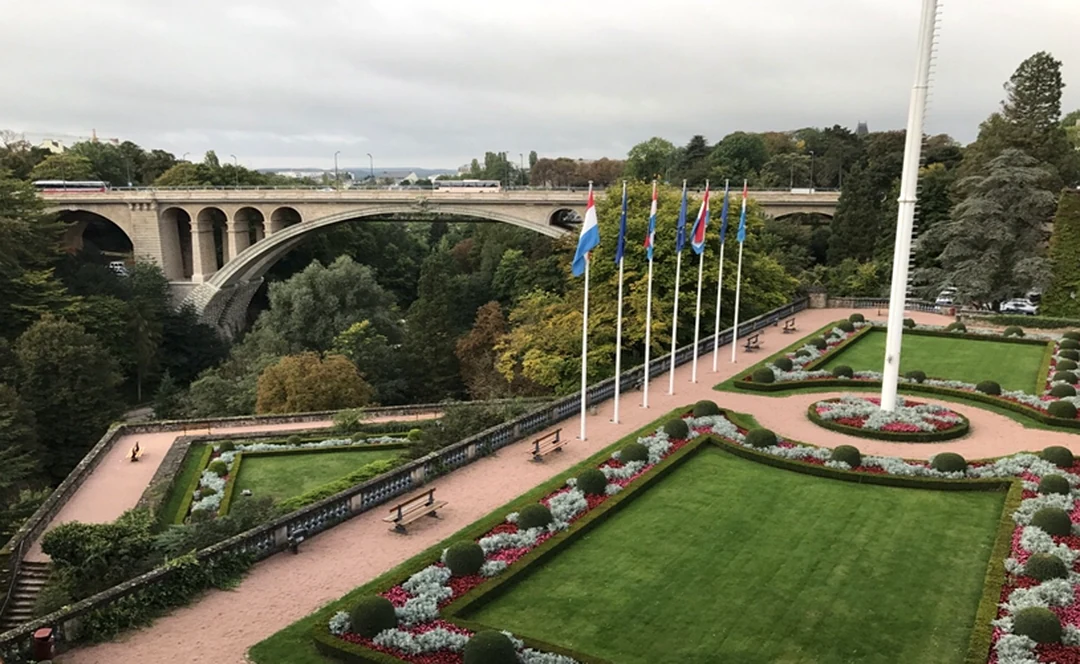
Another classic vantage point, iconic on every postcard of Luxembourg, is from **Place de la Constitution**. Standing beside the Golden Lady monument (*Gëlle Fra*) and looking diagonally across, the Adolphe Bridge appears in a breathtaking panorama, its graceful arches and the green valley behind forming a harmonious picture of history and nature.
Still, the most rewarding experience—offering the deepest sense of discovery and connection to this masterpiece—is the **suspended footbridge** beneath the deck. Installed during the 2017 restoration, this special suspended walkway lets visitors walk mid-air through the century-old arch openings. Feeling suspended, touching stones that have stood for over a hundred years, viewing the arch structure from within, and taking in the Pétrusse valley from a brand-new angle makes for an unforgettable experience. It is more than a physical walk; it is a journey through time where you can admire engineering ingenuity, feel the pulse of history, and immerse yourself in the enduring artistic beauty of the Adolphe Stone Arch Bridge.
When the first rays of morning light gently touch the warm yellow sandstone arches, or when evening lights glow and reflect down into the enchanted Pétrusse valley, the Adolphe Stone Arch Bridge is more than a grand architectural landmark—it is a gateway to countless **can’t-miss experiences** right at the heart of the Grand Duchy of Luxembourg. It is not merely a quick stop, but a multi-sensory journey where history, engineering, and natural beauty converge spectacularly, completely free and open to visitors 24/7.
To truly feel the awe of this engineering marvel, nothing compares to walking down into the Pétrusse valley. From here, you can admire the full 42-meter height of the bridge alongside its massive twin-arch structure with an 85-meter central span—a triumph of French engineer Paul Séjourné in the early twentieth century. Looking up from below not only showcases its imposing scale but also reveals the refinement of its two parallel arch rings, creating an striking architectural scene and a **”million-dollar” photo spot** every photographer craves.
Continuing your route, head up to Place de la Constitution, where the Golden Lady monument (*Gëlle Fra*) stands proudly. From this spot, looking diagonally toward the Adolphe Bridge reveals the classic scene featured on every postcard of Luxembourg’s capital. The pairing of the monument’s historic character with the bridge’s stately presence creates a stunning panorama where past and present meet, telling the story of a small yet proud nation.
Yet the most distinctive—and perhaps emotionally richest—”high-value” experience is the special suspended walkway installed inside the arch span during the 2014–2017 restoration. It is a rare opportunity for visitors to walk suspended between the century-old stone arches. Touching historic Luxembourg sandstone blocks while watching modern trams glide past overhead offers a vivid example of harmony between heritage conservation and green urban development, delivering a fresh and exhilarating perspective on this monumental work.
A journey to explore the Adolphe Bridge would not be complete without savoring the finest local flavors. The area around the bridge—especially along the border between the old town of Ville Haute and the Gare station district—is a haven of traditional restaurants and bistros. You must try **Judd mat Gaardebounen**, Luxembourg’s signature national dish: smoked pork neck slow-simmered until melt-in-your-mouth tender, served with green broad beans and a rich creamy butter sauce alongside boiled potatoes. For an authentic taste of this dish, stop by the bistros around Place d’Armes or the renowned *Clairefontaine* restaurant, just a few minutes’ walk from the bridge.
If you love warm, comforting fare, **Bouneschlupp**—green bean soup cooked with potatoes, smoked bacon (Speck), and onions—is an ideal pick for chilly afternoons. For seafood lovers, **Friture de Moselle** offers the fresh taste of small fish caught in the Moselle River, lightly battered and fried crisp, served with fresh lemon and a glass of local white wine such as Riesling or Pinot Gris for an unforgettable experience. Finally, do not forget to finish your meal with a slice of **Quetschentaart**—a lightly sweet, fragrant plum tart—paired with an espresso at a traditional bakery along Avenue de la Liberté.
For the best experience, we recommend visiting the Adolphe Bridge in **spring (April – June)** when flowers bloom across the Pétrusse Valley, the weather is mild (15°C – 22°C), and soft golden light is ideal for photography. Or choose **autumn (September – October)**, when maple trees and foliage turn vibrant gold and red, creating a romantic, poetic scene. Luxembourg is one of the safest countries in the world, yet as at any busy destination, always keep an eye on personal belongings—especially near the central station and bridge approaches during rush hour. And do not forget soft-soled sneakers, as you will have plenty of chances to walk and explore every corner of this architectural masterpiece.
The Adolphe Stone Arch Bridge is more than a bridge; it is a multi-layered destination where every step, every vantage point, and every flavor tells a story. It brings together top-tier engineering and natural beauty, quiet history and modern pace, offering travelers truly **high-value** and lasting memories of an enchanting Luxembourg.
Having taken in the full grandeur and eventful history of the Adolphe Stone Arch Bridge—an architectural masterpiece spanning the Pétrusse Valley—our exploration of Luxembourg would be incomplete without deep local culinary experiences. After all, every country and every city has its own “soul” woven from flavors and traditional dishes, and the Grand Duchy of Luxembourg is no exception. Leaving the historic stone arches behind, we step onto a captivating food map where dining is elevated into an art of living, reflecting a refined blend of neighboring cultures and the distinct identity of a small yet proud nation.
Right in the heart of the city, bordering the old quarter of Ville Haute and the bustling train station area, traditional restaurants and brasseries await to showcase the best of Luxembourgish cuisine. To kick off this tasting adventure, nothing compares to the quintessential national dish: Judd mat Gaardebounen. It is more than a meal; it is a story of patience and culinary finesse. Carefully selected cured, smoked pork neck is simmered for hours until it practically melts on the tongue, infused with savory meaty and smoky notes. It is typically served with fresh green broad beans prepared with a signature smooth, rich butter-cream sauce, alongside tender boiled potatoes. To enjoy Judd mat Gaardebounen at its best, visitors can head to celebrated spots like *Clairefontaine* for an upscale setting, or simply drop into cozy bistros at Place d’Armes, about a 7-minute walk from the Adolphe Bridge, where traditional recipes have been passed down for generations.

Continuing our discovery, we turn to a dish filled with warmth and simplicity: Bouneschlupp. On brisk afternoons typical of Europe, a steaming bowl of green bean soup with diced potatoes, savory smoked bacon (Speck), and aromatic onions is the perfect way to warm the soul. Bouneschlupp is unpretentious, yet it holds all the sincerity and hominess of Luxembourgish family cooking. It evokes gathering around the table, where warmth and togetherness are ladled into every spoonful, bringing a sense of calm and ease amid a lively city.
If you are a seafood fan looking to discover distinctive flavors from the gentle Moselle River, Friture de Moselle delivers on every craving. It consists of fresh small fish caught directly from the Moselle, the river forming the natural border between Luxembourg and Germany. The fish are deftly battered and fried to crisp perfection, keeping their natural sweetness inside beneath a golden, crunchy crust. When eating, diners typically squeeze on fresh lemon for a bright lift and sip a fine local white wine such as Riesling or Pinot Gris. The pairing of crisp fried fish, zesty lemon, and the delicate aroma of Moselle white wine creates an unforgettable meal that brings you closer to the region’s centuries-old wine culture.
To round out this colorful culinary map, a sweet treat makes the ideal closing note: Quetschentaart. This lightly sweet plum tart is a hallmark of Luxembourg’s skill and delicacy in pastry craft. A crisp, buttery crust cradles juicy, ripe plums baked just right, creating a balanced sweet-tart flavor that is never harsh yet deeply appealing. Enjoying a slice of Quetschentaart with a rich espresso at one of the traditional bakeries along Avenue de la Liberté lets you feel the slow, peaceful rhythm of Luxembourg life, where simple moments become lasting joys. It is a wonderful way to end a full day of exploring, letting sweet flavors linger like a fond farewell from the Grand Duchy.
Luxembourg’s food culture goes beyond tasting good dishes; it is an experience of cultural crossroads, respect for tradition, and the joy of sharing. Every dish carries a story—a piece of the country’s history and identity. From the sturdiness of the Adolphe Bridge to the warmth of Judd mat Gaardebounen, and from the simplicity of Bouneschlupp to the finesse of Friture de Moselle and Quetschentaart, everything comes together to paint a fuller picture of Luxembourg—a destination that is not only architecturally striking but also richly flavorful, inviting travelers into a multi-sensory journey.
Having immersed yourself in its shifting history and admired the sweeping neo-Gothic beauty of the Adolphe Stone Arch Bridge, you are likely eager to know how to experience this landmark up close—to feel time-worn sandstone and breathe in the fresh air of the Pétrusse Valley. As a travel specialist and storyteller, I am thrilled to share news that brings joy to every traveler: visiting the Adolphe Bridge is completely free. It is more than a transit link; it is an integral part of Luxembourg’s city life, a living architectural museum open to everyone. No tickets, no lines, no time limits—a rare freedom and a priceless gift from the Grand Duchy that lets you explore, stroll, and capture memorable moments on your own terms, day or night.
So when is the best time to make your pilgrimage to Adolphe so its beauty shines brightest? Based on my own experience and tireless travels, spring, from April to June, is a radiant canvas nature bestows on Luxembourg. As spring’s first warm sunbeams melt away winter’s chill, the Pétrusse Valley below the bridge comes alive, donning a lush green mantle dotted with wildflowers in full bloom. Temperatures hover at an ideal 15°C to 22°C with crisp, mild air—perfect for long strolls exploring every corner of the bridge and the winding trails through the valley. Warm honey-toned light at dawn or dusk makes an ideal companion for “million-dollar” photos, bringing out the warm sandstone hues and fine neo-Gothic lines of the Adolphe.
If spring brings freshness and vitality, autumn, from September to October, paints a deeply romantic and quiet scene. It is the season when Luxembourg’s nature transforms dramatically, as trees lining both sides of the Pétrusse Valley—and stretching further into the Grund woods—change leaves together in blazing reds, glowing golds, and burnt oranges, forming a vast carpet of color beneath the bridge. The Adolphe Bridge, in its antique stone tones, becomes a striking centerpiece amid that vivid landscape. On crisp autumn afternoons, sipping a hot coffee at a small roadside café while watching people cross the bridge and admiring the harmony of human craft and natural beauty is an unforgettable experience—a quiet moment you will want to hold onto.
Although Luxembourg is known as one of the safest countries in the world, as at any crowded travel spot, watching your personal belongings is always wise. In areas that draw heavy foot traffic—especially around the central station (Gare) and the bridge entrances and exits during rush hour (roughly 8:00 AM – 9:00 AM and 5:00 PM – 6:00 PM)—stay mindful of backpacks, bags, and valuables. A sturdy crossbody bag or a zippered backpack is a smart choice for keeping your things secure. As for attire, because the Adolphe Bridge is a public thoroughfare, there are no strict dress codes. Still, to comfortably explore the entire area—from walking across the deck and descending into the Pétrusse Valley via steep stone steps to even experiencing the suspended walkway beneath the bridge—I sincerely recommend a pair of soft-soled sneakers or comfortable walking shoes. That comfort will let you enjoy every step without getting tired.
And the best part is that the Adolphe Bridge has no closing hours. It is open freely year-round, 24/7, welcoming you whenever you arrive. Whether it is radiant sunrise, romantic sunset, or magical nightfall when twinkling lights illuminate the arches, every moment brings its own beauty and distinct emotion. Let the Adolphe Stone Arch Bridge be more than a pin on a map—let it be a silent companion witnessing your journey of discovery through Luxembourg. With these pocket tips, I trust you are ready for a trip that is not only a feast for the eyes, but also safe and fulfilling, so every step across this century-old bridge becomes a worthwhile memory and an unforgettable mark in a traveler’s heart.
After travelogue chapters that have guided you through the historical depth, architectural refinement, and “million-dollar” views of the Adolphe Stone Arch Bridge—a resilient symbol of the Grand Duchy of Luxembourg—now let me pull back the curtain on a larger picture, where this masterpiece is more than a standalone sight, becoming an integral part of a refined European discovery journey with Travel. Here, we believe travel is not just about looking, but about feeling, understanding, and connecting deeply with the culture and history of every destination.
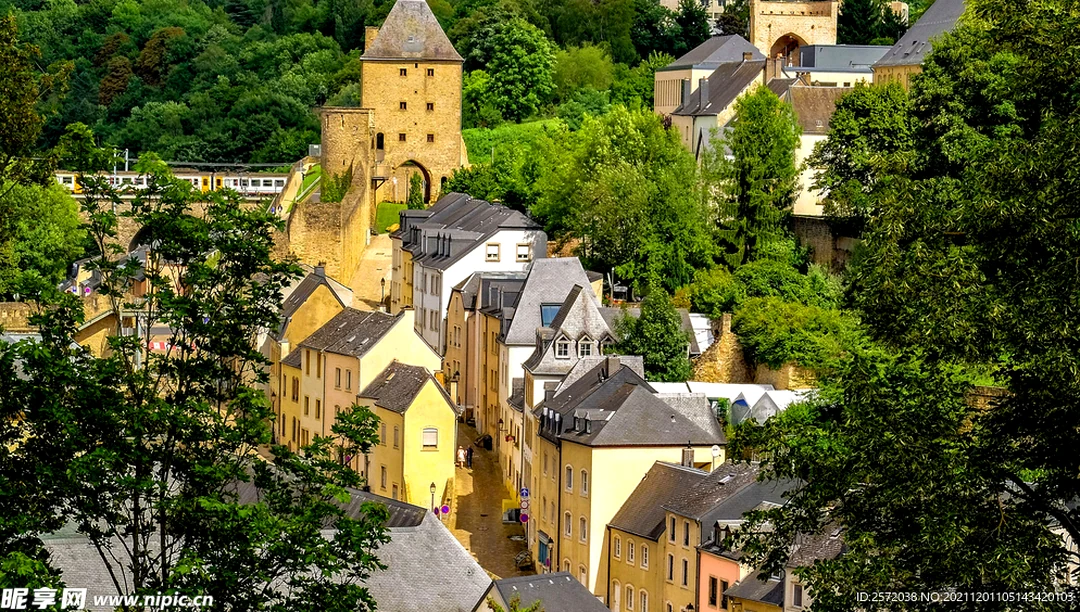
The Adolphe Bridge, with its warm golden sandstone arches rising over the Pétrusse valley, is designed as a strategic link within a series of luxury Western European itineraries, especially the prestigious Benelux Heritage route. You will not only admire the majestic beauty of the bridge, but also experience a smooth, upscale multi-country journey connecting splendid Brussels in Belgium, historic Luxembourg City, and romantic Amsterdam in the Netherlands. Every leg is carefully curated, from comfortable luxury ground transport to modern European high-speed rail experiences, turning every moment on the move into part of the adventure, where you can relax and watch graceful European scenery glide past your window.
A special highlight of traveling with us is the unique “Journey Through Time” experience we have custom-designed. From the heart of the Luxembourg Old Town – UNESCO World Heritage Site, you will stroll unhurriedly across the Adolphe Bridge, feeling every pulse of history beneath your feet. The under-deck pedestrian walkway—a refined addition from the 2017 restoration—gives the sensation of walking in mid-air through century-old stone archways, opening onto a new horizon in the modern Kirchberg financial district. This is more than a walk; it is a meaningful dialogue between past and present, where historic Neo-Gothic arches harmonize with glass skyscrapers, bearing witness to the Grand Duchy’s balanced growth between heritage preservation and urban innovation.
For business travelers, scholars, architects, or economic and urban research delegations, this journey also carries deep educational and architectural value (Edutour). Rather than merely bringing you to look on, it opens the door to exploring a unique urban space planning model where centuries-old heritage is preserved and brought to life in a dynamic, modern Europe. From Paul Séjourné’s pioneering twin-arch construction technique to the integration of a quiet urban tramway (Tramway), the Adolphe Bridge is a living lesson in engineering ingenuity and timeless vision in urban planning.
And naturally, after exhilarating hours of exploration, we will lead you to the rich local culinary map around the Adolphe Bridge. From hearty, traditional Judd mat Gaardebounen at cozy bistros around Place d’Armes, to comforting green bean soup Bouneschlupp or crispy fried river fish Friture de Moselle paired with local white wine, every meal is a cultural experience—a way for you to immerse yourself in Luxembourg’s rhythm of life and flavors.
So why hesitate any longer? Let us be your trusted companion, guiding you toward travel experiences that go beyond sight to touch feeling and understanding. The Adolphe Stone Arch Bridge awaits like a timeless invitation for you to write travelogue chapters of your own. Do not miss the chance to explore the grand beauty of Europe with us. Book today to begin this memorable journey through our All-Inclusive Tour Package , where every moment is crafted with care—from grand architectural heritage to deep cultural stories—ensuring a complete, safe, and inspiring trip. We are committed to delivering a journey that is not only fulfilling in destinations, but also rich in knowledge and emotion, so every step on the Adolphe Bridge leaves an unforgettable mark in your heart.