Located in the northern part of Munich, the capital of Bavaria in the Federal Republic of Germany, BMW Welt Munich occupies a strategic geographical position within the modern urban ecosystem, right next to the historic headquarters of the renowned automotive group and the expansive Olympic Park complex that hosted the 1972 Summer Olympics. Spatially, this structure sits at an average elevation of about five hundred nineteen meters above sea level, spreading across a flat plain terrain within the Isar River basin, where a continental temperate climate creates cold winters and mild summers. The presence of such a large-scale architectural complex here not only reshapes the urban landscape of the Milbertshofen-Am Hart district but also establishes a spatial axis connecting a glorious industrial past with the future of sustainable urban transportation. The surrounding terrain, originally flat agricultural fields re-planned after the war, has now become an open public space where the flow of traffic and urban life blends into the concrete, glass, and steel structure of the building, creating a striking visual landmark for any visitor approaching from Lerchenauer Straße or the Petuelring ring road.
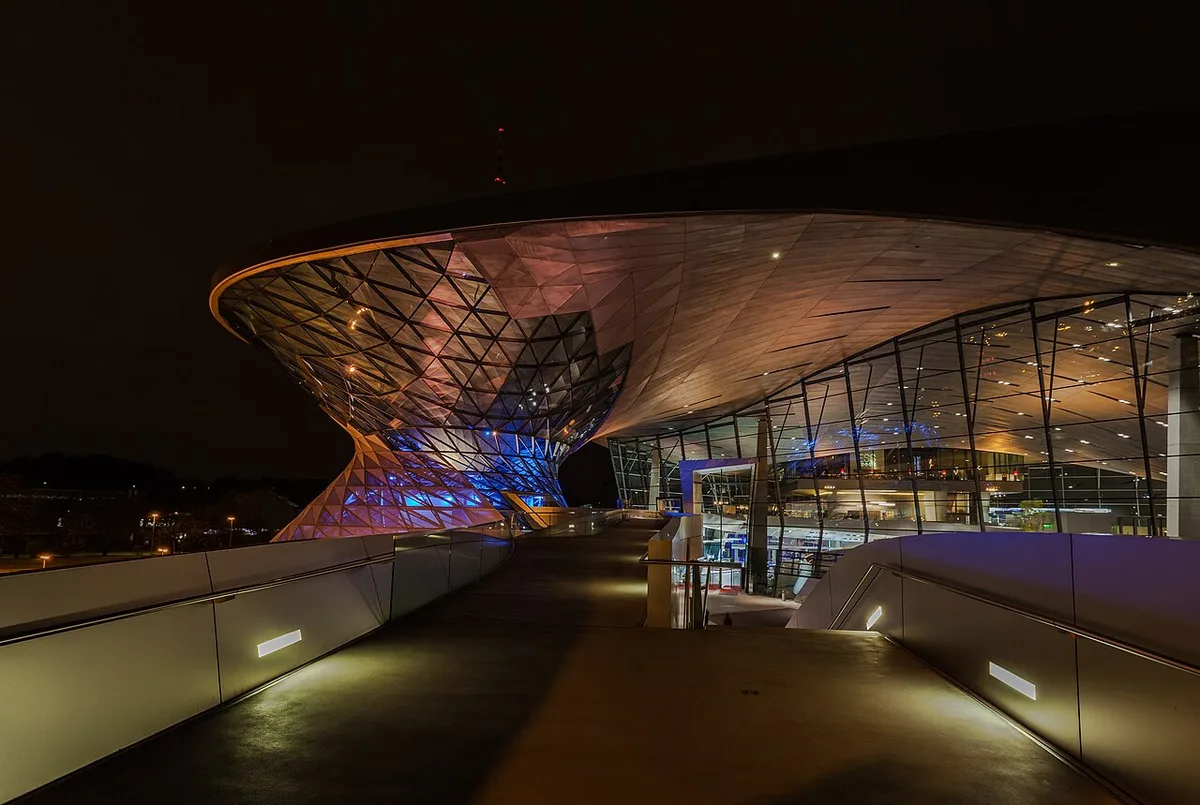
The formation and development journey of this architectural complex is closely tied to profound shifts in Germany’s commercial, industrial, and strategic cultural landscape from the post-reconstruction era to contemporary globalization. Originating from the need to expand exhibition space and enhance customer experiences beyond the traditional museum framework—which opened in 1973 next to the iconic four-cylinder tower—the group’s leadership decided to organize an international architectural competition at the end of the twentieth century to find a revolutionary design proposal. After rigorous screening rounds with participation from hundreds of the world’s leading architects, the design by Coop Himmelb(l)au was officially selected in 2001. Construction lasted from 2003 to 2007, facing unprecedented technical challenges in civil engineering history, notably the installation of a massive steel roof weighing thousands of tons with a free-flowing curved surface structure without any supporting pillars underneath. On October 17, 2007, the building officially opened to the public, marking a major milestone in transforming the model from a closed manufacturing plant into an open, highly interactive public cultural hub.
Through various economic ups and downs, particularly the 2008 financial recession occurring right after its opening, this structure has maintained its role as a strategic spearhead in sustaining consumer trust and affirming the resilience of German mechanical engineering. The space has witnessed countless international events, from new car and motorcycle product launches shaping future transportation trends to scientific technology conferences, contemporary art exhibitions, and symphonic concerts gathering Europe’s top orchestras. During the global health crises of the early 2020s, it also proved its flexible adaptability by temporarily transforming into a venue for online forums, virtual summits, and strategic roundtables on green energy transition, reinforcing its position as a European center for innovative thinking.
From a national symbolic perspective, this work is recognized as a masterpiece of Deconstructivist architecture, where traditional geometric rules are broken to make way for dynamic, flexible, and sculptural spatial flows. The steel and glass roof, with a surface area spanning tens of thousands of square meters, is designed like a gigantic floating cloud, serving to collect rainwater for the internal ecological system, optimize daylight, and integrate solar photovoltaic panels. The combination of the undulating roof and the internal double-cone structure named Double Cone created a perfect counterpart to the opposing four-cylinder headquarters building, forming an iconic architectural pairing for modern Munich. Thus, the building reflects contemporary Germany’s design philosophy, where the absolute precision of mechanical engineering blends with bold artistic thinking, symbolizing the economic superpower’s ambition to rise after profound historical shifts of the previous century.
The cultural influence of this destination extends far beyond a conventional commercial space, becoming a gathering point for the global automotive culture community and a symbol of high-end urban tourism in Germany. Millions of tourists worldwide flock here annually not just to admire cutting-edge speed machines displayed along spiral ramps, but also to experience the new car delivery ritual directly at the factory—a unique cultural tradition turning commercial transactions into emotional personal milestones. Furthermore, regular career guidance programs for engineering students and thematic symposia on sustainability and recycled materials have turned this venue into an open forum for dialogues on humanity’s future in the Industry 4.0 era. The symbolic value of the building is thus solidly reinforced over time, bearing witness to mankind’s supreme creative capacity in combining long-standing industrial heritage with a deeply humane, futuristic architectural vision.
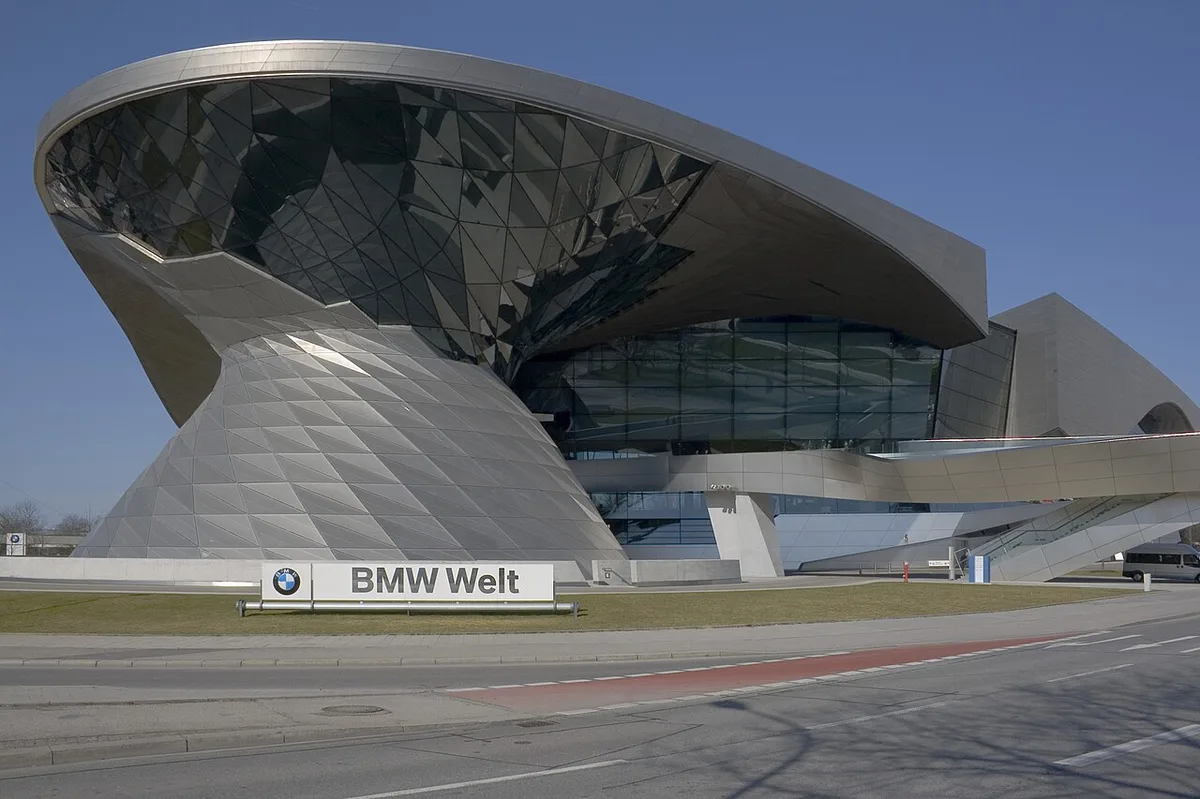
Located in the Am Riemfeld area of Munich, Germany, right next to the headquarters and historical museum of the renowned automotive group, BMW Welt emerges as a revolutionary icon of 21st-century contemporary architecture. Commenced in August 2004 and officially inaugurated in October 2007, this structure stands as proof of the perfect intersection between urban spatial sculpture and cutting-edge steel-glass structural engineering. The project was designed and executed by the architectural firm Coop Himmelb(l)au, under the leadership of chief architect Wolf D. Prix, aimed at creating a car distribution center combined with a public media space unprecedented in the history of the global motor vehicle industry.
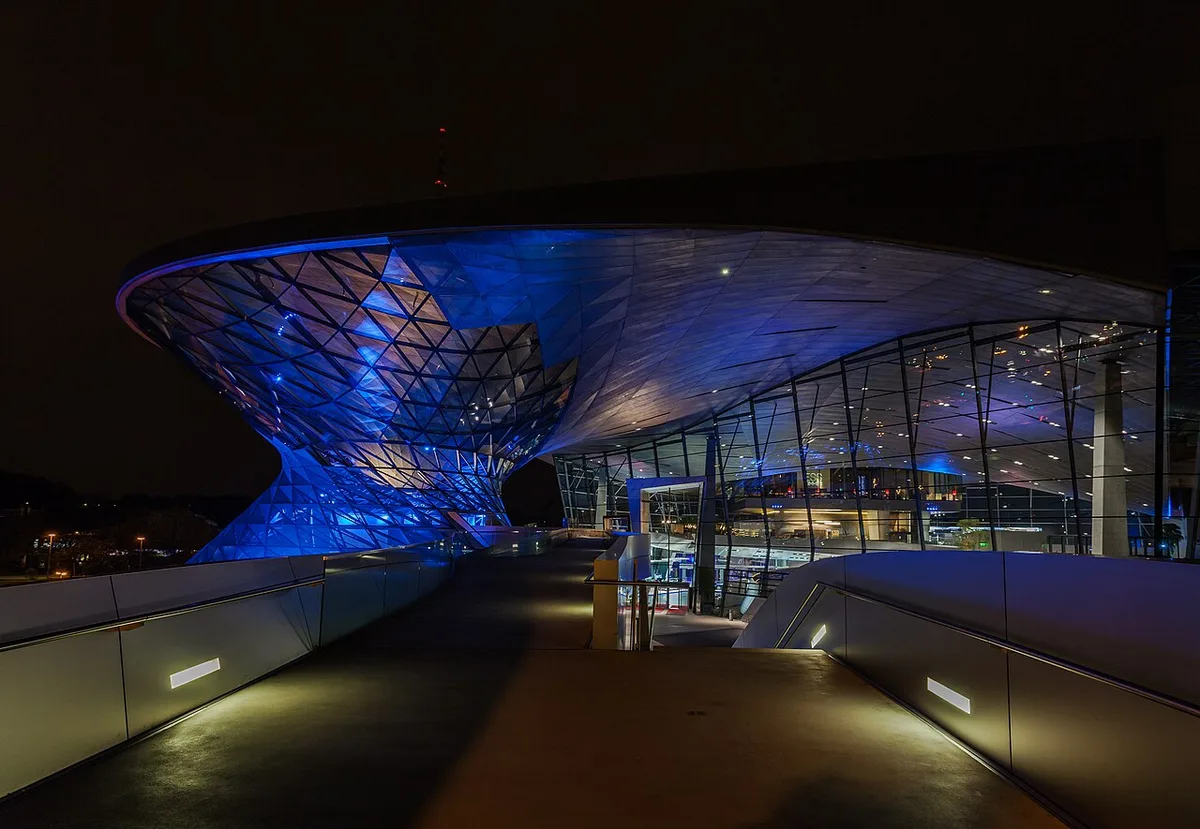
Regarding overall spatial planning and structural parameters, BMW Welt occupies a vast floor area of up to twenty-five thousand square meters, with a total length of approximately 180 meters and a width ranging around 130 meters at its widest point. The visual shock of the entire project lies in its gigantic roof carved in non-linear geometry, a floating steel cloud structure stabilized by minimal load-bearing pillars to maximize open space below. This roof weighs up to 4,000 tons of steel, soaring majestically with its highest point reaching about 28 meters above the road surface, covering the entire exhibition area without traditional partition walls, thereby creating a continuous, seamless, and expansive visual field from inside out.
The primary architectural style of BMW Welt belongs to deconstructivism, where traditional forms are broken to make way for continuous moving geometric flows, simulating the flexibility and speed of machines moving on highways. The building facade is entirely wrapped by a gigantic double-curved tempered glass skin, combined with monolithic cast aluminum panels crafted using robotic technology with absolute precision. Utilizing large-format high-strength glass creates a transparent visual effect, erasing boundaries between artificial interior spaces and the surrounding urban scenery of the Bavarian capital, while optimizing daylight and minimizing energy consumption for interior hall lighting.
Inside, the layout is organized into a sequence of multi-tier functional spaces connected by skybridges, hydraulic elevators, and strongly sculptural sloping walkways. The central area of the building is the car delivery space, where customers purchasing cars directly come to receive handovers in a formal ritual staged under professional stage lighting. Surrounding this central area are thematic exhibition spaces dedicated to various product lines, interactive technology experience zones, multi-purpose conference rooms, high-end restaurants, and souvenir shops featuring brand history collectibles.
One of BMW Welt’s most notable technical achievements is integrating a large-scale solar power system directly onto the giant roof surface. Over 3,600 photovoltaic panels are cleverly installed on the steel roof, supplying significant electricity for daily operations, making it a pioneer in sustainable construction technology in Germany. Air conditioning and ventilation systems are calculated based on fluid dynamics, utilizing natural convection through double glass layers to maintain stable temperatures across all four seasons without wasting energy.
In terms of operational scale and visitor capacity, BMW Welt has established itself as one of Europe’s most visited industrial tourism destinations since opening in late 2007. Annually, it welcomes two to three million visitors worldwide, including mechanical enthusiasts, urban architecture experts, planning scholars, and the general public. This massive scale requires a sophisticated crowd management system, with distinct traffic flows for new car buyers, free exhibition visitors, and large conference attendees.
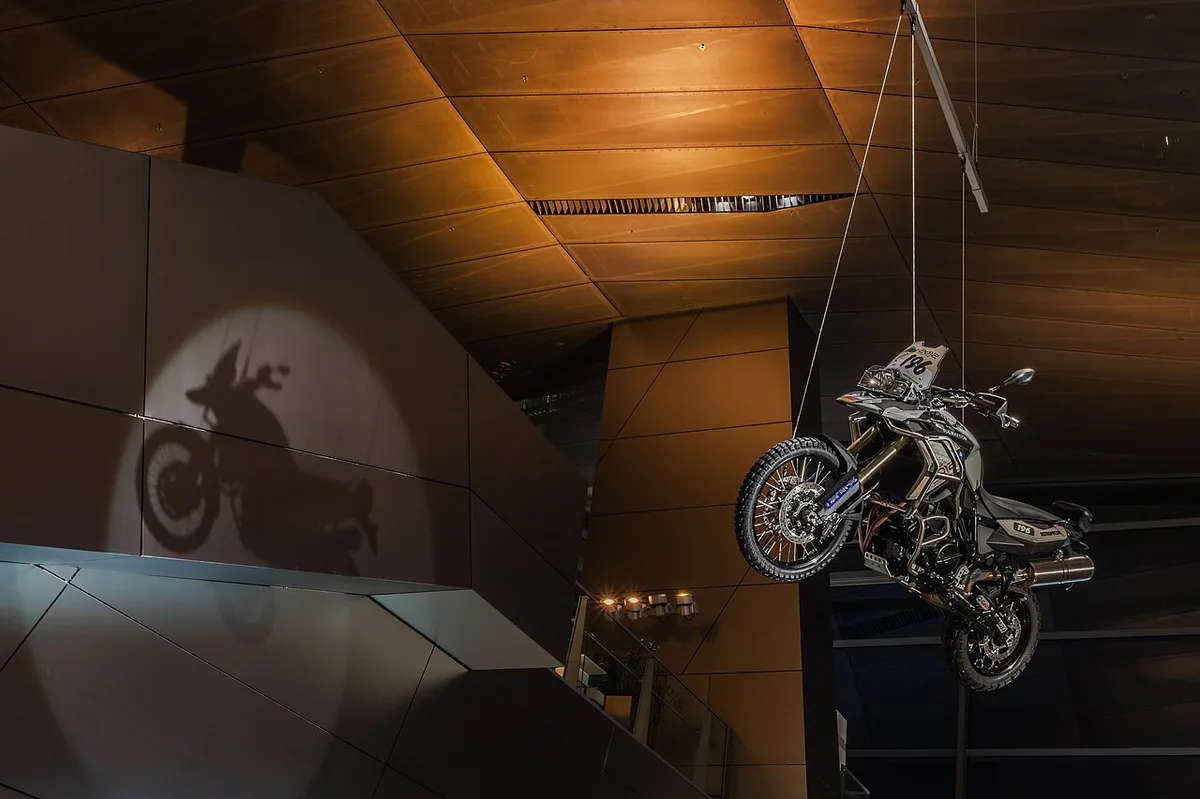
The success lies not just in impressive statistics but in how this architectural space interacts with Munich’s community. By offering free public access to most indoor public areas, it transcends its initial commercial showroom function to become a true urban cultural living space, hosting outdoor chamber concerts, contemporary art exhibitions, and international technology forums.
Construction technology required tight collaboration between top European structural engineers and precision mechanical contractors. Since most steel and aluminum roof components feature unique curved shapes with no two pieces identical, fabrication utilized Building Information Modeling (BIM) and automated waterjet or laser cutting before assembly on-site using giant tower cranes.
Viewed from a 21st-century architectural history perspective, this project represents the pinnacle of parametric design thinking in industrial urban spaces. Transforming forms from a vast floor plane into a fluid three-dimensional flow fully embodies the philosophy of eliminating rigid boundaries between traditional walls, floors, and roofs. By combining radical shaping art with strict German manufacturing engineering standards, this building maintains its status as a vital research milestone for contemporary public architecture globally.
Located in northern Munich, right next to the headquarters and historic factory of the famous Bavarian automotive group, BMW Welt appears as a milestone completely redefining contemporary architectural language applied to industrial display spaces. Officially inaugurated in the autumn of 2007 after meticulous design and construction by Coop Himmelb(l)au—especially chief architect Wolf D. Prix—this building transcends ordinary commercial showrooms to become a large-scale urban sculptural icon. Its design philosophy abandons static boxy forms, harnessing moving energies of curved lines, undulating stainless steel surfaces, and a dramatic transparent glass dome floating in mid-air. This architecture creates an organic link with the adjacent bowl-shaped museum and the four-cylinder engine tower, establishing a multi-dimensional dialogue between the past, present, and future of German precision engineering.
Stepping through the massive monolithic glass entrance, visitors are immediately enveloped by a vast open interior where natural light is subtly regulated by a giant dome system called the double cloud. The heart of this spatial structure is the double cone made of steel and glass—an engineering marvel reminiscent of a quietly spinning tornado, serving as both a primary structural support and an independent visual sculpture. The double cone’s surface consists of thousands of glass panels and metal frames interwoven at complex mathematical angles, allowing sunlight refraction to create continuous shifting color spectra throughout the day. Surrounding this central axis, spatial tiers are arranged in gentle stepping levels, connected by intricate steel footbridges, forming a multi-layered stage where humans and machines merge into a single contemporary industrial culture flow.
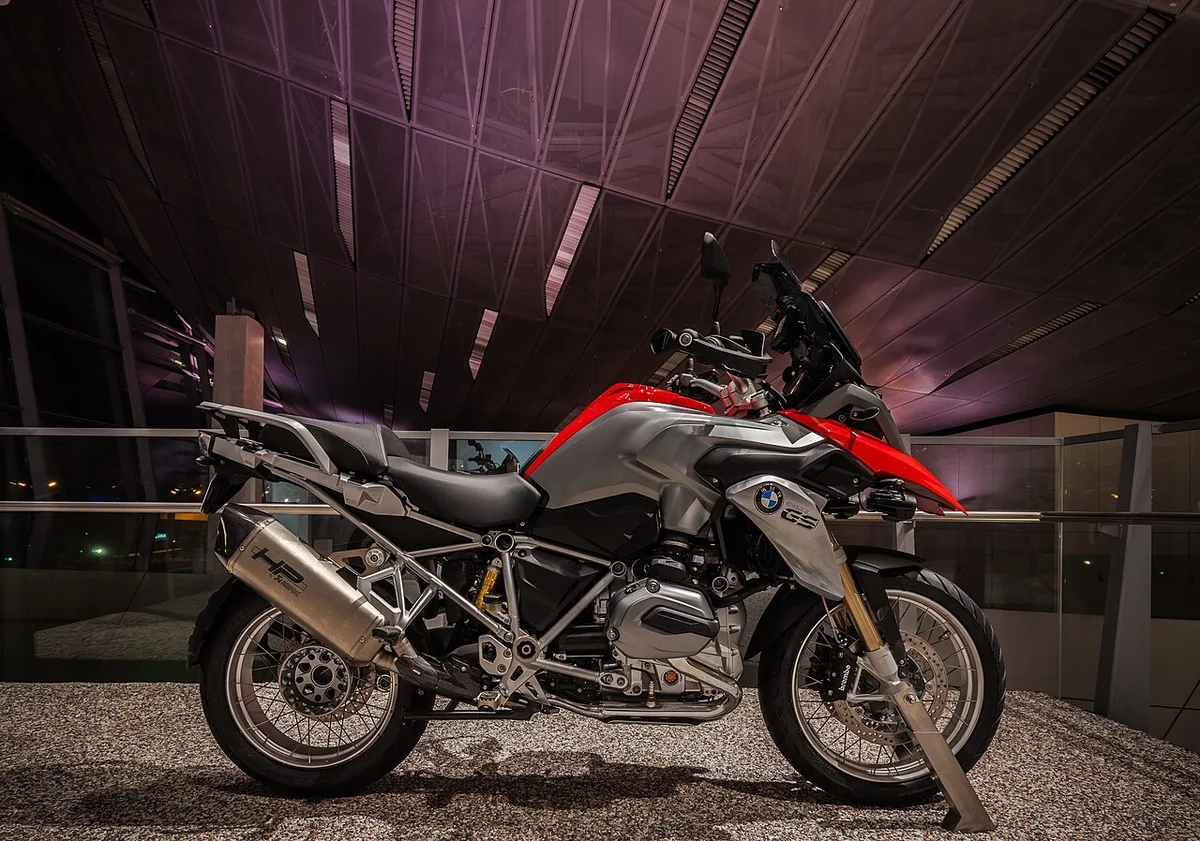
Delving deeper into exhibition zones, spatial structures are scientifically demarcated while maintaining fluidity for viewers’ visual experiences. The vehicle delivery zone, located centrally beneath the dome, acts as a modern ritual stage where new owners receive vehicles in focused lighting and carefully adjusted audio. Vehicles rest on sophisticated mechanical turntables, slowly rising from underground floors via automated elevators, turning asset handover into a selfless, emotional personal experience. Surrounding this zone are areas dedicated to specialized product lines, from speed-symbolic sports cars to high-performance motorcycles, each designed with unique flooring, lighting, and wall backdrops to honor each product’s design philosophy.
Beyond vehicle displays, this building serves as a living museum of 21st-century industrial design thinking and material technology. The building facade employs thousands of composite panels and specialized thermo-formed glass, requiring advanced crafting techniques ensuring no two glass panes are identical across complex curved surfaces. Meticulous detailing from hidden drainage channels in steel ribs to natural ventilation utilizing external atmospheric pressure turns the entire building into a smoothly running ecological machine. This clearly reflects deconstructivist philosophy, intentionally breaking traditional order to make way for a dynamic new order adapting better to urban life and rapid mechanical progress.
Cultural depth here is also shown through interactive public experience spaces where observer and observed boundaries dissolve via digital tech and art installations. Thematic galleries regularly update future trends in sustainable urban transport, recycled biomaterials, and AI integrated into car manufacturing, placing current technical achievements within a broad evolutionary stream of human technology. Visitors are invited into philosophical dialogues about the future of mobility and human-nature-machine relationships in a globalized industrial world.
The fusion of pioneering architecture and Bavarian industrial heritage makes this an irreplaceable cultural research destination on the world architectural map. Every curve of the steel dome, precise cut of the double cone, and natural light ray through tempered glass reflects rigorous rational thinking blended with German artistic imagination. The structure stands as material proof that mechanical engineering and industrial design can achieve classic artistic status, where every detail tells a story of modern civilization’s aspiration to conquer space and time.
Located in northern Munich, Bavaria, Germany, the deconstructivist BMW Welt architecture appears as an icon blending industrial shaping art with contemporary urban life. Designed by architect Wolf D. Prix from Coop Himmelb(l)au, it welcomes the dawn with sunlight piercing through the giant double-cone glass roof. While summer mist lingers on nearby Olympiapark lawns, the interior awakens under smart natural lighting. Technicians and coordinators begin routine checks on advanced machinery, while sound engineers adjust frequencies for the main hall. Early mornings here possess a calm, standard beauty, reflecting German discipline and respect for time before international visitors and experts arrive to explore the world of engines.
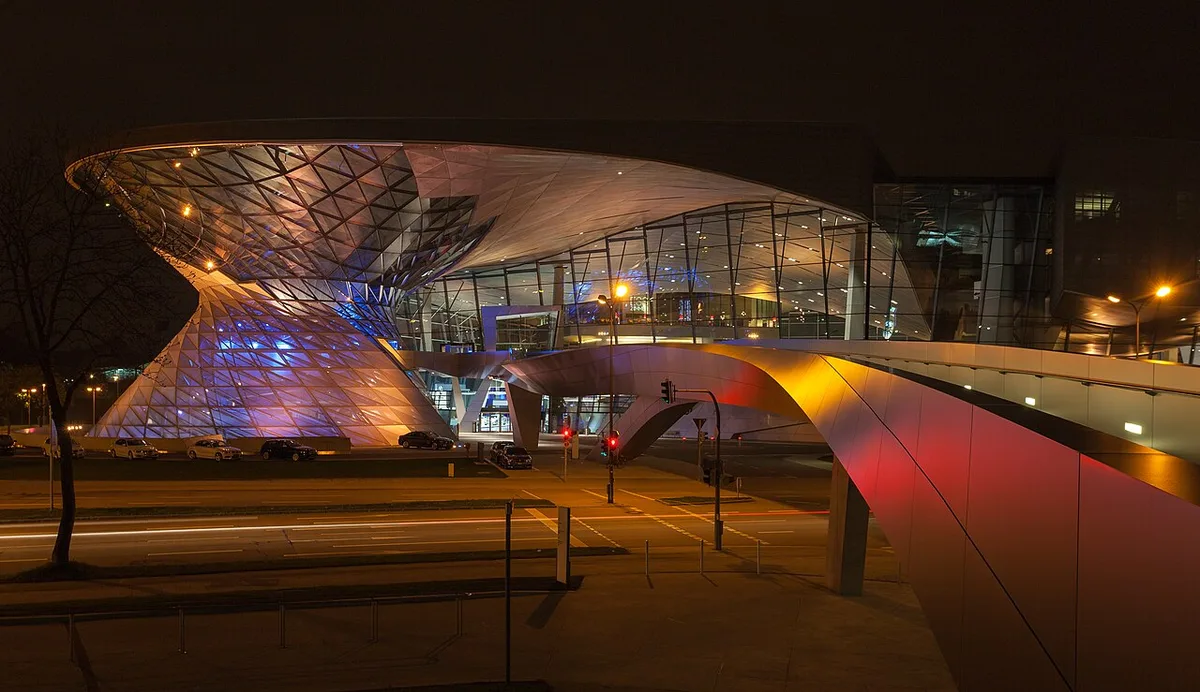
As noon approaches, activity rhythms shift to a vibrant tone pulsing with technology and contemporary culture. Interactive exhibition areas attract crowds where industrial historians, mechanical engineers, and speed enthusiasts discuss combustion engine evolution and electric mobility solutions. Footsteps echo steadily on steel floors…
The capital of Bavaria in the Federal Republic of Germany, Munich, is not only globally renowned for its peak automotive industrial heritage but is also one of Central Europe‘s most distinctive culinary culture centers. Exploring flavors around the futuristic BMW Welt architectural complex and famous museum in the northern city reveals a magical crossover between highland agricultural culinary traditions and modern urban consumer styles. The space surrounding this iconic work is a rich flavor map where ancient cooking techniques are strictly preserved across centuries while blending with 21st-century culinary thinking. The culinary terrain reflects Bavarian identity—known for generosity, hearty meals, and absolute devotion to freshest local ingredients supplied from nearby rural areas like Dachauer Moos or southern Alpine valleys.
Speaking of Munich’s traditional culinary foundation and the area surrounding BMW Welt, one immediately thinks of pork and livestock meat preparation with astonishing sophistication. The iconic dish Schweinshaxe, roasted pork knuckle, demonstrates local chefs’ patience and mastery. Carefully selected pork knuckles are marinated in coarse salt, black pepper, crushed garlic, and parsley, then simmered in herbal broth before high-temperature roasting to make outer skin amber-crisp while keeping meat tender and juicy. Served with potato dumplings called Knödel—hand-molded from smooth mashed potatoes and starch—it provides a chewy texture soaking up rich gravy from drippings and meat juices.
Besides roasted pork knuckle, Bavarian sausage-making holds an exclusive position in northern Munich’s flavor map. Weisswurst, originating in Munich in the 19th century, carries an un-reproducible eating philosophy. Made from minced veal, pork back fat, lemon zest, onions, parsley, and secret spices, it contains zero preservatives and is stuffed in thin pig casings. Due to its fresh nature, traditional Weisswurst is only cooked in hot water rather than fried or grilled, and the local rule is to eat it before noon bells ring—a legacy from pre-industrial refrigeration days. Eating this requires precision: stripping the outer skin with a knife, dipping in sweet mustard (Süßem Senf), and pairing with freshly baked crispy pretzels dusted with sesame seeds.
Pretzel, or Brezn in local dialect, is an inseparable bread cultural icon at any Munich table. Pretzel making requires kneading flour with yeast and butter, then dipping in a weak lye solution before high-temperature baking. This chemical reaction creates the characteristic glossy brown outer crust and unique salty-alkaline flavor, contrasting wonderfully with the soft, buttery inner crumb. Along commercial streets and grand avenues toward the automotive complex, traditional bakeries maintain daily manual morning baking. Locals enjoy fresh pretzels with buttermilk or as a starter before energy-dense main meals for exploring.
Beverage systems here reflect deep historical roots in southern Germany’s agriculture and fermentation culture. While beer dominates with Helles and Dunkel produced under the 1516 Reinheitsgebot purity law, tea and herbal drinks play key roles for Munich intellectuals and artisans. Cafés and antique tea rooms around Leopoldstrasse serve herbal tea blends of mountain chamomile, mint, linden flowers, and temperate berries, formulated precisely to aid digestion after heavy protein meals. Tea customs accompany traditional pastries like Apfelstrudel, where thin dough wraps sweet-sour apple fillings fragrant with cinnamon and rum-soaked raisins.
Surveying culinary arteries around northern Munich, intersecting Schwabing and Milbertshofen districts, diners access a diverse food ecosystem rooted in local identity. Around the Olympic Park and Lerchenauer Strasse, historical inns coexist with modern industrial-style restaurants near futuristic car display spaces. Here, new-gen chefs redefine classic recipes, combining Sauerbraten beef marinated in red wine vinegar and spices with minimalist contemporary plating, creating a captivating visual-gustatory dialogue between golden past and tech future.
Examining Bavarian dining customs, cultural scholars find Munich meals community-driven and social. Traditional eateries around the car museum feature long solid oak tables encouraging interaction among strangers sharing large beer steins and giant meat platters. Table etiquette requires basic politeness alongside openness, where glassware clinks and “Prost” toasts dispel social distance. Respect for seasonal produce is invariable, shown by restaurant menus within kilometers of the tech center changing with nature’s cycles, from fresh white asparagus in spring to rich wild mushrooms and game in autumn.
Overall, the culinary picture surrounding Munich’s automotive complex illustrates tradition’s vitality in an advanced industrial city. No sloppy cooking or hollow ostentation exists here, but dedicated celebration of true craft values: crisp pork skin, buttery pretzels, and forest-herb warm teas. Dining here transcends biology to become an anthropological journey understanding Bavarian soul, history, and proud identity through civilization’s progress.
The BMW Welt and BMW Museum complex in Munich, Germany, sets rigorous logistical and access requirements for travelers to fully grasp Bavarian mechanical mastery. Located on Am Petuelring, next to the historic four-cylinder headquarters and green Olympic Park, this work represents modern public space design peaks. To ensure a smooth journey, mastering Munich’s dense public transit is paramount. The U-Bahn subway operates with absolute precision; U3 connects city centers like Marienplatz or Hauptbahnhof directly to Olympia-Zentrum in under fifteen minutes. Exiting the station, visitors walk briefly through tree-shaded grounds to admire BMW Welt’s steel-glass architecture and its Double Cone vortex roof.
Besides the subway, surface transit like urban buses and trams connect Munich’s outskirts to this industrial exhibition cluster. Bus 173 or tram 20 stop right at complex gates, offering convenience for viewing local life through transit windows. For travelers with bulky luggage or groups needing private taxis, Munich offers civilized road transport meeting strict emission standards. Taxis feature foreign language proficiency, strict meter compliance, and direct drop-off at BMW Welt’s dedicated zones without urban traffic obstacles.
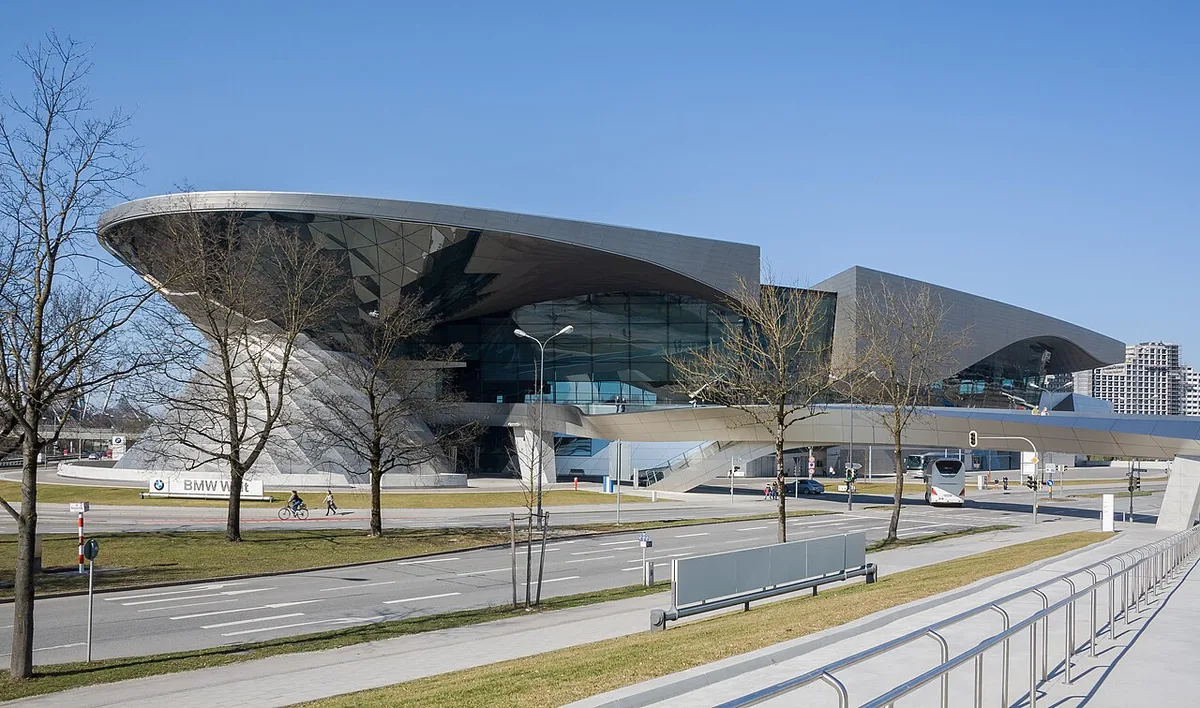
Choosing when to visit Munich requires understanding continental temperate climates with Alpine influences. Spring (March to May) brings fresh air, 10-18°C temperatures, ideal for strolls without extreme cold or heat. Summer (June to August) brings 30°C+ peaks, dry weather, and long daylight for exterior architecture photography. Autumn (September to November) brings golden-red foliage and Bavaria’s largest festival, making the city vibrant though crowded. Winter (December to February) brings sub-zero temperatures and snow-covered glass domes creating fairytale scenes; visitors need thick coats, gloves, and anti-slip boots.
For the best time of day, morning opening hours (9:00 AM to 10:00 AM) are golden. The space is quiet, uncrowded, allowing calm observation of classic museum cars or testing new commercial cars in the central exhibition. Morning light through giant glass panels creates optical effects highlighting metallic body curves. Conversely, late afternoon sunsets offer distinct visuals as interior LED lights turn BMW Welt into a glowing lantern amid winter skies or deep summer dusks.
Attire requires balance between politeness, comfort, and practical movement. Large exhibition floors require hours of walking on concrete/metal, making supportive sneakers essential. Smart-casual attire, thin wool coats, or trench coats suit the professional German automotive environment. In winter, thermal coats are mandatory outdoors, but exhibition interiors feature powerful heating; layering allows easy adaptation.
Ticketing rules distinguish free zones from restricted ones. BMW Welt is completely free for public visits, new car viewing, interactive tech, and official souvenirs without pre-purchased tickets. However, entering the historic BMW Museum via the iconic overpass requires paid admission. International tourists are advised to book online via the official museum portal weeks in advance to avoid long ticket lines during weekends or summer peaks. Student, senior, or family discounts apply upon showing valid ID with original passports.
Etiquette reflects German discipline and privacy respect. In prototype or limited-edition vehicle areas with restricted signs, do not touch paintwork or open doors without guide permission. Drones are strictly banned indoors to ensure visitor safety and valuable asset protection. When taking photos, respect staff or customers undergoing new car handovers at Premiere Delivery zones. Smoking, stimulants, or outside food/drinks in main exhibition rooms violate safety and hygiene rules.
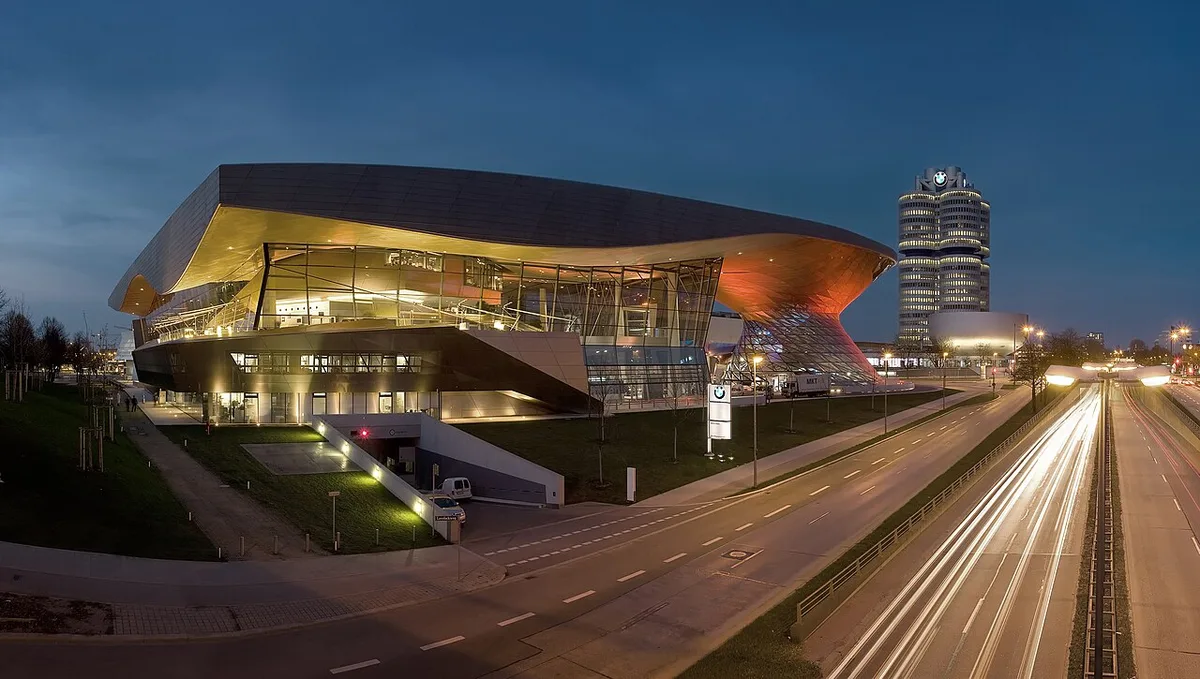
To optimize practical experiences, visitors should allocate at least 4 to 5 hours for the whole journey from BMW Welt to the BMW Museum, and if time permits, tour the adjacent car factory via pre-booked specialized tours. Bringing compatible personal headphones for audio guides enhances technical-historical absorption. Experiences here transcend four-wheeled machines, offering profound philosophical insights into industrial design where metal sculpture meets advanced aerodynamics in the 21st century.
To fully experience this journey with a local guide, you can check out the Germany – Austria – Hungary – Czech Republic 9D8N Tour with a pre-arranged itinerary.