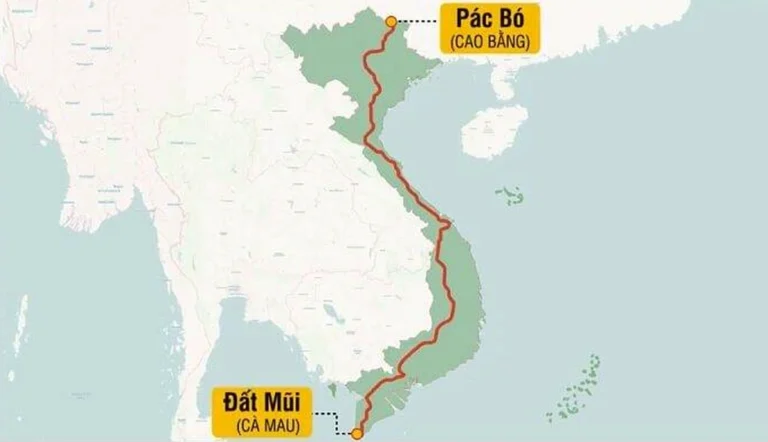
Located at 22°20′ north latitude and 103°53′ east longitude, Ta Phin Village (Ta Phin Commune, Sa Pa Town) is far more than a mere stop on the tourist map; it is a deeply layered geographical and cultural entity where the traditional homes of the Red Dao people anchor themselves amidst the majestic Hoang Lien Son mountain range. Ta Phin emerges as a fertile basin valley, generously cradled by towering peaks shrouded in mist year-round. In the feng shui philosophy of the Red Dao, this embodies the classic “mountain-backed, water-facing” configuration: its back rests against sheer cliffs acting as a natural rampart shielding against harsh winds, while winding streams murmur day and night before it, carrying fertile silt and cool, refreshing water to form a “water-gathering wealth” landscape—a confluence of vital energy and prosperity for the local community.
The name “Ta Phin” carries echoes of ancient Sino-Vietnamese, interpreted by locals as a flat, expansive tract of land nestled deep within high mountains. Beyond a mere place name, it stands as a testament to a strategic settlement. The migration of the Red Dao from the north into this region around the 18th and 19th centuries transformed Ta Phin into an independent cultural stronghold. Unlike the lowland regions subject to strict administrative governance during the Ly and Tran dynasties, Ta Phin evolved at its own rhythm, bound to hillside cornfields, terraced paddies, and the “Cap Sac” ordination manuscripts—sacred texts recording family genealogies, ancestors, and traditional rituals, regarded as the Dao people’s own imperial decrees affirming their place in the flow of national history.
Ta Phin’s geological beauty is further etched through its magnificent system of natural caves. The strangely shaped stalactites inside Ta Phin Cave are not only masterpieces of nature but also sacred spaces preserving legends of guardian deities who watch over the harvest. Weather-worn stone steles etched into cliff walls, though aged and eroded by wind and mist, remain living proof of ancient rain-praying ceremonies in which people entrusted their aspirations for harmony with nature. It is this very intersection of rugged terrain and mystical spirituality that gives Ta Phin its magnetic allure, where every boulder and every stream breathes history.
In particular, the presence of the ancient Ta Phin Monastery—a haunting Gothic ruin built in 1942 by contemplative nuns of the Order of St. Paul de Chartres—adds a one-of-a-kind accent to this highland heritage tapestry. The use of locally quarried stone to construct soaring archways, underground cellars, and sturdy perimeter walls in the heart of the valley not only demonstrates Western architectural engineering, but also symbolizes the turbulent Franco-Vietnamese cultural encounter of the late Nguyen era. Today, though reduced to moss-covered, crumbling walls, the monastery still stands as a silent witness bridging past and present, affirming Ta Phin as a rare cultural crossroads where historical geography and architectural heritage merge into a unified whole, inviting wandering souls back to the roots of enduring values.
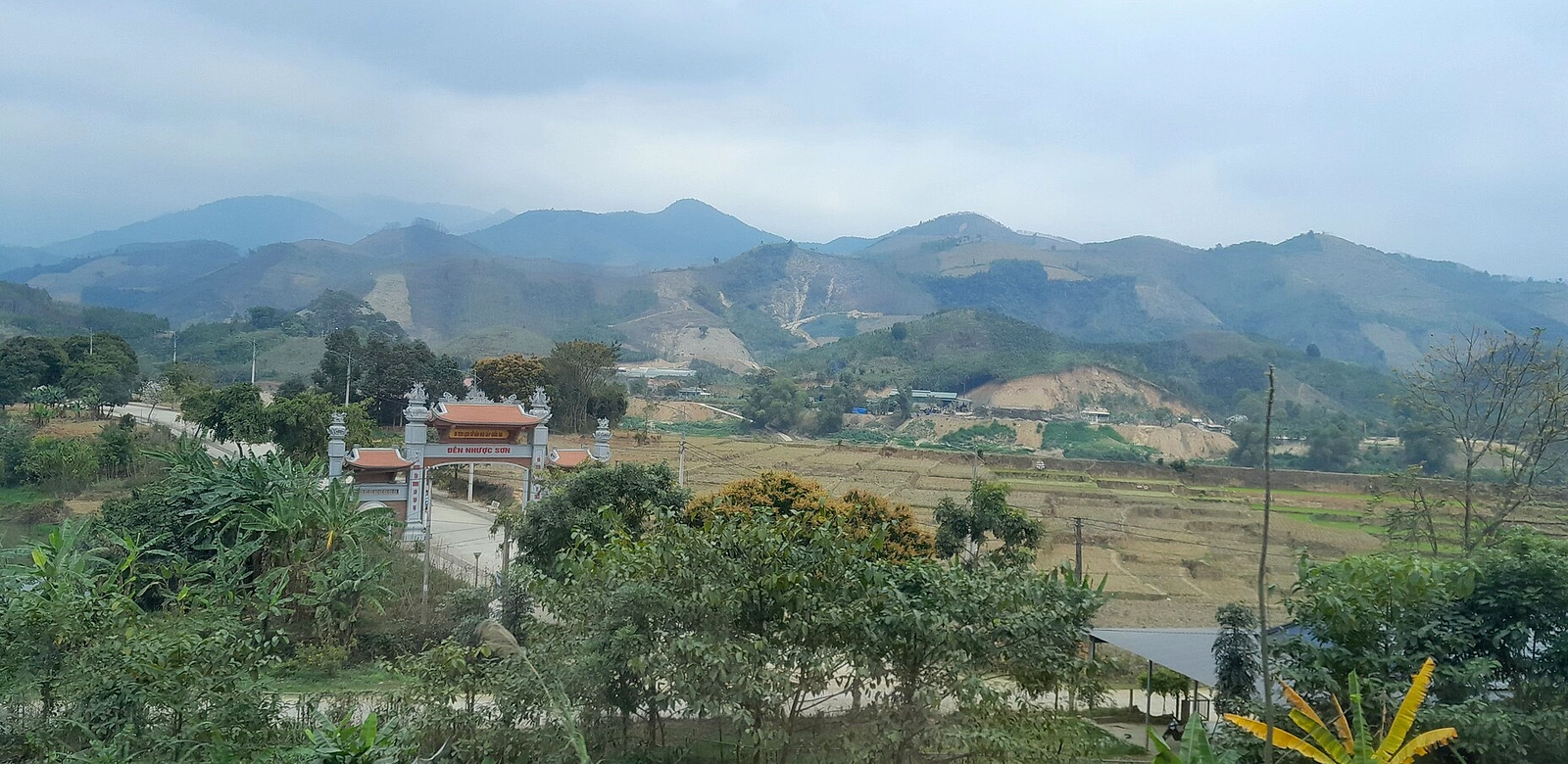
Ta Phin is not merely a geographical coordinate on a travel map, but a masterpiece sculpted by nature, where the imposing Hoang Lien Son mountains cradle a flat basin valley like the open palm of heaven and earth. Upon arriving here, visitors are captivated by the magical transformation of the scenery. Winding terraced rice fields drape across the mountain slopes like ribbons of shimmering gold, mingling with the drifting highland mist to create a living ink-wash painting. The “mountain-backed, water-facing” terrain not only carries feng shui symbolism of prosperity, but also opens up sweeping vistas where every angle forms a picture-perfect frame, and where humanity and nature harmonize in a quiet, contemplative rhythm.
The most striking architectural highlight in Ta Phin is the ruin of the ancient monastery. Although time has draped its quarried stone walls in a blanket of antique moss, the beauty of its weathered Gothic style remains deeply evocative. Soaring archways, hollow window frames gazing out into the deep blue sky, and sturdy boulder perimeter walls stand as testimony to a unique era of cultural convergence. Under the pale golden glow of late afternoon, the cold gray stones suddenly take on a warm hue, creating a profoundly cinematic atmosphere where every crack in the masonry tells a story of architectural resilience against the relentless erosion of time and harsh highland elements.
To capture the true soul of Ta Phin, professional photographers typically prioritize two prized vantage points. The first is at the ancient monastery ruins at sunset. As the final rays of the setting sun stream through the stone archways, creating a dramatic contrast between the deep shadows of the subterranean cellars and the radiant glow of the sky, photographs take on an unmistakable aura of nostalgia and mystery. This is the hour when Gothic architecture comes most vividly alive, showcasing the full splendor of proud, dignified ruin.
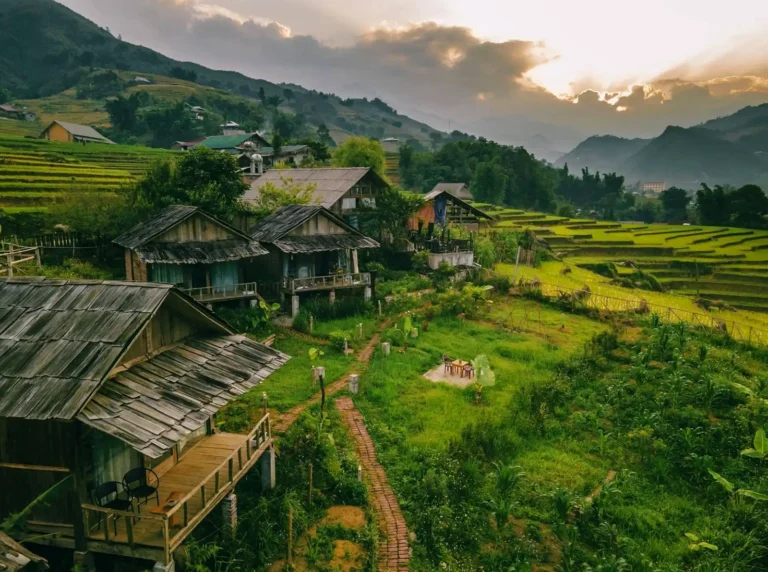
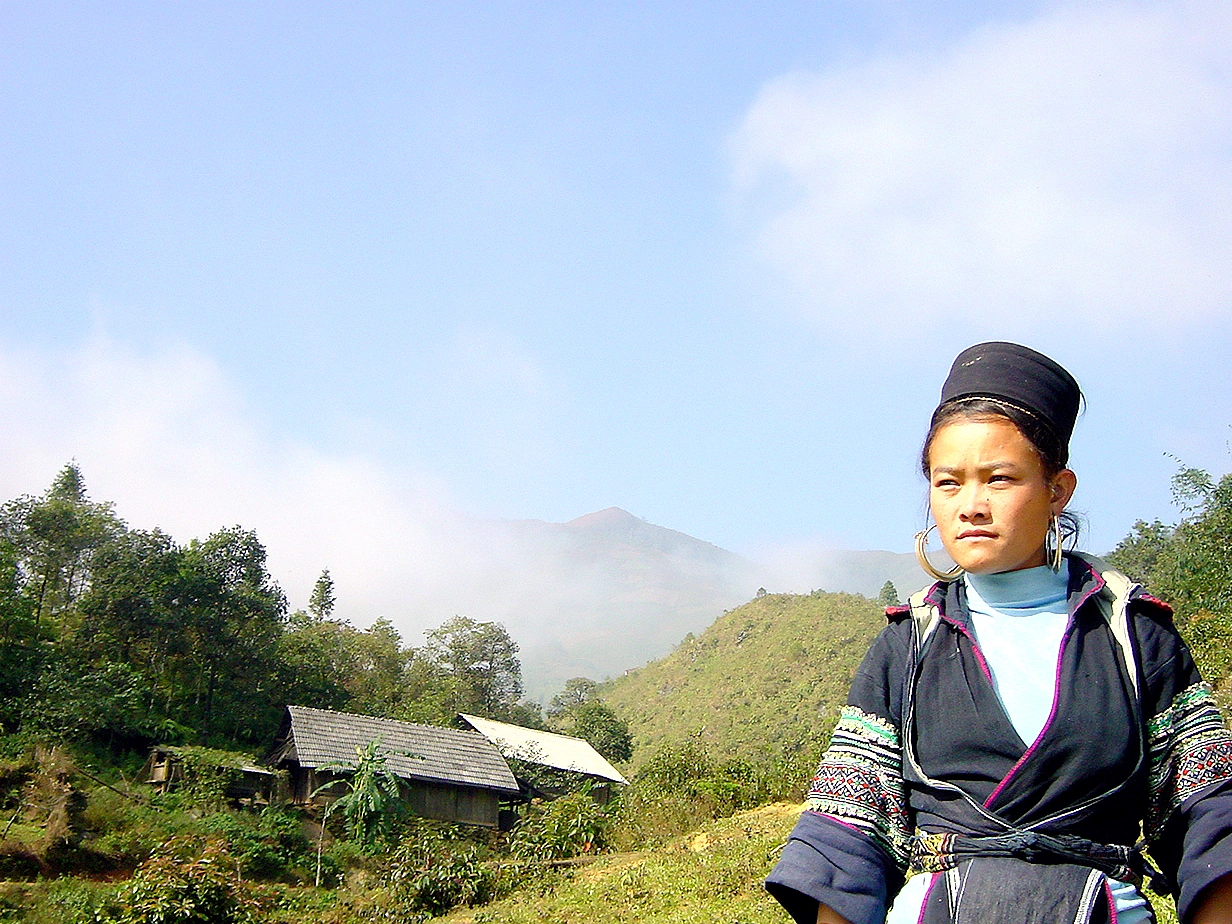
The second vantage point sits along the high ridges overlooking the valley at dawn. This is the ideal moment to capture ribbons of drifting clouds weaving across Red Dao hamlets. As morning light begins to filter over the mountain peaks, illuminating terraced paddies still glistening with night dew, the entire Ta Phin Valley lights up like a precious jewel nestled in the wilderness. The interplay between the deep emerald of old-growth forest, the gold of ripening rice or earthy brown of freshly plowed soil, and the simple wooden roofs of local homes composes a balanced frame rich in depth and emotion.
Ta Phin is not just a place to behold, but a place to feel the grandeur of creation and the imprint of history. Every photo spot here is more than a simple snapshot—it is a fragment of memory where travelers can run their hands over ancient stone walls, breathe in the scent of mountain forests, and listen to the echoes of time in every breath of the valley. Whether you are a photographer hunting for artistic frames or a traveler seeking tranquility, Ta Phin always knows how to linger in your heart with its pristine, majestic, and enchanting beauty.
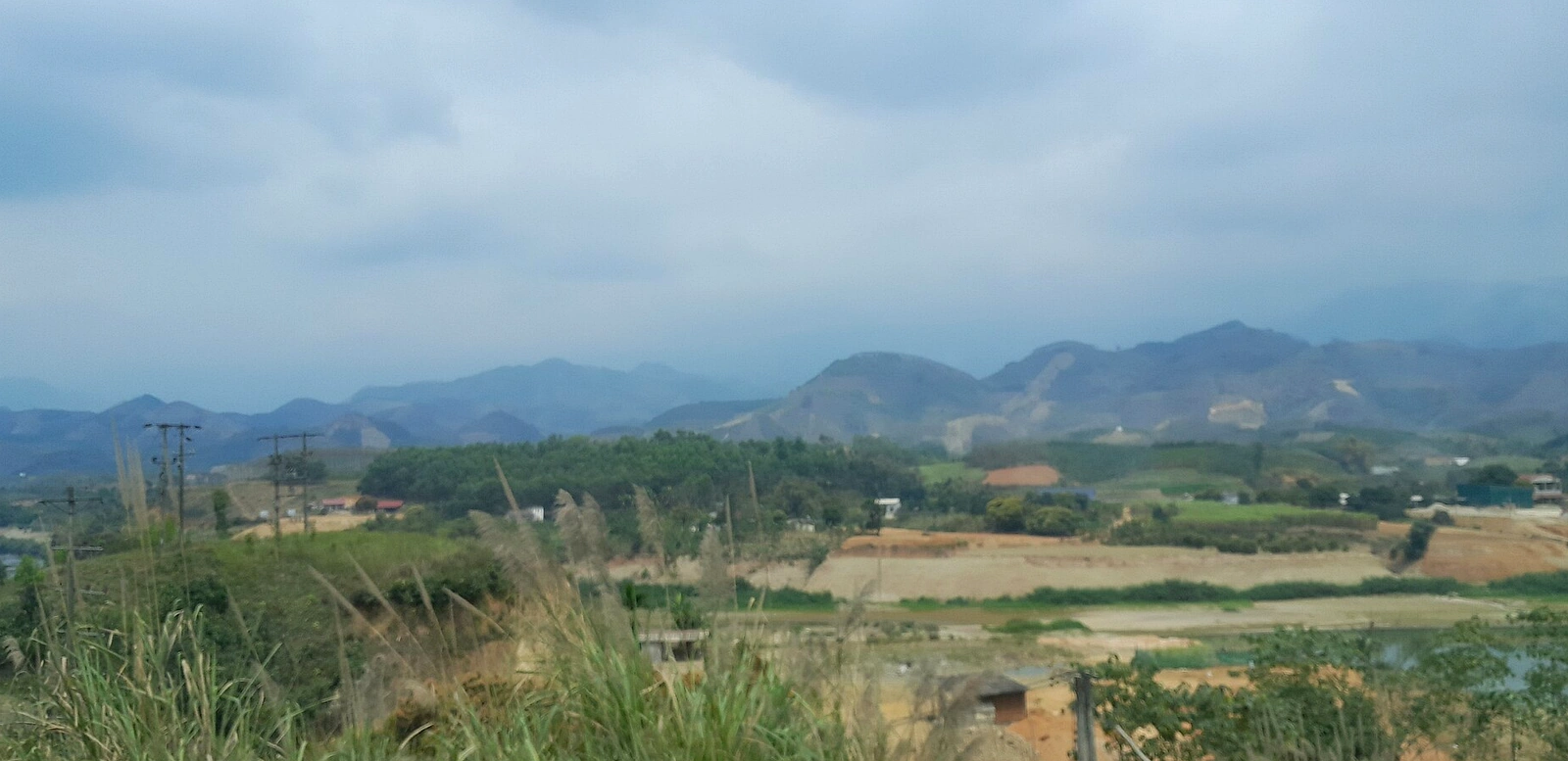
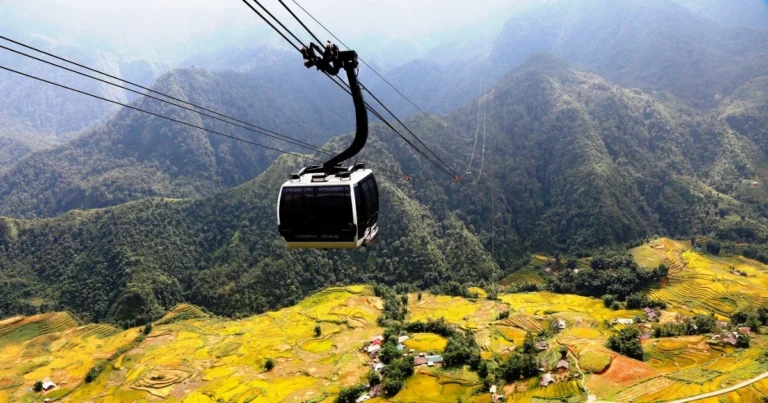
Stepping into Ta Phin, visitors enter not just a geographical location, but a dimension where time seems to stand still. The very first experience that leaves every traveler in awe is traversing the winding mountain roads, where the towering Hoang Lien Son range rises like a colossal fortress wall sheltering the lush basin valley. Looking down from above, the entire village unfolds like a watercolor scroll with wooden houses peeking through gossamer mist, interspersed with terraced fields during the water-pouring season reflecting the sunlight like giant mirrors amidst the wilderness. Initial awe at nature’s grandeur quickly gives way to inner serenity as you breathe in the crisp, pure air infused with the fragrance of wild grasses and the earthy scent of damp highland soil.
No exploration of Ta Phin is complete without paying a visit to the ancient monastery ruins. Amidst the tranquil surroundings, the moss-covered gray stone walls of this Gothic Revival landmark rise with an eerie, time-worn grace. As late afternoon sunlight filters through crumbling archways, visitors experience an extraordinary interplay between solemn Western architecture and the untamed breath of the Northwest mountains. It is an ideal sanctuary to quiet the mind, reflect on historical footprints of the past, and appreciate the quiet endurance of time. Just nearby, an expedition into Ta Phin Cave offers a wholly different emotional register—one of curiosity and reverence. Under the flickering beam of a flashlight, fantastical stalactite formations spark the imagination with ancient legends of divine spirits to whom the Red Dao once entrusted their hopes for abundant harvests.
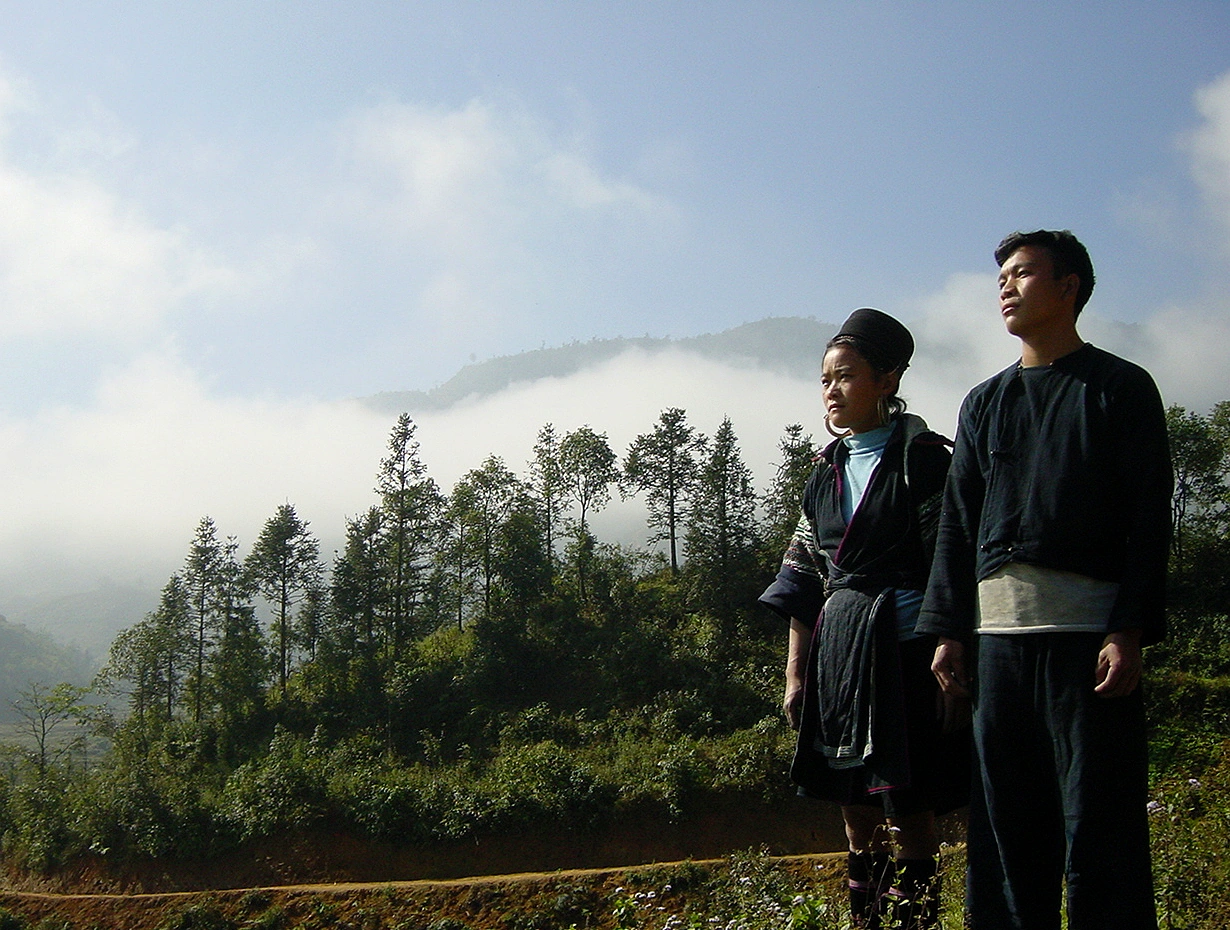
Indigenous culture in Ta Phin lives not only in its scenery, but pulses through every facet of daily life. Visitors can immerse themselves in the cultural world of the Red Dao people and witness skilled hands embroidering intricate brocade patterns firsthand. Most notably, experiencing a traditional Dao herbal bath is a prized therapeutic ritual that melts away fatigue after hours of mountain trekking. The rich aroma of rare medicinal herbs gathered from old-growth forests infuses the steaming water, delivering utter relaxation and a profound connection to ancestral folk wisdom passed down through generations.
At day’s end, as nightfall settles over the valley, travelers’ senses are awakened once more by renowned local highland cuisine. Seated beside a glowing hearth, savoring fragrant grilled free-range pork, chewy five-colored sticky rice, or sipping a cup of warm, potent corn wine, one truly comes to understand the heartfelt warmth of highland hospitality. The sweet freshness of wild forest vegetables and the bold flavors of mountain spices blend with the lively laughter of local villagers to create a vibrant cultural symphony. Ta Phin is far more than a trendy photo stop—it is a sanctuary where you can restore inner balance, listen to the voice of nature, and feel genuine human warmth amidst the majestic Hoang Lien Son mountains. Every step taken and every memory gathered becomes a treasured keepsake, ensuring Ta Phin leaves an indelible mark on every traveler’s heart.
To make your exploration of Ta Phin Village seamless and meaningful, it helps to equip yourself with practical information regarding routes as well as local cultural etiquette. Ta Phin Village welcomes visitors every day of the week, from early morning until sunset. However, the ideal window to experience the valley’s full splendor is between 8:00 AM and 5:00 PM, when ample natural daylight illuminates the stonework of the ancient monastery and the sweeping terraced rice fields.
Regarding admission fees, Ta Phin Village currently applies a standard entrance ticket price of 20,000 VND per adult and 10,000 VND per child. These proceeds go directly toward landscape conservation efforts and supporting the local community in preserving their cultural heritage. Visitors are advised to carry small-denomination cash for convenient payment at ticket checkpoints or when purchasing traditional handicrafts made by the Red Dao people.
Getting from the center of Sa Pa Town to Ta Phin Village is straightforward, covering a distance of roughly 12 km. A motorbike is the most flexible mode of transport, allowing you to stop freely at scenic viewpoints along the way. The most common route follows Dien Bien Phu Street before turning onto Ta Phin Road. Keep in mind that this is high-mountain terrain featuring sharp hairpin bends and steep gradients, so thoroughly checking your brakes and tires before departure is essential for safety.
When visiting the village—particularly spiritually significant sites such as caves or sacred worship spaces—travelers should observe local dress codes. Opt for modest, respectful attire and avoid overly revealing or inappropriate outfits out of respect for the beliefs of the Red Dao people. Since the terrain consists largely of dirt-and-stone trails and uneven cave pathways, wearing high-traction athletic sneakers or dedicated hiking shoes is the smartest choice to prevent slipping and protect your feet.
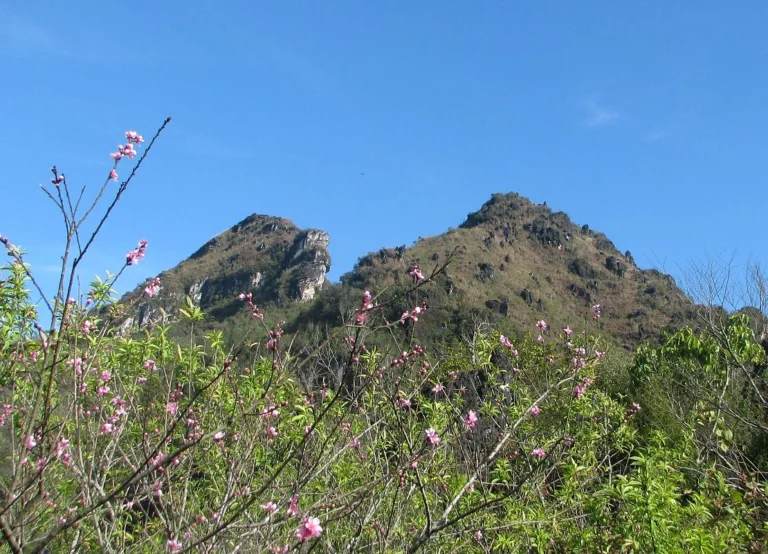
The best time of year to visit depends on your personal travel preferences. If you wish to admire the radiant golden hues of ripe rice terraces, plan your trip for September or October. If you are drawn to the pure beauty of peach and plum blossoms blooming amidst morning mist, the early months of the year offer the most magical atmosphere. Especially on chilly highland days, indulging in a traditional Red Dao herbal bath after touring the ancient monastery is a wonderfully restorative experience that washes away travel fatigue. Always remain mindful of environmental protection—never litter, and be sure to ask permission from local residents before photographing rituals or private living spaces so your journey remains respectful and fulfilling.
To enjoy a seamless holiday and take in the full beauty of Ta Phin Village without worrying about arranging transportation, booking admission tickets, or planning itineraries, travelers can choose VDS Travel’s premium all-inclusive Lao Cai tour packages. Each tour is thoughtfully designed to optimize photo opportunities at the most radiant times of day, accompanied by knowledgeable local guides deeply versed in regional culture and top-tier hotel and dining standards.